



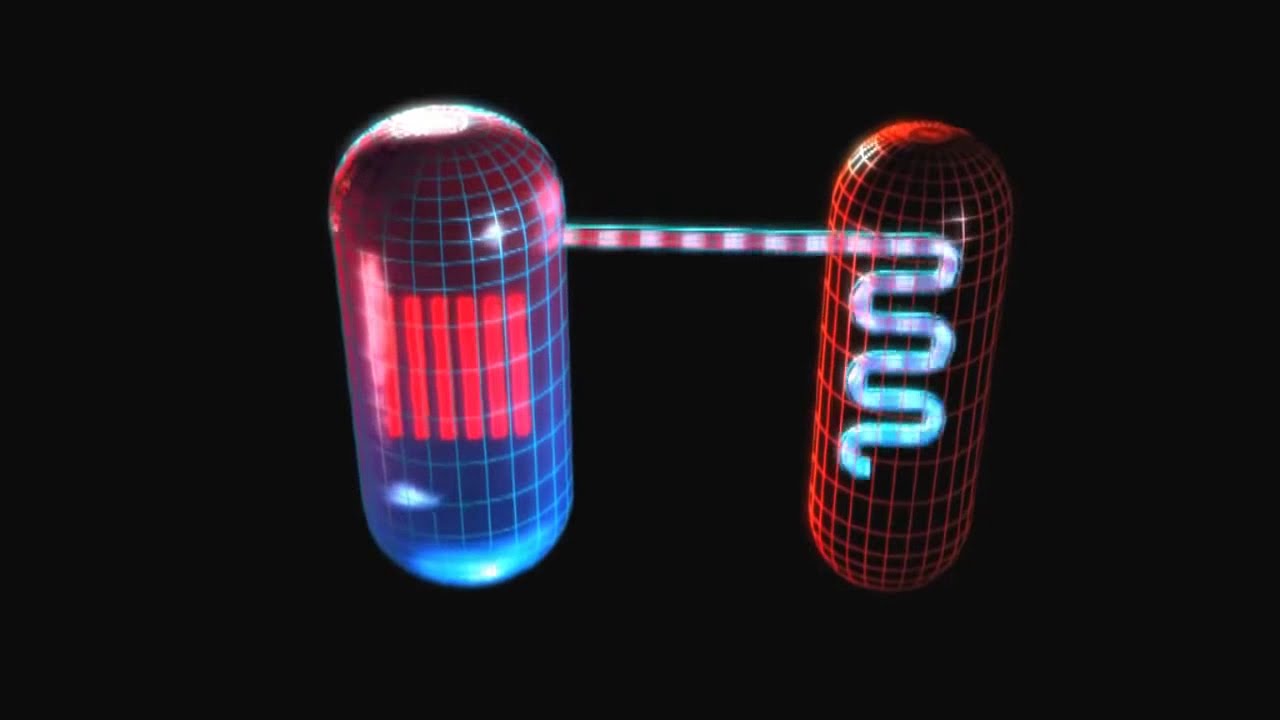












A Pressurized Water Reactor (PWR) nuclear power plant generates electricity by using nuclear fission in the reactor core to heat pressurized water, which transfers its heat to a separate water loop in a steam generator to produce steam; this steam then drives turbines connected to generators to produce electricity, with the entire system divided into a nuclear section (heat source) and a conventional section (steam turbines and generators).
Pressurized Water Reactor (PWR) Power Plant Operation Explained
Added:Fundamental principles of nuclear fission, including chain reactions, fissile isotopes like Uranium-235, and the role of neutron moderators.
Basic thermodynamics, specifically heat transfer mechanisms, fluid dynamics, and the physical relationship between pressure and the boiling point of water.
The law of conservation of energy and the mechanical process of converting thermal energy into kinetic energy (steam expansion).
Principles of electromagnetism and power generation, specifically how a rotating turbine drives a generator to produce alternating current (AC).
A comparative study of other reactor designs, such as Boiling Water Reactors (BWRs), Pressurized Heavy Water Reactors (CANDU), and emerging Generation IV reactors.
Nuclear reactor safety systems and control mechanisms, including control rods, emergency core cooling systems (ECCS), and passive safety features.
The complete nuclear fuel cycle, encompassing uranium mining, fuel enrichment, spent fuel storage, and radioactive waste management solutions.
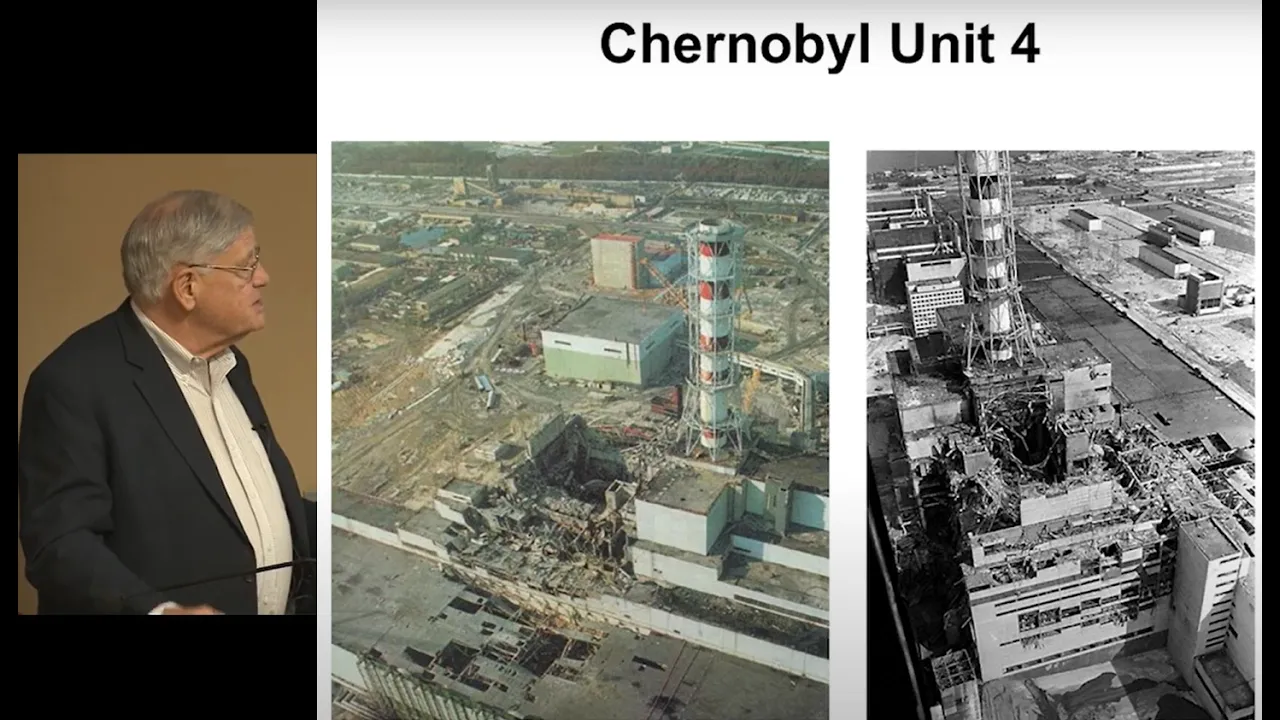
An analysis of historical nuclear incidents (such as Three Mile Island, Chernobyl, and Fukushima) to understand failure modes and the evolution of modern containment structures.
28.5K views642likes6:04Original Release: 2023-09-03
hi John here and welcome to another Sav snacks video in this video we're going to take a look at a nuclear power station specifically we're going to have a look at a pressurized water reactor nuclear power plant and I'll show you how it [Music] works here is our pressurized Water Reactor nuclear power plant I take a cross-section I can show you some of the main parts we've got our nuclear side that's actually everything over here and then we've got our conventional side which is everything over here so the one building over here would be our nuclear side and the one building over here would be our conventional side the conventional side is called conventional because we deliver steam to steam steam turbines and those steam turbines then generate electricity via a generator on the nuclear side this is I suppose you could dub it unconventional it's slightly different it acts as a heat Source if we were to replace this entire nuclear building with a Coal Fire boiler a gas fire boiler or anything else that we could use as a heat Source then we would have the same effect we would use it all to generate steam so that's exactly what's happening on the new nuclear side of our power plant we're generating heat and using it to turn water into steam to generate the heat we use a nuclear reactor this one is a pressurized water reactor pwr the other type that you're quite likely to see if you work in the nuclear engineering industry is a Boiling Water Reactor bwr pwr and bwr the two types of nuclear reactor that you're most likely to see the reactor is our heat Source we've got reactor cooling pumps those are indicated in green here they pump coolant through the reactor what we'll do we'll send the coolant in Via this pipe here the coolant flows along here into the reactor comes out flows along here and then goes into a steam generator the steam generator indicated by these cream colored items are big heat exchangers we pass the heat onto water within our steam generators and that water will turn to steam before we have a look at that though let's just see where the coolant comes out you can see the coolant comes out on this side so it flows up into the steam generator does a U-turn flows back down again and comes out of the bottom we've got a separate 3D model to show that in fact we've got separate 3D models for every one of these major components so be sure to check those out in the 3D model library at sa.com if you haven't already done so the coolant flows along here goes back into our reactor coolant pump and then the process begins again within the steam generator as I mentioned we heat water which enters through this connection here it actually goes down to the base of our steam generator and then flows back up again and we get steam coming out the top of the steam generator here is one steam outlet or steam discharge here is another there's one at the top of each of our steam generators and we send that steam off to a steam turbine see the four pipes coming out here they may join all into one pipe that would make a bit more sense and the steam goes to a steam turbine over here it will pass through a high press steam turbine maybe intermediate pressure steam turbine then through these low pressure steam turbines we've got three of those actually see them if I zoom out here is one here is another here is another and all of those turbines connect to an electrical generator that's this generator here and then we generate electrical power and send it to an electrical Transformer this item over here from there we can send the power to a substation and then to our power grid that's essentially how a pressurized water reactor nuclear power plant works there are the components involved such as a pressurizer that's this pink item directly in the middle of the screen now that has various functions within the system but I don't think we need to discuss those right now because this is an introduction video just to give you a quick overview of how the power plant Works irrespective of if you're looking at a pwr or bwr just keep in mind that reactors act as a heat source and it's those heat sources that we need to turn water into steam if you're looking at a different type of power plant just replace the heat Source maybe we're taking the energy from coal that's chemical energy or gas that's also chemical energy and then we use that energy by burning it to turn water into steam thermal power stations all do this that's what makes them Thermal they require a heat Source in order to generate electricity where that heat comes from is what defines the power plant itself if you want to access this 3D model you can do so at sa.com I accessed it directly through a web browser and use screen recording software to make this video there are over 400 other engineering 3D models that you can access we've got reactors steam generators reactor cooling pumps pressurizes steam turbines and many other types of 3D model all models are available in virtual reality and augmented reality as well if you like this video and you want to watch more of them we've got over 60 hours of engineering video courses and lessons similar to this one those are all available at savory.com and I definitely recommend you check those out don't forget to subscribe to the YouTube channel Channel if you haven't already done so thank you very much for your time
Up Next
18:57
Nuclear Engineer Reviews The Simpsons Homer Saves Springfield
@tfolsenuclear
20.6K views•2022-11-11
30:32
Ultrasonic Transducers: Resonant Frequency Measurement and Horn Design
@imajeenyus42
229.9K views•2017-02-22
54:16
Polymer Environmental Degradation: Mechanisms & Stabilization
@iit
1.8K views•2012-07-10
33:39
How a Student's Question Saved a NYC Skyscraper from Collapse
@veritasium
22.8M views•2025-04-26
Related Study Plans & Knowledge Roadmaps
Structured learning paths in Engineering
engineering
Building Acoustic Levitators: Physics & Arduino
01The Physics of Sound and Standing Waves
02Piezoelectric Transducers and H-Bridge Drivers
03Arduino Programming: Generating 40 kHz Signals
+ 2 more learning modules
14h5 modules
Explore Roadmap
engineering
Building Peltier Cloud Chambers: Particle Tracks
01Cosmic Rays & Cloud Chamber Physics
02Thermoelectric Cooling (TEC) Fundamentals
03Custom Liquid-Cooling Loop Design
+ 2 more learning modules
18h5 modules
Explore Roadmap
engineering
Yagi-Uda Antennas: Modeling, Build & VNA Test
01Introduction to RF and Antenna Fundamentals
02Yagi-Uda Antenna Design Principles
03Antenna Modeling and Simulation in 4NEC2
+ 2 more learning modules
18h5 modules
Explore Roadmap
engineering
ECG Monitor Design: Op-Amps, Filters & Noise
01Electronics & Breadboard Basics
02Op-Amps and Instrumentation Amplifiers
03Bioelectricity and ECG Fundamentals
+ 2 more learning modules
18h5 modules
Explore Roadmap