



















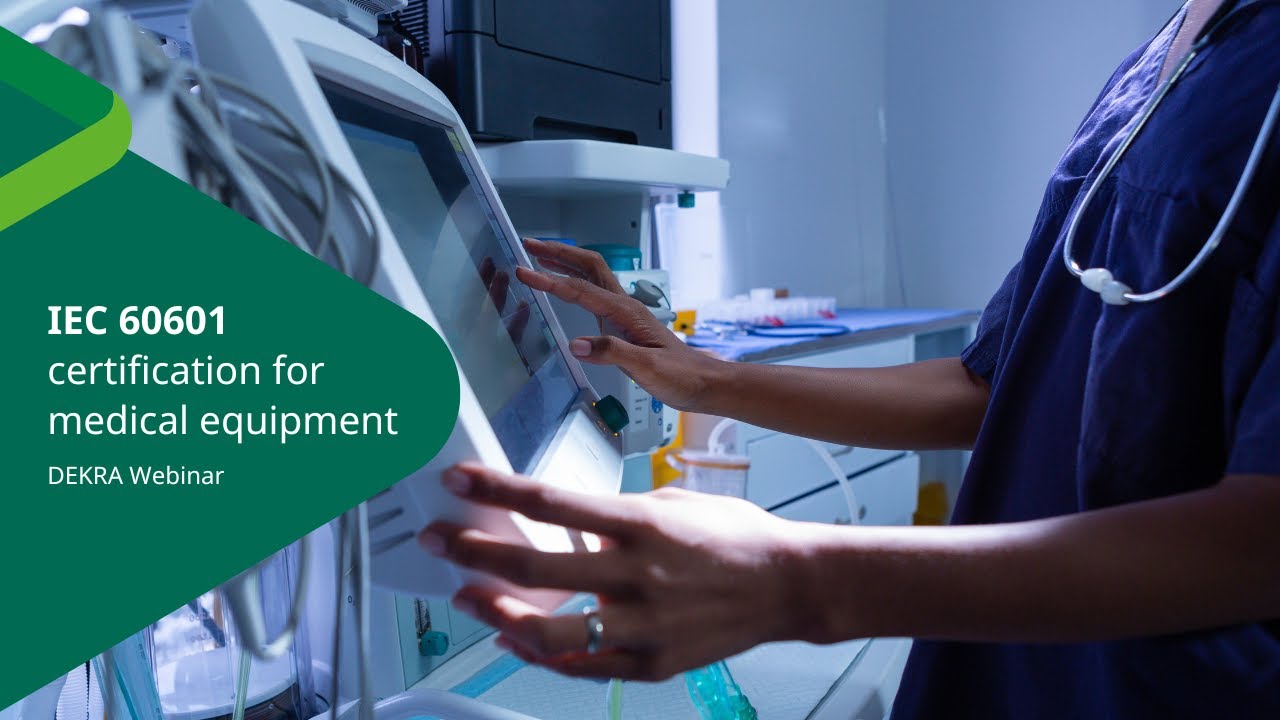


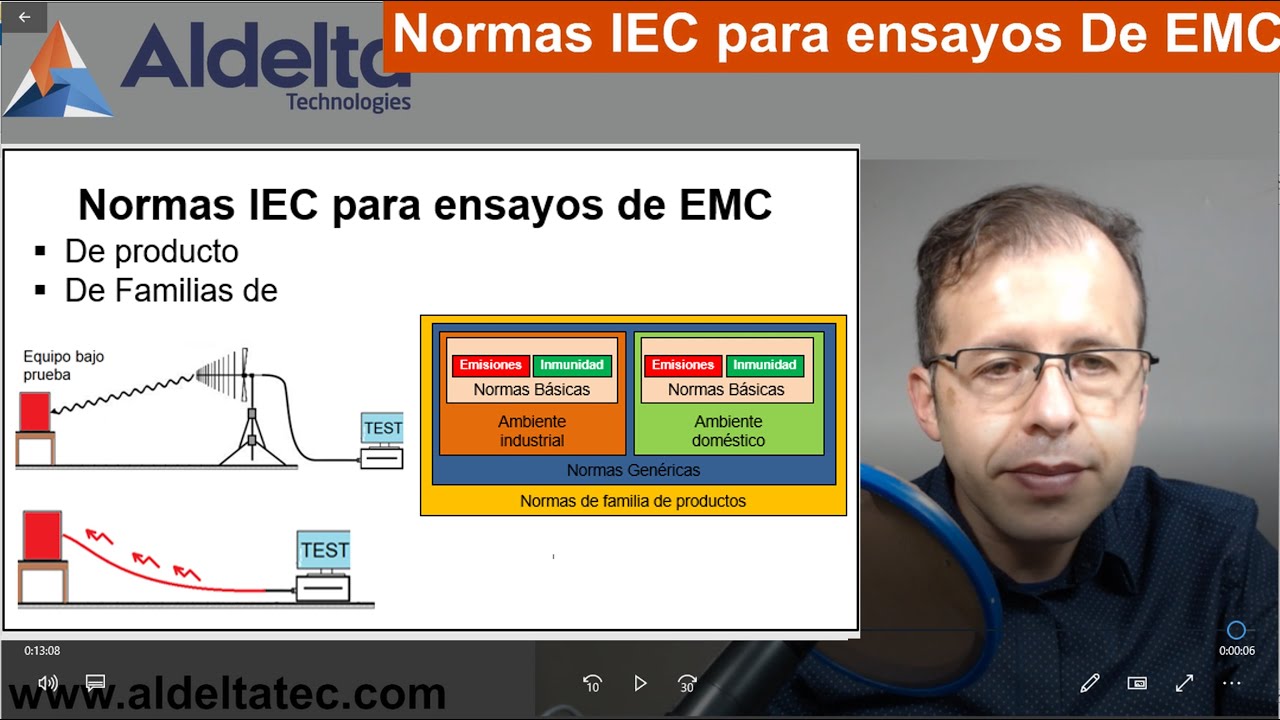
Medical equipment electrical safety is governed by international standards (IEC 60601) that classify equipment into three classes (Class I with basic insulation and protective earth, Class II with double or reinforced insulation, and Class III with internal power supply) and patient applied parts into three types (Type B earthed, Type BF floating surface, and Type CF floating for cardiac contact), with safety testing conducted under normal conditions and single fault conditions to ensure no hazard arises from any single protection failure, involving measurements of protective earth resistance, leakage currents (earth, enclosure, patient, and auxiliary), and dielectric strength tests.
Medical Electrical Safety: IEC 60601 Standards Explained
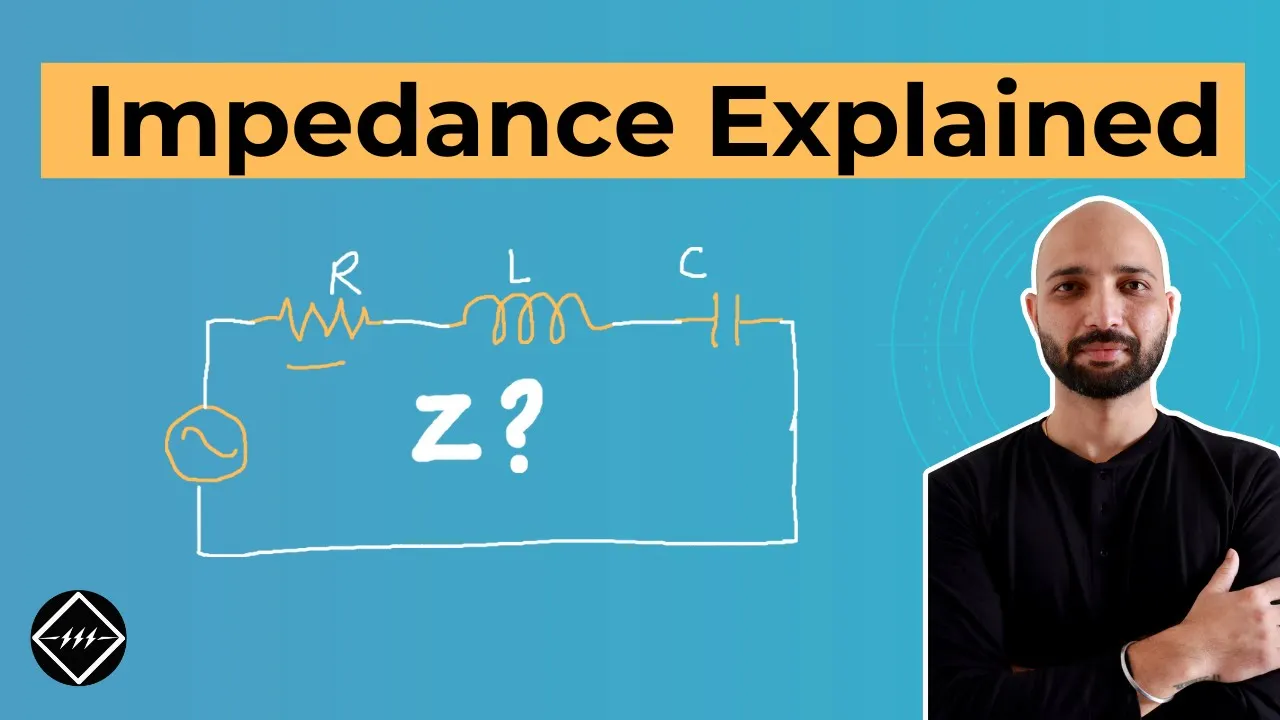
Added:Fundamental AC/DC circuit theory, including Ohm's law, impedance, and the principles of electrical grounding/earthing.
Physiological effects of electricity on the human body, specifically the concepts of macroshock, microshock, and cardiac fibrillation thresholds.
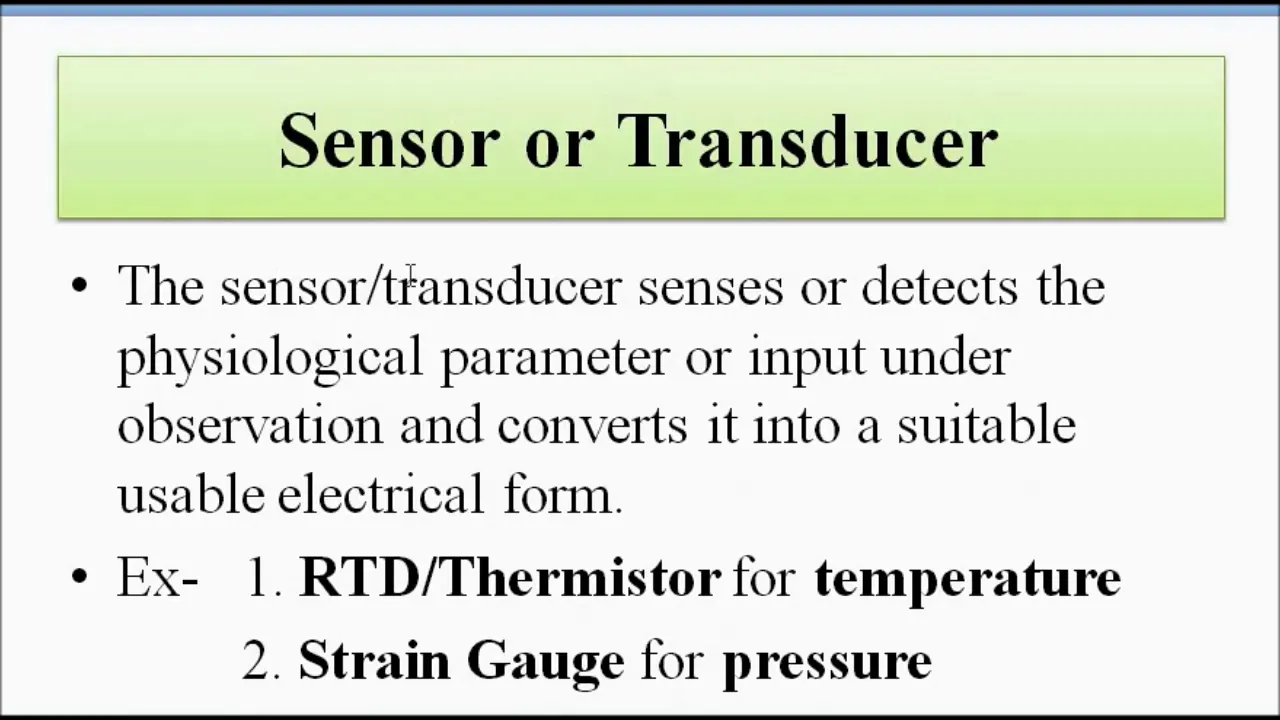
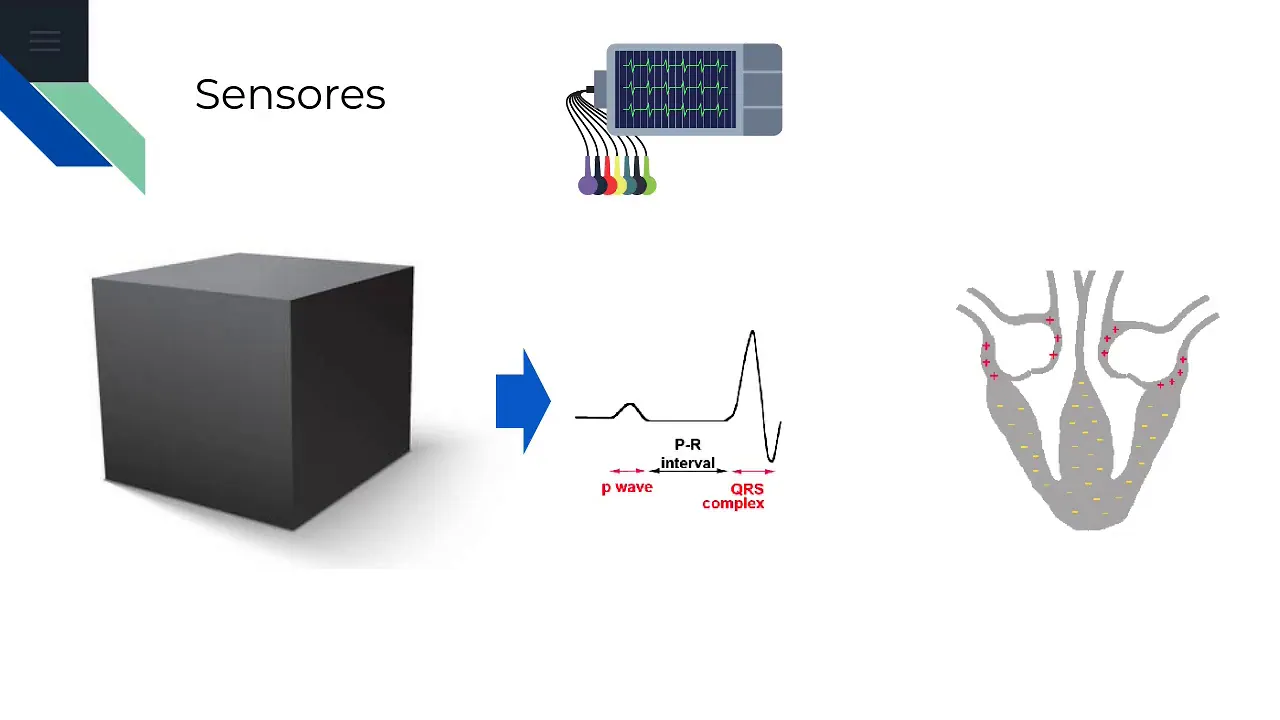
Basic architecture of biomedical instrumentation, particularly the concept of patient-applied parts and isolation barriers.
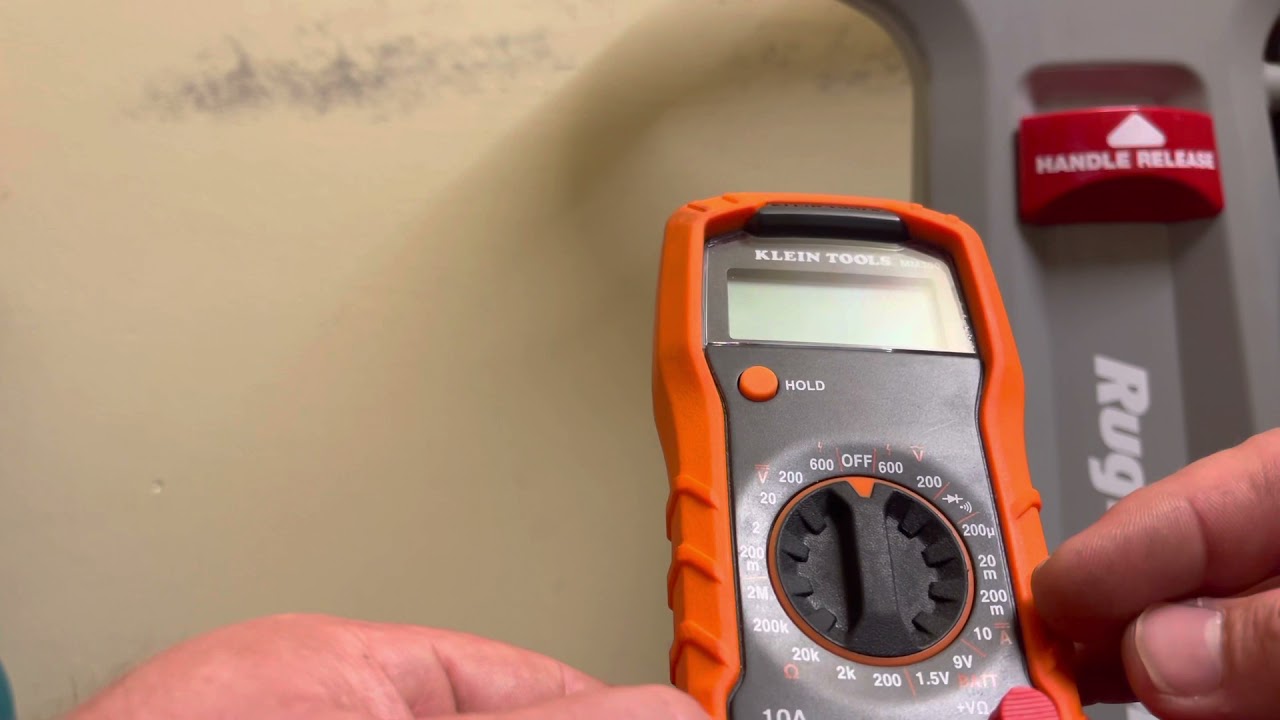
Familiarity with standard electrical measurement tools, such as multimeters and basic circuit testing procedures.
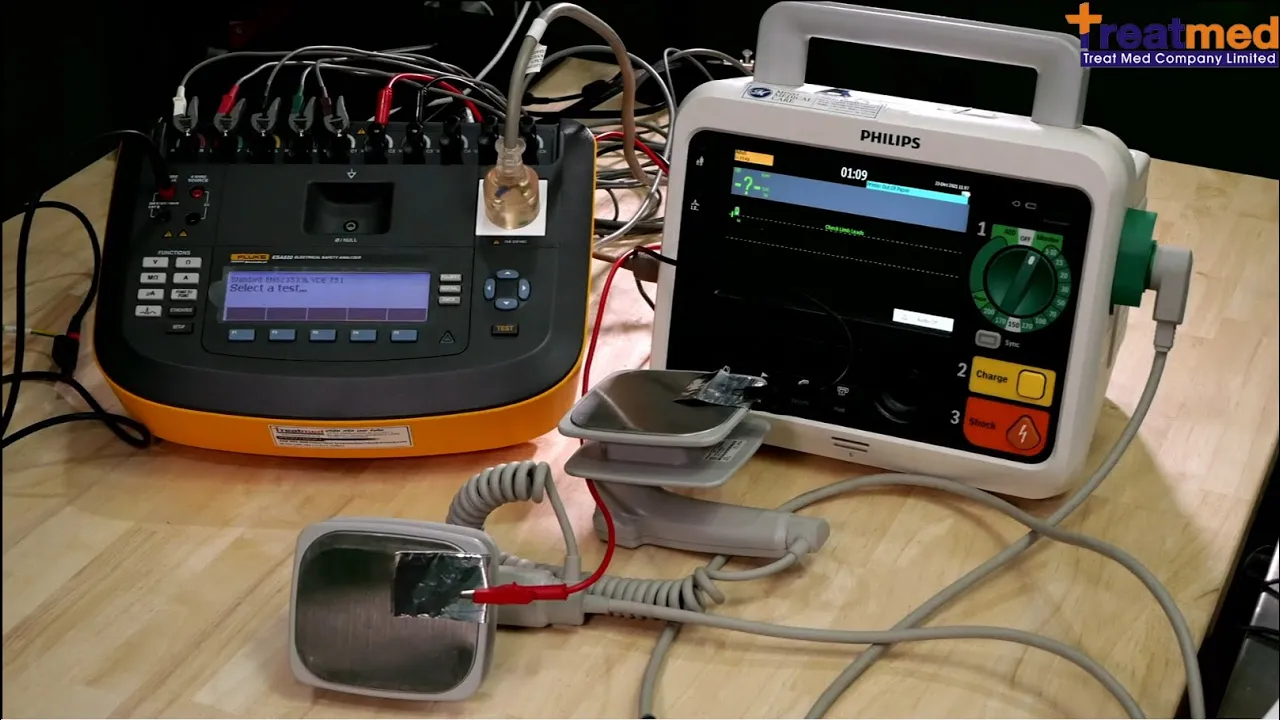
Hands-on electrical safety testing (EST) protocols using specialized safety analyzers on clinical equipment (e.g., ECGs, defibrillators).
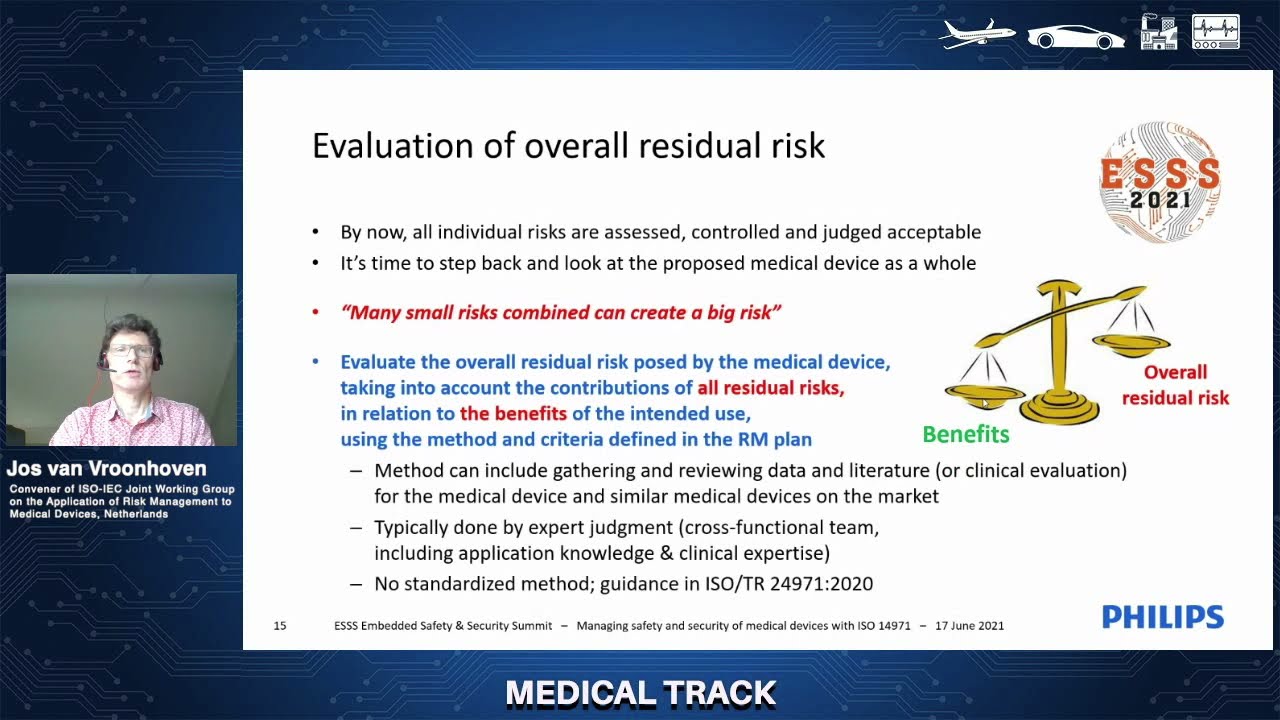
Application of ISO 14971 (Risk Management for Medical Devices) to align electrical safety risks with overall clinical safety profiles.
Advanced design principles for medical hardware, including creepage and clearance distances, opto-isolation, and protective earth design.
Exploration of collateral standards under the IEC 60601 family, such as IEC 60601-1-2 for Electromagnetic Compatibility (EMC).
42.3K views782likes7:46Original Release: 2020-07-09
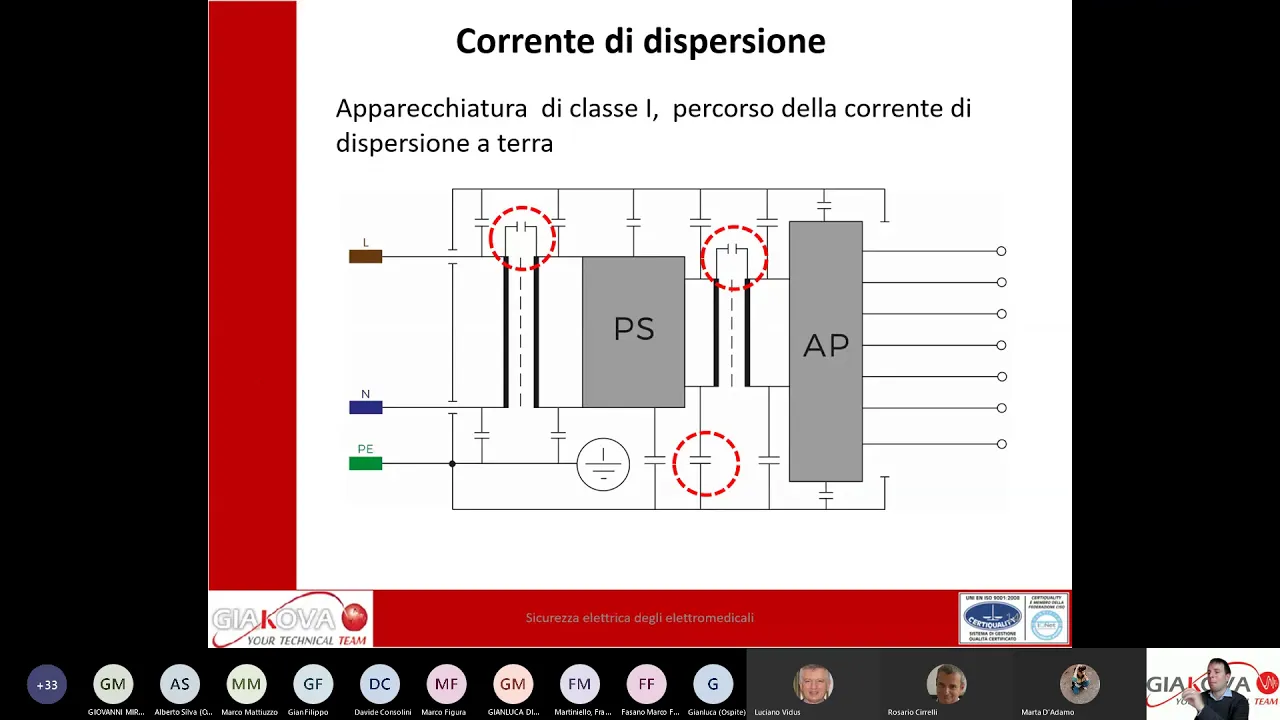
[Music] welcome to biomechanical engineers TV in this video we will learn about electrical safety of medical equipment this series we will cover up in three parts this video we will learn about what is electrical safety standards and terminology let's know about electrical safety standards first to help verify the functionality and safety of medical devices electrical safety standards have been established in the United States European countries and other parts of the world the standards differ in criteria measurements and protocol the International Organization for Standardization ISO and the International Electrotechnical Commission IEC organizations based in Europe provides standards worldwide in partnership with a World Trade Organization these include standards for electro medical equipment there are general and specific standards for medical device electrical safety IEC 6/0 6/0 1 a AMI NFPA 99 the primary standard for medical devices is IEC six60 1 general requirements for protection against electric shock hazards are covered in ie c60 6 0 first in this standard each instrument has a class class 1 live part covered by basic insulation and protective earth class to live part covered by double or reinforced insulation class IP internal power supply second each patient applied part or patient lead has a type type be patient applied power earthed type BF patient applied part floating surface conductor type CF patient applied part floating for use in direct contact with a heart and leakage measurement limits have been developed for equipment types and measurements they include NC normal conditions SFC single fault conditions the terminology used in ie c60 6:01 are protective earth resistance earth leakage current touch current formerly enclosure leakage current patient leakage current patient auxilary current mains on applied part ma p let's understand about some electrical safety terminology let's begin with normal condition and single fault conditions a basic principle behind the philosophy of electrical safety is the in the event of a single abnormal external condition arising or the failure of a single means of protection against a hazard no safety hazard should arise such conditions are called single fault conditions protective earth continuity the resistance of the protective earth conductor is measured between the earth pin on the mains plug and a protectively earth point on the equipment enclosure the reading should not normally exceed naught point 2 ohms or any such point the test is obviously only applicable to class 1 equipment insulation tests IEC 606 0 1 1 lays down specifications for electrical separation of parts of medical electrical equipment compliance 2 which is essentially verified by inspection and measurement of leakage currents further tests on installations are detailed under dielectric strength these tests use AC sources to test equipment that has been pre conditioned to specified levels of humidity the tests described in the standard are type tests and are not suitable for use as routine tests earth leakage current for class 1 equipment earth leakage current is measured as shown in Figure 12 the current should be measured with the mains polarity normal and recommended that the earth leakage current be measured in normal condition only many safety testers offer the opportunity to perform the test under single fault condition neutral conductor open circuit this arrangement normally gives a higher leakage current reading enclosure leakage current is measured between an exposed part of the equipment which is not intended to be protectively earthed and true earth the test is applicable to both class 1 and class 2 equipment and should be performed with mains polarity both normal and reversed patient leakage current for class 1 and class 2 type B and B F equipment the patient leakage current is measured from all applied paths having the same function connected together and true Earth for type CF equipment the current is measured from each applied part in turn and the leakage current leakage must not be exceeded at any one applied part patient auxilary current patient auxilary current is measured between any single patient connection and all other patient connections of the same module or function connected together where all possible combinations are tested together with all possible single fault conditions this yields an exceedingly large amount of data of questionable value patient leakage by applying mains voltage to the applied parts the leakage current that would flow from an external source into the patient circuits can be measured although the safety tester normally places a current limiting resistor in series with a measuring device for the performance of this test a shock hazard still exists therefore great care should be taken if the test is carried out in order to avoid the hazard presented by applying mains voltage to the applied parts this was the terminology definition in Electrical Safety in next video we will learn about class and their definition thanks for watching biomedical engineers TV do subscribe the channel see you guys in the next video you [Music]
Up Next
4:09
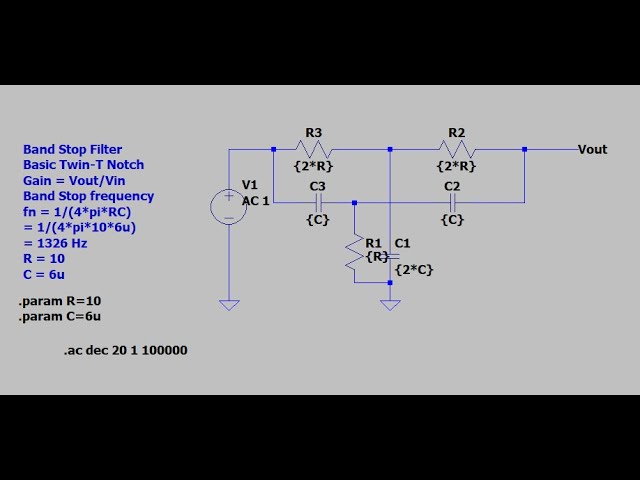
Designing a Twin T Notch Filter in LTspice: Band Stop Tutorial
@dudekpob
435 views•2025-02-10

12:54
Triumph of Orthodoxy Icon: Byzantine Art & History Explained
@BenCallan
2.1K views•2024-08-06

9:49
FastAPI vs Flask vs Django: Choosing the Right Python Web Framework
@TechWithTim
302.5K views•2024-05-26

1:42
Game of Thrones Opening Credits: A Cinematic Analysis
@gameofthrones
46.3M views•2011-04-18
Related Study Plans & Knowledge Roadmaps
Structured learning paths in General & Interdisciplinary Studies
general-studies
Elevator Engineering: History, Physics & Cities
01From Hoists to Safety Brakes: The Dawn of Vertical Lift
02Hydraulic vs. Traction: The Engineering Physics of Elevators
03Modern Speed, Safety, and Algorithms
+ 2 more learning modules
12h5 modules
Explore Roadmap
general-studies
Rubber: Material Science, History & Geopolitics
01Origins of Natural Rubber & Mesoamerican History
02The Chemistry of Natural Rubber & Vulcanization
03The Geopolitics of the Rubber Boom & Colonization
+ 2 more learning modules
12h5 modules
Explore Roadmap
general-studies
Containerization: Evolution, Logistics & Trade
01Ancient Trade & Bulk Cargo: Amphorae to Barrels
02The Industrial Revolution & Cardboard Packaging
03The Containerization Revolution: Malcom McLean
+ 2 more learning modules
12h5 modules
Explore Roadmap
general-studies
Textile Tech: Evolution, Labor & Global Impact
01Pre-Industrial Textiles: Handloom & Cottage Industry
02Mechanization: The Spinning Jenny to the Power Loom
03The Factory System & Global Labor Transformation
+ 2 more learning modules
10h5 modules
Explore Roadmap