










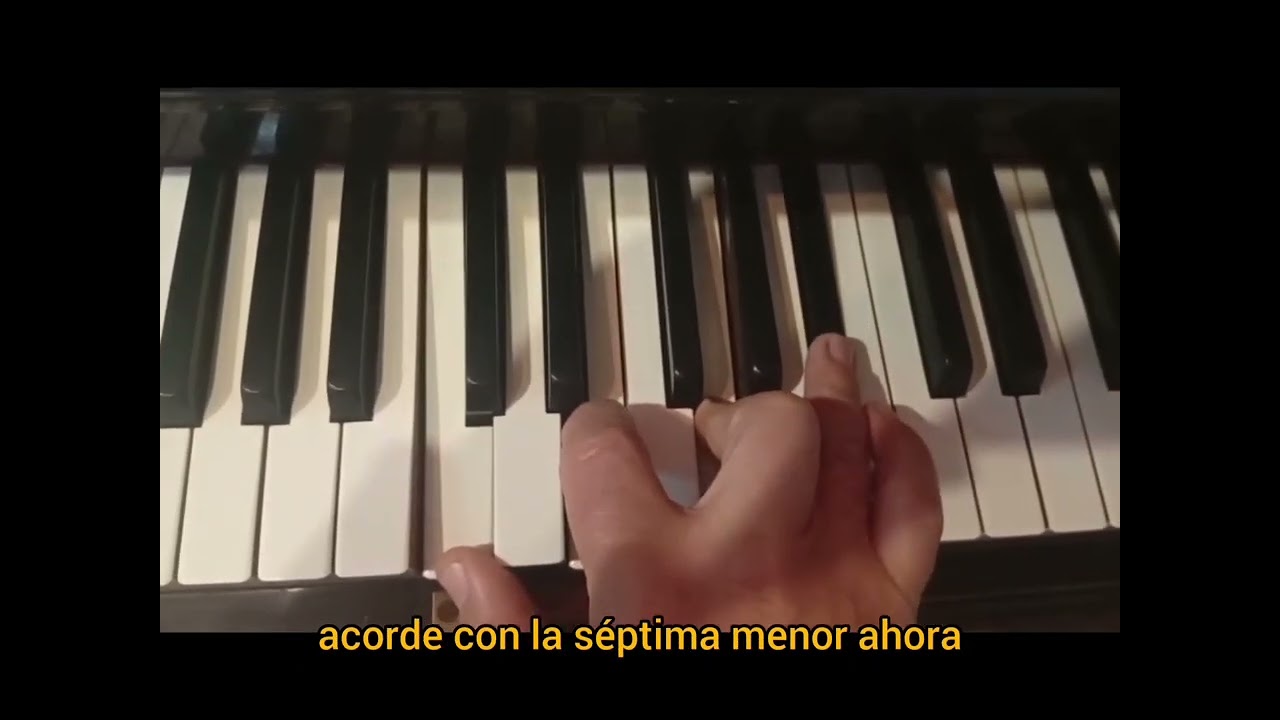








Chord inversions are alternative arrangements of the same chord notes where the order is changed rather than the notes themselves, allowing pianists to move smoothly between chords without large hand movements; for any triad chord, there are three inversions (root position, first inversion with the third note on top, and second inversion with the fifth note on top), and these can be used as shortcuts to transition between chords like moving from a C chord to a G chord by repositioning fingers within the same hand shape.
Piano Chord Inversions Tutorial: Master Triad Voicing Fundamentals
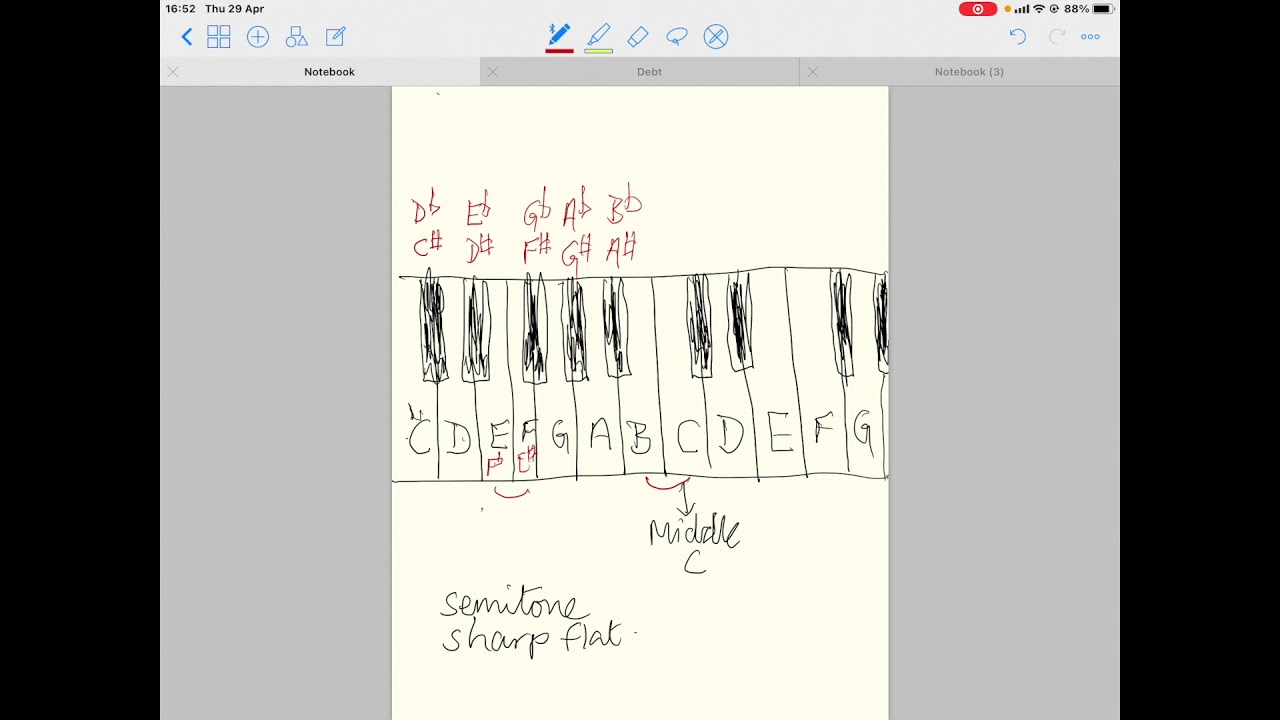
Added:Understanding of the piano keyboard layout, including note names (A-G) and octave registers.
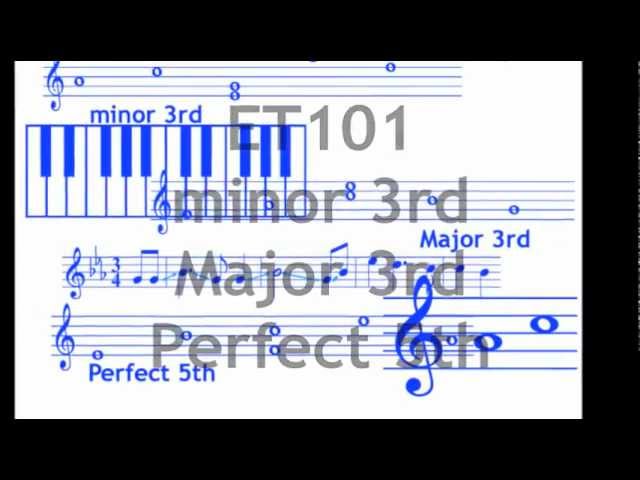
Knowledge of basic musical intervals, specifically major and minor thirds and perfect fifths.
How to construct major and minor triads in their root position (Root - 3rd - 5th).
Familiarity with standard keyboard hand posture and basic finger numbering (1 through 5).
Applying voice leading principles to transition smoothly between different chord changes with minimal hand movement.
Learning fourth-note seventh chord inversions (Major 7th, Minor 7th, and Dominant 7th chords).
Exploring open voicings, such as drop-2 voicings, to distribute chord tones across both hands for a richer sound.
Using inverted chord shapes to construct fluid arpeggios, fills, and improvisational lines over chord progressions.
239.2K views4.5Klikes8:39Original Release: 2017-06-08
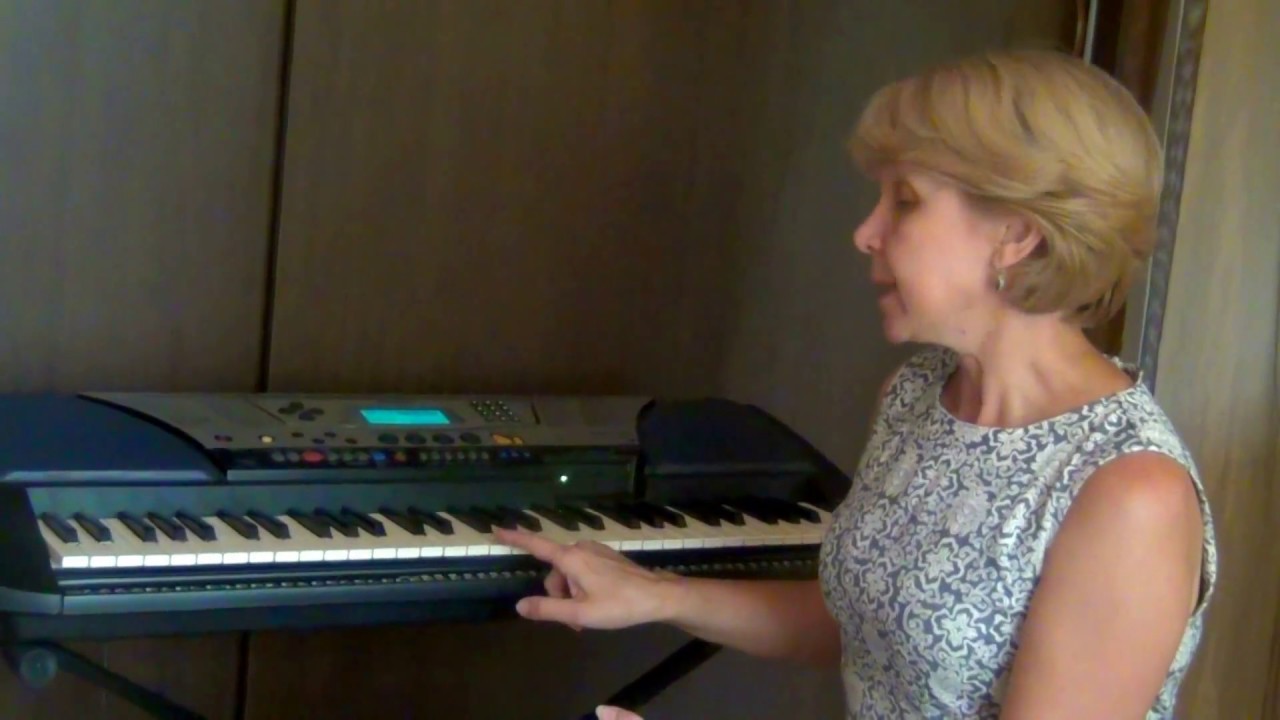
[Music] hey guys we're back with some more chord hacks for you in our last lesson we looked at what is a chord and now we're going to take a look at what is an inversion so the the world of chording is kind of magical in that i feel like there's probably there's no end to the possibilities and the ways that we can color the sounds um that we're making when we're playing them so we've identified kind of our big chords the progression of chords that sound really complementary to each other and this lesson we're going to build on that a little bit so in order to build on that in order to add some interest to what we're playing we're going to look at inversions so some of you will know what those are but for those of you that don't an inversion is simply another ordering of the chord so it's playing the notes of the chord but we're changing the order we're inverting them so what that looks like is if if we're playing a c chord or we can also call it our one chord because c is our home base right now we're going to play c e and g now we don't have to play them in that order for them to be considered a c chord we can take the c on the bottom and we can put it on the top and it's a little bit fancy maneuvering with the hands but what it looks like is this my thumb is going to take over where my middle finger is and i'm going to play the e next then the g and then the c so we still have all three of the same notes but we're just playing them in a different order so what that does is it sounds a little bit different it voices things differently it highlights different um a different texture of the sound or it highlights different harmonics in the sound so i'm going to show you the next inversion because there's more we can reorder this again we're going to put the e on top so our thumb is going to take over where that finger was we're going to place our third finger on c and our five really nicely just kind of lands on the e so this is what we'd call the second inversion and then if we shuffle them one more time by putting the g on top we're gonna land right back in root position where we started so this is a c chord this is a c chord this is a c chord we've got one here we've got so many places that we can play these chords so what i'm going to do for you is i'm going to play that one more time just in nice succession so you can see what's happening with my hand movements and you can practice this at home we can come back down the scale exactly the way that we came up when i was taking piano lessons as a kid it was hours of this stuff so you can start slow and then you can build up in speed it might look complicated but i promise the more you do it the easier it becomes and then again not forgetting our left hand he's going to take a turn back down we go so there you have c chord inversions now this is something that can be done on any chord that you play so if you were playing the five chord or the g chord you've got a root position you've got the first inversion you've got the second inversion you've got your root position again same thing goes for our minor sixth same thing with our fourth and that kind of sounds fun when you put it all together and then we can land right back on our root position or our home base of c and that is inversions in a nutshell so we can build from there so what gets me really excited about inversions is that they allow us to move between our chords without having to dance our hand around so much so we're used to going from our one chord here to our five chord here and we're traveling but what we can do is we can use these little chord inversions or shortcuts hacks to move between our chords and it makes you feel super duper skilled and it makes you look awesome so i'll show you how that happens we're going to play c in its root position i love starting on root position because i feel like it kind of it's easy go hey root position i don't have to think about this so our next chord in our in our chord progression is g it's the five and all i have to do to get to g is remember that a g chord is built up of a g a b and a d and if i look this hand has already got a g so i'm not gonna move this finger i'm gonna use my two finger to switch out for my third i'm gonna play this d and my thumb is gonna just step down and oh my gosh i've got a g chord so i've i've gone from my root position c to an inverted g chord without having to move my hand at all so practice this back and forth 100 times no i'm just kidding but you can practice it as much as you like because this looks simple when i do it but if you've never played this way before it can be a complicated hand movement where we're moving notes plus we're changing fingering so take your time to get comfortable with this movement so i would like to note that this is a movement between a root position one chord and an inverted v chord and this is something that you can take to any one to five chord transition anywhere on the keyboard so if i were to play an f chord in its root position the one and i wanted to move to the five which is f g a b c same exact movement so really what's happening is is we're just changing our shape our shape is going from here to here so if you are really busy person and you don't get to practice as much as you'd like you know when you're sitting at your desk you can place your hand and just change those finger positions and this is a little exercise a little trick that you can use to develop some dexterity in your hands when you're away from the piano so that is that is the movement between a one and a five to get to our next chord in the progression which is the minor sixth we're gonna just simply pick our hand up and move everybody over a step so i'll show you again i'll break it down so here's our here's our one our c chord here's our five now to play the minor six we need an a a c and an e and we can find that here's here's our c here's our e here's our a so all we've had to do is simply step everybody up one we freeze our hand position and we just move up a step so i'll show you here's our one here's our five here's our minor six now this next one to get to the four is super easy we need an f an a and a c and we've got the a and we've got the c so we're going to swap it out here for the f and now we're playing an inverted f chord so there are a few ways to look at this you can look at this by breaking down the the actual notes in each chord and thinking through what notes do i need how do i need to move my hand to most efficiently get there some of you might like that approach you can think about it in terms of shape here's the root position shape here's a shape to get to the five move the shape up switch like this um that's another way you can think about it so for every person there's a different way of learning and it's going to be up to you to explore what works best for you you can write down the names of the notes that you're going to be playing on a piece of paper if you're visual or you can simply refer back to this video and get used to this progression so there you have it there are some chord hacks using inversions we've looked at what is a chord how to play a chord what is root position and what inversions look like so now you get to explore have fun practice playing your inversions and we'll see you next time for a unit on what to do with our left hand while courting [Music] you
Up Next

8:46
Roman Numeral Analysis in Music Theory: Chord Fundamentals Explained
@musictheoryisamazing
1.1K views•2025-04-18

10:20
Mozart's Musical Dice Game Explained: History, Rules, & Fun
@webpianoacademy
5K views•2023-03-13

47:36
Understanding Diatonic 7th Chords in Major Keys | Music Theory Tutorial
@GracieTerzian
54.7K views•2022-03-02
10:49
Understanding John Coltrane's Giant Steps: A Music Theory Analysis
@Vox
10.4M views•2018-11-12
Related Study Plans & Knowledge Roadmaps
Structured learning paths in Music Theory
music-theory
Composing Galant Music: Partimento & Schemata
01Foundations of Figured Bass and Keyboard Harmony
02The Rule of the Octave (Regola dell'Ottava)
03Galant Schemata: The Building Blocks of Form
+ 2 more learning modules
30h5 modules
Explore Roadmap
music-theory
Decoding Overtone Series: Tuning & Drone Music
01Acoustic Foundations: The Physics of the Overtone Series
02Tuning Systems: Equal Temperament vs. Just Intonation
03Microtonality and Spectralism: Beyond Standard Pitches
+ 2 more learning modules
24h5 modules
Explore Roadmap
music-theory
Impressionist Harmony: Scales, Planing & RPGs
01Foundational Music Theory: Keys, Intervals, and Seventh Chords
02Impressionist Color: Chord Planing and Parallel Harmony
03Whimsical Textures: Pentatonic Cascades and Whole-Tone Scales
+ 1 more learning modules
14h4 modules
Explore Roadmap
music-theory
Negative Harmony: Axis Reflection in Indie Pop
01Music Theory Foundations: Scales, Intervals, and Triads
02Functional Harmony and the Circle of Fifths
03Demystifying the Negative Harmony Axis Reflection
+ 2 more learning modules
16h5 modules
Explore Roadmap