












![► Alien : Isolation | #8 | Zabití Vetřelce? | CZ Lets Play / Gameplay [1080p] [PC]](https://i.ytimg.com/vi/WEMpUMDDahc/maxresdefault.jpg)
![Design Is [Audible] - Designing sound for human experiences](https://i.ytimg.com/vi_webp/FVNuVKy90Do/maxresdefault.webp)








This video provides a comprehensive beginner's guide to composing video game music using entirely free tools, covering essential setup with Reaper DAW and DEX ED synth, 13 practical composition tips including studying reference tracks, creating a creative brief, setting up a sound palette, starting with small ideas, keeping an idea file, building structure early, ensuring singable melodies, utilizing repetition, keeping melody on top, quantizing intelligently, ending loops on dominant chords, and using an arrangement checklist, plus bonus advice on mastering one piece of gear, recording live players, learning theory as you go, and maintaining curiosity.
Beginner's Guide to Composing Video Game Music
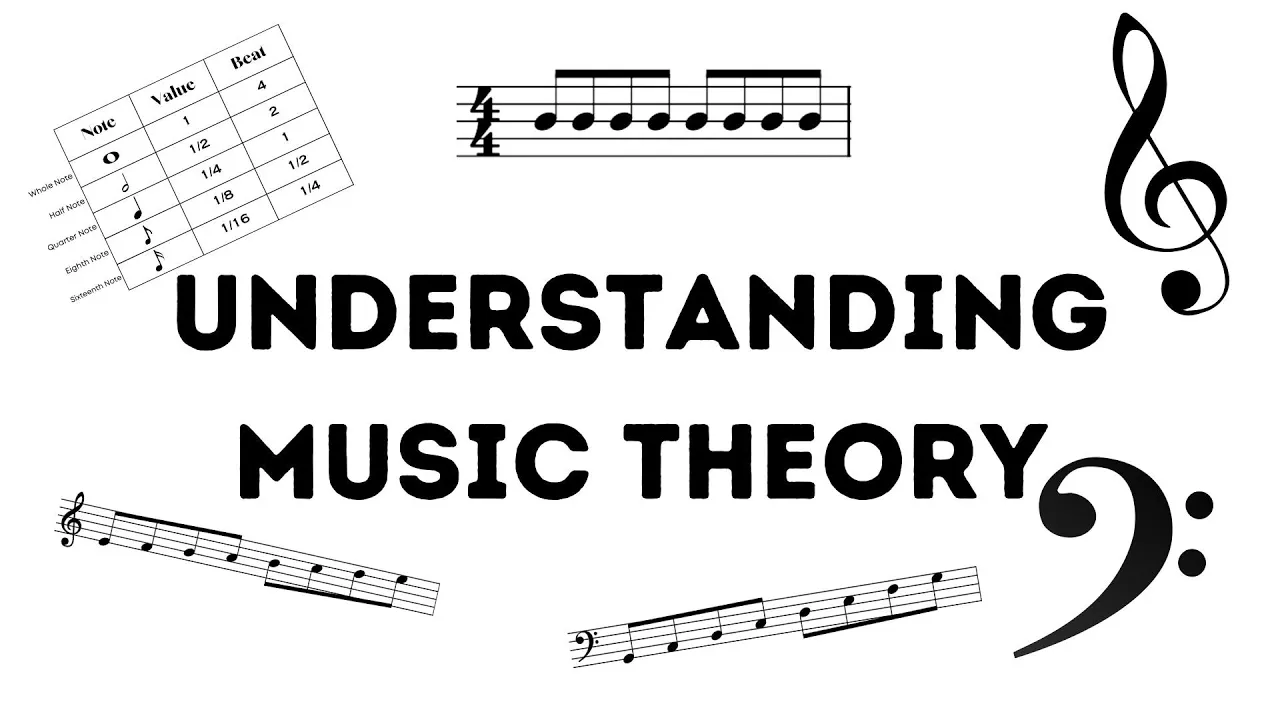
Added:Basic Music Theory: Familiarity with musical scales, keys, simple chord progressions, and interval relationships.
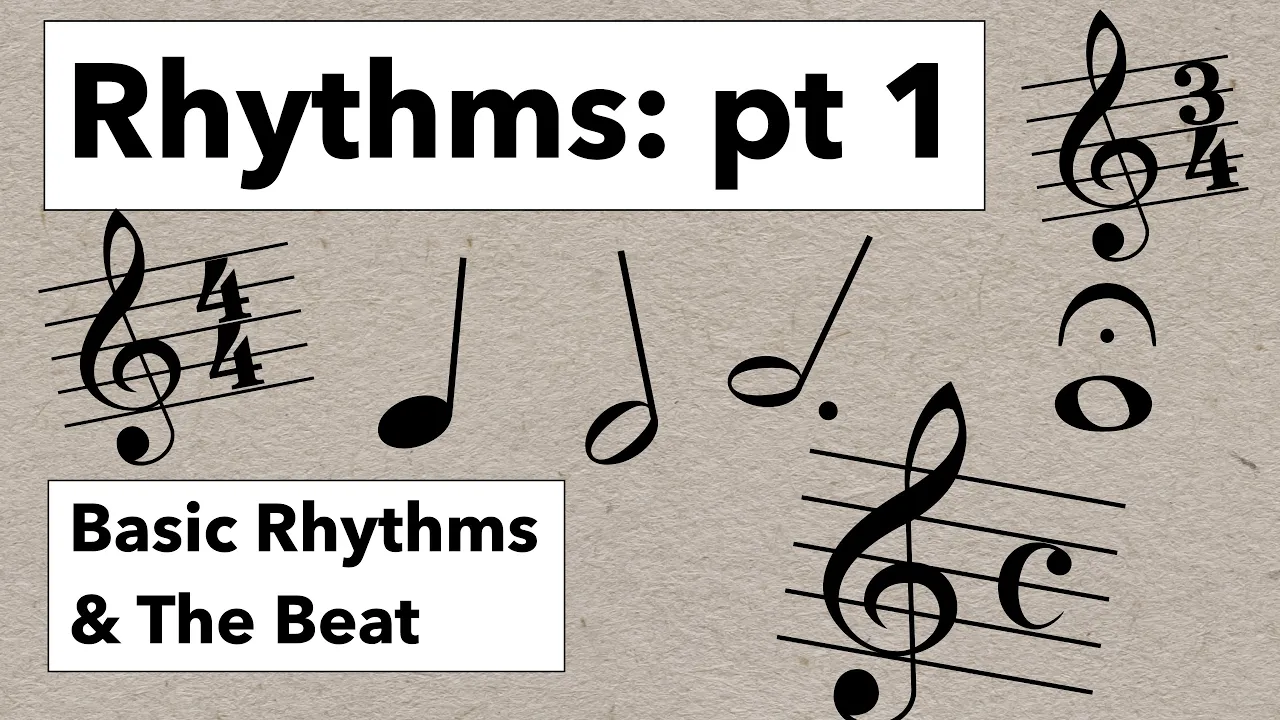
Fundamental Concepts of Rhythm and Tempo: Understanding time signatures, beats, and how tempo dictates the energy of a piece.
Introduction to Digital Audio Workstations (DAWs): General awareness of how music software operates, particularly concepts like tracks, MIDI sequencing, and virtual instruments.
Active Listening of Game Soundtracks: Recognizing how video game music shifts tone to match different gameplay environments (e.g., tension in a battle vs. peace in a safe zone).
Interactive and Adaptive Audio Design: Learning how to compose dynamic music that loops seamlessly and changes in real-time based on player actions using middleware like FMOD or Wwise.
Implementation in Game Engines: Understanding how to import audio assets and trigger them programmatically within software like Unity, Unreal Engine, or Godot.
Advanced Orchestration and Virtual Instruments (VSTs): Upgrading from free tools to industry-standard sample libraries and synthesizer sound design.
Sound Design and Foley: Developing the skills to create custom sound effects (SFX) and ambient textures that complement the musical score.
The Business of Game Scoring: Navigating licensing, copyright, contracts, portfolio building, and networking in the indie game development community.
373.5K views22.9Klikes23:32Original Release: 2020-12-07
in this video i'm going to teach you how to compose video game music with entirely free tools even if you're a complete beginner you're going to learn melody you're going to learn harmony you're going to learn some arrangement principles you're going to learn a little bit of music theory once we get you set up with software i'm going to give you some composition tips that i personally use in my composition process and at the end i'll give you some bonus tips if you want to take your skills to the next level so let's get into it getting set up now the first thing you need to make video game music is a digital audio workstation otherwise known as a daw if you already have one you can skip to this time stamp where we get to the good stuff otherwise i recommend reaper why it's super powerful and customizable it's got a 60 day free trial with nothing hidden behind a paywall and they still let you use it even after the 60 days but you should buy it because it is one of the most inexpensive diws at only 60 dollars anyway when you start reaper or whatever diw you're using you should see something like this a totally blank canvas now to start making music we need to download some sounds a lot of daws come pre-packaged with instruments otherwise called vsts reaper does not but that's okay because there are a ton of free instruments on the internet just waiting to be downloaded one of my favorite is dex ed it is a free synth replication of the yamaha dx7 vintage synth you can get some really cool sounds out of it it comes pre-loaded with a bunch of really good presets and that's what we're going to be using in this tutorial the link to download deck set is in the description or just google it okay now if all went well we should be able to create a new track and load up our new synth plugin onto it in reaper i just right click anywhere and hit insert virtual instrument on new track click all plugins type in dex ed and you should see it pop up here click that and bob's your uncle so the way dex ed works is you have these cartridges which mimic the actual cartridges of the dx7 so you can click through them and load up presets and then click on this piano to hear them [Music] all right we're almost done with the boring technical stuff there's just one more thing i need to talk about and it's super important and that is midi now again if all of this stuff is elementary once again you can skip to this time stamp right here to go right to the fun stuff first off midi is not sound midi is a language that communicates to the computer what sounds to play and when along with a bunch of other parameters that we don't need to worry about right now so if i create a blank midi item in reaper i go in there and i start drawing in some midi events and these are midi events that just happen to be notes these notes are not actually sounds it's just instructions that's basically telling the computer at this point play this note on this instrument for this long alright so there are three main ways to program in midi notes one you can click and enter in notes with your mouse like i showed you you can go to view virtual midi keyboard and the snazzy piano pops up see these letters these correspond to the keys on your keyboard so then you can just play the keys on your keyboard like an instrument just about every modern daw has the equivalent of this function and the third way you can input midi and by far the most superior is with a midi controller or a midi keyboard all right enough of this technical stuff my dudes let's get into the actual composition here are 13 tips to get you started on your journey of making your own video game music tip number one study the music that you like so you've probably got a general idea of what kind of video game music you want to write even if it's something like i just want to write a peaceful town theme where i want to write a retro synth banger for my action platformer and chances are you probably have a few soundtracks that inspire you i highly recommend importing reference tracks into your daw to study them study things like the tempo the arrangement the instrumentation the melodic contour even transcribe it if you have the time it really takes a lot of the guesswork out of the composition process and you learn the tricks of the trade just by studying those who have gone before you tip number two is to create a creative brief based on your musical goals alright so let's say i want to go with a retro synth banger for my action platformer and i've been listening to a lot of sonic 3 and i want to write something in the vein of icecap zone before i put a single note down the first thing i would do is write up a creative brief any creative professional will tell you that it's a really good idea to have a creative brief either written up for yourself or from the client before you start work now it doesn't need to be fancy just open up a google doc doc or a word doc and start writing down the things that you hear and the goals for your composition all right so i'm just gonna listen to icecap zone and write out some notes based on what i'm hearing [Music] so it's safe to say this is going to be quite upbeat probably over 120 beats per minute it's likely going to be in a minor key which gives it that intensity and tension as far as instruments here are a few things i know i'm going to want to implement i'm going to want a washi pad a melody synth a keys synth for the chords a bass synth and probably some electronic drums you know just standard synthy stuff but the important thing is that you have a creative brief even if you're just composing for yourself just a document to continually refer back to when you get lost it gives you rails to run on and it keeps you focused tip number three is to set up your sound palette one of the best ways to kill your creative flow is to constantly go back and forth between actually composing and adding tracks looking for the right sound it just uses different parts of your brain it's just not a good workflow every good chef knows that you got to get all your ingredients out first before you start cooking this is such a common practice that the french who are notoriously good at cooking i i think i think they're good at i think that's something that they are good at have created a phrase for this called it just means everything in its place and i highly recommend you do the same thing when you're composing go into your daw and pick out your sounds first it doesn't mean you can't add to sounds later i mean dude you can do whatever the frick you want man i'm just saying it's good to get those sounds out so you have to keep going back and forth because that really kills your flow so based on my creative brief that i've written up here let's go find some sounds alright so i have my sound set up here and i want to show you those sounds but before i do i got to tell you tip number four tip number four is to experiment with layering if you don't want to get into the weeds of designing your own sounds one thing you can do that's a real quick win is just layer sounds together so here's my first base [Music] that's not too shabby but listen to how much better it sounds when you layer it with this base and then this space [Music] possibilities are endless tip number five start with a small idea and then flesh it out one of the most overwhelming things when it comes to creating anything is just starting there's nothing scarier than a blank canvas the key is to change your mindset don't open up your diw and think man i gotta create a whole composition from scratch what the heck just think no i'm just gonna create one small idea i'm gonna start with an idea baby steps just task yourself with creating one simple thing and then flesh it out piece by piece if you're stumped on where to begin try one of these three starting points number one is you can start with a scale a major scale minor scale blues scale pentatonic scale a phrygian dominant scale so for example if you're writing in a d major scale it takes all these 12 notes that you could possibly go to and it just shrinks them down to eight now you don't have to stay in the d major scale that's just a starting point but it's definitely really helpful when it comes to reducing option anxiety and analysis paralysis and just getting something written down now if you're not totally up on your scales or you're like me and you have the dumb and you can't even remember anything a really good thing that you can do is quantize to scale a lot of daws have this in reaper it's called key snap you just click this button here and it basically makes it so that you can only place notes in a particular scale now this is kind of like bowling with bumpers however it is a good place to start if you need some inspiration number two is to start with a rhythm fact for you all good melodies all memorable melodies whether in media or in pop songs have a great rhythm in fact i would argue but sometimes the rhythm is the catchiest part of a melody come up with something recorded into your voice memos pop it into your daw maybe program it with some free drum samples because i'll tell you what composing to a beat no matter how simple it is is a lot more fun than composing to a metronome and number three is to start with a chord progression now if you're stumped on a cool chord progression just go to my bros over at vgleadsheets.com type that bad boy into your uh address bar there find a cool lead sheet of a song you like and just copy that chord progression and if you're too tempted to write the same melody over those chords just transpose it it's a good idea right it's a good idea it's a good idea i think it's a good idea one thing you need to know about me guys is i love stealing things honestly i love stealing things uh this feels like a pretty good time to ask you to go ahead and subscribe and hit the like button if you like this content you want more vgm composition related stuff that'd be cool that'd be great on to tip number six tip number six is to keep an idea file now i just gave you a bunch of tasty golden nuggets of ideas of how to start music in your daw but if i'm honest the best melodies harmonies rhythms arrangement ideas composition ideas have not come to me sitting at my old faithful desk with my midi keyboard in front of me and reaper open no the best ideas have come from me doing banal things like the dishes or commuting or messing around with spreadsheets like people do in offices sometimes so what i like to do is i like to have my phone ready like quick draw mcgraw open up voice memos do a recording and all the recordings that i like i categorize very meticulously in google drive and by very meticulously i mean i send them to google drive and then forget about them the point is this keep an idea file that way when you do need to start a composition you're not starting from scratch you can grab one of your ideas use that as the kernel of an idea that you develop so now you have a starting point you don't have to start from a blank canvas anymore that sounds good to me to illustrate this very point here's a melody that i came up with while shopping with my family in aldi [Music] number seven is to build out the structure early now tell me if you've ever been in this situation you write eight bars of music you layer that junk it's a banger i mean this stuff knocks however you just don't know where to go you don't know where to go from here you got eight bars of music but what next you know it's too short to be a full song it's too long to be just a simple idea so you're just stuck so you give up and you strap on your rollerblades and you go rollerblade around the neighborhood a couple times whatever this is what happens when composers don't have an eye to the structure of their piece so now let's set up the structure for r2 in reaper the first thing i'm going to do is i'm going to set my tempo which i've decided to make slightly faster than ice cap zone i can always adjust this later then for the sake of simplicity i'm just going to straight up copy the exact arrangement of ice cap zone i'll use regions to mark out a 16 bar a section an 8 bar b section an 8 bar a section and then a 16 bar b section you don't have to use regions to do this you can keep track of it in your head if you're super smart but i am not so i'm using regions tip number eight is to keep your melodies singable if you can sing or hum a melody while you're taking a shower or on your commute or doing chores there's obviously a much higher likelihood that that melody is going to get stuck in your head a good rule of thumb if you'd like to make your melody an ear worm and frankly who wouldn't is to go for singability this is what pop songs have been doing since the beginning of time this probably means avoiding a lot of consecutive large leaps and testing your melodies out as you're programming them in by just singing along with them i went ahead and played in the melody that i recorded in aldi and here's how that sounds and for the sake of example here's a far less singable melody [Music] while all the notes you heard are in the same key as the original demo it's clearly far less singable because of all the consecutive large leaps and just the overall contour of the melody tip number nine is to utilize repetition repetition and variation are really the lifeblood of all musical form there are lots of different types of repetition here are a few that pop into my head the first is the call-in response repetition an idea is established then a response is given and then the same idea is repeated but a different response is given next up we have the rhythmic repetition the rhythmic repetition is simply where the rhythm stays the same but the pitches change [Music] and then there's just a straight up copy and paste repetition this is just when you repeat something exactly it's good for familiarity but you don't want to do this too much as it's going to get boring really fast now different genres of music treat repetition differently so this all goes back to tip number one of just studying the kind of music that you want to write tip number 10 keep the melody on top the human ear naturally gravitates toward the highest discernible pitch which is why most melodies are above every other element in the arrangement listen to what happens when i take this melody and i transpose it down an octave so that it's in the same register as the supporting harmony now listen to how much more challenging it is to hear number 11 quantize intelligently quantization is the act of snapping notes perfectly onto a beat in essence it removes all human error and timing this might not necessarily be a good thing especially if you're dealing with acoustic instruments most daws have the ability to quantize along a spectrum so rather than doing a hundred percent perfect quantization you can do 60 70 even 80 quantization so it kind of nudges it in the right direction but it doesn't make it so robotic if you're programming in your notes by hand and you want to give it more of a human flair you can humanize your midi in reaper you do this by opening up the midi you want to edit selecting notes you want to edit clicking edit humanize and what this does is it introduces some randomness into the velocity and timing of the notes to make them sound less like a machine is playing them and more like a human is playing them this feels like a good time to mention that if you're looking for more free composition resources i've scoured the internet and compiled all of my favorite instruments apps plugins tools resources whatever into one guide which you can download via the link in the description now tip number 12 is a very specific tip and that is to end your loops on a dominant chord so now if you're making looping music which you probably are if you're an indie game developer you want to get that sweet sweet seamless loop where the player doesn't even know when the song ends and when it begins the best way to do that is to end your loops on a five chord or a dominant chord the reason why is because dominant chords naturally want to resolve back to one chords and one chords typically are the first chord of your composition but not always and there are other dominant chords you can end your loop on doesn't need to be a five chord you could do a tritone substitution you could do a diminished seven chord and others but as a general rule of thumb if you end your loops on a dominant chord it's just gonna sound smoother number 13 is to use an arrangement checklist i love checklist i love structure because my brain is so naturally unstructured when i see a checklist i get a dopamine spike if you're stuck when you're arranging you don't really know what to add next but you can just tell that something is missing try going through this checklist number one do you have a melody [Music] number two do you have or are you sufficiently implying a harmony if you want to do that you don't have to imply harmony it's your friggin life number three do you have a pad element or something that is gluing the composition together now pads can take many forms it can be a sustained string note it can be some sort of synth pad it can be a pluck with a super long reverb but pads are really good for providing atmosphere and just gluing the whole piece together does the rhythm drive things forward now you don't always have to have drums or a beat or any sort of untuned percussion on your composition i mean a lot of orchestral pieces have absolute banging rhythms the bottom line is that you want the rhythm to be driving the piece forward so even if you don't have bass or drums you want some sort of rhythmic element either in your melody or in your harmony to be continually progressing the piece forward and the fifth thing on the checklist is do you have a counter melody a counter melody is another melodic idea in the same register as the melody that plays with or against the melodic line in a distinct but similar way that's the best way i can describe it [Music] all right fam so i hope these tips have been helpful i just want to give you a couple more bonus tips as you all right fam i hope these tips have been helpful i just want to give you a couple more bonus tips if you want to take your skills to the next level the first bonus tip is this get to know your gear before buying new gear alright so let me tell you what amateurs do amateurs get super excited when they have a black friday vst sale and they see all these instruments and all these plugins and they max out their credit cards on these plugins because even if they don't admit it they subconsciously believe that buying these plugins is going to give them that edge and give them that sound to be a better composer i know this because i was once this person i'll tell you right now it will not make you better it will just be a waste of money it will take up space on your hard drive just like every other vst that you've purchased and not learned here's a better way forward okay here's the 400 iq galaxy brain play take one synthesizer or take one sampler or take one eq plug-in or reverb plug-in or compressor literally max that thing out learn it inside and out for example disasterpiece composer of hyperlite drifter and fez he took the synthesizer massive from native instruments and he's just learned everything there is to know about massive he didn't go out and buy a bunch of synthesizers he said i am going to discover and unearth every single feature of this synthesizer that is my recommendation to you pick a piece of gear pick a synthesizer sampler pick a few plugins to get to know get to know them really really really well and push them to their limits before you go out and buy a bunch of new fancy plugins the second bonus tip is to record live players wherever possible so there's a thriving community online of video game musicians who love playing this stuff and can be hired for a very reasonable rate to play their instrument on a high quality microphone on your track and they they just send you the wave file i mean dude we we are living in the future you could it's so easy to just record live players live players are by far the number one differentiator between making your music sound amateur and sound pro it just breathes new life into compositions that a vst no matter how expensive or how advanced it is just can't accomplish or get a microphone learn a few instruments and record yourself even better and cheaper my third bonus tip is to learn theory as you go okay so music theory is one of those things where i actually like music theory but there are people out there who say you don't need any music theory at all you just don't need it and there are people on the other side that are like you shall not notate a single note until you have passed the music theory gauntlet how dare you write parallel fifths and here's the point learn theory as you go there's going to be things you run into through your composition journey where you're like what is that i don't i don't get that i understand why that sounds the way that is go to wikipedia there's so many amazing music theory resources right on wikipedia read up on those pages go to musictheory.net and just learn as you go but don't let the lack of music theory knowledge stop you from composing and my last bonus tip just don't lose your curiosity and your playfulness i mean what's this all for right if we don't stay curious and if we don't stay playful don't confine yourself to a box of how things should or shouldn't sound don't ever say like oh i'm always supposed to eq this way or i'm always supposed to put this bass part here every tip that i've given you in this video can be completely flipped on its head and all the rules that i've given you can be broken just stay curious and playful and i guarantee you this craft is going to be a lot of fun especially if you want to turn it into a career all right guys well thanks that's it those are my tips that is the shortest video i can make about how to write video game music for complete beginners if you have questions write them in the comments i read every comment and i will respond to them and help as best i can so until next time see ya
Up Next
31:21
Ambient Sound Design with Pigments 6: Modal Engine Track Tutorial
@s1gns0fl1fe
4.6K views•2025-02-09

12:54
Triumph of Orthodoxy Icon: Byzantine Art & History Explained
@BenCallan
2.1K views•2024-08-06

9:49
FastAPI vs Flask vs Django: Choosing the Right Python Web Framework
@TechWithTim
302.5K views•2024-05-26

1:42
Game of Thrones Opening Credits: A Cinematic Analysis
@gameofthrones
46.3M views•2011-04-18
Related Study Plans & Knowledge Roadmaps
Structured learning paths in General & Interdisciplinary Studies
general-studies
Elevator Engineering: History, Physics & Cities
01From Hoists to Safety Brakes: The Dawn of Vertical Lift
02Hydraulic vs. Traction: The Engineering Physics of Elevators
03Modern Speed, Safety, and Algorithms
+ 2 more learning modules
12h5 modules
Explore Roadmap
general-studies
Rubber: Material Science, History & Geopolitics
01Origins of Natural Rubber & Mesoamerican History
02The Chemistry of Natural Rubber & Vulcanization
03The Geopolitics of the Rubber Boom & Colonization
+ 2 more learning modules
12h5 modules
Explore Roadmap
general-studies
Containerization: Evolution, Logistics & Trade
01Ancient Trade & Bulk Cargo: Amphorae to Barrels
02The Industrial Revolution & Cardboard Packaging
03The Containerization Revolution: Malcom McLean
+ 2 more learning modules
12h5 modules
Explore Roadmap
general-studies
Textile Tech: Evolution, Labor & Global Impact
01Pre-Industrial Textiles: Handloom & Cottage Industry
02Mechanization: The Spinning Jenny to the Power Loom
03The Factory System & Global Labor Transformation
+ 2 more learning modules
10h5 modules
Explore Roadmap