

![Bohr's Atomic Model - 4 Postulates - SDS SK015 Topic 2.1 [Part 1]](https://i.ytimg.com/vi/vJxN9LTNQ_8/maxresdefault.jpg)













Atomic clocks work by using the precise oscillations of atoms, specifically cesium-133 atoms, which vibrate at exactly 9,192,631,770 times per second; this frequency is used as a reference to measure time with extraordinary accuracy, making atomic clocks essential for GPS systems and scientific applications where even tiny timing errors can result in significant positional errors.
Atomic Clocks Explained: Precision Timekeeping & GPS
Added:Basic atomic structure, specifically electron energy levels, quantum transitions, and the concept of ground states.
The physics of waves and electromagnetism, including frequency, resonance, and how microwave radiation interacts with matter.
The fundamentals of traditional timekeeping, particularly how mechanical and quartz oscillators use a constant frequency to measure intervals of time.
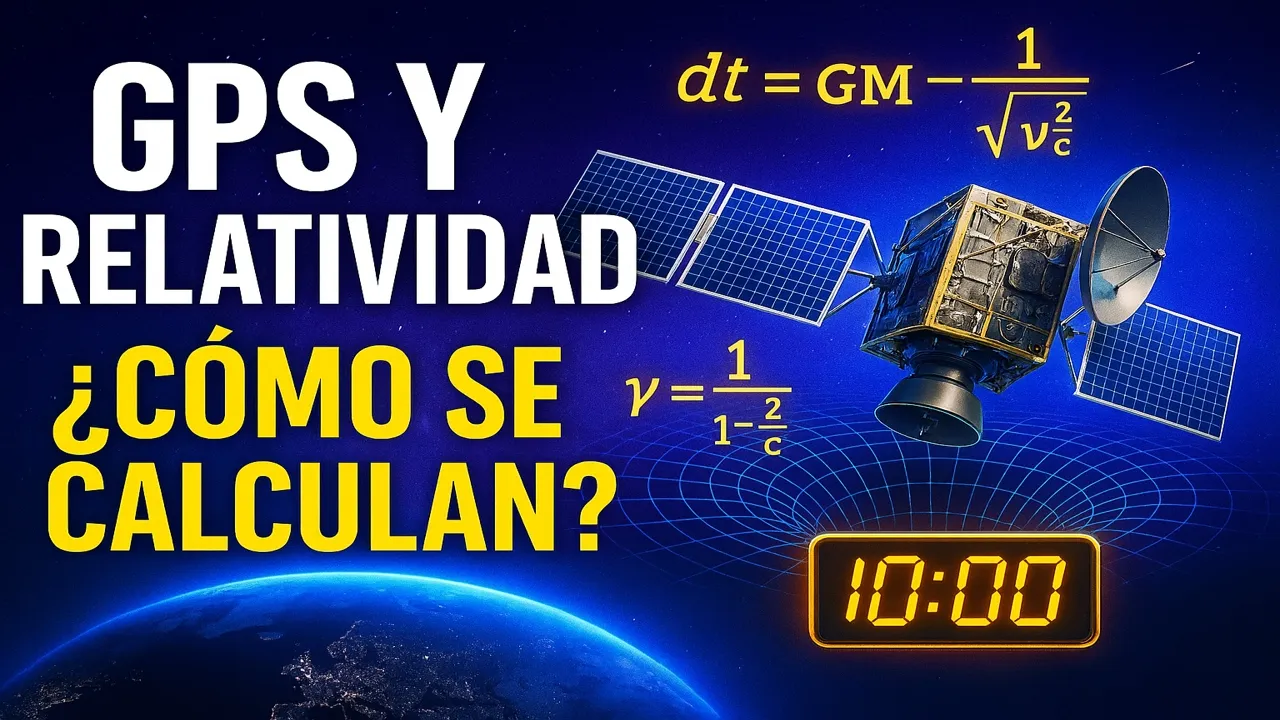
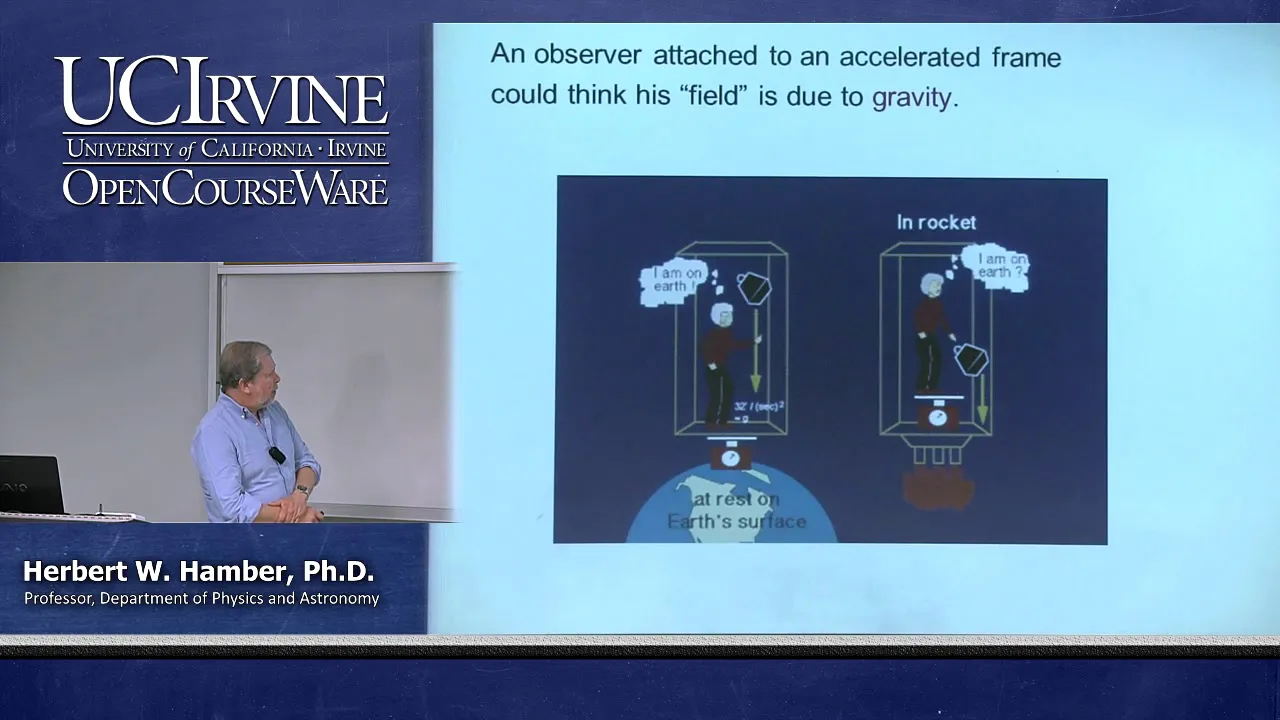
Einstein's Theories of Special and General Relativity, and why gravitational and velocity time dilation must be corrected in GPS systems.
Advanced quantum metrology and next-generation optical lattice clocks utilizing strontium or ytterbium instead of cesium.
Network synchronization protocols (such as NTP and PTP) that distribute atomic time across global internet and financial infrastructures.
The role of ultra-precise timing in deep-space navigation, gravitational wave detection, and testing fundamental constants of physics.
765.8K views29.9Klikes5:29Original Release: 2016-03-08
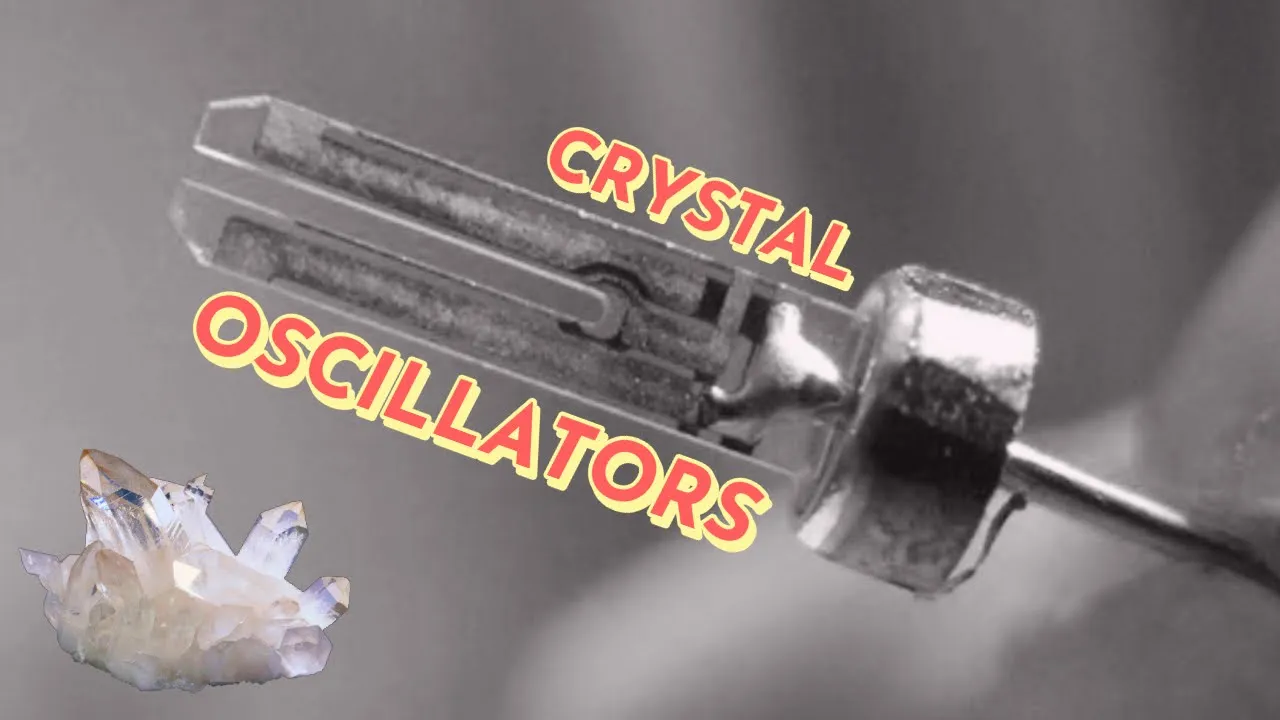
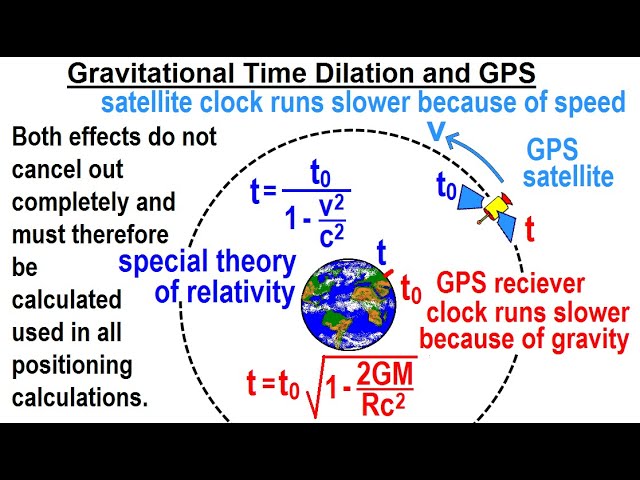
hi Dom here now you've probably heard of atomic clocks if you haven't then it's probably about time you did atomic clocks have many uses within scientific studies for example it's certain where incredible precision is needed to sink their atom-smashing instruments but atomic clocks are also used within the world we experience every day including the Internet where exact timings are critical however they are probably most commonly known for their use within the global positioning system or GPS for a GPS satellite to work out your precise position the timings of the signals it sends and receives have to be just right the signals travel at the speed of light which means an error of even a single microsecond in timing translates to an error of 300 meters on the ground the timing has to be so well controlled that even tiny effects because of relativity need to be tracked if we didn't know I'm Stein's equations GPS wouldn't work to keep the size of time GPS satellites carry atomic clocks the more accurate the clock is the better GPS can calculate your location but how do they work well at the heart of any clock is a frequency reference an object that oscillates at a constant rate in olden days a pendulum was the frequency reference on swing of the pendulum equalled 1 second for pendulums are prone to manufacturing errors or victim to changes in temperature and gravity so all in all pendulum clocks are not so great for keeping accurate time in 1927 the quartz clock was invented a major leap forward for timekeeping quartz or silicon dioxide is a crystal with some special property when jolting with electricity which course resonate or vibrates at very precise frequencies many materials can be formed into plates that will resonate but quartz has an exceptional trick up its sleeve it is also what is known as a piezoelectric material when it quartz crystal is subject to mechanical stress such as bending for hitting it produces an electrical charge so as it resonates it generates pulses that keep time like the swinging of a pendulum quartz clocks are still used in all sorts of devices today including watches mobile phones computers oven timers and even pacemakers with about 2 billion quartz oscillators sold every year shaped like a tiny tuning fork the quartz oscillators are standardized and designed to vibrate at 32768 times per second but this frequency alters very slightly due to temperature and pressure changes and so like a pendulum over time they still lose well time so in order to make the super accurate atomic clocks used today a new strategy was needed physicists knew that atoms oscillated at very high and very specific rate not only that but atoms from the same element will oscillate at exactly the same rate virtually immune to environmental factors and with manufacturing errors being a relevant atom seemed like the perfect oscillator in 1967 the standard was decided and a second was officially defined at 9,192,631,770 oscillations of a caesium 133 atom this number is what's called its resonant frequency by bombarding a cesium atom with radio waves tuned to that exact same frequency the season will resonate absorbing some of that energy and changing to a higher energy state a bit like an opera singer smashing a glass with a high note Oh the idea was to use this change in energy state to indicate that the radio wave frequency was exactly right let me explain they kept the courts from before as it is still a very good oscillator but instead use its resonance and the electrical pulses it produces to determine the frequency of a radio transmitter radio wave frequency is measured in Hertz or waves per second like counting the number of electrical pulses in a quartz clock we can now count the number of radio waves to determine when a second has passed so for example if we know that a piece of quartz resonates at 32,768 times per second then the radio transmitter will transmit a frequency of 32,768 Hertz when we've counted the same number of waves then we know that a second has passed keeping this frequency exactly the same though is very difficult because as we know quartz changes its frequency due to environmental factors and so in turn this alters the radio wave frequency this is where the season comes in like I said before when a cesium atom resonate it absorbs some of the energy from the radio waves and changes to a higher energy state these higher energy state cesium atoms are detected after they've passed through the radio waves if the radio wave frequency is exact then the higher energy cesium atoms continue to flow into the detector at their peak rate if the frequency isn't quite right then fewer detections are made so another jolt of electricity is sent to the course oscillator altering the frequency so it's just right to make those cesium atoms start resonating again just like tuning a radio this method of feeding output information back in is called a feedback loop and basically means the atomic clock is self adjusting and a fun fact then that the National Institute of Standards and Technology or NIST in the US has an atomic clock that is now so precise that if one of these have been running since the Big Bang it will now be less than a second off Wow thanks for watching I've been done and you've been watching everything
Up Next

6:46
Levers in Human Body: Biomechanics & Anatomical Examples
@akram.jaffar
484.8K views•2013-09-28

12:53
21cm Hyperfine Transition in Neutral Hydrogen: Radio Astronomy Basics
@AaronRobertParsons
12.4K views•2011-10-13

32:32
NMR Spin Physics I: Zeeman Effect, Resonance Condition & Larmor Frequency
@nptel-indianinstituteofsci8064
2.3K views•2024-01-17

27:14
Entropy and the Second Law of Thermodynamics Explained
@veritasium
27.5M views•2023-07-01
Related Study Plans & Knowledge Roadmaps
Structured learning paths in Physics
physics
Nuclear Physics (Decay, Fission & Reactors)
01Atomic Structure and the Binding Force
02Radioactive Decay and Half-Life
03Nuclear Fission Mechanics and Chain Reactions
+ 2 more learning modules
12h5 modules
Explore Roadmap
physics
Soft Matter (Polymers, Colloids & Rheology)
01Foundations of Soft Matter & Thermal Forces
02Polymer Physics and Macromolecules
03Colloids, Surfactants, and Self-Assembly
+ 2 more learning modules
38h5 modules
Explore Roadmap
physics
Analytical Mechanics: Lagrangian & Hamiltonian
01Mathematical Foundations: Calculus of Variations
02From Newtonian Mechanics to Constraint Dynamics
03The Principle of Least Action & Lagrangian Mechanics
+ 3 more learning modules
28h6 modules
Explore Roadmap
physics
General Relativity (Spacetime & Cosmology)
01Foundations of Relativity: Special Relativity
02The Geometry of Spacetime: Equivalence Principle & Curvature
03Einstein's Field Equations: The Mathematics of Gravity
+ 2 more learning modules
55h5 modules
Explore Roadmap