













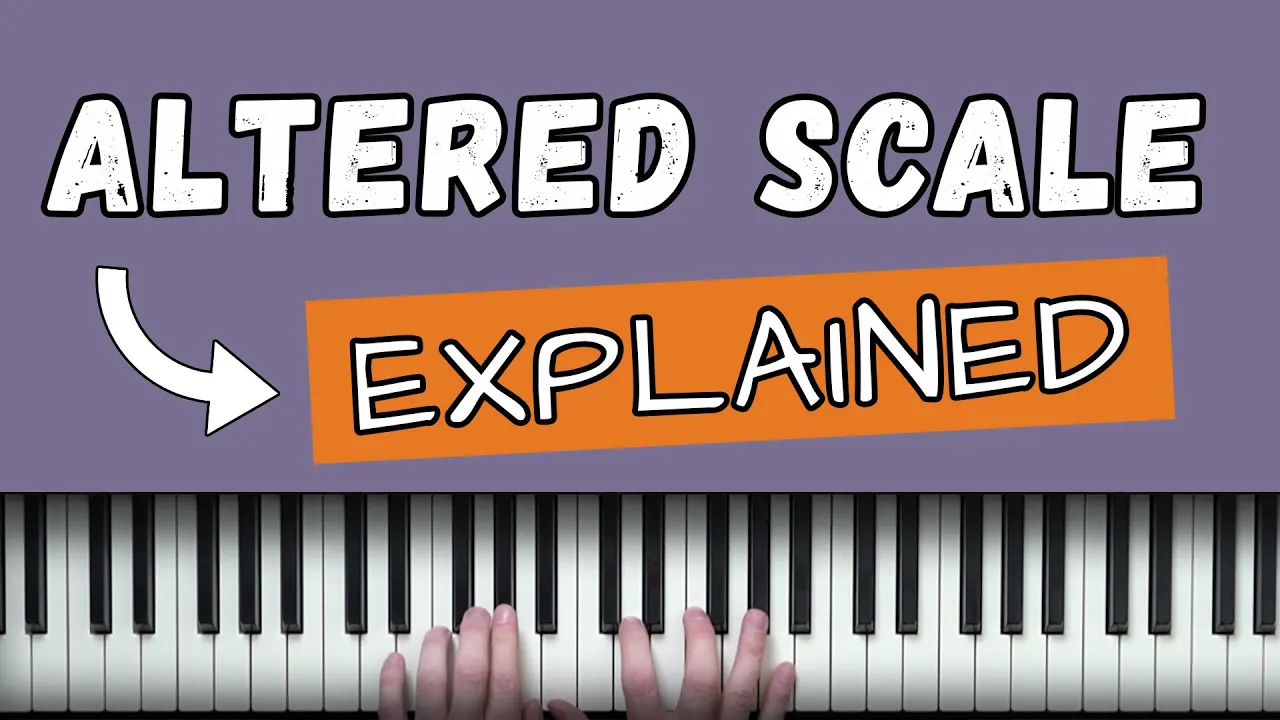
![Intro To ALTERED DOMINANT Chords [SONGWRITING / JAZZ / MUSIC THEORY]](https://i.ytimg.com/vi_webp/63-PX9XvrKg/maxresdefault.webp)



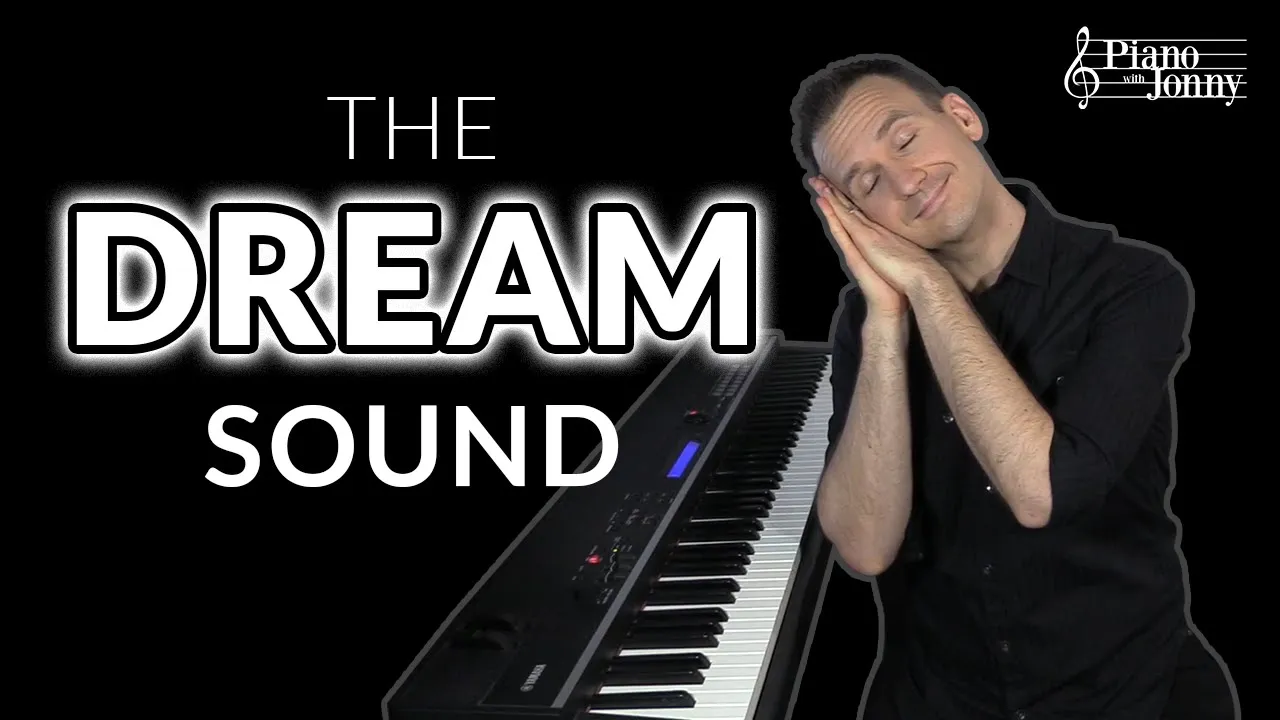
The whole-tone scale is a symmetrical musical scale where every note is separated by a whole step (two half steps), resulting in exactly six notes per octave with no overlap between the two possible pitch collections; this scale creates a distinctive dreamy, ethereal sound often used in film and television to depict dream sequences or imagined scenarios, and its equidistant notes produce a dominant 7th type harmony with a somewhat nebulous tonic that makes it challenging to pin down a specific key.
Whole-Tone Scale Explained: Structure & Harmonic Use
Added:Understanding of basic music intervals, specifically the difference between half steps (semitones) and whole steps (whole tones).
Familiarity with standard heptatonic scales, such as the major and minor diatonic scales, to serve as a structural contrast.
Basic knowledge of chord construction, particularly triads and dominant seventh chords.
An understanding of traditional key signatures and the concept of a tonal center (tonality).
Exploring the music of Impressionist composers like Claude Debussy and Maurice Ravel, who famously utilized the whole-tone scale to create 'dreamy' atmospheres.
Studying other symmetrical scales, such as the octatonic (diminished) scale and the augmented scale.
Applying the whole-tone scale in jazz improvisation, specifically over altered dominant chords (such as V7#5 or V7alt).
Analyzing film scoring techniques that use the whole-tone scale to evoke mystery, dream sequences, or suspense.
1K views47likes3:36Original Release: 2024-04-21
our final subject is the whole tone scale even if you're not familiar with it you've probably heard it in movies or TV shows it's often used to depict a dream sequence or something a character is imagining for example if I just play the scale ascending and hold down the sustain pedal I get this [Music] that's kind of a cliche usage the structure is pretty straightforward every note of the scale is a whole step apart and that's why it's called the whole tone scale now of course a whole step is worth two half steps and we have 12 half steps per octave so that means a whole tone scale has six notes total and as a result we only have two pitch collections basically these six notes and then these other six notes there's no overlap between them our next piece uses pitch collection a so let's look at example 47 this one is pretty short but let's hear it first and then we'll talk about [Music] it [Music] we have a few basic elements here first off we have the sustained Baseline using low winds and doubled by contrabas plus low string picados support the base and they contribute rhythmically we'll get to that in a minute the big thing we notice is the keyboard and the upper strings playing this rhythmic accompaniment there's no real obvious Melody but I noticed just a few keyboard notes that stick out like the E here and the D we seem to have those two notes in every measure of the keyboard part and notice it's also doubled by Bells let's talk about the harmony if we look at the notes of measure one here's the keyboard and the strings and we have f Shar in the base so overall we kind of get this FP dominant 7 type of a sound in fact I think each measure is kind of reminiscent of a dominant 7eventh and that's just a result of the scale we're using to be honest I think the tonic is a little nebulous it's hard to pin down what key we're in the notes of the whole tone scale are equidistant they're all whole steps apart but I think you could argue we're in farp so we're using the F whole tone scale after all the base begins on F and we return to that in measure three the keyboard has the most variety but I think layering all these parts together contributes to the quirky off-kilter kind of sound and in my opinion this complements the harmony that we get from this whole tone scale
Up Next
6:12
Just Intonation vs Equal Temperament: Visual Demonstration
@BlueMangooSoftware
53.6K views•2018-12-22

51:08
Simon Rattle on Early 20th-Century Music: Tonality's Decline
@theclandestinum
18.3K views•2012-06-16

47:36
Understanding Diatonic 7th Chords in Major Keys | Music Theory Tutorial
@GracieTerzian
54.7K views•2022-03-02
10:49
Understanding John Coltrane's Giant Steps: A Music Theory Analysis
@Vox
10.4M views•2018-11-12
Related Study Plans & Knowledge Roadmaps
Structured learning paths in Music Theory
music-theory
Tintinnabuli: Pärt's Counterpoint & Composition
01Music Theory Foundations: Intervals and Triads
02Fundamentals of Counterpoint and Voice Leading
03Arvo Pärt and the Spirit of Holy Minimalism
+ 2 more learning modules
16h5 modules
Explore Roadmap
music-theory
Composing Galant Music: Partimento & Schemata
01Foundations of Figured Bass and Keyboard Harmony
02The Rule of the Octave (Regola dell'Ottava)
03Galant Schemata: The Building Blocks of Form
+ 2 more learning modules
30h5 modules
Explore Roadmap
music-theory
Decoding Overtone Series: Tuning & Drone Music
01Acoustic Foundations: The Physics of the Overtone Series
02Tuning Systems: Equal Temperament vs. Just Intonation
03Microtonality and Spectralism: Beyond Standard Pitches
+ 2 more learning modules
24h5 modules
Explore Roadmap
music-theory
Impressionist Harmony: Scales, Planing & RPGs
01Foundational Music Theory: Keys, Intervals, and Seventh Chords
02Impressionist Color: Chord Planing and Parallel Harmony
03Whimsical Textures: Pentatonic Cascades and Whole-Tone Scales
+ 1 more learning modules
14h4 modules
Explore Roadmap