






![Claude Monet French Impressionist Painter – Part 2 [Golden Road Arts]](https://i.ytimg.com/vi/o9y5UTQqwZk/maxresdefault.jpg)





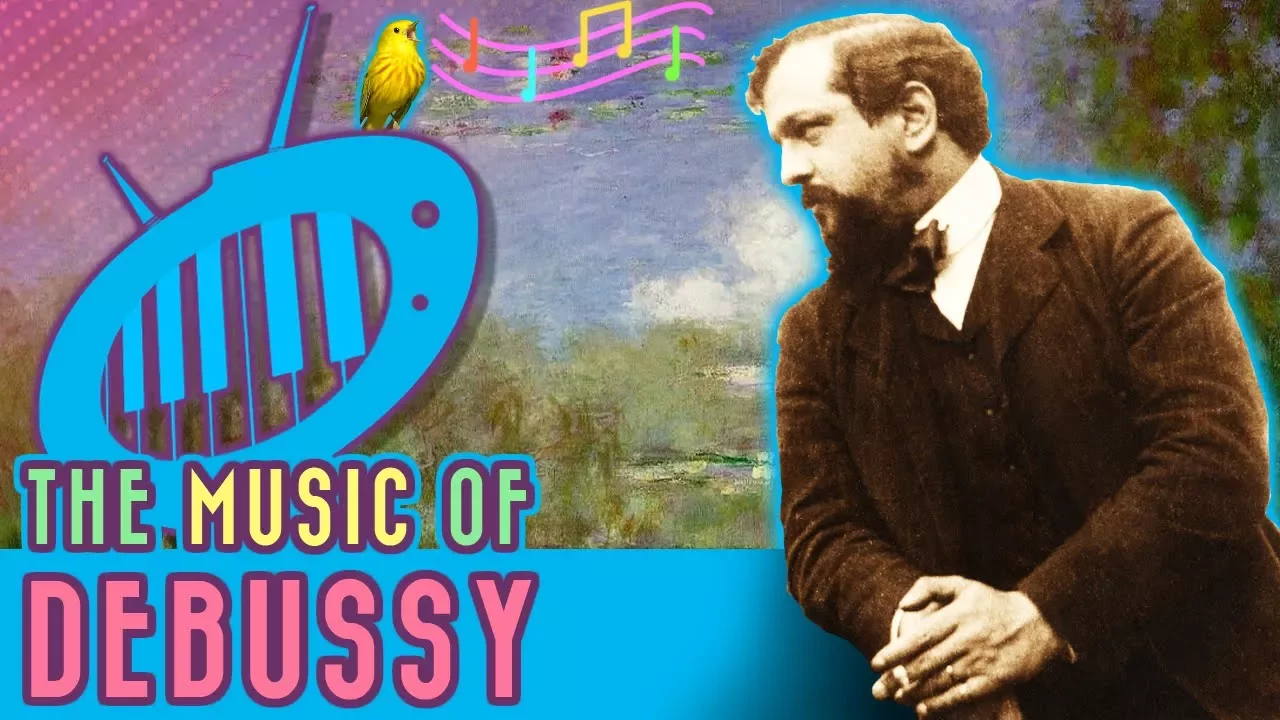






Impressionist music, emerging in the late 19th century and lasting until the mid-1920s, is characterized by its focus on evoking moods rather than depicting specific images or telling stories, featuring unconventional harmonic progressions (including extended chords like ninths and thirteenths), modal scales (such as whole tone and pentatonic), fluid rhythms, and a lack of traditional tonal centers; key composers include Claude Debussy and Maurice Ravel, who were influenced by art movements and sought to create music that suggests and evokes rather than describes.
Impressionism in Music: Key Characteristics and Composers
Added:Familiarity with the Late Romantic music tradition, particularly the works of Richard Wagner, as Impressionism emerged as a reaction against its heavy, programmatic structures.
A basic understanding of traditional Western music theory, specifically functional harmony, major/minor scales, and standard chord progressions.
An awareness of the Impressionist art movement in 19th-century France (led by painters like Claude Monet), which prioritized atmosphere, light, and perception over precise detail.
Basic knowledge of orchestral instrumentation and the concept of timbre (or tone color) in musical composition.
In-depth analysis of non-traditional scales, such as the whole-tone scale, pentatonic scale, and medieval church modes used extensively by Claude Debussy and Maurice Ravel.
Exploration of Expressionism and the Second Viennese School, examining how the dissolution of traditional tonality in Impressionism paved the way for atonality and twelve-tone serialism (Schoenberg, Berg, Webern).
Study of early 20th-century Neo-classicism, where composers sought to combine modern harmonic palettes with classical forms and structures.
An examination of how Impressionist orchestration and harmonic techniques directly influenced modern jazz harmony and 20th-century film scoring.
139.3K views3.1Klikes12:57Original Release: 2016-09-27
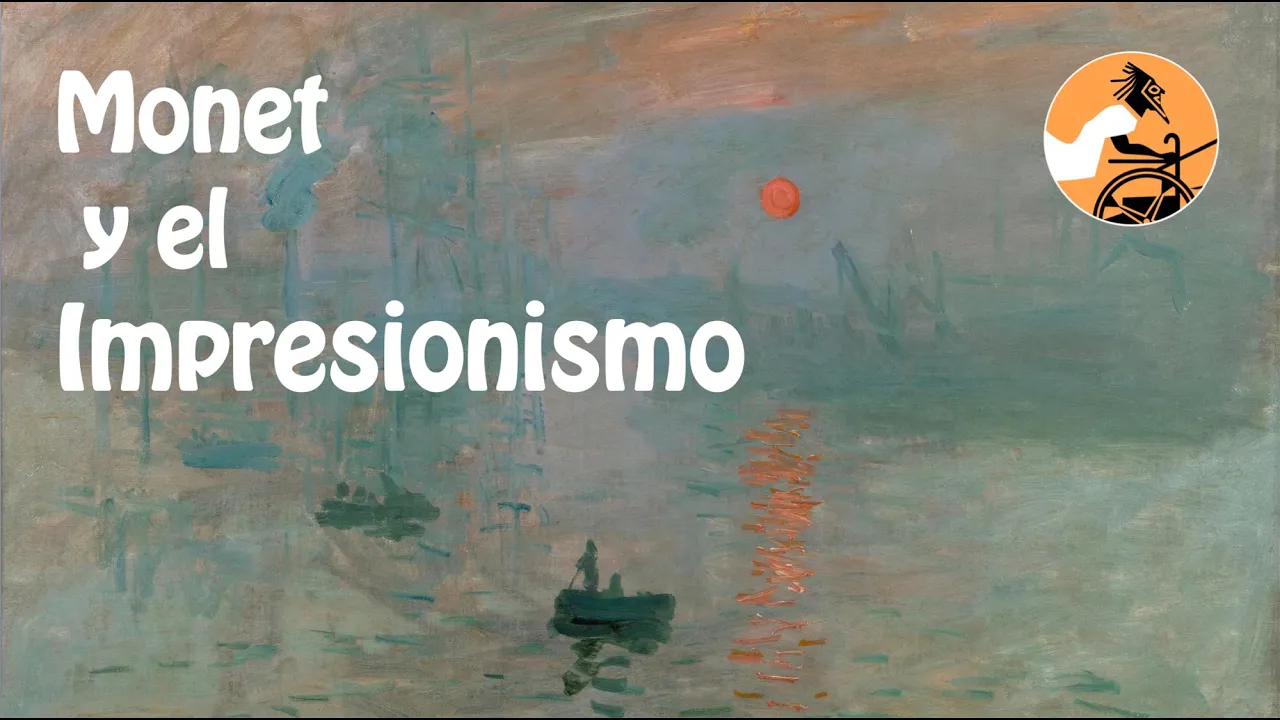
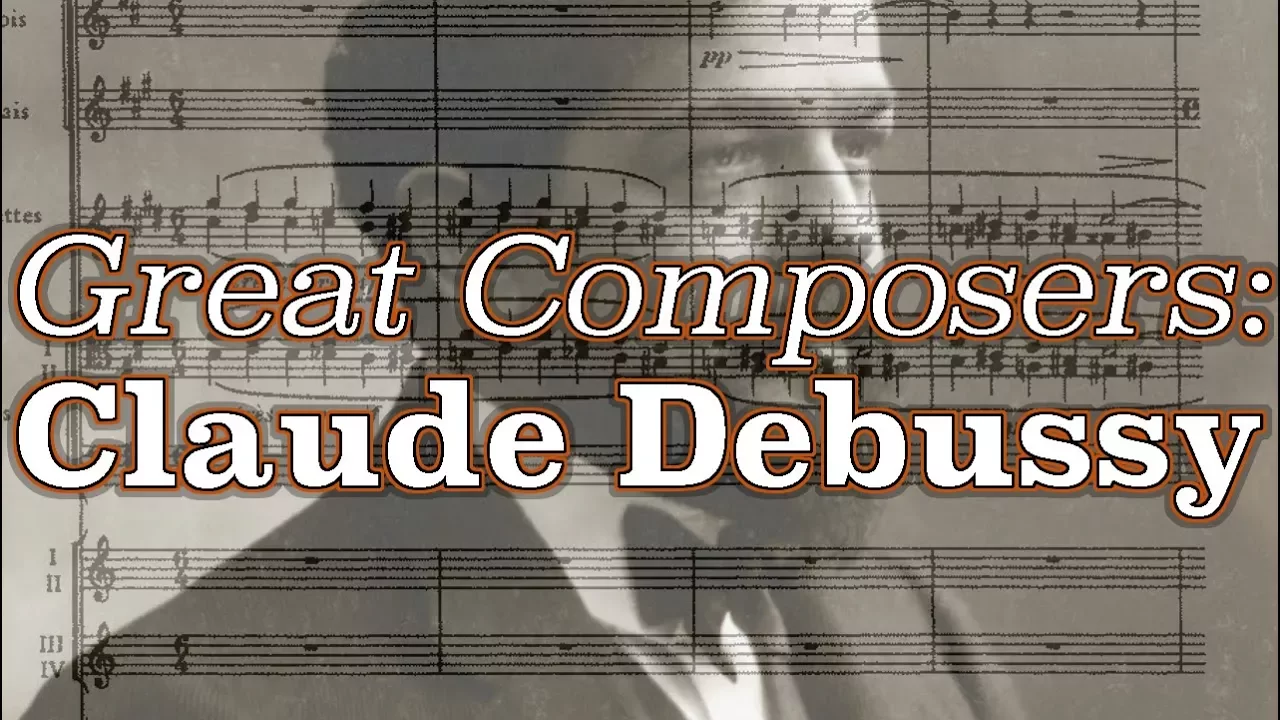
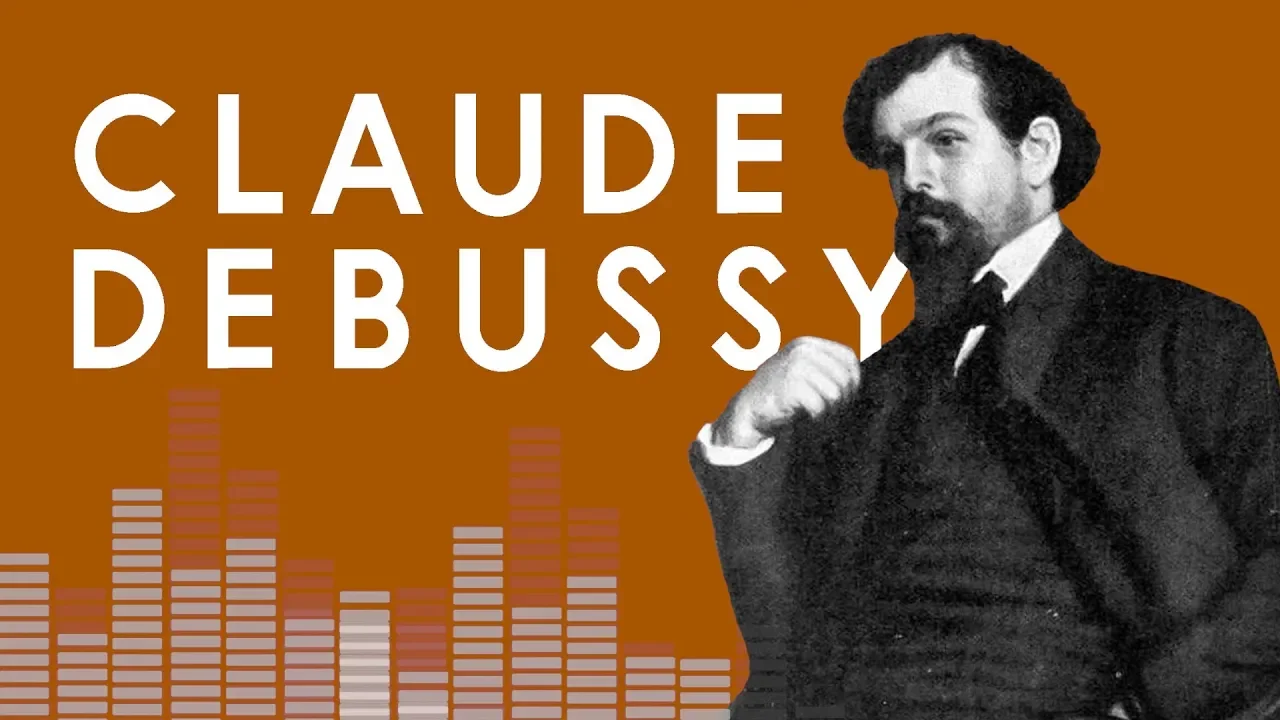
hi and welcome to today's episode of piano TV so today we are going to talk about impressionist music we're going to talk about the era the composers who influenced the era such as Debussy to style the characteristics and all that good stuff we are also going to listen to a few examples of impressionist musics you can get it in your head so whether you're watching this video because you're studying for a test or you're just like an overall music enthusiast I hope you find something a few said of interest here and I also did something that I've never done before I don't know why because it was super fun is I made a Spotify playlist so if you click in the description bar you'll find a link to that on my website camera TV net and I just put like three hours of impressionist music together so you're into that anyway let's get started it all began with Monet's painting impression sunrise Monet as you probably know was the most famous impressionist painter and the term was borrowed from that painting this one right here on the screen so the whole idea with Impressionism was that musicians and artists were drawn to conveying moods with their music instead of distinct parts and melodies they wanted their pieces to evoke a feeling so this music was less fixated on details and making things you know picture-perfect so oftentimes the music is actually the opposite it's vague it's blurred but still impactful so let's look at the some of the specific parts that made impressionist music unique instruments were played in brand-new ways like flutes and clarinets were playing darker lower sounds and the harshness of horns were mellowed by mutes and then he had like tinkly shimmery instruments that were used like harp the triangle and the glockenspiel to add some new effects up until this point chords hadn't really gone wild yet like there were lots of chords like there were minor sevenths and diminished chords and all that stuff but we didn't really start getting nine eleven some 13s and stuff I got in earnest until the Impressionist era these are basically regular chords that get notes added to them in intervals of three to make them a little bit less clear and a little bit more dissonance another common thing with chords during this time is that they didn't always resolve in normal way alle Cadence's this lack of resolution just leaves the listener feeling like they aren't anchored in any one key they're kind of like floating through a keyless dreamland which leads us to a tonality or lack of a tonal center so impressionist music really like going outside to the key box now most of us are familiar with the whole major minor modality thing basically all I'm saying is when a song is based in a specific key and it's a major or minor key impressionist composers like to write songs that weren't in any key at all and that's what we call a tonality using different scales so another way composers escape the whole chains of major and minor modality was to explore different harmonies and different keys this led to a return to slightly more ancient style like medieval music type concepts such as modes and using harmonies of fourths and fifths which sound really strange to our modern ears were used to harmonies of thirds and pleasant ones like that exotic Eastern scales came into play like the whole tone scale which Debussy was super fascinated by he was also inspired by other aspects of music from the Far East such as different rhythms different ish mates and that kind of thing and then we have the pentatonic skill which was popular as well pentatonic is a five note scale Penta equals five that originates with folk music from all different kinds of places from Scotland to Ireland to China and lastly rhythm a lot of impressionist music lacks a steady defined rhythm it's more fluid more changeable it's not the kind of music that you're necessarily going to tap your toes to so the timeline that the impressionist period began in the 1870s with painters like Monet and ended in the mid 1920s ish so of course impressionist music carried on beyond that point in different offshoots like mio Impressionism but I like to think of the dates of Impressionism coinciding with Monet so starting with his painting that basically spawned the the name of the period and ending with his death the style of impressionist music isn't as deep emotional or personal like romantic music so with romantic music the composers were really fixated on telling a story so they would explore all kinds of like deep intense emotions everything from like joy sorrow rage despair death like all those big things was like they were looking at it from the perspective of a first-person narrative so when you have a first-person narrative the main character is your points of view they're like in there getting all the action but they can't see things clearly whereas when you have a third-person storyteller there's someone who's kind of like standing outside of the whole thing it's almost like they're they're a distant observer and they can see everything clearly and that's sort of how impressionist music works it's kind of like sort of like an outside perspective looking in the motto you could consider the motto of impressionist music to be suggests an Evoque but don't describe Claude Debussy and Maurice Ravel were the main men of impressionist music they were both French composers active at the turn of the 20th century and beyond now Debussy and Ravel actually they didn't really like when their music was referred to as a precious Debussy much preferred the term symbolism when referring to his music as that was the literary movement that directly inspired him and his music here's here's one thing that Debussy was quoted as saying in a letter imbeciles call it Impressionism a term employed with utmost inaccuracy so Debussy things for imbeciles let's let's just carry on the other composers who were influenced by Impressionism includes all these other guys on the list notably Alban is Manuel de Falla was pretty big one and of course Erik Satie and some of these others you can read the list you don't need me to read them all out for you so we're going to talk a little bit about Debbie see who was a very talented musician and he was like an intrepid explorer Debbie she didn't set out to he didn't say to himself like I'm going to write impressionist music because as we've already established he did not like that comparison what he was concerned about which is like pushing the boundaries of me can going outside of the box Debbie went to a French Academy where he studied music and they did not like this tendency of his his music was often described as bizarre or according the unusual just so we can get a sense of Deputies opinion on formal music education I just want to share this quote he says I love music passionately and because I love it I try to free it from barren traditions that stifle it it is a free art gushing forth and open-air art boundless as the elements the wind the sky the sea it must never be shut in and become an academic art when we talk about what composers are inspired by a lot of the times the answer is religious in nature so like a lot of composers were inspired and wrote for God some composers were inspired by their pets like that video we did not do long ago but for Debussy his religion was mysterious nature and this was his major source of inspiration for his compositions a lot of them being nature based like lemare clair de lune and so on here's another quote of WCS that I really love and I feel like it captures his passion and style more than any like music analysis kid so I'll just let Debussy speak for himself when I gaze at the sunset sky and spend hours contemplating its marvelous ever-changing beauty an extraordinary emotion overwhelms me nature in all its vastness is truthfully reflected in my sincere though feeble soul around me are the trees stretching up their branches to the skies the perfume flowers gladdening the meadow the gentle grass carpeted earth and my hands unconsciously assume an attitude of adoration let's take a listen to the first arabesque from Debbie C's de arabesque because this exemplifies so many characteristics of impressions music all in one song you've got a heart like arpeggiated movement going on you got like a pentatonic tune in the right hands and then you have this like freeform sense of you don't feel tied by rhythm maurice ravel was in the generation after debbie see and he's widely considered to be one of France's most awesome composers him and Debussy had tons of things in common they both wrote in an oppression of style they both hated that comparison they both were not suited to academy life so you think they could be friends but the problem is they were so similar that they each had like staunch supporters on either side and that kind of created like a rivalry and attention think about it like in the 90s where you had like the Backstreet Boys and NSYNC and people who like the Backstreet Boys thought people who like NSYNC we're crazy they like made fun of them that's kind of how their relationship was one major difference between Ravel and Debussy is that Ravel was more of a classicist he really liked taking older forms and revitalizing them with something fresh as opposed to like completely inventing new things so for example later in life he was really influenced by jazz and he brought that into his classical compositions but the piece I want to show you of revels is my personal favorite and therefore maybe it's a little more unusual of a choice but I do think it captures the so called impressionist style the song is called odd though and it's written in 1901 and I just have a little quote here I've been like quote partying today this is what Ravel has to say about it basically this piece was inspired by the sounds of water and you will hear that immediately when we play a clip of it last example we'll listen to today is a work that was highly praised by Debussy among others as being one of the most brilliant piano works it is super difficult and it is the Iberia suite by Alban is it's also very long it's a collection of 12 pieces we're just going to listen to obviously like an example of one of them it's composed between 1905 and 1908 and it exemplifies the impressionist style but from the perspective of a Spanish composer so it has a completely different Flair the one we're gonna listen to El Puerto is based on a Spanish dance style called the Sabbath day ago I butchered that pronunciation but you just bear with me and my Englishness Englishness I just wanted to throw this example in there to show that not all impressionist style music is without a beat without rhythm this one definitely has rhythmic flair but you'll also be able to pick out some unusual chords and harmonies in there especially if you listen to the full version beyond the clip that I'm going to show you so instead of just showing you a few music examples and leave it at that I mentioned this the beginning but I made a playlist on Spotify I think it has something like 32 songs three hours of music it's basically just a big collection of music a lot of Debussy a lot of Ravel but also some other guys like Alvin is and I think it just like kind of encompasses the idea of impressionist music if you want to listen to it and all that you can find in the description bar below in the link to the accompanying blog post at Cantor TV dotnet and that is all for today's video I hope you enjoyed this tour through impressionist music if you enjoyed it be sure to give it a like share it with your friends if your friends but like it I always appreciate that so that we can like get more people into classical music it's like it's like my mission that's it I will catch you guys next time leaving it all the so senators showing you a few music
Up Next
8:28
Music Theory Fundamentals: Notes, Intervals, and Chords
@HarmonyDecoder
609 views•2025-11-29

51:08
Simon Rattle on Early 20th-Century Music: Tonality's Decline
@theclandestinum
18.3K views•2012-06-16

47:36
Understanding Diatonic 7th Chords in Major Keys | Music Theory Tutorial
@GracieTerzian
54.7K views•2022-03-02
10:49
Understanding John Coltrane's Giant Steps: A Music Theory Analysis
@Vox
10.4M views•2018-11-12
Related Study Plans & Knowledge Roadmaps
Structured learning paths in Music Theory
music-theory
Tintinnabuli: Pärt's Counterpoint & Composition
01Music Theory Foundations: Intervals and Triads
02Fundamentals of Counterpoint and Voice Leading
03Arvo Pärt and the Spirit of Holy Minimalism
+ 2 more learning modules
16h5 modules
Explore Roadmap
music-theory
Composing Galant Music: Partimento & Schemata
01Foundations of Figured Bass and Keyboard Harmony
02The Rule of the Octave (Regola dell'Ottava)
03Galant Schemata: The Building Blocks of Form
+ 2 more learning modules
30h5 modules
Explore Roadmap
music-theory
Decoding Overtone Series: Tuning & Drone Music
01Acoustic Foundations: The Physics of the Overtone Series
02Tuning Systems: Equal Temperament vs. Just Intonation
03Microtonality and Spectralism: Beyond Standard Pitches
+ 2 more learning modules
24h5 modules
Explore Roadmap
music-theory
Impressionist Harmony: Scales, Planing & RPGs
01Foundational Music Theory: Keys, Intervals, and Seventh Chords
02Impressionist Color: Chord Planing and Parallel Harmony
03Whimsical Textures: Pentatonic Cascades and Whole-Tone Scales
+ 1 more learning modules
14h4 modules
Explore Roadmap