















![[Full Course] Hydrogen Storage Fundamentals Lecture 6: Metal Organic Framework](https://i.ytimg.com/vi/MuqconrsuiY/maxresdefault.jpg)




![[덴탈살롱] How to make All on X](https://i.ytimg.com/vi/R9X6xvsb9N0/maxresdefault.jpg)

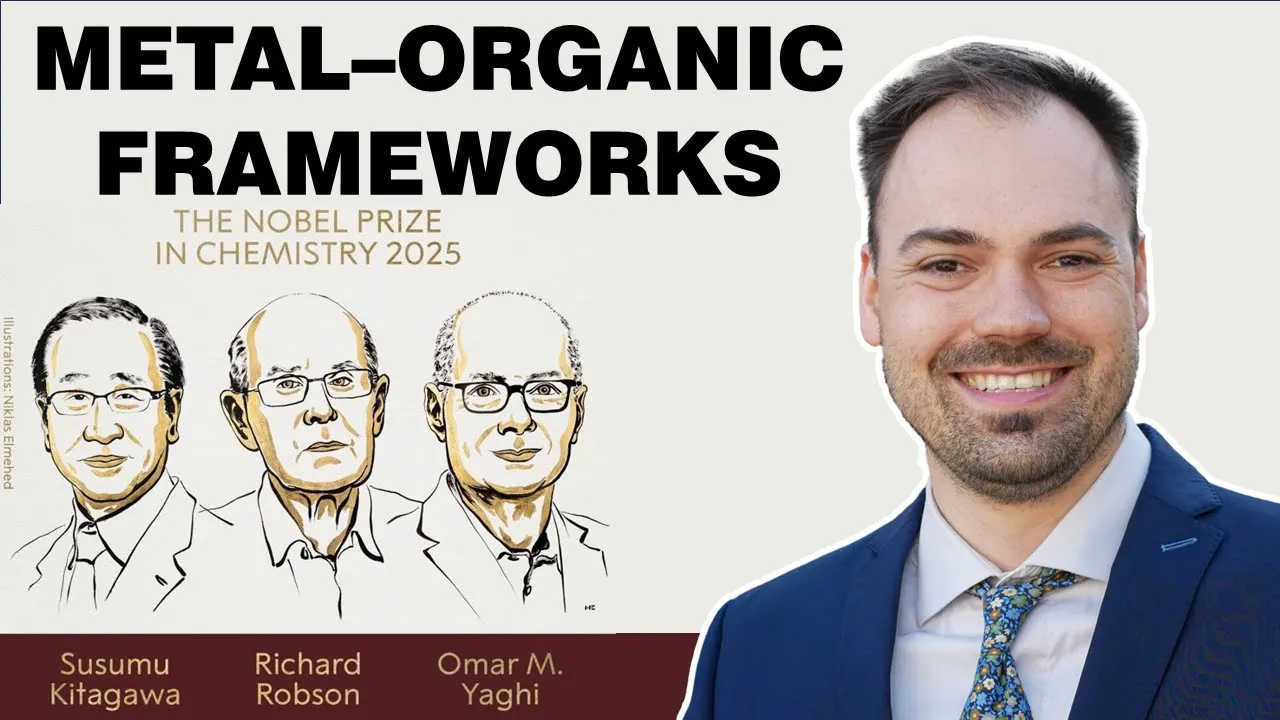
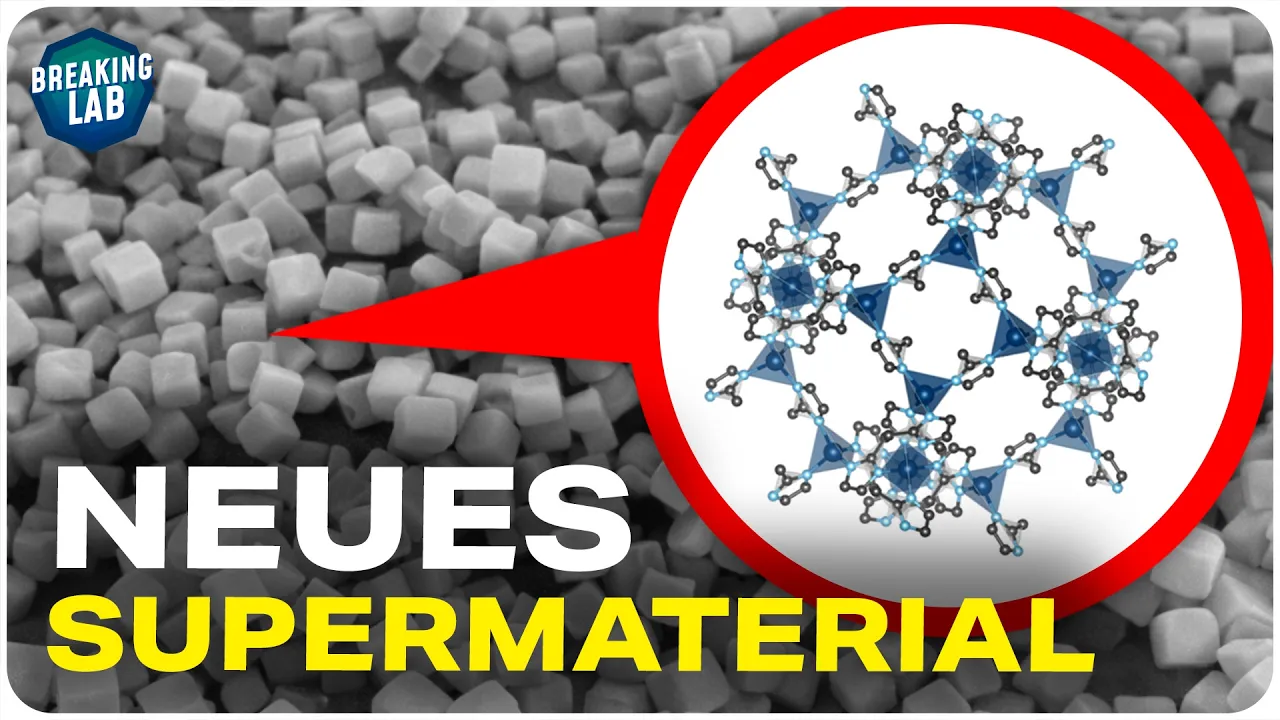
Metal Organic Frameworks (MOFs) are porous hybrid materials synthesized by combining metal nodes with organic linkers to form extended 3D networks, exhibiting exceptional properties such as extremely high surface area (up to 7000 m²/g), large surface-to-volume ratio, and modular design flexibility that enables thousands of structural variations; these materials find applications in catalysis, gas storage, chemical sensing, gas separation, drug delivery, and biomedical imaging due to their ability to encapsulate guest molecules within their porous structure.
Synthesis & Applications of Metal-Organic Frameworks (MOFs)
Added:Coordination Chemistry: Understanding the coordinate covalent bonds formed between transition metal cations (nodes) and multi-dentate organic ligands (linkers).
Principles of Porosity and Adsorption: Familiarity with the concepts of pore volume, surface area, and physical adsorption (physisorption) vs. chemical adsorption (chemisorption).
Basic Organic Chemistry: Understanding key functional groups (e.g., carboxylates, pyridines) that act as coordination sites in organic linkers.
Introduction to Crystallization: Knowledge of nucleation and crystal growth, as MOFs are highly ordered crystalline materials.
Characterization of MOFs: Learning specific analytical techniques such as Powder X-ray Diffraction (PXRD) for crystallinity and Nitrogen Isotherm gas sorption (BET theory) for surface area analysis.
Post-Synthetic Modification (PSM): Exploring chemical techniques to modify the organic linkers or exchange metal nodes after the framework has already been synthesized to tailor properties.
Water and Chemical Stability of MOFs: Studying the degradation pathways of MOFs in humid or acidic/basic conditions and strategies to engineer highly stable frameworks.
Related Framework Materials: Investigating other crystalline porous materials like Covalent Organic Frameworks (COFs) and Zeolitic Imidazolate Frameworks (ZIFs).
58.8K views1.4Klikes29:40Original Release: 2019-04-28
hello everyone my name is Hasan Besler be an assistant professor of chemistry at the University of Arkansas in Fayetteville today I would like to shortly talk about one of the aspects of our research which is focused on the nano materials which are porous known as metal organic frameworks so basically talking about porous materials they are already being designed by nature as you can see for example our lungs bones for egg shells were butterfly wings they were basically made of porous materials and also in our daily life you are using porous materials as well like human have been able to make this material because they have so many applications like papers charts Andres and even a yummy cake they are all basically porous which means there are some void of space in their structure when it comes to the pore size we have different definition basically depending on the diameter of the pore for example if the diameter is less than 2 nanometers we call the micro pores if they are between 2 to 50 nanometers as shown here we call them basically missile pores and if they are beyond that 50 nanometer limited or micro pores so basically the way that we make these hybrid materials to make extended networks using basically molecular structures would be to use a metal system like in this case is the manganese raw metal as the inorganic soil as well as an organic linker which we also call them as struts we basically mix these two together and in this case we have a linear linker pans in the carboxylate and we would essentially make his cubical structure this is a coordinate representation of this material and this is basically a nice actual crystal structure of basically these systems that soon we will go to the TEM and SEM has the electron microscopy lab to have a lot G marks that we learned gather to sing this list it's also interesting that these materials are modular which means we can use different metal centers with different coordination as spheres for example we can use the tetrahedral based metal with the coordination sphere of as you can see it with leads to a tetrahedral structure or octahedral now here we have the octahedral structure and as well as the trigonal bi-pyramidal and actually there are more metal coordination spheres we also can use different organic linkers this is a linear linker this basically has been seen troy carboxylate which looks like a trigonal system or besides the carboxylic acid linkers we even can use a nitrogen base like in this case metal Amida's law and these actually would be the the first one and the last one would be the two marks that we basically learn together how to synthesize them so marks are actually metal organic frameworks have different features like the first one very important one would be that they have a very high surface area and also they have a large surface to volume ratio they have a pretty large pores which enables the guest molecules to grow inside these 3d materials which actually are 3d and allows the diffusion of the guest molecules like gas molecules or other substrate usually they have a high stability so that we can use them in real application in industry and our daily life the design is very flexible as you could see that we can change the metal and linker and come up with thousands of new structures and also there are electro chemically active let me talk about the surface area further this is one of the metal organic frameworks maintenance at Northwestern University known as mainly 100 and the surface area of this month actually is seven thousand a square meter per gram and just to return you and show you basically it means in actual comparison and analogy is that basically the one group one gram of justice metal-organic frameworks as in are your surface area than the entire football field for example this is the Razorback Stadium at University of Arkansas in Fayetteville and the surface area of the feet is just five thousand four hundred a square meter basically so this one gram of this material hasn't higher surface area if you are able to a stretch this out it would basically fully cover the feet and would have even an extra surface so basically for today we are going to synthesize the math which is shown here known as ma five one of the early math which was synthesized and you are going to use benzene like carboxylate with zinc oxide as basically the linkers has the metal nodes to link basically the the depending like up actually can come up with this system which basically would essentially need to cubic Kula structures that soon we will go to our electron microscopy data and have a look at so now let's go to the lab and learn how we can synthesize them and further we can have a look at the structure under the electromagnet [Music] today we are going to make more time to make more by bringing these chemicals this is the Restonic acid which is linker 4 multiplied and this is deemed as innate this is metal and also we need paste try as Rami and we used two kinds of solvent first one is TNF and the second one is ethanol everything and got a small amount of the EMF here and s also so we use electronic asset 25 milligram I already measured also zinc acetate we need 85 milligram I already measured so thirsteee to you for this material inside about this bound on track 100 micrometer by using micro type net [Music] I'm happy next we'll add six hundred microliters as an object [Music] [Music] [Music] for us we do have had is Ronnie [Music] foni tooth my co-leader that's what we need to use four or five semesters now here start at 300 our Pina we have to it's a story so in X to 45 hours to make this is 1/5 after 2.5 hours now you can see two crystal on file so we can do simplification to collect a small file [Music] [Music] it takes five minutes after centrifugation all mouth is at bottom and we can pour to kill lit up with this solvent and we can try more now we are going to prepare three this is Rick holder as you can see they all go to the grid in this holder so I'll get one from here they will see sample on my screen it is modified I will drop any tiny amount of sauce on this weight I will guide out first [Music] inside of me they support me a job [Music] [Music] you [Music] this is a transmission electron microscope it's a jeol Jim 1011 electron microscope it's a transmission electron microscope meaning that the beam transmits all the way through the sample and the picture you get from that will be a two-dimensional picture and that will be different than the three-dimensional picture that we'll get with a scanning electron microscope so this microscope can resolve has a resolving power of 0.2 to 0.4 in nanometers and it has a an accelerated voltage of one hundred kilovolts so that means that there is a hundred kilovolts that will be coming down from the top going through the whole microscope and into the sample so we have the this will be where you will initially see the electron beam and then that we will switch the camera over to here to the monitor and the picture will end up on the monitor and you can take that picture and that will go on a flash drive and it can be presented to to or an article or anything else that you need and you see now that the microscope there they have a lot of lenses and things the lenses that you have a convinced Irwin's an objective lens and a projector lens and we convince your lens it's for the light source the projector lens is to focus and the objective lens is for something else so those are the three lenses just like you have with the light microscope you have objective lenses and condenser lenses and you can see the different processes here we have different airlocks and valves and stuff that need to be opened in order for the microscope to begin and we look at these three vacuum systems here to be sure they're in the correct position before we're able to use the microscope and so that's basically the start of the transmission electron microscope and you'll see a is going to take over and show you how to put the sample in the microscope in how to focus it and end up with a very nice left on micrograph here well now we are going to prepare a sample this is a sample folder so is the sample and there yet or not we are going to put in something here can't make it there are two holes Oh so we are going to put great in it so greed is now here so home to see these samples on this grid we have very tiny nano particles okay Piron something so these little circles that I see that's the sample yes this is greed and a sample is on this group oh okay so some point is very very tiny so that's why we have to use this messy work so first we'll check so this sample folder has to play stupid greed so we can see in red one first and right one second sorry two cans of sweet have to be very precise psychosis water now we are going to put the samples orders in business so here we are going to fit the sample foil [Music] [Music] this is first time the green light turned on so after the service sod right turned off for your with the sample folder perfectly then each entry so now sample is inside we can't see something so that is the the grid that was super tiny that we saw over there moths and hey Smurf is me to 100 101 I'm trying to find beautiful shape from now whoa amazing this is hey someone said well not me and this is what is t8 looking like a honeycomb or move and here are basically showing about the different possibilities that we can design different organic claim gives me different geometry as well as different metal items or clusters and basically put together and come up with thousands of structures using this modular approach and let me show you several examples here for example this is the linker benzene dicarboxylic teach me in the presence of copper or zinc could lead to this structure known as as cost in this case we can make actually mask out of the aluminum or iron using the linear linker or we can use an emitters or base system using zinc and manganese and come up with metal organic framework this is another representation showing the yellow a sphere that the peaks basically the mts is in this materials so that the gas molecule could basically diffused into the force in like a gas Molly and this is one of the examples of the metal organic frameworks that basically was prepared and you can see that we can have a large actually hexagonal and tribunal channels and it has several features like your high surface area very high basically a stability and as well as the presence of the high density of the metal cluster which in this case is hafnium so let's have a look in depth in this material so you can see that we have two type of channels one channel is hexagonal and the other one is trigonal here we have a diameter of about here the angstrom or three nanometers of this hexagon and you can see that when we look at blue different angles we can see that we have linkers and we have the metal cluster which are basically a stage together here is another view that you can see enough on this angle this material is porous showing the linkers and the metal which are actually connected together and here is a deeper look at the metal cluster which is actually based on the half so there are six metal centers which are connected and breached by oxygens and they are connecting the the linkers as well scanning electron microscope the transmission electron microscope is good for it being electron beam comes down when the electrons come down it goes through the sample but on it's a two-dimensional image but on the scanning electron microscope the the beam comes down and there's a scanning over this sample and you get a three-dimensional image rather than just a second or two dimensional image okay and so that would be like if you had full like to see bugs and things of that sort the scanning electron microscope is a little popular for that time looking at insects and the resolution on the transmission microscope we had 100 kV on the scanning microscope we have 15 KB to 30 so the resolution is a lot less it's one one nanometer compared to point two point four nanometers and so it's a little bit different than microscope to that and so the basically you still have an electron source at the top and you base have electromagnetic lenses and actually focus the electron beam so instead of having lenses glass losing lenses like with the light microscope we have electron of little magnetic lenses to focus and electrons and I can open one one way or another and get them to focus on the sample there's different detectors on here the detector this is for the secondary electron detector so what happens here are the electrons come down and they bounce off so there's secondary electrons rather than the primary electrons and come down on the other microscope which is why you get the three-dimensional dimensional because that's a little detector for those secondary electrons we have other fancy pieces of equipment here for other things but yeah that's our samples right there and what we have to do is to raise it up after it okay all the greens on there we have to have a certain perfect working distance for this mature and my plans to be at the optimum so whoa [Music] what about this one meaning this is also isolated yes [Music] [Music] if moths had actually a growing number of applications including in catalysis gas storage chemical sensing gas separation drug delivery and biomedical imaging therefore these materials are pretty interesting to further explore and learn about their exciting synthesis how we can make it that today we will learn it together and also will apply them as well so here is the drug-dealer application that i am showing that the drug molecule can be encapsulated inside this pores in these materials and we also can add value or compatible metal organic frameworks that actually can be injected to human and then they slowly can first target the wherever we want to point them for example a tumor cell and then slowly release that drug which will be anti-cancer the other application that I already mention would be gas storage because gas molecules like to be absorbed on the surface and since these materials as mentioned they have a high surface area therefore they can have a very high uptake of the get gas and molecules as the guest and the other application would be to use them as catalysts like the enzyme pneumatics because the linkers can be catalytically active and the pores can actually mimic the enzymes pocket so now we are trying to depreciation by using outside that we made this is iodine solution ironing in decimal so radioactive iodine is bad for human being so we can encapsulate I only by using both love is very good so this is Greek mean month is also used for drug delivery system because long has beautiful so we can encapsulate drag inside of this crew coming is not track and then I got this yellow crew coming from spice turmeric spice which is color spice in our kitchen so you can use your eyes or your experiment into it so now I'm going to as loss that you pick me [Music] [Music] [Music] it's fine we'll make sure when I'll be encapsulated my home this will become [Music] this is standard IO team before we had it for fun and this is after not far away after we had a little fun and this is self crackling standard without love and this is what opening this month you can say color change if you can see them all fun and this inside of crooked in bottom you can see here long so no fights color was a change from white to young [Music]
Up Next
56:41
Atomic Structure Discovery: Moseley & Seaborg | Chemistry Documentary
@alpha-omegavideo1899
385.6K views•2016-09-14
83:56
Biocatalysis and Catalysis in Islatravir Synthesis | Merck Webinar
@SCIwheresciencemeetsbusiness
675 views•2020-10-08
10:06
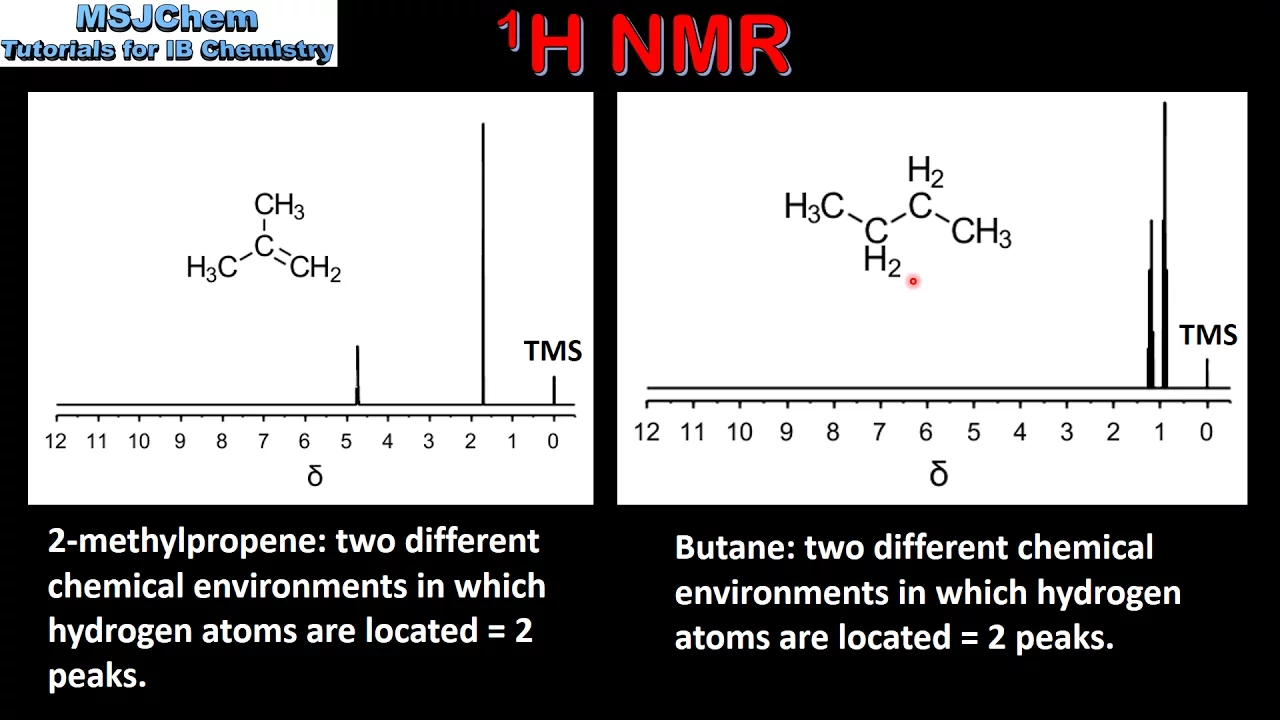
1H NMR: Determining Number of Peaks from Structure
@MSJChem
59.2K views•2017-04-06

17:31
Edible Water Bottles: A DIY Guide to Sodium Alginate Spherification
@ryan
10.5M views•2019-06-21
Related Study Plans & Knowledge Roadmaps
Structured learning paths in Chemistry
chemistry
Nuclear Chemistry: Decay, Meds & Fuel Cycle
01Introduction to Nuclear Structure and Radioactivity
02Decay Dynamics and Kinetics
03Radiation Interaction and Detection
+ 2 more learning modules
24h5 modules
Explore Roadmap
chemistry
Supramolecular Chemistry: Forces & Machines
01Foundations of Chemical Bonding and Intermolecular Forces
02Introduction to Host-Guest Chemistry
03Thermodynamics and Dynamics of Self-Assembly
+ 2 more learning modules
16h5 modules
Explore Roadmap
chemistry
Photochemistry: Excited States & Reactions
01Foundations of Light-Matter Interactions
02Molecular Orbitals and Electronic States
03Photophysical Processes and Jablonski Diagrams
+ 2 more learning modules
18h5 modules
Explore Roadmap
chemistry
Coordination Chemistry: Bonding & Properties
01Introduction to Transition Metals and Ligands
02Crystal Field Theory (CFT) and Geometry
03Magnetic Behavior and Spin States
+ 2 more learning modules
14h5 modules
Explore Roadmap