




![베이스기타 기초 - 왕초보 지판 코드음 쉽게 외우는 방법, 베이스 지판 음자리 익히기 강좌!! [베이스의선율]](https://i.ytimg.com/vi_webp/2aVQsAmp53c/maxresdefault.webp)


![20th Century Music Theory [20세기 음악이론] Polytonality and Bitonality](https://i.ytimg.com/vi/rB3808PDLZ8/maxresdefault.jpg)




![Demonstrating 7 Ways that Composers Make Music Using Modes [SONGWRITING / THEORY]](https://i.ytimg.com/vi/sC2qXLnVU3A/maxresdefault.jpg)

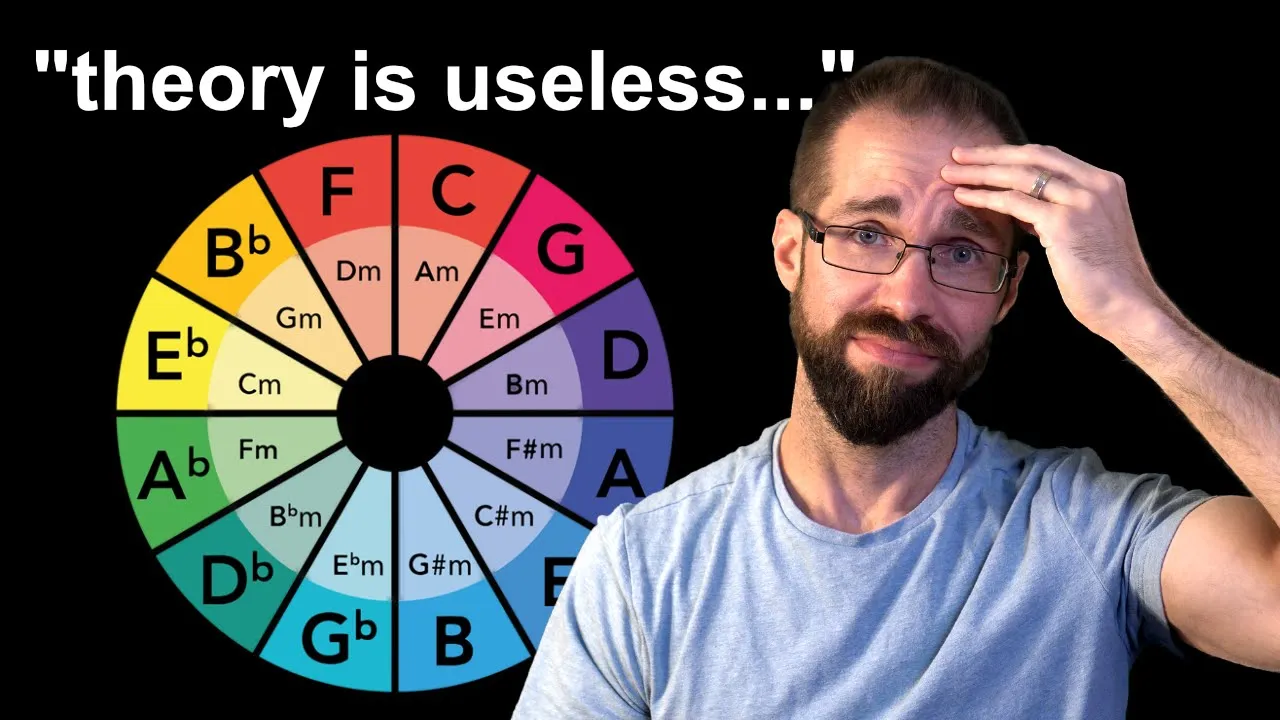




Polytonality is a musical technique where multiple key centers are used simultaneously, creating tension and complexity. The 'spice level' of polytonal music can be gauged by examining the circle of fifths—key centers that are close together create milder tension, while those far apart (like C and F#) create intense dissonance. This technique originated as a musical joke but evolved into a powerful storytelling tool used by composers like Charles Ives and Bernard Herrmann to convey complex narratives and emotions.
Understanding Polytonality: Music Theory Explained
Added:Basic understanding of key signatures, diatonic major and minor scales, and the concept of tonality.
Familiarity with triad construction, specifically the physical and acoustic differences between major and minor chords.
An understanding of harmonic cadences and resolution in Western classical music.
Basic familiarity with the layout of the bass guitar fretboard and fundamental playing mechanics.
Exploring bitonality and polychords in 20th-century orchestral repertoire, such as the works of Igor Stravinsky and Béla Bartók.
Studying modal mixture and borrowed chords in jazz harmony and contemporary songwriting.
Investigating advanced non-functional harmony, including atonality and serialism.
Applying specialized bass techniques (such as advanced muting, raking, or ghost notes) to improve physical efficiency and tone.
798.3K views31.6Klikes16:54Original Release: 2019-07-01
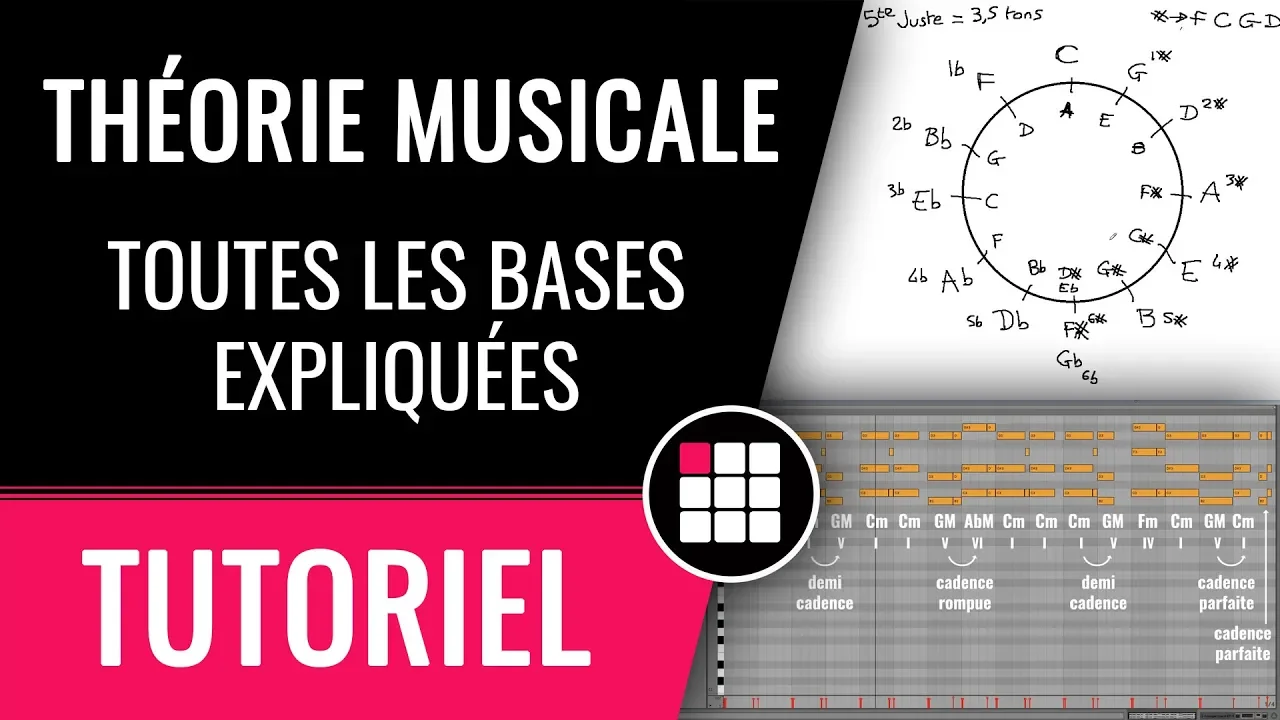
hey everybody my name is Adam Neely I'm here answering all of your questions about Basin 2 music in general so let's get started [Music] brendan hayes writes question for your next QA what exactly is pali tonality and how can I incorporate it into my compositions so poly tonal music is music that has more than one key Center the question is of course why would you want to do that I love using food analogies to describe musics effect on us and the best way I know how to describe poly tonal music is it's um it's quite spicy a good way of gauging the heat of poly tonal music is by taking a look at the circle of fifths if the key centers are close to one another won't be that spicy so for example if I sing happy birthday and a key of G while accompanying myself in the key of C will be fairly mild happy birthday to you happy birthday to you happy birthday was born the Stan July first in 1952 happy birthday to it might sound a little strange a little off but we can ratchet up the spice level by moving around the circle of fifths to say the key of happy birthday to you happy birthday to you happy birthday dear Missy Elliott was also born on July 1st happy birthday to Oh muy picante what if we ratchet up the spice level even more to the key of F sharp happy birthday to you happy birthday to you happy birthday dear Liv Tyler also July 1st baby happy birthday to you by this point this spice level might not be tolerable for most people in this musical dish that we've been cooking up the dish has been ruined by too much spice and yet this relationship between C and F sharp this tritone relationship is the same one that Stravinsky used in his ballet petrushka it's kind of this mocking quality to it right there's a good reason for that in the ballet petrushka the character of petrushka is this gesture rag doll and whenever you hear this poly tonal texture it's petrushka making fun of other characters the spice works in that context the same way that it might work in say a chicken vindaloo God do I love food metaphors context of course matters here you wouldn't normally sing happy birthday to you as a poly tonal piece of music but of course that invariably almost always happens in earlier Western music the super imposition of different key centers when done intentionally was mainly treated as kind of a joke the second movement of Henrik Bieber's Battaglia adichie contains passages where all the players play different tunes and different keys meant to imitate drunken sailors drunkenly singing off-key [Music] we're fed is certainly spicy but at the time it was treated as kind of a novelty it wasn't until the 20th century where we developed our taste for spice in earnest Pali tonality is heavily associated with American composer Charles Ives the story goes is that when Charles Ives was first learning about music his father put him in the middle of Main Street in his New England town and had two marching bands playing different songs pass him this sort of cacophonous effect was normalized for Charles Ives and so he often wrote music that had this intense tension between different strata this can be heard in his piece the unanswered question which starts with some calm and tranquil G major material simple triads in the strings not a lot of tension there and then all of a sudden out of nowhere in c-sharp melodic minor we gets a trumpet playing some weird stuff after a little bit more of the strings chilling out in G major we get the woodwinds coming at you with some more weird stuff [Music] [Applause] [Music] it sounds kind of like a joke right well in this case is actually telling a pretty important story a story that can only be told with poly tonality the calm and tranquil G major strings represents the oneness of the universe this oneness is interrupted by the nagging question the unanswered question that the trumpet asks why are we here the woodwinds then give their attempt at answering this unanswered question it doesn't really seem to be a satisfactory answer at all and so the trumpet then asks the question again this continues over and over the trumpet keeps asking the question and the woodwinds keep giving their crappy answer until the woodwinds just kind of give up this piece of music had a profound influence on film composer bernard herrmann who was a major champion of the piece bernard herrmann used pali tonality and tons of classic film scores like the film score first Citizen Kane and the birds and psycho you might of course recognize this theme from the Twilight Zone which juxtaposes a major ish with C major don't music by the way it used to be a lot spicier go check out anything that bernard herrmann ever wrote it's pretty damn intense and it's awesome modern film and television composers like Jeff Beal who wrote theme for house of cards use poly tonality as a tension building storytelling device that's my favorite part probably cuz that's the part where you have a major in the right hand and a minor in the left hand and it's wrong but it felt right to me cuz it felt like this to me as simple as it is this is like the stubbornness of Frank he like he's not gonna change he's just gonna keep plowing through everybody a major against a minor is very spicy of course it is certainly not right for every circumstance the same way that ghost peppers are not right for every dish and yet it can be a very powerful tool in your arsenal as a musician yes I know we're mixing literary and food metaphors here but this is how we're doing it so whatever Geoff T writes all the great composers of the past are rolling over in their graves over the fact that music is a meme now nobody actually takes music seriously anymore even the so-called pros disgusting so you know the whole meme where it's like a popular song but then the vocals are a half step out of key that's literally poly tonality poly tonality is literally that meme I actually made a video about this a couple years ago the entire concept of poly tonality started as just a joke because it is kind of funny what would happen if there two keys happening at the same time oh it sound terrible and then people realized wait a second there there might be something we can do with this by joking around but treating the joke seriously you could get some pretty awesome pieces of music that's where it started as a joke but then it grew into a vibrant means of communicating musical information I think and I hope this is going to happen with some of the musical memes here on this channel as a New York Times writer by the name of knit sOooo BAE BAE who tweeted that black MIDI the ban awesome ban reminds me I feel like 2020s music is gonna be real heavy on high skilled young musicians who grew up steeped in the tropes and in jokes of example music theory YouTube 2020 7s how to song is to like and subscribe it's got everything aggressive harmonic substitution 7-eleven Pali rhythms a gent version of the lick I sincerely hope this sort of thing would happen it would make me so so happy people would take these memes and jokes and turn it into some sort of meaningful musical language because this is the exact same sort of thing that happened with Polly tonality Mozart one of the great composers that you say is rolling in his grave because of these memes used Polly tonality as a joke in his piece a musical joke all the great composers of the past are rolling over in their graves over the fact that music is a meme now it's important to contextualize this and it's also important for me anyway to not take any of this too seriously I certainly don't want to use the music that I listen to and the music that I make as some sort of status symbol by taking it so seriously that I feel like I am better than but I also want to give music the respect that I feel like it deserves there's always a back and forth there but I feel like for the most part people will take music a little bit too seriously and I think that's something that that we need to we need to correct so get out there and play some seven against eleven Polly rhythms kids like zing rates pushing for your next cue a what is the picardy third the picardy third occurs whenever you have a composition in a minor key that doesn't end on where you would expect it to on a minor chord it ends on a major chord surprising right and yet it's somehow bright and hopeful it's like we've been telling the sad story in a minor key and we need to have some kind of happy ending and that happy ending is of course the Picardy third this was done quite frequently in the Baroque era because it was believed that ending on a minor chord would not feel very final major chords occur naturally in the overtone series built up from not minor chords so by ending on a major tonic chord it would feel like we've arrived at a final destination the musicologist Peter kitty would say that major chords are not only the most musically consonant chord they are the most emotionally consonant now this sort of thing the effect of the Picardy third might sound a little bit too maybe cheesy to you the same way that having happy endings for every story might feel a little too saccharine that was definitely the case with Romantic era composers like Chopin for example who tended to askew the Picardy third and just end their minor key compositions on minor chords like they wanted to in the first place styles and tastes change though so maybe if you're interested in that particular kind of color the Picardy third might be an option for you Craig Smith writes question I have quite short fingers and I've recently tried to adopt your left wrist technique however I'm struggling to maintain a straighter wrist when playing on the lower end of the bass my fingers can't quite reach and therefore I find myself arching my wrists to actually be able to reach any suggestions on how to improve on this okay so first of all I know that you know that keeping a straight and relaxed left-hand wrist is absolutely essential for long-term health when you're playing the bass guitar there are two easy tricks that I want to share with you that can help make this work the first trick is that if you notice that when I'm sitting down and playing the bass right here my bass is actually angled away from me at about a forty-five degree angle this might be counterintuitive but by actually pointing the bass kind of away from you it actually helps in getting your wrist into the right position so you don't hurt yourself another counterintuitive trick is to bring the left elbow towards the neck so that your forearm is almost kind of at a parallel to the neck there's this tendency for whenever people are trying to get a straight wrist to throw the elbow out in a way from the neck and that actually can be counterproductive these are some basic tips but I strongly suggest that you go and find a teacher that can help you with your technique because it's difficult to teach technique through YouTube videos keep that in mind and also keep in mind the fact that all technique should be in service of your body not in service of the instrument make the instrument work for you and not the other way around Jacmel minute writes adam you mentioned how easy it was to practice with among performers because music can be a lingua franca can you say more about how this worked did they use the same terms we use yes so when I was in Mongolia recently with the band Aberdeen we rehearse with a bunch of different Mongolian musicians who played a bunch of different styles of music and the extent of my Mongolian is pretty much just San bento dire flaw and of course my favorite word of all time za which just means literally anything that but beyond that my mongolian is totally useless so we often had to rely on a translator which poses some very interesting problems when you're talking about music for example if we or the Mongolian musicians wanted to communicate that a section was supposed to be played Roboto how would a translator who has no knowledge of music translate that even the phrase that we use to describe Roboto playing in English playing out of time probably won't translate literally that well into every language and consistently amazed at what translators have to do translating ideas and idioms from one language to the next but music is an idea and an idiom entirely to itself but that basically means is that it was just way easier to have one group play the music as they wanted it to be played and have the other group of musicians listen [Music] it also definitely helped that the musical director of a yoga band the children's ensemble wrote sheet music for us to read and in that way sheet music and musical notation is a kind of universal language for musicians the world over Emma writes you have to admit it's not exactly a good look to take part in diplomacy program funded by a government that has a long and storied history in Western imperialism right okay so this is definitely something that we considered before going on our state Department tour of Kyrgyzstan and Mongolia Aberdeen the band was wondering hey is this paternalistic is this cultural imperialism and there's an important thing to consider when you're talking about this in normal circumstances when you don't have the government funding an arts program like AMA American music abroad our primary concern as a band and as musicians is economic in other words in our current capitalist system our primary concern is whether or not a local population and community can afford to bring us there if they don't have the money to bring us there we can't come because then we lose money money is the reason why it makes sense for me to tour and say Europe and the UK and not necessarily that much economic sense to tour in Kyrgyzstan and Mongolia it comes down to this we simply could not have done the tour without AMA and to do the tour without AMA is to make a value judgment on the people in Kyrgyzstan and Mongolia and saying you aren't worthy of this music because it makes no economic sense to travel there if the free market was the only arbiter of where musicians traveled in the world and who they collaborated with and who they interacted with and who benefits from those interactions if that was the only thing there I don't think that would lead to the most equitable and richest and truest music that we could possibly have because valuing somebody's cultural and musical worth purely in monetary terms doesn't feel right to me and I feel like there's a lot more that we can experience in the world if we're not thinking all the time about that particular side of things and unfortunately that's kind of what we have to do as musicians sometimes James Widener writes Bethesda why not attend University of Maryland School of Music so here's a story I went to the Berklee College of Music for my own graduate degree but I actually didn't get in immediately I was deferred entry a semester so I applied for the fall and didn't actually start until the spring it was pretty demoralizing for me but at least I got in the only other school that I got into was the University of Maryland at College Park so I decided to spend the semester that I was waiting to get into Berkeley there now the unfortunate thing is is I didn't get into the music program at University of Maryland at College Park I auditioned for the School of Music on my electric bass guitar and of course that's why I didn't get in because I was playing bass guitar unfortunately still in a lot of collegiate music programs there is a very heavy emphasis against bass guitar in favor of upright bass so anyway I spent my first semester at University of Maryland taking care of gen ed credits and then eventually I transferred to Berkeley where electric bass is seen as a legitimate instrument what did I learn from this well one pay close attention to what kind of music program you're applying to and whether or not electric bass is kosher and to take your gen ed credits at some place other than Berklee College of Music because they're going to be a lot less expensive and your teachers are gonna be a lot better anyway guys thank you so much for watching if you have a question for a future Q&A please leave it in the comments section below remember to comment like and subscribe and play that jint lick in seven against eleven while juggling poly rhythms and until next time [Music] please
Up Next
17:27
Polychords and Modal Voicings in Music Composition
@RickBeato
20.4K views•2016-08-08

10:20
Mozart's Musical Dice Game Explained: History, Rules, & Fun
@webpianoacademy
5K views•2023-03-13

47:36
Understanding Diatonic 7th Chords in Major Keys | Music Theory Tutorial
@GracieTerzian
54.7K views•2022-03-02
10:49
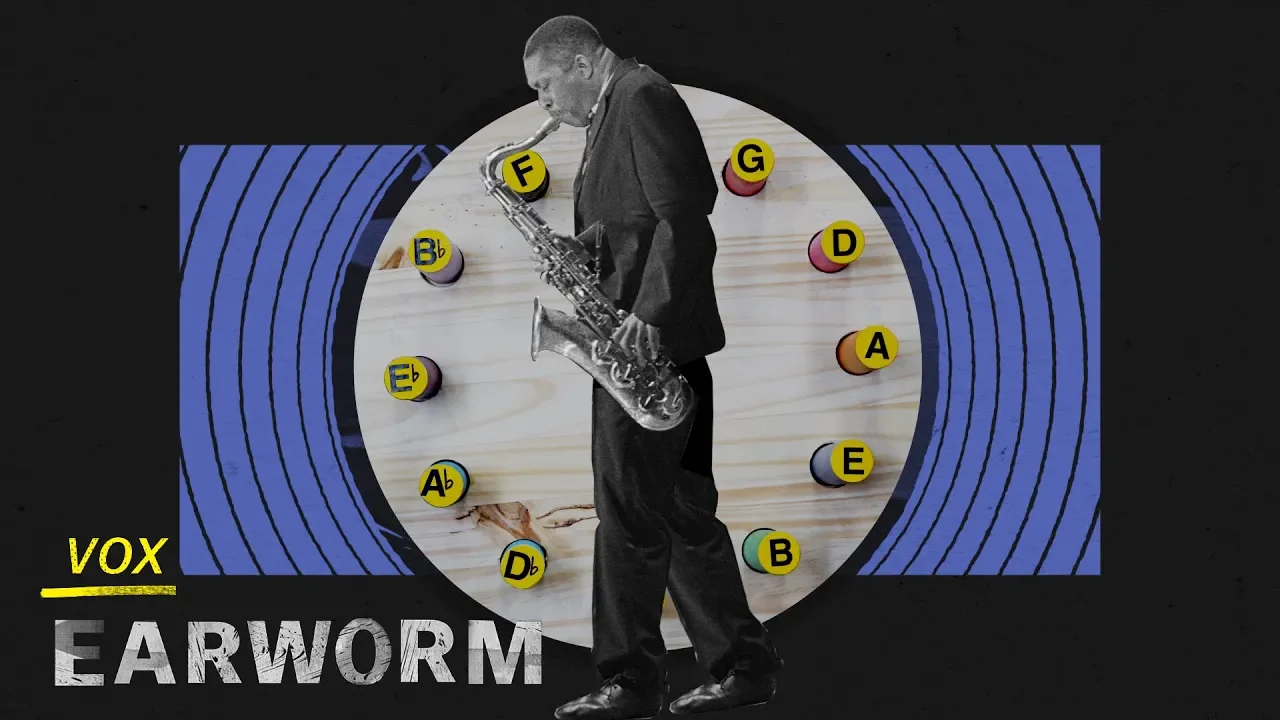
Understanding John Coltrane's Giant Steps: A Music Theory Analysis
@Vox
10.4M views•2018-11-12
Related Study Plans & Knowledge Roadmaps
Structured learning paths in Music Theory
music-theory
Composing Galant Music: Partimento & Schemata
01Foundations of Figured Bass and Keyboard Harmony
02The Rule of the Octave (Regola dell'Ottava)
03Galant Schemata: The Building Blocks of Form
+ 2 more learning modules
30h5 modules
Explore Roadmap
music-theory
Decoding Overtone Series: Tuning & Drone Music
01Acoustic Foundations: The Physics of the Overtone Series
02Tuning Systems: Equal Temperament vs. Just Intonation
03Microtonality and Spectralism: Beyond Standard Pitches
+ 2 more learning modules
24h5 modules
Explore Roadmap
music-theory
Impressionist Harmony: Scales, Planing & RPGs
01Foundational Music Theory: Keys, Intervals, and Seventh Chords
02Impressionist Color: Chord Planing and Parallel Harmony
03Whimsical Textures: Pentatonic Cascades and Whole-Tone Scales
+ 1 more learning modules
14h4 modules
Explore Roadmap
music-theory
Negative Harmony: Axis Reflection in Indie Pop
01Music Theory Foundations: Scales, Intervals, and Triads
02Functional Harmony and the Circle of Fifths
03Demystifying the Negative Harmony Axis Reflection
+ 2 more learning modules
16h5 modules
Explore Roadmap