


















Oil-rich nations leverage their energy resources to exert disproportionate global influence, often enabling authoritarian governance and human rights abuses; however, countries like Norway demonstrate that oil wealth can be effectively managed to benefit citizens through transparent governance and social welfare programs rather than funding oppressive regimes.
Oil Nations and Global Influence: A Geopolitical Analysis
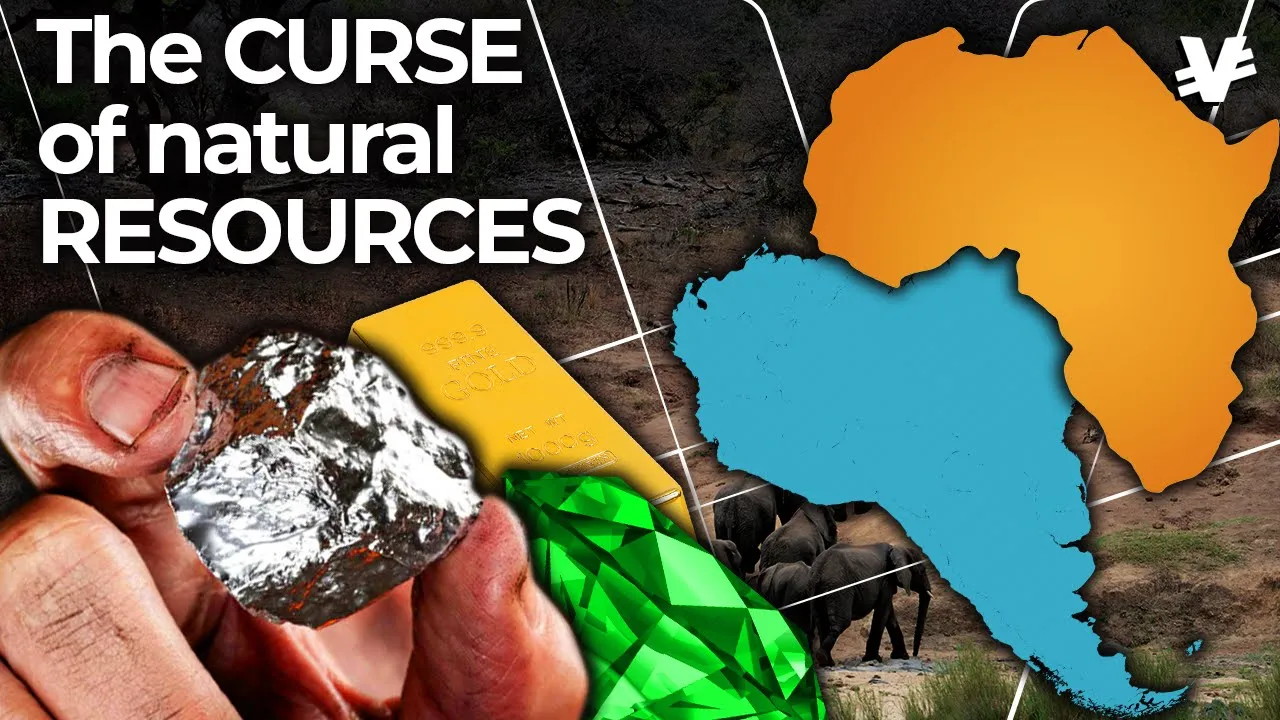
Added:Understanding the 'Resource Curse' (or Paradox of Plenty), which explains how countries with an abundance of natural resources often experience less economic growth and worse developmental outcomes.
The concept of a 'Rentier State', where government revenues are primarily derived from the extraction and sale of natural resources rather than domestic taxation.
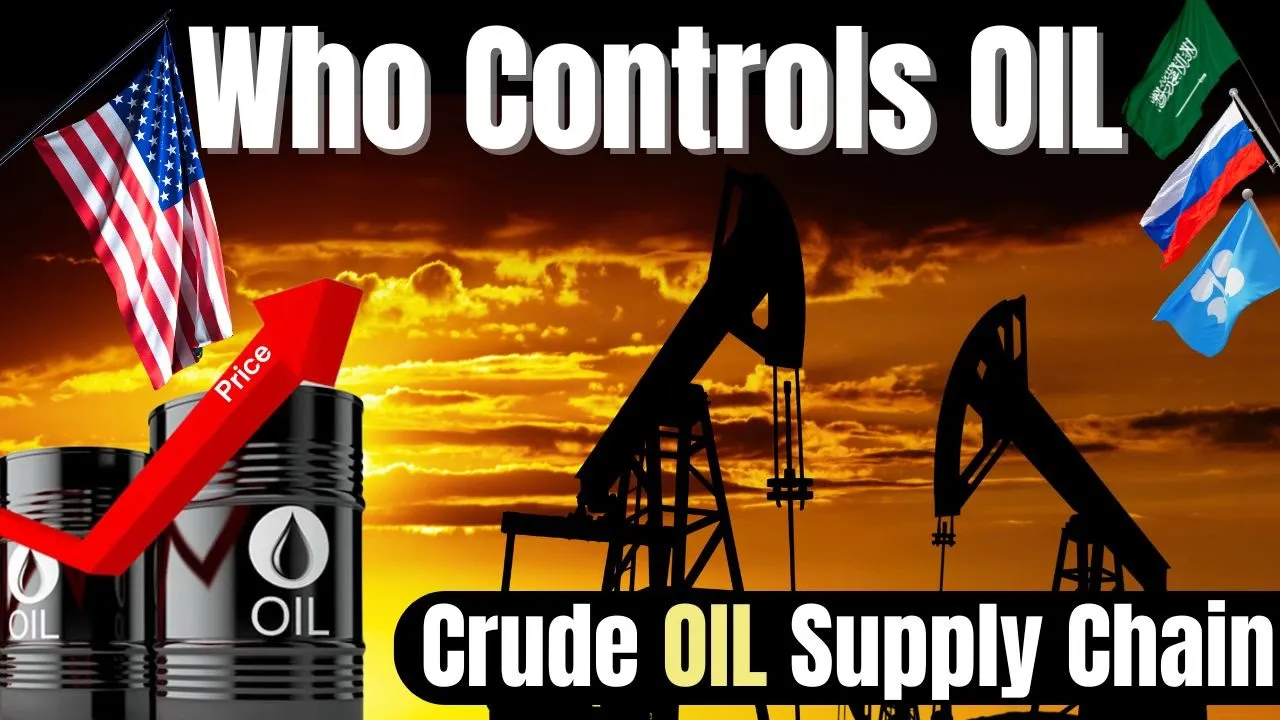
Basic knowledge of global energy markets, including how crude oil prices are set, the role of OPEC, and the geopolitical significance of energy supply chains.
An introductory understanding of Sovereign Wealth Funds (SWFs) and how different nations manage surplus state revenues.
Analyzing the Geopolitics of the Green Energy Transition, specifically how the global shift to renewables will impact the power and stability of traditional petrostates.
Comparative Institutional Analysis, examining why Norway's democratic institutions successfully resisted the corruption that plagues other oil-rich nations like Azerbaijan.
The study of Petro-Diplomacy and Sanctions, focusing on how Western nations use economic statecraft against resource-rich adversaries like Russia.
Investigating international anti-corruption frameworks and the role of global financial systems in enabling or curbing the laundering of resource-derived wealth.
622.8K views46.8Klikes18:55Original Release: 2025-07-04
Oil is such a big scam. I hate oil. It gives the worst countries massive amounts of influence and power. I cannot wait until we switch to green energy.
Not because of the environment. [ __ ] the environment, but because these oil nations get away with so many things just because Europeans and other countries want to have good relations with them only because they want to buy their oil and their energy and fund their shitty dictatorships. If these countries did not have oil and the West did not benefit from them, they would have stopped cooperating with them long ago. What a lot of people don't know is that oil is not rare and it is not expensive. It is artificially kept at a high price by a couple major countries working together that are called OPEC.
So they can all sell it at a decent price and make money. So for example, if Saudi Arabia just emptied their oil and the price dropped to 1 cent, then all of these countries would go bankrupt. It's not like these oil countries are using that money for anything other than being evil. But there are actually two countries who use their oil quite well.
But let's start with the evil ones first. And these oil countries are always so [ __ ] insecure. Literally, most of them have zero freedom of speech. And listen, man, you can limit my speech, but nothing is going to stop me from printing out your picture and on it. This will be my resistance. Some people ask me why I hate Russia. I say to them, "How much time you got?" I can never run out of things to say. Russia is a fictional country made up of many different ethnicities and many different countries. This is why they call themselves the Russian Federation and they are by far the most evil out of any oil country. But, you know, I don't blame them. At least we all know they're evil and they're not trying to hide anything. Yes, the whole world will be Russian. We will invade everywhere and like, yeah, we don't expect anything good from them, right? But the fact that Europeans were supplying Russia with so much money by buying their oil and gas and funding their occupational war machine while pretending to be moral and cool is just a [ __ ] move. If you are going to fund the modern Nazi Germany for years and years, even to this day, just [ __ ] say it, man. Say with your heart. Say h. I know you Europeans love now. So say h or Putin. Same thing either way. Even after the Ukraine war started, they're like, "Oh, we're going to stop buying Russell oil and gas." You know, no, not really though. You know, but it's so cheap though. Also, we're going to give our European friend Ukraine weapons to defend itself, but eh, you know, I know I know you're at war with the three countries, but you shouldn't really strike into Russia itself. You know, even though they are abusing that fact by shooting you and then returning to their border so you don't attack them. The European Union has spent more money buying Russian oil and gas than sending aid to Ukraine. And then this French idiot comes out with, "Oh, Georgia is turning the most privatized country in the region is turning into Stalinist. Brother, you fund Hitler." What do you mean Stalinist, bro? Every neighbor of Russia has tried to have friendly relations with them and every one of them got invaded. So the fact that so much of their economy is ran on just oil and it funds their imperialist army makes them the most evil oil country by far because for example the Middle Eastern countries use cheap labor and take away their passports. So they basically have them as slaves and Russia also does that but they take them to the front lines and use them as sponges for Ukrainian bullets. So along with being imperialist they do everything these other evil oil countries do and more. And oil is such a vital and such an evil resource that despite being sanctioned they now just sell oil at a discount and everyone keeps buying it fueling their war machine even more. English is not my native language and the way I actually learned it was through watching movies and TV shows because they were not available in Georgian. And I think making language learning fun is the best actual way to learn a new language. And today's sponsor LingoPai does exactly that. It's basically the Netflix of language learning. They have 13 languages and over 3,000 movies and TV shows for you to enjoy in 13 languages like Spanish, French, Italian, Japanese, and more. I personally think that this is the best way to learn a new language since this is how I am speaking English right now when my native language is Georgian which is a very different language as you can see. And they have bangers on Lingo Pie's own platform. And on top of that, you can integrate it with Netflix and Disney Plus. And the best thing is that it's interactive, so you can translate everything you see.
Personally, I'm using it to learn Spanish, watching Spanish Batman, and already learned that the Joker in Spanish is elon.
here. You can just click on it and it explains what everything means, which I think is very useful. Like if you can't understand the word, you just hover over it. And I think that's an amazing feature. There are flashcards and even pronunciation feedback to help you learn. And it's available on everything, iOS, Android, your TV, and computers. I suggest you click the link in my description because they're offering a 55% discount right now and a 7-day free trial. So, you should check it out. It's a 7-day free trial. So you have nothing to lose. In 2013, Azarbaijan released the election results before the election had even started. They accidentally leaked it on their official apps. It showed Ali winning with almost 73% of the vote. And then when the election ended, he claimed victory with 85% of the vote. This would secure his third 5-year term. And as of 2025, the Aliyah family has been ruling the country for 32 years straight since the country's independence. In 2004, Ramil Safarov, a lieutenant from Azerbaijan, was attending a three-month NATO language course in English. There were also two Armenians attending the course with him.
And motivated by ethnic hatred, he sneaked into one's room and killed him with an ax in his sleep. He then went to the other Armenian's room, but the door was locked. And while shouting his name outside the door, the Armenian guy wanted to open the door, but his Lithuanian roommate stopped him. He was arrested for this. And in his court hearing, the way he talked about what he thought of Armenians made Hitler sound like a leftist white woman, showing no remorse and then got sentenced to life in prison with possibility of parole after 30 years. Now the thing about this case is that Azerbaijan has oil. So this monster zinc looking [ __ ] called Victor Orban extradited him to Azerbaijan and a week before that they were coincidentally talking about Azerbaijan loaning Hungary 23 billion. After he got extradited, Ali pardoned him immediately upon his arrival, gave him an apartment and over eight years of back pay. Also, they have funded Israel's war machine by providing 40% of Israel's oil. My solution to this, make Hungary even smaller. Clearly, Triionon was a good deal for Hungary. Romania should be even bigger. [ __ ] it, they get Muldova, too.
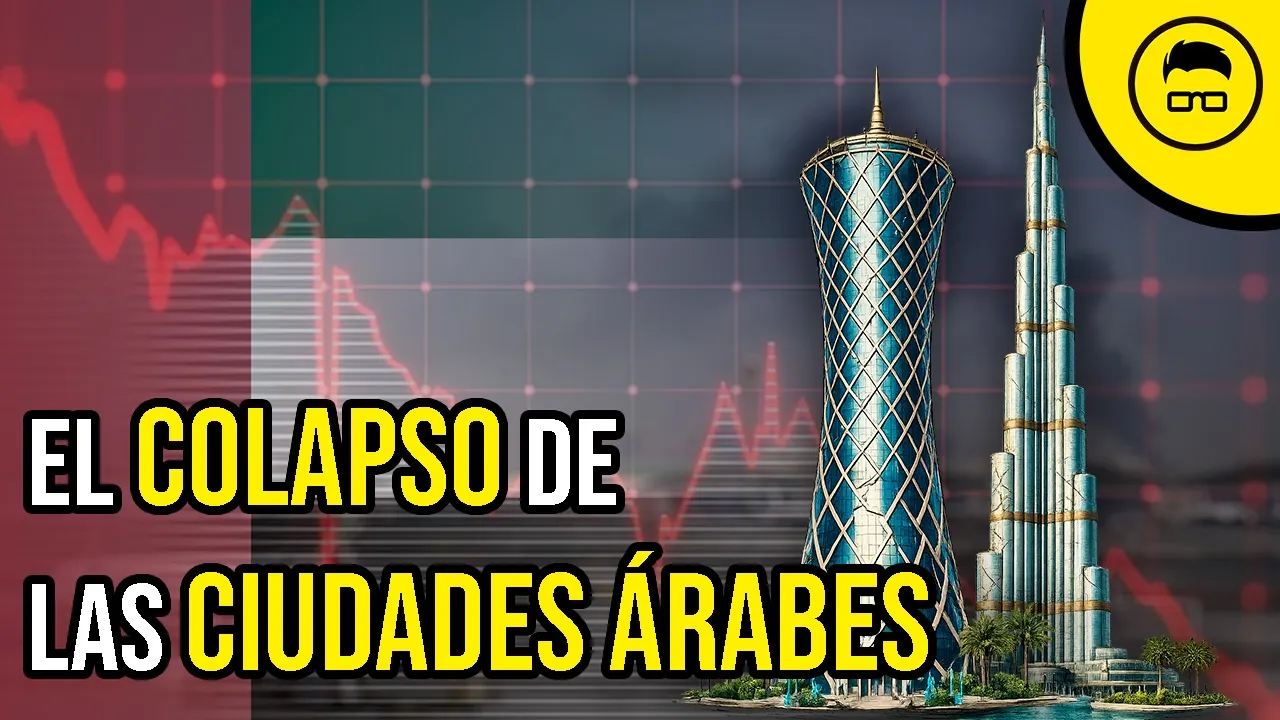
And you know what? I like both Croatia and Ukraine, so they get this. My ancestor taught me how to redraw borders in Eastern Europe. I am only continuing his legacy. I'm kidding, man. I love Budapest. It's a beautiful city and Hungarian food is good. Just please get rid of this [ __ ] Nobody can take this anymore, bro. He's make he made Hungary the poorest country in the EU, bro. How do you do that? And they give it away with all of this because the EU chose to get their oil from Azerbaijan instead of Russia. I'mma go to Dubai and tear that [ __ ] down brick by brick. The UAE is so funny because it turned from whoa look cool building and money to now only being known for the most annoying people that you never want to talk to going there and living there.
I don't agree with Dubai but you have to respect it. But you have to respect it.
No, I don't think I will. Crypto bros, core sellers, British people, just stuff like that. I don't know how to describe it, but to me as an outsider, Dubai feels like this picture. I hope you guys get what I'm saying. Bonnie Blue is a woman who slept with a thousand men in 24 hours, having people line up for her. In Dubai, Tate set up a boxing match where he had 60 people lining up to box him for a couple minutes. This is the exact same thing. Also, this country is a big user of the kafala system, generally the entire Middle East. You would think, right, that a country that has money would pay their workers well. But no, they decide to go the complete opposite route. So, I'm always in Dubai. Uh, but you, a friend of mine told me I had to check out this pool. One of the most unique scuba diving experiences of your life. They've both heavily promoted this pool on their large YouTube platforms. I do have a sneaky suspicion they might have been paid off by the tourism board since they've linked the state-run YouTube channel, but I'm not going to throw out claims I can't completely substantiate. Will Smith's video has 25 million views, 1 million likes. Okay, imagine the amount of people he has brought into this silly pool, which on average costs 200 quid entry. We're talking big money generated for the owners of this establishment. So, I thought I'd have a quick look at who owns and who built this pool.
That's right, it's your boy O Bin Laden's family's construction empire.
Hey yo, what the Well, you wouldn't be able to guess the types of practices that Bin Laden construction is employing in the current day, could you? Here's an example to give you an idea. In 2017, a group of foreign workers, probably Nepalese or Bangladeshi, weren't paid for 6 months. Their wages were already probably around $4 a day in one of the world's most expensive countries, leaving them with no way to ever fly back home. And on top of that, they most likely had their passports taken at the border and were effectively locked into slum housing, surrounded by armed guards who escort them to work every day. Oh, and this is all in 45° heat. Though rightfully they were a bit annoyed when they didn't even get paid and protested this at the bus depot where they usually crammed into blacked out shiny coaches to prevent rich city dwellers from seeing the disgusting sight of lowerass humans. The protest was dispersed pretty quickly and in return they were not paid. Instead sentenced to four months in prison and I quote 300 latches in public. And you'd think Will Smith would be specifically appalled by such practices since he literally last year starred in a very emotive harrowing film centered around being a slave who was extremely severely. But no, he's literally generating money for a company that 100% proven whips.
If you're ever wondering why YouTubers in Dubai are always talking about, oh, Dubai is so good, it's because they legally have to sign a document, the [ __ ] influencer license, where they can't talk bad about Dubai. What the [ __ ] is this [ __ ] They arrest people for posting bad Google reviews. And like I swear to God, seeing things like this makes you realize that free speech is the best thing ever. I can say anything I want. George Bush doesn't care about black people. They get most of these workers from India, Bangladesh, and places like that. They come there looking for work and then they get their passports taken away from them. You know how [ __ ] up this [ __ ] is? There's a Pakistani in the comments defending Indians. That's how that's how [ __ ] up this [ __ ] is. Qatar is a tiny tiny country, but it's literally like one of those ants that can lift like 200 times their weight because they are one of the most influential countries in the world.
British were colonizing them. Well, now they ended up owning them back because they got so much money that they now own more real estate in London than the British royal family. Qatar is the go of oil influence. It's such a small country and they have so much money. It has mostly been known for hosting the 2022 World Cup where they banned beer and football together and a lot of people got very mad at that. But also like if you're in a Muslim country, I think it's disrespectful to ask that they serve you beer which is not allowed in their religion just so you can have more fun watching football. Like you're asking these people to throw away their religion they've kept for thousands of years so you can drink while watching 11 men play with balls. Like come on.
Qatar, despite being a very small country, are extremely influential to the point where no other small country has gotten into such scandals as they have. They've been accused of bribing both the United States and the EU. Trump accepted the whole jet as a gift from Qatar, while the US Constitution prohibits politicians from accepting gifts from foreign governments without approval. And there was a Qatar where they found that European Union politicians were allegedly being bribed with millions of euros to influence their decisions. They also have Alazer which is one of the most watched news networks in the Middle East and Al Jazer English on YouTube get millions of views daily and they have nearly 16 million subscribers. Just this one small nation has global influence over the world and definitely the entire Middle East with Alazer being the most watched news network in the Middle East hosting the last World Cup and exporting the most liqufied natural gas in the world along with many controversies regarding their influence. Also, Qatar has nearly no Qataris. More than 88% of their population is not a citizen of Qatar.
Their population is mostly consisted of migrant workers, mostly from India, Bangladesh and Nepal. Also, because of this system, nearly 80% of their population are men. And honestly, in global politics, Qatar is much more important than most people realize.
Like, I was flying with Qatar Airways and they had [ __ ] Evan Hart on the screen reading safety instructions. You know how much money you need to have to make the most paid comedian in the world read [ __ ] airplane safety instructions? So much money, man. Saudi Arabia is the real big boy of oil. They are the biggest exporters of oil and basically this entire industry depends on them because they export so much more than even number two. So if they want to, they can literally do whatever with oil prices because they can quickly increase or decrease the amount of oil they make by millions of barrels per day. And because of all this power, they also have infinite money. And by that I mean they sponsor so many sports events.
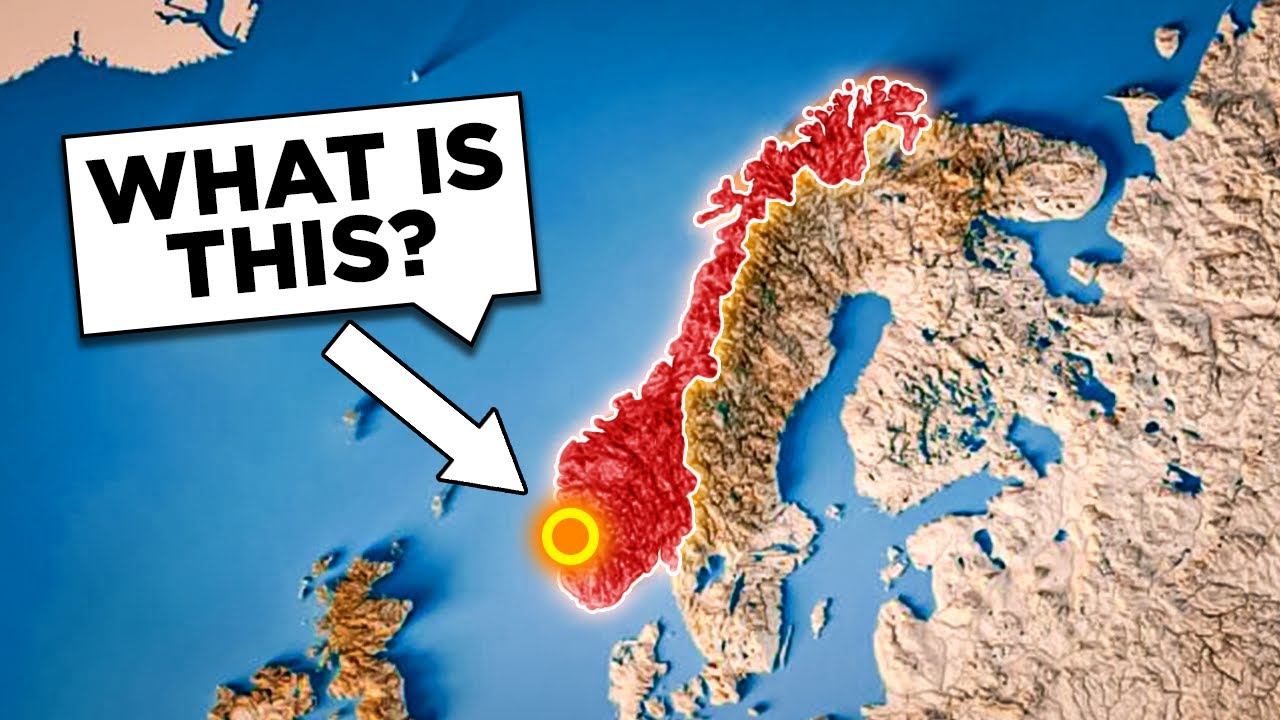
They have Ronaldo, UFC, boxing, just so many things. Man, this just end. Norway has invaded Sweden to liberate the people of Lapland from Swedish Nazis. of Fulkar Republic and Lapland. The People's Republic of Lapland asked Norway for help. I decided to conduct a special military operation. It aims to protect the people who have been bullied and been subject to the tyranny of Swedish rule for years. Norway is an oil nation. No doubt about it. But what do they use that money for? Did they use it to declare war on Sweden to liberate the people of Lapland from the tyranny of Swedish rule? Trust me, bro. If they wanted to, they could buy 5 million mercenary soldiers and arm them with a nuclear weapon each and tell them to invade Sweden. But both me and the Norwegian government understand that this is a stupid [ __ ] idea that only Russia would do. A border we both share.
So instead of that, they just use it to be a place where you see how they live and their policies and go, "Damn, y'all live like this?" And they are by far the best use of oil money I have ever found.
There is around a total of seven Norwegians in the world, but they supply Europe with a lot of oil and gas. When Russia decided to invade Ukraine, the entire country of Norway got the cartoonish dollar signs in their eyes because gas and oil prices rose and Europe needed new supplier for gas. So, they all turned to Norway. Instead, they use that money for their own people and having basically the highest quality of life in the world. for example, good free healthcare, just anything you won't see in developing countries such as Georgia or the United States. A lot of people don't like French people. I personally like the African French the best because the white ones are a little too rude for me. But ignoring my personal opinion, a big reason to like them is that they use nuclear power instead of [ __ ] oil. When the Chernobyl nuclear power plant exploded, it was big news and it caused the deaths and illnesses of many people. But what people don't realize is that the magical rock of nuclear was not at fault. It was the people running the plant that were at fault and Soviet [ __ ] And the fact that Eastern Europeans cannot boil water just went over everyone's heads.
And now nobody uses nuclear. But the people that do get many benefits from it, such as the air being clean and not being Russia's [ __ ] My favorite movie of all time is Jungu Unchained. And in its amazing soundtrack is Freedom. You know why? Because freedom is very very important. So to not have Russia have a hold on your country's energy is a big indicator of freedom. Not only just cleaner air and stuff such as in France, but also it's like [ __ ] free infinite energy. You know how much better it would be for the entire world to be on nuclear instead of [ __ ] oil from Russia and others? Like these countries will literally get away with anything purely because they have oil. Russia was able to hold Europe hostage basically because they supplied all of their oil and gas. And these [ __ ] did not listen to Eastern Europeans. That's why their oil and gas prices shot up. Just [ __ ] listen to us, man. If the big Western European powers actually listen to their Eastern counterparts, everything would be fine. Don't trust Russia with oil and gas. They will hold you hostage. But uh Russia normal. Yes.
Oh, you next Crimea. Let's build another pipeline delivering gas to us. We are stupid idiots. I will never learn. The German government always wants more and more. Another pipeline, another front, another remilitarization.
Also, I know for a fact you enjoyed this video, right? So, I know you found it funny. I know. I know. I know it's it's it was a good video. Okay, we all know this. So, now please like and subscribe for this because the real estate price in my city have rose by 50%. And I'm like Dutch from Red Dead Redemption. We need money. So yeah, like and subscribe and goodbye. Thank you so much for the support.
Y [Music] shore.
Up Next
88:05
Democracy, Governance, and War in Oil Exporting Nations
@UChicago
852 views•2015-08-10

24:30
BRICS Pay and de-dollarization: A New Financial Order Emerges? | 55 chars
@DannyHaiphongYT
164.6K views•2024-10-22
7:33
Government Surveillance Methods: 10 Ways You May Be Watched
@BeAmazed
1.6M views•2017-04-09
10:19
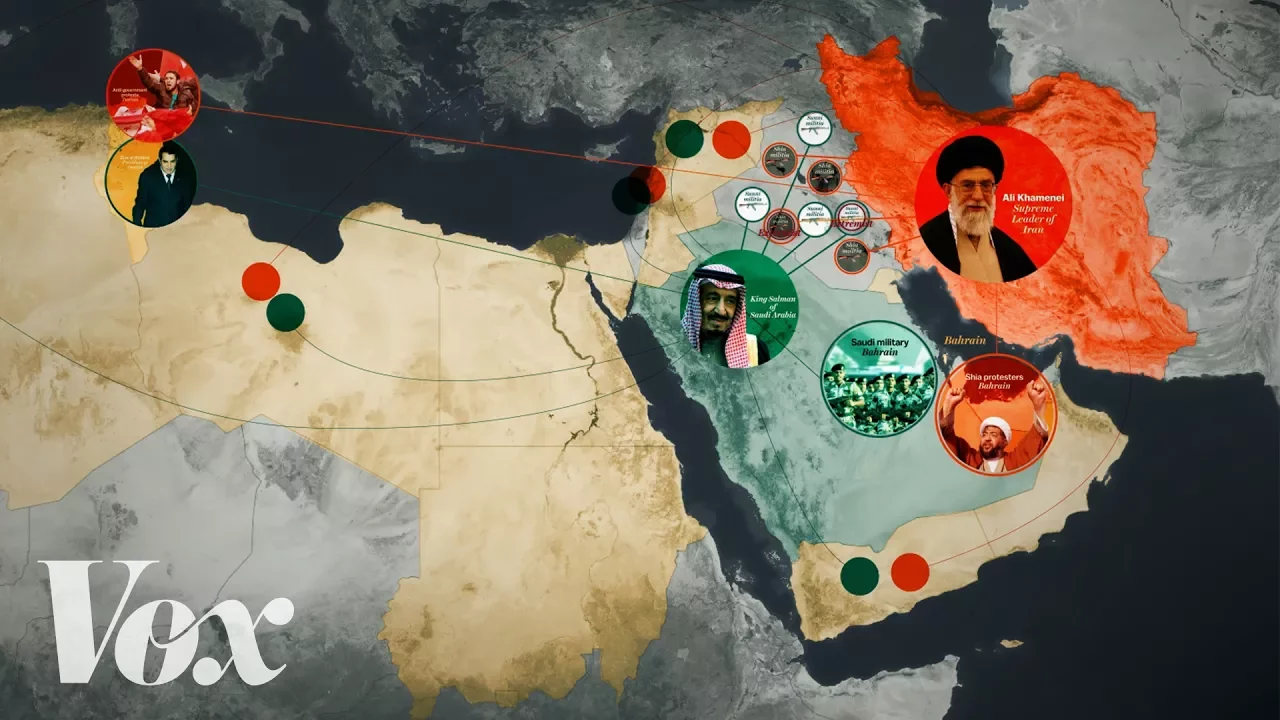
Explaining the Saudi-Iranian Proxy Conflict in the Middle East
@Vox
18.2M views•2017-07-17
Related Study Plans & Knowledge Roadmaps
Structured learning paths in Political Science
political-science
Economic Statecraft: Sanctions & Chokepoints
01Foundations of Geoeconomics and Economic Statecraft
02The Mechanics of Weaponized Interdependence
03International Sanctions: Types, Implementation, and Efficacy
+ 2 more learning modules
12h5 modules
Explore Roadmap
political-science
Central Bank Independence: Politics & Policy
01Foundations of Central Banking and Monetary Policy
02The Time Inconsistency Problem & Inflation Bias
03The Delegation Model and Designing Independence
+ 2 more learning modules
12h5 modules
Explore Roadmap
political-science
Consociationalism: Power-Sharing & Stability
01Democratic Dilemmas in Divided Societies
02Introduction to Consociational Democracy
03The Four Pillars of Consociational Design
+ 2 more learning modules
12h5 modules
Explore Roadmap
political-science
Rebel Governance: Legitimacy, Economy & State
01Foundations of Rebel Governance and Statehood
02Establishing Political Legitimacy and the Rebel Social Contract
03Wartime Economies and Rebel Resource Management
+ 2 more learning modules
14h5 modules
Explore Roadmap