





















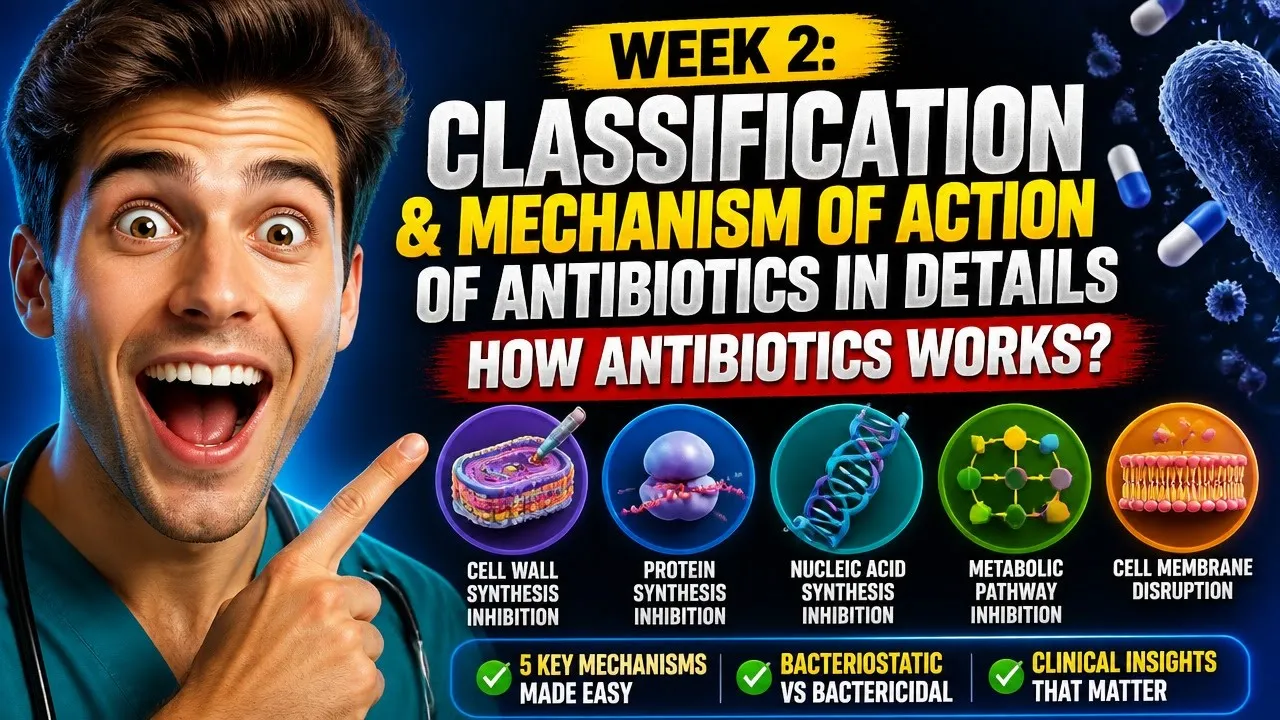
This lecture explains how antibiotics inhibit bacterial growth by targeting cell wall synthesis or membrane integrity. Cell wall synthesis inhibitors, including beta-lactams (penicillins, cephalosporins, carbapenems, monobactams), work by binding to penicillin-binding proteins and blocking transpeptidation, while other inhibitors like fosfomycin, cycloserine, vancomycin, and bacitracin target earlier enzymatic steps in peptidoglycan synthesis. Mycobacterial cell wall inhibitors isoniazid and ethambutol disrupt mycolic acid and arabinogalactan synthesis respectively. Cell membrane disruptors like daptomycin and polymyxins cause membrane depolarization and leakage. Resistance mechanisms include beta-lactamase production, which can be overcome by combining antibiotics with beta-lactamase inhibitors.
Antibiotics: Cell Wall & Membrane Inhibitors Explained
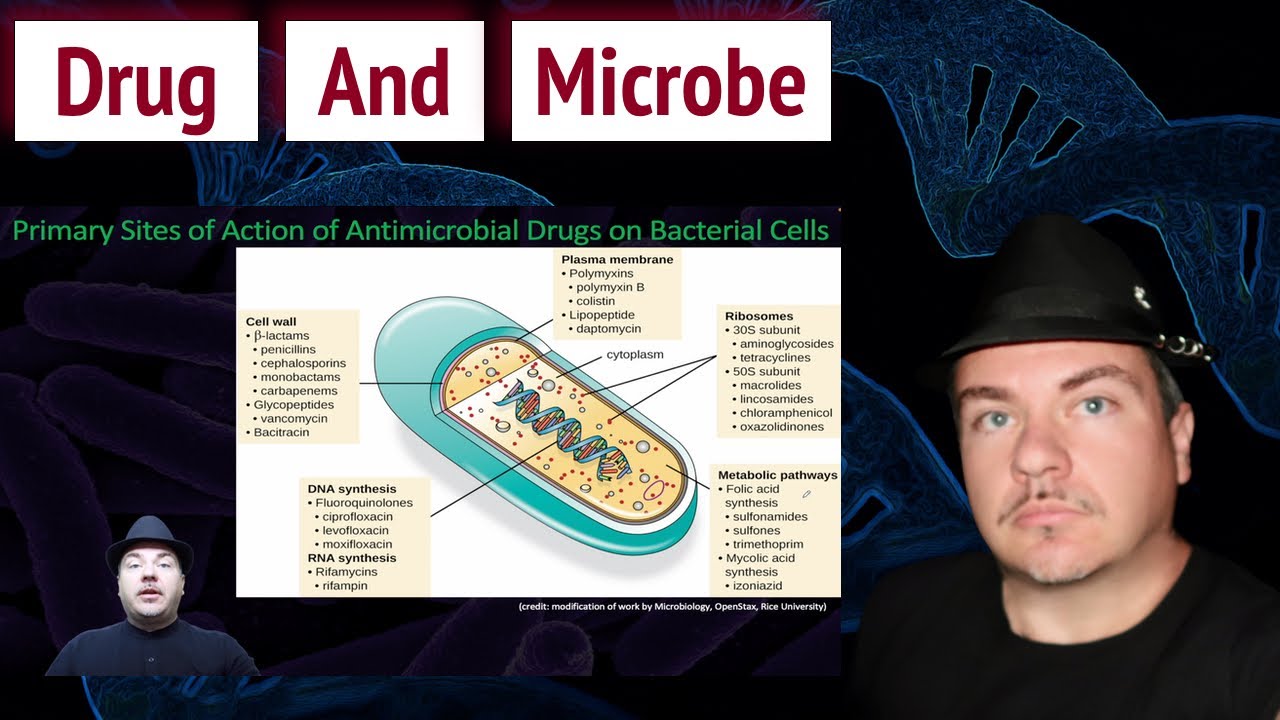
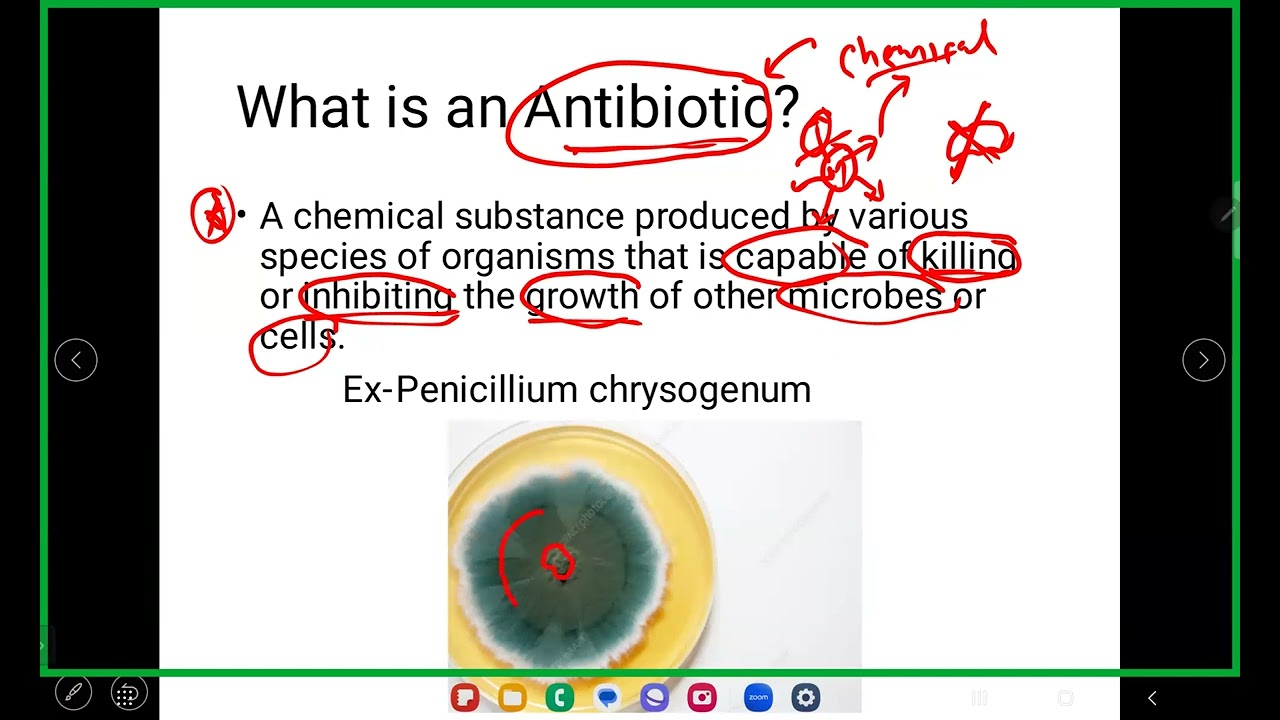
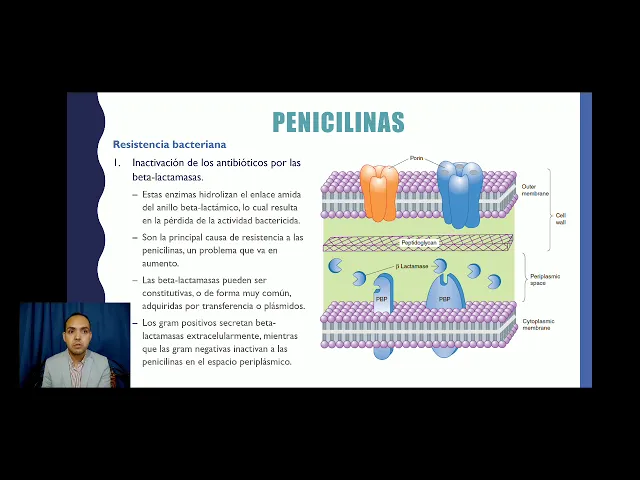
Added:in this first part of the lecture covering pharmacology of antibiotics we are going to discuss cell wall synthesis inhibitors and cell membrane integrity disruptors but first things first let's define antibiotics and let's classify them so antibiotics are broadly defined as chemical agents that kill or inhibit the growth of microorganisms antibiotics may be classified as broad-spectrum meaning they act against wide range of microorganisms or as narrow-spectrum meaning they act against very few types of microorganisms furthermore antibiotics may be categorized as bactericidal meaning they kill bacteria or as bacteriostatic meaning they only stop bacteria from growing selection of antibiotic depends largely on clinical manifestation of the infection as well as the patient profile and it's often guided by the culture sensitivity results the Kirby-Bauer method is one of the most commonly performed tests that helps to guide selection of an effective antibiotic while the dilution test is commonly performed to determine the lowest concentration of antibiotic that inhibits visible bacterial growth known as minimum inhibitory concentration or MIC and the lowest concentration of antibiotic that kills at least 99.9% of bacteria known as the minimum bactericidal concentration or MBC now let's dive a little deeper and take a closer look at how antibiotics work so based on their mechanism of action antibiotics can be divided into five broad categories number one cell wall synthesis inhibitors number two cell membrane integrity disruptors number three nucleic acid synthesis inhibitors number four protein synthesis inhibitors and number five metabolic pathway inhibitors now let's discuss these one by one in detail starting with cell wall synthesis inhibitors so the cell wall is essential for the growth and survival of bacteria it gives the bacterial cell its shape and protects it against spontaneous cell lysis due to the high internal osmotic pressure that results from high concentration of proteins within the bacterial cytoplasm the vast majority of bacteria have one of two different types of cell wall the first one is called gram-negative and it is composed of the outer membrane linked by lipoproteins to a thin inner layer of peptidoglycan the second one is called gram-positive it is composed of many interconnected layers of peptidoglycan and it lacks the outer membrane now peptidoglycan is what gives both cell wall types their rigid and protective qualities it consists of glycan chains of alternating n-acetylglucosamine NAG for short and n-acetylmuramic acid NAM with short peptide chain attached to it the biosynthesis of peptidoglycan is mediated by transpeptidase enzymes also known as penicillin-binding proteins specifically penicillin-binding proteins catalyze the final transpeptidation reaction that results in formation of bond between the last lysine residue of one peptidoglycan and the terminal alanine on the other strand now in order for bacteria to grow and divide a new cell wall must be continuously built this way so this is where inhibitors of cell wall synthesis come into play most of antibiotics belonging to this group are characterized by beta-lactam ring at the core of their structure which resembles substrates for penicillin-binding protein when penicillin-binding protein binds to beta-lactam ring portion of the drug covalent bond is formed resulting in permanently blocked active site this makes the enzyme unable to perform their role in cell wall synthesis which in turn leads to death of bacteria due to osmotic instability or autolysis now the beta-lactam ring is part of the structure of several antibiotic families namely penicillins cephalosporins carbapenems and monobactams collectively we call them beta-lactam antibiotics here are some examples of beta lactams due to the large number of antibiotics that belonged to this family keep in mind that this diagram is not meant to be exhaustive so all looks good up to this point we have all these powerful antibiotics that can easily kill all harmful bacteria right well not so fast unfortunately over the years exposure to antibiotics provided bacteria with selective pressures which led to emergence of different resistance mechanisms the most common mechanism for drug resistance to beta-lactam antibiotics is bacterial synthesis of beta-lactamases beta-lactamases are enzymes produced by certain types of bacteria that simply break the beta-lactam ring and thus destroy antibacterial activity in an effort to fight back against this resistance scientists were able to develop beta lactamase inhibitors that irreversibly bind to and inhibit beta-lactamase enzymes the use of beta-lactamase inhibitors in combination with beta-lactam antibiotics is currently the most successful strategy that we have to combat this specific mechanism of resistance however I would like to point out two exceptions here which are carbapenems and monobactams unlike penicillins and cephalosporins they don't need to be combined with beta-lactamase inhibitors because they have modified beta-lactam rings in their structures that provide them with significant resistance to beta-lactamases examples of beta-lactamase inhibitors are avibactam clavulanic acid sulbactam and tazobactam now when it comes to side-effects all beta-lactam antibiotics are likely to cause nausea vomiting and diarrhea in addition to that small number of patients may experience allergic reactions ranging from mild rashes to life-threatening anaphylaxis now beta-lactams are not the only antibiotics that interfere with synthesis of the bacterial cell wall four other antibiotics that you may frequently encounter namely fosfomycin cycloserine vancomycin and bacitracin also disrupt cell wall synthesis however they accomplish that through a different mechanisms in order to gain better understanding of how these antibiotics work first we need to take a closer look at the enzymatic steps involved in cell wall synthesis so the first major step of the cell wall synthesis involves the cytoplasmic enzyme enolpyruvate transferase abbreviated as MurA MurA catalyzes the addition of phosphoenolpyruvate abbreviated PEP to UDP-n-acetyl-glucosamine to form UDP-n-acetyl-muramic acid to which then three amino acids are sequentially added the next crucial step involves two enzymes first d-alanine racemase that converts l-alanine into d-alanine and the second d-alanine:d-alanine ligase that joins to d-alanine molecules which are then incorporated into the growing peptidoglycan precursor next with the help of translocase enzyme peptidoglycan precursor is transferred to the lipid carrier called undecaprenyl-pyrophosphate also known as bactoprenol this is followed by sequential addition of n-acetylglucosamine along with five amino acid molecules now once this cell wall building block is transported across the inner membrane penicillin-binding proteins catalyze the final step of polymerization of n-acetylmuramic acid and n-acetylglucosamine complexes via transglycosylation and cross-linking of chains via transpeptidation also at the very end the bactoprenol lipid carrier gets dephosphorylated which enables it to perform another round of transfer so now let's go back to our four antibiotics and let's examine how they disrupt this cell wall synthesis machinery starting with fosfomycin so fosfomycin acts in the first cytoplasmic step of the cell wall synthesis by irreversibly inhibiting MurA enzyme this in turn prevents the formation of peptidoglycan precursor and eventually leads to bacterial cell death our second antibiotic cycloserine comes into play at the next crucial step of the synthesis because of its chemical resemblance to d-alanine cycloserine competitively inhibits both d-alanine racemase and d-alanine:d-alanine ligase when both of these enzymes are inhibited then d-alanine residues cannot be formed and previously formed d-alanine molecules cannot be joined together again the formation of peptidoglycan precursor is disrupted which eventually leads to death of bacteria now let's move on to our third antibiotic that is vancomycin vancomycin belongs to a small family of antibiotics called glycopeptides that includes few other drugs that work in similar way so unlike fosfomycin and cycloserine vancomycin works in the late stages of cell wall synthesis specifically vancomycin interferes with both transpeptidation and transglycosylation during peptidoglycan assembly by binding to two d-alanine residues at the top of the peptide chains this binding in turn prevents linking of long polymers of n-acetylmuramic acid and n-acetylglucosamine that form the peptidoglycan backbone and it prevents cross-linking between amino acid residues in the peptidoglycan chain again this brings cell construction to a halt which ultimately results in bacterial cell death now let's move on to our last antibiotic that is bacitracin which comes into play at the very end of the synthetic process specifically bacitracin works by binding to bactoprenol after it inserts the peptidoglycan into the growing cell wall this in turn prevents the dephosphorylation of the transport protein thus making it unable to regenerate and perform its job in construction of the cell wall now that we discussed mechanism of action of these antibiotics let's briefly discuss their side-effects so the first one fosfomycin is most likely to cause nausea dizziness headache and diarrhea the second one cycloserine has been associated with neurologic and psychiatric disturbances such as peripheral neuropathy depression and psychosis the third one vancomycin when administered intravenously may cause hypotension along with flushing of the upper body condition known as redman syndrome in rare instances vancomycin may also cause nephrotoxicity ototoxicity and blood disorders including neutropenia lastly bacitracin when used topically rarely causes side-effects other than minor skin irritation however when administered intravenously nausea vomiting allergic reactions and nephrotoxicity may occur so the antibiotics that we discussed thus far typically are capable of disrupting cell wall synthesis in species of bacteria that are gram-positive or gram-negative or both however there is one more type of bacterial cell that presents a significant challenge to our antibiotic arsenal that is mycobacterial cell wall mycobacteria are highly pathogenic organisms that are responsible for deadly diseases such as tuberculosis and leprosy furthermore mycobacteria are notorious for their ability to resist most antibiotics one of the main reasons for their toughness is their exceptionally impermeable cell wall the mycobacterial cell wall is made up of five major components linked together the inner plasma membrane thin layer of peptidoglycan and arabinogalactan surrounded by a thick layer of mycolic acid with a lipid containing outer membrane now because this cell wall is essential to the survival of mycobacteria couple of antibiotics has been developed to disrupt its integrity the two agents that are thought to primarily target mycobacterial cell wall synthesis are well-known antituberculosis drugs isoniazid and ethambutol now let's briefly discuss their primary mechanism of action so the first one isoniazid is a prodrug which upon gaining entry into the cell it must be first activated by bacterial catalase-peroxidase enzyme called KatG once activated in the presence of NADH isoniazid forms adduct which then binds to and thereby inhibits the enoyl-acyl carrier protein reductase abbreviated as InhA now InhA is a member of the type 2 fatty acid system which elongates long-chain fatty acids for the synthesis of mycolic acid inhibition of mycolic acid synthesis in turn leads to a loss of cell structural integrity and physiologic function that ultimately results in bacterial cell death now let's talk about our second drug that is ethambutol so the primary mode of action of ethambutol appears to be the inhibition of membrane associate enzyme called arabinosyl transferase EmbB this is the enzyme that mediates polymerization of arabinose into arabinogalactan an essential component of the mycobacterial cell wall so as a result of this enzyme inhibition the cell wall permeability increases allowing toxic substances to enter the cell now when it comes to major side effects isoniazid may cause hepatotoxicity and peripheral neuropathy while ethambutol optic neuritis that can lead to vision loss now before we end this lecture i would like to briefly discuss one more category of antibiotics that is cell membrane integrity disruptors unlike cell wall synthesis inhibitors cell membrane integrity disruptors target primarily the cell membrane of bacteria prominent members of this category include daptomycin and small family of antibiotics known as polymyxins so now let's take a closer look at their mechanism of action the first antibiotic daptomycin works by forming a complex with calcium that facilitates its insertion into the bacterial cell membrane next daptomycin-calcium complexes aggregate within the membrane to form pore-like structures that allow ions such as potassium to leak through causing depolarization of membrane potential and eventually cell death now in contrast to daptomycin which targets cytoplasmic membrane of gram-positive bacteria polymyxins target the outer membrane of gram-negative bacteria specifically polymyxins initially bind to the lipopolysaccharides in the outer membrane causing structural changes that increase membrane permeability this in turn allows polymyxins to enter in and disrupt the inner cytoplasmic membrane which then leads to leakage of the cell contents and eventually death of the bacteria now when it comes to major side-effects daptomycin may cause skeletal muscle toxicity while polymyxins may cause nephrotoxicity and neurotoxicity and with that i wanted to thank you for watching i hope you enjoyed this video and as always stay tuned for more
Up Next

Protein Synthesis Inhibitors Pharmacology | Antimicrobial Drugs Mastery by Dr. Priyanka Sachdev
@MedLiveByDrPriyanka
69.3K views•2023-12-18

Graphic Medicine: Comics for Collaborative Healthcare Communication
@nationalpatientadvocate
189 views•2023-12-04
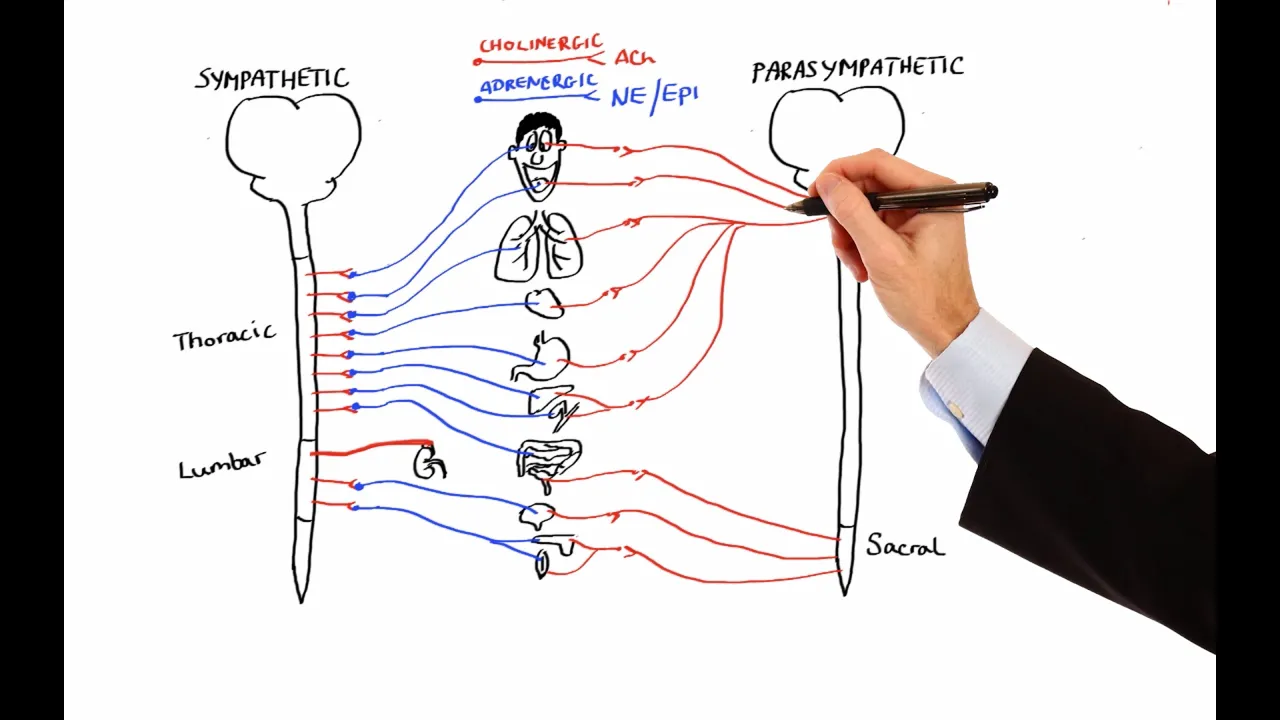
Autonomic Nervous System Pharmacology | Sympathetic & Parasympathetic
@SpeedPharmacology
1.8M views•2015-07-06
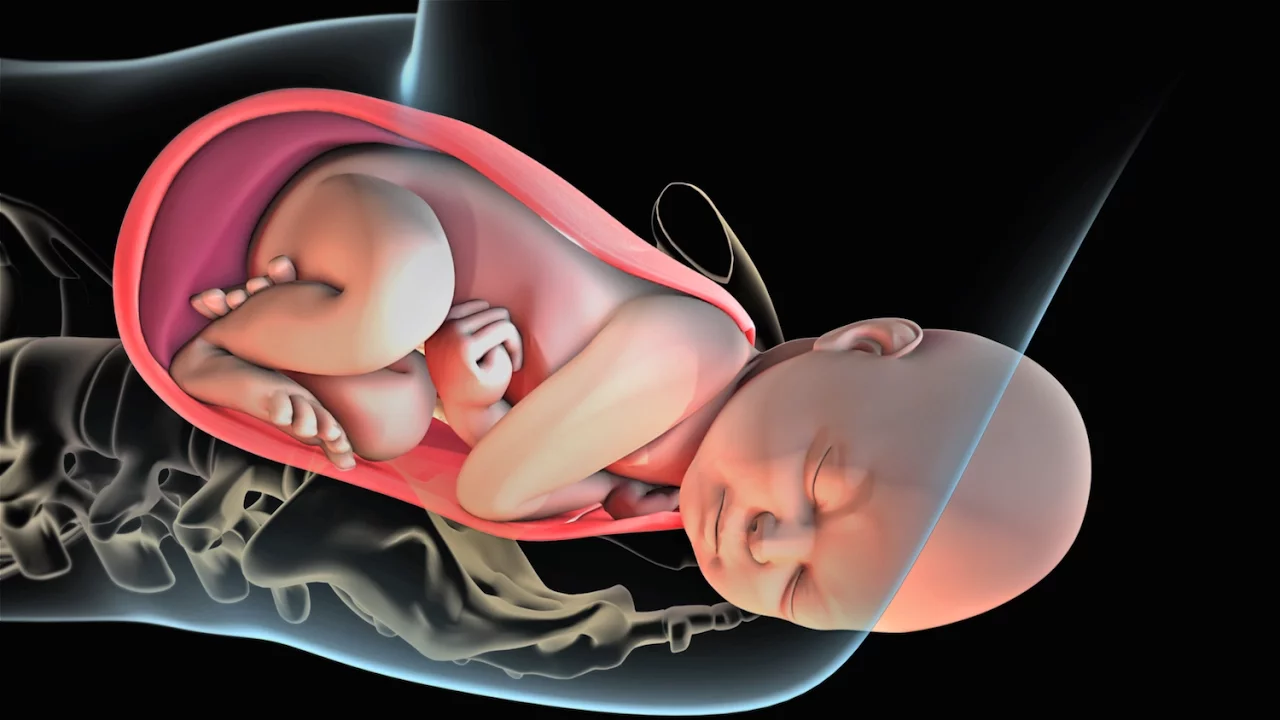
Stages of Labor and Vaginal Birth | Childbirth Animation
@nucleusmedicalmedia
52.1M views•2017-08-18
Related Study Plans & Knowledge Roadmaps
Structured learning paths in Medicine