
















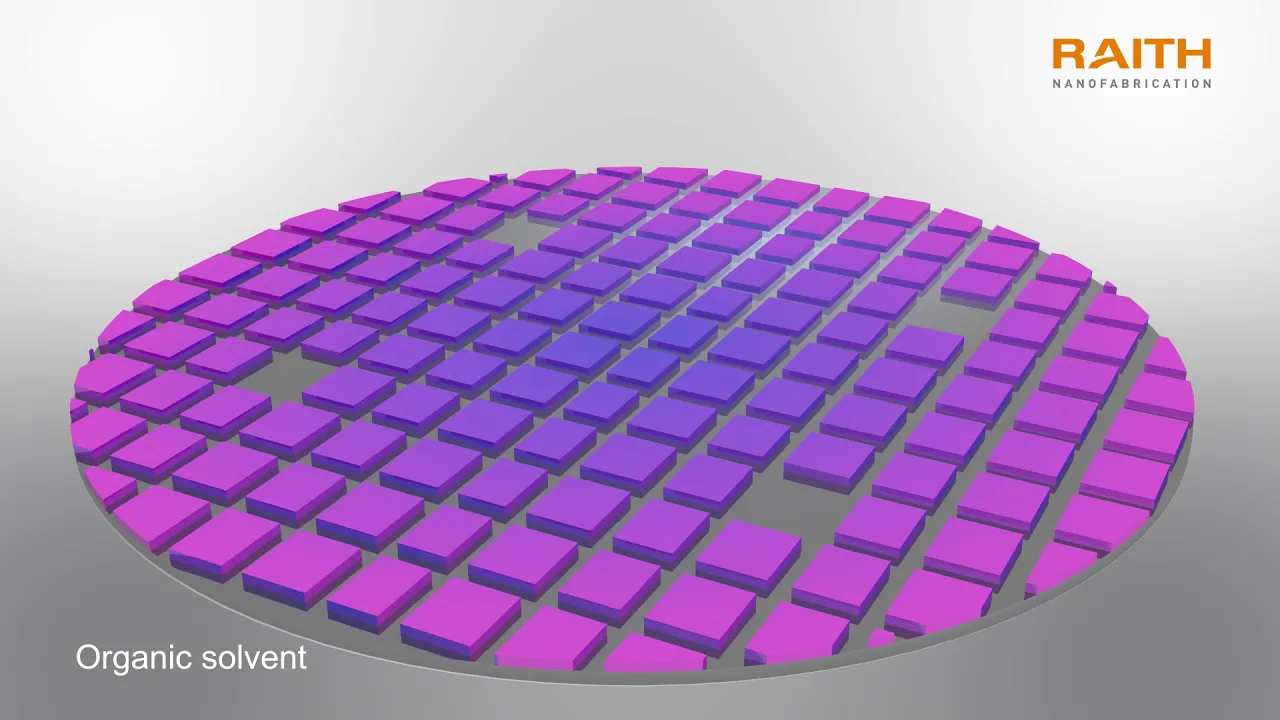














Nanotechnology employs two fundamental approaches for synthesizing nanomaterials: the top-down approach involves breaking down larger materials (micrometer to centimeter scale) into nano-sized particles using techniques like mechanical milling, lithography, laser ablation, and arc discharge, making it ideal for mass production; while the bottom-up approach builds nanostructures atom-by-atom or molecule-by-molecule through chemical reactions such as sol-gel processes, reduction-oxidation reactions, micellization, self-assembly, and directed assembly, offering precise control but currently limited to research settings.
Top-Down vs Bottom-Up Nanotechnology Approaches Explained
Added:Understanding of the nanoscale (1-100 nm) and how material properties change at this scale compared to bulk materials.
Basic principles of chemistry and physics, particularly atomic structure, chemical bonding, and intermolecular forces.
Familiarity with standard microfabrication concepts, such as basic photolithography, etching, and thin-film deposition.
An introductory concept of thermodynamics and kinetics, which govern chemical reactions and molecular self-assembly.
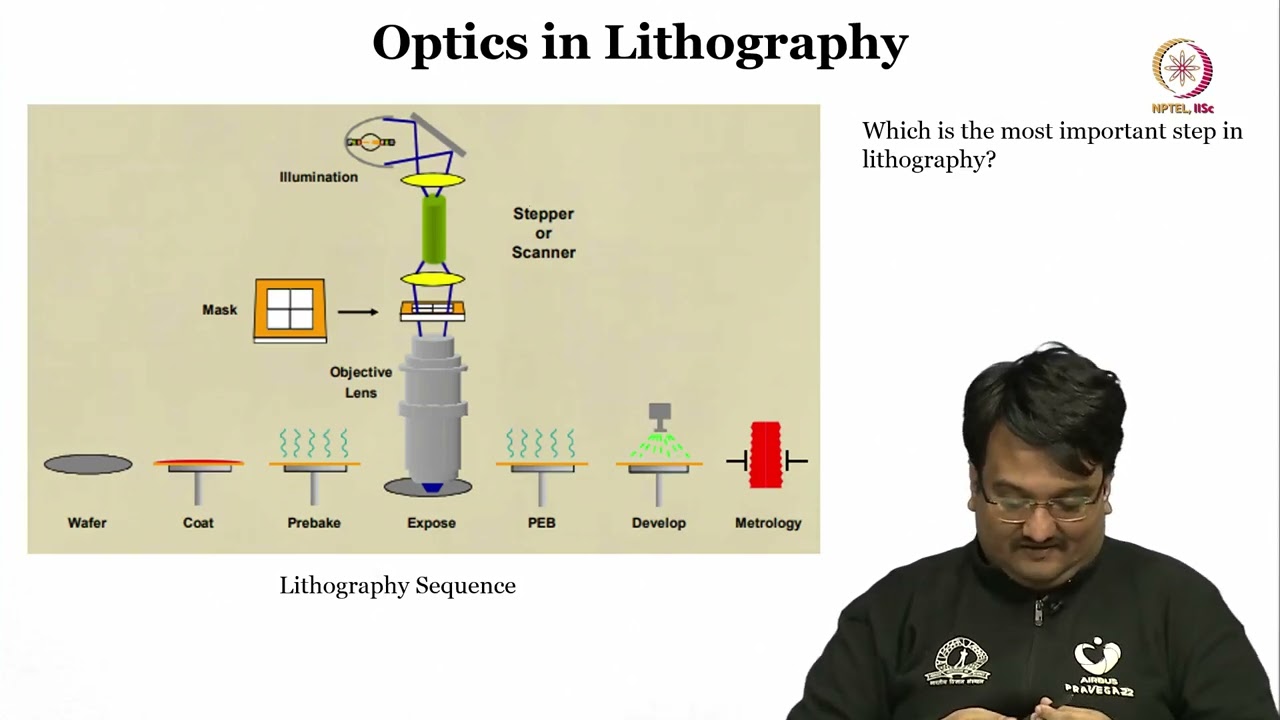
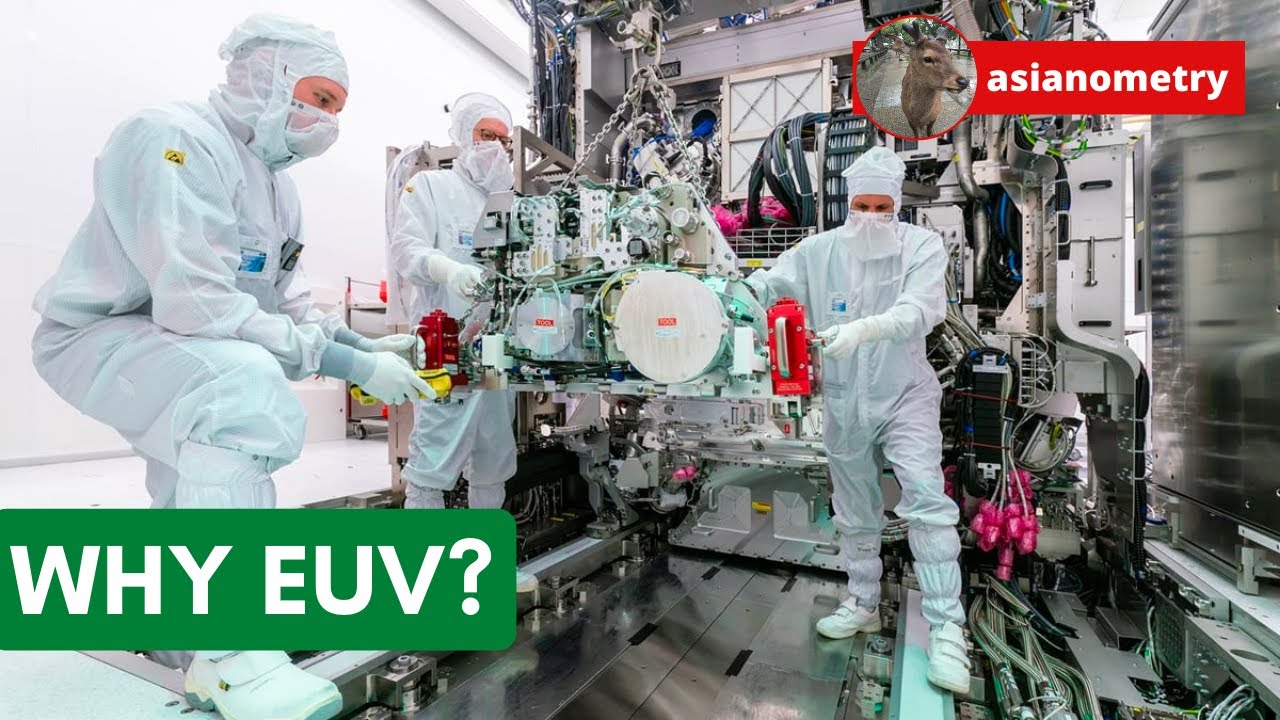
In-depth study of specific top-down techniques, including Electron-Beam Lithography (EBL) and Extreme Ultraviolet (EUV) lithography.
Advanced exploration of bottom-up synthesis methods, such as Chemical Vapor Deposition (CVD), Sol-Gel processing, and Self-Assembled Monolayers (SAMs).
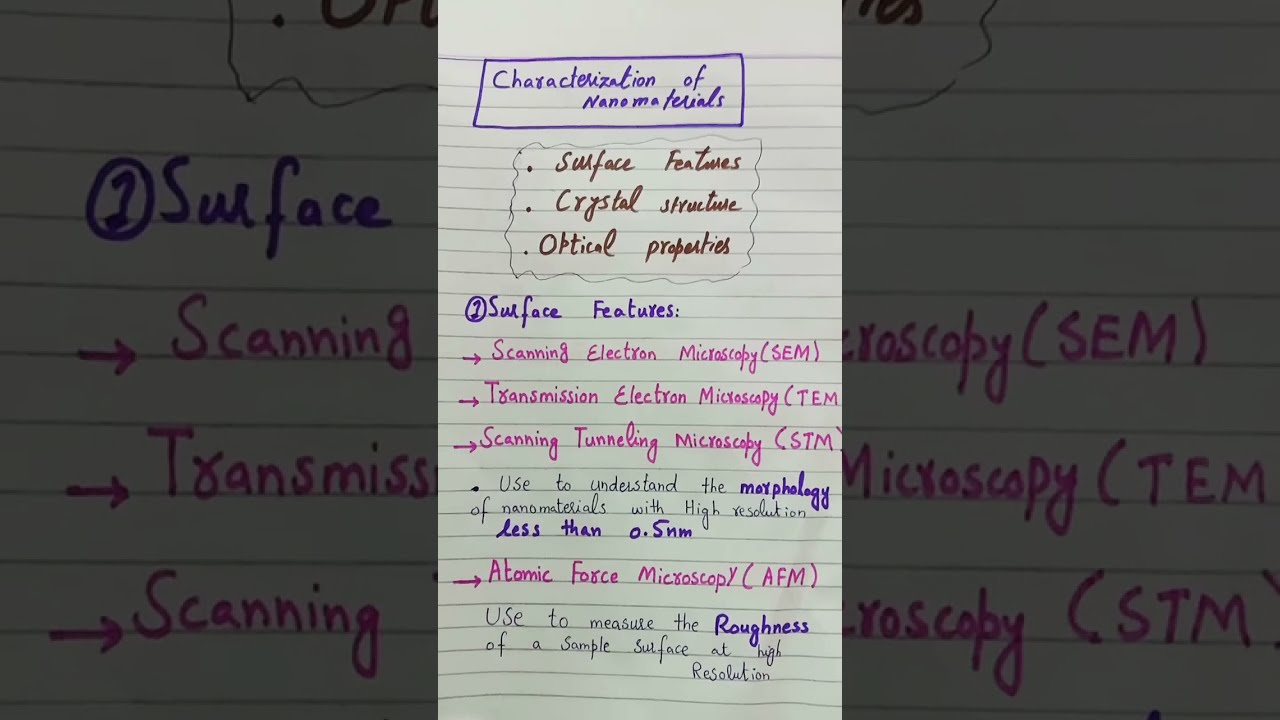
Characterization techniques for nanomaterials, such as Scanning Electron Microscopy (SEM), Transmission Electron Microscopy (TEM), and Atomic Force Microscopy (AFM).
Real-world applications in nanoelectronics (e.g., FinFETs, quantum dots), nanomedicine (e.g., targeted drug delivery vehicles), and green energy.
The emerging field of hybrid nanomanufacturing, which combines both top-down and bottom-up methodologies for complex devices.
30.4K views454likes8:30Original Release: 2020-08-31
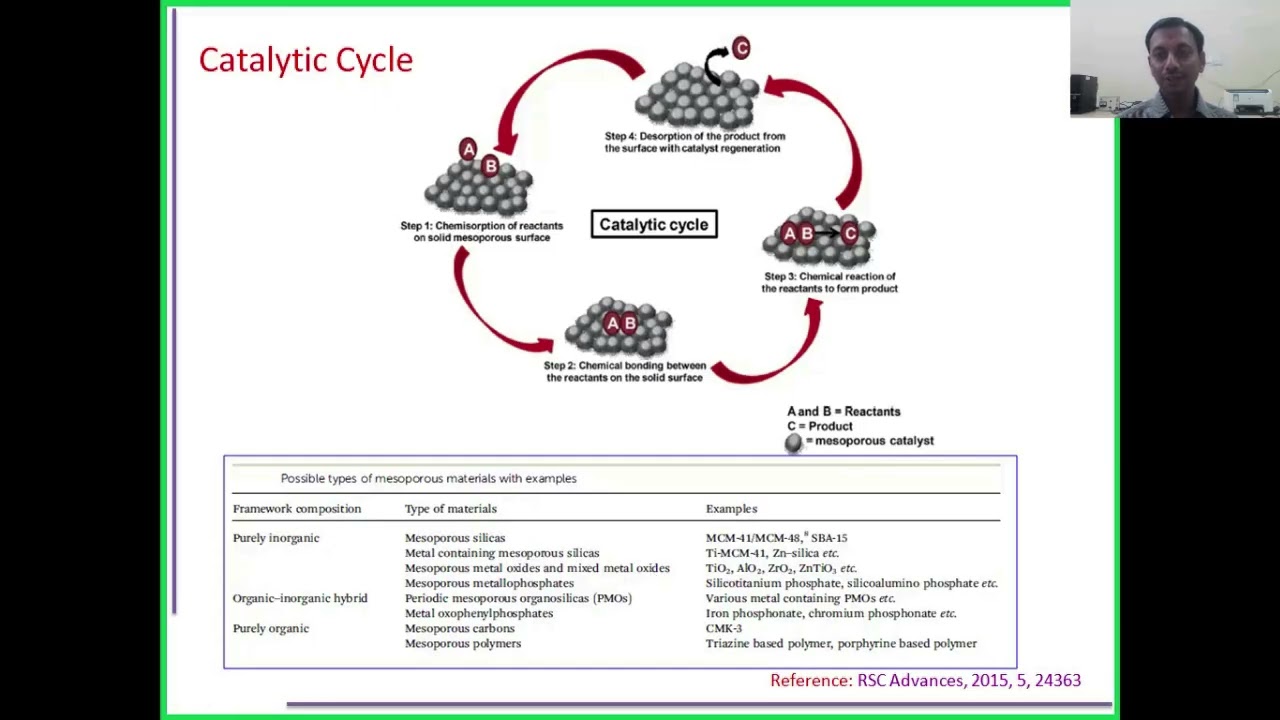
welcome back fellow travelers previously we rediscovered the nano world and learned about its history our epic journey will continue today welcome back to the nano odyssey in today's episode we will take a look at what a nanoscientist's mind thinks about when trying to solve a problem or find a solution at the atomic level once you know what the next hurdle is you don't just stop if the solution isn't straightforward you try to approach the problem from different angles and eventually find a solution that may even surprise you it's time to learn about the different approaches towards nanotechnology we all know by now that a nanometer is a billion times smaller than a meter and that is a really really small length scale but exactly how small is it to give you some perspective the width of a human hair on an average is 10 000 nanometers and the radius of an atom is widely accepted as one angstrom or 0.1 nanometers when you talk about anything in the vast realm of nanoscience it is essentially made up of building blocks only 10 times larger than an atom which is the fundamental building block of everything in our universe nanotechnology nanoscience and all the allied tools and techniques of these fields are the cornerstones of new materials devices and entities that have at least one of their three spatial dimensions within a limit of one to 100 nanometers but how do you get to such a small size of working material do you break down bigger stuff like sculpting something out of stone or do you put together smaller pieces to make something larger like completing a jigsaw puzzle well it turns out you can do both to get to the nano realm these two approaches are called the top-down and bottom-up approaches respectively we will now discuss them in some detail in the top-down approach starting materials of an order typically in the micrometer millimeter or centimeter size range are broken down using a variety of techniques until the average size of the smaller units thus formed is roughly as expected in the nano range some of the common techniques used in top-down synthesis of materials are as follows one mechanical milling where a large and heavy sphere or spheres are tumbled and shaken with the starting materials to break them down using physical force two lithography where electron beams are light beams with assistance of certain blocking materials called resists are used to very precisely carve starting materials to the desired size and shape this technique grants very specific control over all parameters of the process three laser ablation techniques wherein the staring material is generally submerged in a liquid and is subjected to laser pulses the material vaporizes due to the heat of the laser and the broken down particulate matter immediately cools in the liquid by finally controlling the pulse duration and wavelength of the laser fine control over the product is possible four arc discharge techniques in which the star-tin materials take the form of electrodes in an electrolyte a high voltage is applied which causes ions to move through the solution and the gradual breakdown of the electrode material leads to the production of the desired nanomaterials 5. there have also been some reports wherein the modified tips of atomic force microscopes afm or scanning probe microscopes spm which are generally only used to study nanomaterials have actually been used to synthesize or modify nanomaterials top-down methods are very easy adapt to a variety of synthesis conditions production requirements scalability issues and equipment and are thus considered ideal for mass production without too much loss in quality these techniques perform robustly even in non-laboratory conditions and are thus favored for large-scale manufacturing processes [Music] [Applause] in the bottom-up approach starting materials are generally chemical reagents that are allowed to react in a variety of experimental conditions until the average size of the units formed by the assembly of atoms molecules or ions is roughly as expected in the nano range some of the common techniques used in bottom-up synthesis of nano-materials are as follows one soul gel processes are a time-tested and common class of procedures where a set of reactants are mixed in solution form with proper and calibrated parameters like ph temperature volumetric and molar ratios etc and are heated to allow the liquid to evaporate allowing the reactant molecules to assemble into the desired nano materials under controlled conditions two reduction and oxidation are fundamental concepts and can be readily applied in the bottom up synthesis of nanomaterials as well oxidation generally means addition of an oxygen atom or removal of electrons from a species and reduction can be broadly explained as addition of a hydrogen atom or addition of electrons to a species when either of these processes are applied to ions floating around in a solution controlled synthesis of nano materials becomes possible three missilization is an innovative technique which involves the use of amphiphilic surfactant molecules to isolate charged species to then form assembled nanostructures an amphiphilic molecule has two parts an uncharged non-polar part that has more affinity for organic solvents and a charged polar part that has more affinity for polar solvents when this concept is employed in the case of charged ions in organic solvents the amphiphilic molecules surround the ions with the charge part pointing inward toward the ion forming an insulating spherical coating around it thus effectively simultaneously creating and isolating nano structures four self assembly of atomic or ionic entities can be brought about by various chemical reactions and physical processes in a program fashion to achieve specific sizes and shapes of the resultant nano structures five directed assembly techniques using catalysts and specific substrates or templates is a newly emergent and very promising area of research and bottom-up nano-material synthesis bottom-up methods are very easy adapt to a variety of synthesis conditions and can be modified to suit many innovative synthesis protocols and are thus considered ideal for research purposes with complete control over all aspects of the process these techniques have yet to perform robustly on a large scale and non-laboratory conditions and are thus still not widely adapted for public purposes even as we discuss the various approaches to synthesizing nano materials the inspiration and ideas for new materials require innate creativity vision and the willingness to think outside the box of conventional wisdom to tell us whether something is possible or not that is actually the beauty of the unknown the things we think are impossible are nothing but dreams of the future this is mr o signing off until we meet again on the journey that we call the nano odyssey in the next episode we will take a look at the properties of nano materials hey i am miss keem thank you for watching don't forget to like comment share and subscribe to my channel and for latest update hit the bell icon until then keep exploring
Up Next
9:45
UV-Vis Spectroscopy Tutorial Part 1: Measuring Nanoparticle Absorbance
@nanocomposix
100.3K views•2016-11-18

178:38
Whole Brain Architecture: First International Workshop 2024
@thewholebrainarchitecturei9784
640 views•2024-07-22

9:49
FastAPI vs Flask vs Django: Choosing the Right Python Web Framework
@TechWithTim
302.5K views•2024-05-26

1:42
Game of Thrones Opening Credits: A Cinematic Analysis
@gameofthrones
46.3M views•2011-04-18
Related Study Plans & Knowledge Roadmaps
Structured learning paths in General & Interdisciplinary Studies
general-studies
Artificial Light: History, Tech & Human Impact
01The Pre-Electric Era: Fire, Oil, and Gas Lighting
02The Incandescent Revolution and Grid Electrification
03Gas Discharge and Fluorescent Illumination
+ 3 more learning modules
14h6 modules
Explore Roadmap
general-studies
Elevator Engineering: History, Physics & Cities
01From Hoists to Safety Brakes: The Dawn of Vertical Lift
02Hydraulic vs. Traction: The Engineering Physics of Elevators
03Modern Speed, Safety, and Algorithms
+ 2 more learning modules
12h5 modules
Explore Roadmap
general-studies
Rubber: Material Science, History & Geopolitics
01Origins of Natural Rubber & Mesoamerican History
02The Chemistry of Natural Rubber & Vulcanization
03The Geopolitics of the Rubber Boom & Colonization
+ 2 more learning modules
12h5 modules
Explore Roadmap
general-studies
Containerization: Evolution, Logistics & Trade
01Ancient Trade & Bulk Cargo: Amphorae to Barrels
02The Industrial Revolution & Cardboard Packaging
03The Containerization Revolution: Malcom McLean
+ 2 more learning modules
12h5 modules
Explore Roadmap