




![[초등학교 5학년 사회]2. 인권 존중과 정의로운 사회 17~18차시(국민의 기본권과 의무1)](https://i.ytimg.com/vi/qQR4qb0n_Xo/sddefault.jpg)


![مصادر الإلتزام-[مقدمة في الفعل الضار - التمييز بين المسؤولية العقديّة والمسؤولية التقصيريّة]²⁰](https://i.ytimg.com/vi/fnF0PcfUtMo/maxresdefault.jpg)


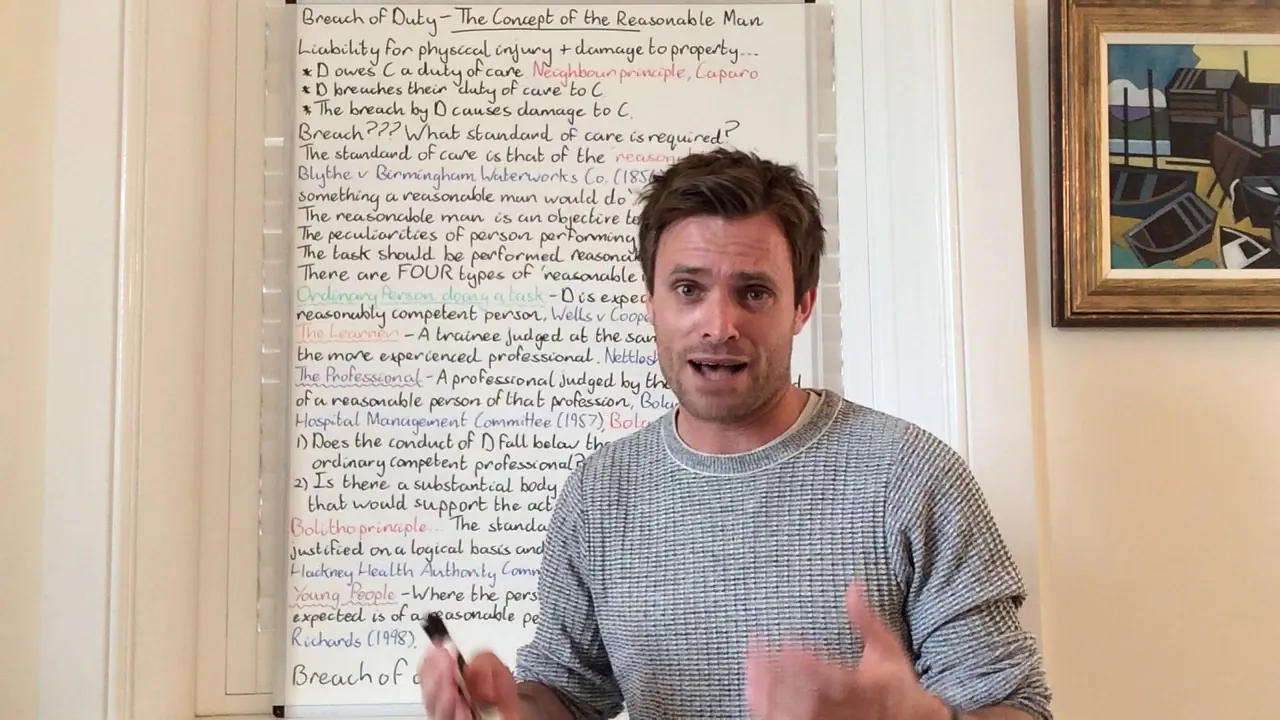











Tort law is a branch of civil law that protects individuals from harm and vindicates their rights through compensation, distinguishing itself from criminal law (which involves state prosecution) and contract law (which governs voluntary agreements); the core principle of negligence requires establishing that a defendant owed a duty of care, breached that duty by failing to act as a reasonable person would, and this breach directly caused recognized harm, with the reasonable person standard being evaluated through factors like probability of harm, severity of potential damage, and cost of preventive measures.
Law of Tort Explained: Negligence & Fault (Part 1)
Added:The fundamental distinction between Civil Law (seeking remedies for private wrongs) and Criminal Law (prosecuting public offenses).
The concept of common law and judicial precedent, as tort law is primarily developed through court decisions rather than legislative statutes.
The basic definition of a legal right and a civil obligation in a societal context.
An understanding of civil liability and the overarching purpose of civil remedies (compensation and deterrence versus punishment).
The 'Breach of Duty' element, including how courts define the standard of care and apply the 'reasonable person' test.
Causation in negligence, specifically distinguishing between factual causation (the 'but-for' test) and legal causation (remoteness of damage and foreseeability).
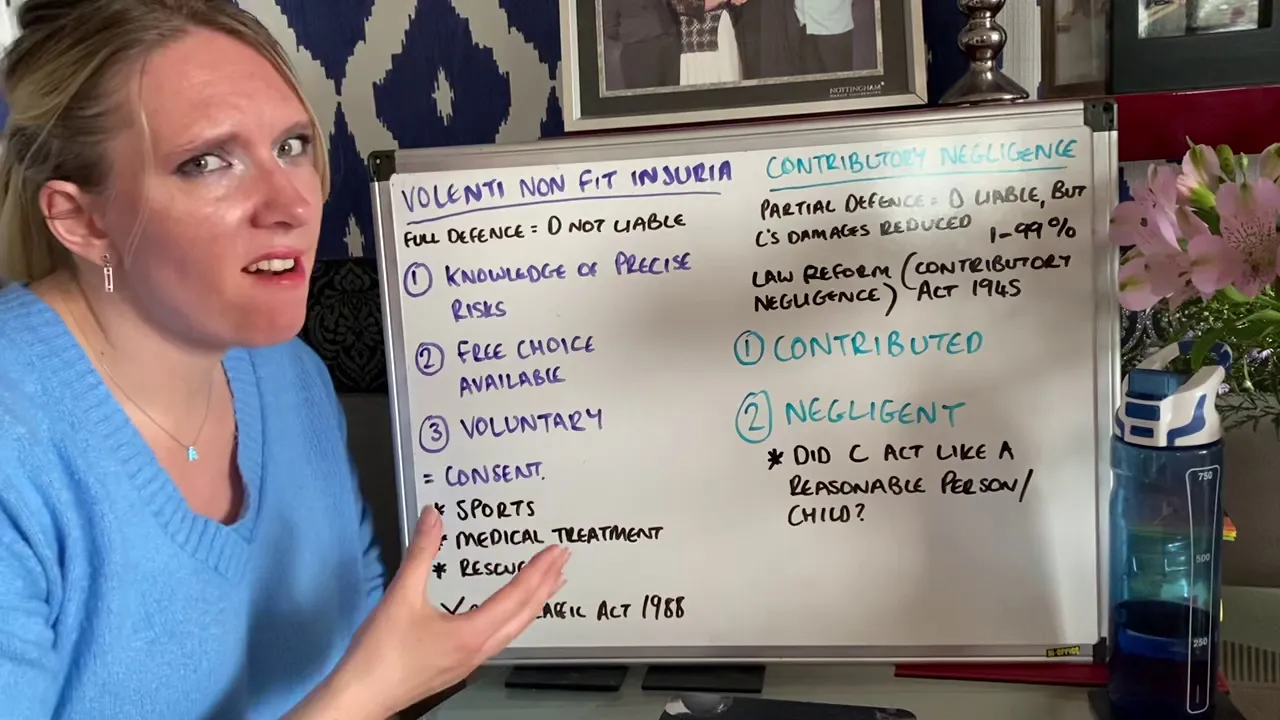
Common defenses to negligence claims, such as contributory negligence, voluntary assumption of risk (volenti non fit injuria), and illegality.
Specialized areas of tort liability, including Vicarious Liability, Occupiers' Liability, and Product Liability.
The assessment of civil remedies, focusing on how courts calculate compensatory damages for economic and non-economic losses.
74.9K views997likes11:31Original Release: 2016-03-02
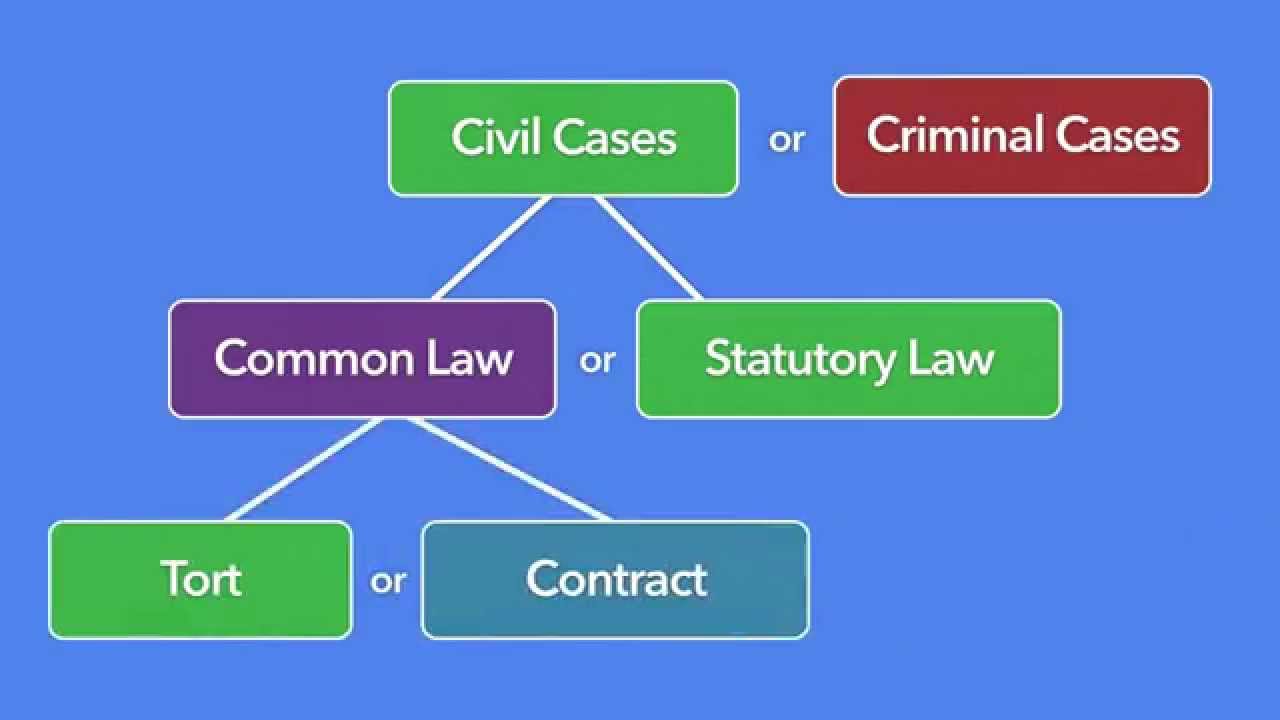
T law is a collection of legal rules and ideas to protect you from harm and vindicate your rights but you may not have heard of it unless you've already started studying legal ideas the most famous T is probably the T of negligence and this module is going to look at a particular case within that tort called Nettles ship and Weston from 1971 the case concerned the level of care that a driver had to owe to others both in the car and outside it but the thing was this driver was a learner driver and the difficult issues engaged about the level of care a learner driver could show you can read this judgment in a moment but what I'd like to do first is introduce you to some of the ideas that we're going to be dealing with within T law imagine somebody bumps into you and causes you to drop the shopping you're carrying this causes some breakage of bottles and eggs and whatever it is you've got in your shopping while in practice you may not want to litigate what do you do if you do want to litigate so this video is for you if you'd like to find out more about how you would litigate on that so I'm going to ask you a few questions as we go through the idea is that this video is not so much for me because I'm pretty comfortable with my knowledge of this material already but it's for you to try and challenge you to think about some very difficult questions some of which don't actually have certain answers before we get started let's think about the word taught briefly it's not a common word t o r t it's not normal you may have heard of a similar word in English called torsion a twisting force and that's the same idea something that's twisted or wrong can you think of any other examples of the use of the word Twisted to suggest something that's wrong is someone twisted or do you twist somebody else's words to suggest that you're getting the wrong idea that's the same kind of problem T law is generally concerned with civil obligations now there are many different ideas inside that which we might have to unpack first off civil so that means not criminal for this purpose there's many different parts of Law and civil and criminal law are two of the ones you may have heard of so civil law deals with a whole bunch of different parts and one of them is taught other ones you might have heard of are things like contract or potentially unjust enrichment to compare contrast it the other one that we might thought of is criminal law now criminal law is a difficult kind of issue but let's say it deals with the state's power over individuals I also mentioned the word obligations now what does an obligation mean essentially it means that you are bound to do something or not to do something let's pause for a moment there to consider the criminal law briefly there are many different crimes and there are a very large number of TS very often they overlap so the same conduct will both be both a crime and a Tor examples you might have heard of of are assault or battery it's both a wrong for the criminal law and a wrong in tort law the major difference being that the state regards these wrongs in criminal law as being important enough for the state to want to investigate and prosecute and punish let's turn to contract law now contract law can be difficult but as a rough generalization it means that you're entering into an obligation to another person typically voluntarily it's usually a way for you to try to advance your interest in some form of mutual deal sometimes it's said that Tau law protects Health while contract law promotes wealth now there are also other categories one I'll quickly mention is unjust enrichment now unlike contract and unlike criminal law here we're not necessarily dealing with something that you would call a wrong we're dealing with something that's just happened in some cases so for instance I think I owe someone £10 and I give them £10 it turns out I don't owe them £10 can I get my £10 back it's not necessarily the case that I or they have done anything wrong now we've established roughly where T law sits and what it's trying to do it's trying to provide compensation and it's trying to vindicate some of the rights that you have but we now need to think a little bit more about how T law will work in practice and to do that I'd like to go back to the example where you're walking and you're carrying some shopping and someone bumps into you they damage some of the shopping does it seem obvious therefore that because they damag the shopping they should have to pay for the Damage Done That sounds appealing doesn't it well let's pause for a moment and consider some examples where that might no longer sound quite so appealing so one example would be where instead of a simple bumping of the shopping the problem is slightly more complex it turns out the bumper was pushed and knocked into your shopping should he P then well that's one example let's take a second example the bumper wasn't pushed but through no fault of their own you step out suddenly and they bump into you they couldn't see you you walked out in the most ridiculous fashion and it was not at all their problem in fact really you were the cause of why there was a bump nonetheless your view was they bumped you CU you'd stop moving at just that moment well that's another example should the bumper pay there a third example would be where the bumper slips on some incredibly slippery surface that no one could see at that point they didn't do anything that you might regard as being wrong and they just happened to slip it could have happened to anyone and they bumped into your shopping who should pay for the shopping should the bumper pay the fourth example I'll have to admit it's a bit of a trick I said you're shopping and I said the shopping you were carrying but I didn't yet say that you were the owner of the shopping so if we shift this scenario slightly you're still in the supermarket and you haven't actually paid for the shopping yet you're taking it to the counter to pay at that point the property in your shopping bags or shopping basket or shopping trolley actually still belongs to the supermarket so why should the bumper pay you shouldn't they pay the supermarket now those four examples suggest that it's not as simple as saying merely the person who caused damage should pay for it there might be a lot of other things going on all those examples focused on the T of negligence and I mentioned that was practically one of the most important TS and it's the talk we're going to look at when we look at nettleship and Weston but there are other TS so for instance if I say bad things about another person to try and lower what other people think about them that would be the T of defamation quite possibly similarly if I punch someone that could be the T of battery if I make them think I'm about to punch them that's the tort of assault and there are many others in most of these that I've just mentioned at least there's some idea of fault that's to say I've done something which other people would regard as wrong it's that fault which is the reason why we make another person pay so in the four examples I gave you in connection with the shopping if the other person the bumper wasn't at fault then we wouldn't want them to pay we don't think it's right there are many other reasons we might consider that someone should pay another for harm done but fault is one of the main ones ones now that is a starting point there are other conditions that you're going to have to consider one of the other conditions to start out with is that the first person owed the other person a duty to take care now that might sound like a difficult or technical concept it's not really just imagine that there are some situations where English law says you don't have to take care of another person you're allowed to perform the acts you're performing to do the things you're doing without worrying about hurting a specific other person but the reality is for the vast majority of situations where it's foreseeable that you might cause another person harm you should take care Not to cause them harm it's just it's possible that there are situations where that's not the case can you think of any situations where you shouldn't have to care for another person there are some interesting examples in the case law which you might get to find out about later if you keep looking into Tor law one example would be do you think the police are under an obligation to look after everyone in their area that's to say that the police could be liable if someone commits a crime and makes you a victim of a crime or should the police not be able to be sued on the basis that they should have caught the criminal quicker and if you think that then you might think it's because the police did not owe a duty to take care of you when they were performing their police duties so we've looked at negligence and we've looked at fault we now need to try to understand a little bit more about how you would decide if someone's at fault now the T of negligence uses a relatively simple standard it says what would the reasonable person do in that situation simple right but how do you decide what the reasonable person would have done in that situation if the reasonable person would have done something and you did the same then you're not liable if you didn't do what a reasonable person did and that caused harm then you might have to pay for that harm but at the end of the day it's not going to be that easy all the time to work out what a reasonable person would do so you and I I'm sure are pretty reasonable people well I hope we are but nonetheless you and I might disagree about what a reasonable person would do in any one's situation at the end of the day it's the judge who's going to have to embody the reasonable person and make that decision for them there are many ways we could start to work out what a reasonable person would do and English law has been trying to work it out for quite a long time centuries one American judge a man called Learned Hand very famous judge in the US came up with a test for this which got called the Learned Hand formula he tried to work out as if every person were completely rational um what the probability of harm was uh how bad it would be if the harm happened and contrast that with the precautions and how much they would cost or take in order to be uh preventing the harm so that was called the Learned Hand hand formula if it was less effort to take the precautions compared to How likely the harm would be and how bad it would be if the harm happened then a reasonable person would take those precautions and thereby prevent the harm of course that's just a rough guide and in many situations we don't act completely rationally and the law is going to have to take account of that in some ways at the end of the day we're going to say that someone who failed to take reasonable care and whose failure to take care caused damage that the law recognizes we're going to call that person negligent what does it mean to you to hear the word negligent do you think it means something very strong is there a weaker word that you would wish to use like uh lacking care or is there a stronger word you would wish to use and only use that one for a foundation of fault within T something like gross negligence well perhaps the easiest thing to do is to look at a specific case this is the point that you can read nettleship and Weston and then you can turn to video number two and we'll discuss what you found in the case
Up Next
2:58
Tort Law Explained: Types, Negligence, and Remedies
@LegalMatch
226.7K views•2019-06-10

4:27
US Secondary Sanctions Impact on EU Businesses and Blocking Legislation
@Bureauvandijk
1.6K views•2019-03-20

5:27
Forensic Phonetics: Speaker Identification in Legal Cases
@nptel-nociitm9240
539 views•2025-03-19

24:42
Police Interrogation Tactics: False Confessions & Legal Reform
@LastWeekTonight
7M views•2022-04-18
Related Study Plans & Knowledge Roadmaps
Structured learning paths in Law
law
Self-Defense Law: Imminence & Castle Doctrine
01Foundations of Self-Defense Law
02Imminent Threat & Reasonable Belief
03The Principle of Proportionality
+ 3 more learning modules
12h6 modules
Explore Roadmap
law
Defamation Law: First Amendment & Actual Malice
01Introduction to civil torts and the First Amendment
02Elements of Defamation: Libel and Slander
03Public Figures vs. Private Individuals
+ 2 more learning modules
8h5 modules
Explore Roadmap
law
Hearsay Rule: Trial Evidence & Exceptions
01Introduction to Trial Evidence & Courtroom Basics
02Demystifying Hearsay: The Core Definition
03Non-Hearsay: Exclusions Under FRE 801(d)
+ 3 more learning modules
14h6 modules
Explore Roadmap
law
Medical Malpractice: Law, Liability & Care
01Foundations of Tort Law and Civil Liability
02The Four Elements of Medical Malpractice
03Defining and Proving the Standard of Care
+ 2 more learning modules
12h5 modules
Explore Roadmap