





![The Federal BUREAUCRACY [AP Gov Review Unit 2 Topic 12 (2.12)]](https://i.ytimg.com/vi_webp/FdCM8VRhzA8/maxresdefault.webp)




















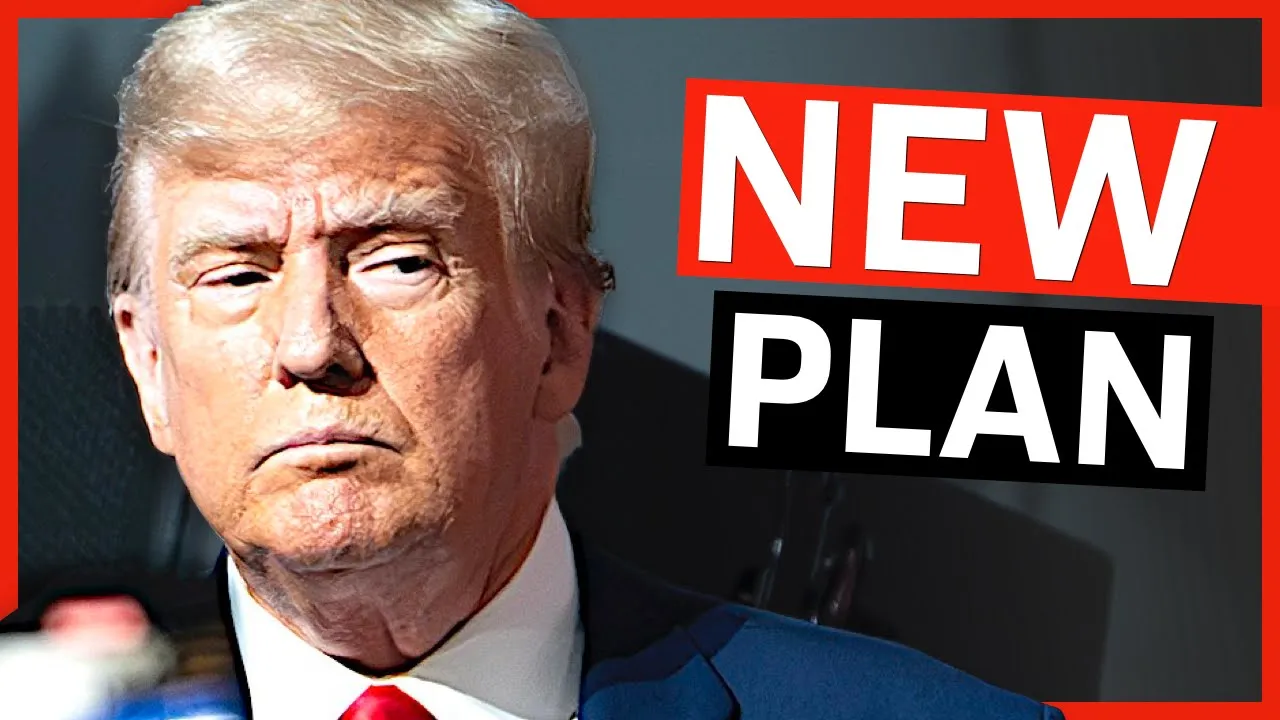
The United States has maintained a merit-based civil service system since the Pendleton Act of 1883, which replaced the spoils system after President Garfield's assassination; this system ensures career civil servants serve based on competence and character rather than political loyalty, protecting the public interest and government effectiveness, and any attempt to convert career civil servants into political appointees threatens this foundational principle of American governance.
Project 2025 Danger: Schedule F and the Civil Service
Added:The historical shift from the 19th-century 'spoils system' to a merit-based civil service, established by the Pendleton Civil Service Reform Act of 1883.
The structural division of the U.S. Executive Branch, specifically the distinction between political appointees and non-partisan, career federal employees.
The core functions of the federal bureaucracy in implementing, regulating, and enforcing U.S. laws and public policies.
An introductory understanding of 'Project 2025' as a policy blueprint designed by conservative organizations for a transition of executive power.
The 'Unitary Executive Theory' and its constitutional arguments regarding presidential control over executive branch agencies.
Legislative and regulatory countermeasures, such as the Office of Personnel Management (OPM) rules protecting civil servants and congressional acts like the Saving the Civil Service Act.
A comparative analysis of civil service systems in other democratic nations, exploring the spectrum of politicized versus neutral administrative structures.
The empirical impacts of a politicized civil service on institutional competence, policy continuity, and public trust in government agencies.
433.4K views21.1Klikes13:24Original Release: 2024-11-29
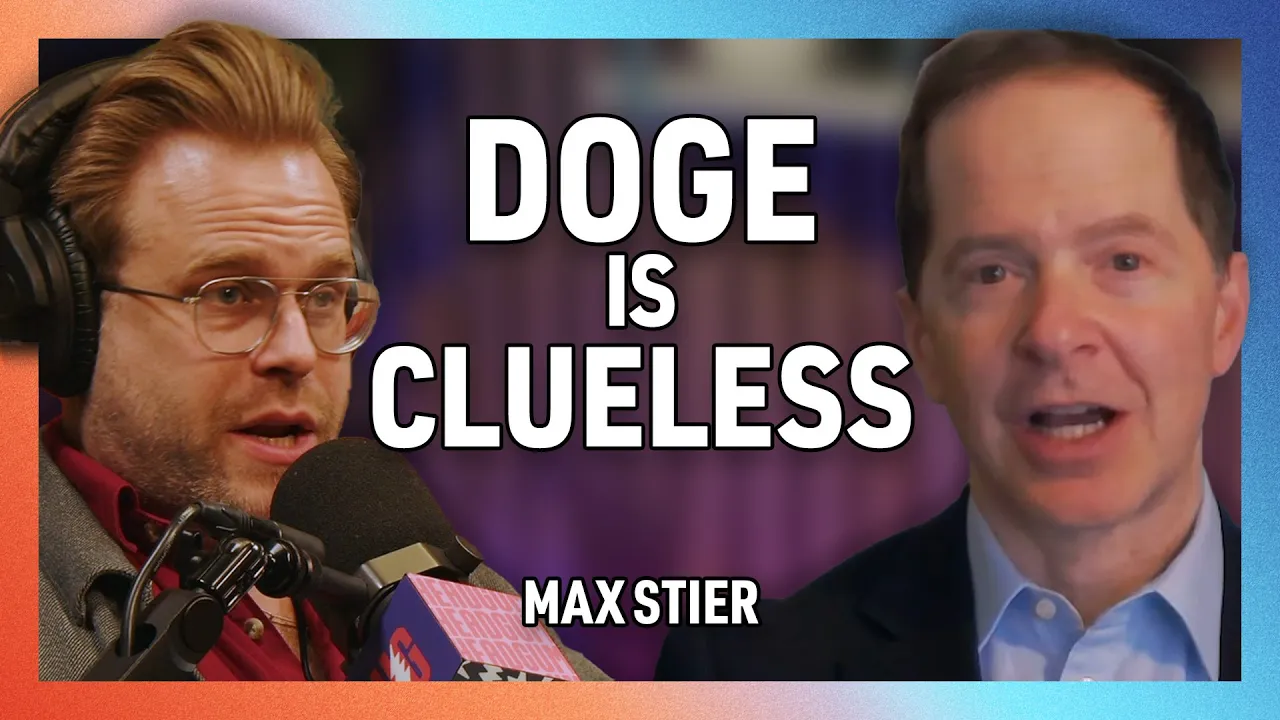
now we've got Max Dyer CEO of the partnership for public service which is a nonpartisan organization that focuses on better government and stronger democracy Max thanks for taking the time thank you so I wanted to talk a little bit about your area of expertise which is as we move forward in the Trump Administration something that I've been especially worried about and and sounded the alarms about in the leadup to this election was the prospect of trump enacting schedule F which is his plan to change all of the career civil servants in the federal government into a political appointee designation so would he be able to do this as easily as I think he's planning on doing it as easily as project 2025 uh had anticipated it would be for him to do that so Brian you're 100% right to be concerned about this I I think that if you pull out for a second the key issue here is President Trump wants to convert our current system which is a government that's there for the public and for the people into a government that is the spoil system system one that serves the winner of the election uh and and not the broader public interest and schedule F as you just described is an important piece of that so President elect has already stated that he wants to use government authorities to go after his personal enemies he's choosing people to run agencies on the basis of their loyalty to him not to their competence and character and the civil service is the last remaining Bastion of uh representation for that rule of law in the public interest and schedule F was something that he tried in the first term to implement the very end of his first term ran out of time but that would have done just what you said which is convert many many thousands of career apolitical experts into yet more political appointees I think that he will have difficulty getting to answer your direct question in implementing schedule F very quickly because the Biden team has uh put in place a regulation that they would have to undo to make that happen but I think the more important issue is that he can pursue that same goal of upending the career professional civil service through a lot of other means and we need to be alert to not just schedule F but all kinds of other things like just terrible management that might drive away the experts that we want in our government uh and enable more politicization more cronyism and worse government right people just seeing that there are unqualified incompetent people at the top of of each department and basically self- selecting out by virtue of not wanting to work under a Pam Bondi under a Pete heg under an RFK Jr for example I want to go back to to the regulation that you had that you had spoken about before the the fact that Biden had put forward a regulation that would presumably prevent this type of thing from happening you would imagine if Trump was was actually serious about moving forward with turning the career civil servant um sector into Political appointees that his team would just be committed to overturning this regulation and that would be that would be basically a very small obstacle for him to have to overcome do would you agree with that is that actually going to pose some type of some type of of a serious um barrier for him so I think it's always dangerous to say never uh but government process actually matters and when you don't understand government process and you work to uh to use that government process to achieve your ends you often don't get very far and the truth is that it takes a lot of time to change a regulation that exists to do it right so that you can actually avoid successful Court challenge now it may very well be that the Trump team will simply bulldo through not care about what the courts might say or litigation but the reality is that it could take six months or a year to do um schedule F again you said it exactly right though and that is you don't have to have schedule left to have the impact of schedule left if you chase away the good talent and it's worth step stepping back and making sure we understand who these people are they're the air traffic controllers they're the food inspectors they're the 70% of the workforce that is involved in National Security keeping us safe uh a third of them are veterans um you know these are people who overall head count I should also add is the same size today in the federal government as it was in the 1960s so um these are people that are serving America they deserve better um the uh om um intended nominee has been uh taped and quoted as saying that that he would like to traumatize the federal Workforce so that they don't want to come to work you do have to worry about how federal employees are being treated because that can lead to effectively the same thing as schedule left great talent leaving Americans getting hurt because they don't have the best civil servants looking out for them what about the aspect of legal protections for these career civil servants if if Donald Trump does move forward with his plan to to OU them in in deference to political appointees do these people have any legal recourse so they should um but again if you uh are you know in a horrible job where your boss or your boss's boss is intending to try to traumatize you you may not want to stick around to see through your legal recourse and that legal recourse might take a very very long to work it long time to work its way through the system so um it's not enough is what I would say uh we need to support our career civil servants we need to make sure the rule of law is being followed and we need to do our best to protect federal employees from having to go through that process they shouldn't have to they shouldn't be in an environment where anyone is trying to traumatize them they should be in an environment where people are trying to help them do their job which is to help the American people well do you think that this would be a little bit of a different situation because if you're in you know if you work at a restaurant and you have a boss that comes in a new boss that comes in that's that's that's just like for lack of a better phrase just being a dick right that's a different example than all of these people recognizing that Donald Trump is coming in with the express purpose of trying to traumatize them in an attempt to get them to self- select out so that he can replace them with political appointees knowing that that's the backdrop on which he's coming in would it be easier for them to recognize is like the context of the situation now fighting back against this maybe it's in the form of a class action lawsuit fighting back against this is more of a Duty as opposed to just you know a normal a normal business in the private sector where you just don't enjoy your job I mean Trump is coming in and we know that he's coming in with the express with the express intent of getting these people to leave so that they do select self- select out right look I think your point is a powerful one um it's also a lot to be asking public servants who are sacrificing all kinds of other things in order to to serve the public that they need to stay in order to protect the system I hope that we do have like the the the the high quality people decide that they do want to stay um they're going to have to make their own individual choice on this I think the system issues you raise are important and the reality is that they're there in order to serve the public they're there for Mission reasons and it's still the case that for many many many of them they can in fact help Americans in the ways they care about by being in that job and you can't do that any place else no I'm just I'm curious here in terms of Trump's ability to be able to enact schedule f um his plan for schedule F can you talk about what that would look like and where you think the biggest barrier to him being able to accomplish it would lie though I think um again just to one quick step back at once more and that is that we have a career a political system for our civil service because in the 19th century we did have the spoil system president Jackson instituted the spoil system basic concept was I won the election therefore I get to place people who are loyalist to me in government jobs as payoff to them and frankly I can then tax them so that they support my political party and on and on and on the end result was first and foremost incompetence in government uh corruption and then ultimately in 1883 the assassination of President Garfield and that resulted in people looking up and saying this is not the best way to run our government you really ought to have you know civil servants who are there um on the basis of their you know oath of office to our Constitution and the rule of law for 140 years that is the system that we have had president Trump is upending this is not a partisan issue he's upending 140 years of Republicans Independents Democrats all agreeing that this is the better way to run our government um and it is truth is our government does need to be reformed but not in this way and that's a very important point you ask how is schedule F going to be uh you know implemented what are the issues that will come up here and what I would say that the first barrier will be the regulation that the Biden team has put in place that essentially says you cannot do schedule F as you noted what a president can do a next president can undo that's not true for the law but it is for regulations it takes a long time you need to get public comment you need to go through a pretty arcane process a lot of people think it's may be too difficult a process but in this instance it may frankly slow things down and if you don't go through that process you open yourself up to procedural complaints in the court not just substantive ones that truth is that I think that schedule F could be attacked substantively as well we have not seen that happen but again you know I'm worried that just the threat of this will create an outflow of really critical talent and we don't need that do you have any any indication as to whether like we we've known for a long time that Republicans goal is to in large part break different facets of government in an attempt to kind of prove to the American people that government then doesn't work and so they have a basis then a justification to starve funding to it do you think that that that could be kind of a uh a tangential benefit to what they're seeking to do is to is to by putting by virtue of putting incompetent people in charge people who clearly don't know how to run their their respective departments that it will then give them a predicate to be able to turn around and say look look this doesn't even work it's not even worth it's not even worth funding we can get rid of the Department of Education because look how poorly it's it's being run look how look how I mean but it's but it's by virtue of his own people being there right so listen I think you know first I I have to say that I don't even see this as a partisan question at the end of the day uh there's huge argument about what our government should do you raise the Department of Education my my view is big or small uh everyone it's in everyone's interest for our government to work effectively our Democratic process should decide you know what things we're going to invest in and once we make that choice then we should have the best public infrastructure to get it done so I think that there are plenty of Republicans that actually want large parts of our government to work effectively the Veterans Affairs or VA would be a great example of that or I mentioned 70% of the federal Workforce is focused on National Security issues historically Republicans have been very very strong on National Security issues so I think that there is actually common ground that our shared public institutions should work irrespective I think what we're seeing today is something different the the key questions on leadership should always be around competence do you have the large uh organizational management issues to run these huge places and character are you going to do this on behalf of the American people are you going to do this supporting the rule of law in our constitution or because it's you're you're fulfilling your own private interest or the interest of the president those should be the the issues that that that that determine who's put in charge here I'm hoping the Senate will be some check on the choices and they will be examining that character and competence issue and even more important I hope the public is paying attention to the nature of these people being selected and what these agencies do the saddest thing of all will be damage to our government and a public that doesn't understand that they've now lost something really important and therefore no accountability that accountability is the only thing that's going to save us from having the boat just flipped rather than rocked and I think that's especially important um because a lot of times we don't recognize that things work well until we don't have them anymore and so and so in this instance if if if you don't know what the Department of Education is if you don't know what VA is if you don't know what the Department of Defense is that might just be by virtue of the fact that they are working properly uh and that and that the alternative to that is is you know putting somebody like Pete Heth putting somebody like Linda McMahon putting somebody like um you know Lee zeldon at the EPA RFK Jr at Health and Human Services putting them in charge may maybe the first time that you know that those agencies exist solely by virtue of the fact that they are then not working as they're supposed to so um we will of course stay on top of this Max I want to thank you for your time and expertise here it was great talking to you hey thank you so much for paying attention [Music]
Up Next
19:02
Project 2025: Dismantling the Administrative State
@FactsMatterRoman
243.3K views•2023-10-19

24:30
BRICS Pay and de-dollarization: A New Financial Order Emerges? | 55 chars
@DannyHaiphongYT
164.6K views•2024-10-22

11:32
Exxon Lobbyist Exposed: Climate Denial on Tape
@briantylercohen
278.3K views•2021-07-05

10:19
Explaining the Saudi-Iranian Proxy Conflict in the Middle East
@Vox
18.2M views•2017-07-17
Related Study Plans & Knowledge Roadmaps
Structured learning paths in Political Science
political-science
Economic Statecraft: Sanctions & Chokepoints
01Foundations of Geoeconomics and Economic Statecraft
02The Mechanics of Weaponized Interdependence
03International Sanctions: Types, Implementation, and Efficacy
+ 2 more learning modules
12h5 modules
Explore Roadmap
political-science
Central Bank Independence: Politics & Policy
01Foundations of Central Banking and Monetary Policy
02The Time Inconsistency Problem & Inflation Bias
03The Delegation Model and Designing Independence
+ 2 more learning modules
12h5 modules
Explore Roadmap
political-science
Consociationalism: Power-Sharing & Stability
01Democratic Dilemmas in Divided Societies
02Introduction to Consociational Democracy
03The Four Pillars of Consociational Design
+ 2 more learning modules
12h5 modules
Explore Roadmap
political-science
Rebel Governance: Legitimacy, Economy & State
01Foundations of Rebel Governance and Statehood
02Establishing Political Legitimacy and the Rebel Social Contract
03Wartime Economies and Rebel Resource Management
+ 2 more learning modules
14h5 modules
Explore Roadmap