
















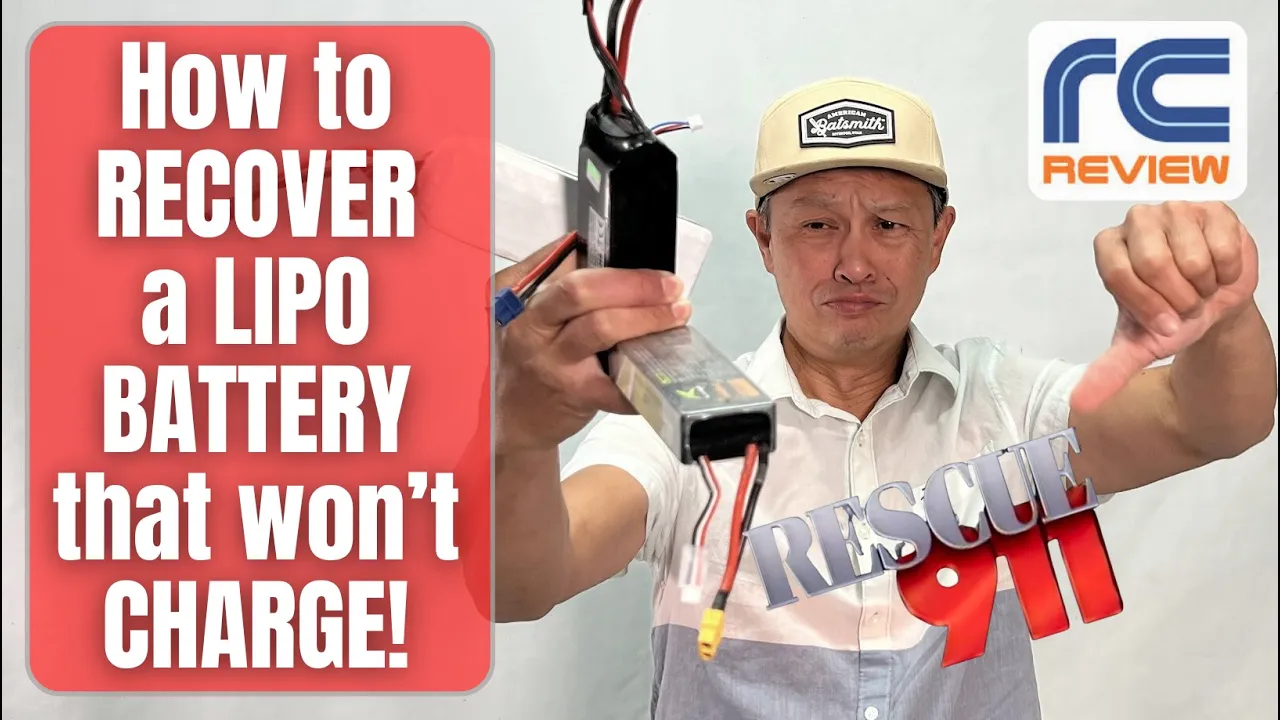









Lithium polymer (LiPo) batteries are safe when handled properly, with key safety practices including: understanding the S-rating (number of cells in series) and maintaining individual cell voltages between 3.0V and 4.2V; using the balance lead for proper charging; charging at 1C rate (milliamp-hour divided by 1000 equals amps); charging in fire-safe locations away from flammable materials; recognizing warning signs like crackling sounds, hissing, or fruity smells before a battery fails; and never leaving charging batteries unattended. The safest charging environment is one where any resulting fire would be contained and not spread to other flammable objects.
Lithium Polymer Battery Safety: Safe Charging and Storage
Added:Basic electrical concepts such as voltage, current (amperage), capacity (mAh), and the C-rating of batteries.
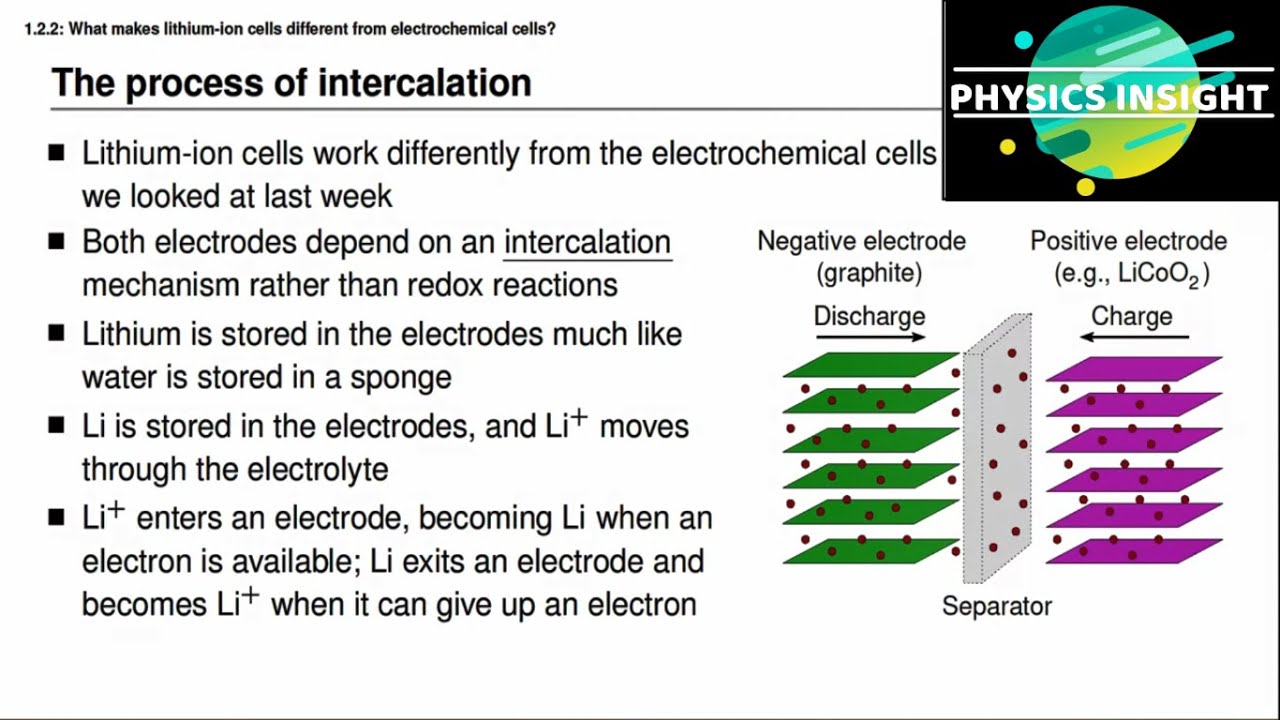
Fundamentals of battery chemistry, specifically how lithium-ion cells store and release electrical energy.
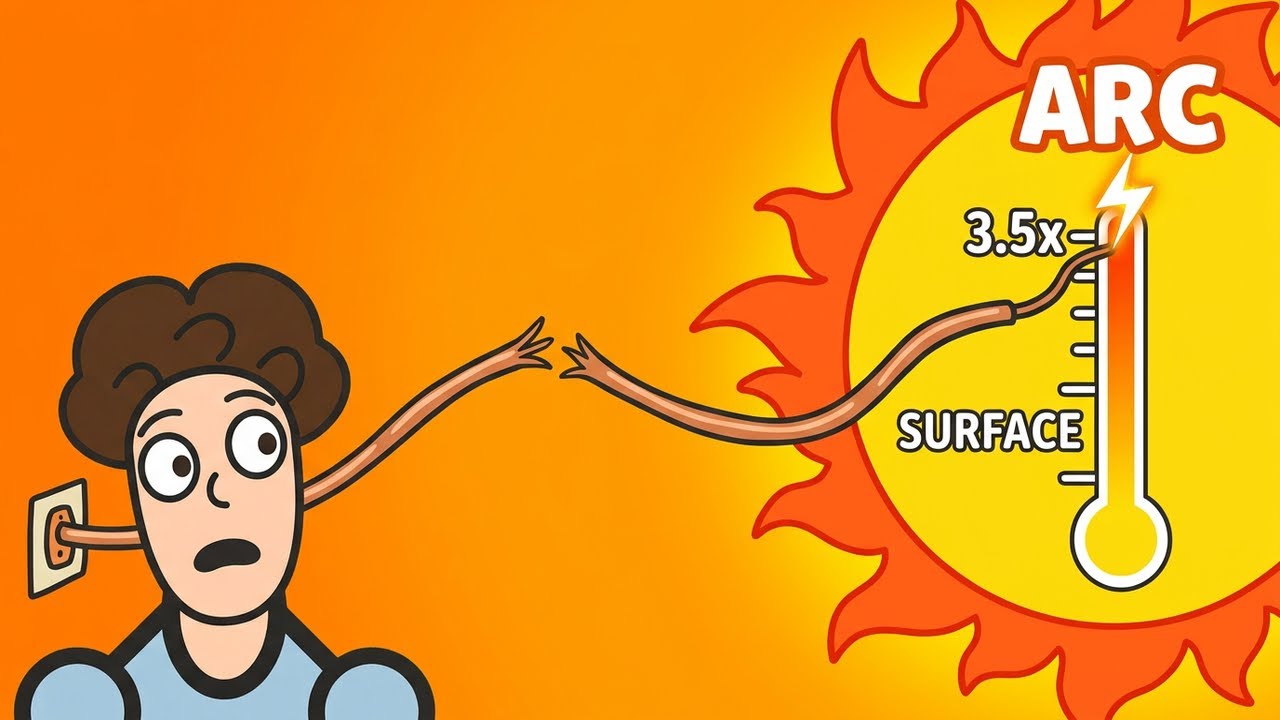
The concept of electrical short circuits and why they cause rapid heat generation in electrical components.
Familiarity with standard RC (Remote Control) electronic components like Electronic Speed Controllers (ESCs) and motors.
Advanced Battery Management Systems (BMS) design, including active cell balancing and thermal throttling.
Environmental protocols for the safe disposal, recycling, and neutralizing of damaged or retired LiPo batteries.
Comparative analysis of alternative battery chemistries, such as LiFePO4 (Lithium Iron Phosphate) and Solid-State batteries, regarding safety and energy density.
Designing custom power distribution systems and protective circuitry for drones and robotic applications.
800.4K views12.2Klikes22:35Original Release: 2022-06-21
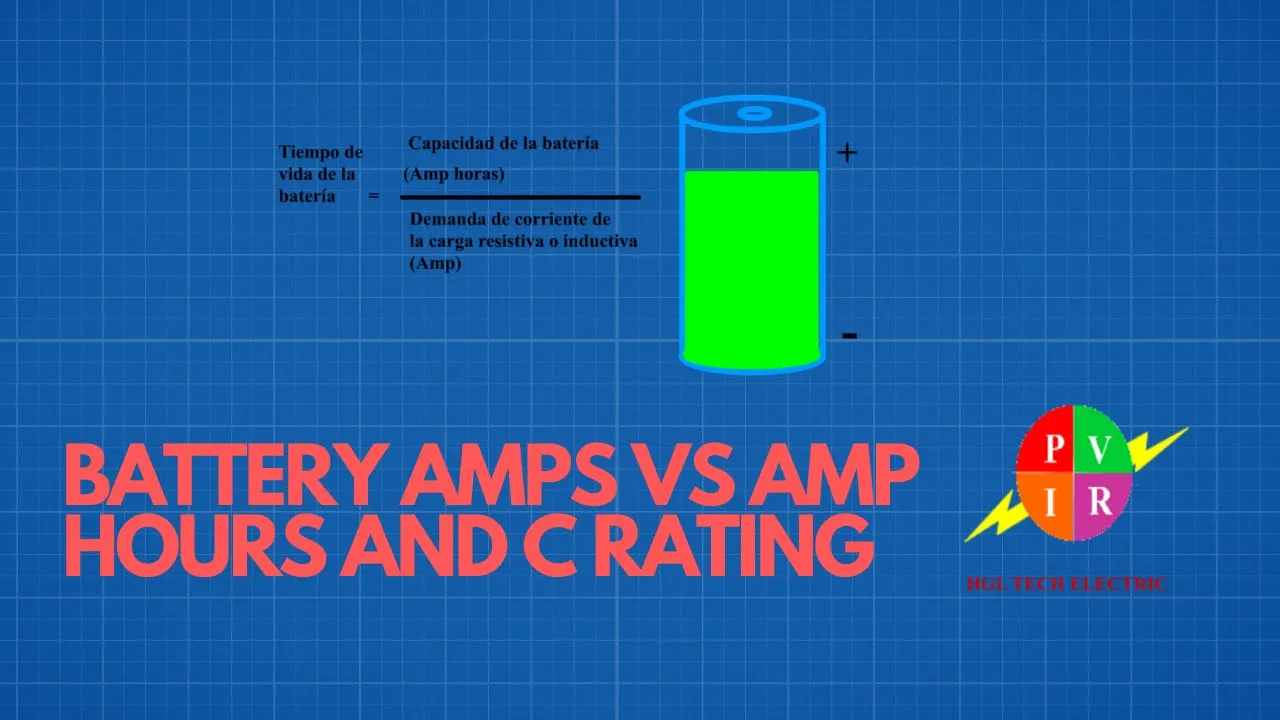
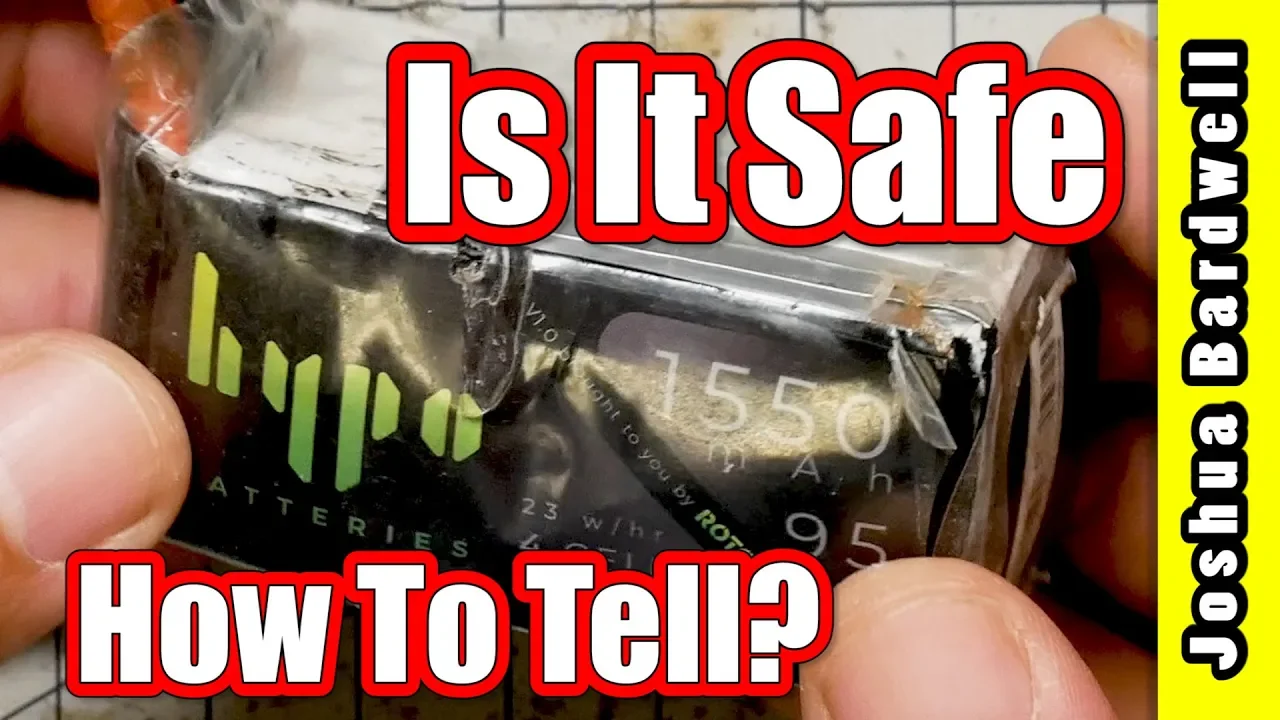
there it goes this is a lithium battery and this might just be the most dangerous thing i've ever done for this channel because if you listen to some people these things are highly unstable and light on fire just the second you look at them but it turns out when handled safely lithium batteries don't have to be that dangerous i'm joshua bardwell and you're going to learn something today despite the fact that i opened the video with a little bit of a joke uh lithium battery safety is no joke because it is true that when a lithium battery lights on fire the results can be absolutely catastrophic and one of the things that makes lithium batteries so dangerous when they light off is that the fire is completely self-sustaining a lithium battery can burn in a vacuum it can burn under water it doesn't need help to light itself on fire all it needs is an excuse and your goal with lithium battery safety is to not give it an excuse to burn your house down and it turns out that as long as you keep them in line as long as you follow some safety rules they actually almost never light on fire and burn your house down and the first and most important spec that you want to pay attention to is the s rating here we can see the battery is labeled as 6 s and what that means is that is a 6 cell lithium battery you can see here we can see the individual cells 1 2 3 4 5 six of them stacked together and if we were to cut this battery open here at the top we would see that they are wired electrically in series now for a lithium battery each individual cell can have a voltage between 3.0 volts and 4.2 volts well technically they can have a voltage all the way down to 0.0 volts but if they go below 3.0 volts then they will be damaged probably permanently and this is going to be one of the things that you're going to try to avoid if you want to safely handle and use lithium batteries don't let them go below 3.0 volts for any individual cell in reality the performance of the battery gets really poor below about say 3.3 to 3.5 volts and so under normal use like especially for quadcopters which are drawing a lot of current and expending a lot of power we're going to keep them above about 3.5 volts if we were talking about something like a cell phone or a goggle battery or maybe your radio that is not drawing a ton of power you might be able to run them down closer to that 3.0 volt limit but the bottom line is that for these lithium polymer cells 3.0 volts to 4.2 volts is the absolute range of voltages that a single cell can have one exception to that rule would be any cell that is labeled hv which you can see right here on this nitro nectar gold tiny whoop battery cells labeled hv are rated to go up to 4.35 volts per cell not 4.2 and another exception would be a cell like this 18650 cell this is a lithium cell but it is labeled lithium ion and lithium ion cells can usually go down to 2.5 volts per cell not 3.0 so there are a few exceptions that you're going to want to be aware of but in general for a lithium polymer battery like almost all the batteries used in fpv the cell voltage range will be 3.0 to 4.2 volts per cell burn that into your brain because that's that's a really important number now when you've got cells wired in series that's what the sn6s stands for six cells wired in series the effect of that is that the cell voltages add up so for this 6s battery we're at full charge it's going to be 4.2 times 6 equals 25.2 volts at full charge and then at full discharge it would be 3.0 times 6 equals 18 volts however practically speaking you're going to want to keep it above about 3.5 volts which would be 3.5 times 6 equals 21 volts you're going to be at 25.6 volts when you are fully charged off the charger and start flying the pack when it gets down to around 21 volts that's when you're going to start thinking about landing and if it ever gets below 18 volts that's bad news and the battery could be damaged that's how we apply these numbers and of course you can extend these numbers if you're flying 2s 3s 4s etc you just multiply by 2 3 4 or whatever instead of 6. now let's introduce this charger to the scene because when you're charging batteries is one of the main times that people get things wrong and then the battery lights on fire and burns their house down and the voltage of the battery is one of the main things you need to get right when you go to charge but the good news is that most chargers will handle this for you automatically so if we plug in the main discharge lead of the battery that is going to have the full pack voltage on it and we can see that at this moment that is 23.02 volts one of the things that is challenging about charging batteries is that if you just look at the voltage on the main discharge lead you can't always tell how many cells it is you might think 23 volts well that's 23 divided by 6 equals whatever it equals and that's obviously a 6s battery but there's some overlap where like a fully charged 5 cell battery could have the same voltage as a discharge 6 cell battery it's not always easy to tell and there's another problem that the charger needs to deal with other than just knowing how many cells the battery is and that problem is that the charger needs to be able to manage the voltage of the individual cells themselves and that's why if we just get the battery up here that's why the battery has this this is called the balance lead and the balance lead has a wire going into the battery and measuring the voltage of each of the individual cells and in addition to this xt60 here the main discharge lead which has the total voltage of the pack but not the voltage of the individual cells we're going to plug that in here into the balance connector on the charger and that's why that is there so never never charge without plugging in the balance connector it is essential to safety of the battery and essential to the long life of the battery now that we have plugged in the balance lead the charger can know how many cells there are because they can see the voltage of the individual cells and it's showing us that there are six cells on this battery and if we then go to charge we can see that it automatically detected the cell count as being 6s the next number we're going to look at on the pack is this milliamp hour rating and this battery is 1 000 milliamp hours and a great way to think of the milliamp hours is it's like the size of your gas tank on your car you could have a gas tank that holds 12 gallons you could have a gas tank that holds 50 gallons if you have a great big truck they both hold gas but one of them holds more than the other now there's another spec that is related to the milliamp hour rating that is essential to the safety of the battery and that is the c rate so we're going to introduce here the concept of c rate and c rate refers to how quickly you are sucking energy out of the battery or sucking current out of the battery if you think about it if you had a let's go back to that gas tank analogy if i had a 50 gallon gas tank and i'm pumping gas out of it i could have a little trickle of gas coming out of it or i could have a big gusher of gas coming out of it the way that c rate works is that you take the milliamp hours of the battery you convert to amps and then you that amps is 1c so in this case for this battery 1000 milliamp hours 1c would be 1 amp for this battery 5 000 milliamp hours five amps would be one c and then you can multiply that so if one amp is one c then two amps is two c actually the math is super simple if you have a thousand milliamp hour battery because it's just the c rating in amps um if you have a 5 000 milliamp hour battery then 1c is 5 amps 2c is 10 amps 3c is 11a uh 15 amps excuse me and so on you're just multiplying the milliamp hours of the battery by the c that you're you're pulling out the way that c rate and milliamp hours come into play here when we're charging uh is when we change the current setting so the current setting here is going to be how many amps the charger pushes into the battery and the more amps the charger pushes into the battery the faster the battery's going to charge but also the more risk there is going to be of fire if something is wrong with the battery uh the way that you set that amp rating is to take one c so for this one thousand milliamp hour battery that would be one amp and we would come down we would roll that down to one amp and oh there we go one amp and that would be a safe charging rate for this 1 000 milliamp hour battery for this 5 000 milliamp hour battery it would be 5 amps and so on now 1c charging is safest but sometimes people are in a hurry and they are willing to trade a little bit of safety for a little bit of speed i'm not recommending you do that i'm just telling you that sometimes people do that so if you decided that you wanted to charge at 2c you would just double that number 3c you would triple that number i think that any charging rate above let's say three to five c is where you're starting to get irresponsible but if you know what you're doing and you know your batteries are healthy and most importantly if you are right there to notice when that battery starts to show signs that it's about to light on fire it may be not irresponsible to charge at up to maybe 3c i'll tell you about those signs that a battery is about to go to put it in light your house on fire a little later in the video now that you understand how to read the specs on the label of the battery you know what settings to put into your charger so that the charger will correctly charge the battery but safe charging goes beyond just setting your charger specs correctly because where you charge has a big influence on how safe your charging is going to be and to answer that question just ask yourself if my battery were to get into flames right now how would i feel about the things that the flames were interacting with like this nice wooden bench top maybe not the best idea if you've got a fireplace or a wood stove maybe the best thing to do is to charge inside it you think i'm joking that's where fire's supposed to be speaking of places where fire is already supposed to be what about inside of a grill this is a popular one for people who live in apartments and maybe don't have anything but a patio as their outdoor space just get yourself a little small charcoal grill nice metal enclosure and then put your battery charger in it and charge out on the patio in other words the safest place to charge a battery is somewhere where there's nothing flammable nearby to catch on fire when the battery lets the flame out and that's why i've chosen this large concrete pad as the location for my next experiment i'm going to intentionally overcharge and light off a battery so that you can see just how much freaking fire comes out and we're going to look for the telltale signs that the battery is about to blow up so you can see it coming if you run into this situation when you're charging at home so we're currently at 4.6 volts per cell and maybe one of the things we can take from this is a little bit of encouragement that when the pack is healthy and the cells are healthy they are incredibly resilient and incredibly resistant to abuse now that is not an invitation to just forget about safety but like at this moment it is way outside its normal safety margins and yet it is not hot it is not puffy there is no external sign that anything is wrong 20 volts really astounding its a little puffy at this point so at this point we're at 20 volts or 5 volts per cell and it is starting to puff just a little bit i can definitely hear it crackling now i hope the camera's picking this up this is a sure sign that bad things are happening if you hear this when you're charging get the battery off the charger and get it outside as soon as possible oh it's gonna go it's gonna go there it goes i hear the hiss i hear the hissing this is the end it's puffed it's oh [Applause] i smell it i can smell the fruity smell the end is there oh there's the piss there we go [Music] uh cool i really hoped it wouldn't go towards my camera the charger has stopped okay i gotta put i gotta okay i gotta take care of this situation oh perfect that uh that sorted itself out [Music] whew [Music] as you can see from that example the biggest problem with a lipo fire is that it puts out a huge jet of flame that can ignite nearby flammable objects the other problem with a lipo fire is that it puts out a lot of smoke and that was less obvious because i did my test in an outdoor environment but if you've ever seen the results of a lipo going off indoors just the room fills with smoke and there's smoke damage to other stuff but the primary thing you're worried about is the fire and that's why we've got this ammo box here now this is a plastic ammo box i can't find a metal ammo can i know i own one but we're going to use this as an example but suffice it to say you shouldn't use a plastic one because plastic will melt and light on fire but ammo cans are cheap and they're widely available and they actually make really really good liposafe charging containers what you're going to do is you're going to open the ammo can up and there is a gasket that goes around the lid of the ammo can and if you pull out just the sides of the gasket but leave the front you're going to need to cut the gasket then what that'll do is the gasket at the front of the ammo can will keep the lid keep this clasp under tension if you take out that front gasket then it'll just rattle and be loose but the missing gasket around the sides will allow the smoke to escape so you don't want to have a completely sealed container there are people who have argued if you have a completely sealed ammo can and a la and lipo lights off it could like create a pressure vessel and explode i'm not sure it's quite that dramatic but it's not good you want to have some vent holes for the smoke to get out but what you want to happen is for the fire to get out the fire to be sort of self-contained within the box and then the fire cools down and becomes smoke and the smoke kind of billows out that is one of the cheapest most effective ways of creating a lipo safe charging box now if you've got a metal box and it's sitting on a flammable surface it can still get hot enough to ignite materials so another thing that some people will do and i don't have an example of this but they'll go to their local hardware store and you can buy sheets of fire retardant it looks like drywall or sheetrock but it's fire retardant board i don't know what it is and you can actually cut those sheets to shape and line the inside of the box with these sheets it takes up some of the space in the box but it does help increase the fire resistance another thing you can do is you can just put the box on a fire safe surface and away from any other flammable surfaces and then then the only thing you'll have to deal with if the battery lights off is the smoke but smoke's a lot easier to clean up than a fire that burns your house but if you want the absolute state of the art in lipo charging safety you're going to be looking at this the bat safe a bat safe box is lined with fire retardant material to keep the heat and temperature inside and this is the killer feature it has vents on the top with filters to filter as much of the smoke as possible so you minimize smoke damage to your house the bat safe boxes have a pass through in the lid to allow charging cables to go through without compromising the safety so you can have your charger outside and your batteries inside and they can stay protected through the whole charging cycle bat safe comes in three sizes i have heard people with a lot of batteries say that they wish they had bought two of the standard size instead of one of the xl it's about the same price and the xl is so deep that it can be a little bit difficult to get in and dig through your batteries to find the one that you want just about the only downside of the bat safe is the price and the fact that it's out of stock a lot of places the price when you consider how much it would cost you all up to build your own you may actually not save as much as you think and of course the price of a lipo fires could be devastating it's up to you now some of you guys are going to notice that i am not following all of my own advice i regularly charge over there on that wooden bench top which is a very flammable surface and i'm charging indoors so if the fire does come out it could be bad lipo charging is about a trade-off between risk attentiveness and safety what i mean by that is the more you do to minimize the risk the more you can afford to be less attentive and take more chances with your safety if i was charging outside on a concrete carport inside a barbecue grill or inside a bat-safe box i could just i could probably just hit charge and walk away and what's the worst that could happen a battery blows up fire comes out it's well contained and i come back and i'm disappointed that i lost a battery but nothing bad would happen if on the other hand you are not able to do that or you just don't want to do that for various reasons then you need to be a lot more attentive and the thing is as we saw in that experiment where i popped off my own battery if a battery is healthy and if you are there to notice it will not just spontaneously go with no warning usually you will get us some warnings that the battery is about to go you will hear a popping a hissing a crackling or maybe you'll get that fruity smell that i mentioned and you'll go oh crap i need to get this battery out of here asap by the way if you are in that situation i recommend you get a big heavy set of fireplace gloves these big heavy leather gloves or welders gloves work because there have been more than one person who grabbed a battery with the intent of flinging it outside or carrying it outside and while they were holding it it did that and got severe burns on their hands is a good thing to have around at the end of the day though it is all about risk versus attentiveness versus safety and my take is that the number one thing i can do to keep myself safe is to always be attentive and that's my recommendation to you no matter when you where you charge if you're charging anywhere that isn't completely safe never leave your charging batteries unattended because you you usually will get and always just keep an eye out keep an ear out and you'll usually get a warning that something is about to go wrong what about storage do batteries light off in storage it's not impossible but it's much less likely the most likely time for batteries to light off is when you're charging them because pushing all that energy into the cells stresses them and if there's anything damaged or wrong with them they can then they can go off but if batteries are healthy and they're at storage voltage well think about it how often do like battery manufacturing facilities or or warehouses holding lots of lipo batteries just spontaneously light on fire they did just it just doesn't happen healthy lipos chart within a safe voltage usually are completely inert it's only the damaged ones that are then now you're creeping up and they're waiting to betray you and that's why i want to refer you next to this video which is a video i made about how to tell if a lipo is healthy or if it's time to get rid of it now that you know how to safely charge them the thing is if the lipo is damaged it's not safe to charge at all under any conditions and you need to know how to recognize that i'll see you over in that video
Up Next

6:41
Seawater Desalination via Reverse Osmosis: Process & Technology
@DVSMarketing
3.6M views•2013-05-01

12:54
Triumph of Orthodoxy Icon: Byzantine Art & History Explained
@BenCallan
2.1K views•2024-08-06

64:35
2022 Budget FPV Drone Build: Full Assembly Tutorial for Beginners
@JoshuaBardwell
346K views•2022-06-07

1:42
Game of Thrones Opening Credits: A Cinematic Analysis
@gameofthrones
46.3M views•2011-04-18
Related Study Plans & Knowledge Roadmaps
Structured learning paths in General & Interdisciplinary Studies
general-studies
Elevator Engineering: History, Physics & Cities
01From Hoists to Safety Brakes: The Dawn of Vertical Lift
02Hydraulic vs. Traction: The Engineering Physics of Elevators
03Modern Speed, Safety, and Algorithms
+ 2 more learning modules
12h5 modules
Explore Roadmap
general-studies
Rubber: Material Science, History & Geopolitics
01Origins of Natural Rubber & Mesoamerican History
02The Chemistry of Natural Rubber & Vulcanization
03The Geopolitics of the Rubber Boom & Colonization
+ 2 more learning modules
12h5 modules
Explore Roadmap
general-studies
Containerization: Evolution, Logistics & Trade
01Ancient Trade & Bulk Cargo: Amphorae to Barrels
02The Industrial Revolution & Cardboard Packaging
03The Containerization Revolution: Malcom McLean
+ 2 more learning modules
12h5 modules
Explore Roadmap
general-studies
Textile Tech: Evolution, Labor & Global Impact
01Pre-Industrial Textiles: Handloom & Cottage Industry
02Mechanization: The Spinning Jenny to the Power Loom
03The Factory System & Global Labor Transformation
+ 2 more learning modules
10h5 modules
Explore Roadmap