























Forensic Linguistics applies linguistic techniques to investigate crimes where language data serves as evidence, focusing on two central areas: voice identification (forensic phonetics) which analyzes vocal characteristics to profile speakers and identify voices through auditory and acoustic analysis, and authorship profiling (forensic stylistics) which examines grammatical, lexical, and orthographical features to determine text authorship. The field analyzes various forensic text types including emergency calls, ransom demands, hate mails, and suicide letters, using linguistic parameters such as vocabulary, grammar, and punctuation patterns to provide evidence for criminal investigations.
Forensic Linguistics Overview: Voice ID and Authorship Profiling
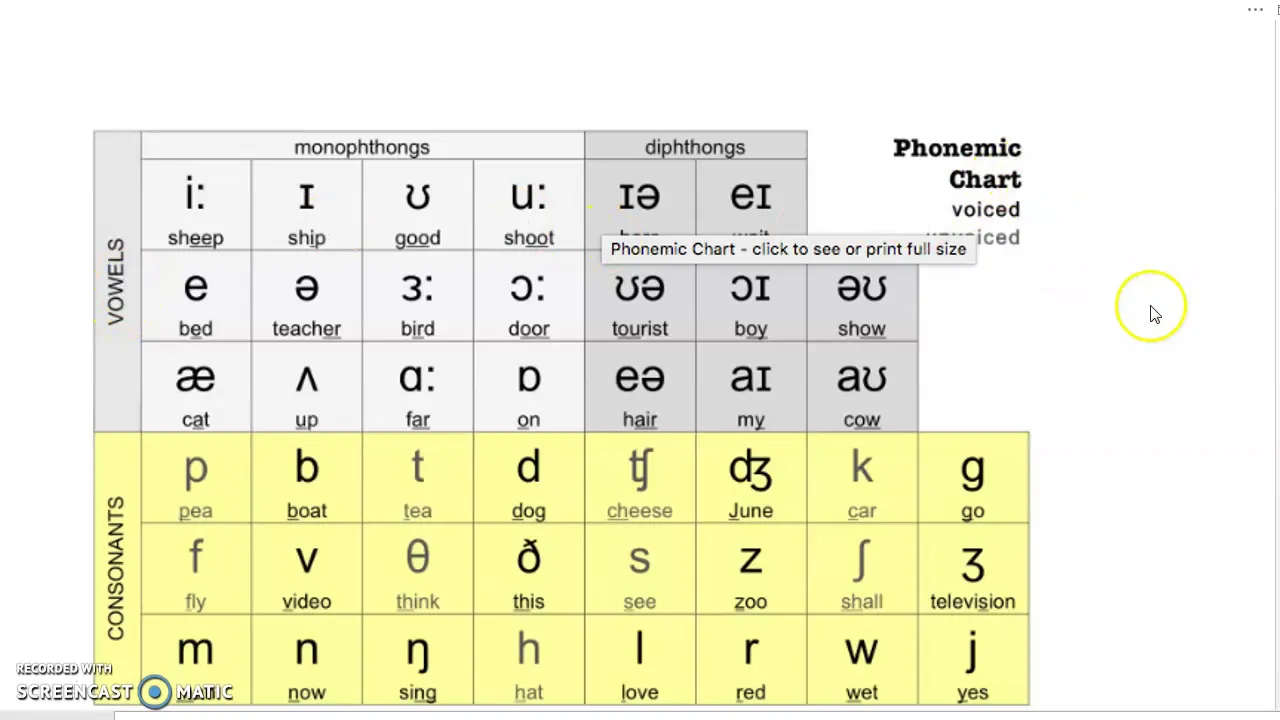
Added:Basic principles of phonetics and phonology, including how human speech sounds are produced and categorized.
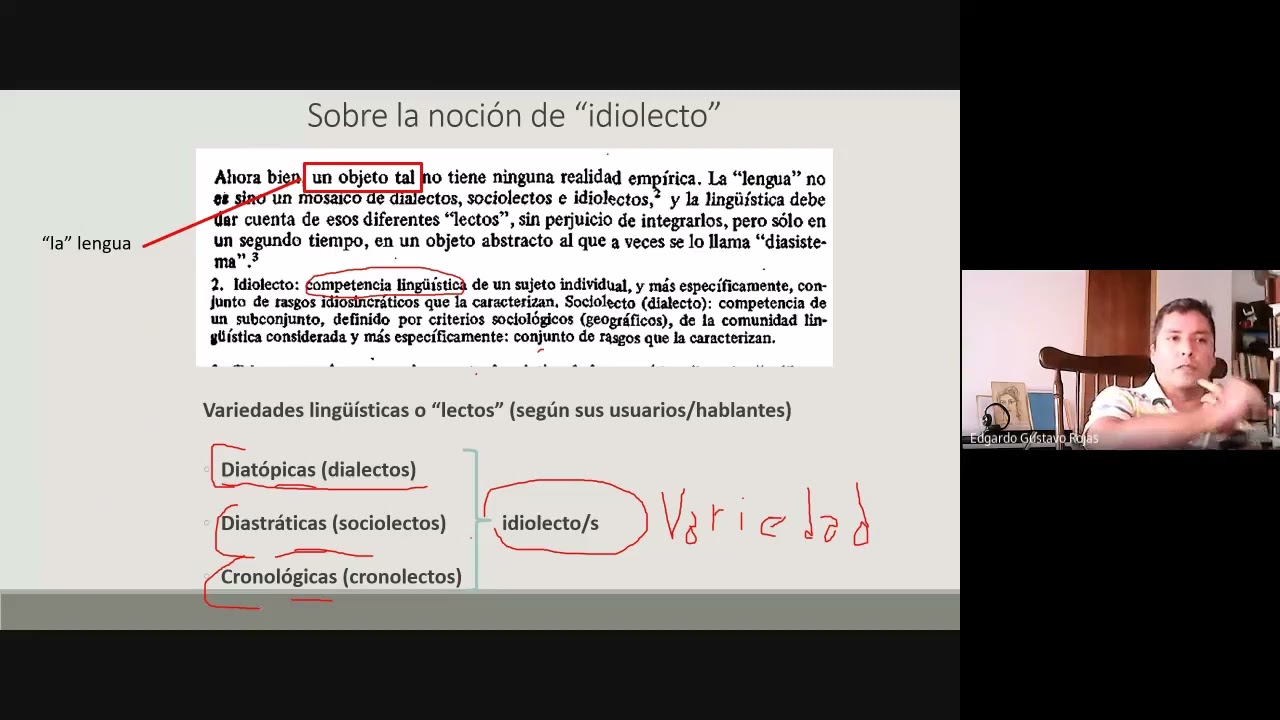
The sociolinguistic concept of an 'idiolect' and how individual variation manifests in grammar, vocabulary, and pronunciation.
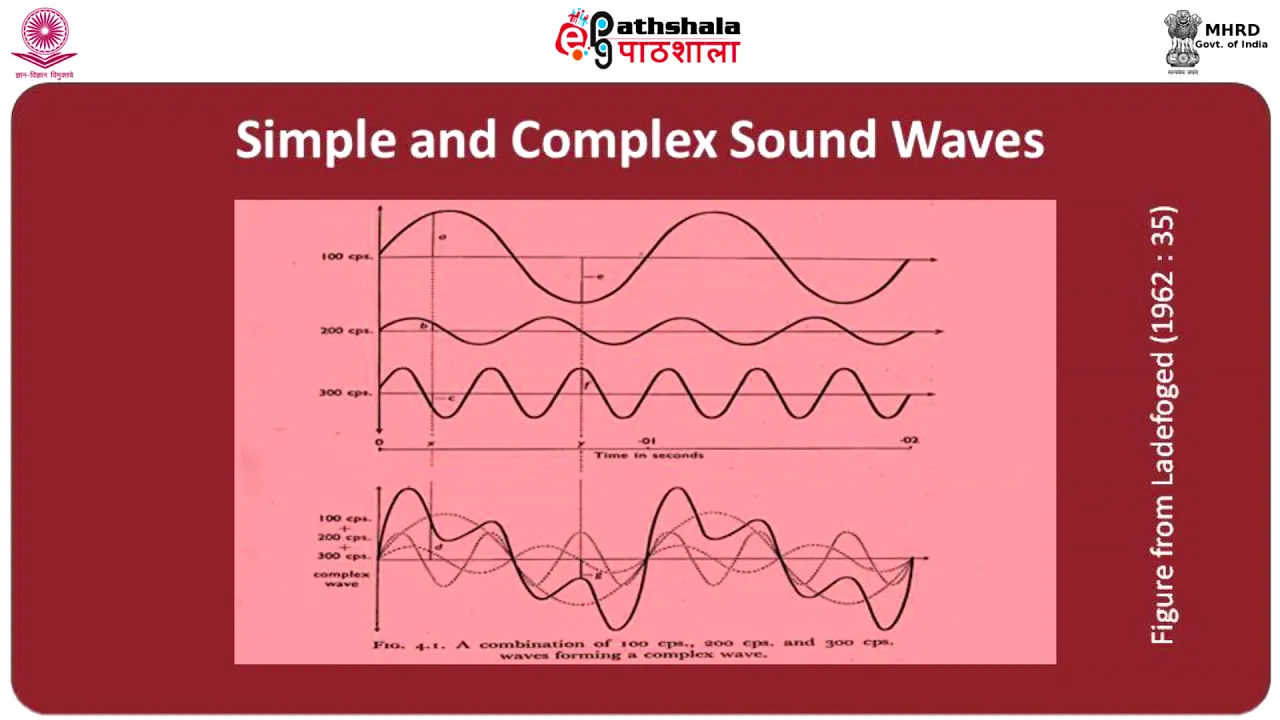
Fundamentals of acoustic phonetics, specifically how sound waves, resonance, and spectrograms represent voice characteristics.
An introductory understanding of how physical and digital evidence is collected and analyzed within the legal system.
Computational stylometry and the use of Natural Language Processing (NLP) algorithms for automated authorship attribution in cybercrime investigations.
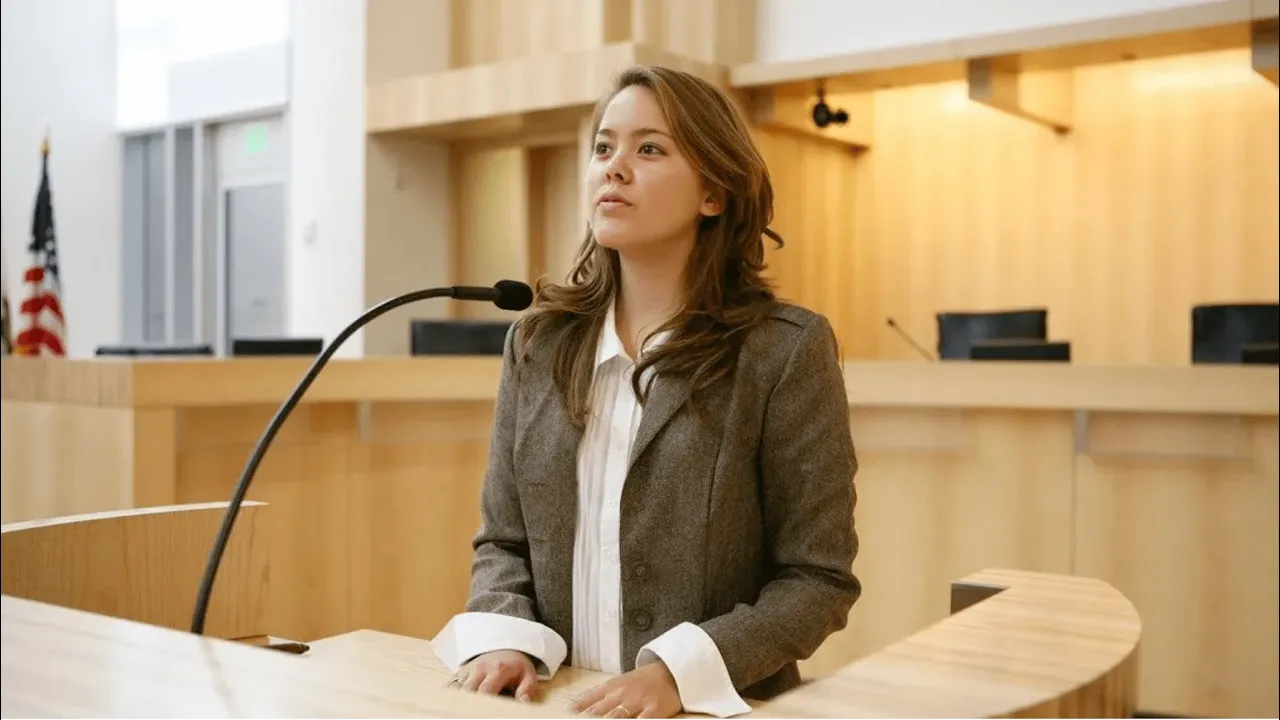
The legal and evidentiary standards (such as the Daubert or Frye standards) for admitting linguistic expert testimony in a court of law.
Real-world applications of threat assessment, including analyzing extortion letters, anonymous manifestos, and suicide notes.
Advanced speaker recognition technology, focusing on the differences between auditory-acoustic analysis and automated biometric systems.
37.5K views802likes12:00Original Release: 2014-03-28
welcome this e- lecture introduces you to the central principles of forensic Linguistics that is to the application of linguistic techniques to investigate crimes in which language data forms part of the evidence in order to support police statements in the past law had received attention from anthropologists psychologists sociologists and political scientists but since the 1980s linguists also have begun examining such matters as voice identification where speaker profiles are generated on the basis of their vocal characteristics and authorship profiling where authors of textual material can be identified on the basis of their particular textual Styles consequently the term forensic Linguistics had begun to be used commonly in the 1980s and by now appears to be the established name for this area of study let us look at the two Central areas in more detail and let's start with voice identification Now voice identification is also called forensic phonetics and is often distinguished as a separate domain it has developed over the past 20 years but with the rapid expansion in the number of cases depending on audio and video recordings in recent years forensic phonetics now plays a crucial role in an increasing number of criminal trials forensic phonetics deals with such matters as Speaker profiling where the goal is to narrow the field of suspects this includes speaker sex speaker age speaker linguistic read and social background speakers individual peculiarities and so on and so forth the second big issue is Speaker identification which is carried out by combining auditory and acoustic analysis the goal is to provide an opinion as to whether a particular voice for example in a recorded telephone call or participating in a conversation recorded by a recording device whether such a voice voice is that of a particular known person well and then there are straightforward technical issues for example quality enhancement that is the decoding of disputed utterances criminal recordings usually have a very poor quality often very noisy therefore there is often ample scope for a defendant to challenge the prosecu tion's version of what was actually said in the course of a recorded conversation forensic fortian may be asked to prepare a report on the quality of the recording and the intelligibility of the speech they may also be asked to convert recordings or speech against noise for example traffic noise to establish identity of a word or phrase and to prepare an objective transcript of the recording occasionally a defendant may have caused to question whether an audio recording has been tampered with in some way a fortian may be needed for authentication that is he has to give an opinion on the linguistic evidence in the form of unnatural changes in Rhythm Tempo or intonation and then there are the so-called voice lineups where the identification of a voice itself is often carried out by means of lining up several speakers first the language of the incident is recorded by one or more witnesses and a number of recordings of the incident language are then made by the suspects and other persons of the same gender similar age similar class similar similar educational and dialect background and crucially with a similar type of voice to the suspect for example a caky voice or a breathy Voice or something like that these recordings will be played to the witnesses to State whether they can identify any of the voices as that of the perpetrator let us now move on to author profiling also called forensic Stylistics where we want to determine who wrote a particular text by comparing it to known writing samples of a suspect but let us look at such for forensic texts first law enforcement agencies process hundreds of these every year often calling on the expertise of psychologists to provide what they call a psychological profile of the person who sent the message recently linguists are also often called to add the dimension of linguistic profiling to their analysis and if a text is somehow implicated in a legal or criminal context then it is referred to as a forensic text a parking ticket could become a forensic text a will a letter a book an essay a contract a health department letter a thesis almost anything in practice however forensic linguists have mostly concentrated their attention to a small number of text types for example to emergency calls whose most important feature is probably urgency even though it is not always easy to tell the difference between genuine and malicious calls there are typical features such as the attitude of the speaker towards the incident and specific phonetic characteristics involved in the call another forensic text type is referred to as Ransom demands or threat texts they can be spoken or written or even videoed and have in common that the sender of the text or the person making the call is usually Anonymous or take hate mails whose goal is to express hatred by appearing to threaten someone however there is often no actual threat in reality the person making the threat is rarely in a position to carry it out finally there are suicide letters where a central problem is did the author really kill himself or could it be that he is the murderer in all these texts there are linguistic features that can provide evidence concerning the authorship of a particular written document there are two Central linguistic parameters that are applied here the first involves the Lexis that is the vocabulary of a forensic text and the second is the grammar and then we have of course the orthography in particular the punctuation which often provides us with important Clues as far as the authorship of a text is concerned this kind of linguistic profiling has been most effectively used to narrow down a suspect list rather than to positively identify a p suspect let us look at grammar and Lexus first using some selected forensic texts any peculiarities in the grammatical structure or in the Lexus that is the vocabulary of a forensic text can be strong identifiers and give a clue to identify the author sometimes these peculiar uses of grammar and vocabulary are non-standard usages and they may come from a limited Proficiency in either the register or the language that a person is using here are two examples the first is a suicide letter where we see a fraction over here in order to find out who the author is that is was it a real suicide or a murder a comparative method can be applied comparing for example in this case the husbands and the wife's writing there are normally a range of features that can be found in the man's writing and the disputed letter but not in the woman's writing for example misspellings omissions such as third person singular s past tense forms or wrong categorical choices such as been instead of being and so on and so forth or take a ransom letter there was this notorious Australian kidnapping case forensic linguists determined that the ransom letter which was masqueraded as coming from an Asian gang had probably been written by a native speaker of English on the basis of the use of low frequency elaborate vocabulary and complex grammatical patterns or take the famous Lindberg Ransom note which was written in the 1930s which is of course full of errors and does not mention any intention of returning the hostage neither alive nor dead not only grammar and vocabulary as in these two cases but also peculiarities of punctuation can be important ident ifers here are some examples many forensic texts for example use commas and not full stops in particular cases so here the two sentences are not kept apart by a full stop or take the case of superflous punctuation where sometimes a full stop and a comma are used in in succession and this may be repeated in particular forensic text or we can observe the failure to use any punctuation between two discrete sentences as over here where we have two sentences but they're not separated at all and in forensic text you also find what is referred to as supern numer punctuation where lists contain commas between all items such as in this case over here okay so much for now I hope I could point out the central ideas of forensic Linguistics that is the application of linguistic techniques to investigate crimes in which language data plays an important role we saw that phonetics provides us with the methods of investigating speech data and improving it for further examination and that the analysis of grammatical Le physical and orthographical features can provide us with important clues about the authorship of written texts we did not cover all details on the basis of particular examples my suggestion is to do that in class or in online practical on the basis of actual forensic data thanks for your attention and see you again soon
Up Next

19:01
Speech Analysis: Sound Waves, Spectrograms & Formants
@oer-vlc
112.5K views•2013-09-06
36:52
Constraint Interaction in Optimality Theory: Epenthesis & Deletion
@Vidyamitra
180 views•2018-08-20
19:54
Understanding Grammatical Case: A Cross-Linguistic Study
@oer-vlc
13K views•2012-10-30

21:32
Accent Expert Explains U.S. Regional Dialects | Part 1
@WIRED
9.3M views•2021-01-21
Related Study Plans & Knowledge Roadmaps
Structured learning paths in Linguistics
linguistics
Optimality Theory: Tableaux & Constraints
01Phonological Basics: Sounds, Syllables & Rules
02Foundations of Optimality Theory: GEN, CON, and EVAL
03The Constraint Inventory: Markedness vs. Faithfulness
+ 2 more learning modules
15h5 modules
Explore Roadmap
linguistics
Morphosyntactic Alignment: S, A & P Systems
01Foundations of Syntax: Transitivity and Arguments
02The Linguistic Variables: Mapping S, A, and P
03Nominative-Accusative Alignment
+ 3 more learning modules
12h6 modules
Explore Roadmap
linguistics
Analyzing Sign Language: Phonology & Syntax
01Foundations of Sign Language Linguistics
02Phonology: The Five Parameters of a Sign
03Morphology: Word Formation and Classifiers
+ 2 more learning modules
14h5 modules
Explore Roadmap
linguistics
Pragmatics: Speech Acts, Grice & Politeness
01Introduction to Pragmatics: Meaning in Context
02Grice’s Cooperative Principle & Implicature
03Speech Act Theory
+ 2 more learning modules
14h5 modules
Explore Roadmap