




















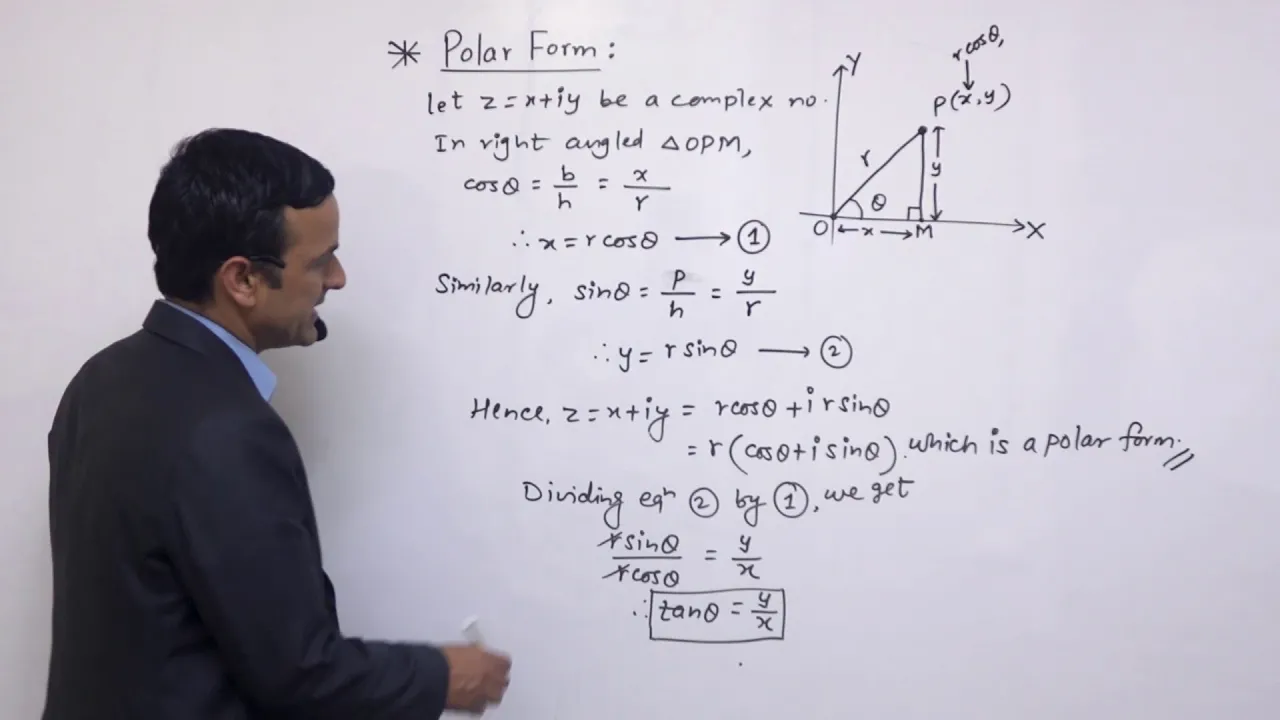





The modulus of a complex number z = a + ib is calculated as |z| = √(a² + b²), representing its distance from the origin. Complex numbers can be converted between rectangular form (a + ib), polar form (R(cosθ + i sinθ)), and Euler's form (Re^(iθ)) using R = √(a² + b²) and θ = tan⁻¹(b/a). The Argand diagram is a graphical representation where the x-axis represents the real part and the y-axis represents the imaginary part, allowing visualization of complex numbers in four quadrants based on the signs of their real and imaginary components.
Complex Numbers 2: Argand Diagrams, Modulus & Conversions
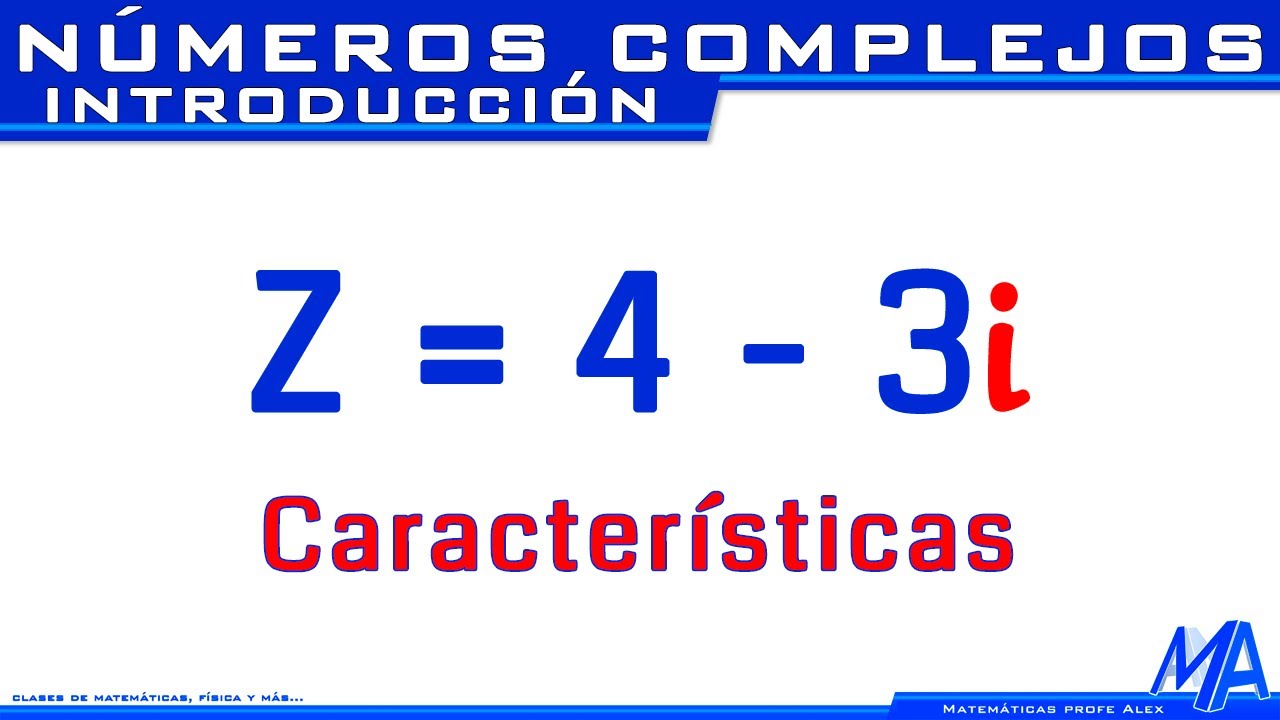
Added:Understanding of the basic definition of complex numbers (z = a + bi), including the imaginary unit (i) and how to identify real and imaginary parts.
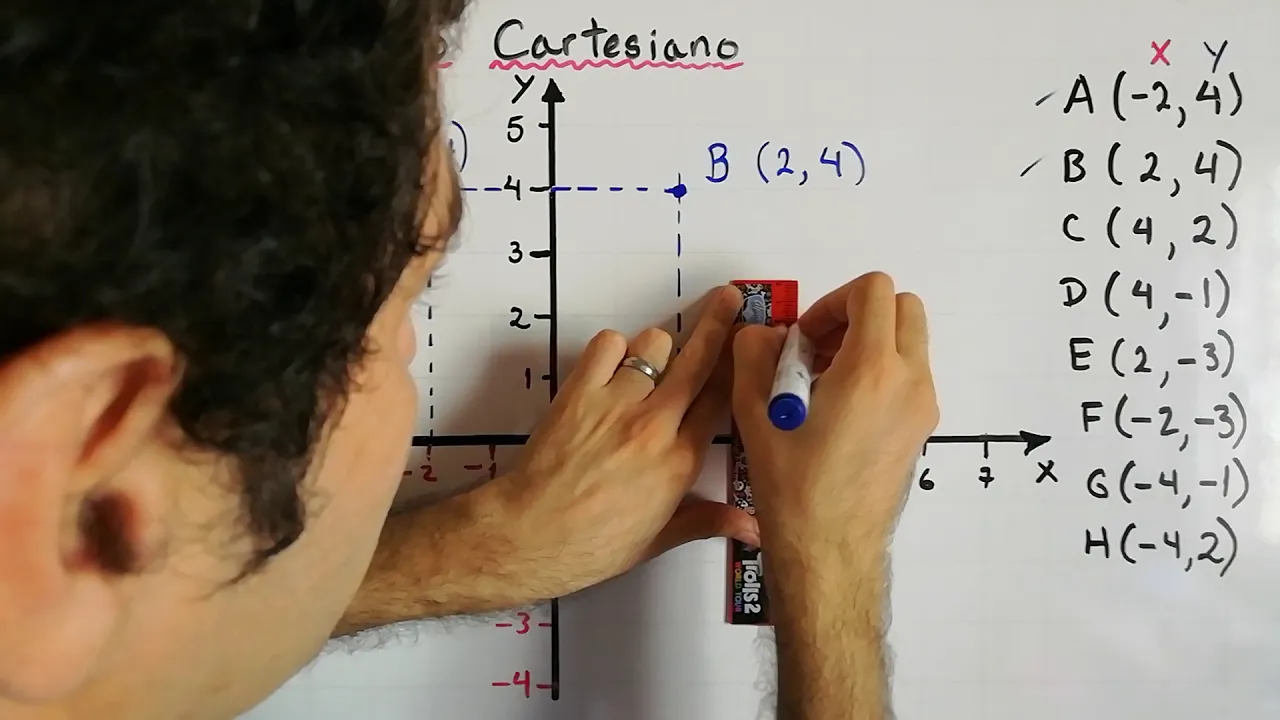
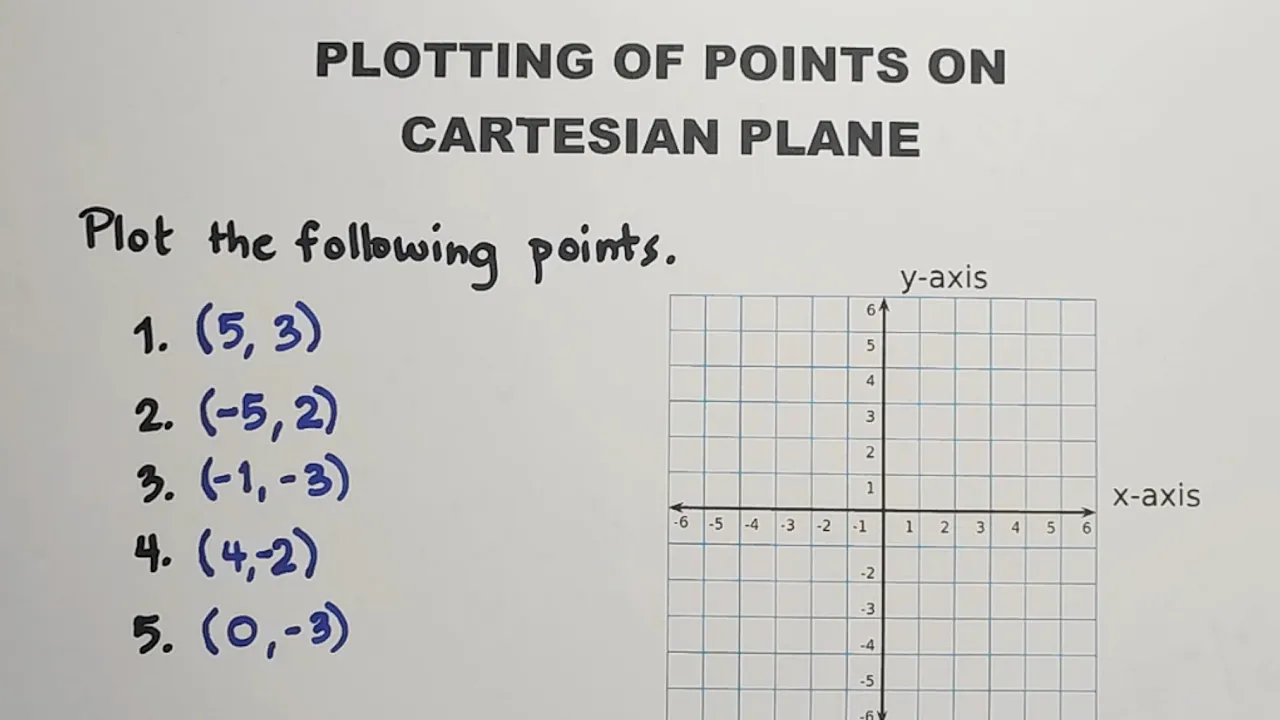
Familiarity with the Cartesian coordinate system and plotting points in a two-dimensional plane.
Proficiency in basic trigonometry, specifically the Pythagorean theorem and calculating angles using inverse trigonometric functions (sine, cosine, and tangent).
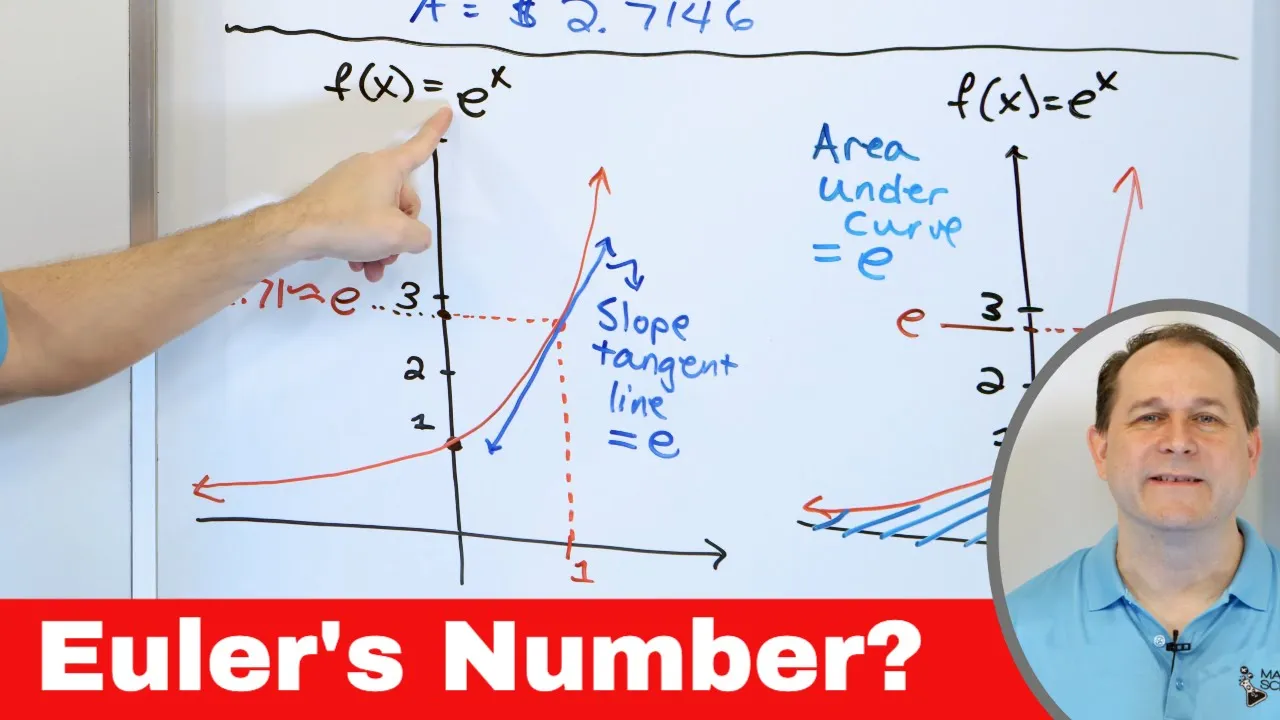
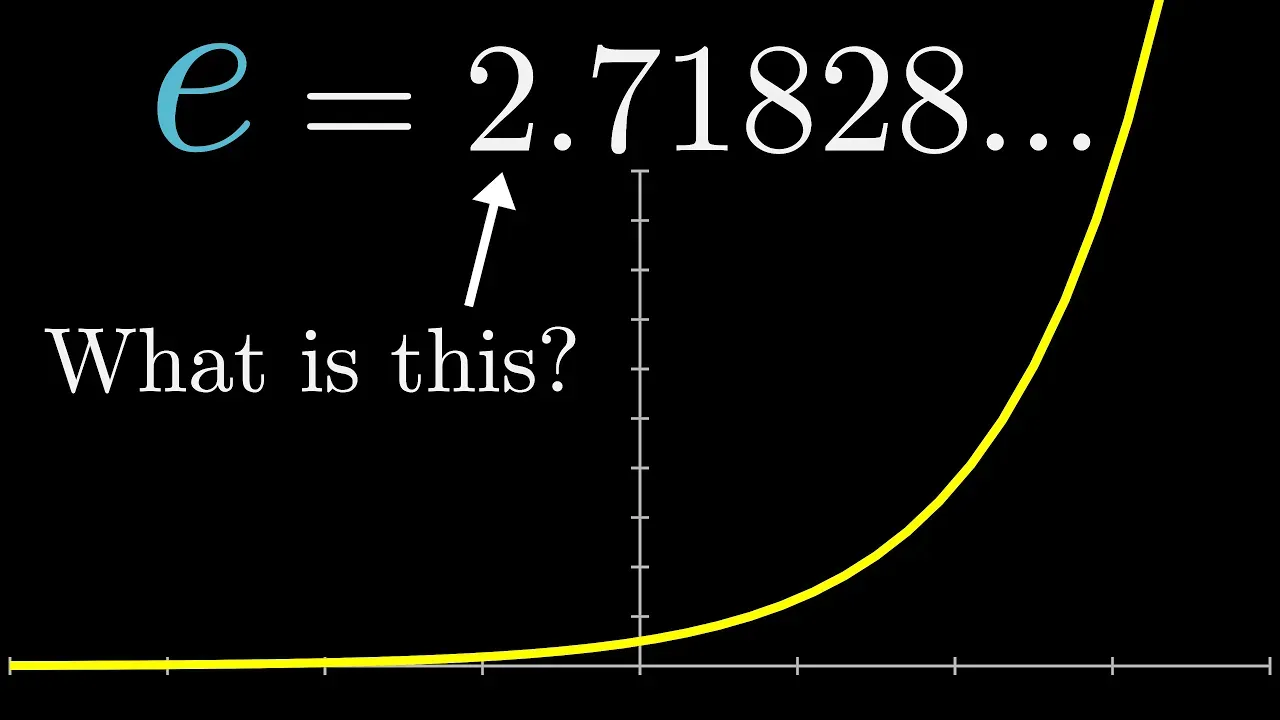
Basic knowledge of exponential functions and the mathematical constant e (Euler's number).
Performing multiplication, division, and exponentiation of complex numbers efficiently using polar and Euler forms.
Applying De Moivre's Theorem to find powers and fractional roots (n-th roots) of complex numbers.
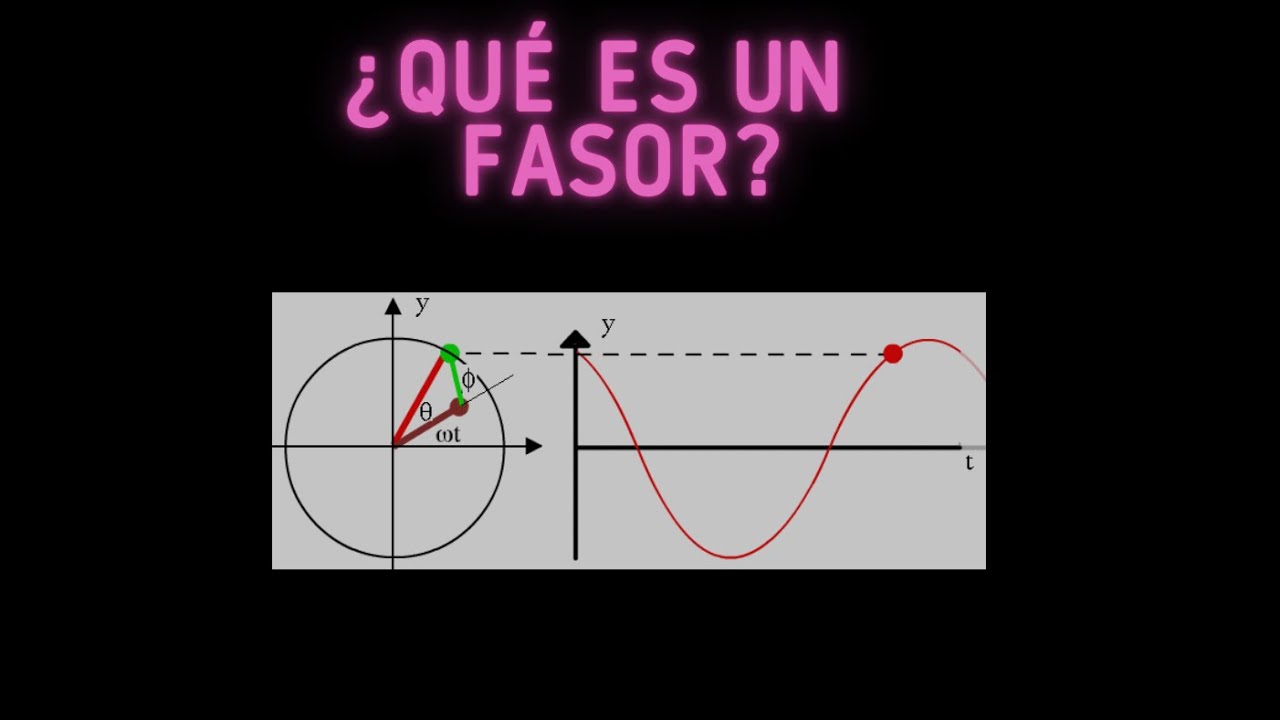
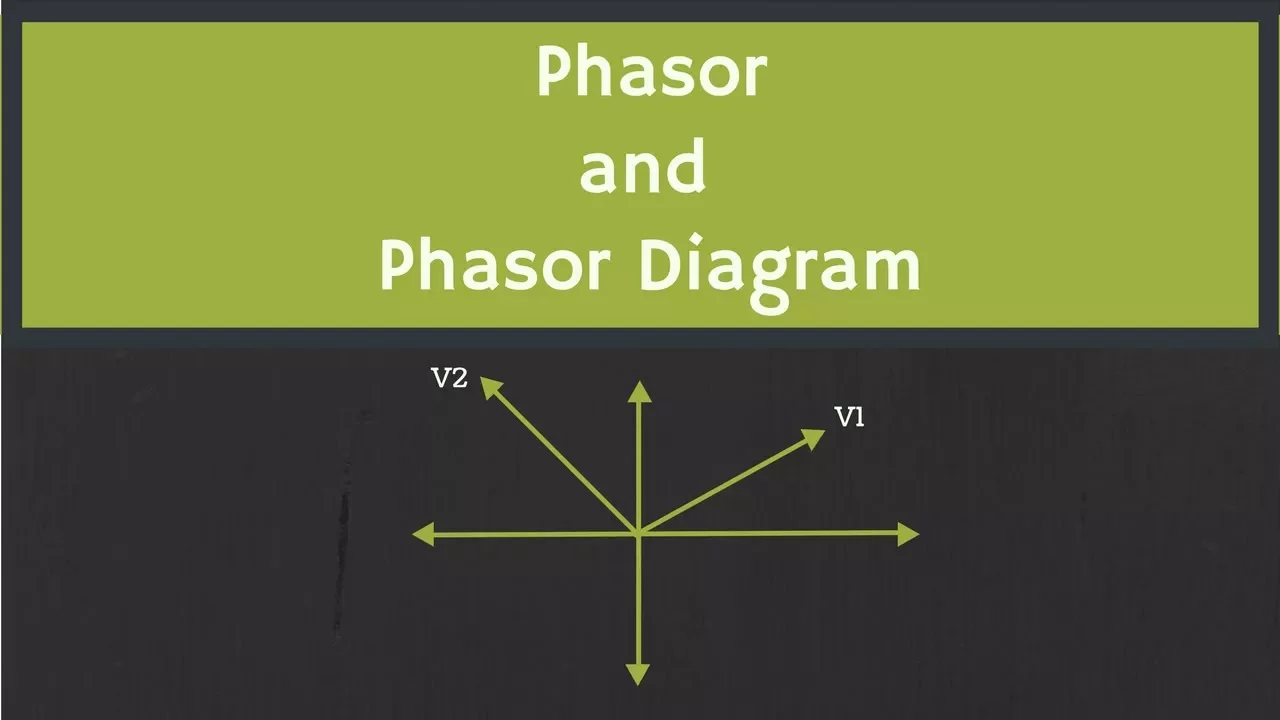
Using phasors (complex numbers representing sinusoidal signals) in practical applications such as AC circuit analysis in electrical engineering.
Exploring the foundations of complex analysis, including complex functions, mapping, and Euler's identity.
123.2K views2.2Klikes42:44Original Release: 2023-06-02
what did you jump hello and welcome to today's class but today's class we'll be considering the modules of a complex number um so given a complex number Z let's say been equal to a plus I B the modulus of the complex number Z is written as this and it's equal to the square root of this time squared thus um the real password Plus the coefficient of the imaginary of the I here that becomes B squared all right so this is how we express the modulus of a complex number all right so this sign represents modulus it's called either the modulus or the magnitude of a complex number we'll take our example and see how this works so example one let's say we have Z is equal to minus 1 plus 14 I and I'm asked to find the magnitude of Z this will be equal to the square root of this term that's -1 all squared plus this term here 14.
R square so here's equal to the square root of minus 1 squared is 1 plus 14 squared um plus that is done 14 squared is equal to 19196 14 squared this is equal to the square root of one nine seven so hence the modulus of Z is equal to root 197.
so this is how it gets modulus of a complex number a second example let's say we have the complex number Z being equal to minus 1 minus I and I'm asked to find the modules of Z the models of Z that Z is equal to the square root of this term minus 1 squared plus the coefficient here is minus one all square so if I work on this this is equal to the square root of minus 1 or squared gives you positive 1 plus minus one all square gives you positive one and that's equal to the square root of three so this is how we get the modules of a complex number all right let's proceed so take a sample problem on modules of a complex number and see how we can get this done all right so this question says this question says if Z is equal to 2 over 3 minus 7 over 8 I find the models of Z so this is as simple as we said the models of Z would be equal to the square root of the first standard now the square root of the first and there 2 over 3 r squared plus in X term that's minus 7 over 8 or Square this is equal to the square root of 2 squared is 4 3 squared is nine loss minus 7 r squared is 49 all over 8 squared is 64. so if I do this Mass you just punch this directly and punching this directly in my calculator that's four over nine Plus 49 Oliver 64. that's about that's about the square root of 6 9 7 Oliver five seven six so I have this perhaps in 2dp I would have perhaps into the power of half 1.10 or less 1 DP about 1.1 so that's your answer this is how you get the models of um a complex number all right so that is this is how this is done we'll take one more example on this and then we'll do something else all right a final question on models of vectors or on models of a complex number it says if Z1 is equal to 1 minus I and Z2 is equal to minus 2 plus 4i evaluates um Z1 plus Z2 minus 1 all over Z1 minus Z2 plus 1 in the form a plus IB and and evaluate its modules my first tax here is to get this expression Z1 plus Z2 minus one all over Z1 minus Z2 I plus one if I substitute values Z1 is equal to 1 minus I plus Z2 is minus 2 plus 4i the next sub plus is minus 1 so minus 1 all over Z1 1 minus I minus Z2 minus 2 plus 4 I then plus one so plus one I have this so evaluate is what we get um thinking of the brackets I have one minus I plus minus is minus 2 plus plus is plus 4 I finally minus I all over 1 minus I minus minus is plus 2 minus plus is minus 4 I then plus one so I have this working on this is equal to take out the real uh Parts one minus two minus one minus one gives you minus two so all three parts in my numerator gives me minus two take out the imaginary Parts minus minus I plus 4 I gives you plus 3 I all over foreign [Music] minus I minus 4i for Imaginary part gives me minus 5i so I have this value but we have to express this one here in this form a plus I B so hence if I have this I'll have two rationalize and that's equal to rationalizing we have minus 2 plus 3 I all over 4 minus 5i we start to rationalize simply multiply numerator by the conjugate of denominator 4 plus 5 I all over this one here four plus five I so I have this one here so this is equal to use the first term here minus 2 multiply everything here four plus five I use the second time plus three I multiply everything here 4 plus 5i so we have this here all over use the first term here 4 multiply everything here four plus five I second term here minus 5 I multiply everything here 4 plus 5 I so I have this all right so an expansion what do you have expanding this minus two times four is minus eight minus times plus is minus two times five is ten bring down your I plus three times four is twelve bring down the I plus plus is plus three times five is fifteen I times I is I squared so we have this all over for denominator we have four times four sixteen four times five I gives you 20 I minus 5 times 4 is minus 20 I minus times plus minus 5 times 5 25 I times I I squared so I have this so work on this this is equal to I have here as minus eight minus 10 plus 12 is plus 2 I plus 15 into I squared we said the value of I squared is minus one all over um this is 16.
plus 20 minus 20 they will cancel each other so I'm left with minus 25 I squared we said is minus what all right so this is equal to I'm having minus eight Plus two I plus minus minus 15 that's minus plus 15 times minus 1 minus 15 all over 16 minus 12 25 times minus 1 is minus 25 so I have this if I work this out take out the repats here minus 8 minus 15. that's about minus 23 plus 2 I all over 16 minus minus is plus it becomes 16 plus 25 that's 41 so hence this will be equal to minus 23 over 41 plus 2 over 41 all into I so if you gotten the value of um this unless tax or we've expressed this one here in the form a plus IB which is this our next step is to get so next up we have to find the modulus so find the models of Z1 plus Z2 minus 1 all over Z1 minus Z2 plus one let's evaluate the models of this um all right for the models will now be equal to the square root of minus 23 over 41 squared plus 2 over 41 r squared let's get this done this is equal to let me get my calculator that's equal to the square root make this bigger square root of 23 squared is 5 2 9 all over 41 squared is one six eight one plus two squared is 4 all over 41 squared is one six eight one so if I sum this up same denominator I'll be having the square root of um five three three all over one six eight one so I have this one here let's give value square root of 533 Oliver one six eight one so that's about uh okay let's see if you can get this one here in sword form and it's simple as for this equal to the square root of 13 over 41.
so if I have this now we can see the rights has been equal to root 13 all over root 41 so I have this one here now we know fully word that we cannot leave just like we cannot leave the denominator of a fraction as a complex number we cannot also leave the denominator of a fraction as a song so in this case I'll have to rationalize this solid so rationalizing the sword thank you so let's rationalize sod rationalizing sword would have that root 13 all over roots 14. to rationalize if sword sorry all of our roots 41 so rationalize is stored in this form you simply multiply numerator and denominator by the denominator that's it so you multiply numerator that's equal to root that same times 41 is 533 Oliver Roots 14 times root 41 times root 41 gives you 41. hence my answer is equal to 1 over 41 root five three three these two are the same thing all right so this is how we solve this question all right so let's um look at the conversion of a complex number from one form to another now recall that in a previous lesson we talked about a complex form being expressed in two forms Z equal to a plus i b or perhaps a b which is the rectangular or Cartesian form we talked about Z being equal to R into cos theta plus I sine Theta we call this the polar or the circular form three we talked about Z being equal to R exponential I Theta and we call this one the exponential or the eulers form of expressing complex numbers so let's see how we can convert one complex number from one form to the other one for instance and before you do conversion of the complex number knows the following note that R we said is the modulus of the complex number is given by a squared plus b squared so this is how we get the value of R also note that tan Theta is equal to B over a so we can get it by taking tan inverse tan inverse of B that the imaginary Parts all over a that's a real part so that's how it gets this one here so it's more like saying Theta from here Theta is equal to tan inverse of B over a so we have this uh one last thing note that Theta can't be expressed in degrees does this or pi does this all right in degrees of Pi where one Pi is equal to 180 degrees all right so we have this all right so with this one um taken let's try an example so example for example um okay so if you've gotten this let's look at an example example let's say we are given for an example let's say we are given the complex number Z equal to um four plus three I so this is in uh rectangular form number one Express this one here I express this one here in polar form or circular form I I express this one here in Euler Euler's or exponential form so first is first let's get Arrow so R is equal to the square root of this one here 4 squared plus this one here 3 squared that's equal to the square root of 4 squared is 16 plus 3 squared is 9. so hence R is equal to the square root of these two combined gc25 so R is equal to 5. it's gotten the value of the modulus as five let's get the angle or the amplitude the amplitude Theta when that is equal to tan inverse of B over a given this complex number here B is equal to 3 that's equation of I here and a is equal to four I have this all right so this is equal to tan inverse of B that's three all over 4 that's equal to tan inverse of 3 over 4 gives you 0.750 points seven five so that's equal to tan inverse of 0.75 we have 36 points eight seven degree so that's Theta so therefore therefore I in polar form impula form Z is equal to we said r which is 5 that becomes 5 into cos Theta here is 36 perhaps I want to use a round bracket so I'll change her to the square bracket cos 36.87 okay plus I sine Theta there is 36 points eight seven so we have this all right so this becomes um the complex number in polar form finally I I let's get this in Euler's form in Euler's form what do we have we said in Euler's form Z is equal to R which is 5 exponential I Theta so exponential I Theta is 36.87 so hence uh we can leave it this way or we can say that as equal to 5 exponential 36 points eight seven I all right so this is how we solve this this is how we do the conversion of complex numbers from 1 um form to another all right so um look at the next task hello and welcome to to this class but to this class we'll be looking at um a gun diagram icon diagram we've looked at three ways of representing um complex numbers rectangular Cartesian form eulers or exponential form then polar or secular form there's yet another way of representing complex numbers known as using the Argon diagram it's also called The graphical method of representing complex numbers all right so what's an eigen diagram an eigen diagram is simply a graphical method used to represent complex numbers now how does it work remember that when it comes to your rectangular form of complex numbers you have Z being equal to let's say A Plus IB and we said this is the same thing as a and b for this case here this a becomes your x y b becomes and perhaps your y-axis so don't forget that in a normal cation coordinate such as this there are four coordinates here or four quadrants quadrants one quadrant two quadrant three and quadrant four now for this one here this axis is called the I Axis so I'm having positive I no longer y now but I here becomes the negative I yeah becomes your x-axis here becomes your negative x axis of course here's a positive x-axis and here is negative x axis so it means if I have a complex number that is positive for x and positive for y it will be in this region so this is the region of positive X and positive I value complex number this region here is for um this is negative X so in Negative X value or negative a value and a positive I value will be in this region this region is for Negative X value and negative I value why this region here is for positive x value and negative I value I will just take a few questions and we'll see how plots an argon diagram let's say I'm giving the complex number Z equal to 3 plus let's say 2 I If You observe here the x value is positive and the I value is also positive positive positive does this side here positive X positive I so hence my eigen diagram for this would be something of this nature um here something like this um for the X this positive x axis we said we have 3 does a value 3 so having three here so this is 3 and for you the I this is the I region positive I of course I have two so perhaps two somewhere um here two so where the two and the three meets excuse me all right so I'm having the positive 2 here that's this and the positive 3 here that's this so perhaps it needs at this point so from this point I'll draw um a straight line so this is simply the Argon diagram there are multiple add to this like the modulus will be here and the amplitude will be here but this is like the concept of joint again diagram we'll take one more example let's say we say let's say we're given Z is equal to minus four plus 3 I but to sketch an argon diagram for this diagram for this would be I'm having a negative x value and a positive I so I'll come back to this negative X does this way positive I does this way so I'll be drawing quadrant two that looks like this all right so I'll be drawing quadrant two here something of this nature like this such that we have my positive I value and my 3 somewhere here and then your negative x value and perhaps D4 here so this becomes a minus four because it's a negative um x value so I'm having this okay and then this one here all right so please this is a bot sketch so meet somewhere let's say here down now draw this this way all right so this becomes the value of the amplitude your modulus over here so this is the Argon diagram format one last thing there let's say I'm giving Z as equal to minus 11 minus I for instance and I want to do the Argon diagram sketch what do I do um if I look at this this is a negative of x are negative of I negative x negative I this is the quadrant this one here so you can see the motion on the the way of drawing this like this and like this negative x negative I so I'll come here I'll draw this this way and then this way so I'm having this here this is negative X this is negative I region Negative X we said we're having here as minus 11 negative I you have in here as minus one so if you draw them together to be having something that looks like this so from here try to join them having something of this nature I'm sorry this line is bent let me draw a better line so -11 and -1 so have something that looks like this Theta would be this and R will be this so this is what the eigen diagram would look like please notice that for an eigen diagram let's take an add-on diagram for another diagram note that you need the values of the X and the I you also need a value of the amplitude Theta and then the modulus R and then you can now get the full form of the eigen diagram so this is how an eigen diagram works we'll take a question and try to draw the again diagram all right so let's look at this question on again diagram it says given that Z is equal to 1 plus I find number one you have that that means the modulus or magnitude of z i I saved it says find Z in polar form III find Z in Euler's form IV draw the eigen diagram of Z all right so what do we know on bar one we know that this one here means magnitude we said magnitude is same as R which is equal to the square root of the coefficients here is one so it becomes one squared plus the equations here is one that's one square so this is how we get magnitude so hence R is equal to [Applause] [Music] um the square root of 1 squared is 1 plus 1 squared is one that's equal to root 2.
so has the value of R next obviously we have to find Z in polar form to get the value of Z in polar for we need what's it called the amplitude and we said amplitude Theta is equal to tan inverse of the equation of I here which is 1 all over the real part here which is one so Theta is equal to tan inverse of 1 over 1 is 1 hence Theta is equal to tan inverse of 1 that's about 45 degrees uh remember I will say we can express Theta in terms of degrees or in terms of Pi so Theta is equal to 45 degrees is equal to in pi um we said Pi is 180 so in terms of Pi becomes Pi all over 4. the idea is that 180 divided by 4 gives you 45 that's it so 180 Y is 180 so 180 over 4 gives you 45 that's how you express this one here in terms of Pi and to get the five values what you do you just come here um you just say Pi all over x equal to one um equal to Theta value that's 45.
all right those things in as x pi over X is equal to 45 degrees if you cross multiply pi times 1 pi equal to 45 times x is 45x but we said Pi is 180 so change here to 180 divided by 45 divided by 45 this will cancel this x is equal to 4.
that's how you can easily get that so it becomes 180 over 4 gives you 45 this is how to get the 4 all right pi over an unknown number is equal to the gotten angle cross multiply and find X our value here is four so therefore therefore I I in polar form therefore in polar form we have that Z which had Implement from Z is equal to R into cos theta plus I sine Theta so that means this is equal to r r is root 2 so root 2 into cos Theta is 45 plus I sine Theta 45 degrees so I have this all right so this is the value in polar form you can see work with pi in terms of Pi that's equal to root 2 into I'm having cos so becomes cross 45 inside is pi over 4 5 over 4 plus I sine 45 you said is pi over 4 BC works so this is the polar form in terms of degrees this is the polar form in terms of Pi III season Euler's form III in Euler's form in Euler's form don't forget we said in Allah's form Z is equal to R exponential I times Theta so hence in Euler's form Z is equal to r that is root 2 exponential that's equal to R is equal to root 2 exponential I times Theta is 45 degrees so that's equal to root 2 exponential 45 I this works or in terms of Phi that becomes root 2 exponential I Pi is um 45 is pi over 4 this also works all right so this is how we express this in Euler's form one last one we have to find or Draw the Argon diagram so let's get um the add-on diagram I'll simply take this one off and draw the Argon diagram here and that will be it all right let's get again diagram for this so if I look at this question here this is positive this is positive positive positive this is my amazing quadrant one of the Argon diagram so it becomes quadrants one so iv4 the Arden diagram agand diagram I have this one here and then this one here so this is my positive I this is positive X um the value is one I'm having one here so having one here so one one so one at this point this is one positive one for the coefficient of I also foreign [Applause] so positive one positive one all right let's get our line so a line running from here to that point there something of this major like this all right so that's my it's in that the value here should be R and we've got now r as root 2 so 2 will be here and finally the angle here we said is the amplitude Theta which we got as 45 so I'm having 45 degrees so this is how I draw the eigen diagram for this question all right so this is how you work with eigen diagrams um in complex numbers we'll take one last example and we're done with this so look at a final example on again diagram description says Jolly argon diagram of you have I Z being equal to 6 minus two I and I I um Z equal to minus 18 plus 7i so I'll do the first part and U attempt the second part for the first part um solution for either I have Z being equal to 6 minus two I we have this um if I want to get an eigen diagram of course I will need these two values which are given I also need the value of the modulus and of course Theta so let's get the value of the modules and then Theta for this one here um we set the modulus R is equal to the square root of D Squared that's 6 r squared plus d squared minus 2 r squared so R is equal to the square root of 6 squared is 36 plus minus 2 R square gives you 4 that's equal to root 40. all right so that's the value of the arrow here um root 40 can it be broken down yeah R is equal to root 40 is root 4 times 10. thus equal to root 4 times root 10. so R is equal to root 4 is 2 times through 10 that's true then so R is 2 return let's get Theta the amplitude Theta we said is equal to tan inverse of the B part coefficient of I which is minus 2 so minus 2 all over the a part which is 6.
all right so let's Let me give my calculator um so I have Theta is equal to tan inverse some portion is directly tan inverse of minus 2 all over six I'm having answers I have the answers negative 18 points uh negative 18 point four three degrees we'll never be negative the negative is only showing direction that it's going to the negative axis of the Y it becomes 18.43 degrees you can leave but the negative only shows direction that is going to the negative part of I so finally my eigen diagram if I look at this I have remember this is X and I I have a positive X and a negative I so if I look at this it becomes quadrant four which is positive X negative I so I'll sketch this one here so I'll now sketch this so my again becomes this positive X and negative I so I'll label this as negative I I'll call this as positive x negative I is positive X is six so somewhere around here I'll call this six what negative I is minus two so somewhere around here I'll call this a negative two so look at their point of intersection um here and this one here so the intersect at this point so join this to the origin so from my origin I'll try to join these two become this one here this right so I have this one here all right the Theta is always angle of inclination between R so this is R we said R is what that R is 2 root 10 this is 2 root 10 this value here Theta is always angle of inclination between the modulus and the horizontal so it becomes this one here so modulus and horizontal becomes this this value we said is 18.43 degrees so observed we took out the minus and I said minus means Theta is going to be negative region of I that's why you have the minus so I have this as my eigen diagram this becomes the eigen diagram we are required to get all right so that's how we solve this question uh before we leave please let me show you some please if I have this one here here Theta will be here in this case it will be here for um quadrants one so between the modulus and the horizontal start over here four quadrant two if I have a line like this Theta will be this one here this is what's gonna be between the modulus and the horizontal if I have four down three here and I have this line here Theta will be this way please here between modulus and horizontal finally for cases of quadrant four like this Theta will be here between modulus and horizontal just as we have in this case so see where I place Theta here all right all right so this is how we solve problems involving a gun diagram see in the next class um please make sure you do this one here as a trial test yourself with this and then of course see in the next class
Up Next
12:39
Complex Analysis 6: Cauchy-Riemann Equations Explained
@brightsideofmaths
48.5K views•2022-01-18

4:43
Elliptic Curve Cryptography Explained: ECC, ECDSA, ECDH
@PracticalNetworking
28.5K views•2024-10-21
10:44
Fourier Series Introduction: The Big Idea Explained
@DrTrefor
387K views•2021-05-03

6:00
The Mathematical Impossibility of Accurate World Maps
@Vox
23.3M views•2016-12-02
Related Study Plans & Knowledge Roadmaps
Structured learning paths in Mathematics
mathematics
Tensor Calculus: Vectors to Riemann Curvature
01Mathematical Foundations: Linear Algebra & Calculus
02Covectors, Dual Spaces, and Tensor Basics
03The Metric Tensor and Index Gymnastics
+ 2 more learning modules
40h5 modules
Explore Roadmap
mathematics
Gödel's Incompleteness: Logic, Proofs & Limits
01Introduction to Formal Systems & Hilbert's Dream
02Set Theory, Cardinality, and Cantor's Diagonal Argument
03Arithmetization and Gödel Numbering
+ 2 more learning modules
14h5 modules
Explore Roadmap
mathematics
Galois Theory: Fields, Groups & Solvability
01Foundations of Abstract Algebra: Groups & Fields
02Polynomials & Field Extensions
03Splitting Fields & Symmetries
+ 2 more learning modules
24h5 modules
Explore Roadmap
mathematics
Non-Euclidean Geometry: Models & Geodesics
01Euclid's Fifth Postulate and the Birth of New Geometries
02Hyperbolic Space and the Poincaré Disk Model
03Geodesics: Defining Straight Lines in Curved Spaces
+ 2 more learning modules
15h5 modules
Explore Roadmap