
![الحركة الاهتزازية [ شرح + حل أمثلة على كل فكرة ] | فيزياء تانية ثانوى الترم التانى 2026 |](https://i.ytimg.com/vi_webp/FKAF3eAbG7w/maxresdefault.webp)









![Piezoelectricity [Year-1]](https://i.ytimg.com/vi/urJN4aPs4oE/maxresdefault.jpg)

![Radzieckie zegary VFD [TOWARY MODNE 94]](https://i.ytimg.com/vi/z879iGxrHRE/maxresdefault.jpg)

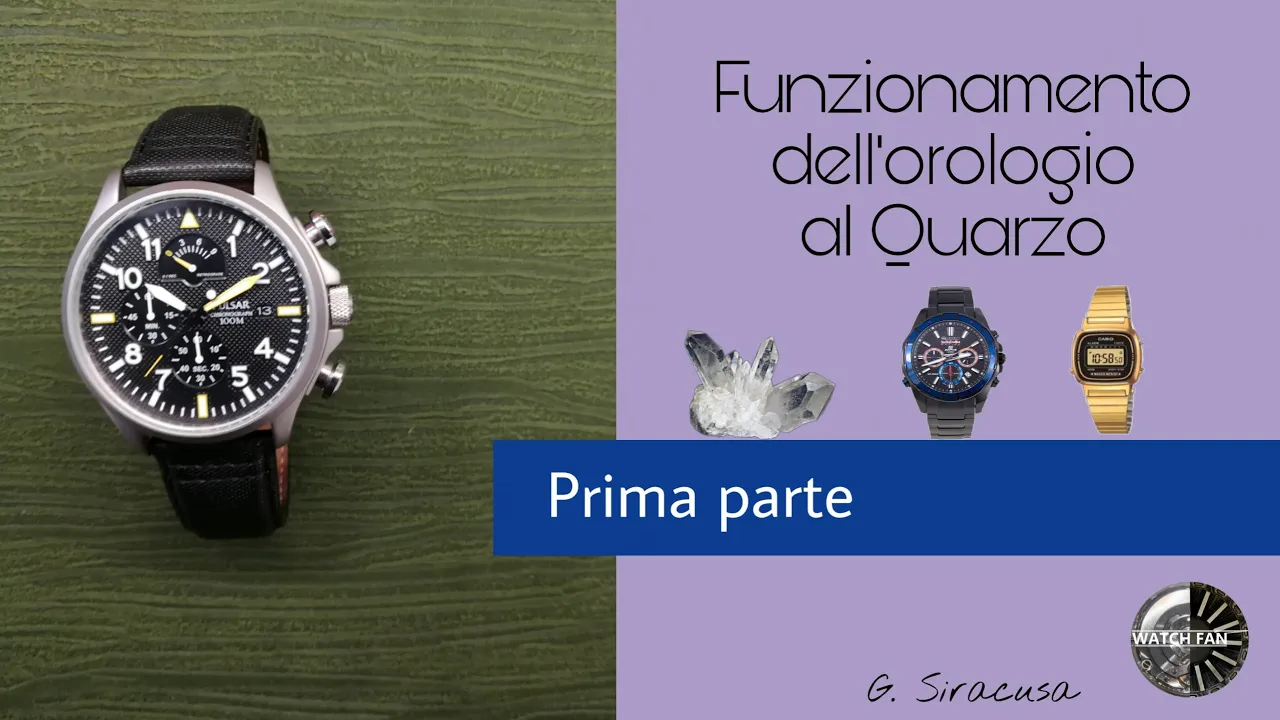



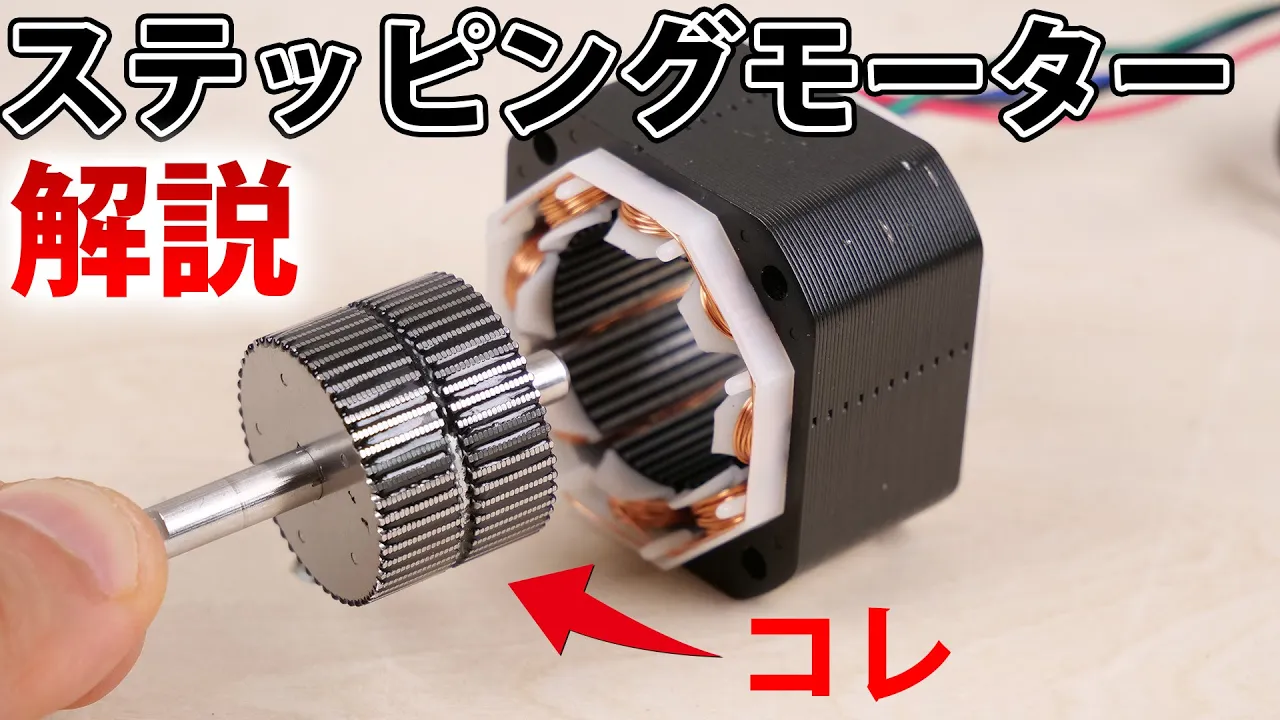
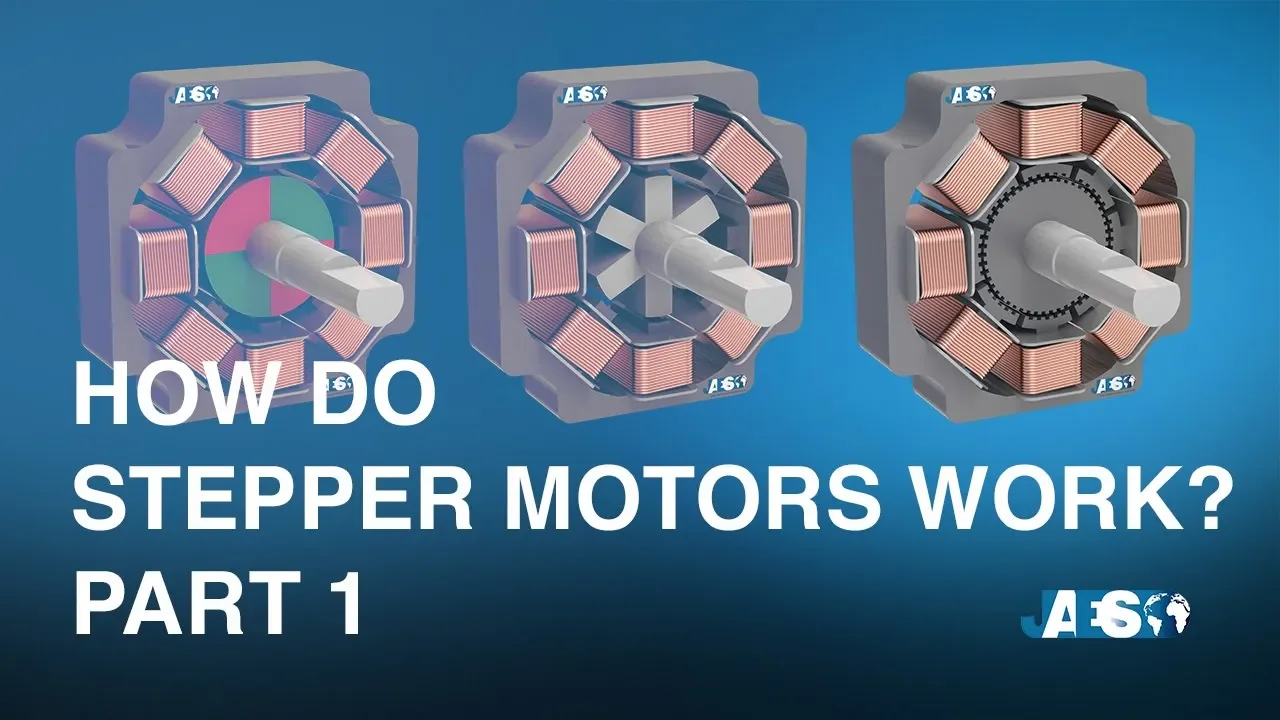








A battery-operated quartz clock works by using a quartz crystal that vibrates at a precise frequency when electricity passes through it; the circuit board counts these vibrations and generates regular electric pulses that drive an electromagnet, which rotates a driver gear to turn the gears that move the clock hands at different speeds (second, minute, and hour hands), with gear reductions translating the high-frequency vibrations into the appropriate hand movements for accurate timekeeping.
Quartz Clock Mechanism Explained | 3D Animation & Components
Added:Understanding the concept of frequency and physical oscillation, specifically how regular, repetitive vibrations can be used to measure intervals of time.
Basic principles of electromagnetism, particularly how an electric current generates a magnetic field to drive a rotor.
Fundamental mechanical physics, including gear ratios, torque, and how gear trains transfer rotational motion.
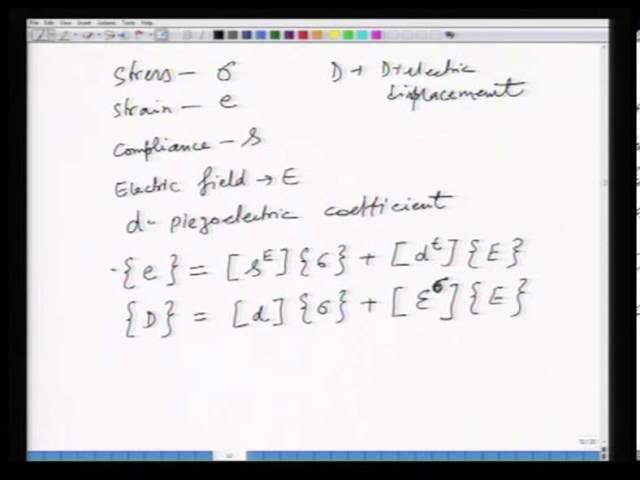
The basic concept of piezoelectricity, where physical deformation of certain materials generates an electric charge, and vice versa.
Integrated circuits and frequency division, exploring how microchips divide 32,768 Hz quartz vibrations down to a 1 Hz electrical pulse.
The design and mechanics of stepping motors, specifically how they translate electrical pulses into precise, incremental mechanical movement.
Comparative horology, investigating the differences in precision, efficiency, and engineering between mechanical, quartz, and atomic clocks.
Modern applications of quartz crystal oscillators in digital electronics, such as generating system clock signals for microprocessors and communication devices.
3.2K views31likes4:07Original Release: 2025-04-16
Battery operated clocks have become a staple in homes and offices due to their reliability, simplicity, and low maintenance requirements. While these clocks are common, many people might not fully understand how a battery operated clock mechanism works. In this video, we'll delve into the workings of a battery operated clock mechanism, explain its key components, and discuss how you can keep your clock in top condition. To better understand how a battery operated clock mechanism works, let's break down its key components.
Quartz crystal. The quartz crystal present inside the cylinder is the heart of the clock's timekeeping ability. It vibrates at a precise frequency when an electric current passes through it, allowing the clock to keep accurate time. Circuit board. The circuit board processes the vibrations from the quartz crystal. It counts the vibrations and generates regular electric pulses that drive the clock's motor. This board also has stator that consists of wired coil wound around a metal piece which help regulate the flow of electricity. Battery. The battery powers the entire clock mechanism. The battery provides the necessary voltage to keep the quartz crystal vibrating and the motor running. Drive gear. The drive gear is a tiny but crucial part of the mechanism. It receives the electric pulses from the circuit board and converts them into mechanical energy.
This energy is then used to turn the gears that move the clock hands. Gears.
The gears in a battery operated clock translate the motor's movement into the motion of the clock hands. Different gears control the hour, minute, and second hands, ensuring they move at the correct speed. The gears are precisely engineered to ensure accurate timekeeping. Clock hands. The hands are the visible part of the clock mechanism displaying the time. They are attached to the gear system and move accordingly as the gears turn. When you insert a battery into a clock, it sends an electric current through the quartz crystal. This current causes the crystal to vibrate at a consistent frequency.
The clock circuit board counts these vibrations and converts them into regular electric pulses. A driver gear is rotated by an electromagnet which provides the force to rotate the clock hands. This electromagnet is composed of a coil of wire which uses electrical current to generate a magnetic field and a strip of iron to channel that magnetic field to the drive gear. Every second the electromagnet switches directions, thus causing the magnet inside the driver gear to rotate 180°. Most of the gears in the gear train has two different gears, one on top of the other to move the second's hand, which is mounted on a shaft through the clock center. We go through a 12 to 48 gear reduction and then an 8 to 60 gear reduction, thereby reducing one revolution every 2 seconds down to one every 60 seconds. The minute hand is also mounted on a shaft through the center and is driven through an 8 to 64 gear reduction to the idler, followed by 8 to 60 to the minute hand. And finally, the hourhand is driven via a 15 to 45 reduction to the idler and a 10 to 40 gear reduction to produce one rotation every 12 hours. As a result, we have three shafts rotating to which the hands of the clock are mounted, each rotating at different speeds. The last gear is used to set the time. And interestingly, this gear has 13 teeth on it and rotates once every 69 minutes. As in the name, the time setting gear directly rotates the minute and hour hands. However, the gear with the second hand doesn't move because the two parts of this compound gear slip from the high torque. The gear with the second hand doesn't move because the two parts of this compound gear slip from the high torque required to rotate the second hand 52 times per rotation of the time setting gear. So this is how quartz mechanism in a clock works and tells the accurate time and keep your clock in top condition.
Up Next

90:47
Wildland Fire Behavior & Extreme Fire Dynamics | Research Lecture
@fpemaryland
210 views•2023-08-15
30:32
Ultrasonic Transducers: Resonant Frequency Measurement and Horn Design
@imajeenyus42
229.9K views•2017-02-22
54:16
Polymer Environmental Degradation: Mechanisms & Stabilization
@iit
1.8K views•2012-07-10
33:39
How a Student's Question Saved a NYC Skyscraper from Collapse
@veritasium
22.8M views•2025-04-26
Related Study Plans & Knowledge Roadmaps
Structured learning paths in Engineering
engineering
Building Acoustic Levitators: Physics & Arduino
01The Physics of Sound and Standing Waves
02Piezoelectric Transducers and H-Bridge Drivers
03Arduino Programming: Generating 40 kHz Signals
+ 2 more learning modules
14h5 modules
Explore Roadmap
engineering
Building Peltier Cloud Chambers: Particle Tracks
01Cosmic Rays & Cloud Chamber Physics
02Thermoelectric Cooling (TEC) Fundamentals
03Custom Liquid-Cooling Loop Design
+ 2 more learning modules
18h5 modules
Explore Roadmap
engineering
Yagi-Uda Antennas: Modeling, Build & VNA Test
01Introduction to RF and Antenna Fundamentals
02Yagi-Uda Antenna Design Principles
03Antenna Modeling and Simulation in 4NEC2
+ 2 more learning modules
18h5 modules
Explore Roadmap
engineering
ECG Monitor Design: Op-Amps, Filters & Noise
01Electronics & Breadboard Basics
02Op-Amps and Instrumentation Amplifiers
03Bioelectricity and ECG Fundamentals
+ 2 more learning modules
18h5 modules
Explore Roadmap