
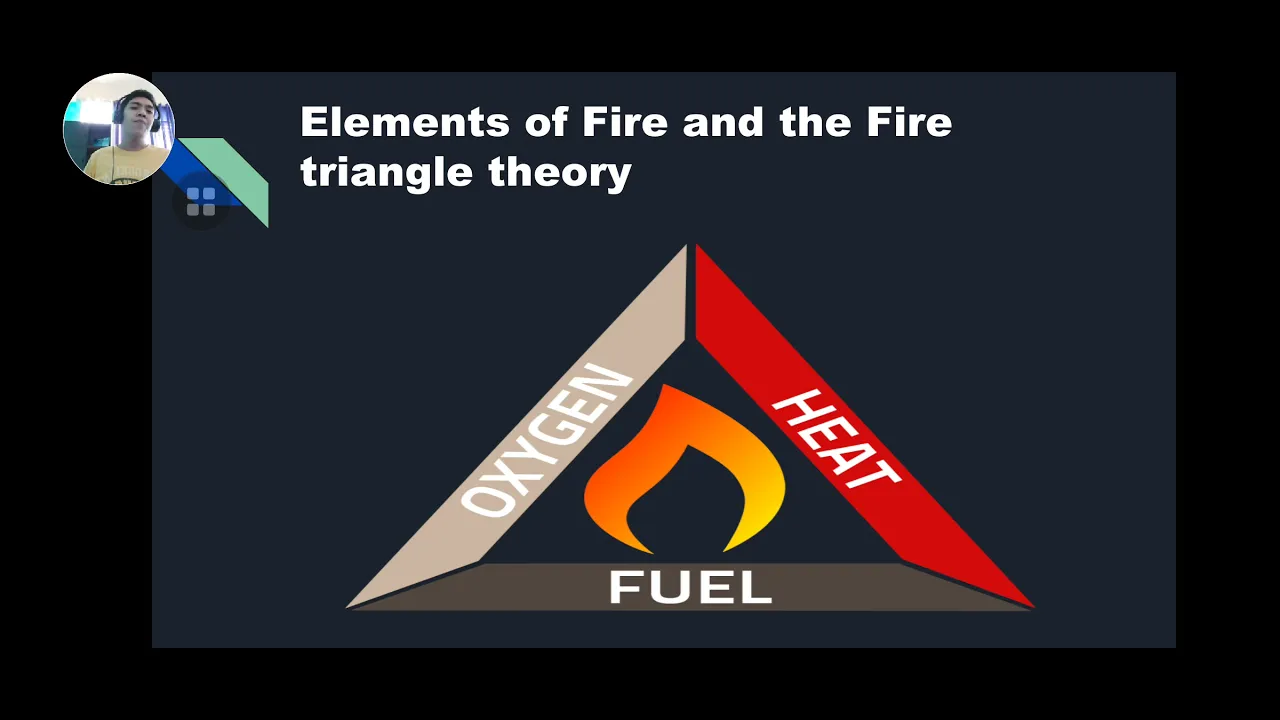


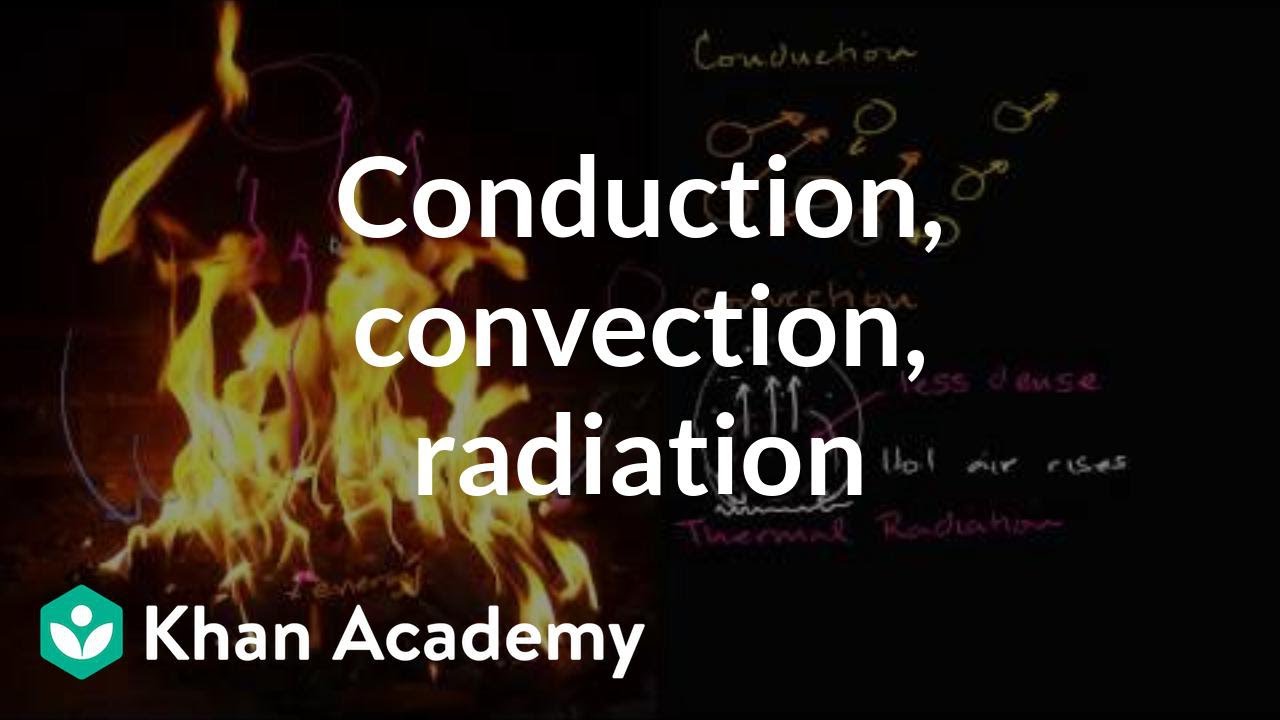
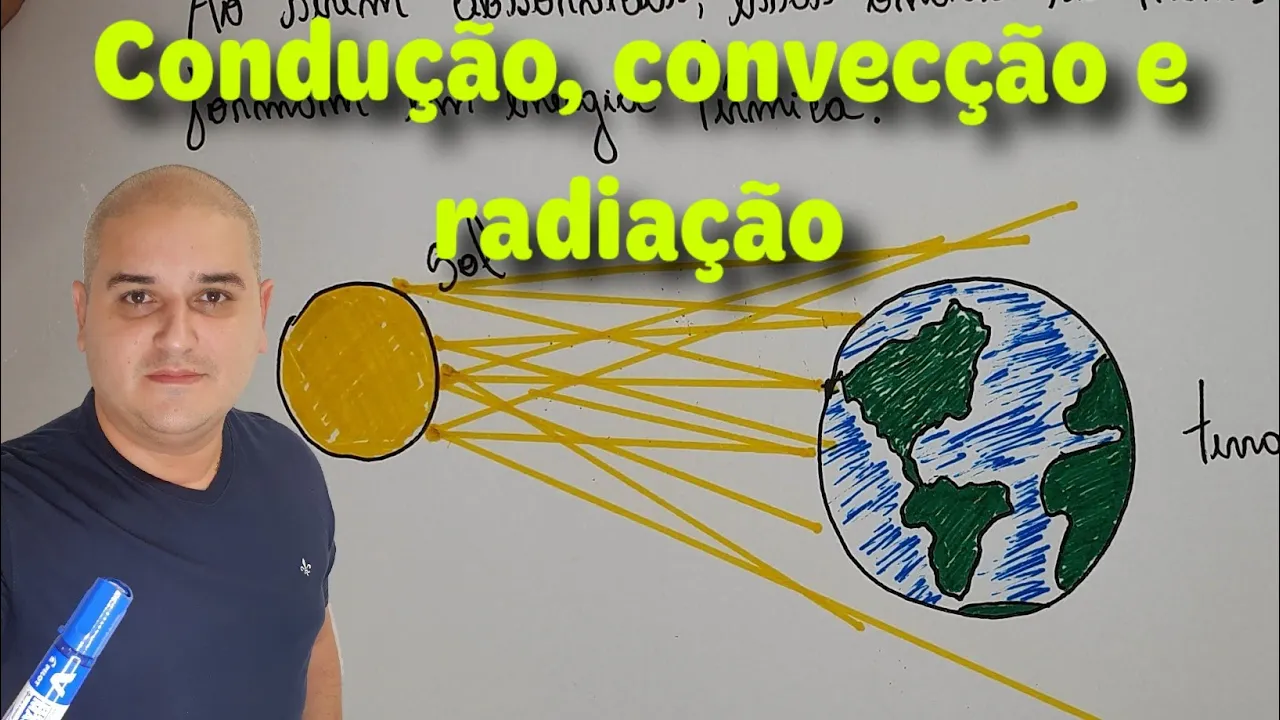


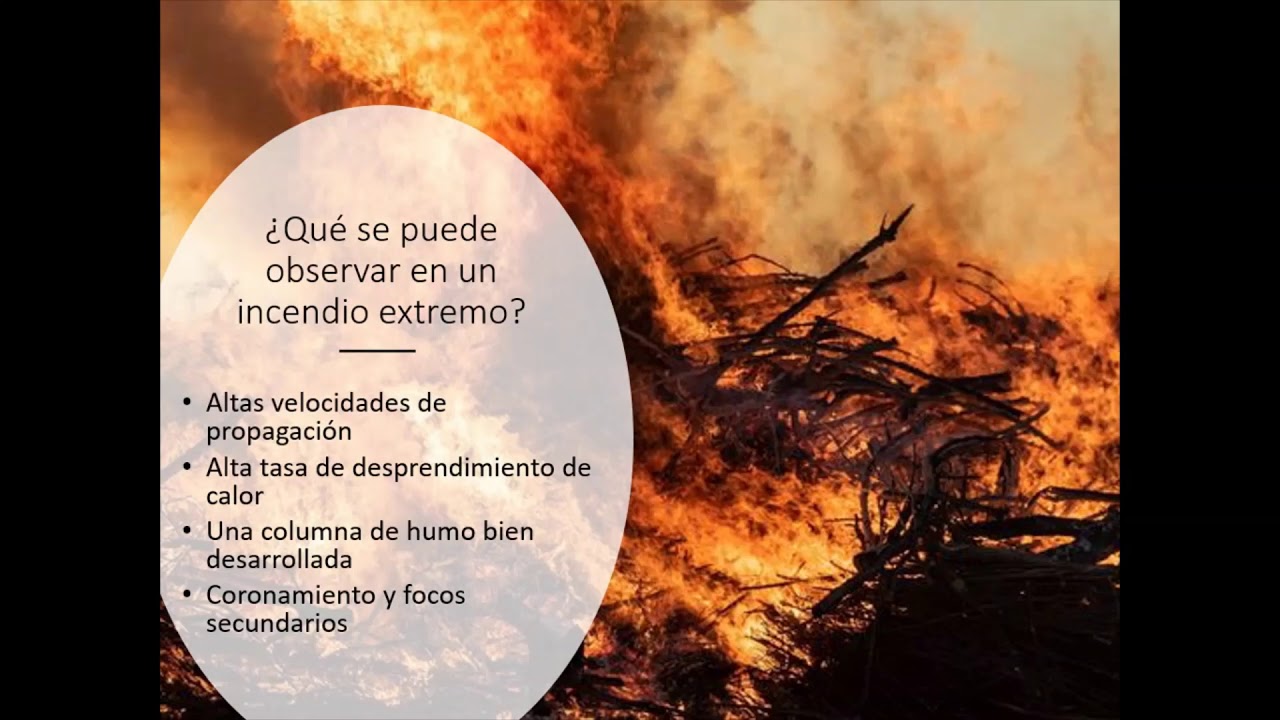








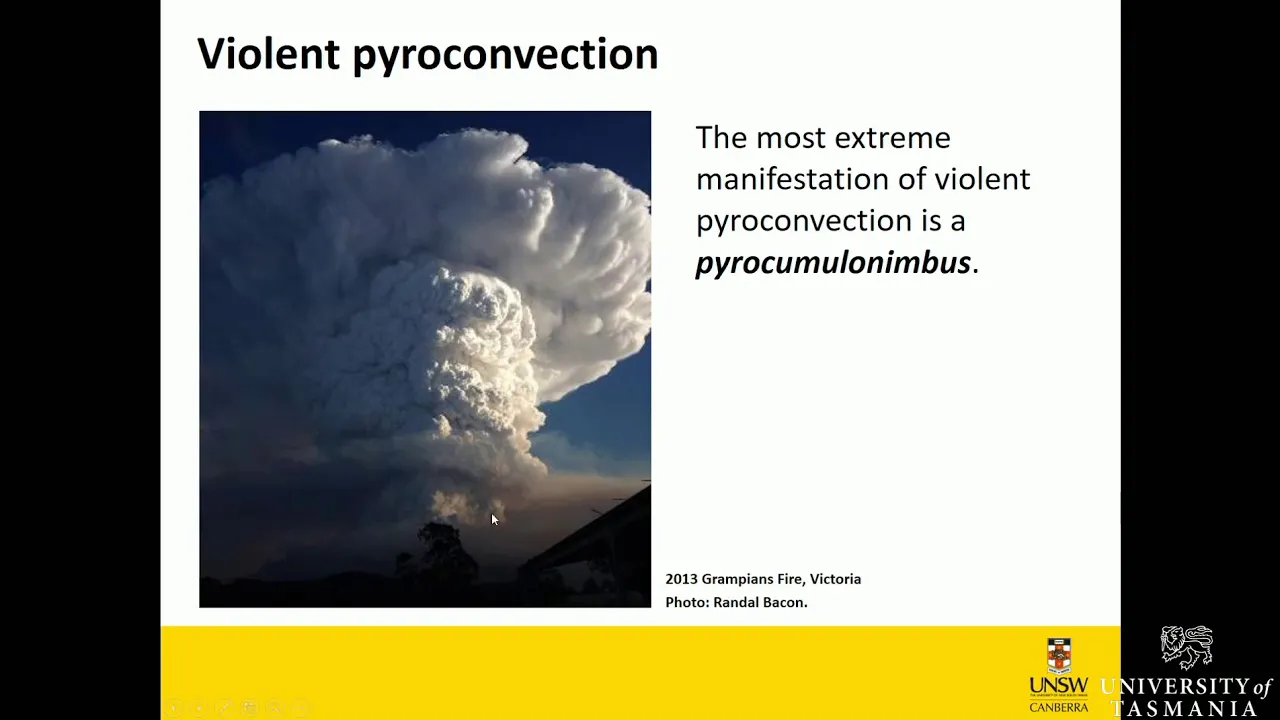






Wildland fire behavior is governed by the interaction of fuel, oxygen, and heat transfer mechanisms (radiation and convection), with fire spread occurring through surface fire propagation, crown fire development, and firebrand spotting; understanding these fundamental processes is essential for predicting extreme fire events, mitigating wildfire risks, and improving firefighter safety, though current tools and models still struggle to fully capture the complexity of real-world fire dynamics due to the highly variable nature of wildland environments.
Wildland Fire Behavior & Extreme Fire Dynamics | Research Lecture
Added:Basic chemistry of combustion, including the components of the fire tetrahedron (oxygen, fuel, heat, and chemical chain reaction).
Fundamentals of heat transfer mechanisms, specifically focusing on how convection and radiation facilitate fire propagation.
The influence of basic environmental factors—specifically topography, fuel moisture, and wind—on standard fire behavior.
Understanding the classification of forest fuels, distinguishing between surface fuels, ladder fuels, and canopy/crown fuels.
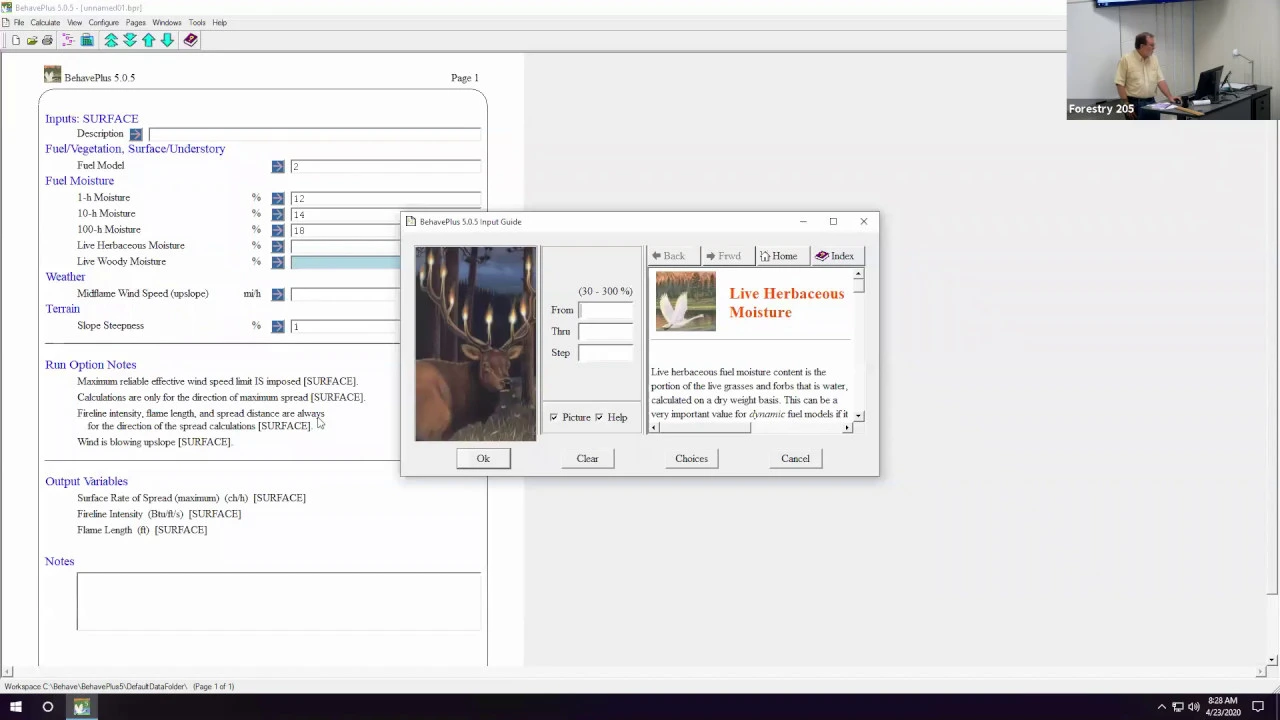
Introduction to computational fire modeling and simulation software, such as BehavePlus, FARSITE, and WRF-Fire.
The atmospheric physics of fire-induced weather, including pyrocumulonimbus (pyroCb) cloud formation and plume dynamics.
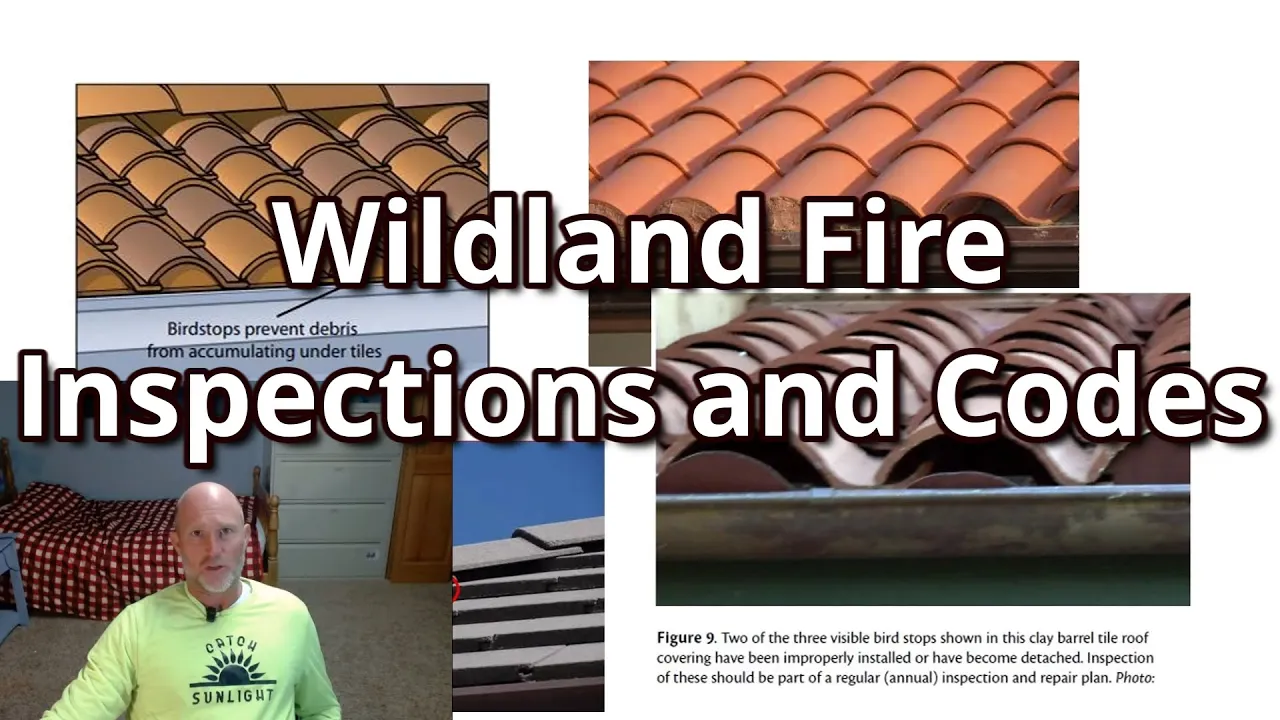
Wildland-Urban Interface (WUI) mitigation strategies, focusing on structural hardening against firebrand ignition.
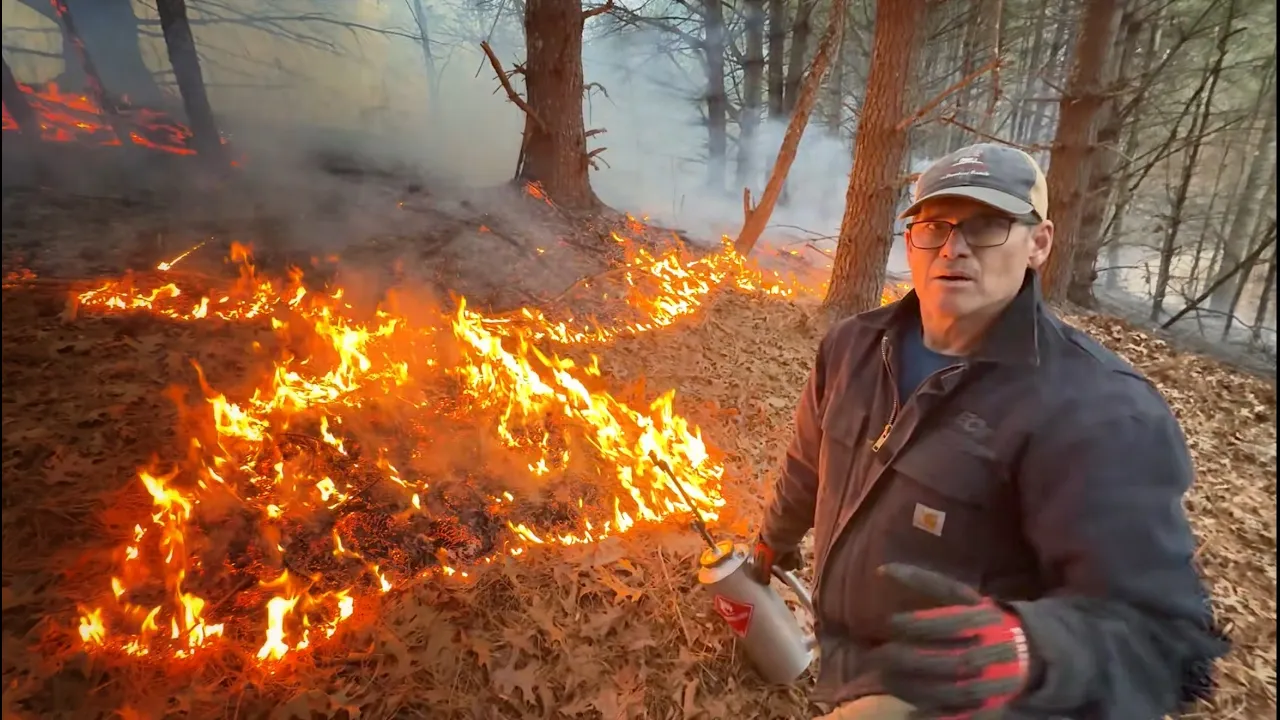
Applied prescribed burning techniques and ecological fuel management to prevent catastrophic crown fires.
210 views2likes1:30:47Original Release: 2023-08-15
all right so we're going to get started a few people are going to keep coming so um so this second presentation of our morning will be uh given by uh Dr Albert simioni from Worcester political Institute thank you thank you so I'm gonna I'm gonna speak about fire behavior in general uh so um I'll do an introduction a general description of our Behavior the different types of higher Behavior and the case study and in the case study I will use some of the results of our research but the the topics before are more like the generalities about fire Behavior I also want to say uh before starting my lecture I mean following uh Dr philkoff's lecture I'm very encouraged by the fact that we all have to live in windowless airtight bunkers you know without anything around and that anyway we're gonna die in shelters so that's a that's a very good perspective so I'm gonna try to develop on that and and keep your mood as high as it can be after his lecture to do the same with mine so let's start with some disasters right so uh and and that's some that were mentioned I want to to mention something also so understanding fire behavior is important because of course we want to to be able to make people safe and I added the the the the firefighters here uh we want to protect property economic activity uh again Alex mentioned the the impact on the Australian economy of some of the wildfires uh we want to protect natural resources and the environment usually it's in this order actually and uh also there is an emission aspect which is more and more important for population population health and climate change so I remember uh somebody who want to investigate the fires after the the 2017 Northern California fires you know and he went there with his own truck which was a just a maintain and when he came back he had to change all his filters because for a month the smoke was staying in the valleys and people were exposed to that so here we see that it's a it's a global problem so two fires which are well known the Attica fires the madifier where people people died and you have several things that are still breaking my heart and that's why I chose these different fires you know so mati is um like an area where people had like secondary or have secondary homes from the from the Athens basically City and they go there in the weekends or even in the summer to spend the to spend the day there and uh there was a case of a family that was a lot of people took shelter over the beach you know but there was a cliff you know and that was the case of a family that died actually and there were a few meters from the stairs to the beach you know other people panic in the on the beach because they were exposed to smoke and it was very difficult conditions and they tried to go on small boats and one boat capsized and a person drowned so that has things that I think shouldn't happen anymore uh uh in uh in in wildfires we should do better with that the tabs fire it's a it's an interesting one building on what what Alex has presented because uh the fire started in a more remote area that could be qualified intermix or or depending on your degree of zooming you know even a wide land and then it moved to the intermix and some houses started to burn and they were throwing these huge fire Brands uh construction materials that were flying with the high wind and Landing forward and igniting more houses until actually downtown Santa Rosa burned which was a very unexpected at this time to have a downtown area burning you know and then these uh these uh fire happened in in China in the Sichuan Province and 30 firefighters were killed in a fire eruption you know and you see the area of the fire 15 hectares so basically they want to put themselves In Harm's Way to extinguish a fire where there were no direct uh exposure you know they wanted just to do their job and they got trapped there and 30 firefighters died and uh especially Professor Villegas here as investigated a lot of those uh catastrophes and we know that we still have firefighters dying when they shouldn't all around the world and so that's what I want to mention and that's what we need to better understand fire Behavior to help to mitigate these things uh aggravating factors and we talked about that climate change more extreme fire behavior and you know extreme fire behavior is a loose definition in a way right he's a fire extreme in in Northern Siberia where there is nobody you know the ecologist will tell you it's extreme you know now the Oakland fire in 1991 was a small fire but it burned in the in the in the suburbs of Berkeley or in Berkeley and Auckland and so it was an extreme fire uh by some definitions you know but we know that the occurrence of these things is happening more and more and then the exposure is more so friends and the tubs fire it burned also if I remember well in the 60s you know and had not even 10 percent of the impact you know at the time but now it's more densely populated there are more houses and now it became an extreme fire you know so uh and of course so just what I mentioned the population growth and the urban sprawling and the growth of the of the oui I think Alex was clear about about this point so fire phenomena they include all of that you know ignition fire spread flaming smoldering Extinction generation and transport of particles you name it right and also the fire and plume Dynamics and their interaction with the atmosphere it's in yellow only because I will not cover that very much you know you have another lecture for that I'm more like a fire Behavior person at the scale of the of the fire front but of course it can it can also play an important role when we're talking about the wind and everything and I I will get back to that you know I mentioned the effect at the Wii for the wildfires but um there was a question about the wind and I will come back to that later so what tools do we have available to to deal with all of that that's a an older slide I would say but there is no merge evolution in that for the moment because we're are at a at the moment in research where a lot of us went back to the fundamentals because we realized is that the tools that we were using for years are limited but to pass this limit you know we need to invest a lot in better understanding fire Behavior so we're at a moment where we're trying to uh provide better things but we a lot of work is needed to do that so what do we do we have the risk indices so in Canada and the US and they're in the same same kind of structure very pragmatic things allowing you to rank things because when we look at the ranking of course in Risk it's arbitrary in a way where you put the threshold but they're very pragmatic and they're yielding good results it was transferred a lot of the the approaches especially the Canadian one was transferred to Europe and Europe and other and their their places in the world but what we realize now is that they don't do a very good job for extreme climatic events so if not before during the Fire season you had one event you know now if you have like 30 conditions where your wall map is black it's not helping very much so we're losing resolution on the on the extreme side of the Spectrum in terms of fire spread we have empirical and semi-empirical models at landscape scale you know it's from the US you have models based on the raw terminal models or the McAfee or model in in Australia which was extended to a calyptus so we have some model we have the cfd model some are landscape scale some are more we scale but they're not doing a very good job at quantifying of course they're not positioned the same you know if you're looking at behave a farsight or MK5 they're used by operationals the cfd models are not you know but we're still struggling to quantify I mean when you're looking at fire Behavior we're not actually really discovering new physics you know there is no uh new Theory of physics that we are going to invent specifically for wildfires you know we're taking uh the ferry from you know combustion thermal transfer fluid mechanics and if you're getting into the the vegetation physiology you know biology and so on but the difficulty is to put all the pieces together and all the different aspects so we can at the end integrate and quantify and that's very very difficult to do in terms of fire safety we have an empirical knowledge you know some analytical approaches a lot are based on you know radiation and the exposure of building to radiation and again Alex made the point that it may not be the the thing we should focus on anymore there are standards and codes and I will I will tell you a little story you know I was in an FPA comedy for wildfires you know and we were going through the the revision cycle and one of the provisions in the in the code was that if a building or if a house was sprinklered you could decrease the uh the separation Distance by half you know and so the idea was more if the fire is starting in my house and it's sprinkler it's not going to burn the next house you know but if you face a wildfire the fire is coming from the outside and your sprinklers May decrease a little bit the damage to your house if you're super optimistic about it but it's not going to make a difference in the spread in the community you know so it was actually it took us a very long time to change the provision and say that it was not adapted to the current context the concern talking to the people who started that based on the empirical knowledge the constant turn was the opposite if the house burns it's going to ignite the forest fire you know so they were looking it at the other the other way so then we have best practices firewise you know fire smart fire safe you name it and they they still lack scientific bases you know they make good sense it's stuff we need to do vegetation management for instance but again the thresholds we put are based on a limited number of studies you know they're kind of I would say they have some arbitrary part you know and we see that in sometimes it works and some other times it doesn't work so that's why we need to to to study more fire Behavior so some needs if we want to quantify things we are not very good at you know so we need to better understand the fire fundamentals you know combustion the coupling between the fire and the vegetation you know all these kinds of basic phenomena we need to better understand the fire Dynamics you know so General fire Behavior uh that's the topic of my lecture today but there are still a lot of holes I just hope that I will give you some uh insight about some things the fire interaction with the ambient conditions you know when we talk about the extreme fires people talk a lot also in terms of the operational extreme fire weather you know to estimate the risk and of course extreme phenomena and I will cover some and there will be also a lecture on that and also we need to capture the changing environment in California I remember when I came here to the US in 2010 it was like the concern was the the the the Fire season is expanding uh now it's not expanding anymore because it's all year round so cannot expand anymore uh there are changes in vegetation cover uh we're talking about invasive spaces we're talking about Beetle infestation you know of course with climate change the vegetation becomes more weak to disease and infestations and things like that and then the expansion of the areas at risk of wildfires the vulnerabilities of the Wildland Urban interface I think it was also pretty clear from the present lecture the previous lecture but also what I have what I'm very convinced about is that a lot of what we've done until recently I would say in the last 10 years was based on experience was based on the accumulation of data but we're in a changing environment so the weight of experience the weight of historical data is decreasing because the the context is changing very fast so it's again forces us to get back to the fundamentals and understand how it can behave in a changing environment so in terms of the general description I couldn't avoid but do the the fire triangle uh sorry Domingos I know you use a square but in general terms if you want to fire to exist you need fuel you need oxygen and you need energy and then you have your uh fire and the fire spread is governed by the physical laws that we know the availability of oxygen I mean of course if you're looking at a specific location inside of the fire the availability of oxygen become a question but in an open environment at least we don't have the same limited conditions that we would have in this room if a fire was starting and I would be speaking alone in this case so uh then we have the heat transfer convection and radiation which is a which is a very important for fire spread I didn't put the particles but that's also contributing and in some cases can lead to some extreme fire Behavior also not only impacted the wine laundromat interface and so and then we need to go to know the environmental data so vegetation properties what kind of species are burning the fuel moisture content what is the atmospheric the the atmospheric data what is the topography you know all of that we need to integrate together and I would mention and I will show you later but that we're at a stage where um non-intro non-intrusive diagnostic is really growing you know so for instance we want to do to do a field experiment last week with our group and also Edinburgh and uh uh the world vegetation and the world setup was captured by lidar you know it's something we didn't have access to before we're doing only destructive sampling and try to do averages use transects so there is a lot of that you have the multi-spectral cameras you know so now to to do the analysis of the firefront so things are evolving so a simple description of fire spread so you get these uh these flames and and this fire and um let's say let's choose a particle which is ahead of the of the firefront and this particle will heat up by uh uh um heat transfer it gonna be radiation and convection assuming that for the thin particles that make up the vegetation conduction is not really of the essence here and so the particle will be submitted to radiation and convection and it will first lose its water you know if it's a live vegetation it has a lot of water to lose if it's a dead vegetation it will have less water to use and sometimes in critical condition very little and so the temperature will increase up until all the water is gone and then the particle will continue to increase but now you will have thermal degradation of your particle and it will release pyrolysis gases and so then we have our fire triangle right we have the fire front we have the pyrolysis gases the oxygen if they're in the flammability range it will ignite and the fire will have spread and then the particle will continue to degrade to form Char to smolder and then to get into ashes and of course it's a simplified description and uh in in the real world it's a mess and everything happens at the same time and and in different locations and everything but let's think about the particle and try to get the essence of the different mechanisms which are happening so if we want to understand and describe the fire spread we need to know the thermal transfer for especially irradiation and convection the mass transfer dehydration and pyrolysis and then the conversion for describing flaming and smoldering so that things we need to to capture and this one I took come from actually training for firefighters you know because that's the same thing and that's a the funny thing I observed uh for a long time is that it's very good for scientists to get out and uh and observe the fires and understand also how people fight the fires and uh and all of that so let's look at the same description as as them which is actually what they observed in the field so you have let's assume a slope or a wind going in diagonal you know and then you have the head of the fire which is spreading in one place then you have because your medium is not homogeneous you will have the fire developing in fingers like you uh can you see my yes so you will have on the flanks the development of fingers you know and then you have spotting and then the rare usually is spreading at a lower rate you know so the head is the most active zone of the firefront it's the highest rate of spread uh the flanks are or the sides are uh depending on the size of your fire depending on the fact there is wind or slope they can have a very important Behavior they can even reinforce the head actually and the rare is the less active Zone when the fire is busy basically backing against the conditions so slope or wind so of course if things vary you know your fire reaches a ridge or the wind is changing uh a flank or even the rare can become the head and that making the things much more difficult to understand and to study and of course you have a spotting which is due to firebrands and here I'm not talking about the impact at the one on the Run interface I'm talking about fire spread so basically you have a flying Amber or a flaming particle which is flying and igniting another fire which is if it's a how long did you say like 38 kilometers or like 1 30 like a crazy uh distance like that it's going to be a different fire you know if it's a half a kilometer and they may merge with the other fire and create more Mayhem so that's an example of fire Brands you know so you can have a lot of these things it's a some vegetation is creating more fire Brands than others but also the fire Dynamics can create more fire Brands uh in some conditions so in terms of the shape imagine we have a perfectly so we're in the lab we have a perfectly homogeneous vegetation you know and no slope no wind and we put a point ignition and it will spread you know in a circle you know and usually the Flames will tilt inward because that's where the buoyancy is and it will spread slowly you know now if you have some weak wind which is getting in different directions heterogeneous vegetation and topography then it's going to deform in different places I mean the it's almost like only the topography that you can predict and that will tell you a little bit what the fire will do but the other the other parts are very difficult to capture you know but you can have this irregular shape but it will still keep not a perfectly circular but it will still grow from the inside to the outside then if we have homogeneous vegetation with the low and constant wind or topography with a slope which is pushing then you will have the deformation and I'm sure you've seen the early models which were ellipse models you know to describe the fire spread now if you have high end constant wind and complex topography and that's a funny thing you know when you look at fire spread you look at the the tubs fire which is a typical example of a wind driven fire I'm not talking about the we aspect and what I mentioned about before but the the the vegetation was a mix of grass and Oak you know so in the grass it was really driven by uh the the wind actually from the mountains down slope and it was also the the trees were just torching sometimes you know it was not really driven by the the the the trees and then it's a it's almost a tongue you know you see of course it's growing a little bit but you see that the fire really looks uh something like that you know or something like that okay now if you're getting into a changing wind or changing slope a complex topography even in a strong wind if you have a complex topography you will see that your fire is starting to become wider and wider so let's take an example you know you have the wind in this direction it's starting in this direction and then you have a canyon Wing there and I can tell you that the fire is going to reach the top of the canyon if there is vegetation you know it's going to take more or less time depending on the wind but it's going to reach the top of the canyon and I have a video to show you that and then when it's on the ridge it's taking the dominant wind and it's going to follow the wind again you know until it's getting to the next Canyon and now you have a fire which is generally following the wind but it's getting bigger and bigger and bigger so that's only a little bit that of course uh that's uh that uh mainly the the tops fire for instance and of course if you're depending on the vegetation you have or or the the intensity of the fire uh meaning that even for vegetation which is not very fire prone if you can start burning the big particles you can generate uh spotting and then there is a you can have a changing regime actually this area is very dangerous you know but the fires will merge you know and your fire can leap forward very quickly you know and if it's uh if you're fighting one of those fires and you're on the side and it's Landing in a canyon and getting up to uh to merge again with the the men fire even those areas are very dangerous you know another mechanisms for fires to enlarge is the vorticity of the fire plume which will have the tendency to drop fire brands in a in a larger area than just the head of the fire you know so that's very dangerous in this case so now let's get back a little bit to the fuel and just look at the fuel as itself so let's leave the the fire Dynamics and look at the the fuel by itself so if we with we think like what do we need to characterize for for the fuel so first we we need to look at what's burning right so we're looking at the type of fuel it's inflammability which again is a loose concept flammability for a lot of things we see that between fire science and Wildfire science if I have to make an artificial barrier you know but for instance consumability for fire science is not really a parameter for one fires it's one parameter and actually there are four parameters for flammability you know so it's a little bit different but you can characterize how it ignized how it burns and things like that and how much fuel is consumed so then to get that you need the physical chemical and geometrical properties of the fuel and we know that depending on the particles you know when the the the very um how to say that a mindful guy to remain polite who was igniting the grass next to his house and we know that the thin fuel Is Burning uh very easily you know and a tree is not going to start burning back the trunk I mean unless it's smoldering but it's not covered by my uh by my talk or only a couple of slides so we know that there are different classes and we need to separate for that you know and then the the fuel layout is very important you know so the fuel distribution inside of your fuel layer the spatial distribution horizontal and vertical for different few layers or different you know Groves of trees for instance or shrubs it's it's very important to uh also to describe because vegetation the way I have the tendency to describe it you know at the beginning I was looking at the first models that we were doing and we're like oh yeah and that's a porous medium you know and so trying to derivate equations from porous media and it was working to a certain extent for instance for radiation it can work to a certain extent because trees for or vegetation for a good reason are very good at absorbing radiation so you can make simplifications you know but it's not good for other aspects and it's actually a highly dispersed phase you know the porosity is so high that it's not even a porous medium so all these geometrical properties are very important and I actually hit that very early in my in my career when we were doing experiments and we had two typical species of of pine from the Mediterranean when I was working in France and we had the Aleppo Pine and the maritime Pine and they are at the same scale actually these two photos so the particles are very very different and now if we're getting to fire we found that for the ignition conditions that we were testing pinosalepantis was behaving as a thermally thin fuel but penis finaster was already in the intermediate regime you know and if we were using very high heat fluxes to try to ignite our fuel it was not thermally thick but it was really we couldn't describe it with a family thin description you know of course the old classification you know of particles by size the one hour with the different sizes which again gives you a weird numbers when you're getting into the metric system you know but that's that's a definition from from ecologist you know that's a one hour fuel which is a dead fuel if the if the conditions the external conditions are changing for instance the humidity is changing of the air it will take them one hour to be at equilibrium with the new conditions so that's also giving you uh the sense of what is going to change very quickly if you have for instance a dry spell and bad conditions and what will change uh more like seasonally so of course we have the tendency to say that the finest particles are the one hour fuel are more involved in fire spine than the others I mean the problem with limit is that it's never never clear-cut like that and we found that some of the thin fuel could be involved and and not involved and in some very very intense fires actually even other thicker fuels were also involved so let me take an example of the complexity of the vegetation so that's an experiment that we did in France and it's it it's funny when you do this kind of experiment so here you have the Ridge and behind you have the sea and you have very expensive houses so the first thing we had to do with the university is to ensure the wall Side of the Mountain you know and we're lucky because we had another Rider who didn't know about wildfires and it was not very expensive to ensure you know and then we have this fuel break which was a hundred meter you know and they the the we were dealing with the firefighters you see the size here that's a small van and so they were telling us oh yeah you can burn that you can burn as much as you want which ended up to be a hundred meters maximum and they said we're gonna do a five meter cut which engine being 30 meters when we were close to ignite and then we they said oh you're gonna ignite close to fire conditions you're going to ignite at the end of June and uh mid-may they were telling us you have one week after that we ban any burning because they were afraid of the of the conditions but that's telling you a lot you know why do I tell you the story beyond the fact that it's funny and I like to tell stories is because even the firefighters work in this place they are not very sure where the limits are you know they they get close to it and they take responsibility and they're like wait a minute let's be safer okay let's be even safer and at the end so you find yourself in conditions which are it's very difficult in the field to replicate a full fire conditions which is a limitations also of of of experiment in the field and then something we had also in France is we have very cheap students so we had the students characterizing the world vegetation so basically they're crawled on their four for a month and that's what they gave us you know so that's the complexity it looks like a typical you know Mediterranean scrub land but actually it's made of all these spaces with all these different layers of grass lower shrub higher shrub you know so then we realize oh that may be a very complex medium that we didn't realize it was so complex you know and so that's leading me to the next point is when you look at the vegetation layer you really need to describe its heterogeneity and sometimes it doesn't matter you know when this shrub in the middle of August you know in in the south of France is completely dry and we had one experiment that we did which was in a marginal conditions it was pretty wet and another one we were lucky it was pretty dry we saw that the influence of the vegetation on the fire spread was decreasing with the the more severe conditions but you know when you have something like that there are different things so first you need to characterize your different layers you have the soil which is a basically the rest of my slide and you have the understory you know you have what's on the floor which is usually the dead fuel which is usually the fuel which is igniting and you want to characterize well and then you have the other story you know and that's something actually we use also in in fire management right we burn the other the understory or we we we we use mechanical means to remove it to in the in the hope that the fire would spread only in the uh on the floor you know and will not burn the higher vegetation okay so what we want to avoid is that you know is a fire that is burning everything and starting from the ground and getting up to the top of the trees you know and it's because it's impossible to extinguish it's a it's a very dangerous when it's getting uh close to any human like structure or activity and also it's very destructive for the environment and of course we can go in the heterogeneity in different ways you know here we have shrubs here we have less density of Pines here you have a bigger density we can even use that and do fuel breaks so the vegetation is very important so let me take an example you know from the fuel so we went in the Pine Barrens in New Jersey so it's a Southern New Jersey so basically you leave New York City you pass the forest of chimneys you know which is where all the chemical plants are and behind that there is actually a forest you know and it's a it's a national forest and for us uh the good thing is that it's it's a pretty simple uh kind of uh ecosystem you know you have some shrubs which in uh early in the spring don't have leaves and are basically dry sticks you know and then you have Pines and on top of that those Vines are very very uh resistant to to fire they burn completely and then two weeks after you see needles sprouting from the the the Trunks and so we went there and we did experimental fires and uh so what I told you before that's a lidar and and remember these lines and they're going to be they're going to be important in some of my descriptions so the plane was following these lines and sampling the forest and you see before and after the fire and you see the decrease in the density here of uh of the vegetation that's actually the footprint of the fire and so what did the the scanner give us is enough approximation of the burglen city I mean Eric did that uh that's an approximation but it's giving you an idea of where the vegetation is and again remember that so this one will be positioned where we did the fire sampling but you have a sponsor fuel here you know it's mostly high but here you have what a I call the fire ladder you know and here oops I don't know I must have timing on my slide and here it's starting again to separate a little bit you know so um so let's let's get back into the fuel but that's a an illustration of of different layers of vegetation that you can find in uh in the forest so now let's talk about other parameters wind right no wind the Flames are kind of vertical you know of course they're persading and doing their own stuff you know it's never perfect wind it's pushing things and now your your particle which was sitting there and saying hey I'm pretty wet I'm okay I can resist this radiation now they're like oh my God it's very hot you know and so of course the effect of wind is increasing the heat transfer it's speeding up drying and pyrolysis and it's also supplying fresh air to activate the combustion reaction you know if you're looking at slope it's somewhat similar to a certain point you know but here what you see a lot in in Topography is that you fire this one is the perfect picture you know I think it was in Alaska and it's doing it there is more deformation of the firefront if you think about it you know the head is kind of because of the view factor of radiation because of the fact that the convection from the flanks the flame are sucked towards the head it's really pushing things forward and it's deforming while the wind is pushing everything forward so it's a little bit different of course I'm simplifying everything I'll tell you is not true you know it's just the idea okay and so you have a deformation of the firefront you know so that's something which is more Salient with a with a slope than with wind you know and of course in the real world you always have both and it's very difficult to separate but when you're looking at the slope is also a pretty similar in the sense that the the fresh air will come mainly or more easily from the back than from the front and so you will have also uh the the Flames which are getting closer to the fuel you know because uh the ground is created enclosure than them we follow I mean we're on this planet we follow gravity right so the Flames do that you think do that but now there is most draft here than there so it's doing that on top of that and so it looks a little bit like the wind you know and of course there are thresholds and everything and you can even have a fire eruption or a blow up if in certain conditions and so the slope and wind you know that's the kind of things you can have and then you're reaching the Ridge and you're creating a lot of fire Brands and they come and they go there so here is a good place not to be it's very dangerous you know on this side and the firefighters know that you know and uh and now uh just a real sense about the the heterogeneities you know so that's a typical Mediterranean thing with the villages you know like more developments along the coast and the vegetation and it looks pretty homogeneous Until you realize that they are rocks there are fire scars they are built up area so at the end it's very heterogeneous and when it burns it gives you that you know so this one is actually on this side so you turned with a helicopter and you look here and that's what you have you know after this was before and so you have different vegetation with the different layers you see that here it was essentially shrubs here it's trees especially you know where you have the stream and they're more humid so they didn't burn the same you know and so that's where where you combine different vegetations with the different moisture content with wind and topography you have that you know and that's not your perfect like circle of fire that we were describing before I want to add something about the smoke because that I was a volunteer firefighter in France and the urea where I was was very rural so usually it was taking us some time to reach the fire so in transit the message the important message that we are giving to the to the Common Center to get reinforcement was the color of the smoke if the smoke was black we're already asking for reinforcement if it was whitish or or gray we were like okay we have some time you know again borrowed from the firefighters so I mean it's self-explaining right but uh it's it's just to get back to the combustion aspect you know when you have this you know that's pretty bad you know you have a lot of flammable gases which are not completely oxidized and then you have recognition and everything and and I don't know if you will mention that uh Domingos but I remember when you talk about these fires in Portugal where people were spooked because they were saying Flames were falling from the sky you know so sometimes the the combustion aspects even if we have the tendency to solve the fire spread by only heat transfer they can have a very important uh a very important role depending on what you want to describe so now if you're looking at the different types of fire Behavior you know so now we're going to look at how can fire behave Beyond these uh basic Dynamics you know so we'd like to describe fires as plume dominated and wind driven uh I'm sure you will hear about the the Byram number this week and and how it can it can describe the change of of regime you know I was asked to do the introduction so I will not get into that which allows me to continue to make jokes and talk about generalities you know but the plume dominated and wind driven fires you know basically uh when you're looking at plume dominated you know the fire spread is mainly influenced by the fire itself and weakly by the wind it doesn't I mean outside you always have a draft you always have some some wind but one of the problems when the fires are very big is that then the Dynamics is a function of the fire itself and the fires they have long um long fire fronts and everything they're going to generate when firefighters say fires generates its own wind you know that's coming from that so you can have stronger draft with a rapid growth you know strong donor drafts when the air is cooled by the atmosphere even the collapse of the fire plume which can happen and lead to very very high wind and short distance spotting so the plume dominated is kind of difficult to to predict because it's a it's a non-linear phenomenon which is feeding itself you know now the winter even and that's an example that's the Thomas fire in 2017 north of Los Angeles in Ventura County and so the winter even fire you see a smaller one over there and just look a little bit on that and how fast it will spread you know and you have some sense of scale because you have a power line here with a big pylons you know so fire spreads very quickly in the direction of wind uh people say the it's quasi-proportional to the wind speed and that's true that there are some empirical relationships that show that you know and just so you you know and you see now it's picking up we see only one front it's the left front of the of the fire it has already has burned on the other side right so it's not just the head of the fire it's a we are the corner left of the head of the fire but look even downslope how fast it can go and so it can hop forward project fire Brands it can create long distance spotting but here you see that it's going very very fast you see these bursts of flames which are igniting the top of the fuel look at that igniting the top of the fuel and it's spreading very quickly and it's funny because it has been described in the non-monotonic fire spread is that you it's always uh how to say that a fight between forces right so the wind is pushing the fire the fire so now you have an idea of the speed and the size so the the wind is pushing the fire but then the fire becomes bigger so the buoyancy is bigger so it's resisting the wind you know and when it's resisting the wind it's going to slow down locally locally huh again I told you everything I tell you is not true right he's gonna start he's going to slow down locally and then it's going to weaken and then the wind is going to take over again and then it's going to be pushed forward but I I found that this description I'm gonna I'm gonna come back to the Thomas fire later because there are other aspects that I want to tell you about so then there are pit fires I saw that Professor Ryan was on the program so I said I have to mention pit fires you know he will describe that better than me but uh of course Pete has a lot of carbon so when you're looking at uh fire emissions it's not a you we used to say in the past that you know the carbon balance of wildfires was Zero because vegetation is growing back it's not really true anymore you know you see for instance in the Far East of Russia the forest is burning and the forest is not coming back you see that also in the southern U.S in New Mexico and other places you know Arizona where it's burning and it's not coming back and that's a combination of climate change and bad management or that we thought was good at the time and that ended up not being good management which is the fire exclusion from the ecosystem but Pete take thousands of years of ten of thousands of years to regenerate so that's uh that's a problem when you burn too much too much of these uh of this carbon-based Fuel and so emissions are pretty bad they're very difficult to extinguish uh in a I remember visiting the the the north of England and the Peak District you know where they after the Industrial Revolution there was a lot of heavy metals stored over there and one of their big concern was to have a massive Pitfire that would release the heavy metals in the drinking water like in the reservoirs that were used for all the cities around Sheffield Manchester you know and so on so uh of course it's a very deep Fuel and it can burn for a very long time you know we see that also in humus and death so that's an example of in France here where there are different aspects you know if you're going in the boring forest and you're in Canada the death can be very thick again and it's almost like peat except that it's not as old as Pete you know but even in this place where the humus was maybe only 30 centimeter one of the problem in a very uh dry and that was 2003 and I remember I was a firefighter I was at the command center and my role was to actually prepare the positioning of the of the means for the next day I was supervised I didn't do that alone if somebody was checking on me but that was my role and we had started the season after two weeks we had like hundreds of fires because none of them were extinguished we couldn't extinguish them because they were smoldering so you see something like that it looks pretty done right and so already it's a lot of damage because it's burning really the soil and it's creating erosion it's killing the the life and everything but what happened is that for nine days we send people with a inflatable pools and pumps and hand tools and after nine days the wind came and it became a 15 000 hectare fire you know because we couldn't extinguish so some studies about the fire spread and the fire severity so what you try to capture here is what it's emitting because of course modern combustion is emitting a lot of of uh of partially combusted gases and nasty gases you know including Co emitting a lot of CO2 but a lot of Co compared to flaming fire but what you want to know is how long it takes to burn what are the conditions for which it will burn because they can burn for higher humidities and also how much of the soil they are destroying so that's some of the of the concerns more to come about that this week so another type of fire is Crown fires so it's fire that burned through the canopy that's the International Crown fire modeling experiment it was when 2004 I think 2002 oh 97 even even earlier you know I was a I was a starting PhD student at the time so I haven't learned about it yet but uh so these uh these uh these Crown fires of course they're they're very very dangerous and we can we can talk about the the Quran fire because they have different Dynamics you know they're very intense of course when it's burning the wall uh the world vegetation layer you know they are mostly driven by a surface fire and we can we can talk about that and uh Crown fire spread independent from the surface fire exists only for a limited range of three densities if it's two sparse it's gonna not gonna spread from One Tree to the other if it's two dance the the the moist vegetation from the canopy you know because it's live fuel well uh also uh act as a buffer and it's not going to spread but if you are at a given a density uh you can have crons fire spread the concern for that uh in the in nature I mean there is nothing you can do about it right if it's in the white like it is there what do you do about that's you know it's just burning you know but remember when I told you it's difficult to quantify so now imagine you're at the white underground interface and you say oh I'm going to thin trees because that the right thing to do you know to protect my development and now you're in the type of densities that are conductive to run fire maybe you will not reach the results that you were expecting so here you see different conditions you will see some torching and then it's going to go into full fire so you have when it's just a few trees the density is low you have passive torching then the independent Crown fire which will go ahead of the surface fire usually die at some point because it will be too dense or don't dance enough and the fire will catch up and then it will start again this way and so that's the independent which is very rare it was a van Wagner would describe that um so let us just go to the to the full Crown fire it's a pretty scary thing isn't it but again when we think about people and their safety it really depends you know I don't think I have that in that lecture but you see the Fort McMurray in Canada and people were evacuating and there were trees burning crowning and it was maybe uh I don't remember but like a hundred meters from them and there was a guy in his bike he got spooked you know but he was in his biking t-shirt and he was not burned you know it's because the radiation is decreasing with the square of the distance right so so some other extreme fire Behavior so you have uh and again fire Behavior you know of course you don't want a house there but I'm talking more about the fire Behavior here and the fact that in some cases you can have fire Brands which are uh projected ahead of the virus front and then they are going to merge with the fire and that can create worse conditions that's the Portugal fires where two fires spread in parallel and merged and it was an extreme event and I'm sure you you're going to cover that Domingos and the firewheels you know I have a funny video about that and the fire NATO you know I mean they love that in the price right it's the final NATO it's the the apocalypse you know and so here it was a class uh two or three tornado three class three tornado adui uh for the car fire so uh even not being fully excited like the price it's a pretty scary proposition right and there are some videos from the ground that I didn't didn't add and the the extension of the Flames like you see here I mean were were pretty impressive you know but of course it's going to be a limited event in a limited location you know this is not something which gonna last for days you know so uh some others so you have a fire whales you have Junction fires so that's a fire whale they cannot get their holes back you know uh oh yeah we have the video actually you see the video no it's not that's still on the car fire I may have messed up my videos I thought it was Fort McMurray but it's still the car fire and you can see more of the of the of the tornado so uh the merging fires so Junction fires or just here it was just two pull fires and we put a single pull fire and then we put two poles separated by a distance you know with an angle trying to reproduce that but uh with a with a pool or not and you see the difference in the flame height you know and even visually about the the fire intensity so when fires merge together that's a big problem and and sorry Domingos found the spoiler you know but you also have this effect when the fire is getting a ridge is reaching a ridge and you have a recirculation behind the ridge your fire front will expand very quickly I will not say much about that but that's the type of extreme fire Behavior you can you can get so extra another extreme fire behavior of fire eruption School uh blow up in in the in the US these this report is uh the first report about uh am I right it's the first report about an accident like that right okay where reports about how what the fire did before I think it's a it was a rick rotherman who did the the first report about the about to blow up you know and uh so uh that's a that's a very interesting I encourage you I mean it's freely available on the on the web is from the forest service so it's it's freely available uh to read it you know the 30 mile is also very interesting to to read um about uh uh fire acceleration in in Canyons which we think is uh due to Flame attachment I mean the jury is still out for some of the aspects that's something we haven't fully characterized but uh you have a lot of people who have studied that in this room so I encourage you to to talk to them this is a an experiment in Professor villegasus's lab here and the other one is actually a fire that happened in uh in my uh uh area when I was a firefighter and two firefighters died on the spot a third died at the hospital and two others were severely burned when I'm saying severely burned it was like no ears no nose I mean like and they barely survived and the the thing which is a striking about this fire is that they were covered like in urban PPE the two people who died couldn't reach their truck they were maybe less than 20 meters from the truck because it's a the length of the hose you know and they turned when they saw this thing happening they turned and they run to the truck and they couldn't reach the track on time and the people were severally injured including the person who died in the hospital they were in the truck with the sprinklers around the cabin ignited and they were in full Urban PPE you know with the leather jackets at the time and the and the helmets and everything and they were still severely injured so let's talk a little bit more about this fire and this blow up which was documented by a tourist who was a who was visiting he was on the street so it zoomed at the time that's the only footage I I could have which is a video of a TV because the at the time it was on tapes and uh and there was a a court you know investigation and we couldn't spread this video you know so that's the only one but this one if you're looking at the size of this one it's a 15 to 20 meters you know so that gives you an idea of the size and there is another one that you see on the ridge over there you will see it so the fire started in the canyon behind and it blew up and the estimated rate of spread was 20 meters per second and the slope was between 30 and 40 degrees you have somebody in full PPE which we see is a fire coming towards him at 20 kilometers per hour is trying to turn and is overcome by the fire you know so the eruption is happening actually now why is it called eruption looks like a volcanic eruption you know so let's wait a little bit to see it so you start seeing the very big flames that's happening you see the the flaring around there here and now it's starting to burn out you see the pole here and the pole is closer to us so the Flames when you see that they are the level of the pole they're even bigger because they come from the canyon and they're further away so we're estimating that the Flames were around 30 meters high and here it's firefighters locals who are given the order to attack the fire and they say you're crazy we're gone and they left and the people who died were military personnel who came into reinforcement so they didn't discuss orders and they went I can say that because I'm not there I try to talk to people around that and they cannot talk to each other that's the track where they died they were there was a fire truck in there you know and now you see the French call them the lakes of fire you had six hectares and a half burning at the same time you know and now if you're coming to the vegetation what do you think the vegetation was over there we're in the south of France shrubs yeah shrubs it was shrubs it was like pretty homogeneous tribes what was the height of the vegetation in the canyon it was half a meter Alpha meter and it created 30 meter high flames you know and same mechanism for the what I told you happened in China you know with the 30 firefighters died that's again something we should we should avoid nowadays now we can talk a little bit about the the fire Brands you know and you're gonna see a lot produced here and I will tell you early on bits that's maybe the only slide with equations you know I don't know why but so just to tell you that there are different aspects for the fire Brands you if you want to study them the generation the trajectory it's actually the the thing that is uh easier in a way to mod also and then the combustion and how they will ignite any Target you know it can be vegetation in a spot fire or it can be uh at the weed it can be construction materials so this one and maybe I will put it back if you bear with me this one you can see all the fire Brands which are generated at some point I think around here but you can see all or even even further away you see all the fire Brands generating it's not something which is generated only at the fire head it's generating everywhere stuff is burning you know so at the beginning in our mind before we did experiments actually in New Jersey and uh and uh and uh Alex was helping us at the time we thought that generation was from the fire front it was actually from everywhere and so that's the Thomas fire I told you about again you know and so the fire is spreading you have the coast here you have the city of Ventura here the fire started in the mountain cross the highway went on a mountain and that's what you see on the mountain and halfway when I'm saying halfway it's around the yeah six miles something like that so 9 to 10 kilometers there was a fire chief he was in the middle of one of the Canyons getting up like you have the ridge of the mountain the fire was spreading on two sides of the mountain he was in the ridge because there were a few habitations over there a few people and everything and is calling the comment Center and he's saying hey I need help because I'm not sure the fire is here and I'm not sure if I will be able to evacuate the people on time huh and the answer from the Common Center is what are you talking about the fire is at the Gate of the city the fire was already four more kilometers away and that's what you can see here from the helicopter you know you see a lot of things you see the spot fires which are following the slope and but you see the fire jumping forward over there over there over there you know and so the fire spread forward and to come back to what we were talking about we did simulations of this fire with a war fire so uh uh fire spread model simple rather model and coupled with the atmosphere and something which has been described actually in combustion for burners you know because your fire is hitting the gases and it's uh it's uh expanding you know the compound of the buoyancy and the wind velocity you will have a local wind down Downstream of the fire front which can be much higher than the wind and that's something which is not intuitive right we think the wind is the maximum but no and then that's when you see trees toppled you see like roof like which are detached and everything it's also these conditions so the fire had done like and it's spreading much faster than even if firefront can spread and then it's merging again and when you look at the scar it's a single fire but it was actually different Dynamics so the we fires will not go very much into that because it has been covered before everything here at this is covered so I will not repeat what Dr finkov said but there is another another effect which is you remember when I talked about vegetation heterogeneities and fire fingers look at the fingers here so we're in the south of France so a lot of the the houses are not really flammable you know they're resisting fire better than we would do in the U.S so for instance this fire hit exposed the Thousand house and I think 16 burned something like that so you can see the fire fingers so the heterogeneity which is creating this thing you know so this one I'm gonna move from that so something we see uh we see quite a bit in the US and the only thing that I want to emphasize is that very often the vegetation which is in the area of a disaster again I'm stuck with the Thomas fire you know but the the vegetation which is around is not even burned so in in most cases it's really a structure to structure spread mechanism you know so Firebrand showers I'm gonna try to go faster that's what you see it's almost a debris flow you know they are actually research and there is research on that now but for instance in the Witch and garito fire in 2007 in uh the San Diego area there where firefighters observe that some of these debris flow that you see on the road went under garage doors and things like that and ignited structures just like that it's almost you're trying to resist the flood you know you have to be tight to resist the flood until on top of that it's burning and it's getting beyond that so I'm gonna try to go faster now I told you I will leave time for questions but I want to put a case study you know and get back to the Pine Barrens you know I'm sure Eric will like that you know uh so uh that's where I told you the forest was it's uh it's a 1.1 million Acres you know and so we did an experimental fire we had a plane flying we had different Towers average height of the trees so other story Towers uh understory stars and uh and fire packages where we're measuring the temperature of the heat Flags like on the usual intrusive fire diagnostic that we see and so what do we see with the uh uh with the uh plane so that's an infrared image and basically the lines I should put them here I never did that but the lines I was telling you remember those lines at the beginning of my talk they're getting in a direction remember those lines here it's a this line is the same thing it's this direction so everything which is perpendicular to this this road okay so the the wall parcel was around a six to seven hectares you know and so they ignited as a line here but again another the difficulty of doing fire experiments I remember the fire boss he was telling me oh you'll see we have very intense fire actually in New Jersey we have some of the most intense fire regimes in the world eastern coast of the US uh don't laugh at that I mean it's not like the Rockies or of the west but it's still pretty intense you know and uh so he told me oh you will see like the biggest fire of your life and everything and they ignite it and it actually went pretty hard you know and then they got scared and that's why you see the line here because they ignited a counter fire so we spent two weeks to instrument and basically all this data was useless because of the counterfire you know and we are learning right so the year after what did they do we burned another parcel but they burn everything around before so it couldn't escape so if you're looking at the things we were still very lucky you know because we have these things and I want to draw your attention and the acceleration of the fire here you see this big thing for for two things so at the beginning it's pretty intense because it's the ignition condition and then it's settling with the with the current like conditions and uh it's uh it's less intense so intense less intense like oh big acceleration so now let's look at the cause of this acceleration and getting back to the fire Behavior I was describing right so if you're looking at this line which is this line you have this Tower which is outside of the fire you have this Tower which is inside of the fire west uh that's North uh West that's this one so basically this purple line is this purple line this green line is this green line so the fire really jumped accelerated between these two lines what do we see is that the wind outside so what we above the vegetation what we assume is the you know the atmospheric wind actually aligned with the direction of spread and push the fire forward and the fire really accelerated and after you know when it's slowing down you see that the wind is all over the place and it's not pushing the fire that efficiently so that was a measurement of the effect of the wind now if you're looking at this one you see that when the fire is here that the purple you have the buoyancy and it's Sheltering this Tower you know because of the strong buoyant flow so the wind is all over the place just in front you just see turbulence you know and it's kind of shaded by the fire front it shaded from the general wind but then the fire is passing it's very turbulent but it has the tendency to align with the direction of the Sprite because it's the draft behind the firefront so that's what we observed but there was a second effect that I told you about so if we take again this one and we Zoom thank you Eric for the wonderful graph that I've been using in hundreds of talks but you see that you have the purple here and the green here this is the general wind and this is this wind so the green is this wind and this one is the general wind you will see when it's reaching the purple look at the wind it's aligned with the direction everything is aligned and look how it's blowing so we saw the effect of the wind in real time you know but there was another effect vegetation now you're looking at what I showed you before and again u5 is here you see five u11 is here 11. what do you see here you don't have much fuel here you know so you had only the trees so it's burning at the surface here it's fuel consumption it's here it's vegetation before the fire so it's burning at the surface and here you have a lot of fuel so it's pushed by the wind and then there is the fuel to reach the crowns so you have the ladder Fuel and it went in the crown fire you know and actually to show you the difference between the Surface fire and the crown fire it's an experiment the year after and here you see the surface fire with the some torching of the trees but some are burning a little bit but not much and here you have the crown fire which is coming you see that the fire Branch generated are completely different right and look at this one this is the bark you see it's bark it's a thick fuel it's ignited so it's telling you that the energy which is released is a different order of magnitude you know if radiation can ignite at a distance and we know that radiation is decreasing with the square of the distance that's a pretty scary proposition right and so then when we go back uh when we go back and you look at where the surface fire was it's like okay so the thin fuel burn some torching a little bit but the trees are still here and here you see a lot of the branches are remaining right so only the thin fuel burn like what we assume from the beginning now you're getting there that's where there was crowning even the thick fuel is gone there were some places that was a hole in the ground which maybe passed fire from combustion but my point is that the fuel consumption depends also on the fire Dynamics so you have when you compare this the the heat released and the energy from a surface fire to a crown fire which is burning everything it's not like oh I have three times the fuel it's going to be three times bigger no it's a different order of magnitude you know of course it was difficult to differentiate what burned during and after the fire but even looking at the videos when it was burning we saw that it was a completely different so we went a bit crazy with this experiment and I have to go faster but we even like uh took photos and measured shrubs like uh I don't remember 30 or 50 different tribes what was it yeah it was a lot and so we came afterwards and we looked what was burned you know so for the surface fire actually not even all the thin fuel was burned so uh if we're looking we did subclasses you know in lower than two millimeter was all gone between two and four we have only 50 percent and over four millimeter it was not gone so when you classify as a one hour Fuel and it's all gone I mean it depends sometimes you 10 hour fuel is all gone and sometimes your one hour fuel is not all gone we look also at the at the bark and you see here we put nails and we measured the regression of the surface you see here the bark is going to detach you know and so we were able to correct to correlate the various variation of our trees with the back with the bark that we collected in pants so and we found that 70 of the fire Brands were coming from the barks which is specific to this ecosystem you know if you take Chaparral in California it's not going to be 70 coming from the bark when there is very little bark you know so we observed the fire jumping a truck you know with a lot of spotting which was we observed that a lot of burning and non-burning particles were thrown forward you know and we even measure them and uh and so not perfect but we put a film on top of them so only the hot ones were getting through because the first time we did that we had like tons of dirt you know and we didn't know what to do with it and so just a point that I want to add for the Wii you know if you're looking at that one that one is interesting let me start it again we are at a location where we have a screen here we have our pants here and we have an infrared camera so we don't have we put a black screen so we don't we we don't uh have the background like uh that would prevent us to see the fire brand so everything which is landing between the screen and the camera we will see and so we just the fire was ignited at the beginning of the the thing and it was maybe less than 100 meters 70 meters 60 meters from the the ignition and so that's the ignition just right now and now you wait you wait the fire is coming from there oh the first Firebrand so already igniting 10 seconds after we already had fire Brands like doing 60 meters and landing and now when the fire is closer that's a little different uh story you know I like that because it's like you know the game with the snake with a but it's telling you something and that was observed in the bus Rob fire that the news report documented that that actually there was a guy he was in the community close to the wide lands and he was concerned about the fire coming and burning his house so he cleaned very well in front he removed everything and his house burned and what did happen is that you see the recirculation here you see that that's what happened so he had stored this firewood at the back of the house and it's landed by the back it's what you described before right and it ignited the house so once we had characterized all the fire Brands we did a we did an experiment in uh in Edinburgh so basically the accumulation of fire Brands is characteristic of what we measured in the field plus some in this case that's one of the worst case that I'm showing you you know but basically we are looking at the density of fire burns that we measured and we say now let's drop it on a roof so why I'm saying plus sum because our assumption is like we took an average roof and we assume that everything was coming to the to the junction you know so it's more than what's Landing as a density it's what's landing on the roof and coming down but that's resulting in that and something we observed and and Dr philkoff was mentioning that some of the houses could burn hours after when we accumulate it here you see here there was no flames just a little a little Charing here but really no flames you know but then when it penetrated on the other side there were flames and we're assuming that it may be one of the conditions you know that you have the fire smoldering and when the envelope of your house in some cases is compromised you know by the roof by the corner of the deck by the window you know then you have access to the thin fuel on the other side and the house will be lost so conclusions that's very complicated huh very complex there are very many different mechanisms we still know little about the fundamentals of these mechanisms and how to quantify and I really want when I'm saying the fundamentals we know radiations we know convection but knowing convection for a vegetation which is moving and which is drying at the time then we know little you know and that's what I'm talking about I'm not saying that we're Reinventing the physics but really to get into the specific of Wildland fires to get to the specific of the studies and be able to quantify down the road to a certain extent you know even even in fire science we say 20 is very good you know so quantify is a is a is is not quantifying like the the motion of a particle you know uh but really that's really a challenge you know and some of these smaller scale mechanisms were haven't like gone around them you know so extreme fires are a growing problem and they correspond to specific regimes of fire behavior that we must continue to study you know but in the meantime what do we do we say hey we're studying that we're in our lab come back in 40 years uh I'm going to be retired if I'm lucky or we say what do we do so we have with the partial knowledge that we have to try to develop engineering Solutions you know so it's just example that you have data simulation models are not perfect but if you do some data simulation maybe you can improve the productive capacity of models you know this one was a booklet which was a edited by Professor Villegas for the European community at the time or commission and that was we haven't like explained everything but we have observed and we know about certain like dangerous conditions for fire eruptions or fire accidents to happen and try firefighters so we give you that so even if we haven't like covered everything studied everything we need to deliver along the way when we know enough about something we need to go out and tell them hey the way it's designed it has to change the way you fight fires some aspects have to change or you should be aware of that to be safer and so on the construction materials the separation distance everything we mentioned before we need to deliver along the way because because it's extremely complex and will have to study this problem for a long time still before we can we can deliver more complete I don't like the more complete but more adapted Solutions thank you very much yes thank you so the transition from ground fire from surface fire to ground fire in the case study that you showed was it I mean it was one of the reason the merging firefront no no it was a single fire front which was spreading and I can get back to that oh sorry yes so the question was that in the transition from surface fire to cronfire was it a emerging fire and I say no it was a it was a uh a single fire front but it was a long line ignited at once you know and it's only the combination of the wind and the availability of the fuel that made the transition um one more question sure um so the experiment that you perform for Firebrand um what was the shape or the size of the fabric over the back or were the spherical power Brands um oh there was a distribution of firebrands you know they were all uh all over the places but uh uh let me let me pull it because I think we have it on one of the graphs so that's a radius variation but oh no that's here that's the numbers but that the thickness you know so if you're looking at the thickness you know that's in millimeters you know five to six millimeters you know and you see the ratio of bark and and branches and something which has been documented in uh several studies for fire branches that you have a lot of the very very small ones and that's when we talk about the accumulation of fire Brands because you produce a lot of the small ones but you have a few also of the bigger ones this one is a specific ecosystem so you have a lot of bark you know I think of course I'm sorry I don't mean to speak for you but I think your your question was specifically on the the later experiments on these actually okay and the one that the lab yeah so for the lab testing yeah for these fire Brands why um sizes Dimensions if you study so we were in the bigger ones just because it was uh it was uh easier to handle you know so we were burning uh uh what was it it was called I think and getting a decrease to be in the four millimeter range you know but uh we didn't do a parametric study of the size of the fire Branch you know where it was a experimental results we were interested in the in the uh the diffusion of the heat inside of the sample that's why you see a lot of thermocouples and also what would happen with the where we did burn you know and transition to burn the solid element you know but we didn't do anything we we just stayed with a three I would say three to five millimeter wrench foreign one question regarding the generation of the fire brands so you say uh 70 fibroids was generated from the back I want to I have one questions regarding how did you note these five brands are generating from the buck because you are doing a few experiments yes because we brought them in the lab and actually we measured and wake them individually I think some people are still upset with me about that you know so we wanted individually by Firebrand and we were able to notice when they were from the bark originally and from it's because of their structure you know sure one last question before lunch yes talk or the fuel characterization experiment that was done in France where you've had students actually go into the field how long did that process take for what size of an area was that so uh you know at the time we didn't have any lidar we didn't know what we would find because it was our first field experiment so it took a month he took a month and then we realized that we couldn't do everything so we already focused on the on that and we have a GI we had we put everything on the gis so that's the average properties for every piece of vegetation depending on the spaces and that's their footprint you know so this one was the shrub of uh which one was it of actually um Olive Tree but a wild one and that's the average height but on in the system you had all the properties including the ones we had early in the lab but only the fuel sampling in the field took us a month yeah you know how does the quality of this sort of result compare to what you get off the lidar now it's difficult to say you know that's difficult to say I think this one would really challenge the lidar because it's very dense and it has a lot of different species so you would need to be able to separate the different uh the different plants and then to identify the different plants you know the pine bearings yeah the pine barans or even we went to South Carolina and it was a plantation of Pines then you need one model leverage model for the trees and you distribute them you know and you're good you know but this thing I think it's a it's really really challenging you know but at the end of the day the good news if you're looking it's a paper in fire safety journal in 2006 if you're looking at the paper you know when we were in marginal conditions we could see that for instance the Olive Tree was not burning very well but the the questions like the the the the dwarf Oak was burning well in these conditions you know because it was less wet and some of those were also burning differently but when the one repetition we did when it was dry all burned you know so and again I want to emphasize something in the way we deliver and I didn't mention that and your question makes me think about it thank you but there are different things if we want to quantify fire spread and say I'm going to ignite my point on the map there and I'm going to see where the fire will be in two weeks that's an impossible proposition right now if we want to make a design you know and we say where are the wine laundroman interface and I want to know how much of that I have to remove then we're in the worst case scenario so we're going to assume that everything is dry and we don't need to get to this level of detail but here it was of course a research project and an experiment so we wanted to go to this level of detail all right so we need to move on let's thank your doctor
Up Next
8:38
PN Junction Diode Forward Bias Operation Explained
@nesoacademy
764.2K views•2016-03-23

30:32
Ultrasonic Transducers: Resonant Frequency Measurement and Horn Design
@imajeenyus42
229.9K views•2017-02-22
54:16
Polymer Environmental Degradation: Mechanisms & Stabilization
@iit
1.8K views•2012-07-10
33:39
How a Student's Question Saved a NYC Skyscraper from Collapse
@veritasium
22.8M views•2025-04-26
Related Study Plans & Knowledge Roadmaps
Structured learning paths in Engineering
engineering
Building Acoustic Levitators: Physics & Arduino
01The Physics of Sound and Standing Waves
02Piezoelectric Transducers and H-Bridge Drivers
03Arduino Programming: Generating 40 kHz Signals
+ 2 more learning modules
14h5 modules
Explore Roadmap
engineering
Building Peltier Cloud Chambers: Particle Tracks
01Cosmic Rays & Cloud Chamber Physics
02Thermoelectric Cooling (TEC) Fundamentals
03Custom Liquid-Cooling Loop Design
+ 2 more learning modules
18h5 modules
Explore Roadmap
engineering
Yagi-Uda Antennas: Modeling, Build & VNA Test
01Introduction to RF and Antenna Fundamentals
02Yagi-Uda Antenna Design Principles
03Antenna Modeling and Simulation in 4NEC2
+ 2 more learning modules
18h5 modules
Explore Roadmap
engineering
ECG Monitor Design: Op-Amps, Filters & Noise
01Electronics & Breadboard Basics
02Op-Amps and Instrumentation Amplifiers
03Bioelectricity and ECG Fundamentals
+ 2 more learning modules
18h5 modules
Explore Roadmap