














![Crítica institucional renovou a relação entre arte e museu [Na Cultura...]](https://i.ytimg.com/vi/ED6yMJPVOsA/maxresdefault.jpg)




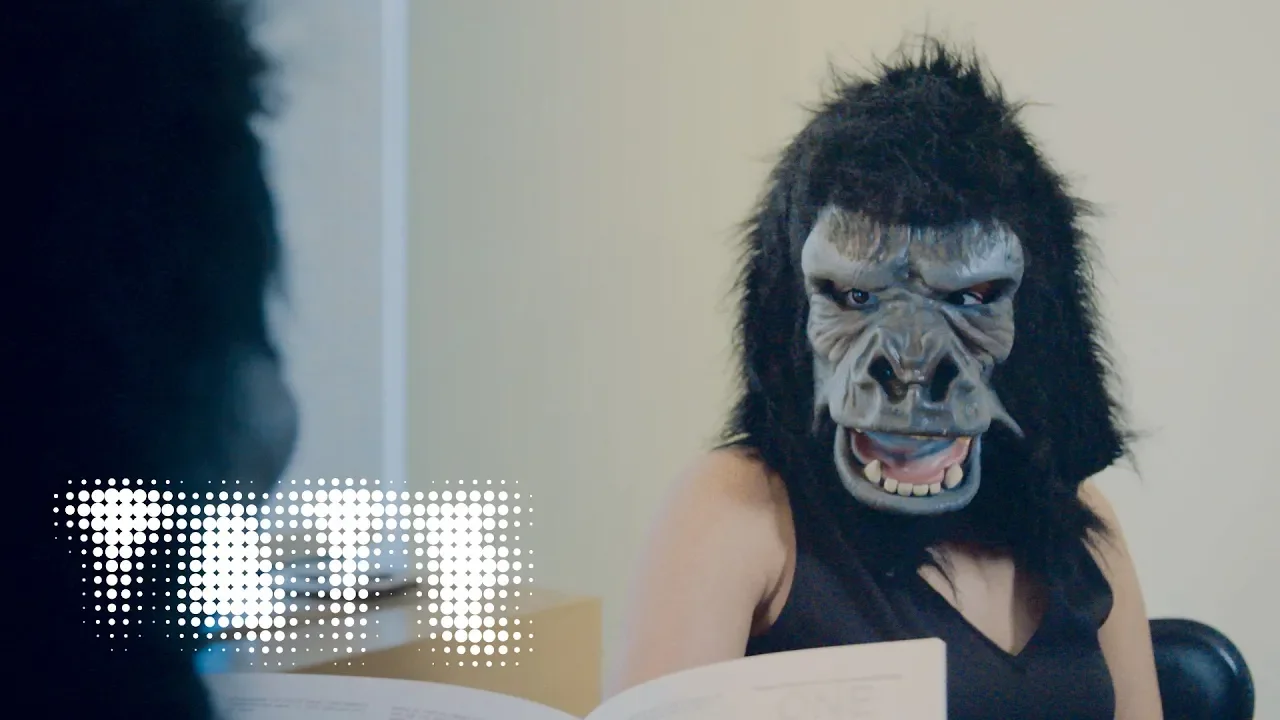
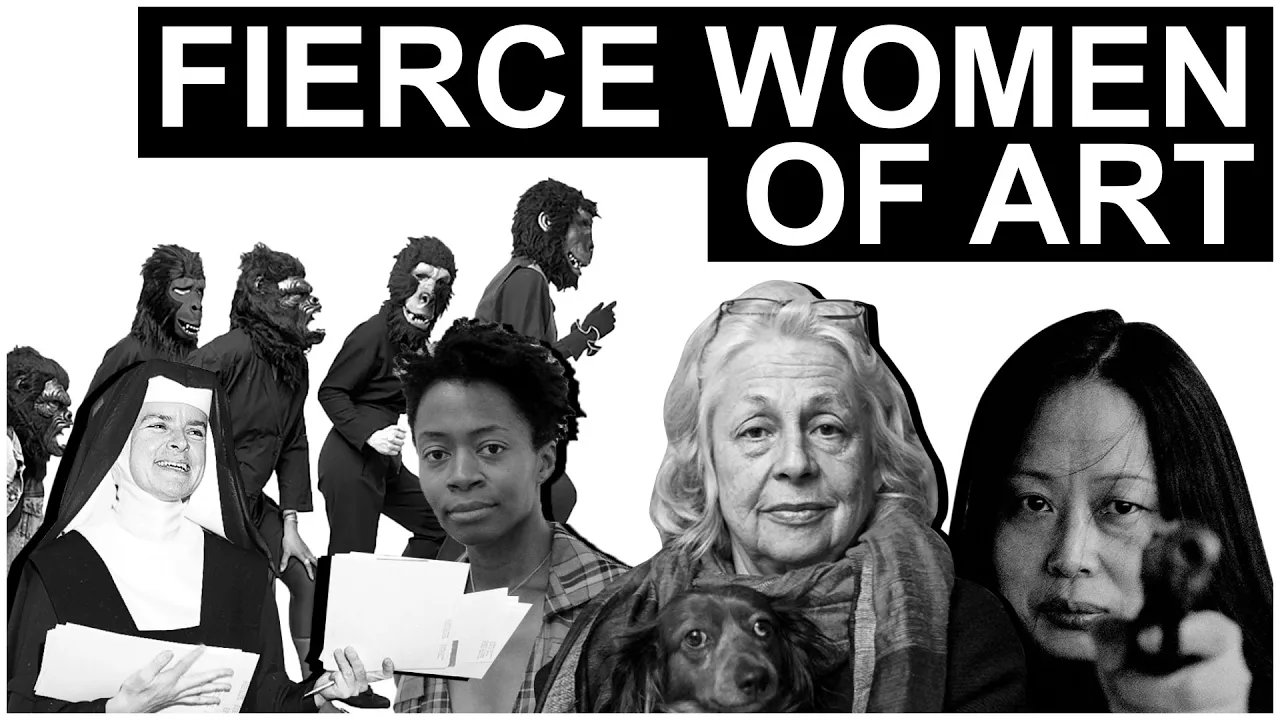
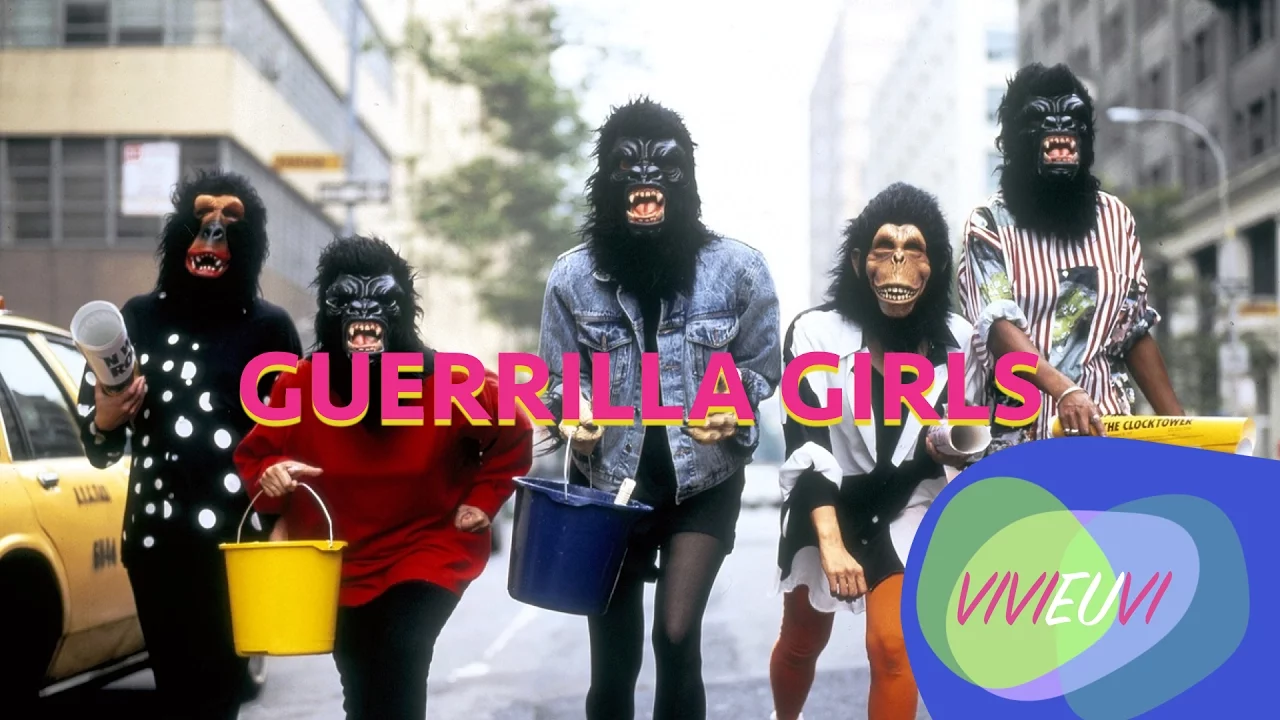


Women artists have been systematically excluded from art history due to institutional barriers that prevented them from accessing the same privileges, education, and opportunities as male artists, which has resulted in their significant underrepresentation in museums and art collections; this exclusion has been challenged through feminist art movements and dedicated institutional efforts to acquire and showcase works by women artists.
Women Artists in Focus: Hunter Museum Curator's Tour
Added:An understanding of the key waves of feminism and their intersection with social and cultural movements in 20th-century America.
The concept of the 'art historical canon' and the historical marginalization or exclusion of women artists from major institutions and textbooks.
An introduction to 'materiality' in art, specifically how the choice of physical mediums (e.g., textiles, organic matter, industrial materials) carries conceptual and political meaning.
Familiarity with the general timeline and major shifts in Post-War and Contemporary American Art.
In-depth study of Intersectionality in Feminist Art, exploring how race, class, and queer identity challenge and expand early feminist art narratives.
The theory and practice of Institutional Critique, examining how contemporary artists and curators actively work to deconstruct and reform museum collection policies.
Exploring the 'Craftivism' movement and the reclamation of historically 'feminized' domestic crafts—such as fiber arts, ceramics, and embroidery—within elite gallery spaces.
Analysis of prominent feminist art collectives and landmark exhibitions, such as the work of the Guerrilla Girls and their impact on gallery representation statistics.
180 views0likes27:39Original Release: 2020-09-10
i'm going to use the microphone because of the mask so if you can't hear me let me know or whatever but thank you guys so much for coming out and for coming in the unique situation that we're all in my name is Nandini Makrandi. I'm the head curator here and along with other staff i worked on the f word we mean female we came up with the idea of an exhibit about women artists it was originally called feminism and fabric which now sounds really duddy to me like silly but anyway three years ago we were talking about the fact that we had five or six works that had fabric and you can't put fabric on view very often it's light sensitive and they were kind of big and we wanted to do a focused exhibit on that by women artists and then we decided well there's a lot of work by women artists that don't get out as often as we'd like because of fragility or scale and so we built this exhibit and we wanted you to know that first and foremost that women artists are a priority at the museum and i don't just mean that now but for the last 20 years we have really made it an acquisition priority we've added nearly 100 works to our collection by female artists in that time we've added a lot of works to our collection but 100 of those are about women artists so it's we wanted you to see some of them and to see them together in a space and see the energy they have with each other so that was our first reason for kind of expanding the show the second is that it's the 100th anniversary of women's suffrage in the united states which the actual date was i think two days ago and tennessee had a huge role to play a significant role in passing the 19th amendment so it was a good year to do this exhibit and to commemorate that as well of course just because an amendment passes and the law changes doesn't mean everyone gets everything right equity takes a long time and over the course of the last hundred years you still had the women's rights movement come and grow you have the civil rights movement growing all the time you have the gay liberation movement and as these socio-political things are happening so is an art movement and specifically for women it was the feminist art movement okay so and the reason that's important is because some of the works upstairs kind of come out of this idea out of these thoughts and dialogues so let me see if i can do this so what do you think have there been any great women artists okay i want you to name five artists that are not mary cassatt and not georgia o'keeffe and not frida kahlo diane arbus okay anyone else mary cassatt okay yes ma'am jenny holtzer and we have one on view here you had one okay yes sir um okay so you guys know a few but you know in the pre-internet days when i went to school they would say this in a class and people came up with george o'keefe mary cassatt and maybe artemisia gentileschi if you studied art history who was a baroque artist who was a student of caravaggio so those were the three women if you were lucky that were in an art history book and even today you will in the internet days you will see these posted on museum sites name five women artists name one woman artist that's not these famous famous people so linda Nochlin who is one of our foremost feminist art historians in this country wrote an article that was considered very radical in 1971 and it was called why have there been no great women artists so she didn't say have there been she said why have there not been so she was kind of positing the idea that there had not been and she argued that they weren't simply underrepresented in art history books but that they didn't exist and she said the reason for that was that they were systematically shut out of the privileges that mail artists had for generations for centuries couldn't have apprenticeships couldn't go to the same schools or classes the way a painter showed their prowess was to paint the nude or to paint the human figure women were not allowed to paint nudes male or female so they were designated to lesser subjects those would be still lives landscapes those things of that nature so what linda knockland was saying that if you have the systematic kind of well just shutting out and designation that you have talent but it's going to be stifled that there aren't any great artists now you can agree with that or disagree but the point is that her putting that out there started a discourse it started a dialogue and it started a lot of discussion about how to change that and so when you walk around upstairs and you see the 32-ish works we have up there some of the things you'll see that came out of the last 40 to 50 years is that women artists have helped shift the standard of beauty and of subject matter from a male standard to a more universal one you know it's not necessarily about the beautiful woman it's sometimes about anti-beauty and they're comfortable with that and i'll show you a couple examples um they're questioning political and social stereotypes and they're using unearthed art sorry unorthodox materials and the main one we explore upstairs as fabric and that's why originally the show was feminism and fabric but you know i think we have a better title now right okay so the first one we're going to look at it's one of the first pieces you see when you walk in is by miriam schapiro and this piece is probably six to seven feet across it's pretty massive and it's one of her robes series and miriam shapiro is definitely considered a pioneer in american art and 20th century art and she put together this is a painted surface with kind of block printing ooh this has a this this is uh painted with block printing on top like a stenciling process and then this is fabric that's collaged and glued on so this middle part that's paint and fabric with almost like glitter paint around it and then this is all fabric and this is painted so this mix of material she called femage so the fem being feminine and the collage is the femmage and then also fabric and um so why is her use of fabric so important it was an unorthodox material what is fabric really associated with clothing right who took care of clothing for centuries washing mending sewing embroidery knitting quilting women so it's this invisible world of women's domestic chores that are being pushed in the forefront when you use fabric and even if a female artist working today says that's not what they're thinking about in the art world a 20th or 21st century female artist using fabric that's the that's the intimation so that's why we wanted to explore that so the robe is also so big it's very pretty it's ornamental and um but it's so big that it really doesn't define the form right it's just kind of this lavish kind of imperial robe and so she's referencing also the kimono shape and she was referencing her other series which is very famous as fans and both of them are references to japan and kind of the way we exoticize people like geishas in that culture instead of taking those women more seriously so it is because of people like miriam shapiro kind of pushing the boundaries of these processes that weren't considered serious art making processes that other people were able to use fabric seriously in their work too and i'm going to show you three more works that kind of uh build off of that so this is leslie dill excuse me um leslie dill is we have two works by her in the collection and they're both upstairs and personally i have a i have a real fondness for her work um this is one of the first pieces it's called white threaded poem girl that i recommended for acquisition 16 years ago so i guess i'll always have an emotional attachment for it with it and at the time i didn't know it had a connection to india which is where i'm from so once i found that out about 10 years later i was even more connected to it but that aside um this is on silk it is tea stained so with tea literally painted and it's almost i'd say what nine or ten feet tall john all right yeah so she is life-size the figure and a words of an emily dickinson poem are all over her and the poem is upstairs i believe on the label and then these threads kind of come are embroidered and attached to her and then they come down and the reason you see this temple over here this is a temple in nepal and leslie spent a couple of years in india which really influenced her artistic development and she's very interested in how text and figure overlap so every work you see by her has those two components it has a person usually a female and it has um text and this you see this thing coming down from the temple that is what she call what she was told was the tongue of god so you go there it's almost three stories tall and you tell the tongue of god your hopes your dreams your prayers and they go straight to the heavens and so that inspired this piece where the threads kind of become that alleyway that pathway to the heavens or for your dreams and desires um you could read them lots of different ways those things could be flowing out of her or they could be flowing into her but when you stand in front of that piece and look up at her it's just it's beautiful it's really lovely and this is another piece by leslie and this image doesn't quite do this piece justice it's our biggest piece up there and it has that same mix of figure and text so you have this this piece is almost 50 feet across and about 17 feet high and it's a site-specific install which means it's you know can be changed according to the space you're in so it can be made a little bit smaller or a little bit bigger it can actually go up to 60 feet so it can be bigger but um you have a figure a little red figure that's about five feet uh if it was standing and it's sized to leslie and it's female she calls it a woman and from the female figure are all these banners that go up into the heavens so it's the same idea as the other one and those words that are embroidered on there are the visionary experiences of 700 people so she thinks she had a vision when she was about 13 or 14. and then in 2001 she did this project called tongues on fire where she collected the visionary experiences of 700 people and the phrases she saw over and over she embroidered or she heard over and over she embroidered onto them and the phrases are things like i heard a voice here i've got some more of them written down here the room is on fire my insides melt into light uh words flood in time stood still so a lot of things like that so there's really and the fabric moves a little bit because our ventilation system but the whole piece really just kind of takes your breath away the red is brilliant and bright and celebratory and this again goes back to the fact that in india red is the color of celebration it's what you wear to weddings that's what the wedding dress is it's usually red and the figure is made of this kind of fabric mache process and it's powdery the paint is a little bit and that references the red powder they put for uh spiritual blessings and things on forehead so it's all kind of about the joyousness of something positive um so if you guys have questions or thoughts please feel free at any point or i'll just ramble it's another work um on fabric but very very different than the last couple that we've been looking at so this is alicia henry she's from well she lives in nashville she teaches at fisk university and she was in an exhibit here a few years ago leslie was also our first traveling exhibit that went around the country so these are all artists that we have supported in some form or fashion so when i say we've made it like a consistent effort that's what i mean to to really support female artists so this piece is also about seven feet tall and you know you have kind of this formless shift not emphasizing a figure at all i mean a body at all it's not pretty it's made of wool and cotton the face is made of leather and wool and it has a kind of mask apparatus right here with the big nose and alicia tends to make disembodied and parts of figures this idea of the figure never being quite whole and there's so many layers to this work figuratively and in and literally one is that there are layers of cloth sewn together it's wool cotton leather so natural materials and then there's this idea of masking and i don't mean these i mean like the idea that we all present ourselves differently in different situations that we hide our identity or we present ourselves differently in different places whether it's work or home or parents or school but it also draws to mind african masking traditions which are more spiritual and african clowning traditions but in this country it really talks to stereotypes of how african americans have been depicted and also of um like not really knowing another person or of whites donning blackface so there's a lot of a lot of layers here to consider and when you're in front of this work um it's a little intense and it's not pretty it's this idea of anti-beauty that i mentioned earlier she's not trying to be pretty she is pointing out to you that things are difficult and are not always what you see so i mean i really love her work um and but it's an interesting interesting thing to kind of consider and think about as you're standing in front of it okay so this is one i don't know how many of you were involved with the museum in 2007 anyone maybe andrea do you remember filling this form out no okay so this was a really interesting project we did it took about a year and um there's so this is a husband and wife team and so i did include two men in this exhibit and their husband and wife teams because those do exist in the art world and this is a work that we can't get on view very often because it's massive and so we wanted to include it um so eric chan and heather schatz are the two individuals and they combined their name into ChanSchatz and said they were one person and so you know you addressed them that way and they took equal responsibility for their artworks and their artworks are what they consider really communal portraits or identities and i'll show you the artwork in just a moment but they gave this survey what they called a survey out to 400 people that made up the hunter community so those were staff people board members volunteers guests like you and for a year we collected surveys and the survey was made up of a series of choices determined by the artist so you had these icons you had a sector of the painting that you could indicate you had a phrase you could choose there are colors that you could choose and then you signed and dated it there's a few staff who still work here i did one of these she did one of these and so it was definitely going through the filter of the artist right because they chose all these things for us to mark and then they chose how they would be combined and so this is the work and on the left image right there is the actual that's how the color really is and that's the painting by itself and then they added these mirrored plex pieces this mirror acrylic stuff and together they're like 25 feet across so it's a really large piece and so this communal portrait of the chattanooga community and the hunter community um has this interest a lot of flowers it's very bright and then it has this kind of lobster gun that's very reminiscent of salvador dali and then it has a cross and i'm not sure where they got to these this iconography from this so considering this and the options available do you think this is a portrait of the artist or the hunter community so i find that interesting to ponder because i really felt like they put they had some um stereotypes that they were addressing here when it came to the gun and the cross but maybe not um but the interesting thing here is the mirrors when you go up there you of course will see yourself reflected in the mirror so then you are part of the community right so i thought that was very clever and interestingly also this is screen printed on silk so this is also a fabric-based work we do have a few native american artists in our collection and we have two female native american artists upstairs and this is Jaune Quick-To-See-Smith and she's from montana from the confederated salish and kootenai tribes and her work is all about the mix of trying to live in two different cultures at one time the native culture and then the rest of american society and how those either get along or don't um she grew up in the abstract expressionist era she's 80 and so her work has that gestural quality it's very abstract at times if you see her paintings this is a print but if you see her paintings which are mostly in really big museums you will see bright colors like and slashes of paint and drips very reminiscent of robert rauschenberg and here you have this head that's like a square white head and a round gray head kind of this two-headed figure trying to close coexist and perhaps struggling a little bit and the top part says our communities grapple with the house divided right here and down here under the bison and you have some images here that kind of reference native american iconography like the bison on the bottom it says a great american tale but what's the ending and next to it says a tangled web of intersecting interest and although this was made you know in 96 so that's what 24 years ago i find it still so relevant today like this is not nothing's changed here there's still all these questions that we have um for not only native communities but others and how we're all trying to get along and what is the great american tales ending so it's an interesting piece for you to explore when you're upstairs so how many of you have seen this painting the french painting before like everybody right just about by edward manet olympia it's in paris very famous um this is a but the work in our collection is by carrie mae weems and carrie mae weems is an african-american artist and she is exploring the male gaze which is this idea that women should look a certain way and have been depicted a certain way artistically and in films in comic books even in pop culture and that is that they're sensually depicted as objects always um and so the phrase and this is her gazing into a mirror very much in in one of those poses right the sensual woman kind of peeking at herself and she says it was clear i was not manet's type picasso who had a way with women only used me and duchamp never even considered me and so there's a lot of things here she's referencing three very famous white european artists the painting there mene has a painting us the male gaze right there where a woman is presented in in you know her as a lovely female form but that painting was actually considered radical in its time because that woman is looking back at you rather than being demure but the only dark figure the african figure is black the black figure is the maid so that's what she means by she was not manet's type picasso who was known to be a womanizer and misogynist didn't really relish his models and hence the only used me and when he did use african figures it was kind of to take african art and use it for his own purposes rather than acknowledge the ritual use of it and duchamp who was a dada and surrealist really kind of deconstructed the form he was not interested in women looking the way they were so it's a really fun piece in a way but it's also very much about the idea of anti-beauty and and the male gaze so there's a lot packed into some of these pieces so i'm going to finish with our two newest acquisitions which happen to be made of glass and like fabric glass is one of those things that's often the stepchild of the art world okay it's not always considered serious even though we have many beautiful sculptures made of glass and there's no reason why they shouldn't be and part of that is because glass tended to be utilitarian right vases glasses cups windows things that you don't take maybe take for granted so think of stained glass windows gothic cathedrals light coming in for divine light to bless the worshippers this is judith Schaechter and i believe this is the most recent acquisition for the hunter before we had to close for kovid and it is a very layered stained glass light box upstairs and it's a little washed out out here but you see a female form laying on the ground and she's inundated with all these flowers that a bird seems to be spewing out at her so you could take it as kind of this metaphorical existence where we feel inundated someone said to me well that's really covid and i was like okay maybe in today's world that's what it is it's all the germs coming at you um but she is interested in biblical tales and so this is really if you think back to gothic cathedrals in an annunciation scene this is mary being visited by the holy spirit so there's a lot of ways you can take this judith's process is very interesting and we have it explained the best we can up there but i would encourage you to go to her website and really read about it and look at the pictures but it's layers and layers of glass it looks like it's painted and she says she hardly paints it's mostly engraved and layers of glass to get the colors which is very different from how stained glass was made you know eons ago and one of the things about this being kind of a craft process that's being pushed into the fine art world is that stained glass wasn't taken seriously i mean tiffany fought for a long time to have his artworks taken seriously and he employed a lot of women who never got credit for what they did either so it's interesting that you have this woman who's right now she's got a traveling show that goes around the country with all her light stained glass windows and they are all a little bit surreal and pushing the envelope of subject matter and this is a work we got last octo november it's by amber cowan this is probably the youngest artist in the exhibit um and again she's using things that you might see at home on an old vase or like a little china basket glass basket that you might have seen growing up or something and she gets her bits and pieces of glass from old factories that don't exist anymore or thrift stores and antique malls so and then she reworks them so she flameworks she blows she hot sculpts so this is both the comment on consumerism and throwaway society these are manufacturing plants glass manufacturing plants like fenton art glass that are now no longer exist and again she's referencing domestic objects that would be associated with the invisible world of taking care of a home and making it something and ornamental things that weren't taken seriously in the art world and pushing it into the art world and this is very intricate it's described as being grotto like and she tends to work monochromatically and it is very lush and dense and really beautiful upstairs um okay so let me wrap up i want you to know i think i told you we acquired almost 100 pieces in the last 20 years we've also in the last 15 years organized 31 solo exhibitions of women artists other exhibits have also had women in them of course but just solo exhibits and three exhibits of women artists that we've organized that have traveled to ten museums around the country in the last decade so it's not it's a step those are significant steps we clearly have a lot more to do but one of the great things about linda nochlin kind of helping prod that discussion forward and all these women making work and not being hampered is that artists who are coming into this world today have both male and female artists to look up to and hopefully they can name more than those three that we all can name right so thank you guys for coming and please enjoy upstairs and we have a lot more women artists than our upstairs throughout the gallery so if you haven't been lately there's oops sorry look for an icon it's like a little pink icon and that's a woman artist so thanks you
Up Next

12:21
Ana Mendieta: Body Art & Silueta Series in Feminist Art History
@CamiiW123
18.2K views•2021-06-09

114:18
Christian Iconography: History, Theology, and Meaning | Fr. Panayiotis Papageorgiou
@Trisagionfilms
58.8K views•2020-02-21
7:48
Ukiyo-e Art: History, Woodblock Printing & Influence
@japanathand
6.3K views•2023-06-08

16:34
Earliest Depictions of Jesus in Art: 10 Ancient Images Explained
@UsefulCharts
5.9M views•2022-06-03
Related Study Plans & Knowledge Roadmaps
Structured learning paths in Art History
art-history
Gothic Cathedrals: Engineering, Light & Society
01The Birth of the Gothic: Romanesque to Suger's Vision
02The Structural Triad: Pointed Arches, Ribbed Vaults, and Flying Buttresses
03Theology of Light: Lux Nova and Sacred Geometry
+ 2 more learning modules
14h5 modules
Explore Roadmap
art-history
Pre-Raphaelites: Realism, Symbolism & Critique
01The Victorian Art Establishment and Academic Formula
02The Founding of the PRB and Radical Realism
03Medieval Revivalism and Literary Symbolism
+ 1 more learning modules
8h4 modules
Explore Roadmap
art-history
Street Art: From Subways to Art Market
01Subcultural Origins in Philadelphia and New York (1970s)
02The Subway Era and Style Wars (Late 1970s - 1980s)
03The East Village Scene and Early Gallery Crossover
+ 2 more learning modules
10h5 modules
Explore Roadmap
art-history
Classic Maya Art: Iconography, Glyphs & Ritual
01Foundations of Classic Maya Visual Culture
02Deciphering Maya Hieroglyphs & Text-Image Integration
03Sacred Geography and Cosmological Architecture
+ 2 more learning modules
14h5 modules
Explore Roadmap