















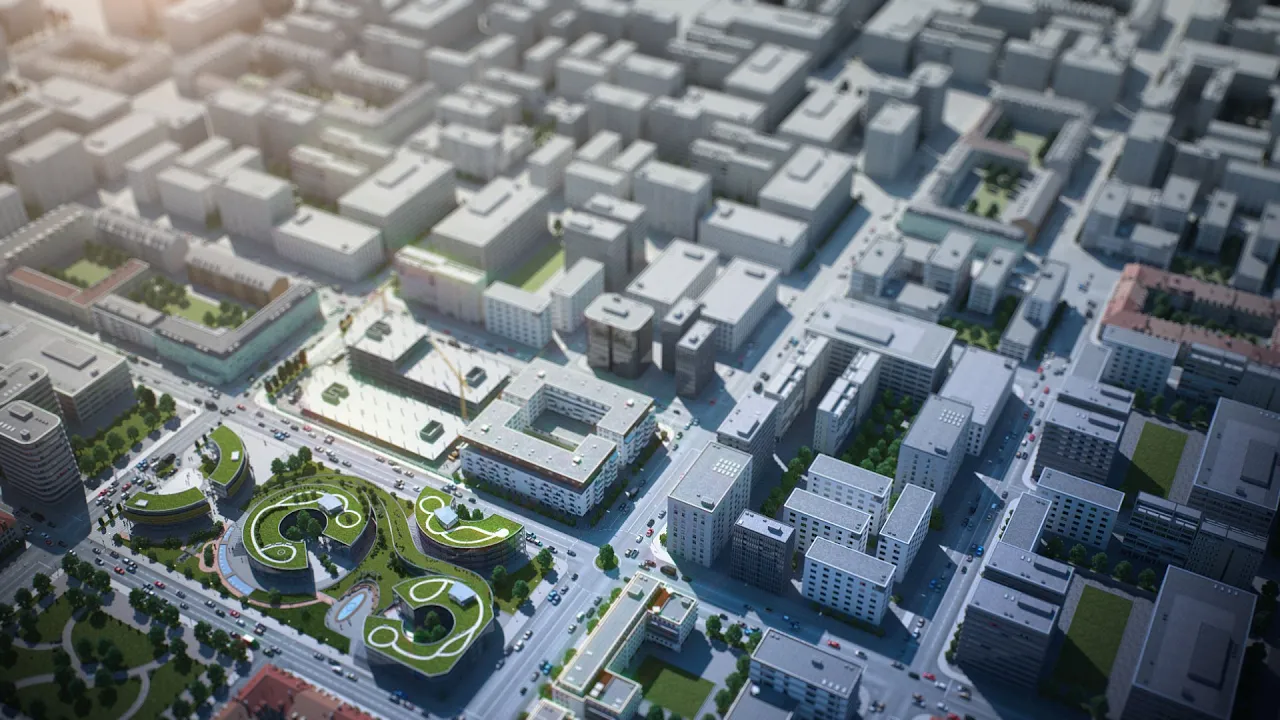


Albedo is a measure of surface reflectivity that determines how much solar radiation is reflected back to space versus absorbed by Earth's surfaces; higher albedo surfaces (like light-colored materials) reflect more energy and stay cooler, while lower albedo surfaces (like dark urban pavement and rooftops) absorb more heat, contributing to the urban heat island effect and increased energy consumption for cooling. Strategic modification of surface albedo in cities can significantly reduce heat islands, decrease energy demand, and mitigate climate change impacts—research shows that converting urban roads to higher albedo pavements could save 20 million tons of CO2 annually in the continental US and reduce heat wave occurrences by 41%.
Albedo Explained: Urban Surfaces & Climate Impact
Added:Basic understanding of electromagnetic radiation, specifically solar spectrum components like visible light and infrared radiation.
The fundamental principles of thermodynamics, particularly how light absorption converts radiant energy into thermal energy.
The concept of the Earth's radiation budget and the greenhouse effect.
Elementary geography or environmental science concepts regarding urban development and land-use changes.
Advanced urban planning strategies and green infrastructure design, such as cool roofs, green roofs, and reflective pavements.
The study of global climate feedback loops, specifically the ice-albedo feedback mechanism in polar regions.
Microclimate modeling techniques and software used to simulate thermal comfort and heat distribution in cities.
Environmental policy, building codes, and LEED certification standards related to sustainable materials and urban heat island mitigation.
54.8K views384likes3:03Original Release: 2019-04-12
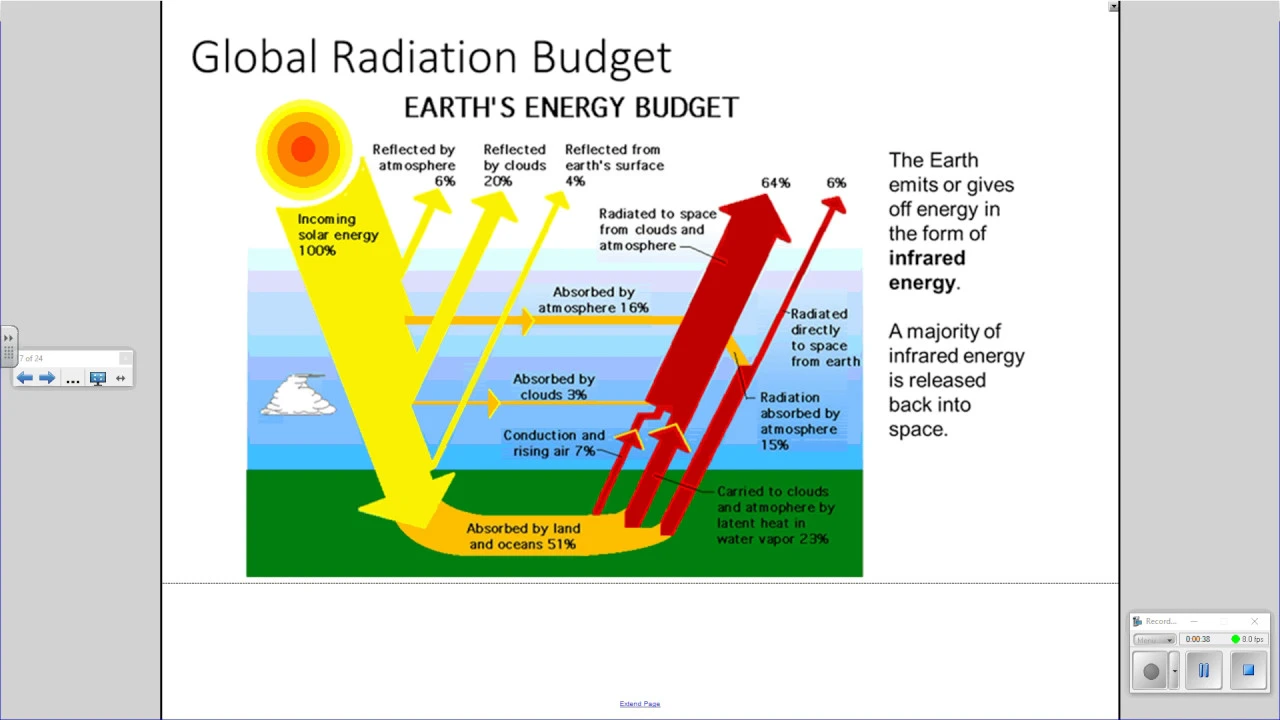
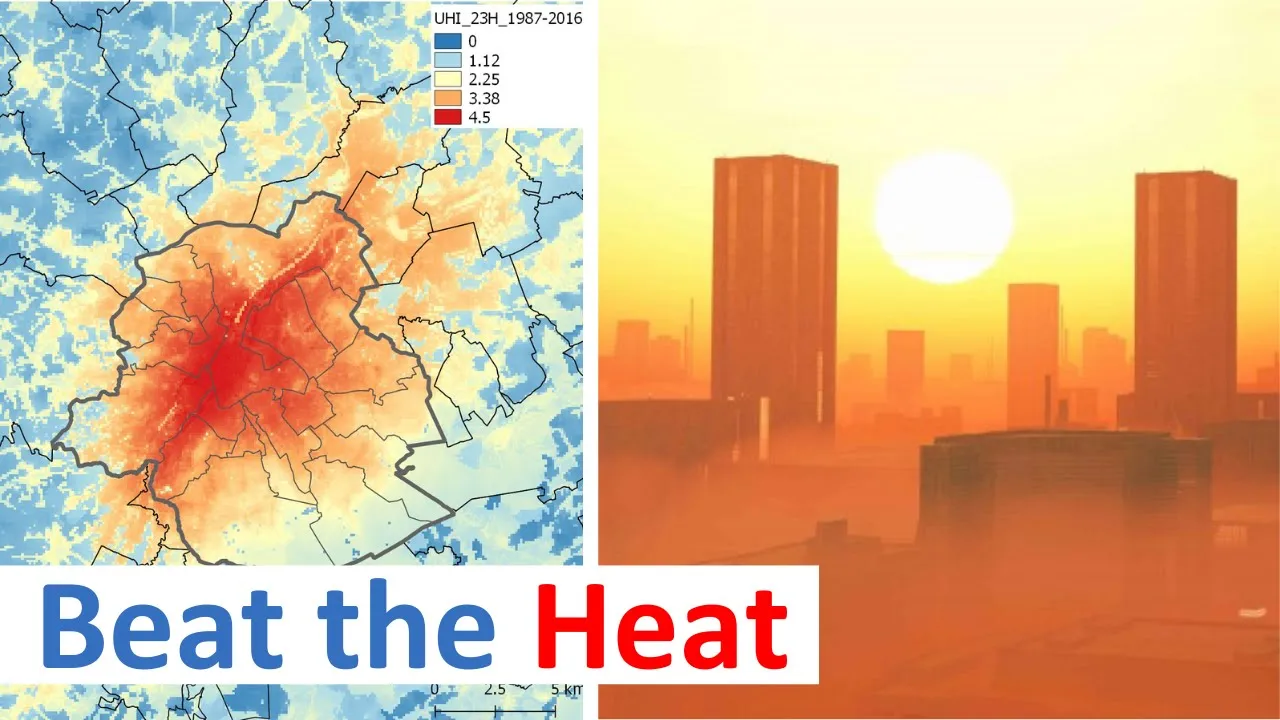
if you ever walk barefoot on pavement in the Summer Sun you probably know how burning hot you can get this phenomenon as it turns out is more than just a nuisance it actually has a dramatic impact on our daily lives from the Earth's climate to human health we refer to it as albedo here's how it works solar radiation constantly enters the atmosphere where does either absorbed or reflected by the Earth's surface while the energy that is absorbed stays and warms the earth the reflected energy travels back to the atmosphere some of which is returned to space albedo is a measure of this reflected radiation the higher the albedo the more energy is reflected in the lower the albedo the more energy is absorbed we can actually measure the magnitude of albedo in large part due to color lighter colored surfaces reflect more radiation which we receive as light and have a higher albedo on the other hand darker services absorb more light and have a lower albedo so what impact does albedo have on our lives when sunlight hits a city dark man-made surfaces on pavements and roofs absorb this energy and begin to heat up this warms surrounding areas throughout the day and long after the Sun sets this phenomenon by which cities experience increased temperatures relative to their rural surroundings is known as the urban heat island effect to compensate for the increased temperatures caused by this effect cities are forced to consume more energy to cool overheated buildings which can accelerate climate change and introduce harmful pollutants into the air so at first glance the albedo of urban services seems pretty destructive but that isn't always the case we can actually use albedo to our advantage by modifying their activity of services around us we can directly impact the relationship between the amount of energy absorbed by the planet any amount leaving it this has the potential to significantly mitigate the impacts of climate change and the urban heat island effect according to our research at the MIT concrete sustainability hub if all urban and rural roads in the continental United States were converted to higher albedo pavements savings would equal 20 million tons in co2 emissions per year this would be like removing nearly 4.4 million cars from the road we also found that a moderate increase in the albedo of pavements only in u.s. urban areas led to a 41 percent decrease in heat waves across those areas as heatwaves lead to increase mortality increasing albedo will not only mitigate climate change and the urban heat island effect it can also save lives as climate change accelerates over the coming decades we will need to think creatively to alleviate the worst of its effects playing with the surface albedo of our cities and highways may prove to be one such creative strategy to learn more about albedo and albedo research being conducted at MIT go to CS hub that MIT the edu slash pavements slash albedo
Up Next
10:00
What Is the Urban Heat Island Effect? | CNN 10
@CNN10
105.8K views•2023-08-30

15:54
Life in Biosphere 2: Sustainable Ecosystems & Human Survival
@TED
334.9K views•2009-06-16
14:30
Microplastics Everywhere: How Plastic Impacts Our Lives
@TEDx
100.9K views•2018-05-08
10:28
Ice Stupa Artificial Glaciers: Solving Ladakh's Water Crisis
@SonamWangchuk66
3.2M views•2015-05-03
Related Study Plans & Knowledge Roadmaps
Structured learning paths in Environmental Science
environmental-science
Ocean Noise: Cetacean Impacts & Mitigation
01Fundamentals of Underwater Acoustics
02Marine Mammal Bioacoustics
03Anthropogenic Noise: Shipping & Seismic Surveying
+ 2 more learning modules
16h5 modules
Explore Roadmap
environmental-science
Road Ecology: Corridors, Overpasses & Fencing
01Foundations of Habitat Fragmentation and Carnivore Ecology
02The Road Barrier: Ecological Impacts of Transport Infrastructure
03Principles of Ecological Corridors and Connectivity Mapping
+ 3 more learning modules
14h6 modules
Explore Roadmap
environmental-science
Ocean Acidification: Kelp Buffering & Shellfish
01Fundamentals of Ocean Chemistry & pH
02Chemical Pathways of Coastal Acidification
03Bivalve Physiology & Calcification Under Stress
+ 2 more learning modules
18h5 modules
Explore Roadmap
environmental-science
Ice Stupas: Glacial Retreat & Water Security
01Foundations of Glaciology & Mountain Hydrology
02Climate Change and Glacial Retreat Dynamics
03The Science of Ice Stupas & Artificial Glaciers
+ 2 more learning modules
14h5 modules
Explore Roadmap