
















![E135: Do hot neighborhoods affect everyone equally? [SJK Audio Edition]](https://i.ytimg.com/vi/VNjQxLbSbg0/maxresdefault.jpg)





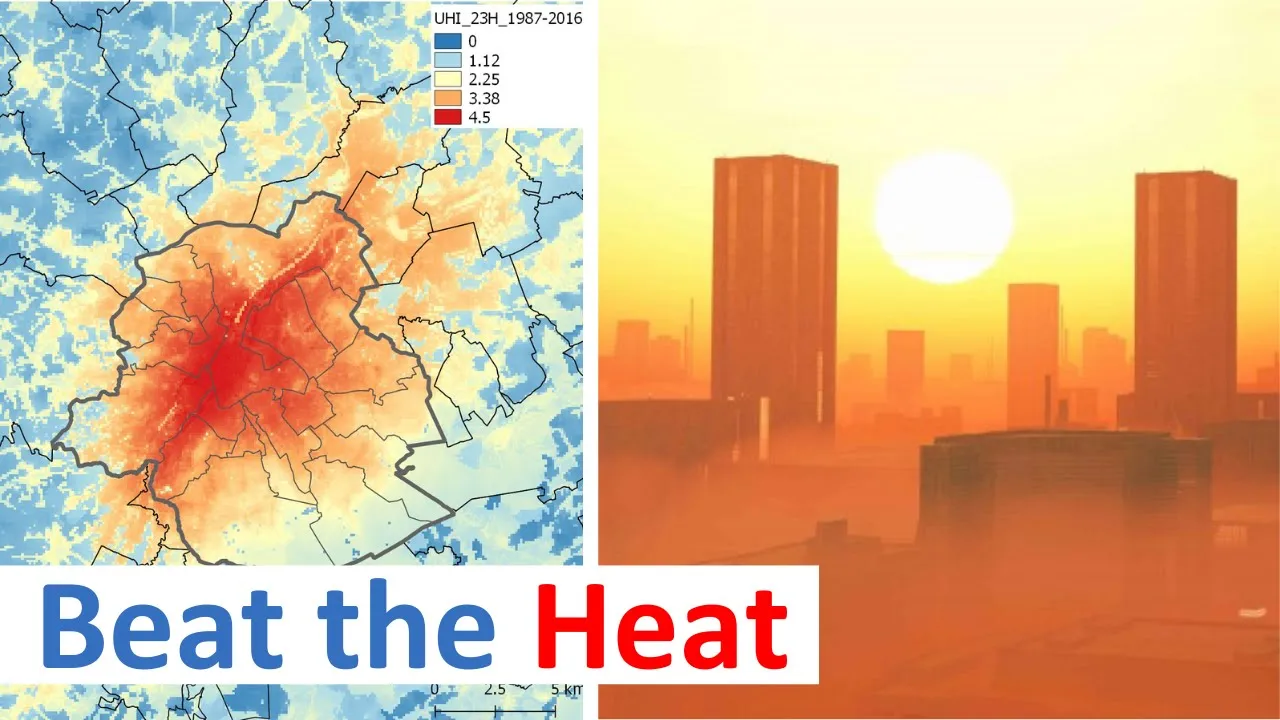
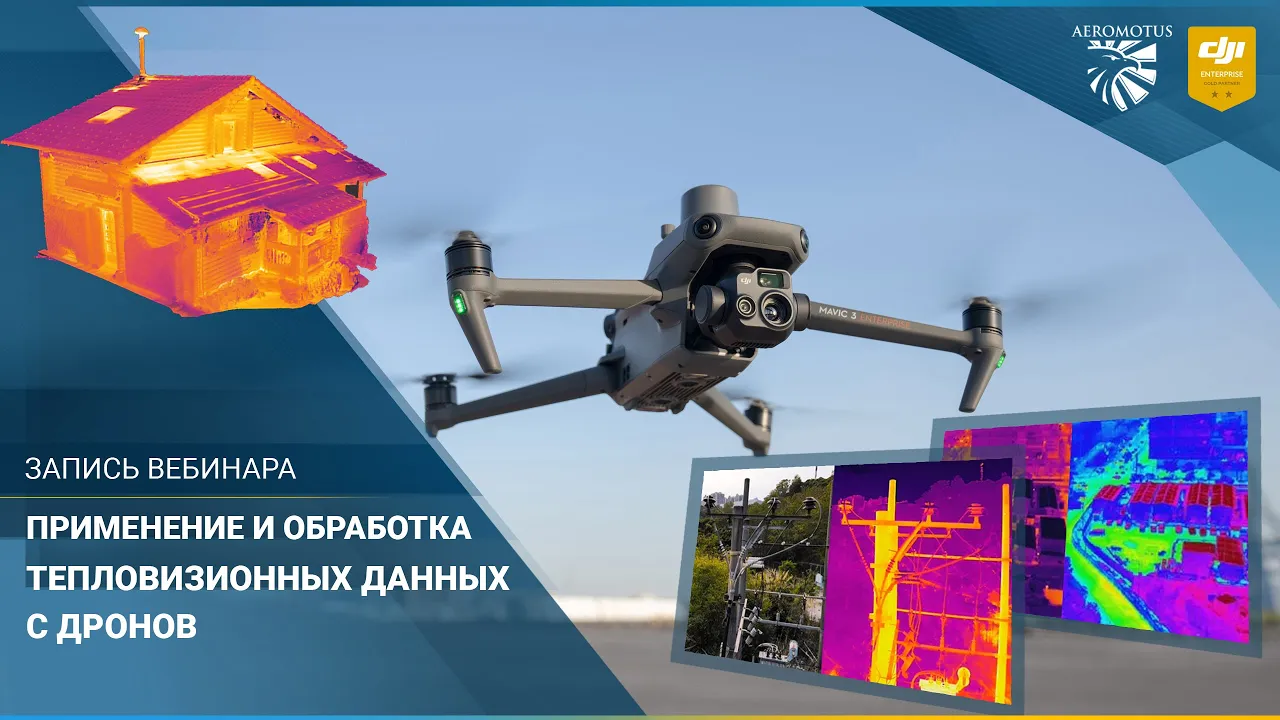
The urban heat island effect is a phenomenon where cities become significantly hotter than surrounding rural areas due to heat radiating off concrete and asphalt surfaces, with urban areas potentially being 15-20 degrees hotter; this effect can be mapped using specialized drone technology that captures thermal images alongside standard photos, enabling architects and urban planners to identify hot spots and implement cooling solutions such as increased tree coverage, lighter pavement, and green roofs.
What Is the Urban Heat Island Effect? | CNN 10
Added:Basic principles of heat transfer, specifically how different materials absorb, store, and re-emit solar radiation.
The concept of surface albedo (reflectivity) and how dark surfaces (like asphalt) differ from light or natural surfaces in absorbing heat.
The process of evapotranspiration and how vegetation and water bodies naturally cool the surrounding air.
An introductory understanding of microclimates and how localized geographic or structural features alter weather conditions.
Urban planning and architectural mitigation strategies, including the implementation of green roofs, cool pavements, and urban forestry.
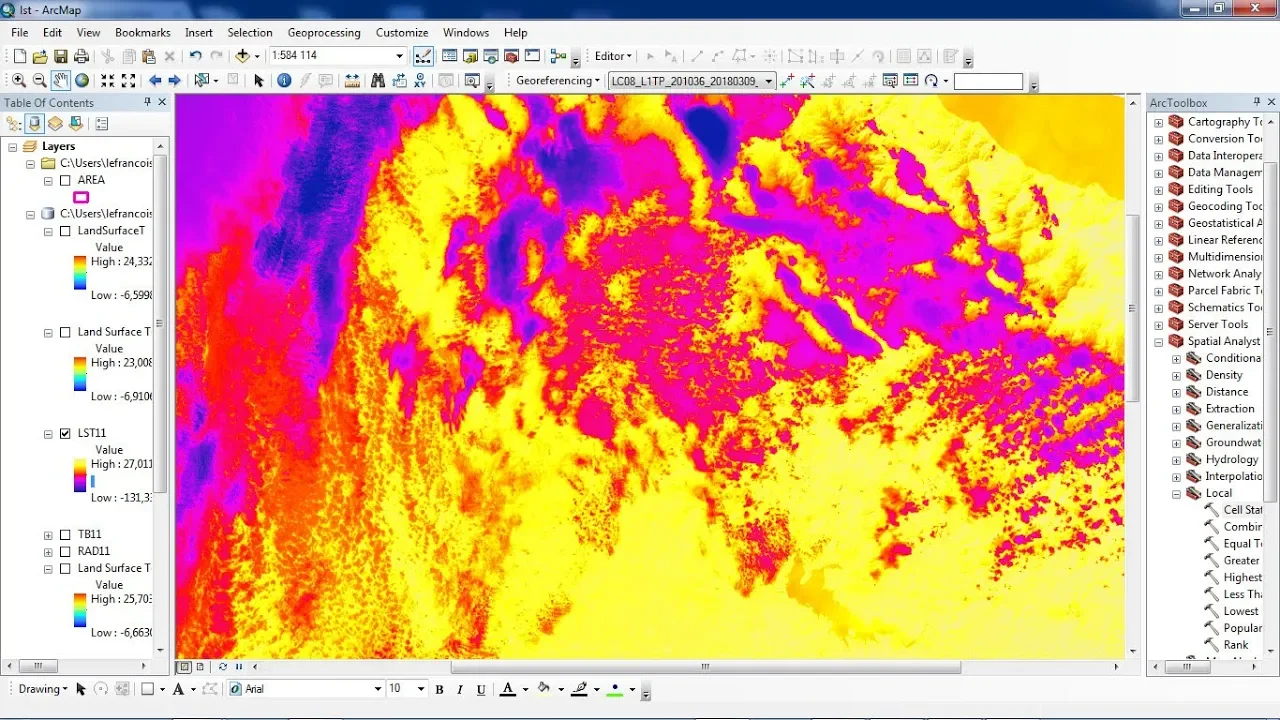
Advanced geospatial analysis techniques, specifically using thermal infrared (TIR) sensors on drones and satellites to map surface temperatures.
The socioeconomic impacts and environmental justice aspects of urban heat islands, particularly how they disproportionately affect marginalized communities.
The compounding effects of global climate change on urban microclimates, including increased energy grid strain and public health risks during heatwaves.
105.8K views1.2Klikes10:00Original Release: 2023-08-30
[Music] foreign [Applause] what's up sunshine happy Friday Eve it's Thursday August 31st a great day to be brave to be better to believe and most importantly be you to full I'm Coy wire this is CNN 10 and we start with the latest on Hurricane idalia the powerful storm made landfall in Florida yesterday with heavy rain and Winds of 110 miles per hour it's the strongest hurricane in at least 125 years to hit Florida's Big Bend region of the Gulf Coast this was the state's third hurricane in the past 12 months right before it made landfall idalia experienced what's called an extreme rapid intensification that's when winds increase by more than 35 miles per hour within a 24-hour span scientists say that's becoming more and more common due to warm water temperatures idalia jumped from a category 1 to a category 4 the second highest rating on the sapphire Simpson hurricane wind scale it then dropped back to a category 3 before hitting land it pushed water onto Shore in a record-setting storm surge it also cut off power to hundreds of thousands of people and check this out Pilots caught this rare footage while evacuating an air base ahead of the storm that's not lightning it's an uncommon weather event an electrical phenomenon known as Saint Elmo's Fire after the fast-moving storm passed through the recovery and cleanup effort began right away we are in Pinellas County just on the other side of Tampa Bay uh where there uh there's still some flooding concerns for a part of the city uh the mayor tells me that they're still waiting for some of this water to recede so that officials get a better a clearer picture of the kind of damage that they're dealing with here uh Jerry if you can show them just up the street from where we are here along the coastline you can see uh one emergency crew is out here on a pickup truck they've been driving up and down a little bit further up the street out here we're told some streets up there um are pretty blocked off cars really can't get in and out of that area we are in Gulfport again a part of Pinellas County where we expect that a lot of this storm surge to take hold it's what it was the one thing really that emergency officials across the Tampa Bay area and Pinellas County were really worried about they didn't want folks to be out here doing exactly what they're doing at least earlier in the day because we still were going to have all of this water coming in off off the coastline out here we've had a little bit of rain although much of that has since cleared and so officials really were just telling folks really stay home stay away from this part of town because we're still dealing with some significant flooding the mayor tells me that a lot of the damage again does seem to have been more storm surge related than anything else 10 second trivia leonids perseids and quandratives are all names of what constellations animal orders meteor showers or fields of mathematics foreign me with a show of hands if you said meteor showers and these types occur in different parts of the year [Music] this Fireball lit up the Colorado night sky as it traveled over the Western U.S sightings were also reported in Nebraska New Mexico Utah and Wyoming NASA meteor watched field of reports of loud booms and shaking in the area caused by shock waves as the meteor disintegrated they estimate the fireball hurdle through the sky at approximately 41 000 miles per hour traveling 48 miles in four seconds before it crumbled above the Keystone Forest you get questions here all the time about comets asteroids and meteors meteorites what's the difference well let's start in space and work our way all the way down to the surface a comet is a snowball it's a piece of ice now the ice is mainly Frozen gas not water but there could be dust and rocks and things inside the comet Hayley's Comet now NASA knows of about 3 600 other comets than that one out there closer in in the asteroid belt these are rocks not gas they could be metal as well but they are hard surfaces and sometimes they come out of the asteroid belt get closer to the surface of the Earth or at least our atmosphere if one or a piece of a smaller one called a meteoroid hits the surface of the atmosphere it turns into a meteor it gets bright because it hits our atmosphere and begins to burn up if it doesn't make its way all the way down to the surface it turns into a shooting star now if it does make its way all the way down to the surface of the Earth and hits the ground and you can pick it up that is a meteorite have you ever heard of urban Heat Islands if you live in a big city you know how hot it can get in the summer especially with all that heat radiating up off the concrete and asphalt that's called the urban heat island effect and it was first documented way back in the 1800s by a meteorologist in London today we have tools that can help us identify and map these islands which can be 18 degrees hotter than the areas around them and that's important so these hot spots can be cooled down and that's exactly what the architects in our next story are trying to do in one study of the city had temperatures over 150 160 degrees we're cooking vast swaths of our city well done every single day why are we accepting so little why are the people here tolerating this our cities are hot by Design but they don't have to be that way Architects Keenan Gibbons and Salvador Lindquist are uncovering exactly how we're cooking our cities using specialized tools like this drone I snap pictures in parallel so I get a standard photo and then you get an identical thermal one at the exact same time and it's opened up a whole world that just didn't exist previously our cities are hotter than surrounding rural areas sometimes 15 to 20 degrees hotter in extreme cases heat is Amplified due to the different types of materials that you would commonly find in the city asphalt concrete of reflective Building Services this is the urban heat island effect governments and organizations use satellites to measure heat Distribution on a regional scale the problem with that is that satellites can only understand Heat at a 30 meter by 30 meter resolution we're trying to find ways to understand the really highly localized impacts of Heat and the Drone gets you right in there I mean you'd know that pavement was hot but how hot the Drone moves in an automated pre-calculated path it's similar to if you're a hockey fan like a Zamboni machine and takes tons of photos of a streetscape about 2400 2200 photos allowing for 3D modeling in thermal comparison shows this area because it captures an intersection in any City USA and so this is the urban heat island material palette the air temperature on this day was 84 degrees Fahrenheit shaded concrete was 89 exposed concrete 110 degrees Fahrenheit so we're jumping 20 degrees it's a full 30 degrees difference from the surface of the parking lot to the shade immediately behind me but black by two men rooftops are measuring upwards of 160 degrees Fahrenheit beef is considered cooked well done at 160 degrees heat is the leading cause of natural disaster related deaths in the United States and likely the world [Music] we can build a model from this detailed map and then provide appropriate treatment options you know going forward Keenan himself hope other architecture firms companies and even cities use this toolkit in the future who can then fight the urban heat island effect with vast tree coverage lighter pavement and white or even green roofs [Music] [Applause] some cities have trouble mowing grass and hard to reach places but America's goat Talent have no fear your eco-friendly grazers are here the city of Chicago goaded these goats after they spent two weeks filling up on gasoline clearing Seven Acres of hard to reach vegetation around power lines the cities celebrated by giving them a driving tour around Chicago these munching mowers are the greatest of all time helping to prevent outages caused by overgrown power lines since 2019 not bad not bad at all and some of the other greatest of all time the students and teachers at Lewis and Clark Middle School in Meridian Idaho you get the shout out today make the most of your moments today an ancient philosopher once said we all have two lives the second begins though when we realize we have just one I'm Coy wire and I'll see you tomorrow [Music] thank you foreign [Music]
Up Next

93:36
Mapping Urban Heat Islands with Landsat LST in Google Earth Engine
@NASAgovVideo
21.9K views•2020-11-12

15:54
Life in Biosphere 2: Sustainable Ecosystems & Human Survival
@TED
334.9K views•2009-06-16
14:30
Microplastics Everywhere: How Plastic Impacts Our Lives
@TEDx
100.9K views•2018-05-08
10:28
Ice Stupa Artificial Glaciers: Solving Ladakh's Water Crisis
@SonamWangchuk66
3.2M views•2015-05-03
Related Study Plans & Knowledge Roadmaps
Structured learning paths in Environmental Science
environmental-science
Ocean Noise: Cetacean Impacts & Mitigation
01Fundamentals of Underwater Acoustics
02Marine Mammal Bioacoustics
03Anthropogenic Noise: Shipping & Seismic Surveying
+ 2 more learning modules
16h5 modules
Explore Roadmap
environmental-science
Road Ecology: Corridors, Overpasses & Fencing
01Foundations of Habitat Fragmentation and Carnivore Ecology
02The Road Barrier: Ecological Impacts of Transport Infrastructure
03Principles of Ecological Corridors and Connectivity Mapping
+ 3 more learning modules
14h6 modules
Explore Roadmap
environmental-science
Ocean Acidification: Kelp Buffering & Shellfish
01Fundamentals of Ocean Chemistry & pH
02Chemical Pathways of Coastal Acidification
03Bivalve Physiology & Calcification Under Stress
+ 2 more learning modules
18h5 modules
Explore Roadmap
environmental-science
Ice Stupas: Glacial Retreat & Water Security
01Foundations of Glaciology & Mountain Hydrology
02Climate Change and Glacial Retreat Dynamics
03The Science of Ice Stupas & Artificial Glaciers
+ 2 more learning modules
14h5 modules
Explore Roadmap