














![LUYỆN NGHE TOPIK II LISTENING | 8 đề chính thức theo dạng #15 [39-40] | TEST + PHỤ ĐỀ](https://i.ytimg.com/vi_webp/SygZsn2Sg6M/maxresdefault.webp)


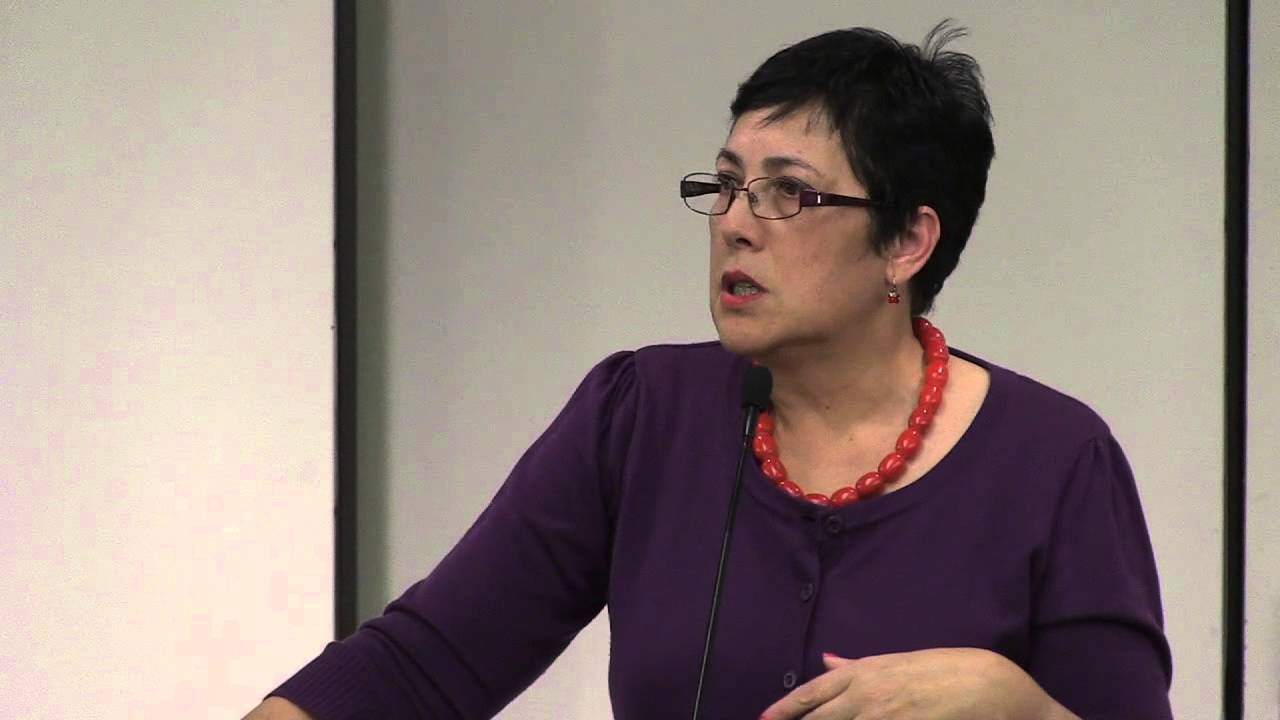
This lecture explores how indigenous media challenges Western frameworks of representation through the concept of 'cultural parallax'—a phenomenon where shifting the observer's position behind the camera creates different perspectives on cultural phenomena, enabling fuller comprehension of cultural complexity. Using the example of Telstra's controversial virtual Uluru in Second Life, Ginsburg illustrates how indigenous communities negotiate control over their cultural representations in digital spaces, highlighting ongoing tensions between Western notions of open access and indigenous protocols governing sacred sites and cultural circulation.
Indigenous Media Debates: Faye Ginsburg on Native Intelligence
Added:Foundational concepts of visual anthropology, including how ethnographers historically used visual media to document and study cultures.
The history of cultural representation and the 'colonial gaze' in Western media, particularly regarding marginalized and Indigenous populations.
Basic principles of media ethics, including issues of consent, cultural appropriation, and the politics of voice.
An understanding of cultural sovereignty and the historical struggles of Indigenous peoples for self-determination.
In-depth case studies of established Indigenous media organizations, such as APTN (Aboriginal Peoples Television Network) in Canada or NITV in Australia.
Advanced exploration of 'decolonizing methodologies' in qualitative research and participatory media production.
The study of 'Indigenous Futurisms' and how contemporary creators leverage digital media, virtual reality, and video games to assert cultural sovereignty.
Analysis of international legal frameworks and intellectual property rights concerning the protection and repatriation of digital cultural heritage.
660 views4likes9:41Original Release: 2010-05-25
okay um hi everybody um Kristen thank you so much for organizing this and also for the very generous introduction and um also I have to say um I kind of I was asked earlier today to describe the trajectory of my career and my real way of describing it as walking backwards a revolving door and getting into a building and didn't know existed because I didn't ever intend to go into academic life and teaching I was working in media and politics before that and um one of the really great hidden Pleasures that people don't tell you about is getting to have fantastic students like Kristen was and she was studying with us and many other colleagues that she knows so um it's really great to be here and I've had a wonderful two days and I just want to thank everyone at the University and especially to um the five beta campus supporters locally KJ Anderson and um and various departments that have also supported the trip here so I'm just going to use PowerPoint tonight in our clip so um I don't know maybe that's like kind of perverse if I'm talking about Native film but anyway um so uh in May 2007 a newspaper article in the Australian the major newspaper in Australia announced an indigenous protest in the real world concerning the virtual appropriation of the major Aboriginal sacred site into the trendy online world of Second Life 3d their concern was directed against Telstra Australia's largest telecommunications corporation and creator of the pond of ritual Island and popular destination representing things Australia and second life including the part of the site objected to by the United people they engages the indigenous owners of the famous sacred site Uluru and South Australia the image you see here also well known to tourists and others by its English name of Ayers Rock these Aboriginal owners were concerned about the possible desecration albeit virtual of the online representation of lularoe Australia's dramatic geological formation and part of their sacred and Festival heritage although the online site like its physical counterpart includes barriers to discourage people from walking or flying over virtual Uluru representatives of the traditional owners warned that even with restrictions it may be possible to view sacred sites around virtual hula rooms in the physical world since 1987 non-aboriginal visitors face strict prohibitions against photography or filming without consent of the indigenous landowners for me for reasons related to traditional or dream time release as these areas are the sites of gender-linked rituals and are forbidden ground for a number of the opposite sex of those participating in the rituals in question the photographic band is intended to prevent Anonymous from inadvertently violating this taboo by encountering photographs of the Forbidden sites in the outside world so I haven't posted around the restricted areas to help visitors respect this request telstra's spokesman confirmed that the company had not sought the permission that Willow's landowners to use images of the site for commercial purposes the case is still outstanding at the time of this current moment meanwhile many indigenous Australians living in remote areas wondered whether they will be served by the much publicized rollout of broadband Services a form of digital stratification that is too rarely discussed but ever present in many remote or underrepresented communities in the world and here you see this is a popular cartoon the reporters saying to the indigenous folks sitting on the road are you angry that Telstra put Guru on its second life virtual reality site and the guys responding what really bugs me is I can't get broadband so just to kind of lay out a range of some of the issues that people are have been thinking about recently and perhaps for longer it's a story that seems profoundly contemporary and its concerned with the virtual and the difficulties of containing cultural and intellectual property in a digital viral medium and it is nonetheless emblematic of many of the epistemologically challenging issues that have been raised in the field of visual anthropology over the last three decades if not longer about the status and implications of indigenous media so tonight this short history of debates in the field that I want to present uh in this case the second life story reminds us that they're not only academic but also of course have consequences in the lives of people that the indigenous people themselves many of whom are Avid producers and consumers of media of all kinds and have become increasingly aware of how dominant cultural protocols regarding media Valerie simply and Open Access are shaped by commodification are returned very different from those in their own cultural worlds where certain forms of mediation are restricted in their circulation and are governed by other kinds of values this kind of conundrum exemplified in this opening example I've given you shaped some of the Central and enduring concerns in the field they include questions of cultural difference that frame not only media representation and Indigenous Aesthetics but also the very notion of what can or cannot be rendered visually accessible to those in or outside particular communities a set of concerns that might fall under the rubric of image ethics secondly um they bring up ways in which radical alterity that is profound cultural cosmological political aesthetic difference from Western norms and rights to represent indigenous realities are negotiated through contemporary media worlds both on and off screen like who gets to take the images who gets to be in them etc etc um and then finally the uptake of media practices is an extension of cultural and political activism in establishing the presence of indigenous lives within their own communities in nation states and on the world stage these questions which hover around concerns regarding who has the right to represent indigenous lives and landscapes in both Old and New Media forms are not new indeed they later in the background of what is considered to be the foundational text in the field SolidWorks and John adair's classic study through Navajo eyes first published 38 years ago that book inaugurated a paradigm shift in the field of visual anthropology although one that took some time to be fully articulated while working adair's book focused on whether Navas Navajo filmmakers could make films that would make films that embody the radical alternative other cultural perspectives when brought to a new medium in this case films that is would their films be Navajo in some fundamental way the book also perhaps unwittingly opened the eyes of many anglophone readers at the time who had not yet imagined that the camera might be put in the hands of those who had historically been objects of the anthropological gaze and it had not had not had access to such equipment the unexpected Elegance of this idea that this technology might allow the native's point of view to be expanded without the mediation of either the ethnographer or anthropological language and here's one of the filmmakers from that project was exciting to some but apparently threatening to others who continue to try to police the legitimacy of indigenous media throughout the 1990s arguing that the technology of the camera was fundamentally Western and in the end creating a kind of patronizing notion of the camera being a kind of polluting device excuse me The Logical of unintended consequence of working adair's interest in literally seeing other rubies by a film was to open people's minds as to whom I have the right to represent other cultural worlds through a variety of media including film photography and video and now of course the internet no longer could one assume that it was the exclusive domain of an anthropologist or a filmmaker to make documentary or other photographic moving image representations of indigenous people who had so long been the disempowered object of other people's gazes at the same time the fact that the camera the cameras were circulating into the hands of so many of the world's subalterned subjects did not necessarily undermine the legitimacy of ethnographic film for example but rather put the genre I would argue into a salutary dialogue with this other emerging field of representations enabled enormously by the emergence of um uh low-cost and easily accessible video creating what I have characterized elsewhere as a cultural Parallax effect um the term was originally invented to describe the phenomenon that occurs when a change in the position of the Observer creates the illusion that an object has been displaced or moved in Optics the small Parallax created by the slightly different angles of vision of each eye is recognizes that which enables us to judge distances accurately and see in three dimensions drawing on similar principles one might understand indigenous media is arising from a historically new positioning of The observed behind the camera so that the object The Cinematic representation of culture appears to look different than it does from the observational perspective of ethnographic film Yeah by juxtaposing these different but related kinds of perspectives on culture one can create a kind of Parallax effect if harnessed analytically these different angles of vision can offer a fuller comprehension of the complexity the three-dimensionality so to speak of the social phenomenon that we call culture and those media representations that self-consciously engage with it in other words The Parallax created by the different perspectives in these media practices is one that is particularly important now is anthropology struggles to position itself in relation to contemporary critiques and as indigenous media becomes an Ever more more robust and important Arena of cultural production
Up Next

3:10
The Kayapo: Media Tactics at Altamira | Indigenous Land Rights
@royalanthro
58.5K views•2014-12-15

38:41
Astrobiology Through an Anthropological Lens: Field Insights
@georgiatechastrobiology
128 views•2021-04-14
4:45
Proxemics Explained: The Study of Personal Space
@Vox
536K views•2016-07-05
10:38
Psychology of Internet Trolling and Pranks Explained
@AzzyLand
10.7M views•2017-12-20
Related Study Plans & Knowledge Roadmaps
Structured learning paths in Anthropology
anthropology
Space Anthropology: Analogs, Culture & Habitats
01Foundations of Space Anthropology & Cosmic Imaginaries
02Extreme Isolation & Micro-Societies in Orbit
03Space Analog Habitats & Earth-Based Simulations
+ 2 more learning modules
15h5 modules
Explore Roadmap
anthropology
Legal Anthropology: Customary Law & Pluralism
01Foundations of Legal Anthropology and Social Justice
02Legal Pluralism: Coexisting Legal Systems
03Customary Law and Indigenous Dispute Resolution
+ 2 more learning modules
15h5 modules
Explore Roadmap
anthropology
Global Tourism: Gaze, Authenticity & Heritage
01Introduction to the Sociology of Tourism
02The 'Tourist Gaze' (John Urry)
03Staged Authenticity in Tourism
+ 3 more learning modules
14h6 modules
Explore Roadmap
anthropology
Modern Kinship (ART, Adoption & Chosen Family)
01Foundations of Kinship and Family
02Assisted Reproductive Technologies (ART) & Relatedness
03Transnational Adoption and Global Kinship
+ 2 more learning modules
12h5 modules
Explore Roadmap