





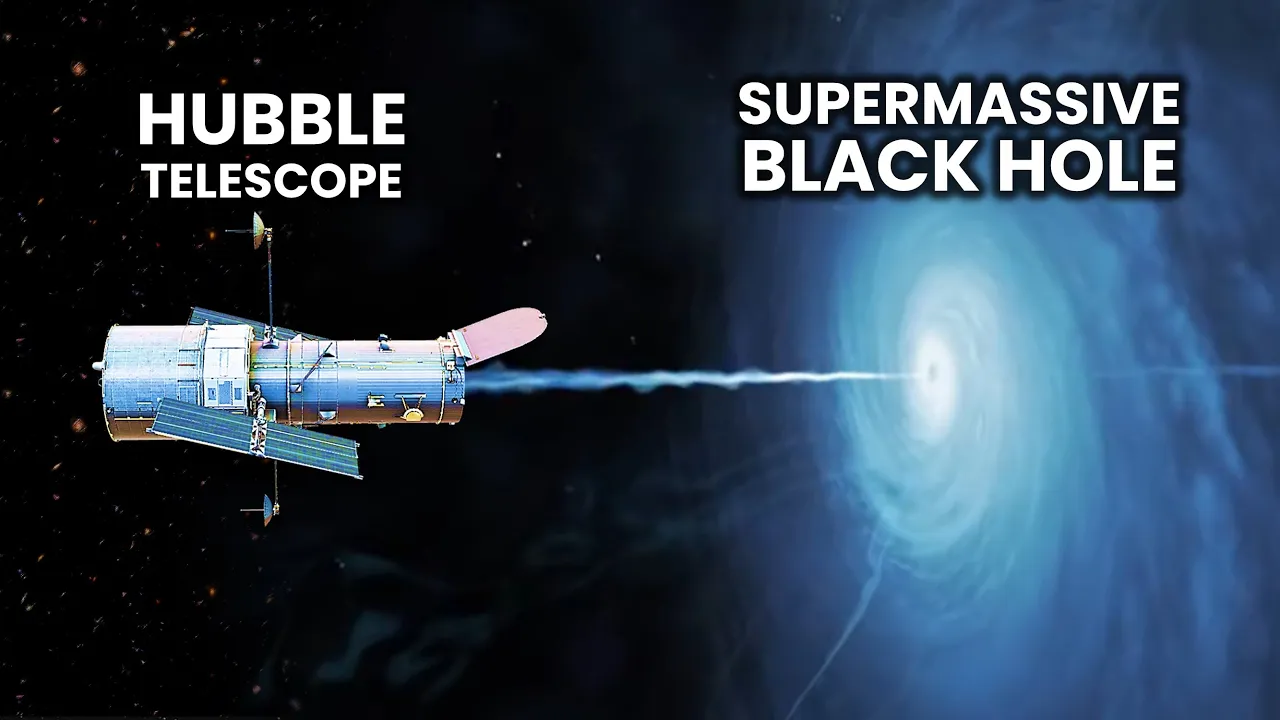
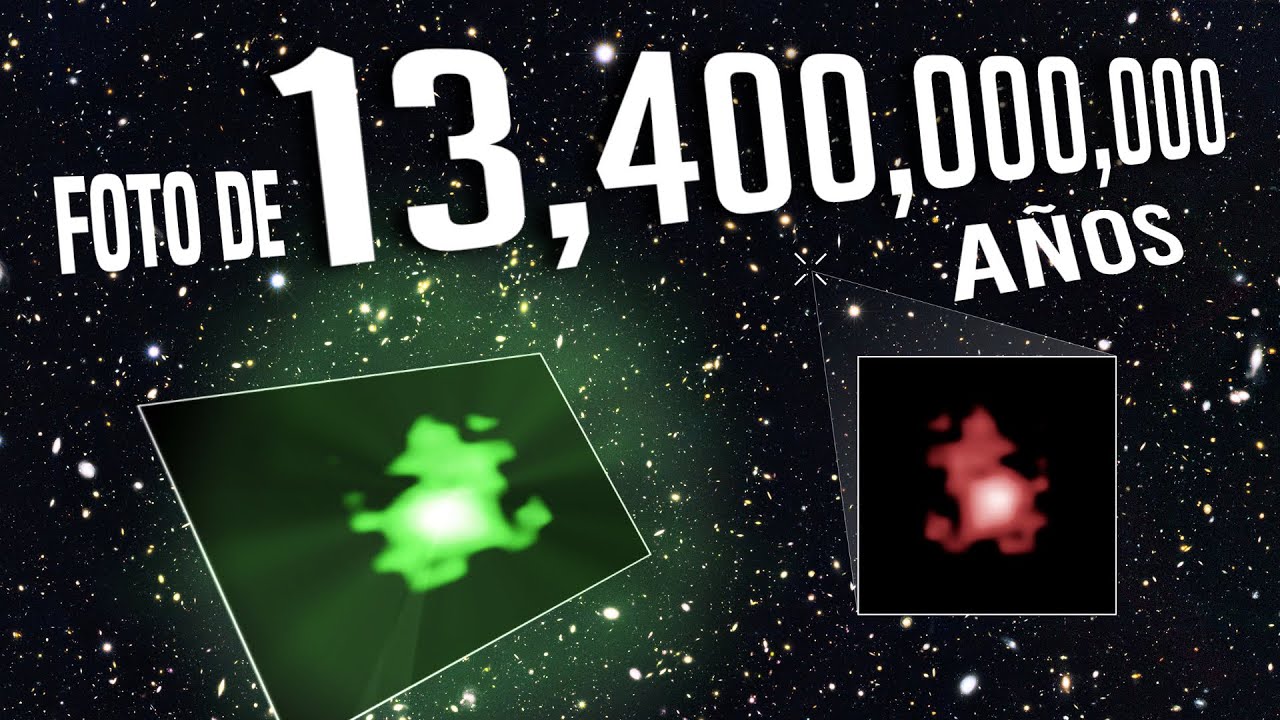


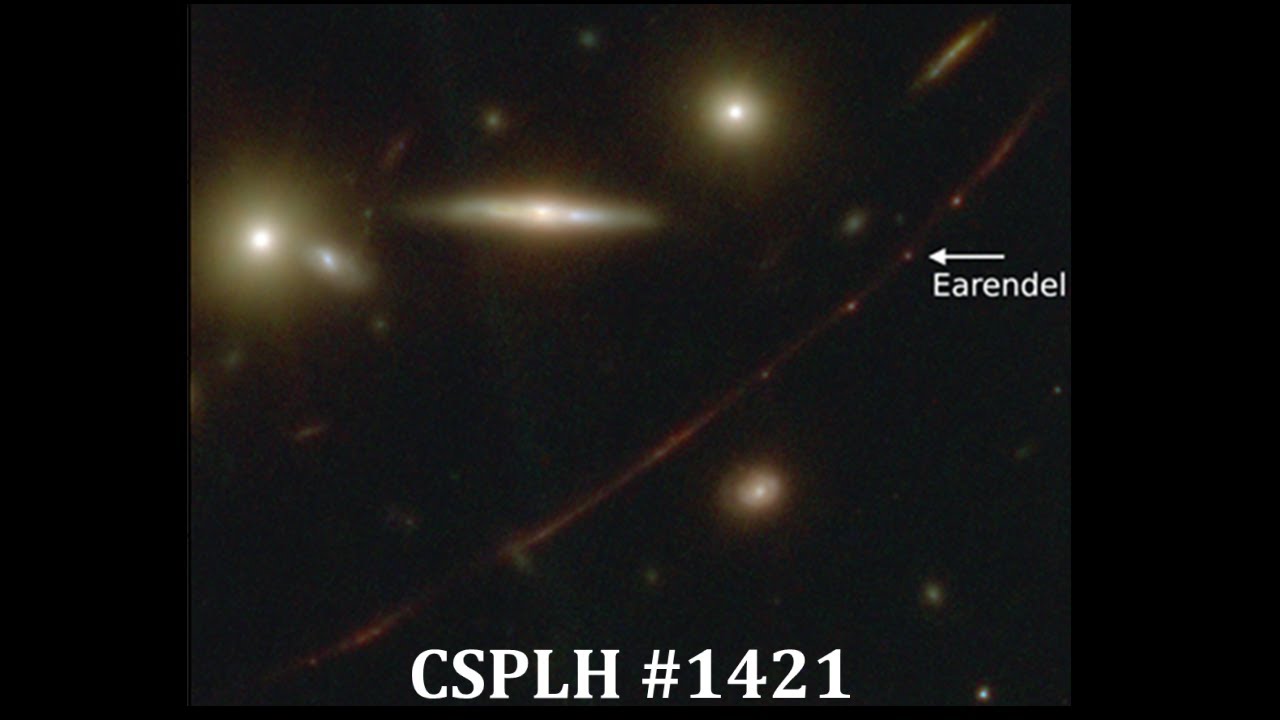
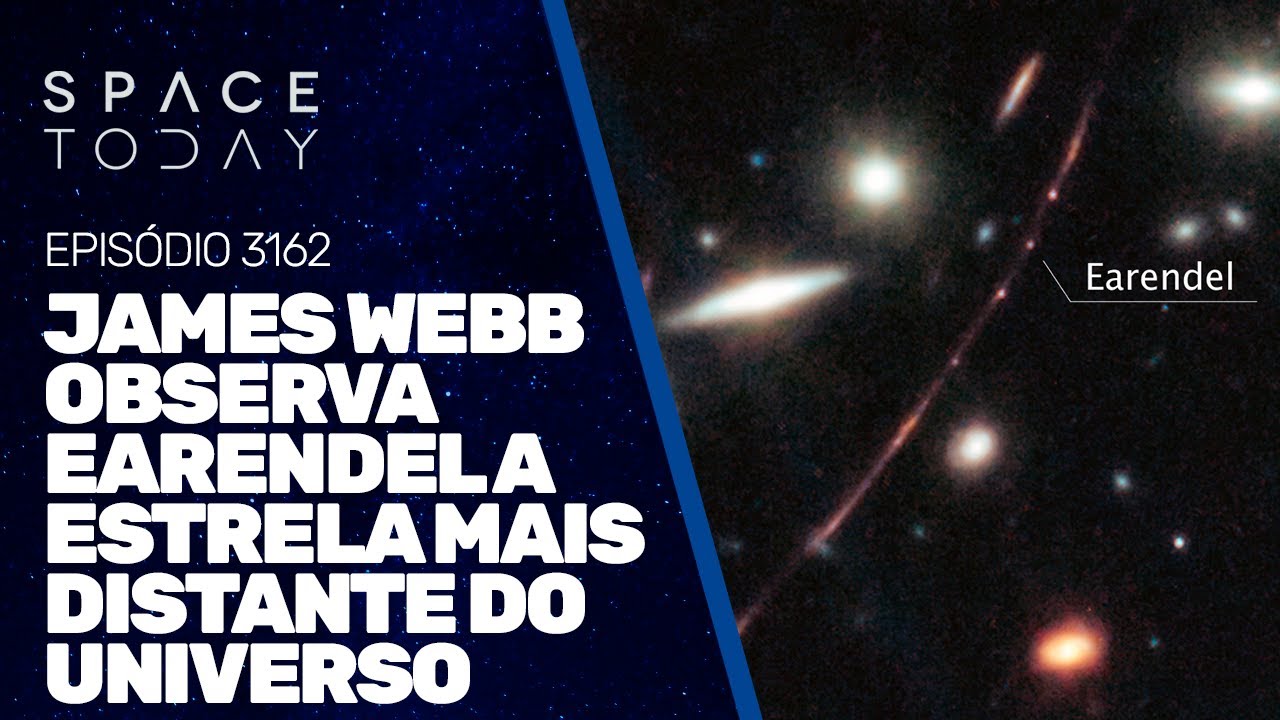





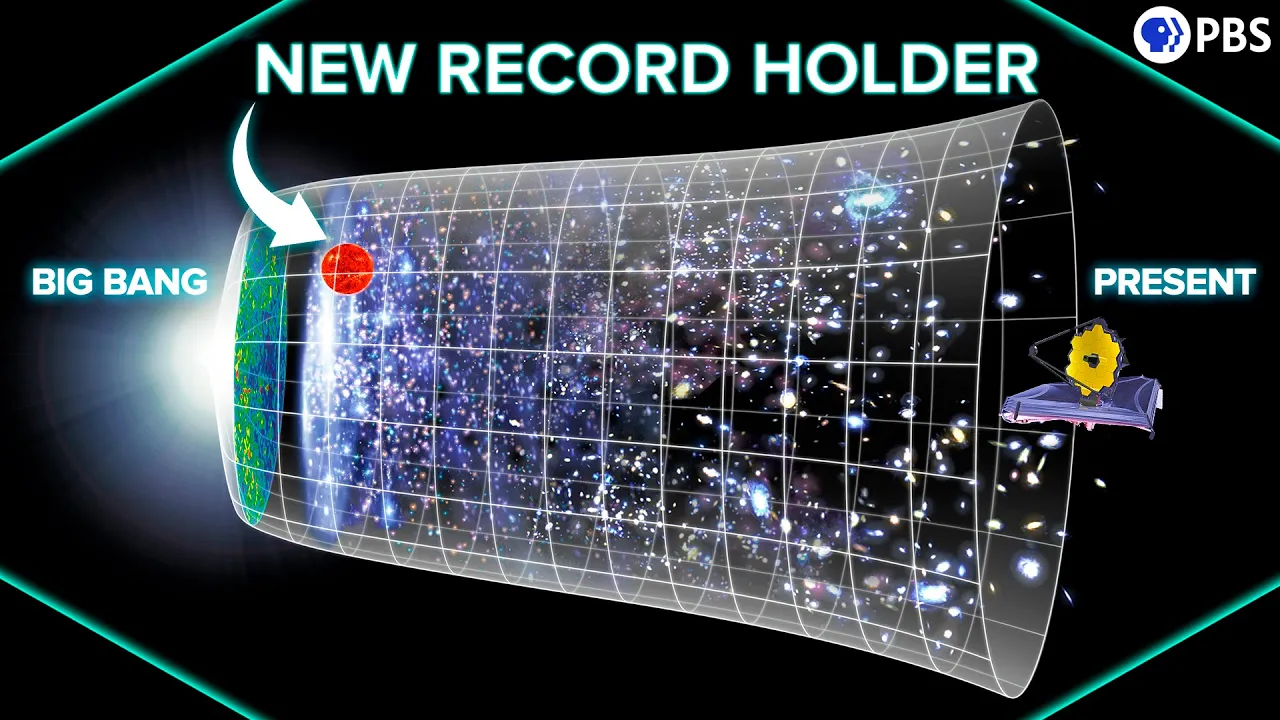


Astronomers using the Hubble Space Telescope discovered Earendel, the most distant star ever observed, located approximately 27.7 billion light-years away in the cosmic dawn era when the universe was only 900 million years old. This unprecedented discovery was made possible through gravitational lensing, where the massive galaxy cluster WHL0137-08 acted as a natural magnifying glass, amplifying the star's light by a factor of 1000. Scientists identified Earendel as a massive star (at least 50 solar masses) based on its stable luminosity over 3.5 years of observation, distinguishing it from transient events like supernovae. This discovery provides crucial insights into the early universe's formation and reionization period, potentially revealing whether ancient stars had similar properties to modern stars.
Hubble's Record-Breaking Star Discovery at Cosmic Dawn
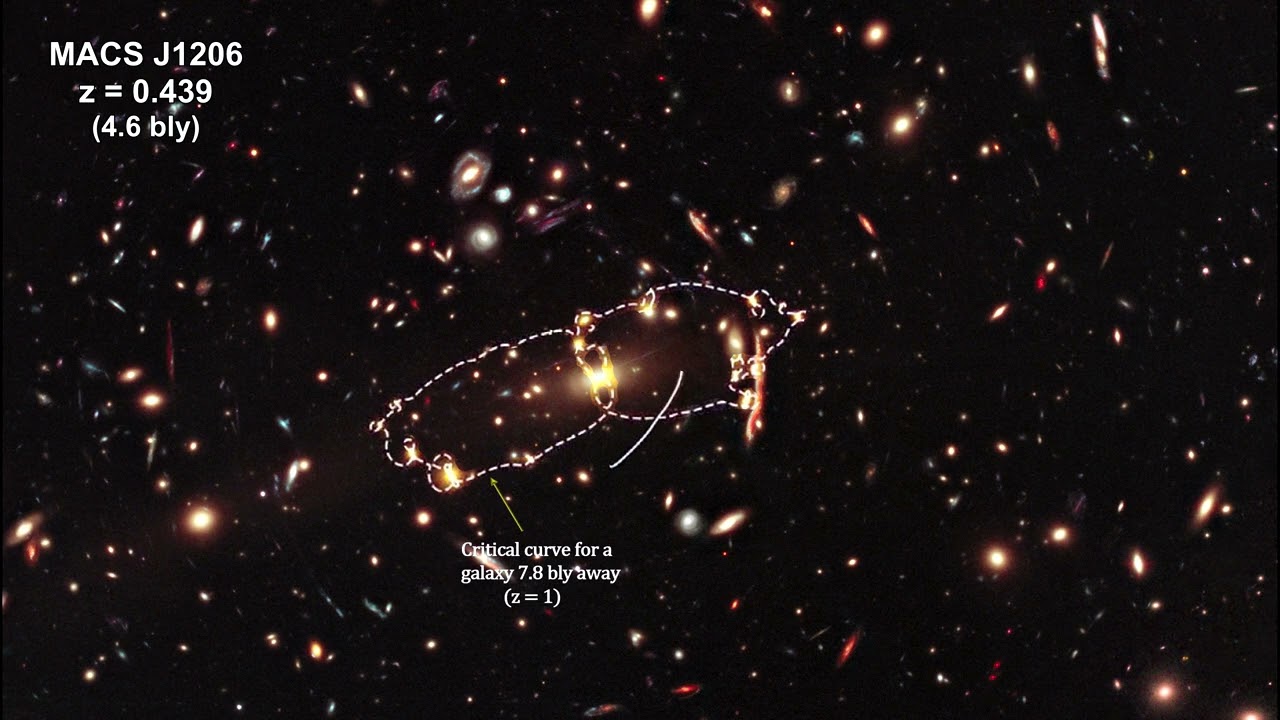
Added:hello 14 person this is anton and today we're going to be talking about the absolutely incredible discovery from the hubble telescope that was just announced a few hours ago the discovery of what seems to be the farthest star we've ever seen a star that's so extremely far away that it's actually farther than most of the distant galaxies we've discovered so far located in the region of the universe when the universe was only approximately 900 million years old during the era known as the cosmic dawn when the universe itself was still slightly opaque and was still reionizing and considering that all the previous discoveries of these very distant stars including the one right here that you can find in the description below were much much much closer to us than what hubble just discovered a few weeks ago this makes this a pretty incredible discovery and so it's definitely worth talking about this and of course about how all of this was found as well but first of all what is the star code well unusually it already has a proper name because this is such a rare discovery the scientists have decided to give it a proper name right away and the name is arendelle which in anglo-saxon means morning star will the name in this case referring to the idea of the star being part of the cosmic dawn now there's actually going to be a video about this or it might have already been released and should be available either right here or in the description below that's going to be exploring the cosmic dawn in a little bit more detail through some of the modern simulations but in general when the scientists talk about cosmic dawn they usually refer to the period between approximately 400 million and 1 billion years after the creation of the universe something that started happening after the so-called dark ages when for the most part the universe was kind of dark and so once the first stars and first galaxies started forming approximately 400 million years after the formation of the universe that's when the cosmic dawn began and so near the end of the cosmic dawn approximately 900 million years after the beginning of the universe that's when the scientists detected the light coming from this particular star now this is of course extremely interesting to the scientists because they've always been looking for objects in the distant universe but in this case even attacked in distant galaxies has actually been always a challenge as a matter of fact when it comes to distant galaxies the scientists usually can only see certain quasars or certain blazers at these extreme distances and that's because the light from that distance after traveling for billions and billions of years becomes not as luminous as it used to be and so it's extremely difficult to detect and so only some galaxies so far have been found in these extremely distant regions and we've talked about some of them in some of the previous videos that you can also find right there or in the description but now the scientists have discovered something they really did not expect something extremely unusual and something that even right now i think most of them still cannot believe an actual star a star at these ridiculous distances a star visible right there but how and why and why only now well as you might have guessed and as you might already know all this is because of the so-called gravitational lensing effect the only natural way for us to see in these extreme distances and the only way for us to find stars or sometimes even distant galaxies is when certain alignment makes it possible in this case we're of course referring to the effect you're about to see right here which is the einstein's lens or gravitational ants and the way it of course forms is when you have a really massive object in front of some kind of a other object usually a bright distant star or a galaxy as a matter of fact previous detections of these distant stars at distances of up to about 4 billion light years away from us have all been because of the magnification from a lens and the factor here was usually around 50 to 100. that's actually what happened in this detection right here back in 2018 but sometimes in some extremely rare cases we might get extremely lucky we might find a lens that's even more powerful and so powerful as a matter of fact that you start seeing individual objects that would be otherwise invisible and so in this case that's exactly what happened to the scientists using the hubble telescope they got extremely lucky they used a foreground galaxy cluster extremely massive cluster known as whl0137-08 a cluster that's about 7.8 billion light years away from us the one that you actually see right here to discover is something extremely unusual in one of the parts of the ring that it formed or actually it wasn't really unusual at first it only became unusual later they discovered an object that you see right there that seemed to be magnified by a factor of a thousand suggesting of course that this was an extremely distant object with the calculations establishing its distance at the redshift of 6.2 now if you are not familiar with redshifts there are quite a lot of calculators online that you can use the redshift to determine the distance to the star and the one i usually use is the one from ucla by edward wright which shows the distance at 27.7 billion light years away from us or very very very far away as a matter of fact it's way too far to determine any of the properties we usually use to determine what type of a star it is and so at the moment despite the observations from the hubble telescope not much is actually known about the star itself but i guess one of the first questions i personally had when i discovered about this is how exactly do the scientists know that this is a star and not for example some kind of a global cluster or more specifically what we usually see a supernova or some other transient event an event that's extremely bright and visible from far away and in this case the answer comes from the length of observations and more specifically from the fact that the luminosity of this object has not changed for over three and a half years and since we expect a transient event such as a supernova or any other explosion that's bright enough to produce these observations to change at least somewhat in three and a half years the fact that this object was producing just enough uv light that didn't really change much in terms of luminosity for this period of time at the moment could only be explained as some sort of a relatively massive star at least 50 masses of the sun and that's actually the only thing we currently know about this object until future observations from for example james webb telescope the only thing that's clear and that's of course based on the observations from different types of uv light right here in the milky way galaxy is really that it seems to be a single star a single relatively massive star kind of similar to what we usually expect a no-type or a b-type star to be a star that can exist for a few million years and then explodes producing a very large supernova and leaving behind most likely a black hole but because of the distances involved here even classifying the star or trying to figure out if it's an a star b star or o type star is currently beyond anyone's capabilities as a matter of fact the scientists don't even know if this is a single star or some sort of a binary anatomy is usually at least in the vicinity of planet earth and in our galaxy and nearby galaxies these types of really massive stars do come with a companion sometimes a binary star system sometimes even a triple star system and so at least statistically speaking it might be actually the case here as well but this particular discovery is important for so many other reasons for example this is obviously a star that's going to help us learn more about what early stars were like and what the early universe was like as well it will also help the scientists figure out exactly what happened during the reionization period and how the universe transformed into the universe that we live in today but i guess more importantly it might help us see if these stars from ancient times were similar to the stars we have today or if they had entirely different composition and potentially even had slightly different cycles of life something that up until now was pretty much impossible to answer but with the discovery of this star we now will have so many different telescopes trying to get as much data from this location as possible and trying to figure out exactly what happened to the universe 12.9 billion years ago but naturally because this was just discovered not so long ago it would take time to find out what exactly is happening here and whether the scientist can find something else in this particular lens by exploring some of the other objects as well until we discover something else or until the scientists find something else about this particular object that's pretty much everything i wanted to mention in this video we'll definitely come back to this and talk more about this in some of the future videos so make sure to subscribe and maybe share this with someone who'll often about space and sciences maybe come back tomorrow to learn something else maybe support this channel on patreon by joining channel membership or by buying the wonderful person t-shirt you can find in the description either way stay wonderful i'll see you tomorrow and as always bye [Music] you
Up Next

Weak Gravitational Lensing: A Comprehensive Guide | ISSSA & RCAA 2022
@IUCAALive
218 views•2022-06-10
First Billion Years of the Universe with the Square Kilometre Array
@iaaudc
121 views•2022-05-26
JWST & ALMA Reveal New Planet Formation Secrets
@whatdamath
82.3K views•2024-03-13
Gamma-Ray Bursts: Cosmic Snipers Explained | Astronomy
@kurzgesagt
15M views•2016-07-31
Related Study Plans & Knowledge Roadmaps
Structured learning paths in Astronomy