


![20220210[ID] Neuroanatomi Dasar Part 01 Feat. dr. Ihsan](https://i.ytimg.com/vi/N1Cbg2w8EtY/maxresdefault.jpg)











![[신경과LIVE] ‘손 떨림’ (서울백병원 신경과 김지영 교수 & 차종은 PD)](https://i.ytimg.com/vi/NQFfA_02xYk/maxresdefault.jpg)








Regular physical exercise, even as little as 10 minutes of walking, releases neurochemicals like dopamine, serotonin, and growth factors (particularly BDNF) that enhance brain function by promoting neurogenesis in the hippocampus (critical for memory) and improving prefrontal cortex function (essential for focus and decision-making). This creates a 'bubble bath' effect that improves mood, reduces anxiety, and boosts cognitive performance. The hippocampus is particularly vulnerable to chronic stress, which releases cortisol that can damage neurons, but exercise counteracts this by stimulating new brain cell growth and protecting against age-related cognitive decline. Starting with small, consistent exercise routines (like 10-minute walks or brief workouts) can build lasting habits that improve overall brain health and quality of life.
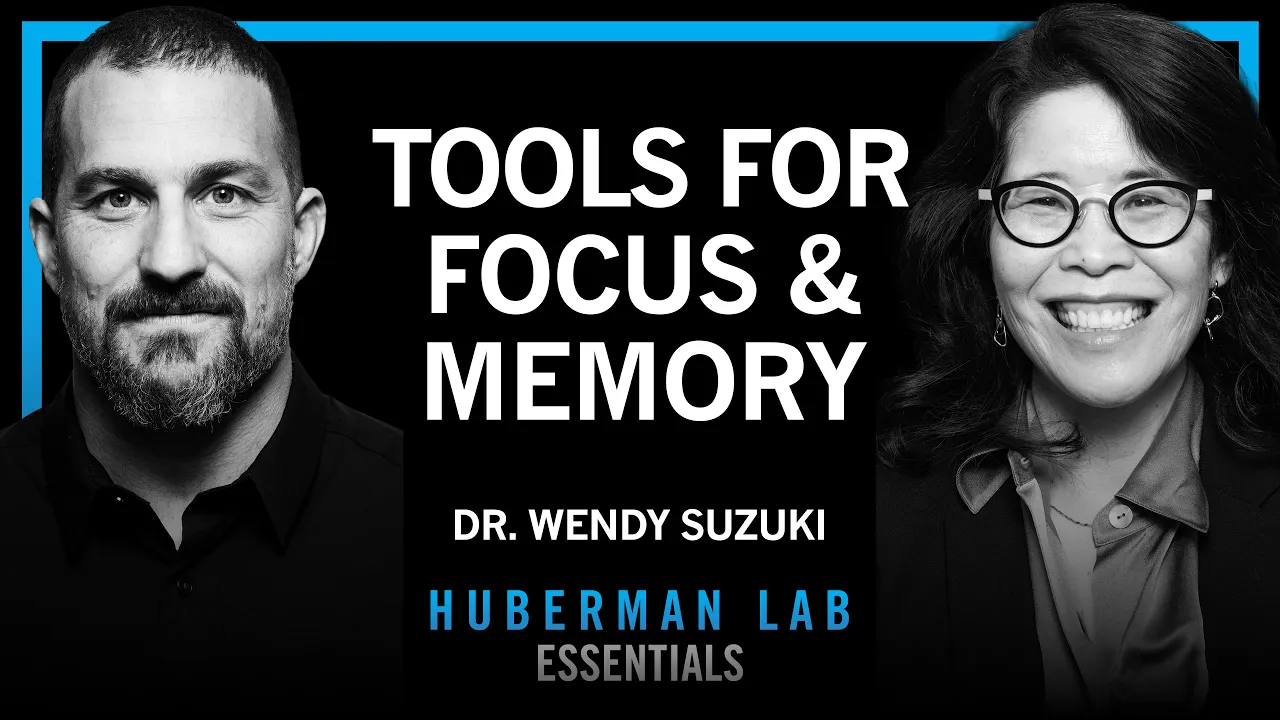
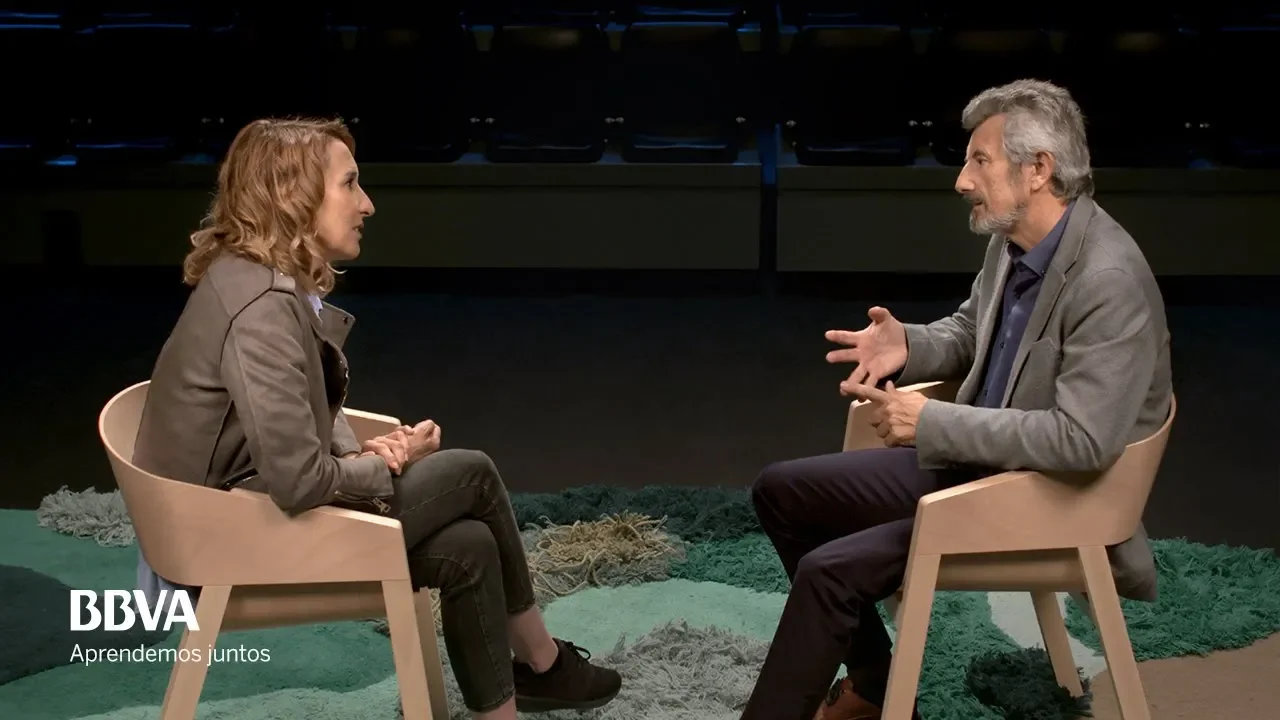
Neuroscientist Wendy Suzuki on Morning Exercise for Brain Health
Added:you are a neuroscientist that is widely respected all over the world a lot of your research has completely changed the way we understand our brains so I thought a really great place to start would be around a part of your morning routine 30 minutes of exercise every single morning Monday to Friday but also at weekends and I believe that that has been informed by your research absolutely so why do you do that I do that because I know from not just my research but the research of all of my colleagues that every single time you move your body starting with just walking but I like to do kind of cardio weights workout for 30 minutes what that is doing it is releasing a whole bunch of neurochemicals in your brain and all your listeners out there have heard of some of these neurochemicals dopamine serotonin no adrenaline but also growth factors are being released and I like to say that it's like giving your brain a wonderful bubble bath of neurochemicals and what do these neurochemicals do well the dopamine and serotonin are making you feel good they're bringing your energy up and the other thing that we know that happens with uh movement physical activity is that the functions of your prefrontal cortex right behind your forehead um get sharper they get better and so um I do that first thing that the morning and I do that to prepare my brain for work and I want to come into work I want to be happy I want to be motivated and I want to be able to focus well and the reason why I do it every morning for 30 minutes no matter what day it is is um really about habit formation I I was all over the place you know I would go for you know seven days in a row and then oh I'd be too tired I found really during the pandemic that 30 minutes first thing in the morning was something that I can do I could keep doing it every single day it didn't Tire me out the next day and I still felt motivated to come and my muscles weren't too sore uh and it just helped with that that um gradual habit formation so I do it for my brain and for my brain uh productivity uh and uh the the 30 minutes every morning is really about building that habit that will stick with you and does not go away you mentioned a lot of things there that I think we all want happiness motivation Focus productivity thinking better yeah you know these are things that no matter who we are we're all seeking them in our lives now you've found that when you do this as part of your morning routine you almost set your body and brain up for the day with those emotions and feelings that you want I think that's really really powerful can you can you rewind to when you didn't do this first thing in the morning you know what how did your day go then compared to how does your day go now and do you also remember was there a specific bit of research that when you did it or read it you thought wait a minute I've got to change something yes yes to both okay so here's how it goes when you don't um do that that movement don't put that movement in your day and this was a lived experience it was I was going through a really really stressful part of my career which is trying to get tenure at an American University they give you six years and they say okay you have six years to make your name and if you don't do it we're gonna fire you and if you are gonna do it then then we will embrace you for the rest of your career and we can't fire you so you know no big deal like and so you have six years to do this and so what did I do my wonderful strategy was to only work I'm just gonna work I'm going to uh just go into the lab and I'm I'm going to you know relinquish my my social life and I'm just going to work and I'm going to eat all the wonderful takeout in New York City because that's so fast and efficient and it's delicious um with lots of calories and so I'm gonna do that too and so I um I got stuff done definitely but I had no social life I found myself uh um with much more weight than than I I uh was used to because I wasn't moving at all and mainly I was unhappy I was I was just unhappy I was doing I was working really hard but very very unhappy and uh my wake-up call came when I gave myself a vacation but uh because I had no friends because I had no social life I went by myself I went on a river rafting trip to Peru so I was trying to get as far away from New York City as I could so I went by myself on one of these group you know river rafting trips and it was so much fun so beautiful walking around um Inca ruins but I realized I was the weakest one on this whole trip there were 65 year old triathletes that were so strong and they were 16 year olds that came with their father that were also stronger than me and so I came back saying okay I I got a little bit of outdoors I felt so good after this I need to go to the gym and get a little bit more movement in my life and it was really that that was my that was my real realization when I started going to the gym and I remember the very first class I took was a hip-hop dance class oh my God I'm really bad at hip-hop dancing and but it was very very um it it really pushed my limits and I remember coming out of there going oh my God I hope nobody you know took any pictures or anything but but really got my aerobic you know uh uh activity up and I still felt good even though I felt like a terrible hip-hop dancer I still felt great and um that is what made me go back to the literature when I started feeling so much better after after this so much better than than a month before when I was only working a hundred percent of the time that's when I went back and looked at all of the research showing that movement changes your mood movement regular movement can be as effective as some of the most commonly used antidepressants and while I wasn't depressed I wasn't happy I was not a happy person in my life and I felt myself shifting out of that first with this trip to Peru but then with that regular bringing movement into my life so it was kind of a self-realization kind of backed up by the Neuroscience that I I was able to go back and and research because I happen to be a neuroscientist yeah I mean that's so interesting um that hit hop dance class sounds like a lot of fun do you still do that at the moment I do I will um I during the pandemic I switched to um video workouts at home so now I do it do it at home and I don't know it's not as fun to do uh hip-hop dance on video so occasionally I'll go out and take a class class now but yeah I got much better at dance after after that very first not not so much hip hop on that's still not my my forte but you know it's about playing and and for me it was about discovering turns out I love kickboxing and when I say that you know people go oh you know don't get Wendy mad but it's about the Rhythm and the power move that you're doing in kickboxing that really I love yeah what's interesting for me is that you went on this vacation from your life and that inspired you to get moving you start moving and you feel these kind of emotions that you have never felt before and that then encourages you because you're a neuroscientist to go and study but presumably presumably before you'd experience that you were probably aware I'm guessing that movement's kind of good for the body it's kind of good for the minds but you know well I guess where I'm getting to with this is that a lot of us know things we've read it in the media we've heard it on podcasts but we can know so but it doesn't land in our brain so we take action and so it's really interesting for me that you had to even with all your prestigious training and your prestigious position as a professor you had to feel it first and that feeling that experience is what led you to actually do more research yeah absolutely and I think that's easy to understand I mean if we ask are all MDS Peak Health are they all exercising and eating to the best you know that science tells us clearly with all due respect to my MD colleagues the answer is no and certainly the answer is no for neuroscientists exercise physiologists sometimes it takes a a wake-up call and um I have to share for the uh scientists listening today the other wake-up call that came in this was this was I know a year and a half in and I'm feeling good you know clearly lots more energy but the thing that really um made me so interested that I actually shifted my research from study of memory which is how I started my research career to starting to explicitly study the effects of exercise is I'll always remember I was sitting in my office and I was writing a grant and so all the scientists out there know how how excruciating it is to write a grant this is your life blood right this says whether you're going to be uh validated by your peers or you know So you you're you're not going to be be able to do the science that you want and I had this thought that came through my mind while I was writing this particular day in my office and that thought was gee writing went well today I had never had that thought ever in my entire career it was and then I thought well I'm just having a good day I'm feeling really good I did go to the gym uh that day but no I realized that my my writing had gotten better like it was flowing better so that's when I realized that the only thing at this point that I changed in my life was this exercise it was a year and a half in I had gone through you know no movement to regular movement and uh going back to the literature I know it helps uh the functions of the hippocampus important for memory which you need when you're writing a grant all those details of all the papers that you have to put together in your multi-million dollar Grant proposal and focus to write you need deep continuous Focus I'm like both of those things are better that I think appears to be why my writing is getting better so that was like that hit home that your lifeblood you're doing it better and it seems like all these functions are are coming because you're exercising wow that that is life-changing yeah that was a life-changing moment yeah it's so interesting that you know reflecting on what you've been saying so far one day it's fascinating to me that you were at least from the outside crushing life right you were successful you're living in New York City you are being made Professor you know you're doing great research you're teaching people you're being invited for Ted Talks you know the sort of thing that a lot of people would regard as hey that's what I want you know that's the sign is someone who's successful yet you've also said at the same time you were productive you were successful but you weren't happy that's really interesting because I think there'll be a lot of people who can resonate with that they are doing the things that you know they they think they need to do that Society has told them they need to do and it sounds like you were you know you well yeah you were you weren't just surviving you know in your work you were thriving but in your in your personal life I know from from your first what healthy brain happy life you've been very very open in that book about the struggles you had with relationships and actually the fact that you never spent any time prioritizing those relationships and it's it's fascinating to me that just that one change movement which you now put into your morning routine is having all these kind of myriad benefits it is it and it's really interesting to analyze my own career kind of before and after this realization particularly on the topic of creativity so I was a very by the book scientist before this this realization I I I I did my undergraduate I went to graduate school I got my PhD I did a postdoc and then I got I got a faculty position so that that's all you know that's great uh that is successful and and I was thrilled to be here at NYU um but I'll always buy the book all my classes were by the book but then uh and by the way I want to clarify the TED Talks came after the transition I was not giving Ted Talks but for that was part of the creativity um so so then this transformation happens I realized that I was unhappy I ended up going to the gym because of this uh Peru trip and um one of the interesting thing things is that uh I I think um everybody's motivation part of everybody's motivation to move more regularly besides that bubble bath of neurochemicals that I told you about is that one of the things that we know that exercise does is it releases a whole bunch of growth factors in the brain and that goes directly to your hippocampus which is important for memory and literally helps new brain cells grow so if you want shiny new brain cells in the part of your brain critical for long-term memory that is your motivation to exercise that is my personal motivation to exercise but it turns out that the hippocampus doesn't only help us with memory but it helps us put information in our memories together in new ways in other words it's important for imagination and if you look at my teaching and my work and my career before and after this what you'll see is after I started uh working out what did I do I created new courses like can exercise change your brain where I brought physical activity into the classroom I literally got trained as an exercise instructor so I could make the whole class work out with me before the class and actually that's because uh my department wouldn't pay for an exercise instructor I was like can you Can you hire an exercise instructor for me and they're like no you teach the class so I went and I got trained as an exercise instructor because I was going to the gym all the time anyway did that I made them that class my very first kind of clinical study uh so I tested them before and after this semester of every week we would exercise together for an hour and I compared them to another class that didn't didn't exercise I created uh art meets brain where I brought in all of my new friends that I made that were artists and um dancers talked about their craft and then we talked about the Neuroscience of movement I had a um a world-class cellist come in uh and and go through the process of learning a new piece and then I talked about uh again a a different version of motor learning um so all sorts of artists and and I just had the time of my life and that's when I was creating my TED talks and and um kind of going outside of the classroom because I realized oh my God this this information is so important and while I love lecturing to my um you know 120 students that I teach in my in the regular class that I teach um everybody should know about this and so that's that's why I wrote the first book healthy brain happy life and that's what got me the Ted Talk yeah it's it's so inspiring to hear about your story you know I love your energy and your passion to I guess I'm at home but you know this message that we've been hearing since we were kids that physical activity is important for our physical health which I think we've all heard over and over again yeah your research and you know certainly your first book I think in many ways is just it's expanding out our view of physical activity going now it's not just for your physical health it makes you a better human right it makes you more creative more productive it makes you happy and more motivation helps you with memory all these things I think it's absolutely fantastic one point I just want to clarify I know you do 30 minutes every morning okay and some people will hear that and go I can't do it in the morning Wendy you know um I've got I've got kids I'm busy I don't think I can fit that in so the first point there was is the time of day important but related to that I know in uh healthy brain happy life there's lots of talk of four minute hacks right so the second part of that question is four minutes what's so great about four minutes yeah so four minutes was really chosen so at the end of every chapter in healthy brain happy life are different hacks that you can do uh focused on the topic that was in that chapter and we chose four minutes because it was doable and um it frankly it was a doable time period we didn't want to give you 30 minute activities because nobody would try it ever uh and so all these things are fun things just to get people in the groove of meditation in the groove of creativity in the groove of of movement and so um uh but going back to you know what is that minimum or Optimum exercise regimen that's that's the most popular question that people always ask me you know really how little movement do I really need to do to get all that good stuff that you've been talking about and so um the answer to that is simple if you want to get that good mood we know that uh significant decreases in anxiety and depression levels um not clinical anxiety and depression just just our overall you know anxiety levels can come with just 10 minutes of walking that comes from the science that is the kind of minimum amount that has been shown to have an effect and I love usually I start with that because um 30 minutes can be a little bit daunting and it does not have to be in the morning that's when when I do it I can do it and so the first thing to say is that anytime you can bring movement into your life is the perfect time to do it and you don't have to run a marathon you don't have to go to those scary classes walking starting with walking has a significant effect specifically 10 minutes of walking can decrease those negative mood States and increase the positive mood States so that's uh um I always like to start with that that uh doable uh uh message that really anybody can bring into their day yeah now I love that you've obviously found what works for you you can do 30 minutes in the context of the rest of your life so you do it right and you've experienced the benefits one thing I've spoken about on this podcast for many years is that I do a five minute strength workout every morning like you seven days a week because the workout has been created around my coffee consumption so as my cafetiere Brews the coffee for five minutes in those five minutes instead of going on YouTube or Instagram or emails I do a strength workout in my pajamas and I always say that because the point is I've made it as easy as possible yeah and I I wrote a book about five minute interventions how powerful they can be so that's why I was so interested in this four minute number because I think we've been conditioned Wendy to think that oh there's no point doing it if it's only four minutes or five minutes yet I I think I'll keep in really good shape from a five minute strength workout seven days a week because it's so small that I can do it every every day pretty much and like I like hearing very passionate to get the idea out there I remember actually one day you know I used to work in a GP practice maybe this specific practice I'm I'm gonna guess maybe eight nine years ago yeah and no it was actually longer because it was before I had kids right so there was life pre-kids and post kids right before I had kids I I still loved getting up early but I'd go to the gym at 6 30 in the morning on the way to my GP surgery and my colleague asked me you know how how long did you do it I said well I don't have much time really I think I did I don't know 15 minutes Waits maybe 15 minutes cardio and then a bit of steam room and then I'd get ready shaved and I'd I'd turn it to work and she said to me yeah but you know it's not enough really is it you know I never go unless I could find time for an hour and she for many reasons was really struggling with various aspects of physical health and mental health and I I remember thinking that's incredible isn't it that that person is not going to move because she thinks I have to do an hour or it doesn't count but as I've just shared and as if you just shared even little bits make a difference so 10 minutes can change a mood of walking any other research to help people understand that you don't need to do that much yeah I mean that's my best go-to kind of research because like your colleague a lot of the researchers look at minimum 30 minutes of of workout either for cardio health or you know exercise physiology or brain health and so this is this is a great one the the the studies that have um confirmed that 10 minutes of walking can absolutely change your mood it's consistent with the whole broad spectrum of of work that says that that mood change is one of the most consistent strongest effects of physical activity now the hippocampal cells have been studied extensively in animal model systems and we don't have a you know exact you know how much a day for how long do you need to have that however the study that I love to highlight is a correlational study done in Swedish women it was published in 2018 and it was a 44 year your follow-up study so in the 1960s they went and looked at 300 women in Sweden and characterized them as low-fit mid fit or high fit just what is your physiological level again they were in their 40s they did no intervention they came back 44 years later and asked what was their status now that they're in their 80s and it turns out that relative to the low-fit women the high fit the women that were high fit in their 40s 1960 they staved off Dementia by an extra nine years nine years and so so what does that mean well I immediately go to I know that regular exercise is increasing growth factors which is increasing the number of hippocampal brain cells that's not curing dementia but it's making your hippocampus as I like to say big and fat and fluffy that just takes longer for any disease to come in and damage it and what does both normal aging and dementia do it goes in and it attacks the hippocampus which is why in dementia that that memory problem comes in early so let's look at those High fit women what's happening they're saving off Dementia by nine years now as I'm sure you recognize in many of our science colleagues will recognize that's not a causal relationship because it was just a correlational uh study however it is consistent with the science the Neuroscience that we understand about what regular long-term exercise can do particularly to the hippocampus and your memory function again that that study to do in a direct causal way is very very very difficult but those studies that continue to come up there are many studies that are in that same direction um can suggest that regular exercise as much as you can do for as long as you can do during your lifetime is helping your brain particularly two areas that are sensitive to aging yeah the hippocampus we just talked about and the prefrontal cortex Stave off those debilitating effects that can come with aging you've mentioned growth factors a few times yeah um I wonder if we could just dive into what exactly is going on here why is it or how is it that exercise is giving us these incredible benefits you mentioned bdnf what exactly is bdnf and what does it do in our brains yeah so so bdnf is a growth factor quite a bit about what it does in development so as our brains as young uh babies are growing bdnf and lots of other growth factors are basically there to help make those new connections happen they facilitate connection or synapse formation in the brain and then uh what happens when we're adults well in adulthood it's also facilitating synapse new synapse formation which is happening all the time you learn something new there are changes in those connections in your brain and bdnf plays a role but in particular this um so bdnf stands for brain derived neurotrophic Factor all you need to know that is that it's a growth factor and it is essential in the hippocampus to help brand new brain cells grow there's only two areas in the human brain where brand new brain cells grow in adulthood just two they're not growing all over all over the brain just in two areas one is the hippocampus and the other is the olfactory bulb but the hippocampus is the only place where exercise can stimulate the release of growth factors where does that come from it seems to come from muscles in your body from liver release factors released in the liver that then release bdnf that goes into the brain that goes straight to your hippocampus and helps those brand new brain cells grow exercise doesn't do that to the brain cells in the olfactory bulb so this is I mean if there was going to be one area that I I could have that has brand new brain cells I want it to be my memory area okay I'm a little biased because I studied memory for 25 years in my Neuroscience career and I love it and it's so you know it's critical to our personal histories it defines us as as people you don't realize you know where would you be without your own personal memories your likes your dislikes the things that make you laugh like there's no tomorrow all those things things are stored in your memory and that is because of this beautiful structure that we all have one on the right one on the left that is our right and left hippocampi that is the structure that we get to get brand new brain cells in and I've just given everybody the secret tool to do that move your body sorry to interrupt the conversation we'll be back in just a moment now to live a long and healthy life it can be really helpful to understand what's going on inside your body people age at different speeds and the typical annual blood work doesn't properly evaluate your biological age but inside tracker does inside track Air is a truly personalized nutrition and performance system that's designed to extend your health span and slow down the aging process inside tracker uses your test results to give you personalized recommendations on things that you can actually control like food supplements workouts and other the lifestyle choices for a limited time you can get 20 off the entire inside tracker store all you have to do is click on the link in the description box below and use the discount codes live more you know I love what you said about memory there in terms of what it does for us what it gives us yeah as humans because I think when a lot of us think about memory and not losing our memory I think many of us think about no I need to be able to remember to do stuff I need to remember where I put my keys these kind of things but what you're saying is that it goes far beyond that right it's about our sense of who we are our personal story that's really profound one day yeah it is and it comes from years and years and years of studying patients who have the unfortunate event of having Amnesia which is they're usually their hippocampi get damaged and so um the most famous probably the most famous neurological patient that ever lived was an amnesic patient whose initials were hm we now he passed away and we now know his name was Henry mullison and I grew up as a scientist learning about this um this patient who had severe severe epilepsy any epilepsy starting at seven years old that got worse and worse and worse into his 20s so he couldn't go to school he could work his epilepsy was so bad and he went to a neurologist and at that time they were doing experimental brain extractions and they knew that taking out one hippocampus could help epilepsy that's still done today but what they did back there in the 1950s they took out both of his hippocampi because his epilepsy was so bad and it was experimental and he agreed because the epilepsy was so back the good news was it cured the severity of his epilepsy the horrible news is that it left him unable to form any new memories from that point in time until he died in his 80s he was 27 years old and then he became the most famous amnesic patient I mean nobody knew that the hippocampus was so important for memory before this patient and so first they went out and they said okay nobody take out both hippocampi ever again look what happens and then of course they went on to study him and realize that without your hippocampi you can no longer form any new memories for facts and events but he did maintain his memories from childhood he remembered his mother his father his childhood friends which meant that those memories kind of got processed through the hippocampus it got stored presumably someplace else um and he was still able to access them he had his uh he learned language so all of his language skills remained intact in fact he liked to do crossword puzzles up until the end of his life but but he could not form any new long-term memories and he had the wherewithal to say that you know who am I without my memories he maintained his his Persona of 27 years old and people always asked the neuroscientists who studied him did he recognize himself because his 80 he there's an 80 year old face staring at him in the mirror he only remembers his 27 year old face and the answer was yes he he could he could recognize himself gradually aging um in the mirror but but it makes you think about you know all the amazing things that the hippocampus does for us every single day in in creating our reality every day yeah so powerful um so exercise helps us increase this growth factor bdnf which gets sprinkled on our hippocampus and helps us grow new nerve cells and I guess in in many ways bulletproof it from future problems you're not bulletproof you know make it less likely insulate it maybe that's a better way um there's other growth factors though as well aren't there I think what is ltp long-term potentiation where are we at with our knowledge off that at the moment so we studied this okay so let me Define what it is long-term potentiation is this physiological pattern of activity that people discovered in the hippocampus in the 70s and by the 70s we understood hippocampus is important for memory so what kind of magical physiology is going on in the hippocampus so that it it helps us make all these memories and so ltp it's basically a physiology trick and so what you do is you can give a little stimulation and get a little response out of the hippocampus in the synapses in the hippocampus but then if you give a bigger it's called a Titanic stimulation which is high higher frequency stimulation then in the hippocampus but not in many many other brain areas you increase the output of those synapses after this one higher frequency stimulation and it stays changed for a very long time and so that that was touted for a long time as ah this is what memory looks like in the hippocampus which is true and not true it's very artificial and now we're much more sophisticated about not just the physiology but the molecular Cascade of events that happens in these amazing hippocampal synapses those connections between neurons in the hippocampus that do result in change after an experience so I have the new experience of speaking to you this morning I've never met you before I I I've never seen your face before but now I will recognize you next time I'm walking down a London Street I suppose and I run across you um that means that something and if I do recognize you something in my brain something in my hippocampus is literally changing right now to help that memory form uh that will be there when I'm walking down that street in London that's that's that's ltp and that's that's the implication of what ltp is and does exercise enhance ltp so increase the positive effects of this I mean how does exercise play play a role here yeah so exercise is doing many different things exercise is increasing the number of neurons in the hippocampus um it is increasing ltp in those neurons that has been showing um but also interestingly one of my favorite findings for hippocampal nerds which I am is that um it's been shown that those brand new hippocampal neurons that are that are born in adulthood particularly you know with exercise you can give for example rat lots of exercise a running wheel to go on and you could show that they have lots more new hippocampal cells than than the rats that don't have the running wheel well it turns out that those shiny new hippocampal cells are kind of like teenagers they are really active and they get involved in lots of things and what do they get involved in new memory circuits so we're now sophisticated enough to learn to be able to see an activation of hippocampal cells in a particular memory circuit and it turns out that those brand new cells that are being formed with sprinkling bdnf on the hippocampus those are more likely to get engaged in memory formation so um that that is consistent with the finding that if you give rats more exercise they are better at a whole bunch of different spatial memory tasks than rats that are Couch Potato rats now I knew coming into this conversation that the hippocampus was your favorite area of the brain I'm definitely getting a strong sense of why that is having been talking to you you know what did you call yourself a hippocampus nerds yeah I'm totally a hippocampal nerd yeah a hippocampal nerd I love that I think that's a great phrase um if we think about the hippocampus and and how important it is one of the things that we're seeing even pre-pandemic stress was huge across the world to the point where you know it was called the health epidemic of the 21st century this is four or five years ago yeah and obviously for many people that has increased over the past couple of years or so what does stress do to the brain and in particular what does chronic unmanaged stress do to the hippocampus yeah so that's a great question um the hippocampus we've known for a long time is particularly vulnerable to high levels of stress and let me just go to the end phase PTSD somebody with PTSD which is chronic you know unmanaged stress highly you know military kind of of stress for a long long long time we've known for a long time that that results in smaller hippocampus their hippocampus is smaller why is that we know that as well many many receptors which are kind of the doors that that bring particular chemicals in there are receptors to cortisol the stress hormone lots of them in the hippocampus so high levels of cortisol will have a big effect on hippocampal cells and what does that affect well unmanaged it will start to First damage hippocampal cells but then with unmanaged stress it literally kills cells in uh the hippocampus resulting in that that physically smaller hippocampus in fact uh patients with PTSD have a smaller entire temporal lobe and that is the cause of that is the result of long-term stress and that's just on only on your brain it's causing havoc in your cardiovascular system in your digestive system in your reproductive system as well yeah all right so it's it's bad news a little bit of cortisol will kind of wake wake the uh hippocampus up and make it work better you you remember those those moments of of you know a little bit of high stress um somebody calls on you in class oh yeah I remember when Professor Suzuki called on me however if we go into uh military long-term stress that is really activating the hippocampus that starts to damage it and the branches of the neurons uh will start to kind of prune away get smaller uh receive less information and eventually high levels of cortisol will kill hippocampal cells yeah I think there's a really important distinction there that that you you covered that a little bit of stress especially if we have time to rest and recover from it it's good for us it's going to help us perform better and when I give talks um to companies to try and help them with well-being a lot of the time I say look we're not trying to get rid of stressed right a little bit of it you know if you come on stage to talk and you have a little bit of stress if it's the right amount it's going to help as you're saying your hippocampus work better right it's going to help you focus and your memory you're going to pull things out of your memory that you you maybe didn't have front of mind it's when it goes on for too long and it's too much that what started to help you in the short term now becomes very toxic and harmful in your view Wendy like I was talking to a lot of my colleagues about this as well and we are seeing an increase in memory problems or certainly patients coming in complaining of memory problems I would say these days in our 30s and 40s now I know there's many possible causes for that of course we can do blood tests we can look for things like B12 and all sorts of things that may be playing a role but this is not really age-related dementia my feeling Wendy for many years has been is that stress has gone through the roof and people are constantly switched on they're always on the devices they're staying late they're not they're not allowing their brains to switch off and I feel this has impacted their memory I'd love your perspective on that yeah I have exactly the same feeling here in the states there was kind of the epidemic of brain fog everybody had more brain fog they're staying home all the time and actually that and so many of the reports of increased anxiety is part of the reason why I wrote uh this book good anxiety I think um that uncertainty the difference between that good stress that you were talking about when you go give a talk and you know that little little boost it's a little scary right you want your audience to listen to you but you chose that talk you you have controlled anxiety however if you're in the middle of a pandemic you have no health insurance you don't know whether your your boss can fire you tomorrow that leads to uncontrolled anxiety a lot and lot of uncertainty and my simple definition of anxiety is um the fear and worry that comes with situation of anxiety which everybody can immediately see why anxiety levels went through the roof during the pandemic and I think those uncontrollable levels of anxiety that always comes with stress so stress is a physiological response that is created by part of our nervous system or is uh controlled by part of our nervous system called the sympathetic nervous system it just gets you know released every time you get you get an anxiety provoking kind of situation from an email to the news coming on and that is releasing all the cortisol it's increasing your heart rate increasing your respiration rate and chunting blood from your digestive and reproductive organs to your muscles now we just talked about all about things that stress can do for your brain let's talk for just one second about what uh that stress and that it's called the sympathetic fight-or-flight response people have always heard of the fight-or-flight response what does that do for your body well imagine long-term increases in heart rate cardiovascular disease long-term um leaving of blood from your digestive system ulcers long-term leaving of blood from your reproductive organs reproductive problems so I think all of these are kind of contributing to the the the the the new normal level that we're seeing I'm not saying it's it's not reversible uh I'm just saying we know a lot as you know as a GP of of what stress can do to us which really should motivate us even more to learn how to relax and and that's the good news right the answer is learn how to be kinder to yourself learn how to be kinder to others because empathy is something that also increases dopamine in your brain if you didn't know that and so the message is a is a good one on even though it's not easy sometimes to see your way out of not looking at your devices not stressing yourself with with the news cycle it is it is absolutely possible and your brain and your body will thank you for it yeah um really great explanation we're going to talk about anxiety in some detail before we do that just come back to the hippocampus now I'm conscious that a lot of people who are listening or watching this right now may be thinking oh man um I've been under a period of chronic stress um I've been killing it really hard I've had brain fog oh no are my brain cells in my hippocampus dying are they dead what impact is that going to have on me so I wanted to just double check with you whether those cells can regenerate or whether listen or whether we can just take that optimistic view that Hey listen you can't change what's happened but if you change what you do going forward you can absolutely regenerate and create new nerve cells so give us a little bit of Hope there Wendy if you can yeah so yes the answer is there is hope and that is why um I think I I I'm an optimistic person I've studied what's called brain plasticity for my entire neuroscientific career brain plasticity says that the environment that you live in can actually change the actions of your brain and they could change it in two ways certain experiences can up those brain cells make your trees of your neurons big and and and um beautiful and other experiences chronic stress chronic anxiety can trim those those branches and make your neurons smaller and sometimes even kill those neurons it is a constant uh Dynamic and that's part of what makes the human brain literally the most complex structure known to humankind it is so highly responsive to to to our environment which gives us the power to change that environment to one that favors positive brain plasticity growth of neurons and and this favors negative brain plasticity so yes your history does not define it what you do you today is what your brain is going to be responding to so if that neuron or nerve cell is getting smaller because of chronic stress and you then make a change can that same neuron get bigger again or is it simply a case yeah the same one wow that's that's really empowering but also new ones can be created as well yes in the hippocampus in the hippocampus you've mentioned the prefrontal cortex a couple of times during this conversation and I'm just thinking about Wendy a few years ago I wrote a book on stress and I I seem to recall reading some research that people who suffer from chronic work stress have got a smaller dorso lateral prefrontal cortex which in turn reduces that ability to self-regulate and make good decisions sure sure so the prefrontal cortex is another one of the many amazing areas of the human brain um it basically does so much the prefrontal cortex is large you you refer to um a one portion of the prefrontal cortex that we know a lot about that particular area is important for what's called working memory which is um not the same as the long-term memory that the campus is involved in but it's your moment-to-moment ability to remember um the conversation so for me to remember that we are now on the topic of prefrontal Cortex we finish the hippocampus for now that is being processed by my prefrontal cortex it is um it it is what keeps you in a conversation without you know embarrassing yourself and and or saying the wrong name to the person or all the other things that we all embarrass ourselves with every once in a while that that is called working memory or scratch Pad memory um uh back in the old days it used to uh people used to say that's the memory you needed to remember the phone number before from the phone book before you actually called it but of course now we have no memory of that because it's all in our phones uh or in Google um but but it's it's scratch Pad memory is is a good way to call it and um it's it really is part of our everyday life and um it allows us to function normally at work to go from one thing to another to order our days appropriately if you have damage in this area very hard to bake why because you need order to bake you can't you know put the eggs in first you have to put the flour and the you know the dry ingredients first so that kind of ordering is uh so important uh for the prefrontal cortex and we also use it I actually what I've studied most is the role of the prefrontal cortex to shift and focus our attention can you pay attention to the this part of the spreadsheet which is the top of conversation and filter out that other part even though you may know more about that other part it's being able to do that and I think we'll probably talk about meditation just a little bit uh meditation is really uh an exercise of the prefrontal cortex sorry since you're UPS if you are enjoying this content there's loads more just like it on my channel so please do take a moment to press subscribe hit the notification Bell and now back to the conversation to be able to say actually can I focus on my breath that is one of the simplest forms of meditation any yoga class you go to focus on your breath that ability to filter everything out oh I like her outfit ooh this uh matte isn't thick enough not know you have to focus on your breath that is a major function of the prefrontal cortex and helps helps us to understand why the practice of meditation goes far beyond the mat or the yoga mat but it goes to everything that we're doing because it is strengthening a major function of our prefrontal cortex our ability to specifically shift and focus our attention to where we choose not where the environment is and going back to I think what he said at the start exercise helps the hippocampus and it helps the prefrontal cortex you're right absolutely it does so exercise uh it has an immediate Effect one of the things that I've shown in me in my lab is just one workout session we happen to do 30 minutes can improve your ability to shift and focus attention of the prefrontal cortex and that effect lasts for at least two hours after uh after the workout regarding anxiety a lot of people when they feel anxious turn to alcohol to help them alleviate that sure with respect to what we've been talking about let's say the hippocampus and and I guess the wider brain we've talked about the impact that long-term unmanaged stress has on our brains yeah but long term chronic alcohol intake can also be regarded as a stressor on the brain are you able to give us a little outline as to what too much alcohol for too long does to those kind of structures in our brain yeah so I think um the easiest way to understand what alcohol is doing is to first step back and say there are two kinds of activation that you can get in your brain cells a positive activation more activity um caused by what's called um excitatory neurotransmitters which are those chemicals that that um uh help the communication or Define the communication between brain cells or inhibitory neurotransmitters that decrease that activity well guess what alcohol is and uh um is an inhibitory acts as a inhibitory neurotransmitter in the brain and so um what that does is lots of things uh first think about uh pouring lots of inhibitory neurotransmitters over your brain for a long long time that is part of the effect that we're seeing with alcohol but on a um Kind of Night by Night basis it might lull you into sleep quicker which I think many people use however we also know that it is a significant good sleep disrupter and that is part of the long-term detrimental effects of alcohol on your brain so I don't know if if you've experienced this where you might get drowsy if you had a little bit too much alcohol to drink but the sleep that you get after that night of alcohol uh consumption unless you're kind of blacked out but but just like a little bit more than usual you're not you don't get a very good night's sleep and that sleep is so sleep deprivation I should say is so detrimental to normal brain function sleep is so I like to tell my undergraduates you know what happens when you deprive um people or animals of sleep for too long and they say oh they get you know cranky they die it is a physiological function so so long-term sleep deprivation uh uh it causes death um so it's that critical and so those studies uh helped me kind of get motivated to really um look at how to improve my sleep and one of the things that is a common detriment to good sleep that really helps your brain regenerate and work best the next day is alcohol even a little bit of alcohol um Can can have those negative effects yeah do we know I mean you just mentioned there just a little bit um and I know with alcohol it gets very hard to give guidance and you know there are sort of government guidance in terms of what sort of unit range people should stick to certainly here in the UK there are um you're making the case I guess from that that even one glass of wine can have a detrimental impacts on the brain well EV one glass of wine will affect sleep and that can it's not going to kill your brain cells one glass of wine but if you want to optimize that brain regeneration kind of mechanism that we all have at our disposal you'll want to decrease that alcohol consumption so moving to anxiety now anxiety is on the rise now I can see on the shelf behind you that you've got this beautiful red cover it's called good anxiety I think in the UK it was released with the title anxiety is your superpower are you feeling yeah so it was wanted to make that super clear depending on who's listening to this where in case I want to get hold of it um one of the really interesting things I felt about this book is that you call anxiety protective and you also call it a powerful self-help tool yeah now most people who suffer with anxiety don't think that it's protective they don't want to have it they don't want to feel like that they certainly don't call it a powerful self-help tool so I wonder if you can elaborate 1D in terms of what exactly you meant by that yeah so the reason why we uh called the book in the UK anxiety is your superpower and in the U.S good anxiety so so people would look at it and like what what could she be talking about and so here's what I mean by anxieties or superpower anxiety evolutionarily speaking anxiety and that underlying physiological stress response that we spent so much time talking about uh over the last hour um evolved to protect us okay so so that that is truly the the reason why it evolved um now we're talking 2.5 million years ago when those stresses came from physical Danger The Lion The Tiger the bear when uh somebody walking around trying to gather food here's the crack of that twig what would happen ooh anxiety that could be a bear or a lion to kill me that releases the stress response and what does the stress response do it increases your heart rate it shunts blood to your muscles so you can either fight the lion or run away perfect mechanism it is why we are here today unfortunately that mechanism has not not evolved with our evolving culture and so while I have not been attacked by many lions or tigers or some some rats here in New York but no lions and tigers and bears I do get anxiety through lots of different mechanisms every time the email the text comes in oh God what is that um the the news Cycles social media are are our real causes of anxiety that still release that stress response and um it's it's got us to the situation that we were just talking about brain fog high levels of of anxiety and so um everybody's saying okay well you just answered your own question it's not helpful right and my answer is yes it is helpful because at the core anxiety is protective and what this book does is shows us all how to get to that protective level of anxiety and the first step is to turn the volume down so absolutely I'm with everybody our anxiety levels are too high I'm not saying that this level of anxiety high level kind of uncontrolled is good we have to get to that controlled level as you were pointed out your beautiful example of giving a talk that is good anxiety that that propels you to give a better talk than if you're in the weekend Netflix kind of level of of activity you do a terrible talk if you're at that level no you need that little fear you need a little bit of anxiety I I do too to give the best talk that I could give that's what we're looking for and that's what my book outlines and and shows us how anxiety can bring us gifts or superpowers in many parts of our life anxiety as you say at its core is there to protect us I think you know through the lens of that wild Predator 2.5 million years ago that feeling of anxiety would result in us taking some kind of action yeah so looking at it through that lens the same response is happening for many of us now to our email inbox or the state of our lives or our to-do lists first of all it's accurate to say that it's the same response like the body literally cannot tell the difference whether it's a lion or 42 emails you've got to reply to okay is that first of all accurate and and secondly in terms of you know creating this feeling that causes us to take action as I sort of briefly touched on already some of the actions that we tend to take to try and change our state or not feel that anxiety are alcohol sugar food whatever it might be so yeah you know so so what can people do about that okay so let me talk tackle the accuracy question first and that's a great one so like like 2.5 million years ago there could be a um a certain stress response to um a fox versus a lion I think I would be a little bit afraid of a fox and a lot afraid of a lion so so there was that gradation in 2.5 million years ago today also I mean a little text when I'm uh looking forward to a friend responding back that that might might not stress me out but um 42 emails coming in first thing Monday morning that that could stress me out or that um uh uh that that unexpected Zoom request from your boss that comes you know Sunday night that that that could also really stress me out so just like the the fox versus the lion we have different gradations of stress response so it does it does work in a very similar Manner and what you outlined about the action orientation of that original stress response is beautiful because you've just outlined the rationale for um the superpower of stress that I always like to start with which is did you realize that one of your super powers because you and everybody else has this emotion of anxiety is that it comes with a superpower of productivity let me explain how that works so this comes with a very common form of anxiety which is that what if list what if the boss emailed me at Sunday night to ask for a zoom meeting because uh she wants to fire me uh she hates my work she hates me she she hates everything about what I've been doing on this new project that what if list is a very common form of anxiety but the other thing to note is that that what if list is revolving around things that you care about I don't have what if lists about how many shows on Netflix I've watched or not watched I have what if lists about about my work about the meetings coming up that are more difficult or more easy these what if lists are showing you what is valuable for you what you care about in your life that's the first thing to notice the second thing is what am I going to do about it the what you're going to do about it is you're going to shift your what if list into a to-do list you're going to put the action on it as you just identified as as that kind of fundamental response to that anxiety provoking activity 2.5 million years ago so what are you going to do well you can't do anything late at night if that oh well let's say the the email comes in from your boss first thing in the morning um what can you do uh you uh you're worried about you know um uh your productivity at work uh go ask three people about about how they think you're doing ask advice uh about things to go to your coaches go to your advisors about this um three go to your friends talk through the anxiety with somebody that cares about you cares cares about um what you're doing take action on each one of those things that come up in your to-do list and that will help relieve that anxiety because you are and actually help prepare for that meeting that you're going to have to have anyway it is making your anxiety and acknowledging your anxiety is something that is um centered around things you care about and taking action on that so that is the superpower productivity that comes from your anxiety yeah I think that's a very powerful idea it speaks to that kind of Central Point you make that anxiety is protective because it's really there to give us a message isn't it yeah it's you know the message two million years ago is you need to run now you need to move your tribe and your things yes and instead of maybe looking at it as a problem although I understand the Temptation and I understand why people would think that this is basically saying well one way you might want to look at this okay well what is this teaching me what is this telling me about the state of my life or the particular thing I'm anxious about instead of trying to shun it away as you say turn that what if this into a to-do list so so in some ways you're really asking people to reframe their anxiety aren't you yes yes and that's another big Topic in this book which is the power of mindset in addressing your anxiety in fact I also call it a superpower of anxiety um this comes not not just for me but lots of psychologists that have looked at approaches to anxiety can you look at the at the thing that's making you anxious in a different way let me start with one that is in my history a lot um uh I well I'm a speaker now I was a very shy young child and but I was really interested in in my classes and I had this battle like every time I wanted to ask a question oh you know I want to ask it but but I'm going to look stupid and then they're gonna think I'm stupid if I ask this question just just that that battle for years and years and years and um what I would say to my younger self is ask yourself um why you're there in that classroom what if I give you the job of asking at least two questions in class not about you know whether you're going to make a right answer or a wrong answer but that's your job in um what you bring to being in this classroom that that is part of your responsibility so it goes from oh I don't know whether I should ask that question to oh I'm assigned to ask two questions that are of interest to me as part of my kind of contract in being in this class which is what I tell my students uh in my own class and so it really switches The Narrative it switches your your mindset from I'm putting myself out there on the line to be ridiculed by everybody which was my mindset to ah I have to I have to I have a job to do in this classroom this is part of my responsibility and of course you know no not being ridiculed and not being made fun of as a teacher of course I don't do that but but it really is powerful um the belief system that you go in with and that is something that can be addressed and modified in so many different situations of anxiety yeah you know reframing that anxiety it is it's so powerful isn't it because ultimately if you don't reframe it if you think why am I feeling like this I don't like this I want this to go away a you've lost a bit of agency over what's happening B you think there's something wrong with you and I think certainly what I do in my patients very similar ideas to what you've been writing about in in your latest book which is no the anxiety is trying to help you but let's try and figure out what the message is behind it you don't want to get rid of it necessarily let's it's a signal right it's a signal to learn from yeah exactly it is learning and you can say that for any uncomfortable emotion all these uncomfortable emotions we're not just uh invented to annoy you in your life and sadness anger anxiety all of them they're all Warning Systems and my favorite way that a very smart friend of mine Jesse Levinson has has taught me to think about it and talk about it is instead of anxiety as this big you know heavy weight that's around your neck and weighing you down down what if you think of it as a little kid that's just going hey over here project over here needs some attention and just completely shifting that that you know heavy oh God why why me to ah yes that project is very important to me that's just a reminder it's still an uncomfortable emotion I'm not getting rid of it and don't believe anybody that tells you they're going to get rid of all your uncomfortable emotions because that is unhuman um but but um reframing it to something that that can direct you more more clearly to that thing that is important to you yeah and and tying this back to exercise of course is going to help here right not necessarily with reframing although it may help you see the world differently after your workouts but going back on that evolutionary level the anxiety often is there to encourage you to move to run to high to get away from danger yet of course these days a lot of the anxiety is coming down while we're sat on our bums looking at a computer screen so what is the relationship between exercise and anxiety so that is a great question I mean the there is a direct relationship between exercise and anxiety and it goes back to that um 10 minutes of walking uh only 10 minutes of walking can have an immediate positive effect on anxiety levels that is it will decrease your anxiety levels and the reason for that is what we talked about what we started with that wonderful bubble bath of neurochemicals by moving your body for 10 minutes walking you are releasing serotonin dopamine or adrenaline by the way these are the things that are in common antidepressants uh you get it for free just by walking uh inside or outside up the steps or down the hall uh it comes with that and so good anxiety is not just healthy brain happy life about anxiety I go into lots of different areas but of course I can talk a lot about the powerful Direct effects of of just 10 minutes of walking on modulating that mood state which is something that everybody needs to know about but more importantly to do okay and your book kind of anxiety you also talk about resilience and these seven characteristics um one of those from recollection is about having an optimistic Outlook which is something you've already said that you have yeah and what what I love about what you're saying is that an optimistic Outlook is something that you can work on and cultivate for yourself it's not something that's necessarily given to you you can create it and practice it right right it is and it goes back to mindset do I have a negative mindset that everything is going to go bad or do I have a belief system that says that if I work on my regular exercise that that I will get better I will get stronger if I create positive relationships in my life it will just grow and expand so uh sometimes it's helpful to have a coach or a guide to get you started if you're you're having a hard time doing that but I'll tell you once you get into it it gets even more powerful because you see what works for yourself and you can create those mindsets for your own own self and kind of create this this wonderful life environment that is good for your brain and your body yeah I mean there's so many tips on anxiety in the latest book which I think is going to be so helpful for people who are who are struggling you know in terms of reframing it looking at it a different way looking at it as a superpower right I think people are going to really really get a lot of value from that you mentioned meditation briefly before yeah uh and I know a longer team meditation as part of your morning read scene but you've also done some research how many of the 10 minutes of meditation can have profound effects on it so I wonder if you could talk us through what does the research currently say about meditation and why should we consider doing it and if you can also touch on music I know there's a little section in your first book on the benefit of music for our brain sure so meditation there is a growing uh literature on the beneficial effects of meditation on the brain what changes in your brain from meditation my favorite meditation studies were done in collaboration with the Dalai Lama on some of his Tibetan Buddhist monks who um they they measured their brain activation with um a measurement called EEG uh and and they showed that even at rest these monks were very very different than non-monk controls uh and that when they were at monks were asked to meditate uh I I always love to quote from this study that the there's a particular frequency called gamma that you can measure in EEG the electroencephalogram and their level of gamma it says in the paper went up so high never seen in non-pathological situations but they were just meditating there was nothing wrong with their brain they had practice and these monks had had you know tens of thousands of hours of meditation practice that just shows that at the extreme meditation can change your brain it is an example of positive brain plasticity and while my brain is probably not like the the Monk's meditation I do practice this and um what I found and what has been confirmed in many studies is that meditation also has benefits on your mood decreasing negative mood States like anxiety and depression increasing positive mood States like optimism it also can improve your focus and attention like exercise so it's very interesting that that an activity that is so quiet and an activity that makes you move around all the time has similar beneficial effects and you might ask well Wendy what's going on there and my answer is well we don't know all the mechanisms I suspect that there are different mechanisms resulting in the same behavioral output better mood overall better mental health status and better prefrontal function because the prefrontal cortex function seems to be very very amenable to both exercise moving your body and meditation and my um my morning ritual is comes after years of trying like I want to meditate I should I feel like I should meditate and then I fail I've tried everything Oprah Deepak they I tried them all and then I did it for a little while and then I failed I don't know if you can uh relate to that yeah but I I finally found this situation it's called the T meditation which is meditation over the brewing and drinking of tea that that the UK culture will will appreciate uh but no phone no paper just just just waiting and meditation during the Brewing during the pouring during the drinking and starting over that ritual got me to stay in meditation for longer than ever than I ever had and has kept me coming back um I learned it on my birthday uh seven years ago and ever since I learned it I've done it with my exercise every morning before before the exercise and um and I'll end with music and so Music My Favorite study uh Neuroscience study of Music um asked people to come in with their favorite musical piece that piece that gives them goosebumps every single time they listen to it and they were scanned in a MRI scanner while being played that piece of music that was different for everybody that gives them Goose pumps and um the response was a huge activation in part of the reward areas of the brain the same reward area uh despite the different music and the different people and the bottom line there is that music is something that is very very rewarding for the brain and so as we're searching for things that will decrease our anxiety and increase our happiness find that piece of music that gives you Goosebumps and simply listen to it here Wendy I love it your enthusiasm is infectious your research has been life-changing for for many of us all around the world these two books you've written are absolutely fantastic when they this podcast is called feel better live more when we feel better in ourselves we get more out of our lives and yeah just right here at the end of our conversation for someone who's listening and he's feeling inspired by what you've had to say but is also thinking yeah but life's you know not great I've got all kinds of stresses in my life um I feel anxious I can't see a way out of here what would you say to them I would say there is a way out and start small can you walk for 10 minutes try walking when a moment of anxiety comes in try doing a short breath meditation uh and and if you can't find one go to YouTube they're free and they have millions and millions of likes you can start small but there are tried and true scientifically based ways to decrease your anxiety and improve your mood State and this podcast looks like my books will help you find those things and do it in bite-sized pieces and everybody can benefit this is this is what works and there is hope and just give it a try Professor Winnie Suzuki thanks for coming on the show thank you so much if you enjoyed that conversation I think you are going to really enjoy this one with Professor Andrew huberman digestive issues mental focus issues depression anxiety exacerbation of every major psychiatric disorder from OCD to ADHD is closely associated with disruptions in circadian clock function the foundational practice that I truly believe every person should do every day is
Up Next
Psychophysiological Disorders: Psychological Factors Affecting Medical Conditions
@psychology2415
1.8K views•2023-06-28

Graphic Medicine: Comics for Collaborative Healthcare Communication
@nationalpatientadvocate
189 views•2023-12-04

Neuroanatomy: Central and Peripheral Nervous System Divisions Explained
@AKLECTURES
136.2K views•2014-09-20
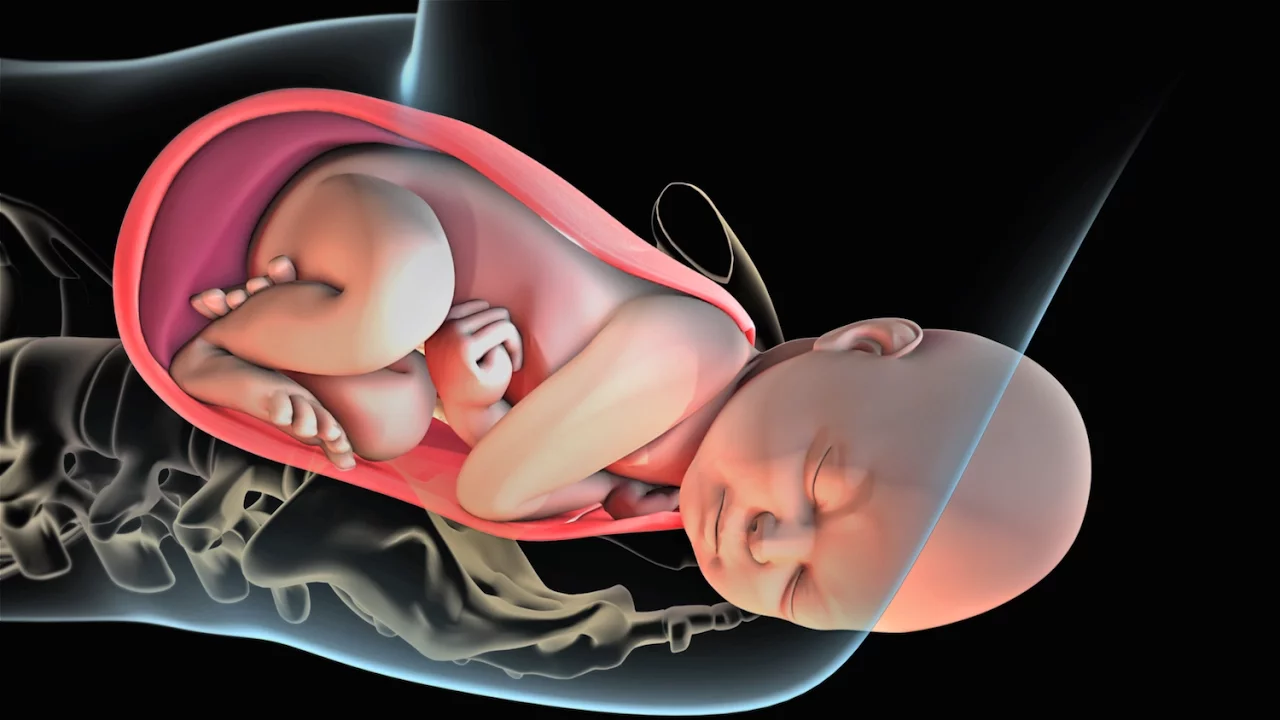
Stages of Labor and Vaginal Birth | Childbirth Animation
@nucleusmedicalmedia
52.1M views•2017-08-18
Related Study Plans & Knowledge Roadmaps
Structured learning paths in Medicine