
















Refugee shelter design across different countries reveals that humanitarian interventions often prioritize control over autonomy, with shelters focusing on aesthetics, metrics, or political statements rather than giving refugees genuine agency over their living conditions; the key insight is that effective humanitarian shelter should prioritize autonomy—allowing refugees to make choices about their daily lives and spaces—even incrementally, rather than imposing top-down solutions that restrict freedom and dignity.
Fragments of Home: Refugee Shelter, Design & Politics | LSE
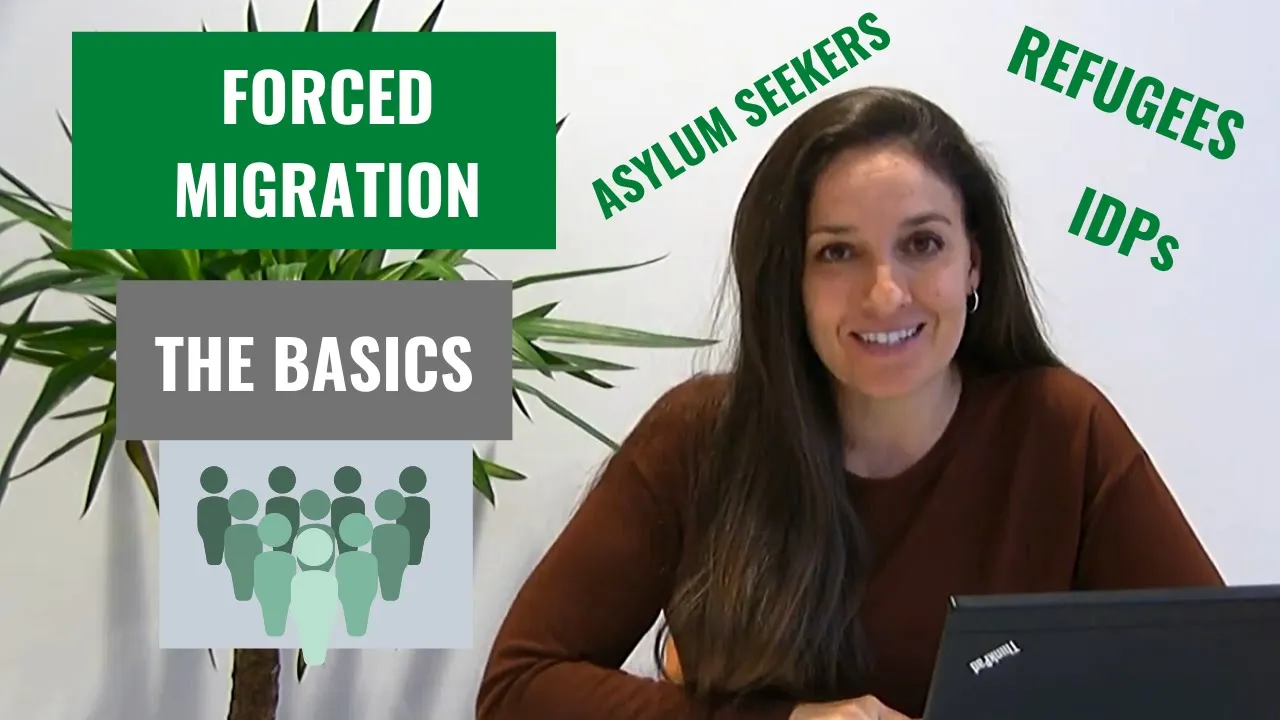
Added:The distinction between refugees, asylum seekers, and internally displaced persons (IDPs), alongside the basic framework of the 1951 Refugee Convention.
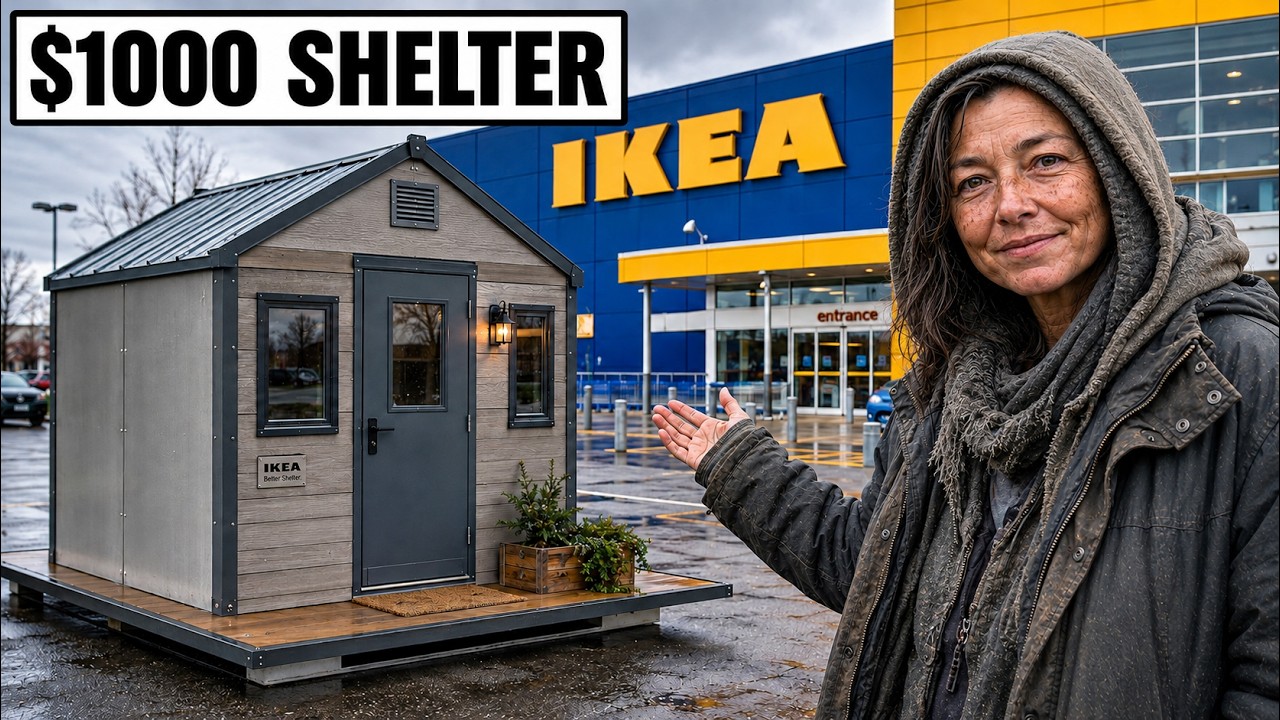
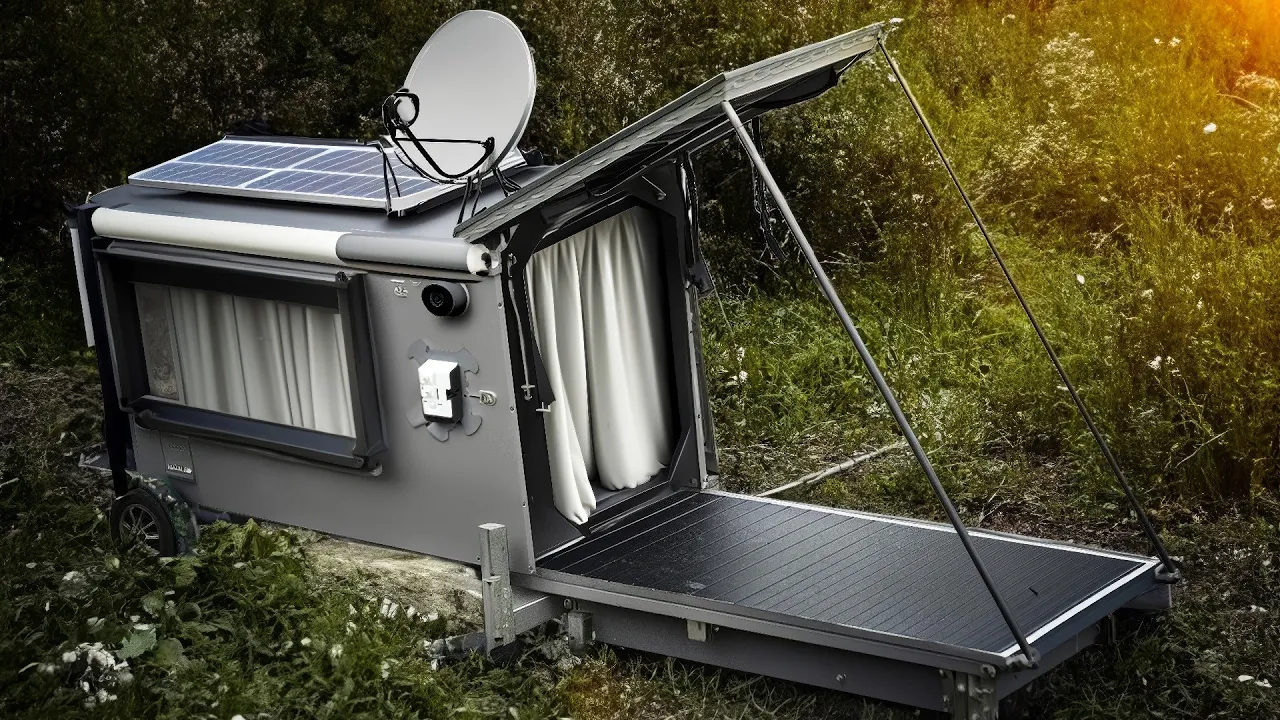
The concept of humanitarian architecture and how temporary design interventions, such as modular or flat-pack shelters, are traditionally deployed in crisis zones.
Basic principles of spatial politics, specifically how physical spaces, borders, and camps can be used by states as tools of political and social control.
An understanding of informal urbanism and squatting as grassroots, community-led survival strategies in the face of housing crises and systemic policy failures.
Advanced theories of biopolitics and the 'state of exception' (e.g., Foucault, Agamben) regarding the governance and containment of displaced populations in camp environments.
Methods of participatory and co-design, exploring how displaced individuals can actively shape and build their own living environments rather than receiving top-down aid.
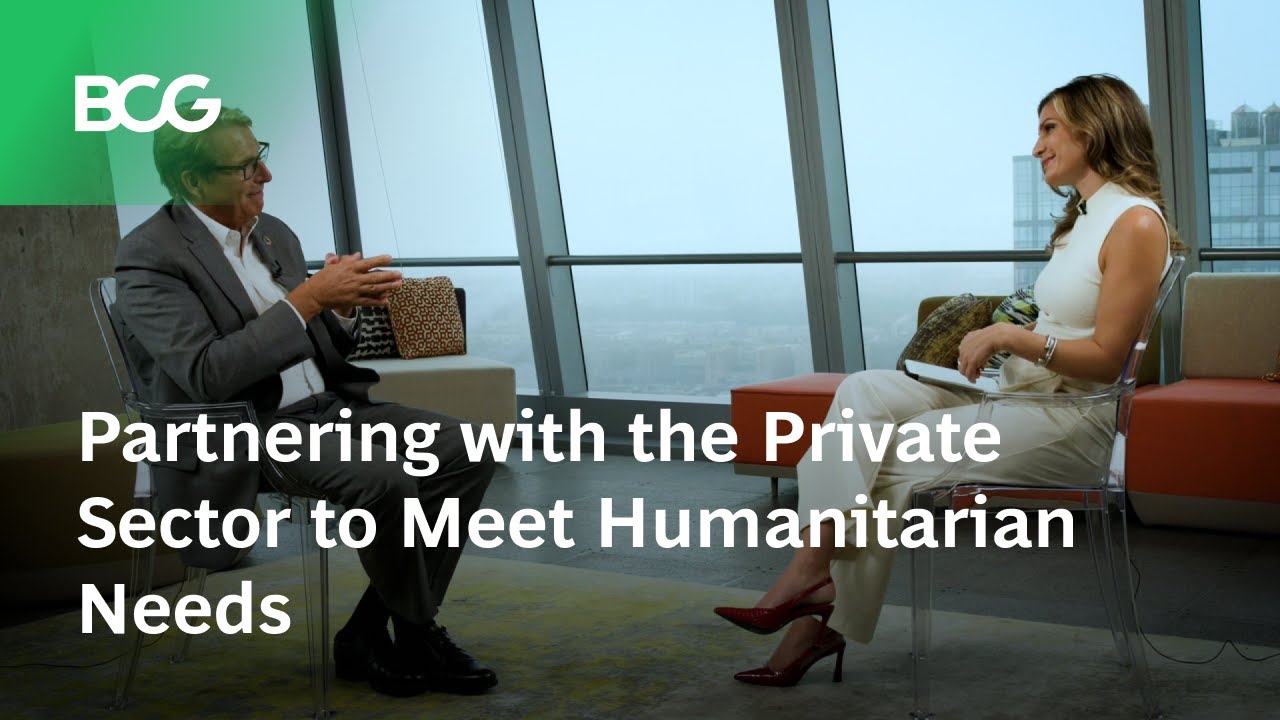
The economic, logistical, and ethical implications of corporate-humanitarian partnerships, analyzing the role of multinational organizations in humanitarian aid.
Urban integration policies and the transition strategies from temporary humanitarian encampments to permanent, dignified social housing in host cities.
957 views31likes1:28:33Original Release: 2024-11-20
good evening good evening and welcome for those of you physically in the lsse and those of you virtually I'm very pleased to welcome you here tonight for what should be a fantastic public event so tonight we are talking about Refugee shelter Refugee shelter is in the news we've all followed the debates about the BBY stock home we've all followed debates about the bombing of refugee camps in South Lebanon and we've all followed you know on a day like today it's very easy to imagine the problems of refugee shelter and a cold you know British climate so the things we're talking about today these are all important they are topical and one of the world's leading thinkers on this topic Tom Scott Smith has just written a book on it so I'm delighted to welcome him today to talk about his new book fragments of Home Refugee housing humanitarian design and the politics of shelter so Tom is the director of Oxford's Refugee studies Center he's also an associate professor of forced migration and Refugee studies he holds other positions other um well other um important positions he is an ahrc BBC New Generation thinker and his last book won um prizes um so we're very pleased to welcome him today to speak about his new one joining us with Nick with Tom we have mam James mam is a rising star of the lsse she is an assistant professor in International Development and humanitarian emergencies her work focuses on the Democratic Republic of the Congo and she did her PhD at the University of Oxford where she studied with Tom and as a result of this I'm going to ask you to get your own back for all those all those nasty supervisions the difficult comments the problems we've had now joining us to give a practitioner perspective I'm very pleased to welcome Nick Henderson Nick is the chief executive of the Irish Refugee Council and he's one of Ireland's leading voices on these issues he's one of the leading voices in Irish politics and the media on issues related to refugees so today we have a essentially a three-part um a three-part agenda we're going to start off with Tom Tom is going to be talking about his book he's going to be giving a about a half hour sort of presentation with some sort of um with some video to talk about that then Mam and Nick are going to be talking about what they think of the book and I would remind them at this point to try and say you know a bit of disagreement is helpful at this stage I don't think we're here just to to talk about the good parts of the book we'd like to hear some of the difficulties with it as well and then after that we'll be opening up to questions both in the room and online and I'm very much looking forward to you guys coming up with some interesting challenging questions for Tom so thank you very much for coming Tom thank you so much for coming to talk about your book without further Ado let me hand over to you thanks very much [Applause] thanks very much Neil and it's great to be here so yes I'm going to talk through uh the book and show a few short films that I made as part of the research um as well that hopefully will bring this topic to life but I want to start by talking first about what's happening right now here in the UK because I think it shows how Refugee shelter is always a very contentious political issue and in the last few weeks we've seen another round of headlines in the Press about the way the government is handling this issue I'm just going to show you a few headlines that I picked out of the newspapers just in the last week or so so it was announced recently that the notorious barge at Waymouth that Neil mentioned the baby Stockholm is about to close its lease is going to end in January next year its inhabitants are being moved off the barge and into hotels or as the express puts it kushy hotels there's an awful lot of opposition as you probably know to the use of hotels for Asylum Seekers the telegraph just the other week reported that labor have promised to close these but of course the guardian have been saying that the government have also pointed out that the system would descend into chaos without them there are just too many people who need shelter and seemingly there are very few other options meanwhile the cost of of these hotels has also been in the news um this independent headline is reporting on an IP report that found that the bill for supporting each Asylum Seeker Rose from an average of £17,000 per person in 2019 to 41,000 per person today so that's about £40 per person on accommodation per night and this amounts to over 4 billion of public funds which I'll remind you come from the inter National Aid budget it makes up about a quarter of all the money that's spent on Aid and then we've had the recent stories about where this money is going because much of this money is going into the hands of private companies so here we have the Daily Mail reporting on how the owner of one of these companies Graeme king or the migrant Hotel King as they call him have seen his profits go up by million so much that he's now on the Sunday Times rich list and the mail describe him as you see as the first immigration industry billionaire so those are seven headlines from Seven newspapers all in recent days and they show how hard it is to provide Refugee accommodation in this particular political climate in the UK but in this presentation I wanted to take a step back and talk about some work that I actually began a decade ago it examined how different countries handled the enormous Refugee flows that began began in 2015 the so-called summer of migration through Europe now this crisis was Far bigger than the one we have now in Britain Germany alone had over a million applications for asylum in 2015 and 2016 and I think this really puts into perspective the tens of thousands of people that we're talking about accommodating here in Britain but it was the scale of that situation in part that led me to launch this project into shelter and which finally led to this book fragments of home which I'm introducing to you tonight now when I wrote this book I wanted to ask three fundamental questions that I was asking that summer in 2015 firstly how were refugees being accommodated in different countries in Europe and the Middle East in the months and years following that crisis secondly what was working what wasn't working and why and here I was interested in particular in the role of architecture in design um in coming up with Solutions and finally I had something conceptual in mind when I was writing this book which is to ask what actually is basic shelter in the end what are the most important components of this human need that we all share if the Asylum hotels are kushy as the express would have it how do we Define what is essential and the standard beneath which no human should be allowed to sink now in the early days of this project I mapped out the various ways that people were finding shelter and I want to show you some photos that my colleague and I took over the course of that first year which I think really illustrates the diversity of this topic so we saw a lot of self-built shelters particularly in those early days shelters made from wood and tarpulin like here this is in the Cal jungle where the image from the front cover of my book was taken this photo is of another self-built shelter this time in the bikar valley in Lebanon a bit more permanent this time the floors built up with stones and the roofs weighed down with tires as you can see we also saw a lot of shipping containers being used as shelter Stark cuboids of Steel adapted for use primarily in refugee camps here we see them in Cal again in long lines all stacked up and numbered here they are in Jordan in a slightly different form after they had been painted and ripped apart and rearranged around a courtyard shape a satellite dish as you can see installed on the roof we also saw lots of vast institutional dormitories set up in empty or abandoned buildings so this one is in a hanger at templehof airport in Berlin you can see the open chipboard boxes that stand in for bedrooms at the bottom and you can see the iron roof high above this is another abandoned building a shopping mall near trip in Lebanon again it was filled with refugees each shop front was rented by a family you can see their washing hanging there from the walkways and then there were thousands of seemingly Innovative new designs for Refugee shelter like this one the flatpacked shelter in a box that was funded by the Ikea Foundation or this one a vast inflatable shelter pressurized with a current of air and erected in no time this particular ular example was um on the tarmac of an old station car park in Northern Paris but there were others too in other places in Europe now this interest in design was a particularly striking feature of that summer in fact there were so many ideas being written up and sent off to Aid agencies that some of my contacts in the humanitarian sector began speaking of all the shelter spam that they received unsolicited emails from well-meaning designers who thought they had found the solution to this problem their IDE is included popup shelters that could be dropped from an aircraft clothing that could be worn as you walked through the bulans and that then transformed into tents units that stack together like Styrofoam cups and even ideas to reclaim whole islands from the Mediterranean Sea so after mapping out these different options I chose seven projects to look at in more detail and they became the seven chapters of my book here they are this is the contents page each chapter looks at a different kind of refugee shelter in detail and each of these examples was in a different country but they all showed how ideas of shelter in practice when rolled out by governments and humanitarians tended to focus on slightly different things some focused very much on the Aesthetics some focused on articulating a list of Basics others presented shelter as a matter of politics and so on and so forth now I'm going to go through these shelter these chapters very briefly but first I just wanted to say a few words about my choice of title for the book fragments of home because my central argument in this book is that Refugee shelter is contentious because we expect so many different things from it if you try and think about how to define the basic need for shelter it's always slipping away we could just think of it as a roof to keep off the rain a piece of canvas like this which might be useful for a few nights but it's obviously not a l in the longer term it seems clear that we need shelter to do other things for us we need it to provide privacy a lockable door we need it to keep warm it needs insulation we need to have enough space so that we're not crammed together with other people like sardines in a tin and things don't stop there because we also need shelters to provide a place to wash they need to be a place for cleanliness good health we need shelters to have a kitchen so we can prepare meals then it gets us into the need for Community because people expect to host others in their shelters they expect to have a social life quite rightly and eventually they need to be close to jobs so they can make a living to schools so their children can be educated and of course there's also a cultural and aesthetic Dimension to shelter because we don't want to live in depressing places like this a vast refugee camp in a remote area in the middle of a desert it might meet some of the requirements for basic shelter but it will certainly do nothing for human flourishing so at what point does this list stop being basic the upshot is that any attempt to provide shelter has to play with all of these different elements policy makers and humanitarians have to make tough decisions they're constrained by time they're constrained with money we all understand that so it's inevitable that shelters in some way fall short in the end they can only ever provide what I'm calling fragments of home but what fragments do they prioritize that is the question and that is the point of these chapters so I'll go through them in term some of them I will talk about very briefly and some of them I will show a short video on just so you can learn a little bit more about the places that I'm writing so the first chapter in the book sets the scene and it's about the Ikea flatpacked shelter that I mentioned earlier this dream of manufacturing a universal basic home um this was very much rooted I think in the Swedish experience of the universal model of social democracy and the aim of the project was to capture the essence of basic shelter it was meant to boil things down to the basics that's why I called the chapter shelter as Basics to break shelter down into little Parts here you can see them stacked up in the warehouse to put all these parts in a box with a little manual like you find in your Ikea furniture to ship these boxes overseas and then to reassemble them where they're needed and this chapter shows how the results become inevitably contentious as the aspirational universal shelter has to come to terms with the very different places that it's actually being built in here it is in a refugee camp in Milan because when it ended up being used many people accused it of being too mean for doing too little they said it looked like a chemical toilet they criticized its lack of insulation its lack of a proper floor it time tiny little windows but ironically other people accused it of doing too much it was producing something that was too finished they said too culturally specific the product didn't really allow people to change it or shape it to turn it into something that actually reflected what they needed it wasn't open to adaptation and it looks as you can see like a very European looking house it main designer even said it's like the kind of house a 5-year-old would draw others pointed out that it makes no sense to send packets of pre-fabricated plastic around the world lots of Steel rather than using local materials so the first chapter is designed to set the scene and show that any attempt to boil things down to the basics will end up falling apart when faced with very different conditions in reality it points out the shelter is always contextual and I argue in that chapter that the universal basic shelter cannot ever really exist in the second chapter I turn to Jordan and tell the story of two enormous refugee camps which were created in the desert and the planners of these camps tried to provide everything that refugees might need it was a model that moved Beyond just the basics to offer a far more comprehensive idea of shelter it involved linking shelters together providing everything from supermarkets to schools piped water paved roads and I call this shelter as metrics because the checklists involved were extensive everything was closely measured and carefully ordered and the metric stipulated not just the square meters of living space that should be allocated per person but also the ceiling sh sorry the ceiling height of each shelter the ratio of clot size to living space all the dimensions of the roads and the fire breakes the distance to the water points and this camp in particular azarak Camp was described as a model because it met all of these metrics but this raises a question how can such a terrible looking place be described red as a model and there was in fact an interesting story here when you delved into it because the camp of azarak was built after the perceived failings of a first Camp which was called zarri camp this was a place where the humanitarians felt that they had lost control a place where refugees had reshaped the whole environment they had painted their shelters as you can see here they had moved their Caravans into compounds they had planted trees they had changed the way that the whole Camp looks in order to meet their own needs now I'm going to show a short film which shows how the humanitarians responded to this particular development I made it with my colleague Mark Breeze and it seeks to explain what was going on here by speaking to the humanitarians who made the decisions about these camps in Z are after the the first phase of the emergency we understood that the tent will not last uh for more than a year UNR with the government and especially with donors from especially from the Gulf countries uh we got access to what we call Caravan a caravan it's a prefabricated Building made of panels in Europe we use these kind of facilities on the construction site this is the office the meeting room uh eventually some accommodation for the workers this is what we use today in Zari as a shelter today we have 24,000 Caravans that is is wonderful because you can you can talk about how people change the way that the call Camp layout was planned so that it fits their own needs which is which is ultimately what any person working on shelter would want so Z had prefabricated units so they were basically ready and they were delivered to the camp and then they're so mobile that the refugees actually put the Caravans what we call Caravans is the prefab unit on uh on on Wheels and then they would take it wherever they want in the camp so what the refugees did by themselves at night and they are very uh creative uh they got access to welding machine and they W this kind of chassis or trolley and 30 men were able to lift a caravan and at night they reshape all the Caravans and they reshape their Caravan the way they want it they make basically a u shape with three Caravans or they make a square shape with four I think it was uh captured on video it's extremely funny because you can see it from top that the house is moving basically and it's actually a lot of people carrying that imagine the reaction of our team coming the next day where basically in this huge surface area their either tent or Caravan disappeared and this has never stopped and we have never been able to control uh this this movement of Caravan in Zari after a couple of years uh of the existence of Zari we understood the lesson learn of this camp and it was the wish of the government to establish a new camp and this has been the camp of aak the idea of a was was to basically repeat Zari but in a more controll way the main experience in Z was the disorganization because um people were just coming in large numbers and we weren't able to accommodate them properly or let's say plan their settlement in a sense and we couldn't keep track of the movement of people inside the camp because people were actually moving their prefabs in it's a bit of a rigid grid but basically the idea was to allow the people to have space for their own activities it was established in an military area so there was no neighboring City that the camp Community can interact with the population today in in azak it's about 40,000 people half of Zari so smaller Camp better control by the authorities and also the the UN Community if the market has been developed by the refugee themselves in Zar the market in in azra has been controlled and Incorporated in the urban plan in the camps you will find supermarket to avoid any duplication and fraud we use the ey skin system for payment so when it come to pay at a cure we scan the eye of the the beneficiary so the amount of the expenses is directly linked to his [Applause] file so we made a film because I think in many of these places you have to see it visually you have to experience what it's like and it seemed the best way to communicate the research and azra became a place that was famous for its restrictions restrictions that the humanitarians arranged because they felt they had lost control over the other Camp refugees needed permission to enter and leave the camp they couldn't adapt their homes growing trees and bushes was banned that was ostensively on security grounds and the camp manager famously said that he wanted an unobstructed view from one end of the camp to the other so he could see exactly what was is going on now I'm going to move now to chapter three which looks at a very different model of shelter it was founded in Athens and it expressed the idea that shelter could be a form of politics now this story began after a group of activists occupied a hotel this one hotel City Plaza which had been empty since the financial crash in 2008 and over the summer of 2015 this group of activists broke broke into the hotel they cleaned it up and they created what they called a self-governing community for refugees when I spoke to the organizers they kept saying this wasn't just a shelter this was a political act the idea was to construct a more egalitarian Community a place that wasn't toed down but where migrants and citizens could live together it wasn't just about meeting physical needs it was a shelter that was meant to build a sense of community one statement described the hotel as a workshop of of solidarity and resistance they saw it as resistance to the Greek government's approach of putting refugees in camps not dissimilar to the one in azra camps that were often on the edge of cities in remote areas they saw it also as a form of resistance against border controls resistance even to the state itself but there was something interesting about the Dynamics of this place that I lay out in the chapter because the refugee inhabitants didn't have a lot of choice when they went to live there they were not necessarily interested in egalitarian forms of social organization or in opposing borders and the nation states in fact many had much more conservative political leanings all they wanted was a place that would allow them to live in the heart of the city not to be pushed into remote areas but their aim wasn't to smash borders but rather to live in a stable nation state with a functioning government and it was also clear that many were quite happy with hierarchy when they arrived at this front door they wanted to know who the manager was so we might say again that the common theme Here was about how freedom and control operated within a shelter because even these kind of attempts to break down the hierarchies of humanitarian Aid weren't always completely successful and there were subtle pressures that were acting on the refugees in this example despite the laudable aims now I'm going to show another short film that explains this place in more detail I don't have a film for every chapter but this one again was an attempt to speak to the people involved and try and tease out some of the issues when people started arriving in Athens ER again political activists mainly political activists or activist from the pro refugees Movement try to organize structures there were hundreds of anarchists or activists who did it without a plan for the whole political situation because we had to help refugees so as City Plaza is not only a building it's a space it's an idea it is an alternative it is a way that we want to propose to the people to the government that there is way to to deal different refugees the residents that they're living here they are responsible of daily life here the the main idea behind C self organization you have to participate because other it will not work it can be a fun it can be a political idea it can be a lot of other things it's a place that we try to build a community I think that City Plaza is doing an excellent job the the framework that they have created in in that building but we have to keep in mind that keeping a lot of people in a in a small space for a long long time is not good by any you know by any definition look at prisons look at you know small and crowded neighborhoods or areas or houses Etc it's never a good thing it has to be shortterm the squats have been an incredibly effective um and human solution for very many people who've who've been through Athens my concern and my discomfort is whether or not people in a vulnerable situation who are looking to access shelter and services are in a position to um to say no to the to the political agenda which comes with accepting those you have to sign up to a political project that wants the destruction of nation states in order to get a bed for the night I know that some of the squats dream of uh the revolution if if I may say so that so basically using this um reality and using people basically to create the conditions for a for a reaction so I can understand that I know that very valuable political tool I completely disagree if I may say so but nevertheless we try to keep a balance also in that context as much as I think there's a lot of lessons to be learned from squats I also think that they're not necessarily the best practice they might be really well run they might have great Community but in terms of sustainability we can endorse something that has a chance of shutting down at any point I believe that the changes and alternative models need to have a long-term schedule a longterm idea not not to be a bubble or not to be a an event of the present political condition of things fundamental problem here is you have a a solution for Asylum seeking populations which is based on and overt an explicit challenge to nation states borders and private property um which is depending on your political views is an entirely valid response but it's it's not a response that then invites obvious lessons for large institutions and nation states to follow so that gives you a sense of the story in Greece which was a very brave and radical attempt to disrupt the dominant approach to shelter but I'm going to move and talk briefly now about chapter 4 which looks at Lebanon and which looks at an approach to shelter that I call Shelter as tactics and by this I mean that it was a place where humanitarians and refugees had to respond to a situation where formal options weren't available Lebanon at the time had an explicit no Camp policy and Aid agencies were constrained in what they could do or at least constrained in their ability to use the common responses that they tended to turn to as a result forced migrants ended up living in a lot of very terrible improvised buildings scattered around the country and they were some of the worst of all the shelters and camps that I went to as part of this research they included old factories chicken farms warehouses like this one the empty shopping mall I showed you earlier there were also a great deal of informal settlements made from Cheap Building Materials you can see in this photo how some shelters were constructed from old advertising hoardings which were wrapped around the frame the jux deposition here between the aspirations of mass consumerism and the poverty of displacement I think is particularly Stark and in this chapter I tell the story of how refugees and humanitarians had to find different ways around these restrictions and the result was nothing that could be called a strategic vision of shelter because we were left with shelter as a form of tactics but this brings me to chapter five which um I'm going to show the last section of film on this was about Germany and the response in Germany was really marked by the use of large empty buildings which were converted into dormitories for refugees one of them I've already mentioned that's templehof airport which was built under Nazi rule in the 1930 30s but there were many others too often iconic buildings with troubling historical residences like this one they included the former Stasi headquarters in lenberg this huge 1970s Conference Center the ICC and West Berlin there were also abandoned department stores schools the buildings of former concentration camps like at dakal and of course Temple Hof itself during that time shelter meant I'm not on a street these Emergency Shelters were really or their only goal in the beginning was to prevent homelessness yeah well everybody in this world dreams of an overall plan but uh at least it's difficult to get one we had a bad situation really in the beginning October 2015 we had a deficit said of about 10,000 places for people in the morning we didn't really know will it be 200 or will it be 2,000 people coming today and you cannot plan accommodation for this situation this is impossible and that's why we started to uh use the sports Halls uh and some public buildings and uh well everything we could get somehow well we confiscate buildings now and that's what they did they just knocked on the door uh of their District Mayors and say uh you got these three School gyms next door uh they now belong to us I said well we don't have the keys here okay I give you one hour to organize the case we wait Tempo airport was closed in 2008 and uh there was a b big discussion uh going on still going on uh about uh how to use this building and so we decided okay there is seven empty hungar we try to build in Refugee accommodation it was always clear that they would want to use it because obviously it's a lot I know through governmental eyes is probably um a lot of space I remember when I first entered this hunger um I don't know through this like massive metal door and you just entered obviously it's huge because it's a garage for airplanes and yeah it's just like this massive industrial Hall with very bad lights we were running out of beds and it was simply not possible to call anybody saying well uh what you sell us beds and how many do you need and uh 1,000 what do you mean 1,000 yeah we need 1,000 beds and we need them tomorrow remember that situation when we got a Lori full of beds and S that iy wanted to have cash so we had to organize cash to pay the Dutch guy to buy the bats uh to put them into Temple of incredible so yeah funny situations so we have a big hunger with air conditions pretty loud and in those hungers they bring up dry walls and put beds in it and there is no roof on top it's not closed and there is no door there's just blankets or something 500 people in one room no roof above them you always had a noisy atmosphere there even if people were not talking on a loud voice but nearly whispering but you always had this sound of many many people do and whatever people do 50 people have a cough 30 PE people have sex um 20 people snore two children are running around the whole night you cannot really sleep there we came here it was on the night around 11: you cannot feel comfortable inside it was horrible it was like one small room it was with six bed upper and lower P it's the minimum eight people sleeping inside or maybe 12 maximum without roof without door and about the food it was normal people yeah they will not eat it to be honest you know like it's just macaron with the water and with some vegetables and that's all and and after a couple of weeks that we were asked for the first time when can we cook our own meals when it's possible to cook our own meals cooking for the family means so much to these people from Afghanistan Iraq Iran Syria erria Somalia wherever they come from we always thought uh showers and uh toilets would be the main issue it's food in the beginning uh it was rather no know rather German food we asked uh could you organize food for 250 people now uh they will arrive in two hours uh where do they come from and what do they eat and well uh we don't know we constantly worked on uh really improving it because food is always a topic I don't know what they eat but uh I'd say no pork so I have a lot more footage of this guy he with the comedic it was the comedy side of the film and we needed a bit of light relief but um yeah the film I hope illustrates how life in these huge shelters which were of course designed only for a few months but ended up being used um for years were regulated and because so many people lived in them they had to be regulated at least that's what the organizers argued everyone's day was structured in the same manner the overhead lights were turned on at the beginning and off at the end of the day like Clockwork they were fixed meal times people had no power or control to make the food that they wanted food which is of course incredibly important to Social and cultural life now before I conclude I'm just going to talk very briefly about the last two chapters chapter six looks at an approach in Vienna which was described by its designers as shelter as Poetics and they were inspired by the work of Gaston bashad and particularly his idea of the Poetics of space and this was a model that was all about trying to transform the kinds of accommodation that you saw in Berlin into something that was a bit more human it was I think in general a successful architectural intervention Vienna was marked by refugees living primarily in office blocks which were empty buildings like this which were soulless and gray made of concrete and The Architects installed kitchens using brightly colored chipboard like this so that people could cook they also in installed parasoles surrounded by blankets so that Within These open plan offices people could create warm spaces and privacy and lighting was an important part of their intervention as you can see there the creation of a much more cozy space so chapter six um examines this particular model and then chapter 7 tells a story of a case when Aesthetics in shelter took priority in the response it's about a case in Paris where the mayor of Paris asked asked a group of Architects to turn refugees shelter a refugee shelter into a signpost of humanity a visible design that stood as a mark of the mayor's compassionate intent here it is it's called the yellow bubble the problem was that the shelter was not much more than a symbol I me it looked quite cool but the optimistic symbolism of the design was disguising the control that went on within this design and in fact it was not a very practical place to live in any any case here is a photo from inside the shelter but you'll have to read the whole book to find out the story of how this particular project panned out because I need to move to my conclusion and the book as a whole I hope I've indicated already gives an idea of how every attempt to provide shelter ended up focusing on one or two aspects of a much more complicated picture be it shelter as a political act shelter as a list of metrics shelter is something defined by its Aesthetics something primarily symbolic but all of this raises a question if all of these are fragments of a bigger thing home which element of shelter is the most important and in the conclusion I argue that there's one big thing that all of these projects missed and that's autonomy because the recurring issue was always Control shelter was being defined and provided from the top down life was being restricted underneath in many small and meaningful ways and the shelter in Berlin is the best example because if you think about how you would feel if your daily routine was being shaped Always by other people if the lights had automatically turned on in your bedroom at 6:00 in the morning if you weren't able to decide what food you ate for breakfast or when you ate it if strangers were constantly coming in and out of your home while you ate the cumulative effect of these things is extremely damaging and I think it's worth saying that these top- down all-encompassing shelters are all very expensive they leave citizens and voters feeling resentful about all the things that are being provided while they leave refugees who lack control over so much in their life feeling trapped so my suggestion is that above all we need to think of humanitarian shelter as about giving people spaces that they can control in a wider situation that they can't spaces where they can pick up the pieces of their lives and make choices however limited they are about what comes next the attraction of autonomy to me is that it can be implemented in increment mental ways obviously a lot stays outside of people's control be it a humanitarian or be it a forced migrant but there are things that can be changed and the aim of the book is to change the terms of debate and instead of asking what kind of shelter or accommodation humanitarians should provide we need to focus instead on what refugees can do so thank you very much thank you so that was wonderful um and I'm pleased you got a teaser in there for chapter 7even I can't wait um my I'm going to ask you to respond first of all please great um thank you so much this was genuinely a pleasure to read for those of you who haven't read it I really recommend it this is proof you can write an academic book and it can be readable um it's really beautifully written so congratulations um it really shifted how I thought about shelter um as Tom's outlined these kind of seven fragments these seven very different case studies really delve into shelter as a social material practice but also as a philosophical idea and I think that's the real strength of the book it combines this empirical detail and that kind of ethnographic focus with some really deep thinking about what does this tell us not only about shelter but also about emergencies and about the inherent kind of paternalism of humanitarian response um it made me also think a lot about displacement and how it's not just about Mobility I think your book does a lot to reframe displacement about as about a loss of autonomy and a loss of entitlement so I think that's really worthwhile and I think a real strength of the book even if shelter isn't a kind of topic that you have thought before that you were very interested in is that it also provides a kind of fresh Insight on the big questions about humanitarianism so first of all as we've heard in particular through some of those videos thinking about power thinking about paternalism and also thinking about that thorny and inevitable entanglement with politics so um I was given the brief of trying to kind of critique the book trying not to just kind of talk about everything I agreed with or that would be quite a long intervention um so I'm going to focus on the conclusion and this big idea about autonomy because I think in this book you try and do something Brave you don't just deconstruct R and point out what's kind of wrong with existing approaches you also try and suggest how we might rethink them and how we might do that theoretically also from within the academy so the main argument then is that to overcome the kind of paternalism the top down control that's embedded in all these very different types of shelter the answer is autonomy the control over the small things and really giving refugees a say over daily issues um so I wanted to ask three questions in relation to that argument the first one is about the interesting difference between autonomy and participation so in the conclusion you talk about how this is not a new debate there have been Decades of trying to get round the inherent power IM balance between someone giving something and the other person receiving it and you kind of go through the old debate about participation and say autonomy is different because where as participation is consultation autonomy would mean real decision-making power from the beginning so I wanted to hear a little bit more about that because the thing about participation is that at the beginning it was also envisaged to be something more radical than it turned out to be and in reality I think humanitarians found that they were constrained there were lots of limitations politically about the extent to which they could provide exactly the kind of choice and meaningful kind of autonomy you describe so that's my first kind of question is it possible to give meaningful choice and freedom from coercion can humanitarians create a space from that in a broader political kind of environment and are humanitarians part of the problem are they part of those kind of coercive elements and I think that some of that comes out very clearly in the film the second question is about States we know that even if Humanity Arians had all of the kind of best intentions and a lot of power they are contending with State interests and particular the kind of interest of host governments when thinking about shelter um so to what extent is your argument about autonomy politically cable or palatable to kind of the host governments or powerful states who have so much power over shelter and the final question then is about how this idea of autonomy fits into debates about localization and kind of more expansive ideas of how to reform Aid here I'm thinking about some conversations I recently had with congales humanitarians and congales NGS in eastern DRC where I work and in their critiques of responses to force displacement in particular in the outskirts of GMA where there are currently um a great deal of displaced people living in terrible tent light structures they also called for what the sort of Dynamics you're talking about autonomy for displays people to make their own decisions about where to go and how to be sheltered but also autonomy for local responders and so I was wondering how does this idea of autonomy fit into debates about localization and is autonomy over those kind of daily elements that you describe really enough do you want to come back to those now or uh I can do yes yeah um I mean they're great points and um thank you very much for them all I mean I think that the first thing I would say is that I do recognize immediately that autonomy is not the perfect um all-encompassing concept that is going to provide all the solutions I mean it's a pragmatic principle that I think will help and I chose it not just rather than participation which as you say I point out in the book is too pecem it's too procedural it tends to get reduced to just a tick box exercise a single moment um so autonomy certainly is more is a thicker concept it's more substantial so I'm choosing it for that reason but I'm also choosing it in in contrast of Freedom which is too big a concept and it's too ideological and it's too weighted and it's too wide and the attraction of autonomy for me is that it can be advanced in stages that it can be incremental so I I don't I suppose I don't agree that it is that I'm presenting it is the solution to everything because the thing about autonomy is that you can expand it over certain things in isolation of other things so we might expect in our lives that the big things in life are beyond our control like um I mean in the case of refugees your legal status your citizenship but even for anybody there are things that are beyond their control about when Trump gets elected for example but there are things that you can control um and the most uh things that matter most and that are uh at at the the power of humanitarian agences and governments to effect are those everyday things they are where you wake and what time you wake and how you eat and so on so for me it was meant to exist somewhere in between there um so is it possible to get a space that's free of coercion no I mean ABS absolutely not and I think the case of the squats and Athens is a good one because even when you have these spaces which are designed to try and be flat and horizontal in their hierarchies you still of course get power structures but what you can do is create something incremental and think about Shelter From a Different starting point so that's the first thing I'll be I mean there State question is the argument politically sellable um I think probably again it's a very difficult thing to sell but the the reason I choose the concept is I think it's easier to sell than some of the more radical ideas because again it's something that I think can be handed over to a certain extent and in a world where Mass accommodation is so incredibly expensive you do need to think AR fresh about whether or not those four billions that 25% or more of the aid budget could be spent in a slightly different way the question is whether it's politically sellable to the electorate and I think that's where the problem lies but we'll probably come to that and I'm sure Nick will have some things to talk there but yes I think the the the hope is that it is more sellable than the Alternatives and then localization actually feeds into that because I'm not suggesting this is anything other than I mean there's an irony here isn't there because I'm criticizing aid for being topped down and then I'm choosing what could be described as a top- down concept I mean autonomy is not a vernacular concept and it's not something that is emerging from the bottom up but again I'm choosing it for pragmatic reasons because I think it can fit easily into a humanitarian toolkit humanitarians who are fundamentally liberals and who I think can probably get on board on Concepts like this um so as to how it fits into a localization agenda in Aid it is something that I would have to think about because there's not a lot of appetite for top- down Concepts necessarily um but the series of questions that I hope I raise in the conclusion give it more of an accessible kind of theme you know questions about what do you prior ize when I mean I mean in the conclusion if I can just write quickly um read I ask humanitarian designers to always ask two questions before they even begin designing and one of them is is it necessary to actually do anything in the first place is it necessary to to design anything and secondly what is it about this design um that is maximizing the ability of habitants to take as much control as they can over their daily life and carve out a distinctive life of Their Own and simply by asking those questions at the starting point of any shelter project I hope that you could get a difference you don't need to call it autonomy it can just be the starting point that's wonderful I'm worried this is getting too conceptual so I'm gonna hand over to Nick um to give a practitioner perspective yeah thanks very much uh so you're going to have to write a sequel uh to the book Tom um it's it's it's a great book but I it it needs to be it needs a sequel um and if it's not your job it's maybe somebody in this room's job uh so the rain that you had today in London was falling uh in Dublin yesterday and it was falling on uh a thousand people who are in government supplied tents uh in Ireland we have a huge reception crisis and one of the features of that is government Supply tents and uh in one location which is called krook which is an old Health Department uh space land uh there are about 10 large tents quite similar to what we saw in the piece and like all these things they're they're predictable I was looking at the weather forecast last week and noticed it was going to get cold and then it emerged that it was going to rain really heavily before the cold and vide started to come through uh to me from volunteers and people in those tents of the conditions and there are apping uh rain coming through the roof wet floor and Soden bed clothes uh and that it supposes a very real and tangible and awful example and product of of the reception crisis that that we have uh I was asked to comment on it in the media in the airport in Dublin and I wrote the quote on the plane and I sent it out and it was the PE a couple of outlets picked it up but our crucial point is that tents in our our opinion do not meet the legal definition of reception conditions under European Union law and they should not be deemed as such and they shouldn't be used now that's all very well for me to say and we might come to the practicalities of that but that's the bottom line and we've put that to government several times um we are in the middle of a reception crisis in Ireland uh we have 32,000 people in our reception in our Asylum system uh we have 1,000 people in government supplies tents but crucially we have around 3,000 people who have not been given any offer of accommodation whatsoever so you turn up Tom terms up he makes his Asylum claim and he's told there's no accommodation uh but we're going to give you some extra money instead and I I might come to that but we're not alone in this you know it's really interesting that other countries and it's the countries that one wouldn't expect necessarily that are having these reception crises Netherlands huge problems in there slightly stabilized Belgium is aw it's worse than in Ireland that you're not even even given a money pay a monetary payment uh when you're told there's no accommodation um so these are really really crucial issues uh that have a huge personal and individual impact and they also I suppose threaten the Integrity of an asylum system and they cause huge overflow problems into the to the debat around this issue um what do we do as an organization we tried to do certain things one is that we've taken government to court we took them to court in April of last year and said that it was unlawful not to provide somebody accommodation not to provide accommodation to Tom when he times up and makes his Asylum claim um we were uh we were successful in that and we were we got a really strong declaration from the court nothing happens we went back to court in December we said that okay well you have to give damages to our client who suffered person harm because he was sleeping rough on the streets in Dublin he was attacked he was robbed uh it's been referred to the court of justice in Europe um and then the Human Rights Commission in May of this year assembled a huge amount of evidence huge amount of evidence they went to court they got a great judgment in August nothing happens and then today I just coming here we had heard that they the state were going to appeal and they they have just appealed which is I said I circulated it in our office group I just said no comment to this I didn't can't really put to words how frustrating uh and that is um but it but these are are some of the the issues and and and challenges we we face and we we took them to court but more more theoretically and from a policy perspective what we also tried to do is produce and it's dated now it's from around 2021 which seems a long time ago but we did something called alternative to direct direct provision if there's anybody from Ireland in this room they'll know exactly what direct provision is it's the system of accommodation given to Asylum seekers in Ireland uh and that we put forward a paper with an Housing Organization about alternatives to DP and it really didn't La it didn't quite land we got a commitment in the program for government to implement it but we've had several features Ukraine increased in the number of people seeking Asylum and also a a junior government uh a junior government Coalition member tasked with this issue and it's just Fallen away so we are in it's it's it's a very difficult situation it causes a huge personal impact as as I say we've been through a lot of the things that Tom's shown we've been through hotels emergency accommodation uh office blocks uh converted buildings then tents and now now we're we're at nothing so in terms of Tom's uh in terms of the book there's a a few things and points and i' I'd make firstly is the the terminology is quite as a practitioner it's quite uh Alien to me in so far as shelter and humanitarianism are not things that we would use on on a day-to-day day-to-day basis reception conditions reception conditions directives European Union law flows down into Irish law through a statutary instrument that's what we go on about we back and you could ask somebody in our office and they'd say tell what does article say or Article 5 and they probably know it it's it's what we have these ter shelter and humanitarianism are not terms that we would immediately use and that's partly because it's a government process it's a government obligation to provide accommodation [Music] um in terms of the the the money point you make Tom exactly in the conclusion why don't we give people the means to to buy and procure and and and get shelter and we have been that's been explored in Ireland they as I said if Tom turns up he gets instead of getting 3880 a week he'd get € 118 Euro a week and uh I had a senior government official about three or four weeks ago who reminded me of the the German guy the guy at Temple uh he REM strange coincidence and he said ah Nick but they've got 400 in their pocket they can go out and buy they can go 4400 EUR a month they can go out and buy accommodation uh and you know it's that's just not possible uh what we we we work with people who maybe get two nights in a hostel and then a few nights on the street back into the hostel to get a shower when uh particularly on the offseason it's e easier to to do that one of the the most troubling features of the current system that we have and I'll finish in a sec is the is the the government strategy which is that they require somebody to sleep rough to be given an offer of accommodation if they're not given one when they apply so uh Tom would have to go out and he'd have to be verified as a rough sleeper before they give him an offer of accommodation and that's extremely worrying to us because it's forcing people into huge situation of vulnerability um the the other chapter I think or the next chapter for your for the for the sequel will be um accom uh shelter is a deterrent yeah you know that the the idea that governments and we put it to the Irish government that we think that you what you're doing is a deterrent they would deny it uh but it's pretty clear that they're making statements maybe some partly subconsciously but they're making statements around you shouldn't come to Ireland because if you do you'll be you'll be on you'll be on the street finally the point around don't build we would be saying always build and build on state land uh take produce accommodation that doesn't draw away Supply from the mainstream population to avoid perceptions of Q jumping and we tried to explore that in different ways but ultimately it's around building we think which is a bit of a simplistic and crude response but that's that's what we'd be we'd be talking about most um yeah that's wonderful stuff Tom can I get you to briefly respond just particularly I'm quite taken by this point that shelter might be a deterrent as well yes I mean My Shelter is a deterrent I think there's no doubt about it but um the thing that would cut across my response to all four of those points is that I'm approaching this topic as a scholar of humanitarianism and as an anthropologist who looks at humanitarians and why they make the decisions that they do and what was interesting to me about the story of refugee shelter in 2015 was that it was two worlds colliding it was the world as you say of EU law and reception conditions and a very systematic approach to this issue um confronting an emergency where humanitarians have actually very different conceptions of shelter and very different approaches that go in and it was interesting to me that the Berlin office were reading the humanitarian handbooks that were designed you know with a refugee camp they even said it themselves with a refugee camp in Africa in mind when they do it and the people in Greece were complaining that the humanitarians were coming in and acting like Colonials on the islands to which the response is well you know it's coming home to a certain extent because that's always the way that humanitarians will operate with a particular kind of colonial mentality so it was two worlds colliding on the issue of money I mean I think everything you say is fascinating there but I would say that 118 EUR per week is a long way from 140 pound per person per night which is being spent on hotels so the astonishing thing is well what there is a better use of that money and it is almost certainly putting it in the pockets of people who can then make their own decisions because my argument about autonomy isn't just that it's intrinsically important to give people the ability to shape their own life and determine their C because that involves treating them as a human but also it's instrumentally better to get people to make the decisions about what kind of shelter is most appropriate for them so I'm making both arguments there um and on don't build just a quick clarification so my argument about not building is actually not that construction is bad it's actually I should have rephrased it it's don't design it's it's a call Against The Architects and designers who came up with these utopian schemes to solve the problem and then spammed all the humanitarian Aid agencies because they were trying to solve a deeply political problem with a technical design solution and and not really getting to the heart of the issue so it wasn't necessarily don't build I you know so I'm not disagreeing with you there yeah that's great so I'm going to go to room for questions um I'll probably take them in threes and I will ask as well um yeah we will go online in the second set of questions I'm asking for questions for Tom but I'd also like questions for miam and Nick and I'll get them to respond as well and we'll start off with the um the front row in the blue hi oh and if I could say introdu self but no biographies please sure no life histories hi my name is Anna I'm a LSC Alam and I currently work at refugees at home um I have a question mainly for Tom which is uh to me a key component of autonomy and the feeling of home means freedom of movement with that in mind could you share some of the perspectives on the differences in tactics and Technologies in particular that you saw um during your research that were used to Monitor and restrict the movement of those living in these varying shelters Cor just take two more we take the woman in black with a hand up and then the gentleman in green there hi I'm Gia I'm a journalist um on the topic of shelter as a deterrent I was wondering whether um the amount of time that people are kept in temporary accommodation um is cumulative to uh the deterrent aspect of making the temporary shelters unappealing to people coming to seek refuge in the determined country and if you could possibly make it especially about the UK if you have any special knowledge about that and are you going to quote them is this okay just yeah warn just to warn you and then it was the gentleman in green thank you thank you my name is Jamie I just wondered if there's any long-term planning to deal with refugees these camps we have seen they are sort of temporary but the refugees are trying to make them more permanent um I just wonder are the refugees are they planning to assimilate or do we want them to assimilate with local communities or are they planning to eventually return home to their uh birth countries and I just wonder if you ey using that please great thank you very much three excellent questions we'll go Tom first and then M and Nick if you want to come in as well let me know uh thanks for the questions well I mean the issue of temporary and permanent cuts across at least both of those things and I think there's a difference between accommodation which is built and it's intended to be temporary at the moment that it's built but it ends up being longterm and then accommodation which has got a particular time frame in mind and that meets it a lot of the examples in the film and in the book were not meant to last as long as they were certainly that's the case with all these shelters in burlin and I think that the way that we think about shelter needs to have that temporal um uh scale in in mind because what is appropriate for one or two nights or what's appropriate for a week is completely inappropriate over a longer period so with the best intentions you could convert a hanger into a dormitory for refugees if they are going to get through their Asylum process relatively quickly and they can be moved on um within a uh few months but when you ended up in a situation where people were living there for years and there were cases of women going in pregnant and then leaving when they had uh 2-year-old babies um and all that time eating food off Institution trays on a canteen you have a problem um where the ideal of what is temporary is not working and the whole imagination of shelter has been built around this because the Ika shelter as well was designed in recognition that people are spending longer and longer in camps this gets to your question um and that the average well this is a highly dodgy UNR statistic but it's often said that refugees spend on average 17 years in camps I don't know how we've tried to understand how they've constructed this statistic but the point is they last much longer than they think but the funding that's made available isn't made over a 17-year period because if you had all that money in one go you would build something permanent with proper infrastructure it's just being released on a yearly basis and of course the whole politics of this relies on providing some idea that refugees are only around uh temporarily now as to what their intentions are it of course depends and maybe Nate will'll speak to this because they're also on different visas and they have different statuses and some of them have permanent citizenship and some of them only have temporary leave to remain but yeah and freedom of movement um so all of these shelters will control freedom of movement to different degrees from the example of AZ refugee camp where movement in or out of the camp is highly monitored and um there's a extremely strong police presence I mean when we filmed there we were s we were followed by the secret police the whole time they didn't even pretend that they weren't there I mean this is a highly um surveyed area um uh right through to different kinds of incentives that are tried to design to keep people in certain places and lots of countries have a dispersal policy as well where they will send and distribute Refugee burdens as it's often put around the country in different ways so Germany had this and Britain has long had this so it all it all takes uh different forms yeah but the idea of autonomy again is that it doesn't necessarily need to be on an All or Nothing basis thank you you want to come in on yeah on the deterrent Point um yeah most definitely the length of time in the system can deteriorate and cause greater distress to somebody you know we've had people talk to us about sure I'm in a hotel I'm in a Holiday Inn but I'm in a holiday in on the edge of Dublin and I've been there for two years you you should try doing that um so it it definitely exacerbates it couple of interesting things one is that we're seeing now particularly in Ireland and and and it's Central to the European pact on migration and Asylum is that governments are being are saying to themselves we much must speed up decisions so there's this narrative emerging that oh the Asylum the problem is the Asylum process is taken too long and it has taken a long time in Ireland we did a report three or four years ago about how people are languishing for years but you've got to be really careful for what you wish for or how you present your message because then people can be rushed through a accelerated through a system and get a negative decision before they they know it and then finally the point about transition transition and this could be your other chapter is uh transition out the system you know in our we have 6,000 people in Ireland who have status and would be able to move on and want to move on and get out of the accommodation that they're in but but they can't because of the housing crisis in the UK you have 20 is it 28 days I think to move on once you get status 28 days to go out and find some private rented property is extremely difficult in the middle of a housing situation um so that you your your temp your temple period your time extends and then finally around the question around people's wishes and desires you know from our work people want to have the Asylum process to be as is a is a moment in their life uh it shouldn't be longer than is necessary and when they get status they want to move on and become and whatever they want to be and whatever their potential allows allows them allows them to be um finally recognition rates are really high as well there's a perception that they're quite low you know EU recognition rate is about 40% Irish is about 30% slightly less UK recognition rate is quite high as well so it that's an important narrative as well great thank you are there any questions online or should we great um so we've got a question from Kate Barwick um from Australia um could you speak to the Australian model of offshore detention centers where the government justifies sending people there as protection from themselves how has this model been held up as an example to replicate with the UK considering through the Rwanda policy and Italy sending applicants to Albania okay that's a great question question we'll take some more in the room as well take the woman in glasses here and then we should probably go towards the back I'll take the gentleman in the cour STP last yeah you're yeah and then so I'll do the love that I've also got a question about location in terms of autonomy because many people don't have a choice the location of the shelters right for example he had mentioned one of them is quite far away so is there any model in which uh a refugee can have a choice over the location of the shelters and then the gentleman Sammy I know him it's hi so I'm Sammy I'm a first year undergrad and I had a question a little bit more on the seeing these refugees as a burden maybe when I'm particularly drawn to an example in Germany like you said they brought in 1.1 million refugees at the time of the sort of Syrian Middle Eastern crisis but they managed to turn the sort of skill sets of these refugees into an economic potential and they actually economically grew a lot from this and I wanted to ask why do you think European nations right now are still seeing them as a burden when we've seen that they can be used for economic gain while we are still providing humanitarian aid for them great thank you Tom well these are some big questions I should say most of them go beyond the issue of shelter but nevertheless I'll try um well I'll deal with that one first I think the thing to say is their attitudes towards refugees they're not based on economics or rationality you know they're based profoundly on issues of culture and identity and I think it would also be a mistake to present Germany as being somehow an example that was plain sailing because of course it hasn't been it's been incredibly contested right I mean there was a brief period after Angela Merkel famously said we can do this in Germany and um in effect throw open the borders um and it lasted from about September 2015 till December um when if you remember there were some attacks in a street party in Cologne and then suddenly a quite remarkable back crash and now we have the far right in Germany on the March this is not really about economics this is about identity and it's about culture it's about a feeling of control on the part of citizens as much as anything else and I'm afraid to say I don't think we have seen the last of it and particularly when we look at the US election as well um is there any model where choice is I I don't know if the question is factored in I mean I think the interesting thing is choic is very often deliberately left out of it and the UK government um put on their website in quite bold letters that accommodation is being offered on a no choice basis you don't have any choice over it and you just you know that's what you what you're given um I would say again that the attraction of autonomy as a concept is that it could be taken seriously and and um uh implemented in an incremental way but actually yeah to do justice that has to be a very important part of of what it would mean because um there is in fact a fantastic film called Limbo that is all about a group of Asylum Seekers who were dispersed to a Scottish Island um it's a really great film actually um not a documentary but well worth seeing and the question online about offshoring um the offshoring model in Australia I'm not sure if I have anything intelligent to say about that except that it is absolutely been used as a model I think sadly because the perception is that it's been quite successful in Australia at its in intended purpose which is of course deterrence and non-entry and trying to prevent people from Ever Getting the opportunity to claim their legal rights and it's precisely why the former conservative government fed up but I'm sure Nick has some things to say on offshoring Nick yeah uh the Australians have done it and they're probably there are probably some who've done it and got away with it but everybody in Europe not everybody but it's the way the wind is blowing they pass the packed in the spring and literally the ink was the the ink was was was still wet and there was around 10 member states put together a statement saying okay we've got the pack but let's focus on offshoring Italy there was a lot of I was in Brussels in September and there was a lot of feeling that that Italy had got it they'd done it they got the right model and then the Italian courts brought them back and I think it's been struck out um Kier starmer has mentioned it Tony Blair uh was had a lot of emphasis on it so it's around and Miranda was too wild right it was just too impractical to do it they didn't you know if you were advising them you'd be saying look you this is just too wild you you need to be doing this in a more cunning way and maybe it was more about the politics but it's there and it's lurking and it will come back just on the the the the E economy point do you know hinder H the that I've got his book in my bag how is it how migration migration really works yeah yeah his point is that me European countries in particular have a schizophrenia about this issue that we we don't want we need migration uh and we need everything that people bring and we need it as a as a Workforce fundamentally but we're not prepared to Le political leadership isn't prepared to explain that and defend it and we're left with the situation that we have now great let's try try and stay focused on plugging Tom's book no no no the I don't think I have much to add other than Randa was mentioned um I was in eastern DRC this summer when the deal got kind of pulled and I think there's really interesting work to be done there about the interests of Southern States who are becoming more and more involved in kind of offshoring and externalization of borders and an interesting kind of area of research if possible to do would be about how the EU border industry is creating these other kind of Industries which also have really important political ramifications for different regions and especially in kind of the Randa DRC Borderland that UK Randa deal was seen as absolutely explosive for kind of demonstrating the EU siding with Randa in what is an ongoing conflict which the UK government had definitely not kind of bothered to consider so I think there's some interesting after lives even for bills that get cancelled and for kind of externalization plans that don't go through thank you time for another round of questions I'll go the gentleman in the island top followed by the woman in Gray and we'll go at the back to the woman in black hi I wanted to come back to a book and ask you a question about your case studies in Continental Europe when in your case studies did you reflect and do you have a theory what comes first need to provide a shelter for people who are seeking Asylum or necessity to control those people who are seeking Asylum what comes first are they equal or the need of control comes first for the state bodies when they are providing the facilities to place people seeking asy thank you great so sort of shelter versus control then if you pass it I forgot to remind you to introduce yourself briefly hi Priscilla we help people to provide refuges thank you all right my name is Priscilla I'm a clerk at the House of Lords um I was just wondering um one of the points about the book is this criticism about um these utopian designs and I was thinking if you see any importance of having these designers challenging how humanitarian shelter is actually done and I guess the related question is whether we can see a few of these examples as case studies of refugee resilience in the face of control for example thinking about how they were rearranging the containers if we can see that as kind of refugees fighting against pism and control thank you thank you thank you and then at the back the back on the end hi my name is Helena I'm an alumna of the geography environment Department um two quick questions the first one is considering that a majority of refugees are in low and middle inome countries how come you didn't include more of those refugee camps in your book and the second question on the homes for Ukrainian policy and whether that's an example of Aon or how that fits into your structure great questions Tom yes great questions again I'll take them in reverse order so there were I mean as Nick said there's there more books there and there were lots of examples that I didn't end up focusing on and I think homes Ukraine is a very very interesting one I mean obviously it took place after I did the fieldwork for the book but certainly that model of Hosting is another approach to shelter that I didn't really write about your question was whether or not it does deliver autonomy and I think what's interesting about homes for Ukraine is that um well it fits into the category of I'm sorry for the theory but what what academics would we teach at the refugee study center a week on humanitarianism and a weak on hospitality and theories of hospitality are all about the inequality between host and guest and how that is written in to the encounter and I think the the one thing that you can say about the homes to Ukraine scheme is that they were based on a model of hospitality it was essentially the UK government saying look there's public pressure to do something more for this particular crisis and they had strategic interests of course in prioritizing it so let's throw it over to the public and say um over to you but as soon as you let somebody into your home the theory of hospitality immediately says even if you're being welcoming even if you're extending Hospitality when you say my home is your my home is your home um there are of course implicit rules about which parts of the home you're allowed to go into and which parts of the home you're not allowed to go into and the anthropology pit Rivard said that hospitality is all about how to deal with the problem of the stranger it's all about having how to deal with the possible hostility and danger that might come with the stranger so control is written in to hospitality even through the act of welcoming this is what all the theory says so almost certainly hosting schemes do not offer very much autonomy and anecdotally everybody I've spoken to who's been involved in that scheme has said that this is what the point of contention was because when people are living in someone else's home where do they have the freedom to act and and and where do they draw the line with their guests low-income countries now I didn't focus on it because my um initial interest was in the sense of Crisis that was being reported in the media about the 2015 moment which was very much a Europe and Middle Eastern phenomenon and in a sense there was already lots of literature out there about refugee camps in low-income and developing areas but I do take your point that you know in terms of numbers um a lot of this is marginal and you might also say that a lot of the designs that I'm studying in the book are also marginal because there are far more people who just find shelter with family or with friends or they rent their own accommodation um that's more common than camps um and all these spectacular designs and so on that brings me to the question about whether or not there is a role for design in challenging things I think yes I mean how would one not say yes but the problem is so much design doesn't challenge a lot of design reinforces the status quo and then when it does challenge it inflates the rhetoric about what it does so there's all these events that you can go to about what design can do in the world and all these inflated ideas about how they can solve the problems that the world faces because this is the Silicon Valley approach you know you inflate and you build up and you get investors and that's how you go out into the world but the overinflation means that we lose attention on what design can't do and very often the thing that design can't do is the most hard and important thing which is politics is engaging in that messy world of trying to change political culture to change border policy to change local attitudes these things I think okay I'm not saying design can't do it but the way that it's presented tends to ignore that I've said enough wonderful M you need final Reflections or no Nick I think you've been a little bit harsh on the hosting point and um it went dumb badly it does exactly what you said but if you do have an organization in refugees at home are do I as I understand it great work here in Ireland we have an organization called Helping Irish hosts and Angie gof who who Who's an amazing person who leads that organization I hear in in my ear saying when a match is done right it can be incredibly powerful but her worry is that as we've wound down on state provided Ukrainian accommodation in Ireland we've got about 30,000 people in hosting situations that hosting is now going like off off grid there just spontaneous hosting being made which could be quite exploitative Community sponsorship as well is another angle of this somebody being sponsored by the community that's your fourth chapter there um so you know that that that's a huge amount of potential in there but also how can you scale that that's like that's the challenge I see there wonderful let me bring today to a close so look first of all I I need to finish off by saying a few thank yous thank you very much to the lsse events team um for everything [Applause] and the events team at LSC geography and the international inequalities Institute I'm not going to ask you all to clap for yourselves but thank you very much for attending and for those of you online you I'm going to finish with some good news which is that um Christmas is coming up and Tom's book is for sale outside and it's 10% off um and he's going to be we're going to make him sign copies afterwards so if you're around do feel free to come and say hi hi and interrogate him on any of the questions my final thank you is to our wonderful speakers thank you very much
Up Next

107:28
Slavoj Žižek on The Courage of Hopelessness | Vienna Lecture
@IppolitBelinski
217.7K views•2017-05-23

24:30
BRICS Pay and de-dollarization: A New Financial Order Emerges? | 55 chars
@DannyHaiphongYT
164.6K views•2024-10-22

84:39
Predicting the Future with Game Theory | Bruce Bueno de Mesquita
@theLondonSchoolofEconomics
33.9K views•2010-12-17
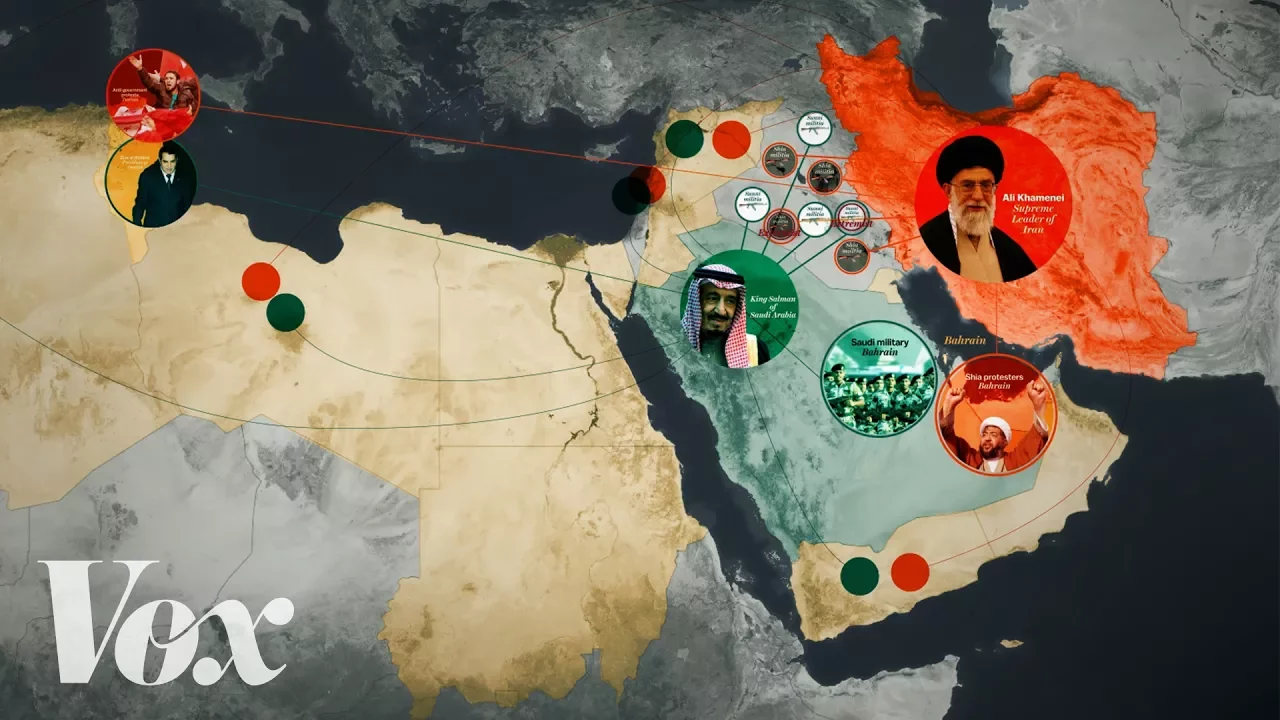
10:19
Explaining the Saudi-Iranian Proxy Conflict in the Middle East
@Vox
18.2M views•2017-07-17
Related Study Plans & Knowledge Roadmaps
Structured learning paths in Political Science
political-science
Economic Statecraft: Sanctions & Chokepoints
01Foundations of Geoeconomics and Economic Statecraft
02The Mechanics of Weaponized Interdependence
03International Sanctions: Types, Implementation, and Efficacy
+ 2 more learning modules
12h5 modules
Explore Roadmap
political-science
Central Bank Independence: Politics & Policy
01Foundations of Central Banking and Monetary Policy
02The Time Inconsistency Problem & Inflation Bias
03The Delegation Model and Designing Independence
+ 2 more learning modules
12h5 modules
Explore Roadmap
political-science
Consociationalism: Power-Sharing & Stability
01Democratic Dilemmas in Divided Societies
02Introduction to Consociational Democracy
03The Four Pillars of Consociational Design
+ 2 more learning modules
12h5 modules
Explore Roadmap
political-science
Rebel Governance: Legitimacy, Economy & State
01Foundations of Rebel Governance and Statehood
02Establishing Political Legitimacy and the Rebel Social Contract
03Wartime Economies and Rebel Resource Management
+ 2 more learning modules
14h5 modules
Explore Roadmap