
















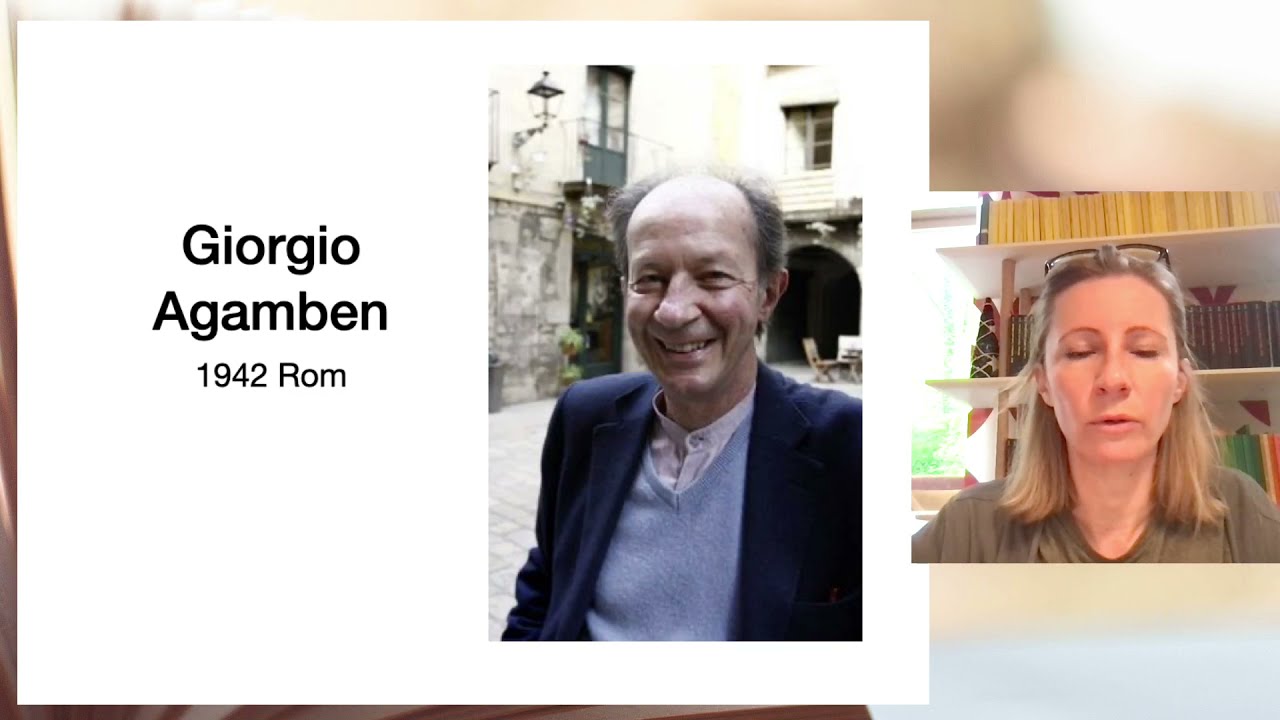


In Agamben's Homo Sacer, the modern nation state creates a paradox where citizens are simultaneously subjects (with political rights) and objects (biological bare life), and through the 'state of exception'—a mechanism where the sovereign acts beyond the law—the state can strip individuals of their political life and reduce them to killable bare life, making modern democracy inherently capable of totalitarian control over life and death.
Agamben's Homo Sacer Explained: Biopolitics & State Power
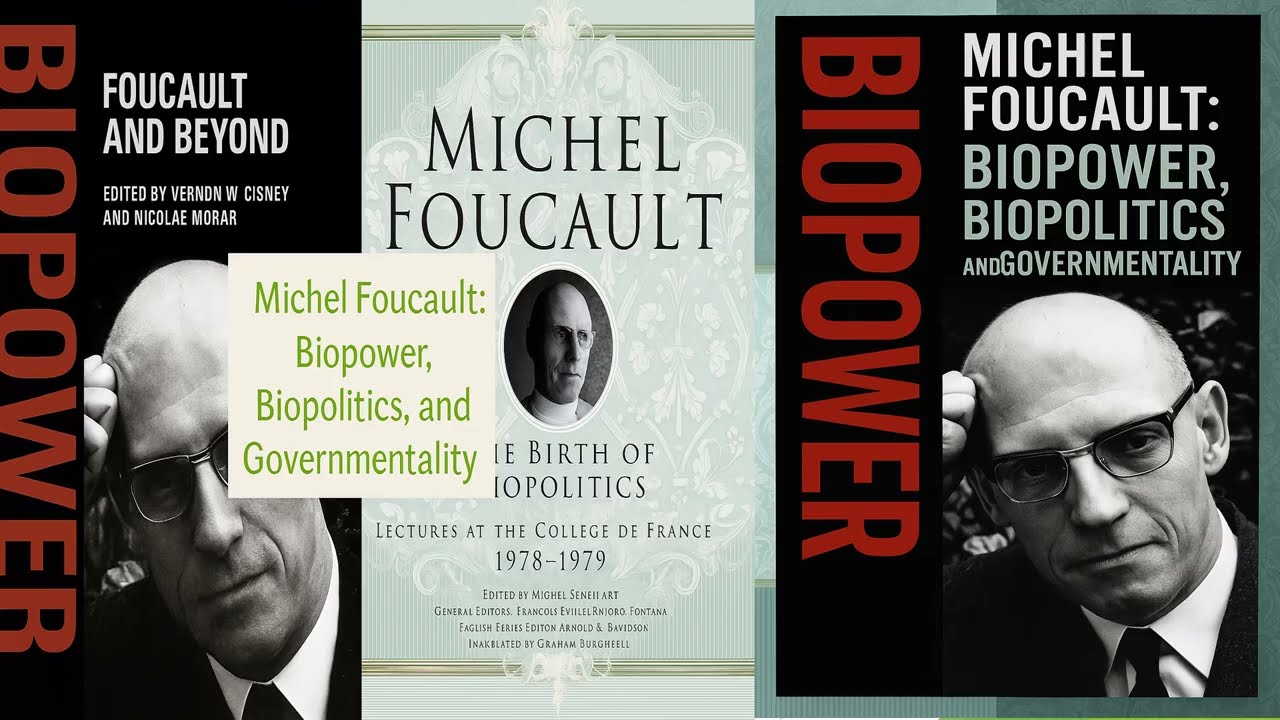
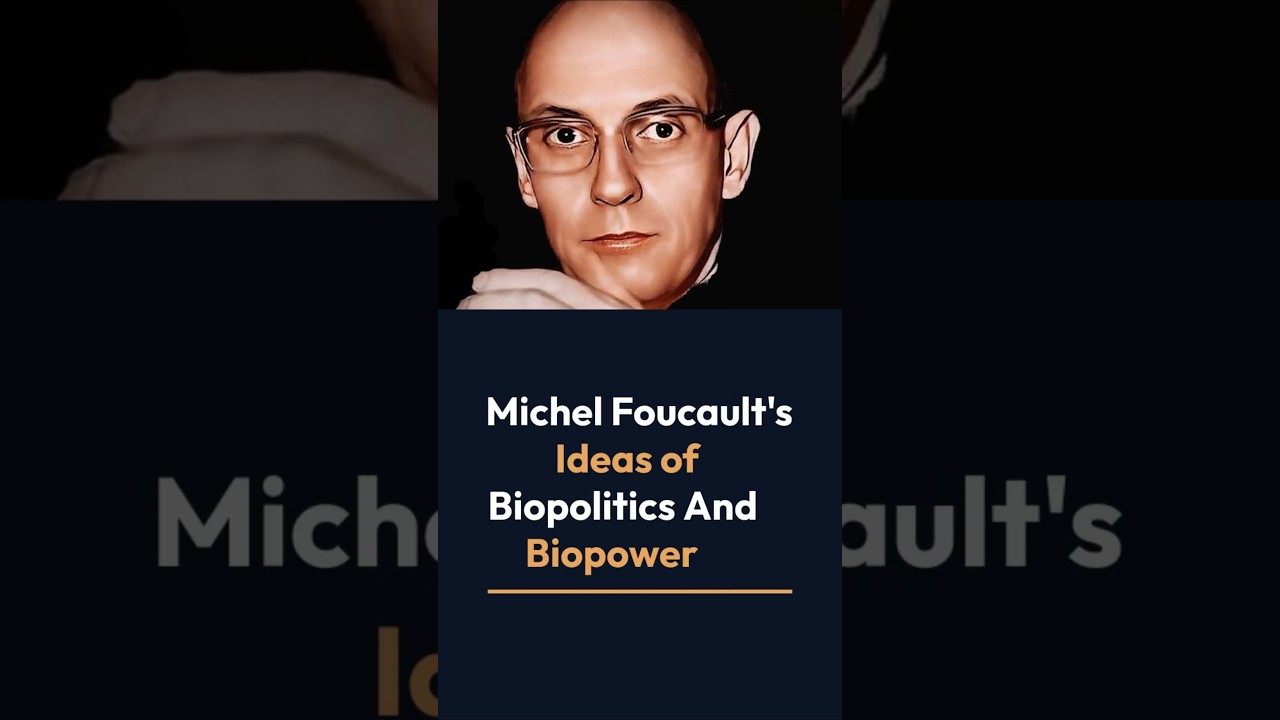
Added:Michel Foucault's theory of biopower and biopolitics, specifically regarding how modern states manage and regulate populations rather than just sovereignly punish.
Carl Schmitt's political theory on sovereignty and his definition of the 'state of exception' (Ausnahmezustand).
The classical Greek distinction between 'zoē' (bare biological life) and 'bios' (the politically qualified life of a citizen).
Basic tenets of social contract theory, particularly Thomas Hobbes' concept of the state of nature and the sovereign power of the Leviathan.
Achille Mbembe's concept of 'necropolitics,' which explores how sovereignty operates through the power to dictate who may live and who must die.
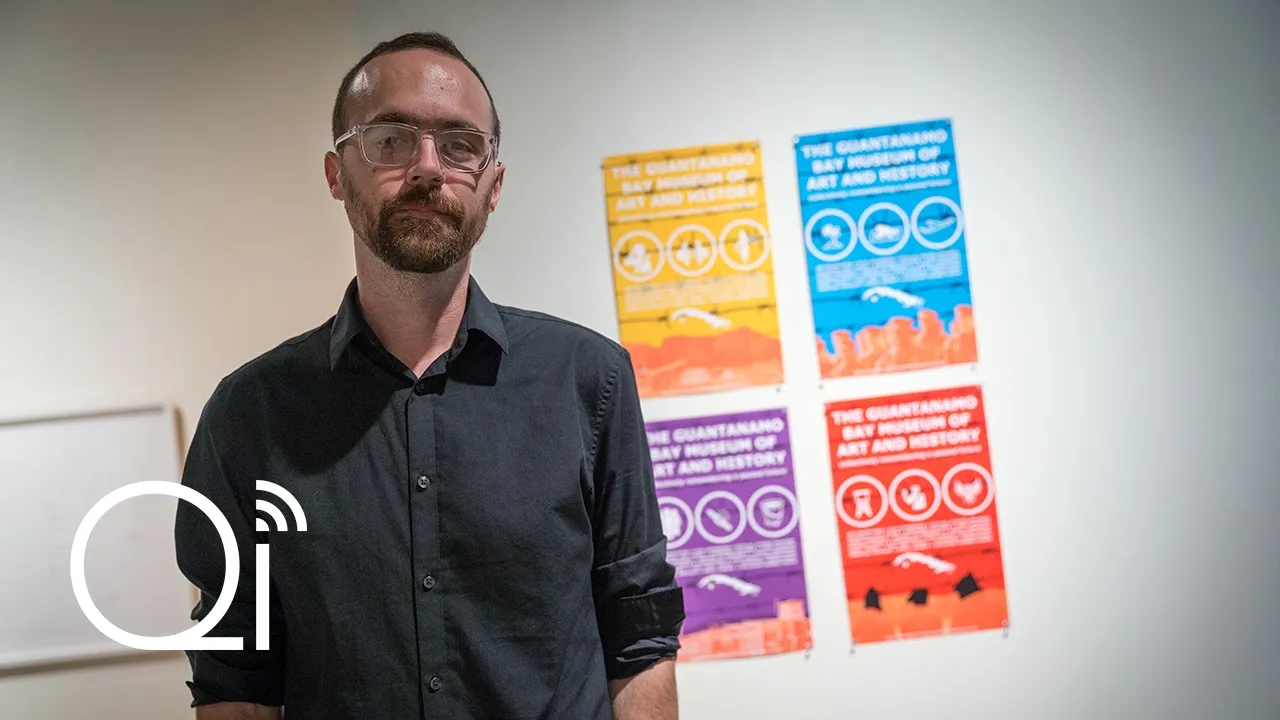
Case studies of modern 'states of exception,' such as legal black holes like Guantanamo Bay, post-9/11 security legislation, or emergency pandemic measures.
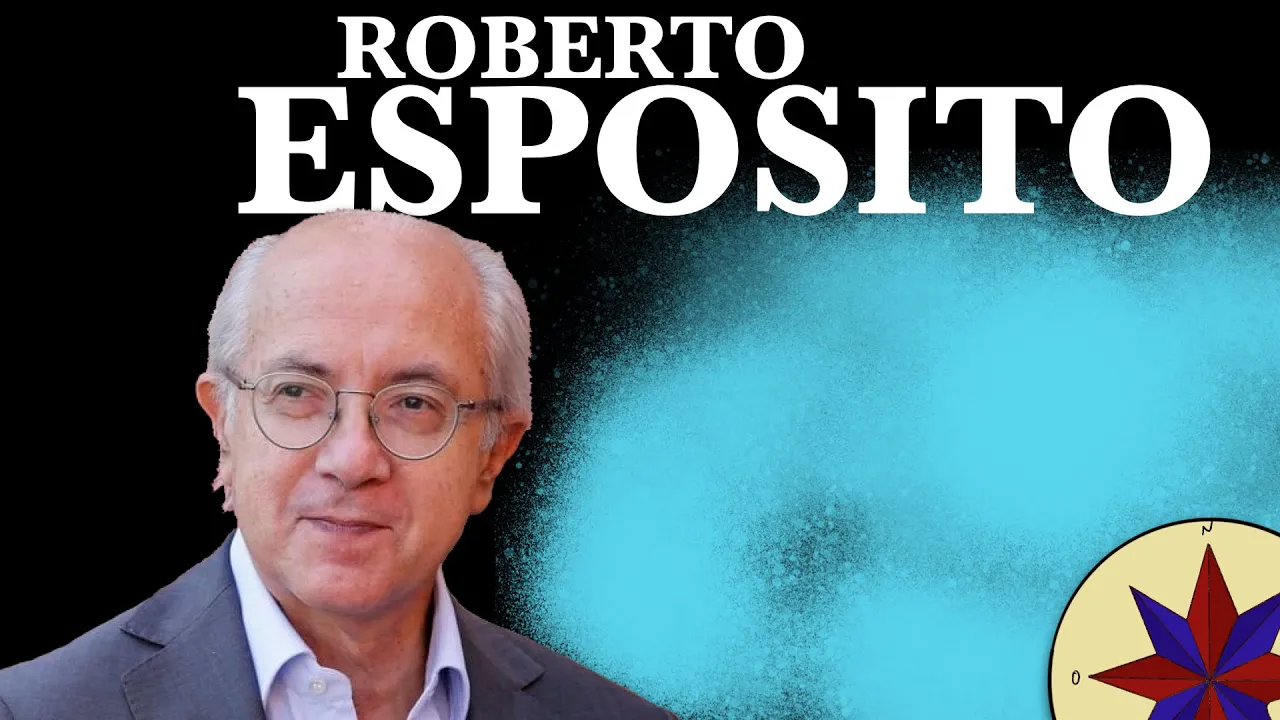
Roberto Esposito’s biopolitical philosophy, specifically his framework of 'immunitas' (immunization) and 'communitas' (community).
An analysis of the political status of refugees, stateless persons, and undocumented migrants through Agamben's critique of universal human rights.
162.2K views2.8Klikes8:28Original Release: 2014-03-07
The big underlying question presented in the text is why modern democratic states turn into totalitarian states. Before we get to all that though, we have to outline the primary concepts in a gambin's argument. At the foundation of a gambin's theory is homosakra. To understand this condition, we first have to understand the distinction between bias and Zoey. Bias he describes as political life. This is just legitimized social life, life in society, which for the Greeks meant political life. Zoe he describes as bare life, meaning animal life. In ancient Greece, every citizen had these two separate qualities. His political life as defined by his existence in society and his bear life given by God and therefore sacred and defined by the fact that he was an animal which must sleep, eat etc. Interestingly, at that time, domestic life as having no political function was regarded as bare life or Zoey as they called it. Women, children, and the scenile would all be Zoey as they had no political life, no bias. The bias Zoe distinction is very like the mind body distinction. Am I my mind controlling my body or am I my body experiencing my mind? A homosakra in Roman society was someone who in punishment was exiled from society and was therefore allowed to be killed by anyone but not to be sacrificed in any religious way. What this meant was he was expelled from the world of men. His bias was removed and he was left with just so bear life animal life. But homosakra is not the same thing as bare life. Homosakra is someone who has been forcibly reduced to bare life just to keep these two concepts separate. The sacra and homer sacra is a bit confusing. Sacred man who can't be sacrificed. The relationship between these words is important. First of all, sacred does not mean to be protected on the grounds that it is religious and therefore somehow precious. It simply means belonging to the class of things that is outside society. And so sacrifice also belongs to this sphere.
It is a simple inside outside included excluded dichotomy that puts them together on the outside. This is his included in the form of exclusion thing that he keeps talking about. This outside element the other according to Levi Strauss always exists in societies.
It is a constant and manifests in the sacred priests hermits etc and the sacrificial. In both cases, it serves as an overflow valve for society to allow for the systems mobility. Things must be cast out and moved around to relieve pressure. There must be a place for loss to keep the system open. Like the missing square on one of those pitcher puzzle games. Moving back to the killability of homosakra. Who decides who can be legally killed? The sovereign. This is literally the definition of sovereignty, the right to kill. In the age of monarchies, the king was sovereign. This put him at the head of society. His sovereignty was legitimized by God. This would put God over the king in society.
Except that as God is sacred, he is part of the other class of things and so outside the structure. It is the classic triangle social structure. The king is the subject and all others are objects.
Together they are a whole. After the declaration of independence, every man became equal. This made all the objects equal subjects. The triangle becomes a centerless system where each part facilitates the operation of other parts. Sovereignty is shattered and dispersed among the constituents of the system. But sovereignty the right to kill remains only it is not given by God and it is a collective rather than individual responsibility. All are one and the same. This is the nation. Enter biology. Biology says a gam and fuko is the emergence of modernity. According to them biology is a totalitarian ideology in its very nature. This is for two main reasons.
Firstly because of the way that it measures life. Extreme examples being eugenics and genetics. But life support systems and healthcare screenings are the same thing. It reduces people to their animal qualities. The beastialization of man. as he says it is so clinical and objective. Secondly, because it introduces the concept of the norm and therefore the abnormal thus reintroducing or reformalizing the inside outside dichotomy in the way it measures life. It reduces people to objects their life so but the nation state designates its citizens as subjects bios political. This is where the two concepts become confused and combined. With the onset of biology, bias and Zoey are combined. Bias and Zoey subject and object. So in the modern nation state, the subject is defined as an object within the system, a biological object, bare life with political rights. Zoe with the rights of bias. This is the paradoxical nature of the position. The nation only being a manifestation of all of its parts sees itself in terms of this paradox as well.
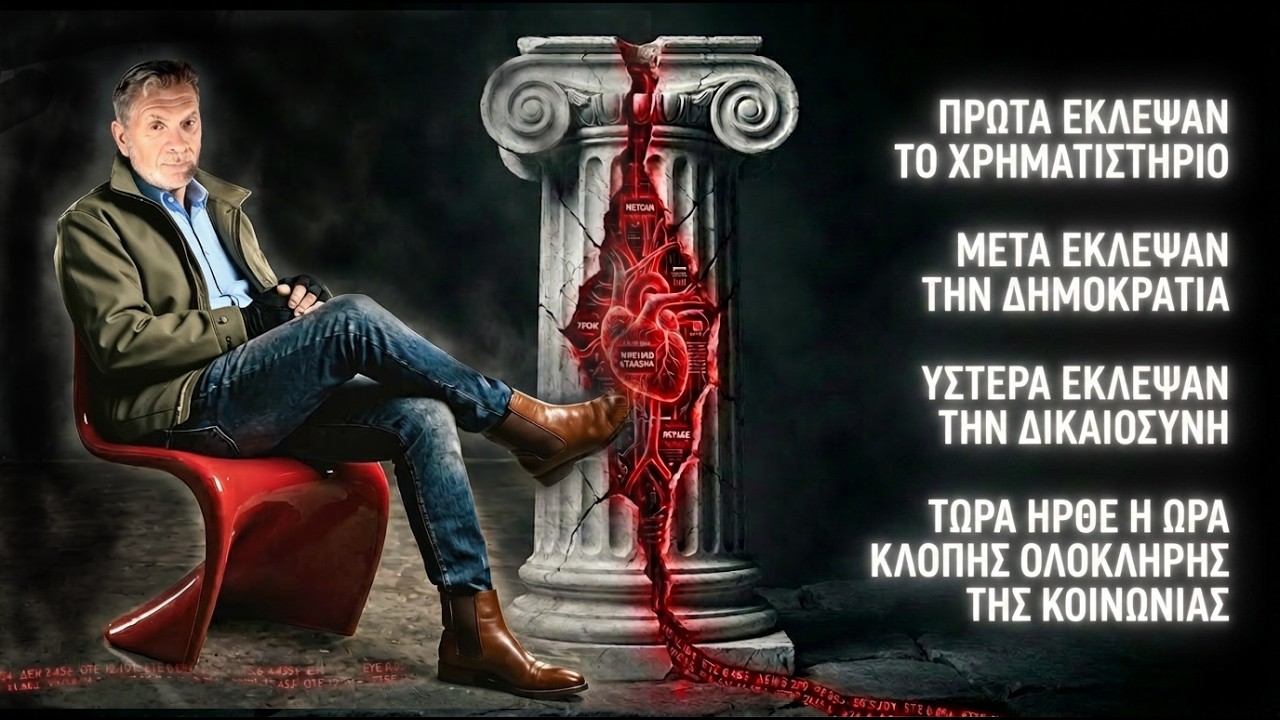
bear life with political rights. It conceives of itself as made of the bodies of its citizens. It defines itself by its population rather than territory. Suddenly, the state has a huge stake in the physical life of its constituents. Its very identity is the bare life of its citizens, its bare life. It is now responsible for the health of its citizens. This is biopolitics, political control over bare life, which necessarily means the political control of death. Phantool politics biology designates the other through the introduction of the norm. It also sanctions the killing of the other as it reduces people to bear life with the state-given right of bias political life. So just like homosakra if you remove the citizenship of an individual or if they in fact have no citizenship they are only bare life and therefore can be killed without committing a crime. This is why in Nazi Germany it was of absolute importance for the Jews to be stripped of citizenship before they could be killed. The state defined by the bare life that constitutes it sought to purge the abnormal from its body. Biology gives democratic states the opportunity to create a homosacrop position within it. If the abnormal, the excluded part which is still included in the system is expelled, it can be placed outside the law. The device used by states to expel people to reduce them to bare life is the state of exception.
Prisoners in Guantanamo Bay were in a state of exception. Refugees and asylum seekers are often in this state of exception. This is commonly employed in such instances as the denial of voting rights to prisoners, the enforced life support of coma patients, and the death penalty. The concentration camps seen throughout modern history in Germany, South Africa, America, and many other states are physical places which exist in a state of exception. The state of exception is simply constituted when the sovereign acts beyond the law. A gam sees the whole modern nation state as in a permanent state of exception or rather that the implementation of the state of exception is a normal thing that modern states do. This means a citizen's political life, his bias, the only thing that protects him from being killed, exploited or denied aid or refuge is only given with the understanding that it can be removed if he is placed in a state of exception. So essentially all your rights can be taken away. You do not have the right to have rights. You are merely allowed to have rights because biology makes the state focus on itself and its citizens as bare life.
Then if you happen to suddenly be perceived as a threat to its bare life, even if you are a citizen, your expulsion, abuse, or execution can be legalized and justified. As modern democracy has this inherent totalitarian control over life and death, it is a totalitarian system, a camp rarely as extreme or as brazen as Nazi Germany, but fully capable of becoming so. It is in this way that the modern democratic nation state supposed to deliver equal rights to man has in the foundation of its design the ability to deprive those very rights. For a gambin, the power to become a totalitarian state makes you a totalitarian state.
Up Next
39:16
Human Rights and Humanitarian Reason | Seyla Benhabib
@GCR21channel
6.1K views•2015-06-18

131:21
The Arcades of Paris: Walter Benjamin on Urban Politics & Philosophy
@internationalcentreforcont7204
2.3K views•2013-06-19

68:32
Should We Destroy the Machines? Big Tech Surveillance Critique
@TheStoriesWeTell303
167.9K views•2025-11-30
4:57
The Myth of Sisyphus: A Greek Legend of Eternal Punishment
@TEDEd
8.6M views•2018-11-13
Related Study Plans & Knowledge Roadmaps
Structured learning paths in Philosophy
philosophy
Philosophy of Death (Metaphysics, Harm & Grief)
01Introduction to the Metaphysics of Death
02Is Death Bad? Epicureanism vs. The Deprivation Account
03Lucretius's Symmetry Puzzle
+ 2 more learning modules
15h5 modules
Explore Roadmap
philosophy
Frankfurt School: Critical Theory & Culture
01Foundations of the Frankfurt School and Critical Theory
02Horkheimer & Adorno: The Critique of Instrumental Reason
03The Culture Industry and Mass Deception
+ 2 more learning modules
12h5 modules
Explore Roadmap
philosophy
Philosophy of Language: From Frege to Austin
01The Linguistic Turn: An Introduction to Language in Philosophy
02Gottlob Frege: Sense and Reference
03Early Wittgenstein: The Picture Theory of Meaning
+ 3 more learning modules
15h6 modules
Explore Roadmap
philosophy
Feminist Epistemology: Standpoint & Injustice
01Introduction to Epistemology and Feminist Critiques
02Sandra Harding and Standpoint Theory
03Donna Haraway and Situated Knowledges
+ 2 more learning modules
12h5 modules
Explore Roadmap