

























The non-identity problem arises when an individual appears to be wronged by an action upon which their own existence depends; philosophers have proposed six main strategies to solve this problem: (1) Wronging Without Harming - arguing that wrongdoing can occur through rights violations, unfairness, or disrespect rather than harm; (2) De Dicto vs. De Re - distinguishing between 'her child' referring to whoever fits the description versus referring specifically to Billy; (3) Biting the Bullet - accepting that no wrongdoing occurs in non-identity cases; (4) Harm-Based - arguing that harm can occur without making someone worse off; (5) Maximizing Act Utilitarianism - holding that failing to maximize well-being is wrong; and (6) Benatar's Asymmetry Argument - claiming all procreation is harmful because existence has disadvantages but no advantages over non-existence.
The Nonidentity Problem Explained | Ethics & Moral Philosophy
Added:[Music] hello again my name is Molly Gardner and I am now an assistant professor in the philosophy department at Bowling Green State University in Bowling Green Ohio this is the second in a two-part series on the non-identity problem in this video I will survey some of the ways that philosophers have attempted to solve the problem recall from the previous video that in order to solve the problem we will need to reject at least one of the four inconsistent claims that generated it here again are those claims one Barbara wronged Billy two if Barbara wronged Billy then the way she wronged him was by harming him three the only way she could have harmed him is by making him worse off than he otherwise would have been four Barbara did not make Billy worse off than he otherwise would have been we can categorize various strategies for solving the problem according to the claim that each strategy rejects let's start with what we can call the wronging without harming strategy this strategy attempts to deny to the claim that if Barbara wronged Billy then the way she wronged him was by harming him here's an example of the kind of case these philosophers appeal to suppose that a man named Smith attempts to buy an airplane ticket but the agents at the desk refused to sell him the ticket because of his race later on the CL that Smith would have been on crashes and all the passengers die there was a sense in which Smith dodged a bullet now that the plane has crashed and he is still alive he's no worse off and indeed he is better off than he would have been had the agents not refused to sell him the ticket still it's also clear that the agents wronged Smith when they refused to sell him the ticket the wrongdoing in this case doesn't seem to be explained at least primarily by a moral principle about harming instead it seems to be explained by principles that have to do with rights violations unfairness or lack of respect for example a rights-based principle might say that you wrong someone when you violate his or her rights an unfairness principle might say that you wrong someone when you treat him or her unfairly and a respect principle might say that you wrong someone when you disrespect him or her many philosophers have argued that at least one of these principles explains why Barbara wrongs Billy in the non-identity case still these philosophers have to explain why Barbara violates one of these principles and this is no easy task on first consideration for example it's difficult to see how bringing Billy into existence could be a way of treating him unfairly it's also difficult to see why such an action is disrespectful and it's not immediately clear what right Billy would have that Barbara violates what if we opt for a different solution to the problem an alternative strategy would be to reject claim 4 which says that Barbara did not make Billy any worse off than he otherwise would have been philosopher Casper hair has argued that claims 1 2 and three aren't really plausible unless we replace the word Billy with her child he reconstructs the problem like this one star Barbara wronged her child two star if Barbara wronged wronged her child then the way she wronged him was by harming him three star the only way she could have harmed him is by making him worse off than he otherwise would have been forar Barbara did not make her a child worse off than he otherwise would have been once we reconstruct the problem this way we can see that something interesting is going on the term her child has what we might call a decto sense and a day Ray sense in the decto sense her child refer refers to whomever happens to fit that description whereas in the day Ray sense her child refers to Billy to get a better handle on this difference in senses consider the following joke actress zaha Gabor tells an interviewer I have found a way of keeping my husband young and healthy almost forever the interviewer says Eternal youth that is quite a discovery how did you do it Gabor replies I get a new one every 5 years gabor's comment is funny because it trades on the two senses of my husband in the dcto sense gabor's husband does indeed stay young and healthy almost forever but in the day Ray sense he does not Hera argues that in the day Ray sense her child makes claim fourstar true Barbara did not make Billy worse off than he otherwise would have been however her argues that the relevant sense is the day dicto sense not the day Ray sense and if we use the decto sense of her child we can see that claim four star is false if Barbara hadn't had Billy she would have had some other child we can call Timmy and Timmy would not have had poor health her child Billy is worse off than her child Timmy so her child is worse off than her child otherwise would have been the main challenge that ha now faces is to convince his critics that the dcto sense really is the sense that's relevant to the non-identity problem and it's not immediately obvious that it is let's look at a third way to try to solve the non-identity problem the Third Way is what we can call the biting the bullet strategy and it attempts to reject claim one the most fully developed argument for biting the bullet is presented in the 2014 book the non-identity problem and the ethics of future people by philosopher David boonin I highly recommend this book to anyone who wants to read more about the problem the argument boonin gives for rejecting one is largely negative that is he carefully considers other philosophers attempts to reject each of the other claims and argues that none of those attempts are successful since the other claims logically entail that one is false boonin concludes that Barbara does not wrong her child and indeed that she does nothing wrong at all I'm not completely convinced by bonin's critique of my own preferred strategy for solving the problem which is to reject claim three recall that three says that the only way Barbara could have harmed Billy is by making him worse off than he otherwise would have been those of us who reject claim three adopt what we can call the harm-based strategy we contend that it's possible to harm someone without making him or her worse off to see how considering the following case Andy the Assassin in training is hiding in the bushes pointing his gun at Vincent Andy supervisor Stanley is hovering next to Andy pointing his own gun at Vincent Andy fires his gun and kills Vincent if Andy hadn't fired his gun Stanley would have and Vincent would have died at exactly the same time in exactly the same way in this shooting case it seems as though Andy has harmed Vincent indeed he has killed Vincent and that's a pretty significant harm nevertheless Andy hasn't made Vincent any worse off than he otherwise would have been since if Andy hadn't shot Vincent Stanley would have this case seems to show that you can harm someone without making them worse off but if harming isn't a matter of making someone worse off what is it the challenge for the harm-based solution is to develop an account of the metaphysics of harming that can vindicate our intuitions about the shooting case the non-identity case and all the other ordinary cases of harming I believe that this can be done but the jury is still out there are many more proposed Solutions than the four I have just discussed an alternative way to deny claim number one for example is to hold that although Barbara does not wrong Billy she does do something wrong when she fails to bring a healthier child into existence instead of Billy the underlying principle that this solution appeals to seems to be something like maximizing act utilitarianism The View that actions are morally wrong unless they result in the most aggregated well-being possible however it's not clear that we can trust maximizing act utilitarianism since it seems to have strange results when it comes to other procreation cases it seems to imply for example that it would be better to bring into existence lots and lots of people whose lives are barely worth living than to confer benefits to a smaller group of people who already exist in his 2006 book better never to have been the harm of coming into existence the philosopher David benitar also argues for an alternative way of rejecting claim three on his view whether an action is harmful has to do with whether it confers advantages or disadvantages benitar claims that all the particular harms of existence including the harm of death which we all suffer eventually make it the case that there's a clear disadvantage to existing over never existing at all on the other hand there are no comparative advantages of existence over non-existence even if our lives are filled with lots of Happiness the absence of such happiness in a world where we never existed would not be bad he concludes that all acts of procreation are harmful not just those in non-identity cases as you can see philosophers have put lots of thought into solving the problem I hope that this brief overview of a few interesting approaches gives you some idea of what a satisfactory solution would look like thank you for watching
Up Next

The Hero's Journey in Modern Life: A Critical Analysis
@LikeStoriesofOld
315K views•2020-05-12

John of Damascus on Holy Images: A Theological Defense
@BannedBooks
139 views•2026-04-25
Epicurus' Four-Part Remedy for Unhappiness | Philosophy Explained
@WirelessPhilosophy
272.4K views•2014-08-19
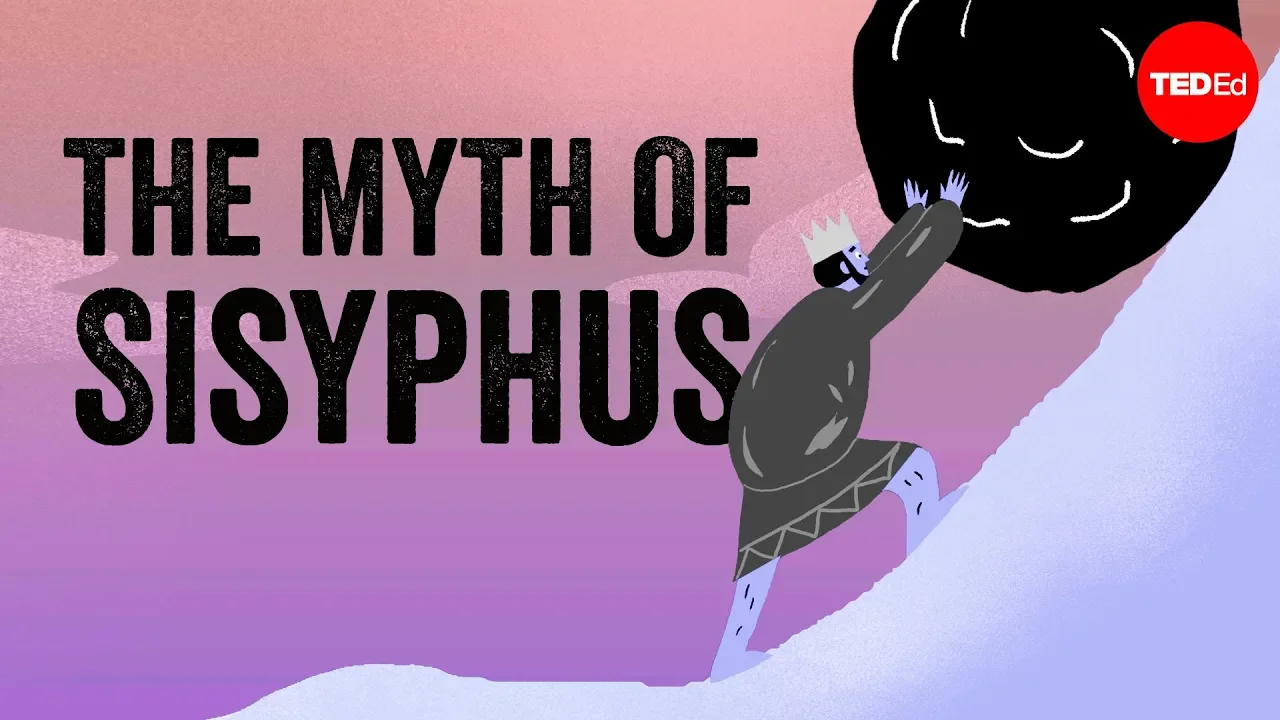
The Myth of Sisyphus: A Greek Legend of Eternal Punishment
@TEDEd
8.6M views•2018-11-13
Related Study Plans & Knowledge Roadmaps
Structured learning paths in Philosophy