
![La vida privada de las estrellas [8/10] Supernovas de tipo II](https://i.ytimg.com/vi/RThoKZlidLU/maxresdefault.jpg)


![[Vật Lí 12] Chữa Đề Trạng Nguyên - Thi Là Đỗ | Thầy VNA](https://i.ytimg.com/vi/FPFenHoYZvU/maxresdefault.jpg)









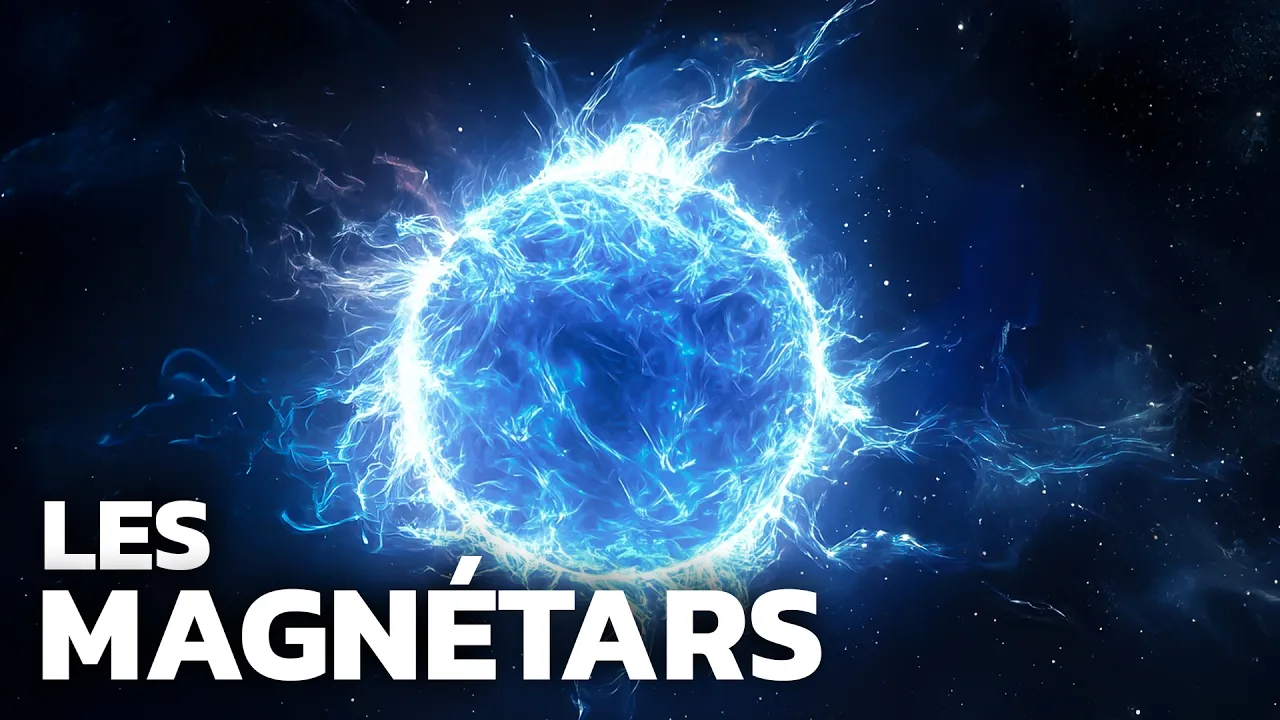



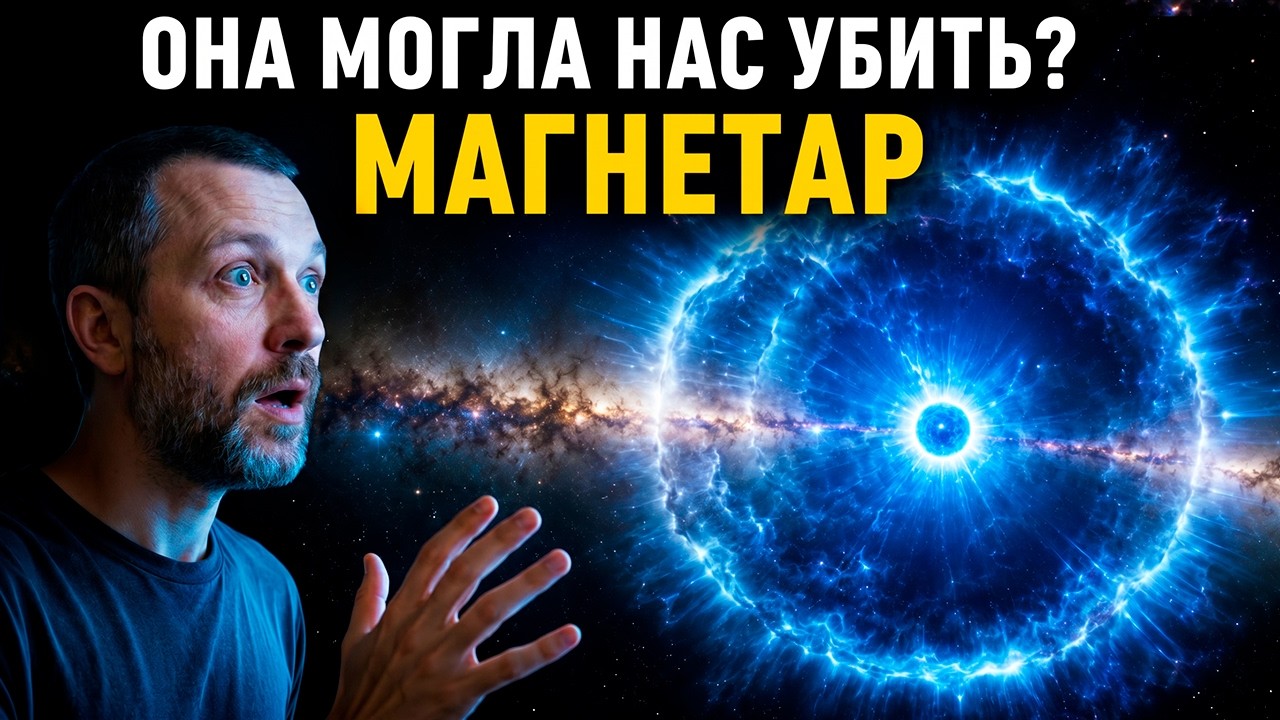
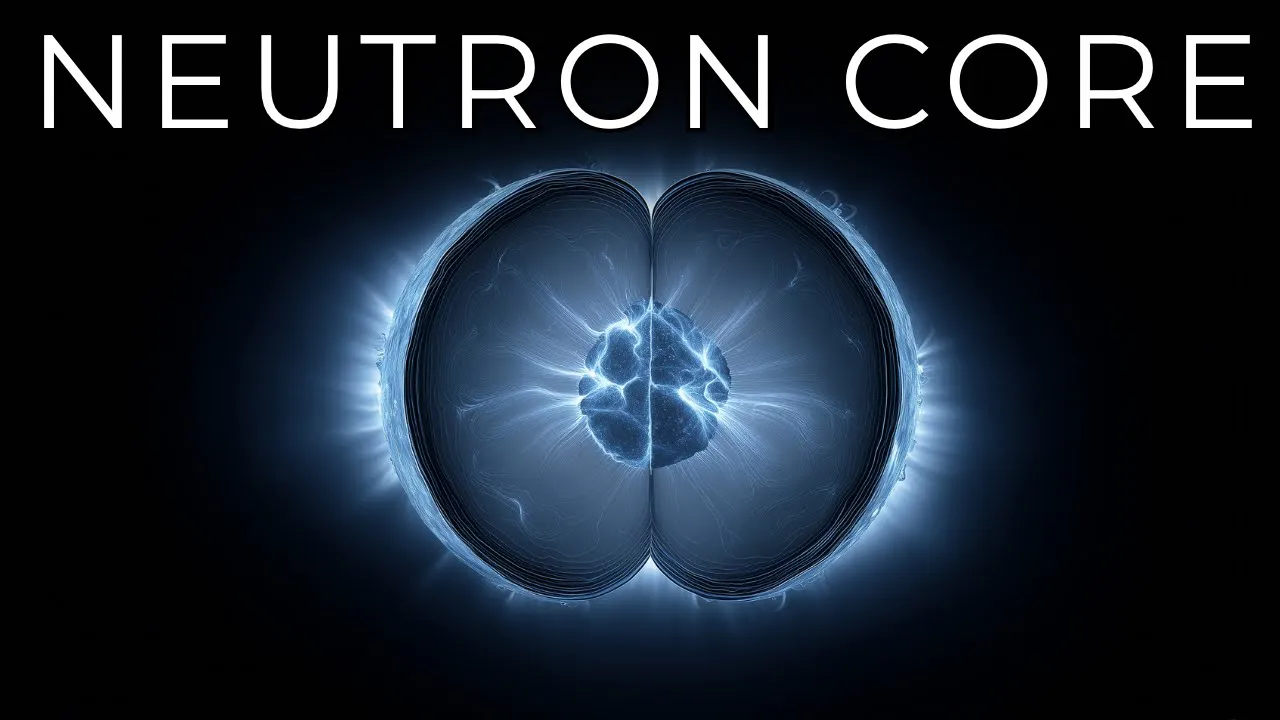


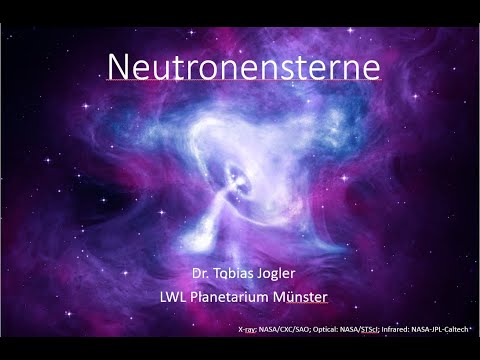
Pulsars are highly magnetized, rapidly rotating neutron stars that emit beams of electromagnetic radiation, appearing as flashing lights in the sky when these beams sweep past Earth; they form from the collapsed cores of massive stars during supernova explosions, possessing extreme densities (comparable to compressing Pluto's mass into a house), intense magnetic fields millions of times stronger than Earth's, and rotation speeds up to nearly 1,000 times per second, making them nature's most precise cosmic clocks that help scientists test Einstein's theory of general relativity and study exotic states of matter under extreme conditions.
Pulsars and Neutron Stars: Formation, Structure, and Magnetism
Added:Stellar evolution of massive stars, specifically the mechanisms leading to core-collapse (Type II) supernovae.
The concept of degeneracy pressure in quantum mechanics, particularly how the Pauli Exclusion Principle supports white dwarfs via electron degeneracy.
Basic electromagnetism, including magnetic fields, dipole radiation, and the conservation of magnetic flux during a star's collapse.
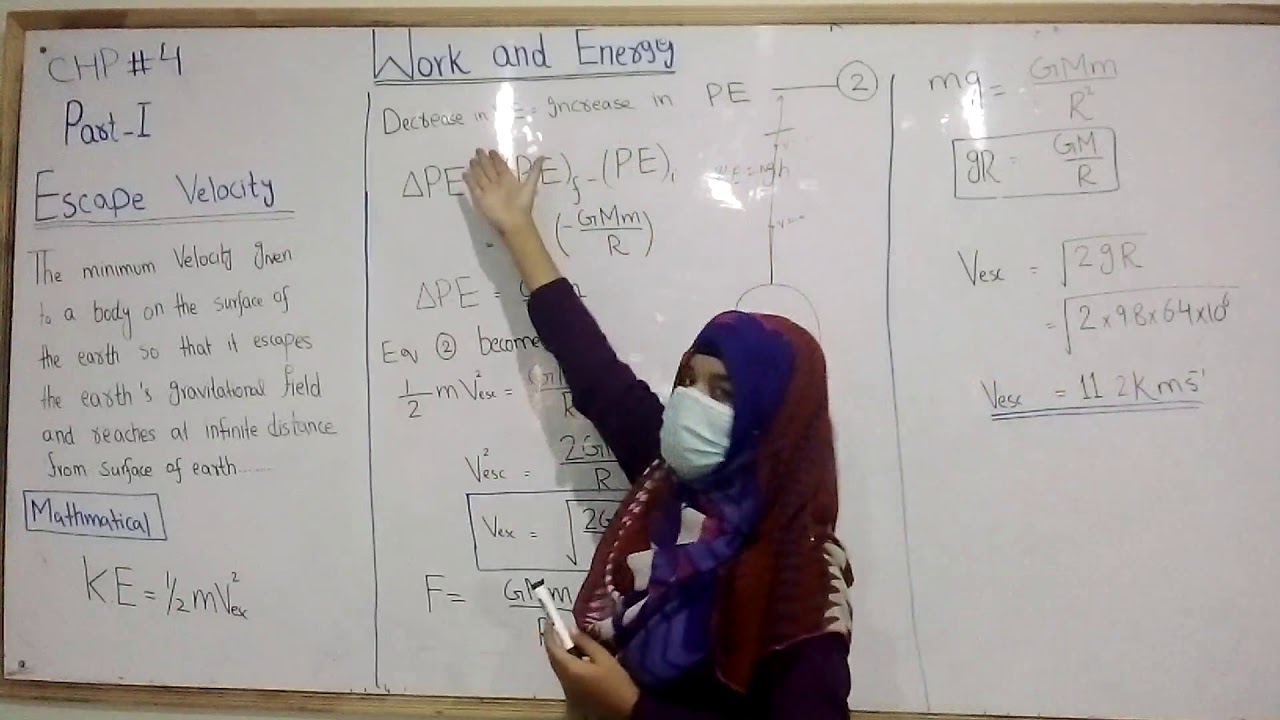
Fundamental concepts of gravity, such as escape velocity and introductory ideas of General Relativity regarding extreme gravitational fields.
The Tolman-Oppenheimer-Volkoff (TOV) limit and the physical boundary where a neutron star collapses into a stellar-mass black hole.
Binary neutron star systems, gravitational wave emission (chirp signals), and the nucleosynthesis of heavy elements during kilonova events.
The extreme physics of Magnetars, including starquakes, magnetic field decay, and their link to Fast Radio Bursts (FRBs).
The nuclear Equation of State (EoS) at supranuclear densities, exploring theoretical inner-core compositions like superfluid neutrons, hyperons, or deconfined quark matter.
759.9K views19.1Klikes15:44Original Release: 2021-04-05
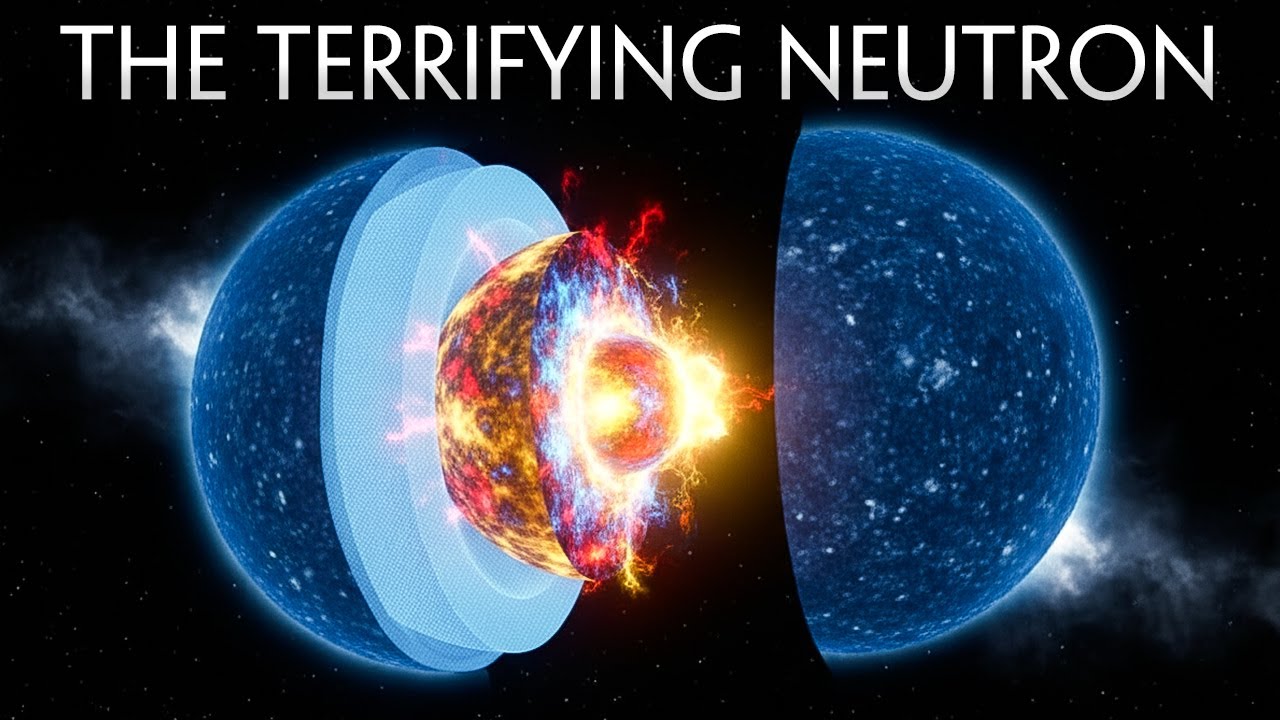
[Music] welcome back to science clique today pulsars and neutron stars from earth the night sky shines with a multitude of bright speckles for the most part these are stars huge balls of plasma infusion that radiate intense light due to their high temperature although they twinkle slightly due to disturbances in the atmosphere the brightness of stars is fairly stable but in the 1960s observing the sky in other wavelengths astronomers discovered bright spots that flicker over time these points seem to emit extremely regular oscillations their luminosity pulses in a metronomic way we call them pulsars to understand where these pulsars come from we will have to immerse ourselves in the life of a star we are interested in a star 10 times more massive than our sun during its lifetime the star burns its fuel in a process of nuclear fusion the core of the star releases energy outwards which allows it to counterbalance the pressure of gravity and thus remain stable at the end of its existence after a hundred million years our star is exhausted it is run out of fuel and the nuclear fusion in its core stops the star is no longer in equilibrium nothing opposes the pull of gravity and the core begins to collapse under its weight as it shrinks the star's core compresses its temperature rises to several billion degrees and it begins to spin faster and faster generating an increasingly powerful magnetic field after a while the core becomes so dense that the particles that make up matter are forced to merge electrons enter the nuclei of atoms and combine with protons they form neutrons and in the process reject a tremendous amount of neutrinos suddenly the core becomes so small that neutrons collide with each other at this point the core can no longer shrink the contraction stops abruptly and the outer layers of the star are violently blown away by the shock wave and the wind of neutrinos the star explodes it's a supernova the supernova explosion leaves behind a gigantic remnant a cloud of interstellar gas and dust which may one day give birth to new stars but after its death the core of the star has not vanished it is still there but it is now a tiny ball of mata formed of neutrons stacked together this is a type of stellar corpse called a neutron star when they form neutron stars can occur in different configurations many stars for example orbit in pairs in binary systems around another star after the death of one of them the neutron star it leaves behind can sometimes continue to revolve around its partner similarly if the star was initially surrounded by planets these will sometimes continue orbiting the corpse [Music] a neutron star is an incredibly dense object which contains the mass of several suns in a few dozens of kilometers this is the equivalent of the mass of pluto squeezed to fit inside a house if it were compressed even slightly more gravity would take over and it would turn into a black hole the neutron star is also extremely hot in some cases surface temperature can exceed several million degrees [Music] due to its small size it spins extremely quickly while it shrinked the core that formed the neutron star accelerated until reaching near light speed velocities a neutron star can rotate almost a thousand times on itself in just a second a car with wheels turning this fast would move at 7 000 kilometers per hour on the surface of a neutron star gravity is unbearable and gives rise to strange phenomena from relativity first of all time is greatly dilated if astronauts landed on the neutron star they would only age 10 months for each year that passes on earth unfortunately for them the tidal forces are also insufferable the difference of pull between their head and their feet is here a hundred million times stronger than earth's gravity they would instantly get spaghettified finally the neutron star deflects light rays around it bending the geometry of space-time like a black hole it creates a gravitational lensing effect distorting the image of surrounding objects and even allowing us to observe its rear [Music] the internal structure of a neutron star is still poorly understood small and very distant it is impossible to observe their composition from earth we have to rely on mathematical models and quantum physics to describe how mata compresses [Music] at the surface a neutron star is most likely surrounded by a thin atmosphere no thicker than a human hair under which lies a perfectly smooth surface as the strong gravity flattens any roughness that would protrude under its surface the neutron star has a crust mainly solid made up of atomic nuclei and free electrons as we dive deeper the pressure increases and the nuclei begin to combine with the electrons to form neutrons the high pressure helps stabilize these heavy nuclei which would normally decay very quickly deeper and deeper the nuclei combine with each other and merge to form even larger clusters the more we dive into the crust the more the competition between gravity electromagnetism and the strong interaction forces these clumps of matter to merge together further down the nuclei form long structures in the shape of tubes [Music] deeper still these tubes are forced against each other and merge to form a pile of layers stacked on top of one another finally these layers fuse together and the spaces gradually close leaving only a few bubbles in a liquid of neutrons these different structures that make up geometric networks inside the crust would constitute one of the strongest materials in the universe a sort of large-scale atomic nucleus which researchers called nuclear pasta the geometry is indeed reminiscent of gnocchi spaghetti or lasagna names that scientists use to classify them intuitively if we decide to dive even deeper we venture beyond the limits of the crust and enter the core of the neutron star where the pressure is greatest the core of a neutron star is an extremely difficult region to describe it reaches the current limits of our models the pressure is so intense that the principles of quantum physics come into play in particular the particles are so close together that they repel each other by the simple fact that they mustn't overlap this is called the exclusion principle the form of mata whose structure is governed by the exclusion principle is called degenerate matter degenerate matter is still mysterious and there are several different hypotheses about its structure it could simply be neutrons stuck together but neutrons are not elementary particles they are themselves made up of quarks and one could imagine that under such pressures the quarks would separate to form a superfluid or even a plasma of quarks and gluons whose properties would be exotic the insides of a neutron star still remain an enigma which researchers are actively trying to solve during its formation the neutron star acquired an extremely powerful magnetic field on earth scientists are able to generate magnetic fields of several dozens of tesla enough to levitate objects and even living beings but a neutron star generates a magnetic field that is several million times stronger such a magnetic field is so intense that it can even alter the vacuum itself it provides space with weird quantum refraction properties light moving by may be deflected split or recombined just like a magnet the magnetic field of a neutron star exits through a north pole wraps around the star and enters it through a south pole the neutron star therefore has a magnetic axis which in most cases is not aligned with its axis of rotation when it spins the magnetic field of the neutron star follows this rotation creating intense fluctuations which propagate at the speed of light reasonably close the magnetic field of the neutron star traps the surrounding matter and forces it to stay near the star conversely at a great distance the magnetic field varies so quickly that it opens and accelerates charged particles outwards in this way the neutron star produces two beams of extremely powerful electromagnetic waves that escape along its magnetic axis like a cosmic lighthouse these radiation beams sweep space periodically and emit a signal whose oscillations pulse metronomically when earth is in the way we observe a tiny bright spot which flickers in the sky it is a pulsar since the 1960s pulsar observations have been listed and classified according to their frequency of oscillation the faster the nutrient star spins on itself the faster the pulses we observe on earth we can categorize different populations of pulsars some spin very quickly at almost a thousand rotations per second most of these very fast pulsars occur in binary systems orbiting a star they are able to accelerate to these extreme speeds by capturing some matter from their companion conversely other pulsars spin more slowly at the rate of a few revolutions per minute the rotation of a neutron star is extremely stable its precision is comparable to that of our best atomic clocks but during the thousands of years of its existence it slowly loses energy magnetic energy and gravitational energy in the curvature of space-time gradually pulsars lose speed and end up performing only a few rotations per minute during this slowing down process the surface of the star adjusts to the centrifugal force which becomes weaker and takes a more spherical shape suddenly the surface falls down a few micrometers in less than a millionth of a second these phenomena have the effect of slightly accelerating the rotation of the star usually the populations of pulsars are classified in a diagram which shows their rotation speed against the rate at which they slow down we find binary pulsars which rotate very quickly and are very stable and slower pulsars which slow down over time from earth we observe all types of radiation most pulsars emit radio waves but others can emit more energetic x-rays because of their rotation and very strong magnetic field or even gamma rays some of these pulsars have magnetic fields so strong we call them magnetars [Music] they emit powerful x-rays and gamma rays in an irregular way which makes them very difficult to [Music] describe today we know of nearly 3 000 pulsars in our galaxy unfortunately the vast majority of neutron stars remain unobservable from earth most of them have very thin beams that don't sweep our sky and our current telescopes can only detect the most active pulsars these objects are still mysterious they raise astronomical physical and mathematical questions that have yet to be answered but pulsars are of unprecedented interest in the world of astronomy they can allow us to probe into the theory of general relativity to its most extreme limits allow us to understand the behavior of mata under such intense pressures they provide us with cosmic clocks of extraordinary stability and their study could contain clues as to the behavior of gravitational waves indirectly pulsars could tell us about the nature of dark matter and the existence of primordial black holes pulsars are also very good reference points for satellites to orient themselves and finally it is around a pulsar that we observed the very first exoplanets [Music] you
Up Next

14:13
How Heavy Elements Form: Neutron Capture Explained
@ButWhySci
242K views•2023-10-04
61:17
First Billion Years of the Universe with the Square Kilometre Array
@iaaudc
121 views•2022-05-26

6:25
Kepler's Laws of Planetary Motion Explained (Educational Astronomy Video)
@Peekaboo_Kidz
404.9K views•2023-02-17
6:10
Gamma-Ray Bursts: Cosmic Snipers Explained | Astronomy
@kurzgesagt
15M views•2016-07-31
Related Study Plans & Knowledge Roadmaps
Structured learning paths in Astronomy
astronomy
Reionization: Pop III Stars, IGM & 21cm Line
01Foundations of Cosmology & the Early Universe
02Population III Stars & Cosmic Dawn
03Physical Mechanisms of Reionization
+ 2 more learning modules
17h5 modules
Explore Roadmap
astronomy
Planetary Rings: Dynamics, Roche & Resonances
01Foundations of Gravity and Orbital Mechanics
02Tidal Forces and the Roche Limit
03Structure, Composition, and Collisions
+ 2 more learning modules
10h5 modules
Explore Roadmap
astronomy
Asteroseismology: Stellar Waves, Ages & Cores
01Foundations of Stellar Astrophysics & Wave Mechanics
02Stellar Oscillation Modes: P-modes and G-modes
03Mathematical Framework of Asteroseismology
+ 2 more learning modules
35h5 modules
Explore Roadmap
astronomy
Adaptive Optics: Physics, Engineering & Control
01Foundations of Wave Optics and Wavefronts
02Atmospheric Turbulence & Optical Distortion
03Wavefront Sensing Technologies
+ 3 more learning modules
35h6 modules
Explore Roadmap