

















![[🛑라이브] 제5회 톡톡_TALK, TALK! 탄소중립 : CCUS](https://i.ytimg.com/vi/6LvzwQngabY/maxresdefault.jpg)





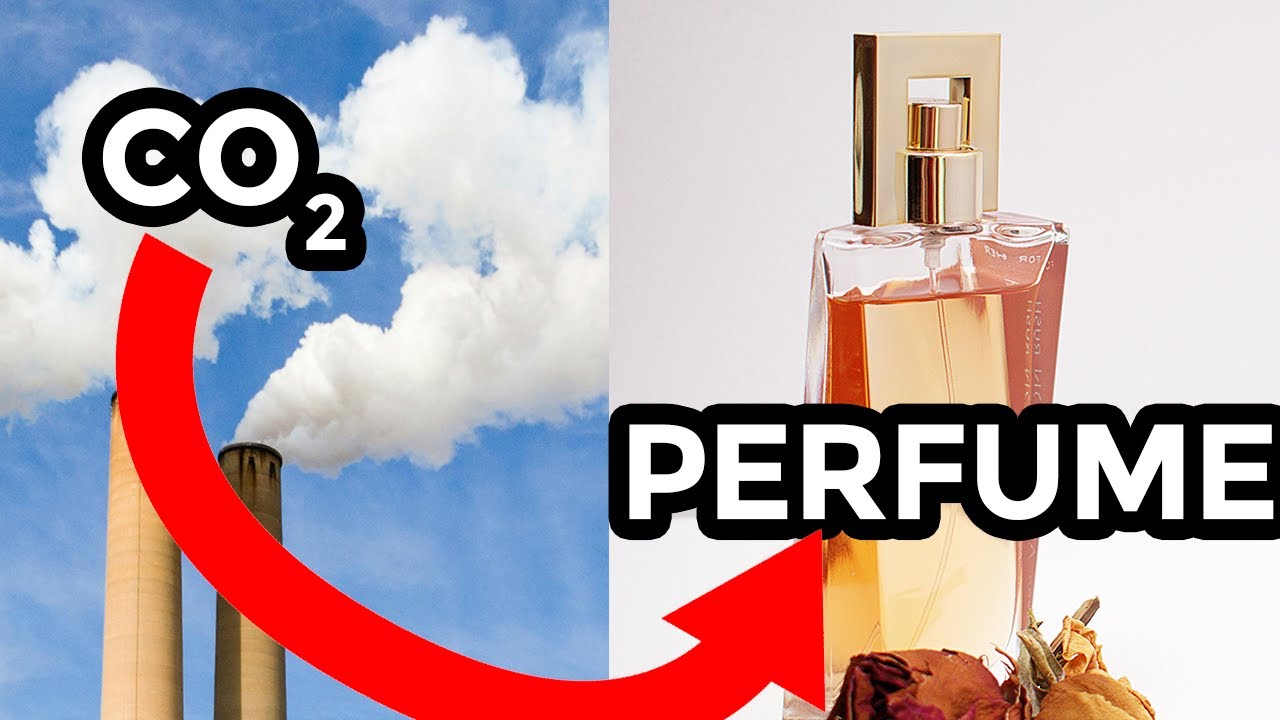
Green chemistry is an innovative approach that redesigns chemical processes to prevent pollution and waste at the molecular level, rather than treating environmental problems after they occur; developed by Professor Paul Anastas along with John Warner, the 12 Principles of Green Chemistry provide a framework for creating safer products and processes, such as converting carbon dioxide into useful materials like sustainable aviation fuel, thereby transforming our petroleum-based economy into a more sustainable circular system.
Green Chemistry Explained: Paul Anastas | Sustainable Innovation
Added:Basic principles of general chemistry, including chemical reactions, molecular structures, and stoichiometry.
The concept of sustainability, the linear economy (take-make-waste), and the environmental impacts of traditional industrial manufacturing.
Fundamental concepts of catalysis and thermodynamics, which govern how chemical reactions are accelerated and how energy is transferred.
An introductory understanding of toxicology and how synthetic chemical substances can harm biological systems and ecosystems.
A deep dive into the '12 Principles of Green Chemistry' co-authored by Paul Anastas, exploring how to apply them to synthetic design.
Life Cycle Assessment (LCA) methodologies, used to quantitatively evaluate the environmental footprint of a product from cradle to grave.
Advanced Carbon Capture, Utilization, and Storage (CCUS) technologies, specifically the electrochemical and catalytic conversion of CO2 into synthetic fuels and plastics.
The principles of Industrial Ecology and Circular Economy, integrating green chemistry into systemic, closed-loop industrial processes.
The study of benign solvent alternatives, such as supercritical fluids, ionic liquids, and aqueous-phase chemistry to replace hazardous volatile organic compounds (VOCs).
34.1K views271likes10:32Original Release: 2021-12-01
[Music] yale is one of the famous eight so-called ivy league universities in the american northeast most of them have a long history founded already during the colonial period prestigious universities known for academic excellence and selectivity in admissions traditional yes but there is a revolution going on here at yale [Music] fantastic we all think of the volvo environment prize as the nobel prize for environmental sciences so it was crystal clear to me within 15 seconds of why he had won this prize i was thrilled we're all thrilled paul is such a wonderful example of how a university professor can conduct innovative research and then catalyze that research into solutions [Music] everything that we see touch and feel is a chemical whether it's the furniture around us the clothes we wear or the electronics that we use modern chemistry has been creating technological miracles increasing the quality of life for humans but its performance has also led to unintended consequences pollution waste and poisoning the enormity of the tragedy of bull paul india is becoming more apparent this morning authorities now say the toxic gas that escaped from a union carbide plant on monday has killed at least sixteen hundred people and they say another fifty thousand people may suffer serious after effects such as blindness and sterility more major revelations first america's biggest oil company secretly uses what are known as forever chemicals they're used by industry in everything from non-stick pans through waterproof clothing to cosmetics even though safer alternatives now exist we've done things so wrong for so long we've got nothing but opportunities taking common items that are used in industry or used in household products that may be toxic if they end up in the environment and modifying their chemical structure slightly to reduce their toxicity but maintain their utility that's the whole principle of green chemistry and the father of green chemistry of course is our awardee paul anestas when you replace a carcinogen with a sugar or starch to make a bio-based plastic that's green chemistry but it's not just about designing the products it's also redesigning the way we make those products there's reasons why nature does things differently than we do you don't see large clouds of chlorine you don't see lakes of cyanide because nature does things by imparting reactivity when and where it needs it so we don't have all of this reactivity and toxicity in nature-based chemistry together with john warner paul anastas has developed the 12 principles of green chemistry a framework widely used by industry and universities if it wasn't like we must have 12 but it's now a science there are i think over 12 journals dedicated to green chemistry now there's over 60 textbooks paul has done amazing work to get this to this point where it is today paul estes has also championed the development of green chemistry networks operating in more than 30 countries resulting in numerous actions such as creating new bio-based plastics but the ultimate challenge is co2 we have a petroleum-based economy currently so does green chemistry use approaches to make new ways of making fuels absolutely and it's not using crops or things that will compete with food or feed or land use options but there's other ways as well using co2 itself using carbon dioxide and converting that into new synthetic fuels not only gets away from petroleum but also allows you to use the waste of co2 as a fuel carbon dioxide can be more than waste it can be an asset too actually air company we make a luxury vodka out of ethanol that's produced from carbon dioxide our product in the vodka is really the ethanol itself not the vodka the ethanol itself is what can be used as a feedstock for hundreds of other things one of the things right now is making sustainable aviation fuel out of that alcohol we're taking the carbon dioxide out of the atmosphere and using it to fly airplanes so we're making it a completely circular fuel carbon neutral fuel green chemistry is useful in addressing climate change not only by producing new kinds of fuels but also looking at the entire spectrum of how we generate store and transport our energy we're looking at new ways of energy storage certainly yes battery technology but also storing energy in forms such as hydrogen and green hydrogen but the biggest reason that i am most optimistic is because i am part of a global green chemistry community that there are practitioners around the world creating new green chemistry solutions something that is motivating people to get higher performance higher function and yes higher profitability one is never surprised about anything about paul he's always really keen to transfer the message of green chemistry to everybody absolutely i grew up in this little town south of boston called quincy i love music and you know i was a trumpet player from the time that i was very young quincy was separated from boston by this river in this wonderful wetlands and if you go up to where i was born you won't see them the bulldozers rolled in when i was about eight or nine years old and i was absolutely devastated my father was a high school biology teacher and he said you know if you really care about something you care enough to learn about it so at that point i i really knew that i was going to be a scientist and a scientist focused on the environment [Music] one of the things that i get motivated by is by finding connections once you see the interconnectivity you can see how those things can can build off each other the reason that i have such a diversity of books and the reason that i have such a diverse taste in music and things like that is because i love to see that interconnectivity and quite frankly sustainability is the ultimate in systems nested in systems nested in systems and if we don't understand that these systems challenges need system solutions we're not going to get where we need to be fast enough this is something that we really need to change our way of thinking and apply it to a better and more sustainable future it's almost like he's surrounded by this bubble of this colorful energy very inspired and refreshing for someone who doesn't know paul i would describe him as being someone who has the most remarkable youthful energy and positive can do outlook when it comes to how we make things i admire his determination and optimism he's super creative in his personal life as well as his professional life he builds things he uses a lathe to make pens and he created a kayak out of nothing but wood and skin and sinew he writes songs and most importantly he's married to a brilliant scientist you can't separate paul from his family and friends particularly his family the quality that helps make him who he is which means that the things he achieves is due in large part to that to his heart in fact this vision of green chemistry can bring us all together guess what in some cases you'll need policy you can take environmental activists and industrial capitalists and we all work together there is an ongoing revolution considering green chemistry and to be very frank there is no option in the future we we need to do that transition the real success for green chemistry will be if it disappears the term is going to go away because it is simply the way that we do things using toxic substances and generating toxic products uh you know we want the day when that will be abhorrent and absurd that is what we're striving for and you know 20 years in the future sounds like a good target [Music] [Music] you
Up Next
8:41
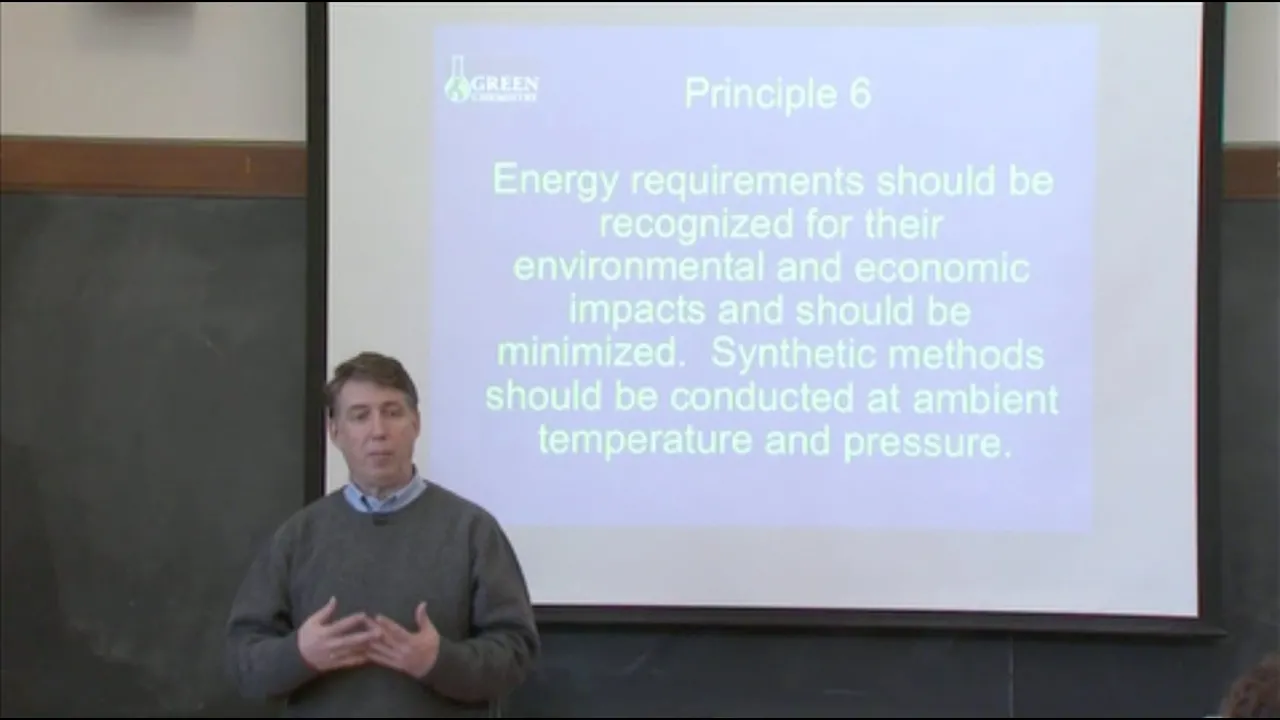
Green Chemistry Principles: Waste Prevention & Design | 12 Principles
@YaleCourses
4K views•2015-09-22
83:56
Biocatalysis and Catalysis in Islatravir Synthesis | Merck Webinar
@SCIwheresciencemeetsbusiness
675 views•2020-10-08
10:06
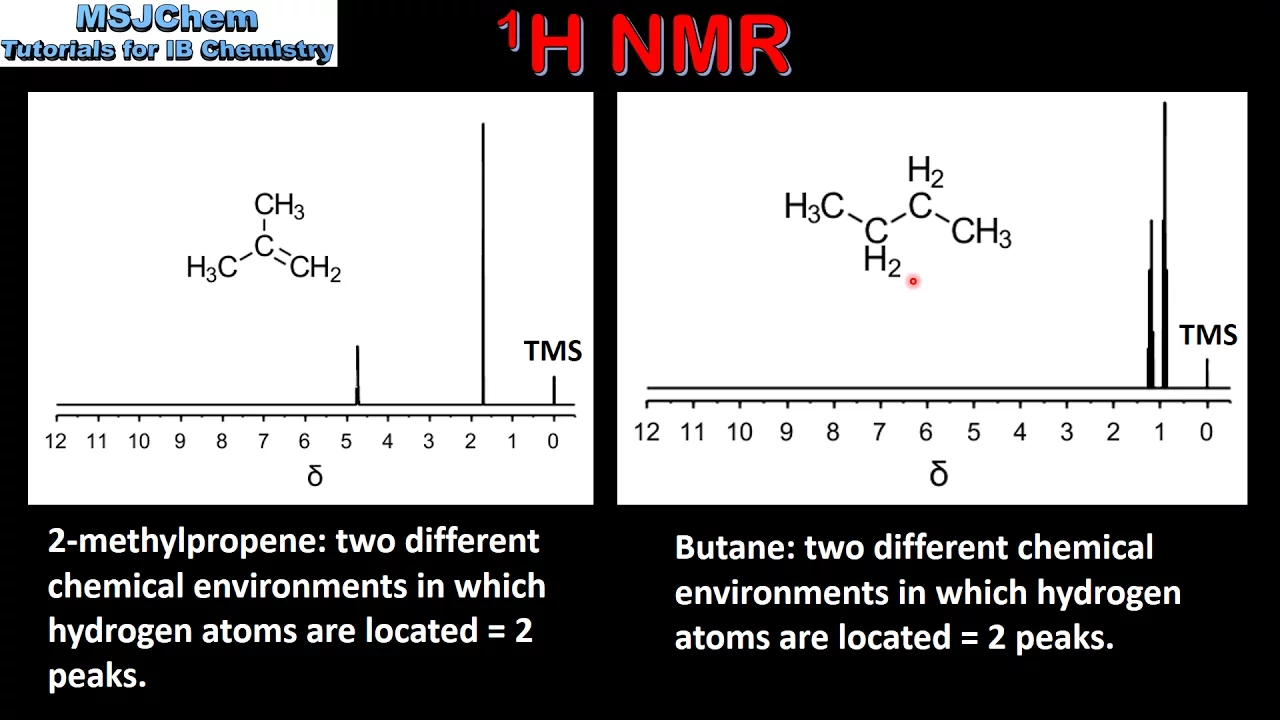
1H NMR: Determining Number of Peaks from Structure
@MSJChem
59.2K views•2017-04-06

17:31
Edible Water Bottles: A DIY Guide to Sodium Alginate Spherification
@ryan
10.5M views•2019-06-21
Related Study Plans & Knowledge Roadmaps
Structured learning paths in Chemistry
chemistry
Nuclear Chemistry: Decay, Meds & Fuel Cycle
01Introduction to Nuclear Structure and Radioactivity
02Decay Dynamics and Kinetics
03Radiation Interaction and Detection
+ 2 more learning modules
24h5 modules
Explore Roadmap
chemistry
Supramolecular Chemistry: Forces & Machines
01Foundations of Chemical Bonding and Intermolecular Forces
02Introduction to Host-Guest Chemistry
03Thermodynamics and Dynamics of Self-Assembly
+ 2 more learning modules
16h5 modules
Explore Roadmap
chemistry
Photochemistry: Excited States & Reactions
01Foundations of Light-Matter Interactions
02Molecular Orbitals and Electronic States
03Photophysical Processes and Jablonski Diagrams
+ 2 more learning modules
18h5 modules
Explore Roadmap
chemistry
Coordination Chemistry: Bonding & Properties
01Introduction to Transition Metals and Ligands
02Crystal Field Theory (CFT) and Geometry
03Magnetic Behavior and Spin States
+ 2 more learning modules
14h5 modules
Explore Roadmap