







![Planes de gobierno y doctrinas económicas 💰 Economía [CICLO FREE]](https://i.ytimg.com/vi/3ZyTVFN5nG0/maxresdefault.jpg)










Economic forecasting consistently fails because human societies are complex, imaginative, and ever-changing interdependent systems unlike predictable machines, and mainstream economics' fundamental assumption of rational, utility-maximizing individuals cannot adequately model real-world behavior; therefore, economists should adopt analytical pluralism by combining multiple theoretical approaches and empirical evidence rather than relying on single-model thinking, while recognizing that the economy functions more like an ecosystem than a machine and that collective intelligence and diverse perspectives are essential for understanding and addressing economic challenges.
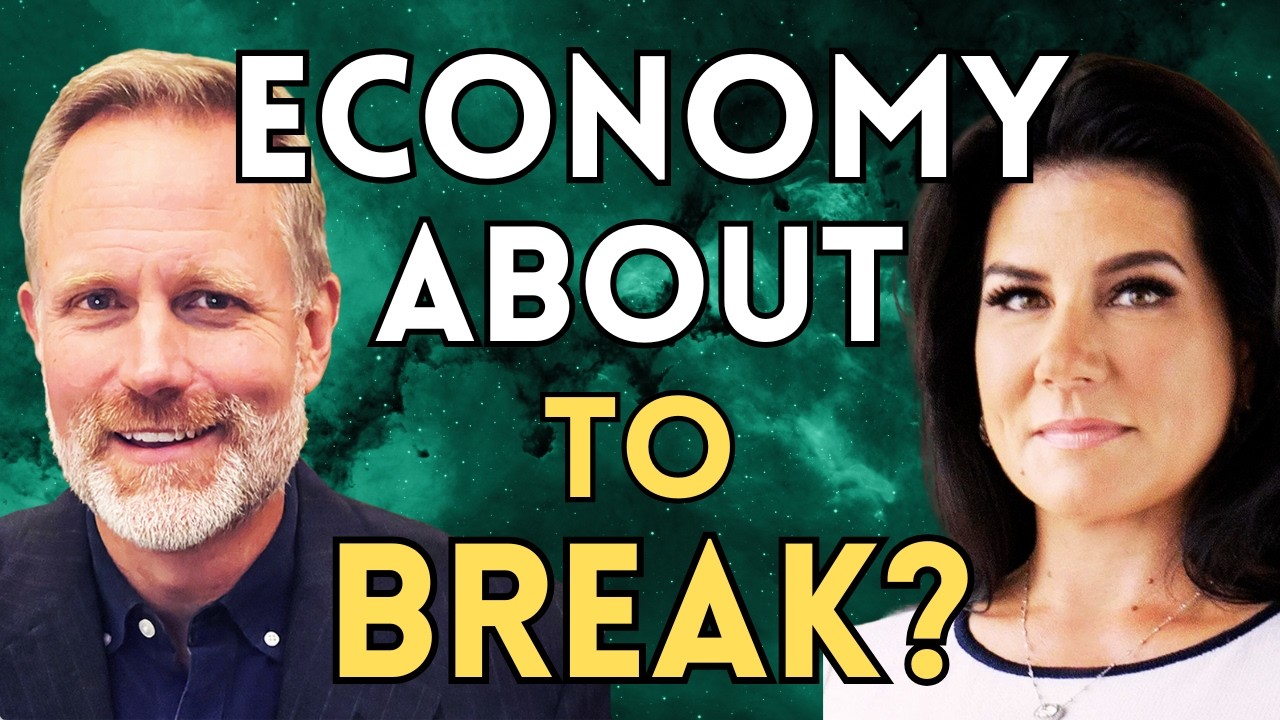
Economic Forecasting Failures: Gary Stevenson, Abby Innes & Nadhim Zahawi
Added:Basic concepts of macroeconomics, specifically the definitions, causes, and measurements of inflation, recessions, and Gross Domestic Product (GDP).
An understanding of mainstream economic modeling, including the assumptions of rational agents (Homo economicus) and general equilibrium theories.
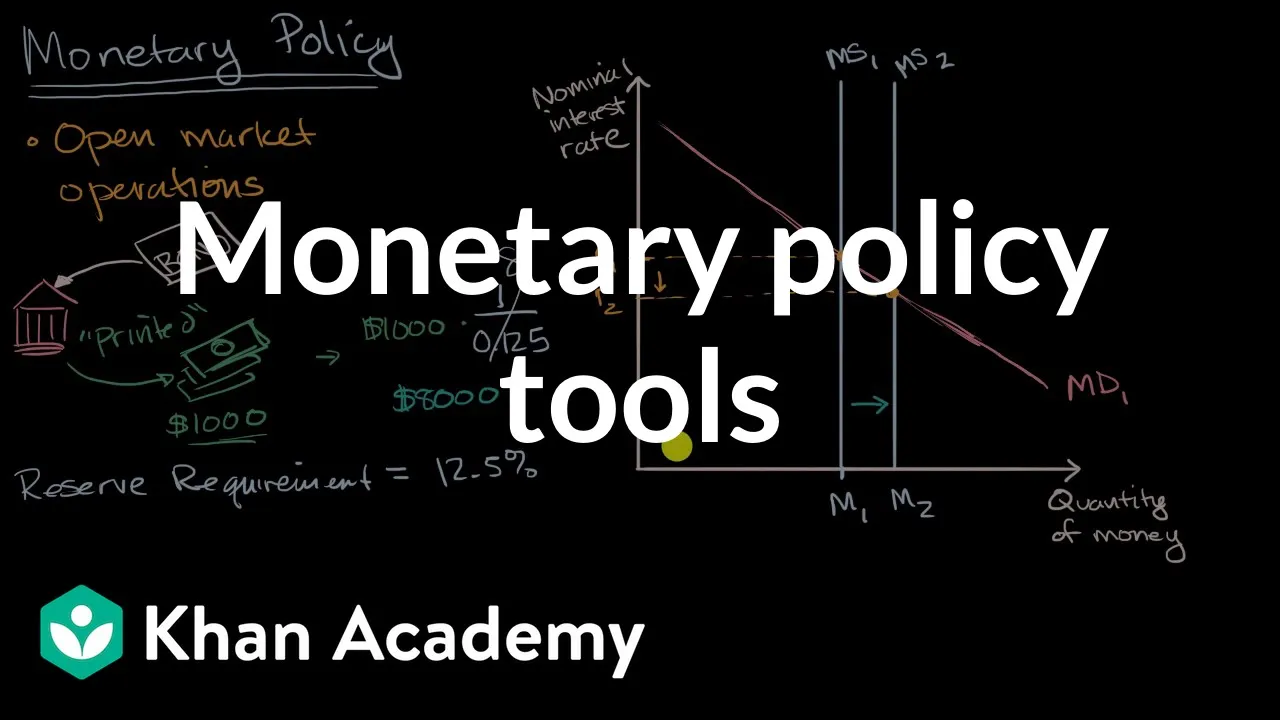
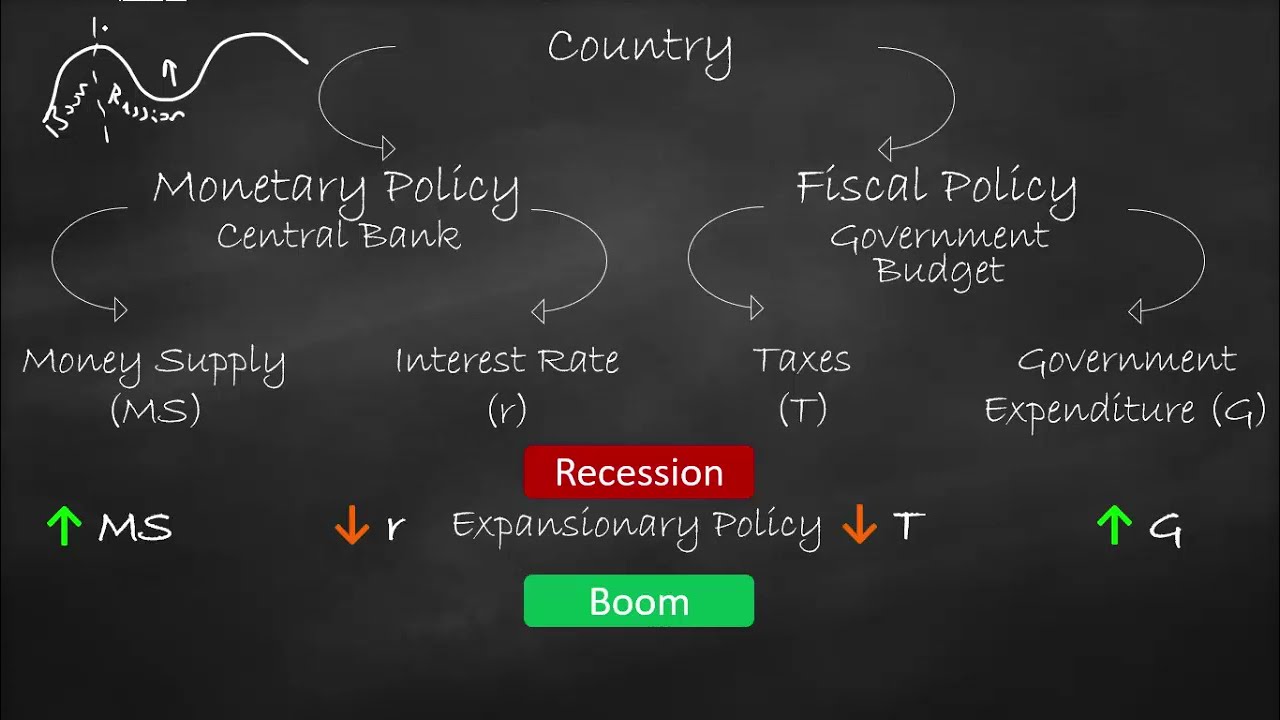
The roles and mechanisms of central banks (monetary policy, interest rates) and governments (fiscal policy) in managing economic cycles.
A foundational awareness of prominent schools of economic thought, particularly Neoliberalism, Keynesianism, and Classical economics.
The study of Heterodox Economics, exploring alternative frameworks such as Behavioral Economics, Post-Keynesianism, and Complexity Economics that address traditional model failures.
Analysis of the 'Asset Economy' and wealth inequality, specifically how wealth concentration impacts consumer spending, debt, and macroeconomic stability.
Institutional Economics and Political Economy, examining how political systems, corporate lobbying, and state structures shape economic theory and policy-making.
Evaluation of systemic policy reforms, such as wealth taxation, revised central bank mandates, and the implementation of well-being indicators over GDP.
202.8K views3.2Klikes12:05Original Release: 2025-03-13
the UK government has given out enough money to give £20,000 to every single adult in the country not not every single household every single adult all of you all of your parents all of your siblings all of your friends £20,000 each do we know who has that money now okay you can't be right all the time I mean you can't be right all the time but um I think it is possible to understand the economy not completely not perfectly I mean you know is is it possible for a doctor to make a right diagnosis is it possible for a car mechanic to fix your car but those are fundamentally different things because a car is a close system machine and we understand the chemistry and the mechanics of a machine so that it won't change its mind right a diesel engine doesn't suddenly decide uh to be the fairy queen right I mean it you know it it's it we understand all its properties and it's highly predictable and the range of errors are also completely predictable Human Society is not like that because we're imaginative and and we live in incredibly complex interdependent systems that are themselves ever changing so it is a kind of it's an aspiration to well even religion has more humility than that because major religions of the World say like St Paul we see through a glass Darkly right they don't claim to be a science mainstream economics is extraordinary it sort of claims to be I mean economists who use it know that it's a thought experiment the real problem is when politicians believe it and say we've got the answer yeah um I look forward to Rachel Reeves telling us that her next prediction is a thought experiment um uh so um let's let's let's uh move on to to the uh last uh theme which is um what do we think we should do in order to we Rec across the panels acceptance that economic theory has obviously made lots of mistakes or the way that we've understood the economy lots of mistakes o over the last decade or two maybe a great deal longer than that but what should we do now to change that situation so that we do it better in future if your question is to give up on the idea uh that any economic model for uh is viable then I think that's a mistake um I think if we use no forecasting at all um it will one I think generate further uncertainty um further volatility um the policymaking process then could uh become much more grounded in political ideology um and that would worry me um but it it just in purely economic uh from an economic point of view uh you you would accept that a very large proportion of economists including the bank of England and the treasury got the predictions about the inflation wildly wrong and maintained getting it wrong even though there were an increasing number of voices saying this is a mistake and what do you think should be done now in the sense of uh the our our economic understanding what should change uh in the light of that empirical evidence that the theory didn't work it didn't predict the right stuff and we got it wildly wrong so couple things on that and I think I I referred to it earlier the bit that and I'm not make excuses here but the Black Swan moment was Putin deciding to invade Ukraine right and he kept reassuring the world that he was never going to do this that was not his intention and uh all of our intelligence was coming and saying exactly the opposite and we tried very hard with him to say do not do this but war in our continent is a pretty big deal and it actually drove um much of the inflation that that you saw of course the the response to the the pandemic um uh which I think was the right one by the way to to protect um uh people's um wages and protect businesses but we would had a massive scarring effect on the economy because the majority of businesses that would have gone under not the the large camp it would have been the small businesses that would have absolutely collapsed if we hadn't intervened the way we had done but the one other thing that I think did fuel inflation is obviously the the the the pandemic in in China and how China handled the pandemic on Supply chains and then beyond that the the sort of political tension between China and uh uh and NATO so all of that I think is and QE and and of course of course and I mentioned that right at the outset before people berated me for okay I me thank you um I think we don't need to think in binary terms just because we don't know everything doesn't mean we know nothing and neoclassical economics has its uses contract theory is really interesting about how if people have different information was they hold a they sign a contract with someone else they're systematically at a disadvantage over time all that kind of stuff is pretty useful and pretty interesting but it's one way of looking at the world with a lot of other very useful ways of looking at the world that are much more grounded in reality and are not based on fundamental utopian assumptions which mathematical neoc classical economics is the most utopian of which is the most fundamental assumption which is that we're all rational cost benefit maximizing individuals that we operate on a single plane of value right I mean I don't know does that describe you I don't think it describes me so we're trying to conform to this blueprint based in this kind of two-dimensional space and if we feel like we're ever less threedimensional ever ever less joyful ever less imaginative that's because we're trying to conform to this two-dimensional Utopia that can't work so I think we should go to analytical pluralism you know we shouldn't abandon neoclassical economics entirely but like any other science we should bring in a whole bunch of other theories but we should start being empirical we should start looking at the economy as it is poverty being one of the poverty and the ecological crisis I would say are the two overriding calamities of our time and they're not unconnected uh so we should focus on those and then we should think about what do we want the world to look like you know because it is political social purpose the things we choose are independently causative in the world one of you know the world is not a computable system it's not pre-established and we're just trying to navigate our way with forecasts in it it's something that we're making and remaking all the time and we can remake it for the better or the worse and I think the as soon as we realize that we can use lots of different theories we can have lots of different purposes what an incredibly liberating idea that is I mean and it and it has the Merit of being true the the the strange thing is that in some ways that's quite similar to what Nadim was saying wasn't it in the sense of he he wants to operate with the models that we're doing at the moment he doesn't think I think single overall one and just think okay we got it wrong we need to try and Tinker with our models to see whether we can get it uh closer in the future but I think the fixation on thinking if we get the model right we could use AI it's it's like Soviet cybernetics in the 1960s if we just get the right methodology we can give up this exhausting curiosity about the world and this exhausting need to make moral decisions and we can lay back and give up responsibility and the whole Clockwork Cosmos will work beautifully for us it is such a rabbit hole and we are all the way down the bottom and and so I think just as a an analytical stance if you say the world is not computable and so forecasting interesting thought experiment it's not what we ought to be F sort of focusing on society is an ecosystem like any other ecosystem we're creatures like any other creatures the economy is much more like a garden than a watch if you think in those terms it changes the entire nature of what you think you're doing in the world when you run a company or you set up an SM or you teach children or you do any of the things that you know keep us going and so let's get away from small dreams of Electric Sheep and forecasting what the Electric Sheep are going to do and start thinking about how do we want Society to look and what are the immed Med your problems and how can we solve them and let's do it on the understanding not that there is a kind of claricy of economists who have unique access to wisdom and the interpretation of the world and remember that all our knowledge all our experience is absolutely relevant we won't solve anything in unless we remember that we have collective intelligence bring a lot of different voices into the room you have as much knowledge as you can ever attain about how to solve the problem in front of you so let's get away from you know Engineers of human Souls because boy do they get it wrong Gary well I mean I've got a very clear theory about what is happening in our specific economy now our specific problem I don't claim for it to be some Grand Central theory of Economics forever I think wealth inequality has increased very quickly it continues to increase very quickly inequality and living standards continues to increase very quickly just to explain NAD zahari mentioned the 450 450 billion P of QE do you know what the total UK government deficit is since the beginning of Co do tell us does anyone know tell UK government deficit it's £1 trillion do you know what that is per UK adult it's £20,000 per UK adult the UK government has given out enough money to give £20,000 to every single adult in the country not not every single household every single adult all of you all of your parents all of your siblings all of your friends £20,000 each do we know who has that money now is are you all £20,000 richer cash the most honestly the most amazing thing I've ever witnessed in my life was that govern the the US number is 10 trillion that all of the governments in the world gave out unbelievably enormous amounts of money nobody not the conservatives not labor not Oxford University not the think tanks even asked who is going to end up a trillion pound richer nobody even ask that it's it's it's unb it's so amazing it's nearly beautiful it's the the and these are people who are very well educated you know very prestigious they didn't even ask the question listen I'm going to be very clear I've got a very clear objective here if you do not stop I'm not even talking about reducing inequality if you do not stop inequality from rising enormously rapidly we literally paused the economy gave the richest people in the country a trillion pound and we surprised when living standards fell it's unbelievable you need to stop inequality from rising and what that means for a grand the of Economics I don't really care I want my friends to be able to feed their children and you need to stop inequality from rising if you want to achieve [Applause] that to continue watching this video click the link in the top left or in the description below
Up Next
8:57
Karl Popper's Science vs. Pseudoscience: Crash Course Philosophy #8
@crashcourse
2.8M views•2016-03-28

51:42
Rethinking Science to Support People with MCS: Kevin Elliott, Ph.D. on Epistemic Injustice & Research Reform
@podcastingMCS
123 views•2025-11-17

68:32
Should We Destroy the Machines? Big Tech Surveillance Critique
@TheStoriesWeTell303
167.9K views•2025-11-30
10:35
Philosophy Explained: Origins, Metaphysics, Epistemology & Value Theory
@crashcourse
8.1M views•2016-02-08
Related Study Plans & Knowledge Roadmaps
Structured learning paths in Philosophy
philosophy
Feminist Epistemology: Standpoint & Injustice
01Introduction to Epistemology and Feminist Critiques
02Sandra Harding and Standpoint Theory
03Donna Haraway and Situated Knowledges
+ 2 more learning modules
12h5 modules
Explore Roadmap
philosophy
Environmental Philosophy: Ethics & Deep Ecology
01Foundations of Environmental Ethics & Anthropocentrism
02Biocentric Individualism and Animal Liberation
03Ecocentric Holism and Deep Ecology
+ 1 more learning modules
10h4 modules
Explore Roadmap
philosophy
State Authority: Social Contracts & Anarchism
01Foundations of Political Authority & the State of Nature
02Thomas Hobbes: Order, Security, and the Leviathan
03John Locke: Natural Rights and Consent of the Governed
+ 3 more learning modules
14h6 modules
Explore Roadmap
philosophy
Hellenistic Ethics: Stoic, Epicurean & Skeptic
01Introduction to Hellenistic Philosophy & Ataraxia
02Stoicism and the Pursuit of Eudaimonia
03Epicureanism and Enlightened Hedonism
+ 2 more learning modules
12h5 modules
Explore Roadmap