
















The US economy faces significant challenges including a hidden underemployment crisis where over 100 million working-age Americans have exited the workforce, combined with a Federal Reserve rate cut that signals potential economic pain ahead. Market experts warn of rising volatility and high valuations, with some predicting a 50-80% market correction could occur. The housing market is also dangerously overvalued, with 82% of home buyers experiencing remorse. These conditions suggest a defensive investment strategy is warranted, with individuals advised to reduce debt and avoid taking on new financial obligations during this uncertain period.
US Economy Worsens: Fed Rate Cuts, Unemployment & Market Risks Explained
Added:The role of the Federal Reserve and the mechanisms of monetary policy, specifically how interest rate hikes and cuts influence economic activity.
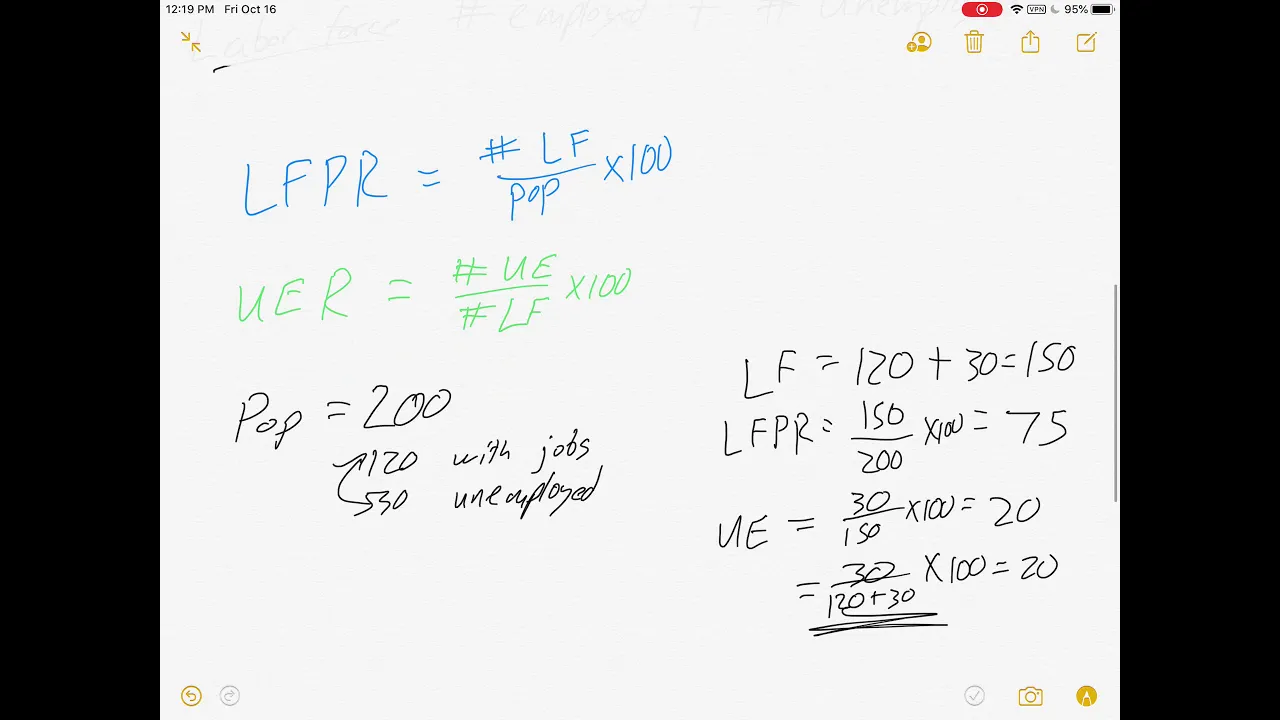
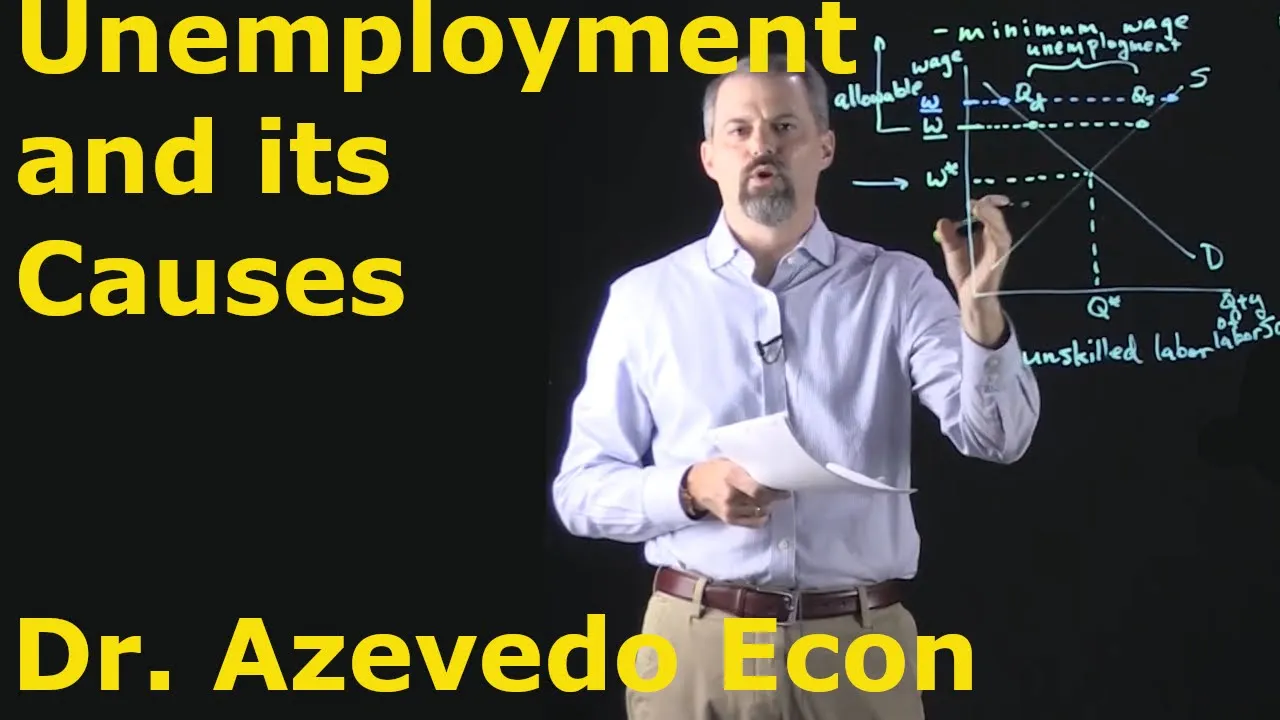
Basic economic indicators, including how the official unemployment rate is measured and the concept of labor force participation.
Fundamental stock market valuation metrics, such as Price-to-Earnings (P/E) ratios, used to determine if markets are overvalued.
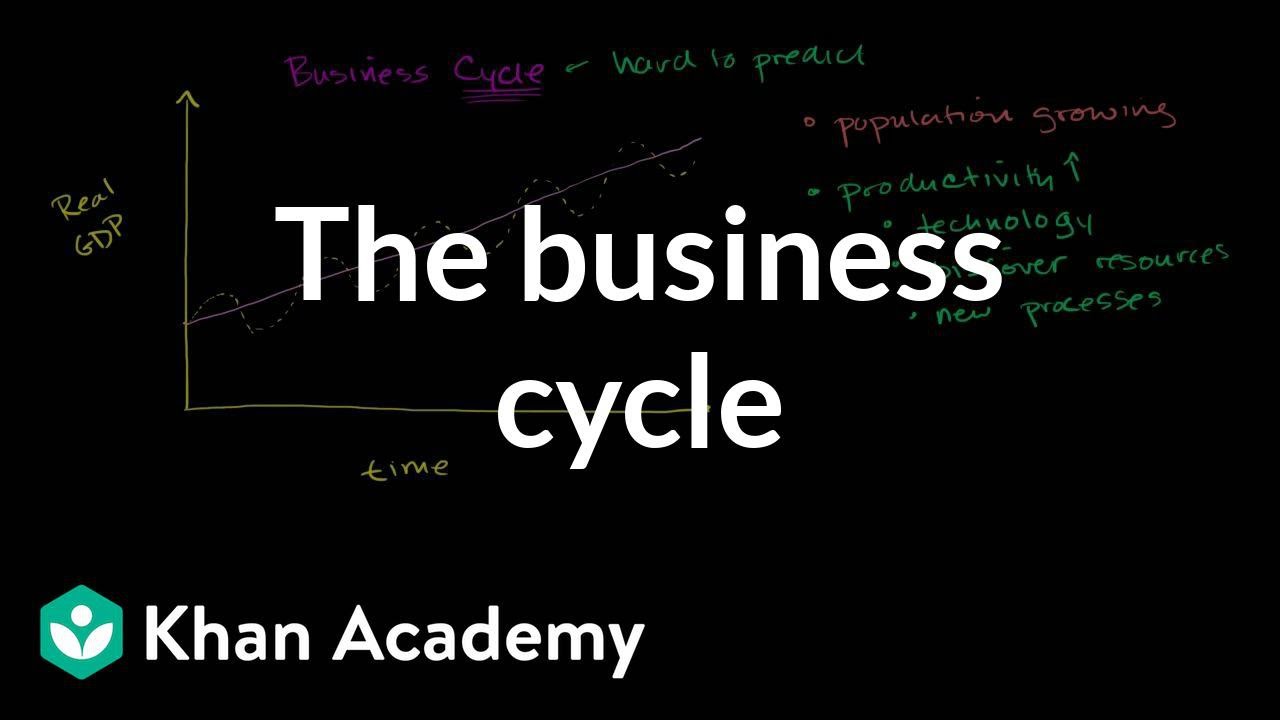
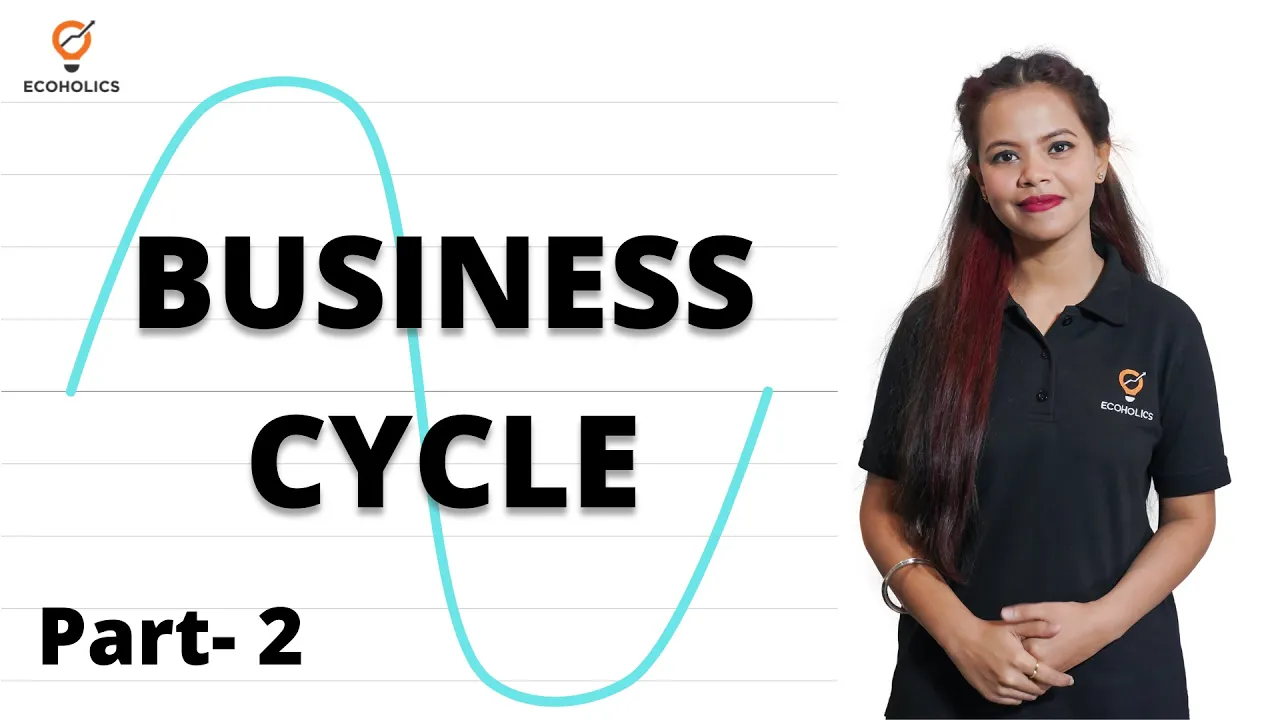
The phases of the business cycle, particularly the transitions between expansion, peak, and recession.
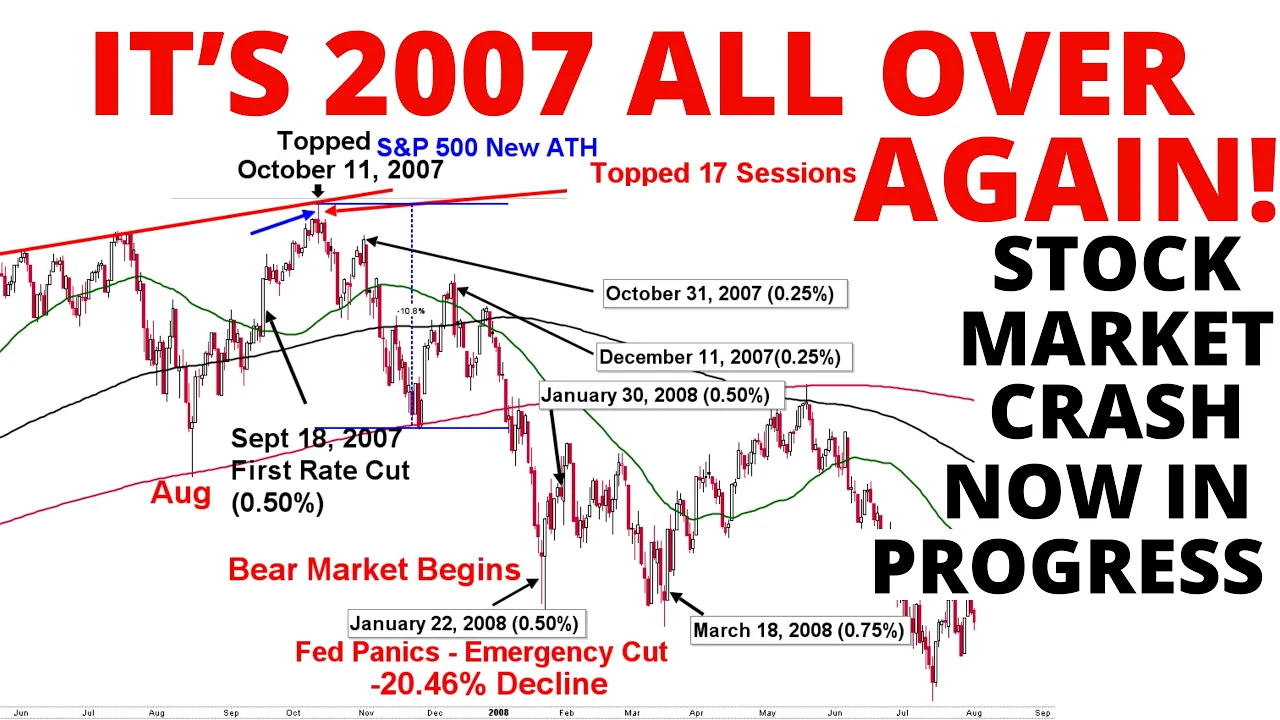
Historical analysis of past Fed rate-cut cycles (e.g., 2001, 2008) to understand why market declines often persist after cuts begin.
Defensive investing strategies and asset allocation techniques designed to preserve capital during market downturns and recessions.
The interaction between monetary policy (the Fed) and fiscal policy (government spending) during periods of economic crisis.
Advanced macroeconomic indicators of recession, such as the Treasury yield curve inversion and the Sahm Rule.
170.6K views4.4Klikes1:44:14Original Release: 2024-09-26
people don't dive into the data they're listening to headline news mainstream onliners you can't always believe what you're hearing in the news or from our officials the Fed chair is never going to tell you he's worried he's never going to say you know what I'm actually really afraid of recessions coming and yeah I made this 50 basis point cut in hopes that we get in front of that but gosh I don't know that would create a recession overnight policy outcome has been to reward those who own the assets to the detriment of those who don't they get stuck with the rise of cost of living part of the story if we really want to see change is going to be us the populace demanding the reforms that we want to see of our elected officials and really holding them accountable we've come to believe that this is just the way that it is rather than what the truth is is it's a deoration of the system and you can only deform a system for so long before it has to try to get back to equilibrium and there is going to be a lot of losses during that process we could be seeing a recipe for pain coming up here this is a movie we've seen before and if it plays out the way that it has in history probably not going to end Well Finance expert Adam tager says there's about a 100 million working aged Americans who have escaped the workforce he says many of which are playing video games in their parents' basement fighting addictions and mental health problems and many are living off of Government entitlements that's not really making this societal issue any better I personally believe that a lot of people just they don't want the jobs that are available because even then if they go to work they still won't make enough money to survive Adam also says that there are a lot of signs red flags that the US economy is in for some economic pain and now we have the Federal Reserve Panic cutting rates indicating the potential for higher unemployment but folks there is light at the end of the tunnel for those SE seing opportunities and Adam shares his advice and more in this interview that you're about to hear I hope you enjoy the [Music] show all right Adam thank you so much for joining me again today oh it's always such a pleasure Todd thanks so much for inviting me back you bet our audience loves when you're on and as I had said before you spend so much of your time interviewing other people I it's an honor for me and a pleasure to actually turn the uh the table around and uh interview you Adam so um just for the record because a lot of people may not know who you are and they uh also may have never seen our our podcast together so kind of just give everybody the overview of you know who is Adam tager how you be became where you are today and uh why you focus so much on finance sure and I I think I've given you the longer answer before so I'll try to give just the cliff notes here um so um I'm I'm a regular person um just like the folks watching here um essentially I created my channel thoughtful money um because it was sort of the the channel That that I as just a regular investor wanted to see in the world to help make me smarter and better informed about about how to build wealth and um my journey to this a bit of a circuitous one but the highlights are um I you know I did fairly well academically ended up um uh going to an Ivy League undergrad I got my MBA from Stanford um but nowhere in there was I ever given really a single class on just sort of practical financial literacy you know just like the basics like hey you're GNA have to buy a mortgage this is how a mortgage Works um or hey here are the principles of of sound investing um our education system as we've talked a lot about in the past um Todd just um I think kind of gets an FG grade in terms of of teaching financial literacy which is it's just so mindboggling because that that when you talk to people that's the whole reason why we go get educated right as we think it's going to help us uh have an advantage in life and when you ask well what do you mean by having an advantage people basically say well I'll probably earn more money and be able to do more things as a result but it actually doesn't teaching us the earning how to earn money part and how to how to build wealth over time part it just sort of magically assumes the clouds will part and will have had some Epiphany along the journey so um you know I I I had all that education um all that academic education but but not any practical education I then um went right out of undergrad to go work on Wall Street one of those Investment Banking analyst programs and got a front row seat as to how Wall Street um exists to serve itself and the interests of its clients are basically dead last on its priority list um the culture was not a good fit for me so I I got out of there pretty quickly after 3 years and then went and got my NBA at Stanford um and that's when the internet Revolution happened and I saw the um the the massive power of of this new medium uh to help bring really high quality information uh to many people at very low cost or even free and um I ended up deciding to combine those two interests uh from my experience base which is you know I now kind of had a good sense of how the economy and the financial markets worked a realization they didn't work for the interests of the regular person and the education system was just making that worse by again not not not teaching people the fundamentals and then um pairing that with this this new internet medium I wanted to basically democ democratize financial literacy and try to bring this information to as many people as possible um for as as you know Costless uh price as possible uh founded a couple companies along the way to help me do that um I worked at Yahoo for about 10 years to starting off there as as the head of marketing for Yahoo finance um so took all of this experience in in this Mission and then eventually founded thoughtful money and folks if you haven't watched thoughtful money it's not too dissimilar from from this channel Todds where we do Deep dive interviews with top experts and money in the markets I like to think of it as sort of like a um a 60 Minutes for money if you will um and uh I think that's about as short as I can make it yeah well um you talked about education and uh it really failing us as far as you know or at least the concept that you know you go to a university uh to to get a more formal education and a lot of people think that that turns into Dollars um there were many years ago 25 30 years ago I went to a live conference to see a guy speak named Jim ran I don't know if you remember that name but very famar with he self-help kind of you know uh motivational type of seminar and he said that formal education will get you a job uh it's self-education that actually makes you fortune and sort of you know prepares you uh to for what is failed in in our educational uh system so it's great you know certainly your links to your uh YouTube channel or in the show notes for anybody I highly recommend you go over subscribe uh to Adam and everywhere he goes whether it's a substack or X we'll post all the links below um I want to I want to dive into two two main things with you uh today Adam one is um you know actually both of them have a dramatic impact on American people one of which is our jobs Market uh as it pertains to unemployment people either having a job or not having a job and number two the ability as in what you were speaking to for Americans to earn enough at their job to afford life's Necessities like a home groceries their ability to raise a family if they want to have kids uh you know and I'm talking about above poverty levels here um and to be able to afford a vacation now and then and then really what goes along with that is the ability to save money along the way to hopefully invest in their future uh like retirement for example uh but really having extra cash afterlife's Essentials that they could either have in a bank or in an investment that outperforms inflation and we know that has been almost impossible so how's that sound if we talk about that those are all near and dear to my heart so let's Dive Right In so the real question is do the people running our country and making the decisions for our economy have that ability to make this opportunity happen or I guess Adam the bigger question is do they even want this for the American people yeah um wow we're we're we're we're going to depress a lot of people right from the start of this discussion huh Todd um so you know um I you know I get a lot of comments on my channel of people who are like um don't you understand this is all going according to plan you know there's this big giant conspiracy this cabal at the top that that's running the world and and their intent is to you know basically enslave all of us over time right and um I don't put a lot of stock into a grand conspiracy like that but I but I think we almost sort of have the same system where it's it's just a bunch of self-interested players who have um gained advantage in the system one one way or another and then they have reinvested that advantage to continue to protect their interests and over time that has led to corporate cartels um so it's pretty hard to find an industry now that that essentially isn't run like a cartel where there's a few big companies at the top and then they um uh you know Lobby and and um uh fund all sorts of regulations and stuff like that that increase OTE that make it harder for competition uh to uh to dislodge them um and I think the people that go to um into politics um the way that the political system has sort of metastasized over time is um your your worth as a as a politician is your ability to to raise money for your party and um what that does is is it you know slowly compromises people's um priorities and it creates bad incentives and it essentially um you know creates a political class that is captured by these money interests over time um so that's sort of the the context at which I look at the political system here so I I think the ability of a a bright shiny newly elected representative to come in and conduct policy the way that they think it should ideally be done immediately kind of runs into that meat grinder of all those specialized interests right and I I don't I look I'm pretty convinced that there's some percentage of um there's probably a higher percentage of sociopaths in politics just because it sort of rewards those traits but I'm not saying everybody that goes into politics starts off as a sociopath but I think that um the the structure of the system um you know pretty quickly strips them of their ideals and if they want to stay in in power they want to stay in the game they have to start making all sorts of compromises that largely keeps the status quo lurching forward at whatever cost it needs to to continue and so you know I I just don't see a lot of opportunity for the types of reforms that you and I think need to be enacted to protect uh the the rights of of regular everyday people and I certainly don't see you know reforms uh being enacted to improve the the the situation improve the prospects of regular everyday people until uh I am optimistic longterm until the system kind of breaks under its own um impurities and uh you know we get to some painful moment where uh everybody is sort of forced to look at the system and say look there's got to be a better way to do this and it's at those moments usually where history gives us a leader that can push through you know the type of reforms that we need where finally there's enough support on both ends to make that happen but honestly I think we're probably going to have to experience a lot more pain so I think the beatings are going to continue uh for a lot longer uh until morale starts improving I think one of the issues that really complicates things is that we've become such a global economy you know we're not just looking at What's Happening Here in the US everything's tied together and um I think that in many ways that has been very destructive and when you start focusing about what other people um need or care and I'm not saying I'm not being insensitive and saying that we shouldn't you know think about the needs of others on a global level I'm not saying that you know uh one person should be valued more than another but I think when we have a body the American people that feel like in many ways the worst second you know second string that a lot of the policies and a lot of the things are benefiting people that are living other countries instead of focusing on our own problems and issues that's where a lot of the really the contention lies at least what I see and hear and think about myself is well why are we worrying about that when we're not doing more for our own people and I think that gets back to the opening you know on what we're going to go over is us being able to live in a financial time I mean I can remember and you and I are around the around the same age but I can remember remember starting out as a a business person in my early 20s and where I was making money on my savings where I could afford to do things and you know and when we look at housing where we could afford a house from one you know paycheck and and uh and it was perfect I mean it was adequate yeah we had other problems and issues you always do societal uh you know issues but one thing was certain we didn't see the wealth divide like we see now we didn't see the homelessness that we see now and uh certainly the people that are living on poverty and it's almost like that is part of the plan I mean I'm I'm not saying that it is but it's you know when you start to provide or prop people up we become people become dependent on that and when you're not uh you know triumphing success and you're not rewarding people that do things that are good um they start to give up and say well you know what it doesn't matter the better I do the more money they take and I'm in even the same position you interview a lot of people and and I want to talk about the fed's recent decision to change policy and cut interest rates and what that may or may not mean but before we do that I I just want to ask you because I follow your channel and you interview a lot of just I mean you have Stellar guests that just bring so much to the table on both sides really all sides and uh you know their opinions on what they think will happen in the stock market where a lot of people I mean look there are a lot of people that are dependent upon the stock market for their retirement you know in one one way or another is there anybody that you've interviewed lately that you know uh that has said things that you could share that have really kind of put concerns or uh uh worries in the back of your mind uh yeah the list could be quite long um also Todd I will answer that question I just want to note that that in in leading up to it you you mentioned like five or six things that we should probably also dig into um but uh let me address your question first um yeah it's actually kind of hard to to just pick one or two um I do four interviews a week and um it's been a really good run um recently a lot of really good uh interviews but but some that stick out of my mind are um one is a fellow named Jim Carson um who uh folks might know him from his Twitter handle Jam Quant um but he runs a volatility focused fund and he understands volatility better than practically anybody I've ever talked to and um he he basically explains how um if you don't really if you've heard of what volatility is in the markets but you you're not quite sure what it is or or how it's measured or or or what role it plays highly recommend you watch that video um uh but the the crib notes are that Jim basically says um low periods of volatility create spikes in volatility where it's almost like a like a spring like the more you compress the spring the tighter it gets coiled the more likely it is it's going to sort of snap at some point right and he thinks we're coming off a period of very low volatility and that going through the end of this year into next year he expects volatility to continue to rise and the reasons sort of how what he puts forth to explain why are actually pretty fascinating um it doesn't necessarily mean prices are going to go down and people generally think volatility equates to lower prices it really doesn't but he thinks that um in fact we we may see a bit of a market runup heading into the end of the year uh maybe even really spiking at the end of the year but then he thinks that chickens are going to come home to roost and we're going to continue to have even more volatility but it's going to be kind of the destructive kind and I'll pair that with an interview that I just released the other day with Ted Oakley um from Oxo advisors um Ted is um has had a very long career in the markets um he does a very good job of just sort of explaining market trends in regular person speak and um Ted is quite worried about the level of complacency that we see in the markets right now um and uh complacency is is sort of the the main food source for Bare markets um and and Ted has seen a lot of bare markets in his career and um is is be basically beginning to see the indicators um that we could be to use his words um seeing a recipe for pain coming up here where um kind of like the roach motel um you know let's say jam Carson's right and the markets continue running up and then maybe really have a a big blowoff spike at the end of the year that attracts a lot of investors in and at the at the end of something like that it really attracts in um the most novice investors who start you know getting caught up in the fomo right and they start taking risks that maybe they can't afford to take but man everybody's doing this and everybody's getting risk Rich right now um if that indeed you know ends up being the moment where the rug does get pulled the damage and and that's really the job of of a job of a bull market is to suck as many people into it as possible the job of a bare Market is to then surprise them maximally and wreak as much damage as it can and time will tell if he's right or if he's wrong but Ted is just seeing having seen this set of conditions many times before he says you know this is a movie we've seen before and you know uh if it plays out the way that it has in history probably not going to end well uh I'll I'll add one last factor into the mix had a really interesting discussion with Jesse Felder and um Jesse has a ton of indicators that he tracks um and you have to there's there's no one magic indicator out there that that you know uh it'd be wonderful we could just navigate by one set of data but that's not the way the world works but he said if he were sort of Trapped in a desert island and could only look at one indicator to understand where the Market's headed it would be the 12month corporate Insider sell to buy ratio and basically corporate insiders sell more when they are more nervous about the future prospects for their companies um that is is um up at an near an all-time extreme um I think the last time in the data series it was this high was in 2021 um and what happened you know the next 12 to 18 months after that we had a big earnings recession and and the markets had a horrible year in 2022 right so um he's basically saying you know if you look at at that data point which is um has a near-perfect track record um he just says you know the current earning estimates uh that the street has for 2025 are far too Rosy and again you know when the Insiders are selling you know that that that's not an opinion that's an action they are literally taking their chips off the table because they think those chips are going to be worth a lot less going forward so um hopefully I answered your question there gave people a couple of different names and videos to go check out but you know it is it is not hard to find people who are concerned about the current level of Market valuation yeah can you just explain the volatility aspect that you started off with sure well so volatility is just basically a measurement of change right um so uh when the markets you know become more volatile just think about like an airplane you turbulence right start going up and down right um and uh volatile markets tend to be um more challenging for investors because prices are changing all the time up down you you feel a lot less certain um and in general um I'd say more often than not um more volatility more uncertainty makes people more nervous and they sell and so prices tend to come down in times of higher volatility again not always the case um but but more often than not um and uh you know I think I think it's important to know that that volatility in general um we have we have become so used to volatility really being dormant um when you think about what's happened since the great financial crisis with all of the intervention from the central planners all of the liquidity that's been put in the system on the monetary side on the fiscal side all the QE programs that the Fed was doing um since 2009 where they're out there just supporting assets by being in the market buying them month after month after month at at Big volume that kept volatility really quiescent and so um I don't know if your your you know viewers are familiar with the the book The Hobbit the movies about The Hobbit right there was the dragon smog right who basically was sleeping uh forever uh and then he sort of you know gets woken up uh and then does a ton of damage when he gets woken up that that that's kind of what a return of volatility can be like it's like smog the dragon getting awakened right and um Jim and a number of other uh folks that I've interviewed have said you know volatility is is is likely going to be higher going forward just like some people people think we're going to be entering into a secular era where inflation is going to be higher going forward than it was in the past you know hopefully it's not going to go back up to 9% again but but maybe it's going to pingpong between three and four% for the next couple of years um there's a lot of analysts out there who think just volatility is just going to be higher and in that type of regime it requires a different investing Playbook than the one that we've all become so used to where it is basically just buy the market you know buy buy a sector ETF just ride it and buy every dip because the trend is just always going to be up and to the right it's going to be much more probably like this going forward and what's interesting is it it's you can actually make pretty good deal of money uh pretty good returns in a volatile Market but you have to have a very different Playbook you can't be a passive investor the way that you were before you have to be a much more active investor where you're you're staying on top of the markets you're doing the math all the time about you know valuations and looking at the the technical charts and saying okay you know this week's a good time to be um more on the sidelines okay now that conditions have come down they're they're not overbought anymore they're oversold now the probabilities to the upside are higher I'm going to go back in um and the reality Todd is just that a lot of people don't have that experience because they haven't had to have it for couple decades it's when they lose yeah exactly it's when their inexperience becomes disastrous exactly and you know I'm sure we'll talk about this later but this is why like on my channel I just constantly beat the drum that unless you have a a a really good successful track record yourself of being a DIY investor and growing your wealth in good times and bad um most people would benefit from working under the guidance of a good Financial professional who has that experience now there are some great DIY investors out there that that have those skills and they should be their own Financial quarterbacks um and there are a lot of financial professionals out there honestly who who don't have this type of experience because to as I said they haven't had to really exercise those muscles so I generally recommend that people look for a firm that's been in in uh you know been out there in operation for decades um and has some experience with the GFC with the dotc com bust um you know most of the folks that that saw the the action back in the 80s have have pretty much retired at this point in time but at least somebody that has studied that period and knows you know what what the data suggest should be done because I think going forward the next decade or so of investing is going to look a lot different than the past 20 years you had mentioned that there were some things you wanted to unpack before we got into you know the interviews that you've conducted do you want to tou on those now sure yeah I'll hit those quickly and again I we we will get back to the question you asked which is a really important one which is hey the FED just pivoted right it's been talking about it forever it finally just did in fact it did a 50 basis point cut what's the significance of that so I want to make sure we get to that because I'm sure people want to hear the answer to that but real quick you were talking about um you know just sort of you know a country that prioritizes people who live outside the country more than it prioritizes the people that live inside it that obviously is doesn't seem to be a very good strategy I would agree with you I would say I just wanted to highlight some of the things that that make it an an interesting discussion because um I agree with you um but but part of the story if we really want to see change is going to be us the populace demanding the reforms that we want to see of our elected officials and really holding them accountable and I don't think we've really reached that state yet again I think eventually we probably will when things start breaking badly enough um but to a certain extent we get the governance that we deserve um and right now we are not holding their feet to the fire my opinion as much as we should and you know that's why you can see like um you didn't mention it but I'll I'll use it as an example you a lot of people have have issues with the amount of um money that we're sending to support the war in Ukraine right you know half a world away um is it really our business to be sending that much uh that much of our treasure there and um you know obviously some people are going to say well look that's the battle line of of democracy and we've got to hold Russia there and whatnot and people can debate whether that's true or not but but a an e economic reality there is a huge employer in the US economy is the military-industrial complex right and you know basically the rationale inside Washington is is hey to support all these American jobs we got to be making Munitions and stuff that we're sending you know to to hotspots like Ukraine right so there's an economic interest uh in you know one can can argue uh for America there and we as a people have to say well all right you know uh because the push back will be what do want you want layoffs in the military industrial complex industry like there's that's a lot of people we could be laying off and we as a populist I think have to say yeah we'll be okay with that like we're willing to take that tradeoff to keep the capital here in the US and be spent in ways that are going to benefit us more directly right um similarly you and I have talked a lot about this so I'll just mention it but you know immigration we've talked a lot about how we have kind of a nonsensical sensical uh immigration policy right now at least particularly as it comes to um illegal immigrants coming into the country right and um I think both you and I uh feel that um you know the C country would be much better served by some sort of focused policy right we're it makes sense for us to bring in a certain number of immigrants we want these type of skill sets and then we'll reserve some percentage for amnesty right but we'll we'll we'll manage to that right and as as I've heard recently said um you want you want High walls and open Gates right so you want to be able to protect people getting in illegally but you want to let as many people in as makes sense right we also have to be wide-eyed and say look um the economic mod model that we have right now in America um depends upon an basically an Ever growing number of people in that core working class demographic of 25 to 54 year olds and that population is actually shrinking right now um and if you look at uh and there's several reasons for that um but long story short is this birth rates are are down um and they're down uh because largely uh you know Americans don't feel like they can afford to have as many kids as they did in the past right um and so if you want the existing model to continue we either have to dramatically Goose American uh birth rates which is possible but will take a long time or we need to import immigrants to to fill the hole right um and so where I'm going with this is just we have to have an Eyes Wide Open decision about what we want right you know it's nuanced it's complicated we need to be really clear about priorities and then let the debate Drive the decision-making and of course we're not even having those discussions right now and and the different you know special interests that I mentioned earlier they're just driving the show with no real push back or oversight uh from their colleagues uh in many cases their paid lackes uh in politics and again if we as the populist are just sort of asleep at the wheel letting that happen to a certain extent that's on us so we need to get more engaged um one other really important factor on this too I I feel I got to note is that um you know we have an underemployment crisis here in America um and it's funny saying that when the unemployment rate is still what 4.2% right whatever number it's currently at it's been rising but that's still a historically very low number but you got to take into account how they calculate it right um so there's over a 100 million us adults working age adults um well us adults um that are considered not in the labor force right now some of these people are retired and they're too old to work some are college students um some are disabled but a large and fast growing percentage are people that are literally just checking out they're getting demoralized um and they're just saying you know what um I can probably get a check from the government through some program or I can get family members to to support me and uh you know I'm I'm just I'm just not looking this is kind of the you know 30 a 30-year-old adult in the parents basement syndrome um there's been a lot of work a lot of research done on this um if you're interested in learning more about it there's a really fascinating interview I did with a guy called Nick eat who who wrote the book men without work um I think about close to 10 years ago um he's now updated his research and it's now increasingly men and women who are falling into this category so my point is is um you know we have a very underemployed amount of able-bodied citizens in this country who have basically checked out and before we make the argument of well you know let's bring in a bunch of of uh you know laborers illegally into this country uh because no American will will do the work that they'll do it's like wait a minute we we got millions of people here who are not contributing um the research shows these people are depressed oftentimes you know addicted uh to painkillers and Other Drugs um they're not living their best lives let's put it that way they don't have a sense of purpose uh they're not productive members of society how can we address what's going wrong there and and reactivate that labor productively in here before we start bringing in a bunch of Labor that we haven't planned for how we're going to support um you know through social systems uh or uh path to citizenship or or whatever right so um this is there's a lot of different factors that are going on here where again you know uh I think we're dropping the ball because of bad or misguided policies or or lack of a real plan here and uh yeah like I said I'm I'm kind of a a fan of the the the high walls uh but wide Gates as long as we have a really you know um smart policy for how many people do we need to bring in you know how can we reactivate the the the dormant Talent we have here um what's what's the gap between where we want to grow the economy and how many additional workers we need okay great let's get that number let's figure out what skills we want of that base great let's recruit for them and then yes let's have some percentage for the the amnesty hard luck cases um that America has always been you know respected around the world for bringing in those people for you know Adam a lot of what you're talking about right now really comes down to the local elected officials I mean you know who would or should know more about the population that is uh in the most need than than them and what I mean what do you suggest for something like that I mean obviously this gets back to uh resources you know I think in a lot of ways our welfare system is broken I think in a lot of ways it's abused um you know uh should people be on welfare for 25 years I mean I don't you know I'm not judging anybody I think welfare is great for its purpose it should be you know we should have resources on a community level for people but it seems like the ones that need it really bad now they have to wait 20 or 25 years to be eligible and you know so our resources are kind of out of whack what what would you recommend for this you know million plus Workforce that you're describing that's in Mom or Dad's basement uh you know depressed and really needing somebody to they need a they need help yeah uh that's a great question um and and I'll be super transparent here we're we're beginning to move out of you know my day-to-day focus on we know where the markets are headed um so I'm not a policy uh expert but I sure have opinions here um look you know I'm I'm all for social support programs uh that that give people a helping hand during you know a time of Crisis um but they have to be limited and they have to provide a pathway or they they're they're better served by providing a pathway back to productive work and and getting off of uh uh off of the entitlements um because I think that the history is pretty clear that you know basically if you provide permanent entitlements you end up creating dependency uh and dependency that that then gets learned over generation right and that doesn't serve anybody's interests right you go from something that started with a noble intent that that actually has an outcome that's completely the opposite of what you were hoping to achieve right so um you know obviously I know theep the cynics and and trust me I'm I'm largely one of them who say look these these programs are are largely used for political aims you know to keep certain parties voting certain ways and things like that I I don't doubt that at all um but like I said you know I think uh you know that's one of the the great benefits of a of a wealthy Society like ours is is we can have a little bit of a safety cushion for um you know those that end up on the uh the losing side of capitalism right capitalism is always going to have winners and losers you just want something that can kind of get them back in the game as quickly as possible here right so I mean there's a lot of things certainly you know one example of a policy is disability insurance um it is getting increasingly abused um and and largely by um you know people that are either getting put on disability for mental health conditions and I'm not talking down mental health at all and just a reminder to folks who don't know my wife is a a therapist um so it's something I actually have a lot of respect for and I'm glad that that our medical system is increasingly supporting Mental Health Services but it can be this this kind of um you know inscrutable Shield that people will use as a reason that they can't work right and it's a it's a very difficult condition to prove or not right similarly um uh people will claim something like well I got a bad I got back pain right and and I can't work right again that's something that's notoriously hard for doctors to to diagnose um and uh be able to tell if somebody is telling the truth or lying here right and so people have learned how to gain the system where they're able to get on you know disability and and basically collect a check from the government that gives them enough of an ability to feed themselves and attend to kind of you the basic needs of their lives where they can kind of check out and play video games or you know do drugs and again I'm not I'm not vilifying people that are on um that are on disability in general I'm just sharing ways in which that particular system has been um taking advantage of and that you know certainly a lot of opportunity for reform there as well um but I think you know in general it's it's generally a system of of sticks and carrots right um you know if you if you are taking uh benefits well they have they have an expiration date on them and you have to to prove over time that you are you know out there getting work uh to be able to continue to get them in some intermediate period and after some point it's just say sorry we we gave you what you needed you know it's time to time to leave the nest and fly at this point people watching this are probably giving even better policy ideas in in the uh in the comments here but um again it all just comes down to what are the goals that we want to achieve right what are our priorities fantastic once we have those we can start aligning incentives to them and then the game plan kind of kind of just falls out of that and and capitalism is a system that once it knows the rules it'll come up with great Solutions um we just have to be really clear and consistent about you know where the borders of the playing field are and what the rules of the game are and in many cases we don't even need the government in these spaces cap you know capitalist driven Solutions will start filling this hole in in many ways the way that they were filled um by entrepreneurs by philanthropists um before you know the FDR era or the Linda Johnson era well let's talk about some of those things that whether we can get back to that level of uh capitalism or not because it it seems like they're making capitalism the enemy in a lot of different ways uh let's talk about the Federal Reserve the United States central bank right um and I mean there other central banks obviously in every country has a central bank but to begin with for those watching who don't know what a central bank is can you provide a a brief explanation sure generally um their role is um uh monetary policy so B basically uh they're in charge of of the money supply uh and and the cost of money if you will um and so they set uh they set the federal funds rate which basically determines um how the price at which money is is loaned out in the system um so in a in an economy like ours where credit is kind of the lifeblood of of how the economy runs um you know their job is basically to make sure the system runs smoothly um and they do that largely by um you know either easing which is putting more money into the system more liquidity in the system or tightening which is taking it out uh and the tools they used to do that usually are um involve making money more or less expensive to lend and if it becomes more expensive to lend less money gets put out there and that's that's called tightening right that that contributes to the tightening policy so anyways um we have had central banks around the world that have um they were originally created To Be A lender of Last Resort um so like if we go back to the Great Depression um when when the when the uh when hard times arrive and the players in the system start not having confidence in the other players in the system like if I loan you money Todd if I'm all of a sudden nervous that you're not going to pay me back well I might stop lending you money right and you might still be a good you know maybe you would have paid me back but I just don't know and that transaction that we would have done doesn't get done right so that's what happened at a very large scale back during the Great Depression and um and and crises before then because we did have a Federal Reserve leading up to the Great Depression um but but during those those crises um liquidity would just dry up and Banks would stop lending to to people to businesses to each other and the economy would kind of grind to a hole right um so central banks were basically created to be what was called the lender of Last Resort hey everybody gets um unfairly hurt when the when the gears of the economy sees like that so we want to have some institution that will step in and provide liquidity will be that lender when nobody else wants to be so the system still works and you know it doesn't just seize up and then companies have to fire everybody and we go into this massive unemployment um down spiral um but over time you know you you give that type of power uh to an institution um it starts finding more and more ways to use it uh and so central banks have become more and more what I would call interventionary which is they start tinkering in the economy when it's not a crisis um when it's not the last resort and then over time people become used to that tinkering and then they want more of it right um and that's kind of how the system is metastasized as time has gone on here um so uh that's that's why we have central banks and I think that's why we're at an era right now where the world is so transfixed by what the central banks are going to do because rather than just being the back stop of the system they're basically now the conductor of the train and everybody is wondering what fed policy is going to be because they think that that's going to determine where the train goes from here and the United States Federal Reserve System is the world's largest Central Bank uh it has more than 7 trillion in assets and by the way valued in US Dollars and second is the People's Bank of China being you know like I said number two it's 6 trillion in assets how significant is the Federal Reserves recent decision to cut interest rates uh and what do you believe this means for a global economy okay um I I I well all right I think it's probably welcome news to the global economy um the the the US economy has been uh the best of the bunch for the past several years it's really been the engine that's been pulling the rest of the world along with it um uh China had been CH China had been a really big driver of the global economy um especially after the global financial crisis it really helped pull us out of the global financial crisis um and coming into this year people were hoping that the Chinese economy was going to start really growing again and that we'd get some help you know we get another lead horse up here helping us us pull the global economy um that's not materialized um China is is is really kind of in a world of hurt right now and is growing much less than than the world expected um and uh all economies around the globe right now are are growing generally less than their historic averages and um there's a general concern about the you know the the strength of of continued economic growth globally so I think folks thinking okay well the FED has now stopped its hiking regime it's now starting to ease again and it it it started with a bang that's going to be stimulative to the US economy which will be stimulative to the global economy there's a lot of other um policies that get set around the world based upon what the US's um Federal Reserve uh federal funds rate is um so um you know I think people are are people who who like the status quo are breathing a bit of a s relief that okay good fed's now back to easing and uh hopefully that's going to start you know goosing economic growth from here now that being said to the average person watching this um I would say a couple of things about uh the shift uh that the FED had just made and again um the FED usually Cuts or moves interest rates um in what are called basis points and a basis point is just um it's a 1/100th of a point so a percentage is 100 basis points and usually the FED moves in 25 basis point increments um it surprised a lot of people by going uh hike sorry cutting rates by 50% right here out of the gate um not I mean the market was actually the week prior finally started actually expecting the FED might go 50 um so it wasn't a shock to markets per se but if you look at history uh that's a pretty big rate cut and the times where the FED usually steps in with a rate cut of that size is when there's an unfolding crisis so you know it definitely asks the question well well wait a minute here you know is the Fed nervous about something and we'll talk about that in just a minute but um uh first off you got to understand that that monetary policy when the FED pulls a lever um it acts with a lag and that lag is pretty substantial so if if the fed you know makes uh the cost of credit more or less expensive by changing the federal funds rate um the benefits of that or the impact of that usually takes quarters I mean usually like a year or more uh to make its way fully into the economy where you can see the impact of that that change head so it's not like the econom is going to start you know leaping tomorrow because the FED just cut 50 basis points so it's my first message to people would be hey just just slow your roll on this right now it's it's not like you know the economy is going to be totally different tomorrow because of this it's going to take a fair amount of time and on that point and TI you and I have talked about this in the past we have been the FED hiked interest rate at a more aggressive Pace than I think it's ever done pretty much in living history when it started its hiking regime it then held them above 5% for you know basically what a year and a half or so much longer than the market thought it would that hiking of rates and then holding them at these high levels that has its own lag effects right and and now we're beginning to feel it right that's why the economy you know has been slowing that's why uh the employment data has been getting worse that's obviously why inflation been coming down right so we are still feeling the lag effects from that and we will continue to feel the lag effects of that for some time from here likely 12 to 18 months still going forward from here so we're likely to feel much more of the downward pull of the the hikes that have already been done for the next year plus then we're going to see any impact from the The Cutting that the FED is starting now so number one I'd say hey slow your R number two I would say um yeah we really should be asking ourselves is this a move of confidence on the fed's part or fear now if you listen to the Fed chair Jerome pal he'll sayoh no this is all confidence baby like um you know he did everything but deliver a mission accomplished message when he gave his his pre press conference last week in fact near the end because of some questions he was asked he had to say well wait a minute I'm not I'm not declaring mission accomplished I want to see some continued data like we're seeing now but he's basically saying it's it's it's kind of all over at this point you know we got it this is this is done and dusted right um but um you know those who watch more closely you know and and understand too like the Fed chair is never going to tell you he's worried right he's never going to say you know what I'm actually really afraid of recessions coming and yeah I I made this 50 basis point cut in hopes that we get in front of that but gosh I don't know right that would create a recession overnight right everybody would change their behavior oh my God the fed's worried the FED thinks the recession's coming they would start getting a lot more conservative and then that would slow economic growth and then we would just it would become a feta complete right so you got to be you got to consider the messenger here right there's things that the Fed chair is just not going to tell you right but if we look at things like what has changed since uh pre-cut now postcut uh the labor Market's gotten an awful lot weaker right so we had um a revision in the payrolls numbers um where basically uh they came out and said you know the numbers the government has been publishing through the of Labor Statistics the BLS um we're realizing that those were overstated by like over $800,000 800,000 uh jobs in 20123 which is a very substantial percentage of the payrolls that were being reported um now Todd guys like you and I have been talking for pretty much the past two years about how increasingly unbelievable the BLS data was um but you know the authorities were saying no that's that's the data and it's it's the jobs data that the Federal Reserve was basing policy on all of a sudden it's finally being admitted you know what we were using data that was that was pretty darn faulty um I also want to note too um if you look at some private data so Challenger gray and Christmas uh which is a they're a widely respected firm for tracking the labor market they show that layoffs soared in August hitting their highest total in 15 years while year-to-date hiring hit the lowest in 19 years right so we've got um soaring layoffs and we've got uh shrinking hiring right so these are signs uh of you know not a strong labor market right even though that's what we've been told for basically the past two years straight is that the labor market was kind of on fire and there were way more applicants than there way more jobs than there were applicants um now we're all of a sudden really beginning to see that that is highly likely not the case and I think the data is finally catching up with the anecdotal data that you and I talked about previously Todd um where people who do get laid off or looking to switch are finding it actually quite hard um in a lot of Industries to find a job now not all of them some are still hiring but but for a lot of Industries especially like out in Tech where I live out in the in the California Bay Area um you know it's it it's it's quite difficult these days to to find a new job um so uh the the other thing I I I just want to note real quickly too and I'll see if I can share this while we're talking is um the unemployment rate so um Todd uh I I think we've talked about this in the past um but I was I was actually really interested that um one of the uh one of the journalists at the uh fed uh press conference actually asked uh pal about this specifically which I was like this is great this is a question I would have asked so the unemployment rate if you look at it um following just about every recession we've had the unemployment rate um comes down uh it then gets real quiet um and then all of a sudden once it starts turning up it spikes now we shouldn't look at at 2020 because that that's what happened then but 2020 was a pandemic it wasn't uh you know uh sparked by economic issues um but pretty much every other recession you'll see coming out of it the rate goes down it gets real quiet once it starts turning up bang it shoots the moon and it happened uh great financial crisis it happened in the.com bust happened in the early 90s uh happened in the early to mid 80s uh and back and back and back and so um that's the pattern of how the unemployment rate um you know tends to react well you'll see here now the unemployment rate is come down since uh the covid crisis um bottomed out and then now it's starting to rise back up here um even looks like it's kind of gaining steam a bit so you basically have to have an answer for why it's different this time um why it's going to be different this time and uh when they asked pal about that directly he actually didn't really have a good answer um you know he just sort of said hey we're going to be on top of this thing but you know if if the pattern of History shows that you know every time that the unemployment rate comes out of the bottom and starts raising it really spikes from there you if you don't think that's going to happen this time you better have a really compelling reason why um because you're basically fighting history on this um and then lastly um history shows that the FED is generally always behind the curve um you know listening to Pal he kept saying nope no we don't feel like we're behind anything here but of course that's what he's going to say but if you look at at interest rates and maybe uh let me see if I can pull that up here for your your listeners too Todd um so you'll see here that in past uh interest rate hike regimes um the FED would um hike hike hike k kik they'd then plateau and then they'd start cutting and uh very quickly a recession would ensue um we saw that leading into covid we saw that leading into the great financial crisis we saw that leading into the.com crisis and so on and so on in previous decades and you'll see here the FED hangs out at this plateau and then it starts to cut and then it realizes oh my gosh you know what we must have held rates too high for too long the economy is heading into recession that's what these gray areas uh on the chart uh signify and then the FED is Panic cutting um trying to stimulate the economy as as the recession's you know starting to rage and of course all that that fed policy acts with a lag so it's not for a couple quarters before the economy starts responding to the stimulus and starts growing again and then finally you know gets us out of recession so again this is the pattern and you know here we are again um you know we we hiked rates really aggressively in 2022 we've then plateaued them we've just made the first rate cut history shows here that the pattern is is that we then go into recession pretty soon after and then the FED gets in a panic and starts Panic cutting again will that happen this time to your point uh you know the the higher for longer was really what happened uh with the um if you just look at that GFC period you know if you could see a lot of these rate hikes and cuts are more of a a sort of like a peak not a flat top so when you can look back in history they didn't keep the the uh you know if you see those lines of recessions they're not as deep as they were in the GFC but that's really the first time you've seen in going back a long time to where it was really more of a flattening off it was in the do com but much more um predominant in the uh GF leading up to the GFC but we almost have that same flat in effect for the the hire for longer now only with much higher rates so um thank you for that that's that that is uh great information and I think that we forget a lot of times like you said you better have a good reason if you don't think we're going to have some kind of a hard Landing we don't really do enough in looking back and and the other problem that we both know and we've talked about it is people don't dive into the data they're listening listening to headline news mainstream onliners as they push that jobs report but that's a big deal and you know when we're talking about the unemployment right now I would be curious to know in Prior times of reporting this you know 4.8 or 4.4 or whatever unemployment rate were they considering the million Americans that we know uh that are of working age that aren't working did we have those same kind of numbers before and are they using the same metrics as they did before because we know that if they've been unemployed for a year they're no longer even being accounted for so I think you this is all you know why people need to dive further into the data and not to be Doom and Gloom or to be you know saying that we're living in fear the more that we're living in reality that you need to be very mindful that you can't always believe what you're hearing in the news or from our officials let's talk a little bit about the uh the threat of you because I'm concerned this go around with you know the FED has used this man rate manipulation as sort of like its tool its only tool in the toolbox as it pertains to two metrics unemployment and CPI inflation rate and um you know when we look at the dollar uh obviously for those listening some of you may know and have heard this before but for quite some time I think since 1944 uh the dollar the US dollar we've been a a Global Currency the reserve currency for other countries so just to kind of give you some kind of an idea of what I'm talking about here when we go to school as Americans we learn about the dollar very little about financial literacy but we do learn that the dollar this is a nickel dime a quarter a dollar bill a 100 whatever the denominations and um but when you live in other countries grow up in other countries they will teach you two types of currency you learn about your country's currency like if you're in China you would learn about the the yawn and and if you're you know in China just to finish this out you would also learn about the dollar the US dollar two current currencies right so that you're becoming familiar with uh because we've been the world Reserve currency for 80 years about plus or minus because the dollar is the reserve currency a lot of it has to do with confidence we have been able to build a confidence globally that we're superpower we are a market mover um the US moves the whole global economy and the Dollar's strong it as opposed to other currencies uh throughout the world but I'm just kind of curious Adam um in your thoughts because in order for us one of the reasons that the dollar has remained so strong is because because we have had our uh interest rates higher than a a lot of the emerging economies the countries we've been higher in their Fed rate which has sort of you know uh inflated the dollar the value of the it's appreciated the dollar is appreciated but when the when we drop below when when we have to push our interest rates lower in order to stimulate the economy lower than other countries it sort of devalues or depreciates the dollar any any thought on that yeah uh several um so you're talking you know about the dollar with through the lens of Foreign Exchange how how is it performing versus other currencies and um it's very important to understand those Dynamics um but I but I do want to get to I think what matters probably more to most people watching here which is how about the Dollar's value just in buying stuff right and I'll get to that in just a second um but yes you're you're very right and we as Americans are probably the only country out there uh that only thinks about one currency right we it's a big luxury we have of having been the world's Reserve currency is is you know we're just not that impacted on a daily basis of of what that exchange rate is um but uh a couple important things to note so um uh there is there's basically two pools of dollars there are those dollars that are inside the US and there are those dollars that are outside the US and um the dollars that are outside the US dwarf the number of dollars that are inside the US um and a reason for that is um what's called the euro dollar market where um banks around the world make loans in their local currencies but they also will make loans that are dollar denominated and all of those dollar denominated loans impact demand for Dollars around the world and so if I live in a country um that uh you know has a one of the secondary currencies of the world and I'm having to make loans that are denominated in dollars if the dollar appreciates it really kills me right because it makes it harder for me to repay that dollar denominated debt in my local currency because the currency you know currency ratio to the dollar is dropping right so um there's all sorts of things as a result there's all sorts of things that get impacted by the relative value of the dollar uh to the rest of the world if is one of the reasons why um we kind of have you know a series of advantages that other people don't have one we can we can print more dollars and they have purchasing power across the rest of the world in a way that other currencies don't so we have that Advantage as a nation um but we also um if we reduce uh the value of the dollar if the dollar value weakens versus other currencies um it uh it's stimulative in a number of different ways one it makes it easier for other countries to repay their do denominated debt um so it it keeps the system a little bit more stable um it also makes our products and services cheaper versus others around the rest of the world right so you you you know strengthening dollar or weakening dollar they both have pros and cons to them right a strengthening dollar um you know increases our purchasing power so it makes Imports cheaper for us which we like it makes the rest of the world puts the rest of the world in a little bit more pain and you know if if if that gets dialed up too much if the dollar gets too strong versus other currencies you you can start having um you solvency issues you elsewhere in the world and that can then lead to you know Global slowdowns and things like that so we we've got to take all this stuff into consideration but where I think the the rubber meets the road for people U on your your question um Todd is is twofold one is um is a really important driver of um Global investment um there's a number of them but but the big one is is between us and Japan it's the carry trade right it's where basically um uh people are are basically playing an Arbitrage on the currencies so they're they're borrowing like the Yen dollar carry trade which is gone on for decades is you you borrow dollars in Yen um because uh the interest rates are super low there um you then bring them over into the States you use those to buy um uh treasuries here in the states which are yielding you know a lot more than what what your Japanese loan is costing you um and you basically pocket the difference um in fact you can lever that up over time uh and uh a lot of people have and it's been a very consistent way to make money going forward and there's been you know just billion probably trillions of capital that's been placed on on carry trade bets like that um if you start having big deviations with currency um those carry trades can start blowing up and that's actually what started happening um where Japan has been uh until recently they've been trying to actually let their currency appreciate versus the dollar uh that has started to unwind the carry trade and that's why in August um we had that really big downdraft day on August 5th that a lot of people remember um then we've seen Echoes of that since so um I'm probably getting a little bit too wonky here but my point is is you're very right Todd which is we have to kind of keep our eye on the relative valuation of the dollar versus other currencies from here and I'll just say look if you're curious about where you think the dollar might head from here relative to other currencies um go watch any recent interview that's done with um Brent Johnson um he tracks this very closely um he uh is uh he's coined the the um the framework uh the dollar milkshake Theory which um has a lot of explanative value about you know certain currency changes and and the impacts that they have uh it's also why he says the dollar is is is even even if for those rooting for it the dollar is not going to lose its its Reserve currency status anytime soon for a lot of structural reasons that have to do with that wider euro dollar market that I talked about but I think the more interesting part of your question was sort of like okay so you know for those of us that live in dollars breathe in dollars have to buy things with dollars what do we be expecting going forward now we've all just taken a pretty massive insult to our dollar Holdings right if you look at uh the amount of inflation that we've had to absorb since the beginning of covid if you look at uh true flation which is an alternative way to measure inflation um versus the government CPI calculation where they look at a basket of I think like a million or more different goods and services they estimate that the in uh amount of inflation we've had to absorb since January of 2020 was somewhere between 25% and 30% um I hear from a lot of people they think it might be higher than that but let's take the true flation data uh at face value that means that a quarter or more of the purchasing power of our dollars has vaporized in the past four years right so when we're talking about you know how it's harder and harder for the average American to make ends meet and what not going ahead that's really the core of it right and um getting back to your question about the central bank and about our our um uh issues on with our politics is you know we have largely been um living through an era of proplate monetary and fiscal policy and um that just means that our our our on the money side we've been you know creating more money out of thin air and on the uh fiscal side we've been um spending money we don't have and racking up debts at a never increasing rate and we've been quote unquote getting away with it as a country um but there's a piper that has to be paid and and at the end of the day uh the unavoidable casualty of all that is the purchasing power of currency so you know that is kind of in a nutshell why policy matters right even though it's kind of wonky and whatnot at the end of the day what it does is it affects our ability to afford the lifestyles that we're aspiring to have and it makes it harder and harder if those policies are continually um depreciating the purchasing power of the currency that we transact in and sadly Todd um I don't see that changing anytime at all going forward in fact in many ways I think the pace of that will probably continue to accelerate over the next decade at least you know uh when we're talking about fed rates and things like that I guess you know more of a from a what I refer to as a global economy and you know the world's dependency and by the way I had a uh I've had multiple interviews with uh with Brent Johnson I love Brent he's a he's a really he's a great guy U I do that lately he has commented that he's been taking some some heat on uh people uh saying that he's wrong on the dollar and um you know that we have the cleanest shirt and a dirty laundry pile I think he he puts it but I guess the the only thing that I really think about is these Central Bankers are really sort of they're pulling the strings in a lot of ways right you had said that they were only their purpose was to just help us out when capitalism was failing us you know through certain times or another when somebody needed money or you know the the uh the FED had to step in and sort of inject uh or manipulate the market to build confidence again but I just want to pull up this chart because I thought it was interesting uh Global uh hyphen rates.com here and I don't know if you've seen this but I just wanted to see you know like what has happened this month and really what other countries have sort of recently responded to uh our rate cut and I thought it was interesting because number one here we've got the United States on the 19th cut rates by 50 basis points or a half a percent uh Saudi Arabia also cut a half a basis point South Africa cut a quarter of a point Brazil uh actually raised on the 18th a day before a quarter of a point and Russia raised their Fed rate a whole percentage point and just looking at that and I think of you know gez I think of Russia I think of Brazil I think of South Africa I think of the bricks nation and I think about what I had previously said that in order for the dollar to stay strong in these other countries or to be worthy uh you know uh you know to appreciate that their Fed rate has to be lower than ours and I look at this Russia's almost you know I mean you can see four times the rate that we are and they're sort of leading the way with the bricks um you know Nation what do you think of that I mean is there any relativeness to what I'm saying here or seeing here I I I would be a little cautious I mean I I know where you're going but I I would be a little cautious here um uh one you know Russia is in a somewhat unique situation right now with the fact that it's embed in a war and that it's got you know basically the Western World embargoing it and whatnot um and remember I was sort of talking about um foreign exchange is a very Dynamic market and it it it's you know it's a game right where so if if one country especially an influential one like the US you know weakens its currency intentionally through policy a lot of the other ones are going to follow suit because in general they're trying to stimulate you know their export markets right so they probably won't stay there for very long you know there's it's also a multifactorial game as well and so I guess the question you have to ask yourself is you know um if it were US versus Russia or US versus Brazil um if they got involved in a currency War who do you think would win right and I think right now most people would say you know what the US probably would and there's probably lots of of uh weapons in our Arsenal that we haven't even pulled out yet you know if we if we wanted to get to the playing dirty stage um so then you have to ask yourself okay is the bricks Coalition um as unified now uh to be able to act you know as one uh to to go up against the dollar uh and you know are we seeing that begin to unfold in real time right now I don't know we certainly have you know more increasing trade across those countries uh for sure uh the global economy is becoming um less unipolar um and I think we'll continue to see that going forward um if you're interested in this topic Michael Evy is a great guy to listen to um and he's been saying that we're going to be seeing a much more merant Mercantile and protectionist um course being charted kind of by all countries going forward where it's going to be less about globalization and moving towards a one world economy and it's going to be much more about what's best for me in my people and you'll see alliances you know both trade alliances and economic alliances uh be created but that they also might kind of fracture and reform right so the bricks you know I I might be India and I might I might partner with China and Russia on certain things but with the US on other certain things so I would say right now it is it is early in the game to be putting too many of your chips on one team on that that side right now I I don't think the status quo is hurdling towards an imminent uh change and that being said over time you know we will will the US become more sorry will the global economy become more bifurcated or or or multifaceted with with these different shifting traits I actually think so um will the US dollar be um diminished in its role as a reserve currency I think so but I think it's going to be the dominant player for a good long time and just ask yourself you know the Russian rates there were at 19% right now if you if you had money that you were looking to keep safe right now where would you choose to keep it if you were outside the US in a US Bank or in a Russian bank I think you almost everybody would be choosing a US Bank still at this stage so you know trust is a big factor in this story and I don't think the the world has shifted its its trust enough yet to to make the call that like you know what there's a competing bricks currency coming out and the bricks countries are are gaining a leverage over the US and its its Western alliance members um in a way that's going to totally disrupt the status quo could we be progressing there over the next decade plus yeah maybe but the reason why I'm sort of stating all this um Todd is is I've I've seen people over the years approach me in a panic and say oh my gosh I'm I'm so afraid the dollars you know going to become trash tomorrow I just read about this new bricks threat and they'll go and they'll make really big a decisions in their portfolios based basically on the fear that that this is going down now and then you know years later that hasn't materialized and they've been absolutely destroyed because they were wrong in their allocations or at least they were so early as to be wrong um and and that's a really important thing when you're you know at the end of the day I think most your viewers are trying to do is just you know keep as much of their wealth and and grow it as much as possible between now and and you know when they want to be enjoying the fruits of their labors um yeah you got to know you know where the puck is headed but you also got to have a pretty good sense of when it's going to get there too well you can look at I mean we could take gold for instance I mean it's going to be up you know it's almost up 30% from the beginning of the year and and it's not because of retail buyers you know this is because the central banks buying as much gold as they possibly can I think so I mean I I look at it and I say you know I hear you um one thing I know for sure is uh these countries are that are the bricks Nations there are some pretty big players in the global economy I mean when you know India I mean China Russia I mean you're you're talking about uh certainly some pretty big uh some pretty big uh economies there so it'll be interesting to see uh let's talk a little bit more about the stock market because I know you know you're very familiar with that um a lot of people are when you're talk I want to get back to the uh the lack of volatility and the amount stocks are trading over earnings the multiples are just so ridiculously high a lot of people are saying that we are in for a massive correction what do you think something like that would look like on a from a percentage basis you know and and let me before you say that if I talk about the housing market on my Channel all the time and people you know um a lot of people disagree they think that prices are only going going up and there's a lot of different factors that come into play income for instance uh would have to significantly rise in order for these home prices to be sustainable with the cost of living but you know I was talking with u Harry dent and a lot of people think he's crazy um and I'm not a therapist or clinician that can you know say whether you know uh someone is certifiable crazy or not but I will say that what he says is that home prices can drop 50 to 80% you knew that would only take us back to 2019 prices and the great financial crisis of 2008 we went back five years in pricing so we went to 2003 prices home prices if we went back five years would mean in depending on what Market anywhere from 50 to 80% price correction what would that look like in the stock market if were to to go back to a five-year reset yeah so I mean a lot of the folks that I talked to look at looking on um historical valuation metrics right so like people have probably heard about the buffet ratio right which is essentially a PE for the the overall Market um uh but it's market cap to GDP and it's um I think we're up at about 200% again um which we''ve it's it's an extreme that we've rarely ever been at that um and so yeah from the overwhelming uh consensus of folks that I I speak to that that if if we if we reverted to a truly fundamentals based Market um we could see a correction of 50 to 80% um I think uh some say you know down to about you know could be as low as about 1,800 on the S&P now we're at about 5700 on that right now I mean it would be catastrophic and to be super clear I'm not calling for that I don't I don't want to make people think that I'm out there saying that's going to happen anytime soon um but um it gives you a sense of the level of historic overvaluation uh that's in today's market that would be worse than the Great Depression um I mean it would be similar in terms of of loss of of market value loss uh of what we saw during the uh the stock market crash uh of 1929 um so but we don't we but if you look at it we don't make much in the country anymore we don't know how to do things like we did back then uh people rely I mean if you think about it how many houses didn't even have electricity back then right I mean they were U utilizing ouses to go to the bathroom right I mean if you think about it they had refrigerators that were really ice boxes right I mean we we have Through The Years become a society that really really doesn't you know last through adversity we we go into panic in a completely different way than we did back then right um so I think something like that would just absolutely be catastrophic in nature and by the way I mean what percentage of our lives are in this stock market now I mean we were talking about just unemployment back then people losing jobs in the Great Depression but think about what a catastrophic stock Market collapse would be like in today's day I mean it would be really crazy yeah no it would be it would be nuclear um it would be nuclear yeah so you know let let me let me try to di in the spirit of what I think you're raising here because I I you know I share your level of concerns which is in general I think we have um we've got many mispriced asset markets right now the financial markets the housing market right and those are those two together are basically the vast majority of of American Wealth right um and one of the reasons that assets have gotten so um detached from fundamentals is because of all of this intervention that we talked about earlier um from our monetary authorities and our fiscal authorities here right and you can you can argue whether the policy decisions at the time were were the right ones or the wrong ones to make but I don't think you I don't think you can argue that the outcome of that of those policy decisions were to push up asset prices um rewarding those who already owned assets which are you know in general certainly with financial assets a a a you know 90% of all stocks are owned by the top 10% of households right so they're not you know stocks aren't equally owned when stocks go up it disproportionately rewards the top 10 Perc um now housing is is more widely owned but still you got a third of the country that that rents still and when housing prices go up that just punishes the renters right so you know basically the policy outcome has been to reward those who own the assets to the detriment of those who don't right they get stuck with the rise of cost of living right um and so uh you know uh We've we've uh just gotten so conditioned to this that as long as you know we've got a toe in some of these assets we're not complaining too much right we're we're happy to see our our home prices go up we're happy to see our 401ks go up if if we're fortunate enough to to you know have have some good wealth in there um and uh we we've kind of just come to believe that this is just the way that it is um rather than what the truth is is it's a deformation of the system and you can only deform a system for so long before it has to try to get back to equilibrium and I think that's what you're worried about and that's what I'm worried about is at some point here there's going to be some corrective event or series of events that are going to things bring things back more towards a market-based equilibrium and there is going to be a lot of losses that have to be taken during that that process um so yeah I think that if if if the markets do correct um it could be really big uh but even at 25 30% Market correction is going to have a lot of shock waves right um same thing in housing right I mean we can't have a housing market that is valued at at the the rate the current housing market is um because it is so unaffordable to a record percentage of aspiring home buyers at this time it it it literally is becoming uh a rich person's asset class now and you know either you you you own it and live at it or you own it and you rented out and so you're in that that camp or you're in the camp of people who are just stuck as renters for life or that own them and simply it's a it's like a uh a noose around their neck you know it's it's just um you know a terrible uh um you know uh pain of affordability lack of they just can't keep their house up yeah and sadly I think that that's you know if the status quo continues for long enough we're going to lose all those people right they're just going to have to become for sellers at some point right and we've talked about how not only is it just the high price of housing but it's everything that becomes a knockoff effect of that right it's it's the property taxes it's the insurance it's just the cost of Maintenance right that skyrocketed so yeah you know we we either are you know becoming renter Nation right where we have an aristocracy that owns all the the houses and the rest of us are just just paying our you know ties to them um or you know we get back to something that's more market-based but but to do that it's it's going to require some some real losses you in the system here which you know sadly I'm kind of in favor of that part because I I'm always I'm always on the side of economic sustainability and Economic Opportunity and I don't think having an artificially deformed Market that rewards the wealthy at the expense of the lower classes isn't anybody's long-term best interest well put well I know uh we are about a month away from learning who our next president will be uh obviously not talking about sides do you have any uh feelings or predictions that you want to share I mean who you think will be the uh the Victor coming uh November 5th yeah um I I don't know I'm not a political analyst um sure I have my opinions um I I I guess what I'll say is this um I feel like um when times are good and people feel flush they have the ability to they the luxury to be able to say okay you know philosophically idealistically what what what higher order uh you know issues do I care about and do I want to direct my votes based on them but I think once you once you fall below a certain level of maso's hierarchy of needs and you are just worried about you know making rents and putting food on the table um all you can focus on is your pocketbook um and that that question of am I better off today than I was four years ago I think becomes the dominant factor in casting your vote um now kamla Harris has had a a you know massive surge uh relative to to where her party was before Biden was replaced um uh and certainly following the first Trump assassination attempt um so the race is I think you know still incredibly tight and I can I can still see you know ways in which Harris could win here um uh so I guess what I'm saying is is I I personally don't think I've seen enough evidence yet that um enough of the population is feeling good enough on the economy that they're willing to vote on other factors besides um how am I doing economically and how do I think I'm going to do going forward economically um and uh and if that doesn't change between now and the uh in the election I think that will probably determine uh determine the outcome um but we'll see you know because again I'm I'm I'm not a political analyst so I don't want to put a ton of weight on my predic I feel the same way look I'm right there with you I think that two things that a current Administration doesn't want and I know that she's carving herself out as not being the current Administration but I know that what current administrations do not want in an election cycle election year is u a bad economy or high unemployment and I think you know this is uh this is going to be an uphill battle I think for the current Administration the best case scenario is that there's only 30 days plus or minus left before the ballots will be will be uh cast so um it's always a pleasure my friend I love talking with you and uh yeah we'll see I certainly can't encourage people enough to cruise on over to Adam tager thoughtful money his channel his links follow him on his X's stub stack everything below um anything final thoughts you want to say that we didn't cover or that you want to just kind of recap I got a couple final thoughts do you mind if I bang through them yeah just because I think they're probably of high interest to your viewers um so one thing that might have caught viewers surprise with the FED cut interest rates by 50% I think the narrative leading up to the FED cutting has been hey that's going to be what rescues the housing market here right which is that um uh the the fed's going to start bringing interest rates down that's going to bring mortgage rates down that's going to allow people to start affording these current home prices here and then we'll be Off to the Races right and um what's interesting is that mortgage rates really didn't budge right in fact I think they actually Rose the day of the uh the announcement um they're done a little bit since then but but but not too much and a lot of people have been scratching their heads about that I think the reason for that is and I'd love to hear your thoughts on it too Todd um but is that that that was largely already priced in that um when the when the FED um really began giving guidance back in July that it was highly likely going to start cutting in September the market started bringing um uh mortgage rates down and so um I think basically the the cuts got front loaded right um and so you know again um I also think too that that interest rates sorry um mortgage rates if they do indeed start coming down from here and I think they will um If the Fed continues to cut rates which which it's telling us it's going to um I I I I don't think they're going to have the intended effect that that many people do um with the housing market where you know as I said earlier they think okay mortgage rates are going to come down that means prices will start going back up again and if if if that were to happen I mean it would be like a magical free pass right there's the inverse relationship between um home prices and mortgage rates and we had super low mortgage rates um you know from the Zer era and that pushed housing prices way up and then we hiked interest rates at a more aggressive Pace than we ever had and housing prices didn't come down in fact they still went up a little bit more right and now people think well then as mortgage rates go down then housing's so basically no matter what the mortgage rate does housing's only going to go up right that's not how it works um and I think one of the things that has given us the sort of Franken steinan Market that that we have is that transaction volume has collapsed so dramatically that the a much higher percentage of transactions were being done by the wealthy and that is what sort of artificially propped up housing prices to date so if if lower mortgage rates actually start increasing the ability of people to transact it very well may start pulling prices down which is against you know I think what people's conventional expectations have been but I'd be curious to hear your thoughts well you said a lot actually um that I could speak on yes the uh mortgage rates were baked into the fed's decision to cut I don't know the difference you know the impact from a quarter of a point to uh you know a half a point but it was baked in and I think what people have realized and this is something that Nar has published National Association of Realtors has published that there was a study that in 2023 82% of the home buyers during that period have remorse and a lot of it is financial remorse so I think that uh if you were kicked to the curb and you didn't buy haven't bought yet because you've been out priced because of affordability I think that one of the things that you you have are probably peers of yours now that will tell you that they made one of the largest mistakes they've ever made in their life by buying a home at the top of the market yeah there and their interest rates were better right I mean in a lot of cases but what we have to be mindful of is that there's a lot more that goes into the cost of home ownership other than interest rates mortgage rates it's taxes Insurance Homeowner Association uh associations condominium associations um other things that repairs and maintenance so when we were buying those houses in the highest exuberance of all time you know where F fomo fear of missing out was sort of taking charge and they were competing with investor buyers that were involved in all the that as well cheap money free money what they didn't realize is by giving up their rights to Home Inspections they're not going to do that this goor round so when when they're looking at a house now that's on the market that is maybe a 30 20 30 40 year old house that has outdated kitchens and bathrooms HVAC systems the cost to replace those Now versus four years ago is way higher and so I think that you're right what by dropping these interest rates it's not going to do anything if anything it will increase the amount of inventory because for the sellers that have been saying well nobody's going to buy my house because of a 7 and a half or 8% interest rate if they drop into the fives they be more may be more inclined to sell now thinking that the buyers will give them the profits that they were once hoping for um but I I don't think that's going to work either I think we're going to see more inventory hit the market that will continue to weaken prices just like you suggested uh but the other thing that I want to talk about here is the interest rates builders in new home communities have been offering these five five a half% 30-year fixed rate mortgage rates for the last year year and a half so they've been taking the hit of the $50,000 or $70,000 it cost the Builder to buy down those 30-year fixed rate mortgages and it didn't work and in fact in October of 23 Builders had the worst month on sales month on record you know dating back decades so I think that um you know we have to keep this thing in in uh in perspective I think that if you're a consumer a home buyer out there today I'm hoping that you're much smarter than your than your uh your fellow peers uh buying several years ago and that you won't get involved in exuberance and I think the the other thing is that is really uh more important here is that they're smart enough not to put themselves in a in a debt trap that will cause them uh to really for life to just not be fun because of the amount of cost to have a roof over your head so I'm I'm hoping that we see some major correction for everyone I think that we've just let this asset class and I blame the FED I you know I'm I'm just going to say it we should have raised rates when this asset class was running out of uh you know control I think we should have raised rates but I get it I mean now these uh local municipalities Adam can pick up this uh Revenue this additional Revenue called property taxes so Adam I know that was probably more of a rant than you bargained for but I was uh I was prepared for it no and look I I agree with everything you said my friend um all right the only other thing I wanted to to say too and it's it's relative to your relevant to your point there about just you know hoping people don't get caught in debt traps right during corrective phases both Market Corrections and economic recession um you know there's a lot of Destruction that goes on and I think both you and I are just trying to hopefully decrease the percentage of viewers of this video that are going to get caught up in that destruction right um one thing to be very cautious of is that's when debt really can become a stone cold killer is is when you enter you know periods of of uh recession um so yes be very careful about you know about ere extending yourself but at a high level too I I just want to note that okay so we've got a housing market that we think is dangerously overvalued I think you didn't use those words but I think you would probably agree with that um we have markets that I think we could make a pretty convincing argument are also dangerously overvalued here at the same time we have a consumer-driven economy where the consumer is getting visibly sicker right so um we're seeing consumer spending becoming very anemic um uh we're seeing things like um uh like like dining um which in times of distress food is the fastest and easiest line item to control in a family budget um we're seeing dining out uh starting to really get uh come down um here The Darden Restaurant CFO says that people all the way up to $200,000 worth of household income um are are seeing pullback and of course pullback below that as well um we're seeing all sorts of consumer Brands report disappoint disappointing guidance going ahead citing consumer weakness um renters um 21 million renter households spent over 30% of their income just on rent alone rent and housing costs that means nearly half of all renter households are distressed right so we're seeing an increasing percentage of the population basically beginning to experience you know substantial conditions of uh of distress and having to pull back right and that is going to have implications in the economy right we're at 70% consumer-driven GDP economy those consumers start cutting back that's going to impact corporate profits profits are they going to have to lay people off people getting worried about losing their jobs or losing their jobs then start cutting back on their spending and you begin to get that vicious cycle that that brings you into recession is that exactly what's going to happen from here I don't know on what timeline is that going to happen from here I don't know although I do think that um 2025 is definitely looking pretty sketchy uh from a year both in terms of economic growth and earnings growth and if these consumer Trends continue as well I just don't see how 2025 doesn't have some sort of material economic slowdown in it all I'm saying is is that this is these conditions that Todd and I are laying out here are conditions that say Hey play defense this is not a get super offensive um macro environment right now and if the markets do potentially run up into the end of the year here as I mentioned that uh Jim Carson thinks might happen due to the rising volatility I'm not saying don't play that if you want to but I'm saying don't get trapped in the roach motel effect if that turns out to be the last great Harrah right that sucks in the greatest fool right before the bare Market comes in and pulls the rug out from everybody don't put yourself in a position to be um overly vulnerable to that and that means if you're going to be long and in the market that's fine but um you know try to dance near the door have some hedges in your portfolio in casee things move faster than you expect um don't extend yourself on margin you know if you're if you're looking to buy a home uh don't just uh jump in with a fomo as rates are coming down and buy a house that doesn't make sense for your budget um don't don't depend on the house having to get um having to refinance the house don't depend on that um being the way in which you're going to afford the house long term um this is a time to be defensive and if the things that Todd and I think may happen do happen those that are positioned in safety and have some dry Capital to spend not only will you be much better off but you may be able to be in the catb bird seat when the next recovery comes and you could be buying things at at really attractive valuations and you can ride the appreciation wave from there so what I'm just saying about all this is is be careful um you know a lot of your viewers I'm sure like mine Todd where they're 45 and older um they're trying to cross the finish line uh financially so that they can fund the life goals that they have when you do that you're playing for the rest of your life you you want to retire for the rest of your life so don't put that stuff at risk by taking too many um what I would consider to be stretch risks right now given the current macro environment great advice I agree not the time to do that and get your debt down yes definitely buy that highin debt down get rid of it so thanks so much Adam oh Todd it is always a pleasure thanks so much for having me on your channel um I'm look forward to come back anytime thank you sounds great thank you hey thanks for making it to the end of the video if you like the video you can let Adam and myself know by hitting that thumbs up and by the way it does help heat up the algorithms to send it to more people if you haven't already subscribed to Sax's YouTube Channel please consider doing so now hit that alert Bell you'll know every time we upload content just like this and now you can follow sax realy we currently uploading to all major social media and audio platforms I always enjoy reading your comments and questions you can drop those below and we'll see you next time Sax Realty Maryland broker number 67720 office number 443 318451 4 equal housing
Up Next

11:44
Quantitative Easing Explained: How Central Banks Stimulate Economies
@ThePlainBagel
661.8K views•2019-12-13

5:07
Impact of Yuan in Indo-Russian Trade Amid Sanctions
@WION
261.9K views•2022-07-01
10:33
Behavioral Economics Explained: Rationality, Nudges, and Risk
@crashcourse
1.1M views•2016-03-12

113:18
The Age of Easy Money: Fed & Inflation | Full Documentary
@frontline
21.2M views•2023-03-15
Related Study Plans & Knowledge Roadmaps
Structured learning paths in Economics
economics
Sovereign Debt: Defaults, IMF & Restructuring
01Introduction to Sovereign Debt & Government Bonds
02Debt Sustainability & Credit Ratings
03Anatomy and History of Debt Crises
+ 2 more learning modules
12h5 modules
Explore Roadmap
economics
Market Design: Matching Theory & Gale-Shapley
01Introduction to Market Design and Price-Free Markets
02Two-Sided Matching & The Gale-Shapley Algorithm
03School Choice Systems and Mechanism Design
+ 2 more learning modules
10h5 modules
Explore Roadmap
economics
Impossible Trinity: Forex, Capital & Policy
01Introduction to Monetary Policy and Central Banking
02Exchange Rates and International Capital Flows
03The Mundell-Fleming Model
+ 2 more learning modules
8h5 modules
Explore Roadmap
economics
Healthcare Economics: Market Failures & Systems
01Introduction to Healthcare Markets and Market Failure
02Asymmetric Information and Adverse Selection
03Moral Hazard and Insurance Design
+ 2 more learning modules
12h5 modules
Explore Roadmap