









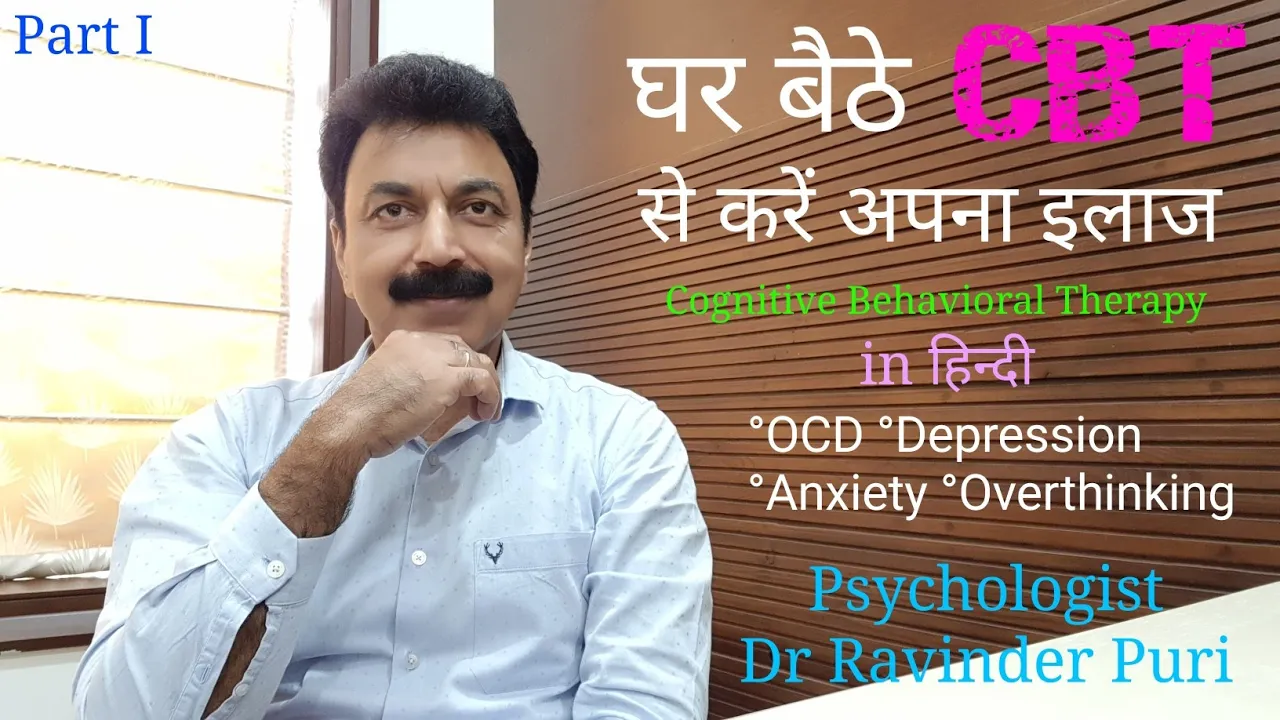
















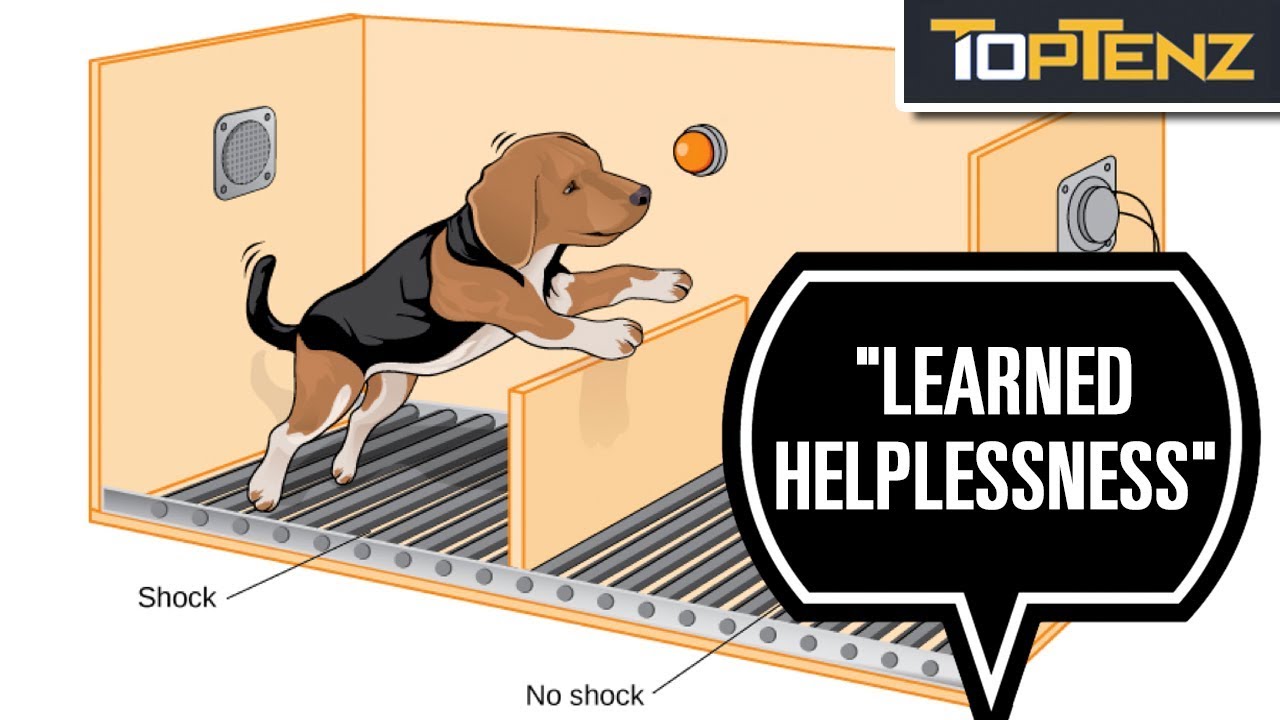







Cognitive restructuring is a CBT technique where therapists break down global negative beliefs (like 'I'm a total failure') into specific component areas (husband, parent, businessman, homekeeper) and systematically examine each belief by asking 'what happened recently' and 'what does that mean to you,' then challenge irrational interpretations by exploring alternative explanations and contextual factors.
Cognitive Restructuring Demonstration: Dr. Aaron Beck CBT
Added:Foundations of Cognitive Behavioral Therapy (CBT): Understanding the basic cognitive model, which posits that our thoughts, feelings, and behaviors are interconnected.
Concept of Automatic Thoughts: Familiarity with what negative automatic thoughts (NATs) are and how they spontaneously influence emotional states.
Common Cognitive Distortions: Recognition of standard thinking errors such as catastrophizing, mind-reading, and all-or-nothing thinking.
Introduction to Dr. Aaron T. Beck: Basic historical context of Dr. Beck's pioneering role as the father of Cognitive Therapy.
Socratic Questioning and Guided Discovery: Learning the specific clinical inquiry techniques used by therapists to help clients evaluate their own thoughts.
Addressing Core Beliefs and Schemas: Exploring how to identify and restructure deeply ingrained, absolute beliefs about oneself, others, and the world.
Behavioral Experiments: Understanding how to design real-world tasks for patients to actively test and disprove their negative cognitive hypotheses.
Structure of a CBT Session: Examining how cognitive restructuring fits into the broader, collaborative agenda of a standard therapeutic session.
172.1K views1.9Klikes5:42Original Release: 2015-03-12
So, for example, one of my patients came in and um he said, "Doctor, I'm so depressed. I think I want to kill myself."
And [clears throat] I said, "Why is that?" And he says, "Well, I'm just a total failure." And I said, "What way are you a total failure?"
and he said, "Well, I'm a failure as a husband, as a parent, as a business person, as a homekeeper, as a uh home supporter and so on."
Uh, so I could have at that level just talked about his sense of helplessness and failure, but I wanted to get more information.
So instead of addressing helplessness which seems to be across the board there or the sense of failure or the sense of frustration, I started taking each of these components in order keeping in mind that the overall meaning of what he said did have to do with failure. Right? It's pretty clear that his belief I am a failure has just grabbed hold of him and now was playing out in every aspect of his life.
So I asked well first of all he said you're a failure as a husband. So what what's happened recently that gave you that thought? He says well when my wife went off for work today she didn't say goodbye. And I said, "Well, so what does that mean to you?" And she says, he says, "Well, it means she doesn't love me." I said, "Why is that?" Said, "Because she always says goodbye, but now she must be ticked off and she doesn't love me." And somehow, I don't know what, but there's something about me that turns her off.
Uh, so I said, "Okay." So then I kept going on. So I said, 'Now what what makes you think that you're a failure as a father? And he says, 'Well, because the kids all were fighting this morning.
So I said, "Okay." And I said, "What makes you think that you're a failure as a businessman and a provider?" They said because my I just looked at the uh budget report and we're going to go in debt for the next three months and then finally uh I said what about your failure as a homekeeper and he said well the the roof is caving in in the house.
So here we could have just dealt with the common denominator. The meaning is he's a failure in each of these things and could have talked about the failure but then I broke it up into each compartment and this is what we wouldn't have done as a psychoanalyst. Psychoanalyst we would have looked for an unconscious meaning or might be for the conscious meaning but we break this up into the different pieces. So I then asked him, "What about your wife running off?" I said, "Do you remember anything that happened prior to her running off?" And said, "Well, she was very rushed at breakfast."
And I said, "Yeah, do you remember any conversation that you had?" And he said, "Well, I guess she told me she had a very important meeting meeting coming up."
And I said, "Oh, and what else did she say?" and she said, "Oh, she said she was late for the meeting." And I said, "Oh, well, is it possible that the reason she rushed off without saying goodbye was that she was in a hurry?" And he says, "You know, that does make sense."
So then I asked him, "What about you your teenagers fighting all the time?"
And he says, "Yeah, it's terrible. I just can't seem to control them." And I said, 'Well, what about the other kids in the neighborhood? Are they all very quiet and they all get along with? And he said, 'Yeah, you know, I guess teenagers do fight.
And then I asked him, "What about the uh the business?" He says, "Well, you know, we're going to run a deficit next year or next semester." And I said, "But I know you're in the clothing business.
And I understand you run through cycles and you you run through the cycle where you're making more money than you're spending and then you run through another cycle where you're spending more money. You're you're manufacturing the dresses and then you make up for it the next the next trimester when you start selling the dress. He said, "Yeah, I guess you're right."
So then I said, "Well, now what about the roof caving in?" And he says, "Well, the roof was leaking."
And uh and I said, "Yes."
And he says, "Well, it's caving in."
[clears throat] So I said, "Well, what do people do when the roof is leaking?"
And he says, "Well, I don't know." I said, "Well, what do you do in the past when you had problems with the roof?"
Said, "Oh, I called the roofer." So I said, 'Well, isn't that a job for the roofer? And he said, 'Yeah, you might be right.
Up Next

24:13
Understanding Video Game Addiction Psychology and Recovery
@HealthyGamerGG
136.1K views•2025-05-17

57:36
Sex Differences in Fear: Brain Structure and Behavior | Neuro Science
@NortheasternAlumni
437 views•2020-09-22

9:55
Thinking, Fast and Slow: Daniel Kahneman Animated Book Summary
@FightMediocrity
2.3M views•2015-06-05

6:40
The Nocebo Effect: How Beliefs Can Cause Real Harm
@CGPGrey
10.4M views•2013-12-23
Related Study Plans & Knowledge Roadmaps
Structured learning paths in Psychology
psychology
Parasocial Relationships (Psychology & CBT)
01Foundations of Parasocial Interaction
02Attachment Theory and Media Identification
03The Illusion of Intimacy in Modern Digital Spaces
+ 2 more learning modules
14h5 modules
Explore Roadmap
psychology
Neuroscience of Creativity: Networks & Training
01Foundations of Creative Cognition
02The Cognitive Neuroscience of Insight & Fixation
03The Triple Network Model of Creativity
+ 1 more learning modules
15h4 modules
Explore Roadmap
psychology
Imposter Syndrome: Etiology & CBT Framework
01Defining the Imposter Phenomenon
02Socio-Developmental Etiologies
03CBT Fundamentals & Thought Distortions
+ 2 more learning modules
15h5 modules
Explore Roadmap
psychology
Adult ADHD: Executive Dysfunction & Scaffolding
01Neurobiology of the ADHD Brain
02The Core Triad of Executive Deficits
03Executive Dysfunction and Emotional Regulation
+ 2 more learning modules
12h5 modules
Explore Roadmap