When landlords refuse to return your security deposit, requesting itemized receipts for repairs forces them to legally return your money, as they typically cannot provide receipts or will cite normal wear and tear which cannot legally be charged.
How to Get Your Full Security Deposit Back: A Legal Guide
Added:Deep Dive
Basic contract law principles, specifically how lease agreements legally bind both landlords and tenants.

289: Listen and Learn -- Landlord/Tenant Law (Part 1) | The Bar Exam Toolbox Podcast: Pass the...
386
A lease agreement creates a contractual relationship dividing property interests between landlord and tenant. The landlord's fee simple ownership splits into the tenant's present possessory leasehold estate and the landlord's reversionary interest. Four leasehold types exist: term of years (fixed duration terminating automatically), periodic tenancy (renewing successive periods until notice), tenancy at will (no specific term), and tenancy at sufferance (holdover after lease expiration). Terms exceeding one year require written agreements under statute of frauds. Tenants have primary obligations to pay rent and avoid waste, while landlords must deliver possession and have implied repair duties in residential leases. Every lease contains an implied covenant of quiet enjoyment guaranteeing possession and freedom from nuisances.
Click to watch →

Interest in Land
155
Whatever terms are agreed upon in the lease agreement bind both parties. If the agreement states rent is due on the 5th, both parties must comply. If the agreement allows landlord access only on Saturdays during working hours, that must be followed. Specific terms override general principles.
Click to watch →
All About Leases: From Creation to Amendment (Session 1) | A TurboTenant Webinar
494
A lease is a legally binding document equally binding both landlord and tenant. Landlords should ensure both parties understand the terms and feel confident recommending legal review to tenants. This demonstrates confidence in the lease and establishes a fair arrangement. Requiring legal review protects landlords in rare legal situations by showing tenants understood what they signed. Happy tenants who understand their obligations stay longer, provide referrals, and build the landlord's business. The lease should be treated as a living document that can be referenced throughout the tenancy.
Click to watch →

Summary of Unirock's claims
1.8K
A lease is a binding contract that must be honored from beginning to end unless stated otherwise in the lease agreement or agreements are made between the landlord and tenant. This applies in Indiana, Ohio, and other states. The law protects both tenants (from mistreatment, discrimination) and landlords (from undue losses due to tenant breach). This mutual protection ensures lease stability and prevents cheap alternatives like evictions.
Click to watch →

ProfDale Property Video 22 Leases, Contracts, and Licenses
3.9K
A lease is both a conveyance and a contract. As a conveyance, it transfers a leasehold estate from landlord to tenant, similar to how a deed transfers fee simple ownership. As a contract, it contains mutual covenants between parties. The independence of covenants doctrine in landlord-tenant law differs from general contract law - if one party breaches, the other can sue for damages but must continue performing. Landlords addressed this through state statutes allowing lease termination upon breach and lease clauses permitting immediate termination. The Restatement of Landlord-Tenant Law Section 7.1 allows tenants to terminate when landlords materially breach, and many states have adopted this.
Click to watch →
Deep Dive
The fundamental definition and legal purpose of a security deposit versus other fees like holding deposits or pet fees.

Tenant Security Deposits: What Every Landlord Should Know
15.6K
There is a significant difference between a security deposit and a fee. A deposit is refundable, whereas a fee is not. For example, when it comes to pets, some landlords may only charge one month's rent for security deposit but increase it to a month and a half when the tenant has a pet. This money is refundable as long as the property is returned in its original condition minus normal wear and tear. Other landlords may charge a pet fee in addition to the security deposit, which is paid up front to the landlord for the privilege of having a pet on the premises. This fee is non-refundable and the landlord could do with it as they wish. Whether something is a refundable deposit or a non-refundable fee, it needs to be clearly outlined in the lease.
Click to watch →

Security Deposits Uncovered | A TurboTenant Webinar
793
Security deposits are foundational to landlording, requiring landlords to understand both general principles and location-specific laws. Rules vary significantly by state and county, making local research essential. A security deposit is money held by the landlord (acting as shepherd) that can cover damage, lease violations like non-payment, and early termination costs. It differs from pet deposits (for pet-related damages only) and apartment deposits (for holding units). About half of states limit deposit amounts, while others like Florida and Texas allow uncapped charges. Landlords must balance protecting themselves with not discouraging qualified tenants, typically charging one to two months' rent. Fair housing laws prohibit different deposits based on protected classes, with potential $16,000 fines for violations.
Click to watch →
![[리아리맘] 미국생활 Vlog_3 미국에서 렌트구하기와 렌트계약서/CHECK 쓰는 방법](https://i.ytimg.com/vi/tQzP3j-4pCU/maxresdefault.jpg)
[리아리맘] 미국생활 Vlog_3 미국에서 렌트구하기와 렌트계약서/CHECK 쓰는 방법
41.9K
Security deposit (called 'deposit' or 'disposal') is typically equivalent to one month's rent and serves as a guarantee for property condition. Pet deposits ('pet deposit') are additional fees for tenants with pets, reflecting the landlord's preference or potential property damage concerns.
Click to watch →

What Is the Difference Between a Security Deposit and a Nonrefundable Fee?
231
A security deposit is refundable and limited to 1.5 times the monthly rent, while a non-refundable fee (such as cleaning or pet fees) is not refundable and can be charged separately; calling a non-refundable fee a 'deposit' would incorrectly include it in the security deposit calculation, potentially exceeding legal limits.
Click to watch →

Should I have a pet deposit or fee in my lease?
606
In residential leases, landlords should charge a pet fee rather than a pet deposit because pet deposits may violate security deposit laws, while pet fees represent payment for the right to have a pet and any damages would be covered under the standard security deposit; a typical pet fee ranges from a couple hundred dollars.
Click to watch →
Deep Dive
The legal distinction between 'normal wear and tear' and actual property damage in rental housing.

Normal Wear and Tear vs Damages (What’s The Difference?)
30.6K
Normal wear and tear refers to expected deterioration from regular use, such as carpet wear in high-traffic areas, minor wall scuffs, and loose fixtures, which landlords must accept as part of property ownership; actual damages are incidents caused by tenant negligence or intentional actions, such as large wall holes, marker/crayon writing, broken fixtures, or pet damage, which can be charged to the security deposit. To properly assess these differences, landlords should conduct thorough move-in and move-out inspections with detailed documentation, understand the typical lifespan of property components (carpet: 5-7 years, paint: 3-5 years, appliances: 10 years), and apply reasonable portioning when charging for damages rather than full replacement costs.
Click to watch →

Baiting a Tenant
107.3K
A key distinction in landlord-tenant law is between normal wear and tear and actual damage. Normal wear and tear refers to the natural deterioration of a property that occurs through ordinary use over time, such as faded paint or worn carpet. Actual damage refers to harm caused by tenant negligence, misuse, or failure to maintain the property. Landlords can only deduct from security deposits for actual damage, not for normal wear and tear.
Click to watch →

Shady Landlord Doesn’t Realize Tenant Has Video PROOF His Claims Are Bogus!
8.8K
Landlords cannot charge tenants for normal wear and tear on a rental property. In this case, the landlord claimed that the dryer vent hose was 'trashed' and required extra cleaning, but the court noted that dryer vent hoses naturally deteriorate over time and that the tenant had not caused any damage to it. The court distinguished between normal wear and tear (which landlords must absorb) and actual damage caused by the tenant (which landlords can charge for). The court also noted that the garage floor required power washing from dirt and the walls were dirty enough to require cleaning and painting, which was normal wear and tear that landlords must absorb. The court also noted that the tenant had to remove a towel rack from the bathroom and place it in the bathroom closet, and that she did not damage the wall in the process.
Click to watch →

Tenant Rights: Landlord's $7K Damage Claims Rejected in Court
345.1K
Normal wear and tear refers to the natural deterioration of a rental property that occurs over time through ordinary use, such as faded paint, worn carpet, or minor scratches. Tenants are not responsible for normal wear and tear. However, tenants are responsible for damages beyond normal wear and tear, such as holes in walls, broken appliances, or significant deterioration. Landlords must distinguish between these two categories when assessing damages and seeking compensation from tenants. The judge emphasized that landlords cannot charge tenants for normal wear and tear, even if the property was old when the tenant moved in.
Click to watch →

192 - Wear and Tear on Rentals with Don Krupens
431
Wear and tear is a legal term of art defined by courts as items occurring in the ordinary course of living. It is inherently subjective, varying by individual perception. Courts have been reluctant to provide precise definitions, but the general principle is that normal, expected deterioration from everyday use is considered wear and tear. Examples include scuff marks from carrying luggage, furniture, groceries, or children; dirty fingerprints on light switches; and general signs of habitation. For disabled tenants, the definition adjusts to account for different mobility and interaction with the environment. The key distinction between wear and tear and damage is the presence of negligence. Landlords should not expect households with children to remain pristine; normal activities like running hands down walls are wear and tear, but deliberate actions like drawing on walls with ink pens constitute damage. Similarly, for pets, landlords should expect reasonable care but not extraordinary damage like chewing molding or urination on carpets. When damage occurs over time, such as a door repeatedly hitting a wall and creating a hole, a reasonable judge would determine the tenant failed to take reasonable steps to mitigate the risk.
Click to watch →
Deep Dive
An overview of local landlord-tenant statutes, including statutory timelines for deposit returns in your specific jurisdiction.

Afternoon Express | Renting and buying property | Ep 154 | 7 Dec 2015
129
The Rental Housing Act specifies three periods for deposit return: 7 days, 14 days, and 21 days depending on circumstances. The general period is 14 days after the property is restored to the landlord and an outgoing inspection is completed. If a landlord holds a deposit longer than this, tenants can challenge it through the Rental Housing Tribunal.
Click to watch →

Joe Lycett CONFRONTS Shady Landlords And A Dodgy Airbnb Host | Joe Lycett’s Got Your Back
746.6K
Landlords are legally required to sort out deposits within 10 working days of the tenancy ending. This is a standard requirement that ensures tenants receive their deposits back promptly after moving out. In the case investigated, CPS Homes took months to get their act together, which is clearly wrong according to professional standards. This timeline requirement protects tenants from being held hostage by landlords who delay returning deposits indefinitely.
Click to watch →

Get Your Security Deposit Back in 7 Easy Steps
9.3K
Most states have statutory deadlines for landlords to return security deposits, ranging from 14 to 60 days depending on location. Tennessee is the only state without a statutory deadline. Tenants should wait until the day after the deadline and send a formal email reminding landlords of the legal requirement, stating they may need to contact a lawyer if no response is received.
Click to watch →

Summary of Colorado State Statutes Impacting Landlords and Renters - March 13, 2024
155
Colorado state statute 38-12-103 establishes clear timelines for returning security deposits. Landlords have one month after lease termination or surrender/acceptance of premises (whichever occurs later) to return the full deposit. Lease agreements may extend this period up to 60 days. Landlords cannot retain deposits for normal wear and tear. If portions are withheld for other reasons, landlords must provide a written statement listing exact reasons and the amount to be repaid. Failure to return deposits within the specified timeframe forfeits the landlord's right to retain any portion. Security deposits must transfer to new owners upon property sale or return to tenants.
Click to watch →

How does tenant get security deposit returned?
4.9K
Within 15 days of the tenant's departure and after receiving the forwarding address, the landlord must either return the security deposit or send a certified letter within 30 days explaining why some or all of the money will not be returned. If the landlord fails to follow these exact statutory procedures, they waive their right to the security deposit.
Click to watch →
Prerequisite Knowledge
- Concept 01Basic contract law principles, specifically how lease agreements legally bind both landlords and tenants.
- Concept 02The fundamental definition and legal purpose of a security deposit versus other fees like holding deposits or pet fees.
- Concept 03The legal distinction between 'normal wear and tear' and actual property damage in rental housing.
- Concept 04An overview of local landlord-tenant statutes, including statutory timelines for deposit returns in your specific jurisdiction.
Subsequent Learning
- Step 01How to draft a formal legal Demand Letter to a landlord violating deposit return laws.
- Step 02The process and preparation required for filing a claim in Small Claims Court to recover a withheld deposit.
- Step 03Methods of Alternative Dispute Resolution (ADR), such as mediation, to resolve landlord-tenant conflicts without litigation.
- Step 04Advanced tenant protection concepts, such as constructive eviction, retaliatory actions, and the covenant of quiet enjoyment.
Deposit Claim
Lease Deposit
Return Method
Receipt Demand
Legal Win
Deposit Claim
0:00Playing Section
- 1
Landlords often keep security deposits unfairly.
- 2
Legal loopholes can force deposit return.
- 3
Receipts are crucial for legal repair claims.
The Landlord's Economic Perspective and Market Backlash
While tenant-advocacy guides frame security deposits as assets to be aggressively clawed back, this perspective overlooks the landlord's risk-mitigation needs and the broader economic consequences of strict regulations. From a property management viewpoint, security deposits protect against unpaid rent, lease breaks, and property damage that frequently exceeds normal wear and tear. When legal frameworks place excessive evidentiary burdens on landlords or impose severe penalties for minor administrative delays, landlords adjust their risk models to compensate. To offset these legal and financial risks, landlords often raise monthly rent, demand higher credit scores, or implement stricter screening criteria. Consequently, highly adversarial approaches to security deposits can lead to unintended market consequences, reducing housing accessibility and increasing upfront costs for the very tenants these protections are meant to help.
Deep Dive
How to draft a formal legal Demand Letter to a landlord violating deposit return laws.

이렇게 쓰면 됩니다
341
A deposit return demand letter should include: (1) Reference to the original lease contract date, (2) The lease term and end date, (3) The deposit amount, (4) A statement that the lease has ended, (5) A clear demand for the deposit to be returned, (6) A deadline for payment, (7) The recipient's bank account information for payment, and (8) A warning of legal action if payment is not received by the deadline.
Click to watch →

Security Deposit Small Claims Workshop
726
After 21 days without deposit return, tenants should send a demand letter using resources from Tenants Together or California Courts. If unresponsive, tenants can file in small claims court by submitting form SC100 (plaintiff's claim), then serving the landlord. Tenants should bring evidence: lease showing deposit amount, canceled checks, photos/videos of unit conditions, receipts for repairs, and communications with landlord. The court may award up to 2x deposit amount for bad faith withholding. Tenants bear burden of proof but landlords must justify deductions. Key resources include LAFA's small claims pocket guide, California Courts self-help pages, and DCBA security deposit FAQs.
Click to watch →

집주인이 전세금 보증금 안줄 때 3단계 방법 (전세금 보증금 돌려받기)
1.4K
Before taking legal action, tenants should send a formal content proof letter to the landlord 2 months before the lease expires. This letter should demand deposit return and warn that failure to comply will result in legal action. The letter should specify that if the landlord delays, the tenant will incur damages including costs for new rental agreements, deposit payments, real estate agent fees, and moving expenses. This creates financial pressure on the landlord, as the potential damages may exceed the interest they would pay on a loan to return the deposit.
Click to watch →

Kaucja do umowy najmu. Jak jej nie stracić i po czym poznać uczciwych wynajmujących.
5.6K
To receive full deposits, tenants must fulfill two conditions: no rent or utility arrears, and no outstanding damage claims. If landlords fail to return deposits, tenants should send formal demand letters via registered mail with return receipt, specifying the amount, deadline (typically 7 days), and consequences of non-compliance. If landlords still refuse, tenants must take matters to court. Court fees will be reimbursed to successful parties. Tenants uncomfortable with court proceedings can hire debt collection agencies, though this incurs additional costs.
Click to watch →
![[경제 인사이드] 연락 안 되는 집주인…전세 보증금 돌려받는 방법은? / KBS뉴스(News)](https://i.ytimg.com/vi/ynFM9Wq1L8I/hqdefault.jpg)
[경제 인사이드] 연락 안 되는 집주인…전세 보증금 돌려받는 방법은? / KBS뉴스(News)
27.5K
Content Certification is a legal tool used when landlords ignore communication about deposit returns. It proves the content and date of a letter sent through the postal service, creating psychological pressure on the recipient. The document can be sent by the individual or through a lawyer with equal legal effect. Format requirements are minimal—any paper works, and three copies should be prepared. The procedure involves taking documents to the post office for stamping, with one copy retained by the post office, one sent via registered mail, and one kept by the sender. Content should include a clear title, recipient information, and follow the six principles (when, where, what, how, who, why). The content should specify lease details, termination date, deposit return request, and include warnings about legal action and bank account information.
Click to watch →
Deep Dive
The process and preparation required for filing a claim in Small Claims Court to recover a withheld deposit.

Судебный иск за удержанный депозит в США. Качели с лэндлордом. Суд.
585
In the USA, tenants can recover unreturned security deposits by filing a claim in small claims court (for disputes under $5,000), which involves filing a complaint (typically $58 in Virginia), presenting evidence such as move-out inspection photos and communication records, and attending a hearing where the judge evaluates both parties' arguments; if the defendant fails to appear, the plaintiff automatically wins by default.
Click to watch →

I'm Suing My Ex-Landlord, Small Claims
967
When a landlord unjustly withholds a security deposit despite the tenant fulfilling all lease obligations, the tenant can seek legal recourse through small claims court, which provides a streamlined judicial process for resolving disputes involving amounts up to $2,500. The process involves filing a claim, serving the defendant with a summons (via certified mail or sheriff), and presenting evidence such as payment records and property condition documentation to support the case.
Click to watch →
Security Deposit Small Claims Workshop
726
If a landlord does not respond to a demand letter or refuses to refund the deposit in compliance with the law, tenants may file a lawsuit in small claims court. To file, tenants must complete and file a complaint (form SC100, called a plaintiff's claim) with the court clerk. After filing, the complaint must be served on the landlord to formally notify them of the lawsuit. At the small claims court hearing, the tenant will present their case explaining why the landlord is incorrectly or unjustifiably retaining the security deposit.
Click to watch →

The Deposit Dispute . Small Claims Court vs Landlord
78.8K
Small claims court provides a legal avenue for tenants to recover unjustified security deposit deductions. Tenants can seek the remaining deposit plus statutory damages. The process requires tenants to demonstrate they attempted resolution with the landlord before filing. Small claims court is designed for disputes involving relatively small amounts of money.
Click to watch →

Filing a Claim (Small Claims Court)
1K
Filing a small claims action involves three steps: (1) completing the Plaintiff's Claim Form (SC00) and any attachments, (2) filing the form electronically, in person, or by mail (electronic or in-person filing is recommended), and (3) paying the filing fee based on claim amount and number of claims. Online filers reserve hearing dates from available court dates, while in-person filers receive dates from the clerk. Hearing dates are typically available 20-70 days from filing.
Click to watch →
Deep Dive
Methods of Alternative Dispute Resolution (ADR), such as mediation, to resolve landlord-tenant conflicts without litigation.
Eviction Defense 101: Landlord Tenant Dispute Resolution Mediation and Arbitration
248
Mediation is a non-binding, confidential process where a neutral third party facilitates communication between tenants and landlords to help them reach voluntary agreements, offering advantages over litigation including lower costs, faster resolution, privacy, and the ability to develop creative solutions that address underlying issues rather than just surface disputes.
Click to watch →

Arabuluculuk İle Alternatif Çözümler Üretilebilir
2.2K
Mediation offers a faster, less expensive alternative to court proceedings for resolving disputes. In the landlord-tenant example, mediation enabled both parties to reach a creative solution where the tenant could work part-time to pay accumulated rent while the landlord accepted this arrangement without interest. Certified mediators, available through official government registries, facilitate constructive dialogue and help parties find mutually acceptable solutions while preserving relationships.
Click to watch →

ADR Under the Treaty Establishing The East African
145
Alternative Dispute Resolution (ADR) refers to any method of resolving disputes without litigation outside the courtroom. The main ADR methods include: (1) Negotiation - the preeminent mode of dispute resolution, allowing parties to voluntarily meet without third-party involvement to control the process and solution; (2) Mediation - an informal alternative where an impartial third party assists parties in reaching their own mutually acceptable settlement without decision-making power; (3) Conciliation - a process where a conciliator meets with parties to resolve differences by lowering tensions, improving communications, and assisting parties in finding a mutual acceptable outcome, with the conciliator able to advise and intervene to offer feasible solutions. All ADR methods share characteristics of being more rapid, affordable, confidential, and flexible than traditional litigation.
Click to watch →

مركز فض المنازعات الإيجارية يطلق خدمات الكترونية جديدة لتسهيل آلية فض المنازعات الإيجارية
1.1K
Alternative Dispute Resolution (ADR) methods complement traditional court proceedings in rental disputes. Arbitration is a form of private justice where parties select a neutral arbitrator or choose from recognized centers like Dubai's Arbitration Center. The resulting award is legally binding. Mediation involves a neutral facilitator helping parties reach voluntary agreements based on mutual consent. The typical dispute resolution hierarchy begins with amicable settlement between parties, followed by arbitration if parties agree, then court proceedings if needed. Approximately 99% of rental disputes involve material issues such as rent non-payment, bounced checks, property damage, abandonment, or landlord maintenance failures.
Click to watch →

【加速つけてぶん殴ってやりたい…】「家賃滞納男」vs.「お人よし大家さん」
4.9M
When a tenant consistently fails to pay rent and damages property, landlords can pursue legal resolution through court mediation, which involves a judge and civilian mediators helping both parties reach a settlement; in this case, a landlord successfully resolved a 9-month dispute with a non-paying tenant who had caused extensive property damage, resulting in the tenant agreeing to vacate and pay approximately 320,000 yen in rent arrears and repair costs, demonstrating that persistent legal action can protect property owners from financial losses and property damage.
Click to watch →
Deep Dive
Advanced tenant protection concepts, such as constructive eviction, retaliatory actions, and the covenant of quiet enjoyment.

My Landlord Sold Our Building to a Developer Without Telling Anyone
406
This segment explains constructive eviction: developers make living situations so annoying (noise, darkness, fake inspections, ignored repairs) that tenants leave voluntarily without technically being evicted. The developer (Greg) arrived with a tinted SUV and offered lowball cash ($2,000-$3,000) to sign voluntary termination. This is illegal because it violates tenant protections and the implied warranty of habitability.
Click to watch →

The Covenant of Quiet Enjoyment & Constructive Evictions: Property Law 101 #79
3.9K
The covenant of quiet enjoyment is a traditional common law concept that prevents landlords from substantially interfering with tenants' use or enjoyment of leased premises, and constructive eviction occurs when a landlord's actions or omissions render premises substantially unsuitable for their intended use, allowing tenants to break leases without penalty, withhold rent, and seek damages for moving costs and business losses.
Click to watch →
289: Listen and Learn -- Landlord/Tenant Law (Part 1) | The Bar Exam Toolbox Podcast: Pass the...
386
Breaches of the covenant of quiet enjoyment occur through actual eviction (physical exclusion) or constructive eviction (substantial interference requiring tenant vacatur). Actual eviction terminates the lease and may relieve rent obligations entirely or proportionally reduce them based on affected premises area. Constructive eviction requires three elements: landlord-caused interference, substantial unreasonableness making premises unhabitable, and tenant vacatur within reasonable time. Application to a February 2023 California Bar Exam hypothetical demonstrates these principles: Tuan's warehouse lease dispute involved Ana's holdover violating possession delivery, and Leo's equipment storage creating both actual eviction (25% reduction) and constructive eviction claims, illustrating how theoretical doctrines apply to real-world disputes.
Click to watch →
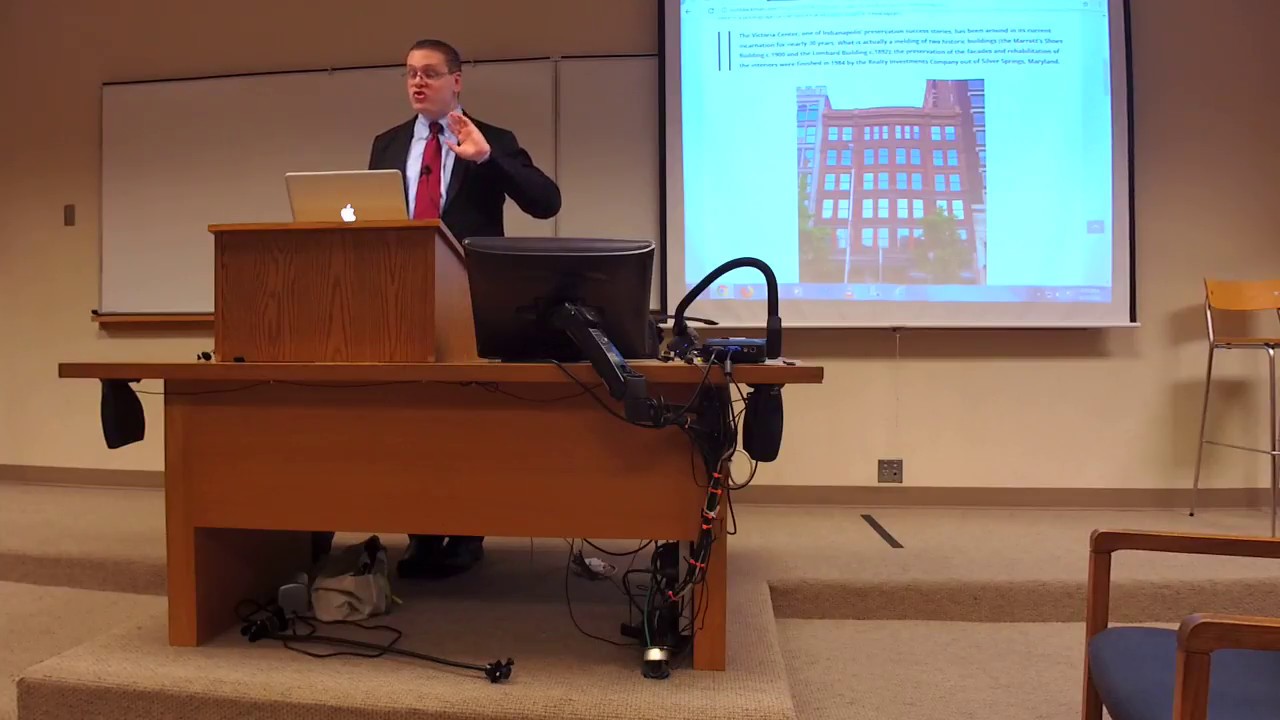
Prop 1 - Class 25 Landlord-Tenant Relationship II
241
Proper evidence storage is critical in legal proceedings, particularly criminal cases where chain of custody must be maintained to prevent tampering allegations. When evidence is destroyed or mishandled, convictions may be dismissed with prejudice, resulting in acquittals even after years in custody. Two eviction concepts exist: actual eviction involves formal legal removal, while constructive eviction excuses rent when landlord actions make continued occupation unbearable. Constructive eviction requires actual vacating and considers whether tenants waited too long to leave. The covenant of quiet enjoyment guarantees full premises usability; partial uninhabitability typically excuses proportionate rent, not full payment. Landlords are not insurers against criminal activity and generally bear no liability for third-party crimes on premises.
Click to watch →

Court So Stupid It Hurts Featuring Attorney Tope!
101.7K
Constructive eviction occurs when a landlord's actions or failures substantially interfere with a tenant's right to quiet enjoyment of the property, making the premises uninhabitable. This can include failure to address necessary repairs, privacy violations, or other substantial interferences. When constructive eviction is established, tenants may have the legal right to terminate their lease and vacate the property without penalty.
Click to watch →
Deposit Claim
Lease Deposit
Return Method
Receipt Demand
Legal Win
Deposit Claim
0:00- 1
Landlords often keep security deposits unfairly.
- 2
Legal loopholes can force deposit return.
- 3
Receipts are crucial for legal repair claims.
The Landlord's Economic Perspective and Market Backlash
While tenant-advocacy guides frame security deposits as assets to be aggressively clawed back, this perspective overlooks the landlord's risk-mitigation needs and the broader economic consequences of strict regulations. From a property management viewpoint, security deposits protect against unpaid rent, lease breaks, and property damage that frequently exceeds normal wear and tear. When legal frameworks place excessive evidentiary burdens on landlords or impose severe penalties for minor administrative delays, landlords adjust their risk models to compensate. To offset these legal and financial risks, landlords often raise monthly rent, demand higher credit scores, or implement stricter screening criteria. Consequently, highly adversarial approaches to security deposits can lead to unintended market consequences, reducing housing accessibility and increasing upfront costs for the very tenants these protections are meant to help.
Basic contract law principles, specifically how lease agreements legally bind both landlords and tenants.
The fundamental definition and legal purpose of a security deposit versus other fees like holding deposits or pet fees.
The legal distinction between 'normal wear and tear' and actual property damage in rental housing.
An overview of local landlord-tenant statutes, including statutory timelines for deposit returns in your specific jurisdiction.
How to draft a formal legal Demand Letter to a landlord violating deposit return laws.
The process and preparation required for filing a claim in Small Claims Court to recover a withheld deposit.
Methods of Alternative Dispute Resolution (ADR), such as mediation, to resolve landlord-tenant conflicts without litigation.
Advanced tenant protection concepts, such as constructive eviction, retaliatory actions, and the covenant of quiet enjoyment.
716.2K views10.6Klikes0:40@HillzKillzItOriginal Release: 2026-04-16
Up Next

3:00
Illegal Landlord Self-Help Evictions: Utility Shutdowns Explained
@WPTVnews
271.3K views•2023-04-14

4:27
US Secondary Sanctions Impact on EU Businesses and Blocking Legislation
@Bureauvandijk
1.6K views•2019-03-20

5:27
Forensic Phonetics: Speaker Identification in Legal Cases
@nptel-nociitm9240
539 views•2025-03-19

24:42
Police Interrogation Tactics: False Confessions & Legal Reform
@LastWeekTonight
7M views•2022-04-18
Related Study Plans & Knowledge Roadmaps
Structured learning paths in Law
law
Self-Defense Law: Imminence & Castle Doctrine
01Foundations of Self-Defense Law
02Imminent Threat & Reasonable Belief
03The Principle of Proportionality
+ 3 more learning modules
12h6 modules
Explore Roadmap
law
Defamation Law: First Amendment & Actual Malice
01Introduction to civil torts and the First Amendment
02Elements of Defamation: Libel and Slander
03Public Figures vs. Private Individuals
+ 2 more learning modules
8h5 modules
Explore Roadmap
law
Hearsay Rule: Trial Evidence & Exceptions
01Introduction to Trial Evidence & Courtroom Basics
02Demystifying Hearsay: The Core Definition
03Non-Hearsay: Exclusions Under FRE 801(d)
+ 3 more learning modules
14h6 modules
Explore Roadmap
law
Medical Malpractice: Law, Liability & Care
01Foundations of Tort Law and Civil Liability
02The Four Elements of Medical Malpractice
03Defining and Proving the Standard of Care
+ 2 more learning modules
12h5 modules
Explore Roadmap