










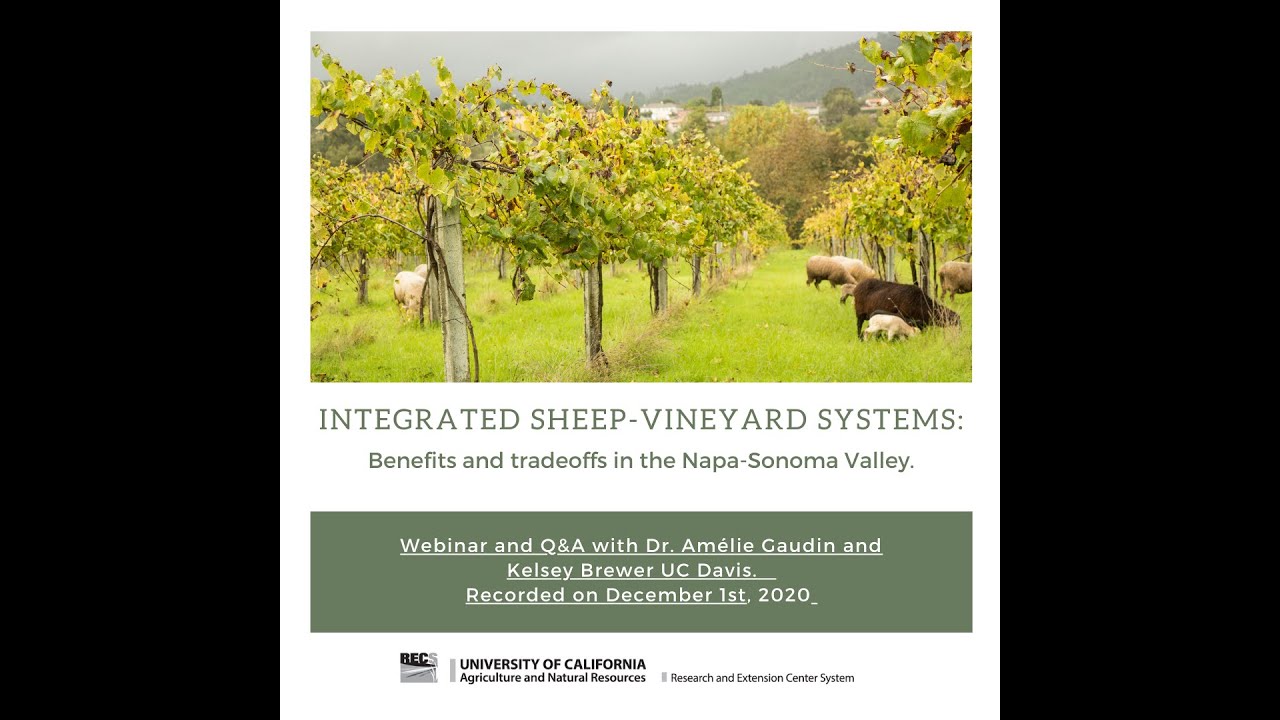










Regenerative agriculture is an agricultural approach that restores soil health by mimicking natural ecosystems, where animals graze on pasture and their waste returns nutrients to the soil, creating a self-sustaining cycle that rebuilds organic matter and improves resilience compared to industrial farming's reliance on chemical fertilizers, pesticides, and antibiotics that degrade soil and water quality over time.
Regenerative Agriculture with Will Harris | White Oak Pastures
Added:The fundamental differences between conventional industrial agriculture (characterized by monoculture and synthetic inputs) and sustainable farming practices.
The basics of the carbon cycle, specifically how plants and soil sequester carbon dioxide from the atmosphere.
An understanding of basic soil ecology, including the role of organic matter and the soil microbiome in plant health.
The concepts of biodiversity and ecosystem services, and why they are vital for agricultural resilience.
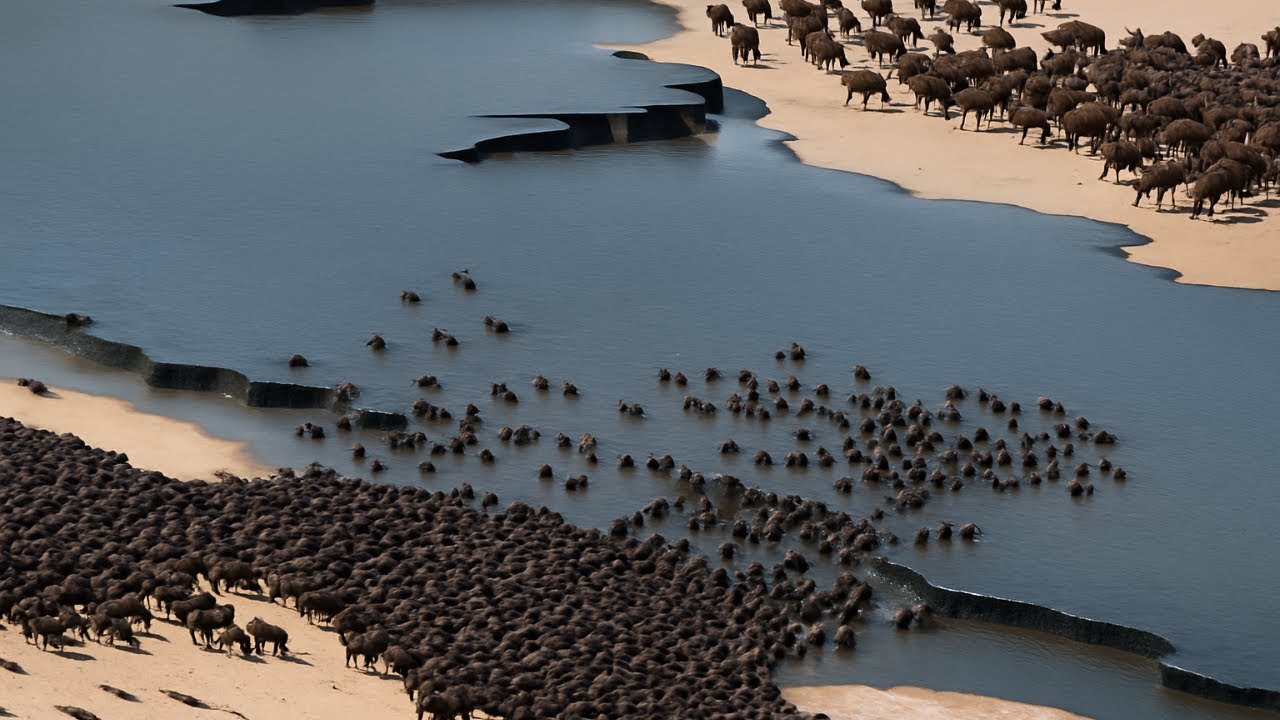
The principles of Holistic Planned Grazing (pioneered by Allan Savory) and how multi-species rotational grazing mimics natural herd behaviors.
How to analyze Life Cycle Assessments (LCAs) comparing the carbon footprints of regenerative farms versus conventional concentrated animal feeding operations (CAFOs).
The economic, regulatory, and supply chain barriers that farmers face when transitioning from conventional to regenerative agriculture systems.
Advanced metrics for soil health assessment, such as the Haney Test, water infiltration rates, and biological activity monitoring.
The role of agricultural policy, farm subsidies, and carbon market incentives in scaling regenerative farming globally.
73.2K views1.5Klikes2:26:49Original Release: 2024-06-27
[Music] by night [Music] night so you are actually the second Will Harris that had on the show I should just tell you my friend will Harris is a documentary filmmaker he does uh MMA films does films about UFC fighters and he's been on recently so people see the name Will Harris so like we have to make a distinction there are more than one and you're the different one you're the farmer maybe next time I'll be your friend too well uh I first saw you on television doing one of those very quick interviews where there was um you know they were talking about all these issues that you like to discuss but they only gave you a couple of minutes and it was really hard because you you have a relaxed way of talking but you were very interesting and I was watching I was like this is a stupid format like what I want to hear what this guy has to say obviously has a lot more to say so that's why we're having this conversation well thank you for that that that's that uh event you're talking about was Fox uh news a guy named Stuart Varney invited me to be on and he kicked my ass pretty good and I I accept culpability in it you know I don't watch TV much and I've never watched Fox News never okay and I should have I mean I should have prepared myself but I didn't you know I I took it in its word I got an email from the Stuart Varney saying he wanted me to be on a segment five minutes explaining why I didn't think it was good for uh Bill Gates to own so much farmland so I said well that's good you know I have definite opinions faulted opinions on that I want to share them so I I sat down and wrote up a four minute explanation of of facts of why I thought that's not good and I thought I was going to get to go through my stuff and uh he asked the question and I started explaining and I'm profoundly Southern you know I I speak slowly and I was doing what I thought he wanted me to do and he said why why [Laughter] everything on those shows is just you got to get to the point get to the point get to the point three favors people we've been in the cow pasture a lot of pinched his [ __ ] head off well unfortunately that's his job he's got producers in his ear like I guarantee you they're telling him to move things along quicker it's a shitty job it's it's unfortunate it's a terrible way to disseminate information and uh could you just like let's start it from the beginning like who you are um tell us everybody about your farm and how everything's run because it's very interesting good so I'm Will Harris I'm the fourth generation of my family to own and manage White Oak pastures so I have uh two daughters and two in-laws who are there with me today helping run the farm and we have I have seven grandchildren so the sixth generation is on the farm one or there's been in my family since 1866. wow so my great grandfather James Edward Harris came there in 1866 and established the farm and ran it all his life followed by his son Will Carter Harris my granddad followed by his son Will Bill Harris my dad followed by me and now again I've got two more Generations in the offing uh you know I think the thing that I enjoy most and tell you about the farm so the farm is uh that farm is 3 200 Acres we do some other grazing but that farm is 3 200 Acres we pasturies five different poultry species chickens turkeys geese skinnies and ducks and we hand butcher them on the farm in the USDA inspected processing plant I built we Pastor raise five red meat species cows Hogs sheep goats rabbits and had butcher them on a separate USDA inspected facility that I built we raised pastured eggs organic vegetables honey and a bunch of other little ancillary businesses that go from the organism that is white oak pastures so they're very different from what I did prior to 25 years ago what did you do prior to 25 25 years ago so prior to the mid 90s uh I ran it as my father had there's a very linear monocultural cattle operation the the factory farm model um and what made you make a shift to the way you're doing it now would you call it the way you're doing it now regenerative agriculture that's how you would describe it yeah I would you know it's just a matter of days before big big food takes you know that uh description away from us but you know you he was sustainable it's been organic now it's regenerative and it makes it be resilient but it is a Kinder gentler Agriculture and it's an agriculture where everything works in symbiosis is that a safe thing to say it's a great thing to say the chickens grazing the manure that the cows lay everything goes back together exactly the it's it's we call it biomimicry the emulation of nature you know it's a very imperfect emulation but it's butter and butter and it it serves to restart the cycles of nature which we broke through industrial farming and and make our living off the the abundance that comes from properly operating cycles of nature and did you go out on your own to learn this if your father was a monocrop agriculture guy and you you developed the farm in this way obviously it must have taken a lot of planning so how did you decide to make that shift and what was the motivation I'll give you the motivation first okay I was uh I I operated the farm very industrially as my father did for the first 20 years I graduated from the University of Georgia College of Agriculture with a degree in animal science not animal husbandry and I operated the farm uh very industrially by industrially I mean I used a lot of Technology you know we miss apply technology we uh whole group of some therapeutic antibiotics honest Falls hormone implants hormone implants yeah how does that work you know from an endocrine point of view you got to talk to somebody else but the way it works is uh you can buy hormone implants for cattle and you actually give a little pellets that you put in the skin behind their ear and it causes them to grow faster and we oh wow is that commonly used yeah in the industrial model it's very very common to use it's a multi-million or billion dollar industry wow so they give the cows extra hormones so the cows get larger and they try to feed them quicker and they're feeding them mostly green to get them fat correct which is a a very unnatural feed stuff for a ruminant animal yeah that's a fascinating thing isn't it because so many people like green fed steaks they like that real fatty and that if you give them a grass-fed steak it's almost like hmm this is interesting tastes different like they're not accustomed to it it's a little chewier it's a little different it is and you know we we never Market our product by saying this is the most tender steak you've ever put in your mouth I hear I hear I hear aggressive producers say that and I wince because they're setting an expectation we can't get to well it's also we have to look at the reality of why that animal is so chewy or it's so easy to chew it's because it's got no like the the body is unhealthy there's so much fat in the system that the body's marbled with fat like if that was a human being and you saw it like that person would be sick like if you look at one of those cows it's like completely infused with fat if that was your body it'd be like wow I might need to get my stuff together because this is not good this is not good look a food lot cow is an unnaturally obese creature that would never occur in nature never never now yeah so uh or or a bull or hell for the last Slaughter would be two years old it would weigh Lively 1100 pounds he would have uh two or three tenths inch of back fat and if I gave it if I if I gave that animal a a presidential pardon and said we're not going to slaughter you at two years age they would live to be a 20 something years old probably that's the normal life expectancy of a cow contrast that to a feedlot animal that would that would that would yield prime or choice they would be probably 16 to 18 months of age not two years they would probably weigh 13 1400 pounds not Eleven Hundred they would have three quarters of an inch of back fat and while I have not done this I would be willing to bet you if you lift that animal in the feedlot gave it that same presidential pardon it wouldn't live much over another year or so you're you're eating on a naturally obese creature that would never occur in nature and is is slowly dying of the same diseases of sedentary lifestyle and obesity that kill most of us so you're saying that a cow that's with a grand fed Diet before they slaughter it they just let it live it would only live a year or so longer than that then you I don't have yeah that's my bet you know when uh when the during the pandemic panic when the packing plants were closed down they were euthanizing chickens and Hogs particularly because they couldn't they couldn't slaughter them so they euthanized them now I own my own packing plant and we never shut down that's that's a sign of resilience but if I had I wouldn't have euthanized anything they'd been fine they would have kept eating but they'd been fine and you would have gone right back to the natural cycle two years later if you had to shut down for that long yeah I mean uh we would have just just kept accumulating animals in the in the pasture look until I could open my packing plant now why did they have to euthanize the animals because they didn't have the resources or because the animals weren't doing well like what why euthanize to me when I hear euthanize I think something's wrong like you gotta you got to put them down because they're sick or there's no room for them or why are they doing that you know I was like it's because uh you know those are confinement animals that live in very expensive confinement facilities and they they had nowhere to go with them there that's hard to deal with that's just hard to imagine that life becomes uh that invaluable that you could just decide to euthanize them all no one's no one's going to buy them we're just going to kill them all I think that's what happened so 25 years ago you changed the model of your farm and you restructure everything what were the steps you had to do the steps you had to take to go about doing that okay so it was uh you you first asked why so let me answer that then okay so this is not to my credit but I in my 40s I became uh increasingly aware of the unintended consequences of the production model that I was using the industrial commodity centralized model and I didn't like it much the more the more I looked at it the less I liked it uh Animal Welfare was the canary in the coal mine you know I really uh what I had previously believed to be good Animal Welfare it's what most people still think of as good animal welfare and that is you keep the animal well-fed watered in a comfortable temperature range you don't uh intentionally inflict pain and suffering on the animal and you're good to go all the boxes are checked that's good honorable welfare but to me in my and I subscribe to that but to me in my 40s uh I didn't like that much anymore I felt like it was in addition to those things incumbent upon me as the Stockman to give the animal an environment in which it could express instinctive Behavior you know chickens are meant to scratch and pick yeah Hogs are meant to root and Walla cows are meant to roam and graze but in the cafo confinement model those instinctive behaviors are not are not an option for them and I believe that puts the animal I think I think it's like if you if you raise your kid because we're talking about Good parenting good good parenting doesn't mean you take your child your daughter and put her in the closet it's you know 72 degrees you got the light on you got a mattress in there you give them all the Cheetos and Oreos and Fritos they won't and that's good parenting because it'll never be abducted they'll never get uh fall down and break their leg but it's not you've got to give those children the opportunity to express instinctive Behavior and that's I think that's also incumbent upon the Stockman with this livestock so we I change the way I change the way I raise at that time only cattle it was a monocultural Cattleman at that time you know I I quit feeding uh fee you know we we used to literally feed chicken [ __ ] to cows chicken litter uh you put enough corn got enough molasses in it and give them enough soap therapeutic antibiotics keep them healthy and you can get incredibly cheap weight gains and it's legal it's fine chicken [ __ ] and what now what's the benefit of that is chicken [ __ ] high in calories like why is chicken shit's high in nitrogen which is protein and there and there it does their calories there you would sizzle it's from confinement chicken houses so there's a lot of wasted feed and uh from a purely nutritional perspective if you view the world myoptically through that view of just the nutrition going into that animal right it's a it's a it's a great feed mostly because it's cheap and it works but it's not the thing to do yeah it's disgusting so I quit doing those kinds most of them is that common I did it yeah I mean you think that's probably common I went to I have been to uh courses at Auburn University where we were taught how to do that so wow so one of the the horrors of um animal agriculture was the great the the moment in England and in Europe where there's mad cow disease spread through the land where I had a friend who I think it was a decade plus later after he had been to England like there was something about his medical report he had a list that he lived there during the time that he ate ground beef because so many people had gotten mad cow disease from people feeding cows cows like that's how that came about right they were feeding cows cow brains BSE bovine spongiform and cephalitis I think it is is uh comes from prions which when they grind the central nervous system of a not of an infected animal you convey it to healthy animals and that was the was done uh in England fairly extensively apparently uh and that's for the same purpose just because it's high in calories it's cheap they're going to throw it away anyway correct anyway to finish the questions uh most of my transition from what I did 25 years ago to what I do today involved just giving up stuff giving up procedures giving up products giving up techniques the the problems that we have in agriculture today that make it so destructive is the misapplication of Technology oh I yeah I've been accused of being anti-technology and I am not you know my father was a 20-inch five six million dollar business with 180 something employees we employ a lot of Technology but reductive science technology does not lend itself to living systems whether it's your body or my farm living biological systems oh have so often unintended consequences to misuse technology and the unintended consequences are usually unnoticed consequences and they're undesirable consequences and so like what did you see as far as What technological applications on farms did you see that were particularly destructive that you felt like you had to eliminate from your farm so it's uh a lot of them I'm going to switch over and talk about the land side of it because this the animal the land and the community those are the three things that we think we're good at okay so let's talk about the the land side because it's a little easier so uh I would say the three of the most damaging things we do to our soil our land is cultivation the uh use of chemical fertilizers and in the use of pesticides uh you know and most of this misused technology came from the war effort from the Second World War uh I don't think agriculture change much from the time the first person domesticated the first animal will put the first seed in the ground until post World War II and I'll give you some examples ammoniated fertilizer chemical fertilizer was invented I think in Germany in the 1880s or something but but Farmers didn't use it because it was very expensive uh after when when after the war so much money had been spent on the munitions factories the the technology to build those factories and make munitions that somebody figured out that wow we can make them only need fertilized cheap enough to sell it and they literally companies multinational companies literally put salesmen out in the fields to Bluffton Georgia I heard my dad tell stories about that and saying to sell among needed fertilizer to the farmers well ammoniated fertilizers is like steroids in your body you you put it on the land and immediately you've got this very visual growth and productivity boost what is in ammoniated fertilizer that's different from regular fertilizer well prior to that it was it was organic it was like a compost compost most Guiana guano bat yeah bird renewal yeah we've read once that people used to have wars over batshit that batshit was so valuable that people would fight for batshit good point that's what bat [ __ ] crazy comes from apparently uh you know it was the most uh efficient way to import nutrients into cropland was rescue Island all right so but until until World War II I'm only eating fertilizer is chemically produced fertilized and what is exactly in it oh well it could be a lot of things but in this case we're talking about ammonium nitrate okay or urea or maybe anhydrous ammonia so it's in super large doses that would normally not exist in compost or a manure or any things like that so so ammonium nitrate I think is 33 and a half percent nitrogen urea I'm pretty sure is 44 nitrogen and you know the the best compost or uh Joanna that you could find would be way under 10 nitrogen um it's just like steroids right it's a supercharged uh volumes of nitrogen and it makes things grow quickly in fact so since we're into this I'll tell you this a brief story so my dad told me that in he was born in 1920 so 1946 he'd been 26 years old and taking over the farm he told me that in 1946 after the war a Salesman came to Bluffton our little town and had a fish fry or barbecue or whatever it took to bring the farmers in they had two 200 pound bags of ammonium nitrate fertilizer that had been made in Munitions factories and they gave every farmer like a five or ten pound bag to to take home and the ask was go home put this out on your grass your pasture wet it put water on it and don't look at it for about three days then come back and my dad did that and when he came back where they put the ammonium nitrate you know it was a foot taller and five Shades cleaner than the rest of it and he said damn I want the whole Farm to look like that and from 1946 to probably 1996 50 years maybe 50 years either my dad or I put ammoniated fertilizer on every acre of land we had every single year now the benefit was so obvious you can see it you can see it at 30 miles an hour just looking out the window what you couldn't see is that that ammoniated fertilizer oxidized the carbon in the ground the organic matter in the in the soil oxidized it right chemically it killed the microbes in the soil not sterilized them but it was bad for the microbes it had some other negative uh chemical impacts but you couldn't see them if you dug around the dirt with your fingers you wouldn't have seen it and at the time was this a fairly new thing that people were doing so it was invented in World War II when did it start being wide scale implemented so it was World War II I think it was invented in the in the 1880s but it was so expensive Farmers didn't use it until World War II when they repurposed the munition I see and that made it effective to use Finance yeah so when these people started doing it there was no long-term understanding of consequences there was they didn't really know what to expect in terms of what you're saying about it oxidizing the carbon no one knew about all that that's exactly right and and really when I was at the University of Georgia in the 70s we still didn't know about it we didn't talk about that you know when I was so everyone was still just talking about the effectiveness of it then yeah absolutely when I was taking soils in the 70s we talked extensively about soil structure soil texture soil chemistry we never talked about soil biology and if we did we were talking about soil soil fumigants or soil sterilates because you that was an error when germs make you sick right germs are bad microbes are germs kill the germs right yeah um and when when did they figure that out that it's actually that their soil biology and that you have to manage that and that these fertilizers were causing long-term consequences when was all that all when did they first start sorting that out well I think it's getting sort of sorted out now now I mean just now well last five years ten years you know I guess the uh I guess the organic vegetable movement was probably the first harbinger of that in the probably the 70s but it was very Fringe and nichy it was very vegetable oriented and did were they aware of the consequences of herbicides back then like what was causing that I I think we're just now realizing those things now we say realize you know you got some fault leaders somewhere that have probably been around for a long time but as far as actual acceptance by the practitioners I think it's just happened it's just now happening and it's really struggling to happen it's it's hard to get off of a critch and herbicides are a big crutch right for monocrop agriculture where everything was side as a last minute your side means kill right all right yeah homicide that's Latin yeah so homicide herbicide pesticide Insecticide Fungicide pneumaticize science no sides no size so this this is interesting to me if I can digress a minute yeah so Pharma I think means Care Health Care so you know pharmaceutical companies and pesticide companies and I can remember hearing a long time ago that the way to make money is sell bullets and bandages here you teach them how to how to how to hit the target and then you provide them with the bandage and for one company like like Bayer monsante if they sell Roundup and aspirin they sell bullets and bandages it's a hell of a deal it's a hell of a deal the um we've talked about the Roundup many times in the podcast about how many people on when you test their blood you find Roundup in it there's some crazy number what is it like 80 right very high very high number of people test positive for glyphosate which is very disturbing because people want to pretend that that's not having any effects on people you don't even know and then they were talking about the numbers the the minuscule amounts of glyphosate it's no big deal and my thought was like why are you making apologies for that first of all you're saying it's no big deal you don't know if it's not a big deal and second of all you're only talking about some people have low amounts like what's the overall average that people have and what's the high end at the high end should be you be warning the people that have a high level of glyphosate because they ingest it every day like when is it at what levels is it toxic and is this really well understood it doesn't it seems like it's understood that it's not good for you let me bring that home for you please do practitioner's perspective so I've used an incredible amount of glyphosate in my life Roundup roughly when was that stuff invented uh you know that was a new product fairly new product when I was getting out of Georgia in the 70s so and and I started using it right out of college and use it until the mid 90s maybe late 90s I don't really know maybe you know like I quit these things gradually I don't know what day I quit that but uh you know I tell people that there are days I would kill a man for a load of ammonium nitrate fertilizer because it's just so cute and similarly I have a new non-native invasive plant on my farm new to me is called tropical soda Apple it's from the Caribbean they speculate it came up here in bird droppings oh wow and it's it's related to the Tomato it's very invasive and is it edible uh not by you and I I mean I've tasted it it's not good but it's a Nightshade but but but Birds cows Hawks sheep goats coyotes everything eats those little berries but it's not it's not a good plant because it it literally dominates the landscape so uh I'm I'm battling it right now on my farm and I'm using I I've got a something excited about now but I've been using uh organic uh apple cider vinegar and soap to fight it and it's not very efficacious spraying it it's not verification at all I mean it it eventually if you keep spraying it you'll kill it but it takes a lot you know I could give it a breath of Roundup and it would die but I don't want to use Roundup for the reasons you stated yeah you know I my my employees my family my animals would be out there the ones doing it yeah so uh uh I've resisted the incredible Temptation like I I kill a man for a gallon of Roundup but uh is there any other way well could you grit it off and do it by hand I'm glad you asked so one of the ancient Greeks said for every pestilence at nature sins she sends the Cure they're not absolutely prescribed to that that's part of the balance the cycle the symbiosis you mentioned earlier right so uh bug that eats them yeah there you go so there's a there's a uh a professor at the University of Florida who has brought in a beetle from Paraguay and she assures me that it it eats nothing but tropical soil Apple so I have bought or not actually she gave them to me I offered to buy so she sent me some Beatles and I've turned them loose because oh boy sounds like a horror movie like this is the beginning whoa they're cool looking tropical soda Apple Leaf beetle yep that's him I heard ratiana Boley boliviana wow what a crazy looking bug and uh so all it does is eat soda leaves that's exactly what I'm told and and I believe and it's my observation if I didn't just dump them out and go home you know I've been I've been looking at them every single day since I put them out and I see them eating the tropical soda Apple and they're not eating it like locusts I mean it's a slow process which you want which because otherwise they'll run out of stuff to eat then they'll migrate to other things right isn't that the fear though oh yeah tortoise Beetle yeah it's also a uh there's a certain concern about whether they'll oval winter on my farm whether they survive yeah I'm uh maybe it'd be good if they don't you know I I don't feel necessarily bad about this I think that uh you know if you we just you know we have screwed with our wildlife and this is wildlife yeah how many species have gone extinct I mean you read about that all the time increasingly more and more and more species and it's it's all part of this incredible damage that we're doing through misused technology uh in agriculture is there any concern though about bringing in an invasive Beetle species that it might migrate onto other foods and like destroy other plants that's certainly something that I considered and I've extensively been assured that's not going to happen it might so it would have to morph it would have to like make a change in what it needs you know I believe I believe in in nature I believe in that kind of evolution but uh uh you know what's happening now is equally bad yeah I I could very easily wind up with a 3200 acre monocle of tropical soda apple on my farm which is equally flying in the face of Nature and yeah so if you didn't we're in a steward of the land you didn't take care of that that could be the trend that it's going into this is not new uh you know what Kudzu is yes yeah we've we've showed photos of that stuff too okay so uh pull let's pull it up because it's pretty wild how it takes over where did that come from you come from China China it was brought in intentionally it's just like I intentionally brought in the the there it is just covers everything it is destroyed thousands hundreds maybe hundreds of thousands Acres of Timber in the southeast it's crazy what it looks like too because it looks like a fungus or something like it's so prevalent like it just overwhelms everything and covers all the trees so so here's here's the killer now do you know what the cure for Kudzu is uh another bug cows sheep and goats really they eat that stuff if if if if I own that piece of property you're showing right now and I put a good fence around it and turned my cow sheep goes I probably put hogs in there too let them work on the roots in time they would eat it to death it's actually it's actually a quite quite a nourishing plant right for livestock that's interesting so someone could intentionally grow it on their Farm if they wanted to have nourishing food for their animals you you could you probably economically wouldn't because it's not very persistent the fact that they can eat it to death would would cause it to be not real cost effective to plant for them it seems like if you get it there they are they're eating a town at it you but if you get it to the point where it wasn't that last photograph like good luck eating out all to death like how are you going to keep up with that there was so much that one photo that you showed Jamie where the entire Forest is covered in that stuff I'll give you my word yeah through that I got a I got a probably 3 300 cattle on my farm right now now you read through that maybe right through it yeah I mean how quick well how many exes I don't know but you know the big question about regenerative farming for most people is is this scalable to what what our current reality is as far as urban life you know we've talked about this a bunch of times but living in cities you've got in Los Angeles is a good example I think there's something like 18 million people live in the Los Angeles area but no one's growing food so everything has to be shipped into there everything and it's a very unnatural state for people when we want to be able to just pull into a Jack In The Box and get a cheeseburger what does it require like how much meat is required to fill to feed 18 million people that don't Farm that's so many people that aren't farming so many people that aren't growing any food so it's got to be grown in these other places but could you have a farm that's a regenerative Farm that's so large and supplies so much food that you could feed people the way they're living right now but do it completely naturally or do we need a certain amount of factory farming in order for people to live like that today good I think I got a okay I think I got an ounce for you okay so I'm not going down this road but the first thing I could probably do is argue we shouldn't have 18 million people it's a good argument but let's not even have that one right let's just let's just we can have that one later they're here right all right I'd like to hear your thoughts on why it's bad though I'll give it to you so let's let's answer this question first okay so one thing that's a little bit unusual about me personally is that most of the people in this regenerative space don't look like me they're not good old boys that farmed into right industrially and went command day they are right you know they got degrees from hamsters hipsters I probably ain't a hipster but uh I am one of the good old boys and I'm still living a community that there is nothing but industrial farming zero and you're the only farm that lives the way yours is in my in your area a big area so uh and I still I mean that's still my relatives and friends and Neighbors and we talk do they talk to you about it like with like they're thinking about doing it as well no no don't forget that question that's a good question okay but you got to let me go down I'm sorry I'll let you go straight Barney he got all the time in the world sir all right so when I talked to him about this and they'll you know that's the most common argument in the world the one you just said you can't feed the world like that right and I love that discussion they'll say all right let's have it but first let's stipulate that the Earth has a carrying capacity you can't keep like I said that carrying capacity very very serious are you making fun of myself beautiful it's beautiful it's the only one okay I like it all right the earth the earth has a carrying capacity and you know we may be past it now I don't know we may when we double population we may be past it but at some point it's it's all you can have right all right so the question is what farming method will carry the Earth furthest in its carrying capacity we get the Earth the furthest now that's that's really the argument and the industrial farming with this all this misused technology that we used that we're using today uh if if acres of land is the first thing we run out of it is a much better system than mine you can feed more people with the industrial centralized commodity system than you can with my regenerative system I lose but what if land's not the first thing we run out of what if it's oil I don't use as much oil petroleum what if it's water I don't use as much water what if it's uh the reductive plant foods like potassium and phosphate that we mine 's better I can feed more people what if it's other things what if it's the the antibiotics that the pathogens are not oh resistant to mass systems better I can feed more people what if it's The Dead Zone in the Gulf of Mexico down there right my system's better so for many many perspectives I can give you a list of as many as you want my system is less destructive and will carry more people on this planet than the current destructive linear factory model and your system is fairly self-sustainable in terms of like the feed the animals eat or how much feed do you have to bring in no we do we bring in feet and feed for chickens you bring in feed for cows no the the monogastrics the pigs and the poultry okay we bring in food and what kind of feed do you bring in you bring in a bald non-GMO non-core non-sorry expensive feed that that we bring in but I could grow it myself that's the question there's I love closing loops and there's some Loops I have not closed and that's one that's one growing all my own non-ruminant fee monogastric feed is well with the cows it's just grass Hayes just rolled up grass right okay and so when you do this how much if you decided you wanted to go back to the factory farming system how much more money would it cost and how much more money would you get out of it is it more financially beneficial to do it the way you're doing it or more financially beneficial in a scale like the size of the scale that you're using right now because it seems like it would cost a lot of money to get all that stuff to feed these cows to make them fat real quick and all money for the hormones and all the money for all these other things where you're just letting them roam around and eat grass but you don't get as much weight out of them so like what's the Tipping Point so it might make no mistake of all these inputs that that the industrial model brings in all of them are brought in to take cost out of production you spend money for the input right but ultimately it takes cost out of production like what is what's the percentage like how much of a percentage are you losing by doing it your way that is so uh situational and let me give you an example so that's a great question but I can't give you a short answer okay so so uh I would tell you that in the case of my grass-fed beef it it my cost of production is probably 30 percent higher than the industrial model wow and you could argue we could argue if you told me 20 or 35 I would I don't you know because I don't know it's situational but right but that that's something in the range that's not gonna be too far off now let's let's step over to poultry my cost for raising a chicken a four pound dressed Chicken in Bluffton Georgia and putting them in a bag is like four dollars and 50 or 60 cents a pound you know I see Chicken on sale for a dollar and 10 cents a pound so my cost of production for poultry is hundreds of percent higher and that's because the chicken lit itself to industrialization more handily than the cow did we could put more cost out of production so yeah so you when you say how much higher is it that's like how long is a string you know right but but it's higher my cost production is higher when you as a consumer ask me as a farmer to give up all the tools that reductionist science gave to take cost out of production you had cost back to production now I'm gonna mend that I stand by I'm gonna admit it and say direct cost direct cost because long term you're destroying the soil the externalized cost like destroying the soil like losing antibiotics like Extinction of species like the dead zone of the Gulf of Mexico like if you believe in climate change and I do how much does a good hurricane cost you know I was just how much is a good uh 100 000 acre Wildfire cost and the those externalized costs are not borne by the multinational companies or the people that incur them right they're born by the average citizens by me and you and everybody else pays taxes and yeah and get sick so that's a hidden cost extra so when you are around all these other people that are doing it in the industrialized way and you're doing it in your sort of regenerative way it doesn't have any influence on those people they see that you're you have a more natural approach to farming seems more prosperous you're getting all this attention people want to talk to you it's a fascinating subject and people gravitate towards it as a potential option nobody's looking at the factory farming system going oh wow you stuff all those pigs together tell me more about that what do you do you take all the chickens you make them live in these abnormal cages and no one's excited about that but when people talk to you they're excited about it like oh that's interesting so you can just let the chickens roam around and you let the Hogs roam around and you let the grass grow for the cows to just graze around on and this is how you sustain a farm that sounds intriguing to people because one of the big dilemmas about being a person who eats meat is contributing to this horrendous factory farming system that's what scares people all right that's a great question okay let's let's just be crystal clear that these practitioners these Farmers that are farming industrially in that commoditized centralized model are not bad people right at all not bad people at all your big food big AG they may be evil multinational corporations I think it's the equivalent of of big tobacco in the 60s but those practitioners out there on the ground are good people so why do they not move over in the model that you said you know all the the uh why do they not change over and the answer is first there are three or four generations into farming this way you know they're farming like Dad and Granddad and maybe even great-granddaddy did so they might not even know how to change it well they don't see the anything wrong with it right you know if you know you if you or raised with your uh as as most of us generation farmers are your role model being dad and Granddad and what they did you're not going to say this is bad right it's hard to do so that's number one number two is that most of these guys are not just invested in the farm most of those cotton farmers also they own a million dollar cotton picker you know a cotton picker cost a million dollars no it didn't it can't they want a million dollar cotton picker and you know what that thing will do nothing but pitcon not a damn thing they also probably have ownership in the Gin Co-op Cooperative chins you know what that thing does Jesus God right nothing else and so on uh you say with a green farmer a grain combine a grain elevator uh so that's one reason they're just so heavily invested so emotionally they're invested financially they're invested ancestrally industrially ancestrally ancestrally yeah they're invested their their family's been running it forever it's part of the family on top of that they're told every day by uh land-grant universities in big food and big AG this is how you do it and we glamorize it and and it's fine so now so that those are the motivational reasons things don't change much let's talk about the business reasons so let's compare my business to a commodity farmer a larger commodity firm both businesses are very Capital intensive you know I've got 28 million dollars worth of capital invested in my business some of its debt some UPS Equity but that's what we got but they do too both businesses are are also uh low return you know my my margins are not high and their margins are not high both High capital investment both low return my business is high risk their business is not so high risk people have are forever talked about how I had risky farming is you know when you've got an arsenal of sides pesticides to throw at any problem you got when you got irrigation and the water is free where I live other than the energy cost of getting it on the ground well when you've got uh uh crop insurers to mitigate risk then compared to what I do which is own the product all the way from when the calf hits the ground to the hamburger goes in your stomach when he killed I recall then it's over for me that won't happen with those guys that's a big difference you know high risk High return low risk low return how long how long has that been going and all those things that you're citing in terms of the Investments that are involved the Cotton Gins and the cotton Pickers and all the different things that they need that they've like they'd have to like restructure everything so it would take a significant investment do that and then a big risk it would be so hard for those guys and well and I'm telling you because I did the same thing I was the same way is there a way to provide this country with the continent needs the all the other monocrops like corn and all the soybeans is there a way to do that and to do it regeneratively well I I think it's a wrong question you know what you said is there's a way to get us all we need farming that way how does a matter of living or what we can produce you know how many right you talking about cotton I mean how many t-shirts you got yeah I bet you got way more than you have to have me yeah I definitely do if if cotton was uh I don't I don't keep up with any more but I think uh cotton to the farmer now is close to a dollar a pound yeah uh if uh that's seed cotton that's coming out of the field uh if uh well actually that's actually for the lien after she end well you know we've gotten was fifteen dollars a pound you'd probably have less t-shirts right you think that would be the only consequence of growing less cotton I mean do we do we we absolutely use too much of it do we have an accounting of how much the cotton gets used every day goes to waste you know my you know what I'm good at is regenerative Land Management and you know animal welfare and community building so that you know those questions are valid and they're out there but I think that so I think that the the way we Farm today is uh wasteful it causes food or Fiber to be wastefully abundant and obscenely cheap and uh just very damaging in the way it's produced I mean so let's let's talk about it okay so I think what we're talking about here is those externalized expenses that we briefly mentioned earlier you know there's a USDA figures out there and I think the last one I saw said the farmer gets like 14.3 or 7 cents of the consumer dollar would you like some coffee you know I got water thing okay Fort to the farmer gets 14.3 or 14.7 cents and your gut reaction is that's unfair Farmers should get more than that and probably should probably should but in the industrial model that we operate in a Pharma in this country can produce a 48 000 pound semi-truck load of anything and call Big Ag and they'll come get it and send you a check or an EFT whether it's oranges Hogs soybeans corn cows cotton it don't matter big AG big AG who I think of is being multi National corporations and being evil but they'll come get it for you and it sends you some money not much 14.3 cents but they send you some money but then from that point forward they take all the risk and provide all the service the farmer doesn't have to have 20 something million dollars worth of assets like we do to further process you you know we forget in this country that that in the commodity Market you know consumers don't buy cows and Hogs and sheep they buy beef and pork and lamb and you got to make that conversion and you make the conversion all in-house I do so you had a significant investment in order to be able to do that and you have the FDA facilities and all that in place um this is a subject that is uh being brought up more and more lately because I think as time's going on and people are aware of all these things that they're finding in food it becomes much more attractive to can get food from a person like yourself how many people do you feed per year off of your farm hello this is rock this is what I call Cowboy arithmetic okay uh I think that uh and you can verify this but I think that consumers leave about a thousand dollars worth of meat a year I think that's that's gonna be close well if you assume that I fed uh and I and I do uh 25 million dollars so what is that 10 000 people so out of your place it's ten thousand people well that's and that's assuming that they buy okay every bit of protein they take in came from my farm right so is that I do that I do the arithmetic right it's giving me uh pounds instead of money it says 274 pounds of meat I don't know what that would be in dollars okay what would that be three bucks a pound thousand bucks meat yeah a thousand dollars what I used okay it works that's a lot so it's uh so if it's 25 I do 25 million and that's that's right and if it's a thousand books per person with a thousand 25 million said 2500 people is that what it is what is that normal uh it's your phone's ring oh just kill that song it's okay um yeah uh 25 000 000 is 25 million okay yeah so if you're looking at that amount of people how much of Farmland would we need to feed 300 million people like how much uh how many farms like your own would we need this is the question of scalability right and this doesn't include corn growth you know like if you're assuming that animals would go back to being grass-fed which would most certainly be healthier for everybody healthier for the consumer and healthier for the the animals if you're assuming that then you would have less uh monocrop agriculture that you need for corn is that correct that's correct because most of what we grow today for corn either goes into corn syrup or it goes into animal feed that's a lot of it right ethanol ethanol is that a big one is that the biggest one it's a big one so feed ethanol and corn syrup three things that you could definitely at least get rid of the feed or significantly decrease and it'd probably be better for everybody and it definitely significantly decrease our corn syrup usage that'd probably be better for everybody so those are two things that are abundant because the fact that there's so much corn correct yeah I mean I think the monogastrics or the the pigs and poultry are going to have to have something besides forage you know I have a grain of some sort is there a better grain than corn or is that like it is that the best one for them uh prop I don't it's outside my expertise but I'm sure the answer is no because corn is is has become the dominant crop it is because it is so uh lends itself so well to these outside inputs it is a fantastic assimilator of chemical nitrogen if it was another crop uh you wouldn't put as much nitrogen and you wouldn't make as much calories of production so corn didn't it's like it's like corn it's a good example if everything that's been done in agriculture for the last 80 years has been done for efficiency only there's nothing wrong with efficiency nothing wrong with that in fact it's incumbent upon me as a businessman to operate efficiently but when efficiency is all you're worried about you pay the price in resilience because of efficiency and resilience will like yin and yang you got to you give up one for the other this um that is the dance right efficiency and resilience and it's only what you're talking about when you're talking about people examining the soil and realizing the oxidation realizing the damage to the carbon in the soil what are the steps that we can take to mitigate that other than having Farms Run regeneratively Like Yours Like if someone wants to continue with that industrialized model but they're using all these herbicides and pesticides and it's destroying the soil in some way what can be done to to correct that or are we on a path that we can't get off of where we're not going to have good topsoil anymore we're definitely on a path where we're not going to have a good topsoil anymore definitely no there's no question about that so what happens when that takes place oh you know we'll become far less productive as a agricultural industry and uh okay can I go back yes please okay so wherever you want sir all right does it have you done a podcast before not obvious no well this is the best part about it you can go anywhere you want yeah so all right so uh have you ever heard of savory Institute no I have not all right y'all y'all look at it Savory Institute it's not like yes it's not like it's not like Savory food it's a guy named Alan Savory he's a farmer from Zimbabwe who is touted as being the father of regenerative Land Management or pasture and range management and slavery International is a group that is devoted to that and my farm is a Savory Hub I actually went to Zimbabwe and took my training under Island slavery some years ago in regenerative Land Management and this is after years and years of industrial farming yeah you still needed to like take courses like what did you need to learn there how to completely rethink about it um so uh and we can talk more about that but what but the main point I want to make is in in the Savory thought process uh we talk about uh the difference in a in a complex system and a complicated system so this this microphone thing we're working on here is a very complicated system and this computer this young man is working on over here is a very complicated system and to me what that means is there's a lot of [ __ ] going on to make it work and when one component quits working it don't work no more hmm and reductionist science works great on those very linear complicated systems a factory is kind of the ultimate complicated system very linear and very uh lives itself to scale which leads itself to efficiency so and that is the model that my dad's generation included My Generation applied to agriculture all right let's talk about agriculture my farm like your body is a very complex living system there's a lot going on in both of them to make it work but if one component quits everything kind of morphs and it keeps working right so in that in that scenario it doesn't lend itself to reductive science as well because of the unintended consequences that that morphing we're talking about living systems are complex systems reductive science easily becomes misapplied to those systems because they have those unintended consequences that are not easily recognizable we talked about somebody right you take not you somebody taking steroids or me using fertilizer and pesticides on my land product reductive science applied to a living system living systems are very cyclical they're not super scalable they are super replicable you can have more of them so this is finally getting back to your question about feeding La yeah all right so we have for the last 80 years been feeding bigger and bigger and bigger cities using the factory model applying that reductive science to a living system and it had unintended consequences well some of us think we probably ought not do that so much anymore and if we do then we need to move towards treating that cyclical biome your body or form in a manner that that is favorable to the cycles of nature because those cycles of nature are essential and they must all work together to have your body working good on my farm working good so this let's talk about the cycle so at least just a minute and first let me tell you that that industrial farming breaks the cycles of nature no specie has ever done that before but it breaks the soccer you know we're the you and I are the ape that learn to eat meat and when we learn to eat meat we became less apish and ultimately let's take we became the first specie to really get good at technology so we applied the technology to the the system this this cyclical system and broke this oxidation of the cycles of nature to me are the water cycle the carbon cycle the mineral cycle the microbial cycle energy cycle is probably a lot more that we don't recognize and when we broke the cycles of nature using those industrial tools we cease to produce that abundance that one plus one is three that symbiosis you mentioned symbiosis earlier so that's what what's important to us in in my space is that we restart these cycles of Nature and there's a and there's a you know you don't use reductive science you use experi experiential wisdom it's like the opposite of or not the opposite of the other side of reduction of science and we're able to restart the psychosomes that's what I've done on my farm and okay so the the could you please show that water uh video for me please this is one cycle of nature but I want to talk a little bit about how they all die together and this is your farm it is my phone okay well it's my farm out of labels that's coming off of my farm and that's coming off a neighbor's Farm you see that oh boy so your farm the water runoff is clear all right there Farm the water runoff is a very muddy dark brown that's crazy and there's a lot of reasons so uh that that water that's my neighbor right that's across the road from White Oak pastures and they're good they're good people they're fine they're my relatives they're good people but they Farm their land very conventionally or someone does so what is in that water that's causing it to be that color well the there's no good news but the good news is is subsidence the topsoil is gone topsoil is because of the way they've been running their Farm yeah the topsoil is gone so that's a little soil but but on top so that was corn and it's not unusual to put several hundred pounds of chemical fertilizer per acre on corn so that that a lot of that several hundred pounds of chemical fertilizer is in that water as well it's also very common to you in fact ubiquitous to use uh herbicide insecticide some fungicides all that so that that those sides are in that water too and there's no consequences to that stuff going in the water the financial consequences you don't get in trouble for that no no no no if it was a construction site you'd be in trouble so do fish live on your side of the river and not down river oh because it looks like that I mean I don't I can't that is like the craziest line like when you look at the line there the line of the the the mark between your land and his land it's about as clear as it gets like literally no pun intended your side is clear water his side's disgusting all right so let me let me let me ask the fish question okay I I'm not doing fish studies but uh that water goes to uh Apalachicola Bay the the to the uh to the Flint River or Chattahoochee River and they both come together ultimately come out in the Apalachicola Bay of the Gulf of Mexico there you go there's a picture of my father on the left that same Farm you just saw on the right Jesus so uh Apalachicola Bay used to be famous for its oysters just wonderful oysters but they have banned oystering in an appalachicola Bay because the numbers are down so I'm going to change the consequence of that is the death of the fishery in Appalachia and you know an oyster purifies 50 gallons of water a day that's what annoys to you how they work that filtration system right so not only do we not have good Apalachicola Bay oysters to eat we're also missing out on that benefit I'll say one more word about that you you you talked about the quality of the water the maybe versus not what you couldn't know is the quantity so I'm not sure exactly how big the Watershed is for that coming off my farm but probably a couple thousand acres and I'm not sure how much how big the water she had coming off my neighbors but probably a couple hundred acres so not only is the quality way different but the quantity so let me know it's pouring out you can see it pouring out all right let me explain that to you so that's the water cycle now the carbon cycle right all these Cycles work together so uh because of the way we've managed my land for the last 25 years my organic model in my soil is five percent you can look on my website whiteoutpasses.com under the land stewardship Tab and there is a LCA life cycle assessment that was done on my farm it'll show that that over the last 20 years the organic model on my farm has gone from a high percent to five percent and and every bit of that carbon came from greenhouse gases that were put through my rumored animals and back out more about that in a minute but the reason for the water is uh one percent organic an acre of rain on a an inch of rain on eco land is about 27 000 gallons of water if it reached one inch on an acre that's 27 000 gallons of water one percent organic model will absorb a one inch rain event because my land's over five percent organic model I can absorb a five inch rain event if it comes slowly not in 30 minutes but if it comes slowly the land that you saw my neighbors would be about a half percent organic model so it came half a percent yeah that's what mine used to be that's a function of industrial farming and how did you turn it around animal impact period animal impact and did you and this is what you learned from the Savory method correct and so like how long did it take for you to do that it seems like 20 years 20 years for it to be where it's at now correct and it's a slow gradual process of improvement it is wow so you got to be very committed to that because it's costing you money it's like you're 30 30 plus or somewhere in the neighborhood of 30 less uh productive in terms of you know and then on top of that this is a long-term investment to take this industrialized property and turn it into what it is now wow which Hawkins back to your question about why don't my neighbors of course it's too much work I understand yeah there's an answer and expense and risk and you have to be ideologically committed to doing it that way you're doing to justify doing it you have to have a very generational few of things yeah if you're if you're a view like most business people including farmers is what we learn in accounting you know the quarterly report or the annual report yeah you'd never do this no but if you have a generational view which is easy for us because we're six Generations on the farm then it becomes more tolerable do you think it's possible that especially when you're talking about like your neighbor who's only got 200 acres and you know they're probably very productive with those 200 Acres doing it that way as opposed to doing it the way you're doing it how many of these without that sort of long-term 20-year investment is there a way that the government can incentivize turning Farms over that would be ultimately beneficial to everybody is there a way because there is some sort of government incentivizing they're subsidizing right for certain crops that they started doing during the war right because they wanted to make sure that they had a surplus of certain grains and food and things like that that's how that all started correct Supply management yes is there a way to do that to turn Farms into more self-sustaining the way yours is well that that question assumes the government wants to do that well if the government wants the environment ultimately to be healthy that seems like the only way just at least someone said in that video of your River because that's crazy so let me let me explain you how the far the farm bill is an incredible foreign program bill right it's an incredible the cost to the government but let me tell you how it's written okay big Ag and big food decide what they want and then they hire lobbyists and those guys go to Washington and write the program or get the program written through AIDS Congressional AIDS or Senate age and then it's it's for past that so so if big AG and big food don't want to change it's not it's not going to happen through the government to exacerbate that now this is I mean I don't want to get sued by anybody so I'm just going to tell you what I believe okay uh you know in the case of USDA those bureaucrats for the most I'm sure it's not all but many of those bureaucrats that that become very senior in USDA Pope and I'm sure defense department too post retirement they get really great jobs with Big Ag and big food and I think that there's a I'm going to give you some examples actually but I think there's a culture of catering to big Ag and big food because of the rewards it because the compost retirement you know we uh I'll give an example so we had a uh an issue when I first started raising poultry outside in the pasture we had a predation Problem by bald eagles so it's kind of a it was kind of a good sign in a pervert way because we didn't have bald eagles they were outside my ecosystem we put poles on the ground we had bald eagles and when the Bald Eagles first came back to my ecosystem they were predating on my birds and just hammering me economically now we finally figured out how to prevent it operationally but for a couple of years there 2015 2016. uh we had huge economic losses because of Eagle predation of my pastor poultry wow like how many how many chickens dozens dozens per day they were they weren't killing them eating they were just killing them and having fun really yeah it was it was bad dozens a day yes and we did just having fun yeah this is were they eating any of them oh yeah they even saw them and but some of them they were just killing for a goof yeah wow so so so nature nature is not cruel and nature is not kind but nature is pure and beautiful and that's just what happens that's just what happens so if you got a cat let it find a nest of mice and see if it doesn't kill them all probably won't eat them all to kill them all right we go on and on about that but anyway back on this bureaucracy but how did you solve that problem let me tell you that in a minute okay so Stewart so uh there is a I learned that there is a program uh Federal USDA program called lip livestock Indemnity program and the purpose of that program is to indemnify stockmen if a protected specie is hammering your livestock like not a coyote not a bobcat but a bald eagle a timber wolf or a Grizzly buyer is to identify the farmer so I uh went to my local USDA office and they told me what to do to prove my losses and and I did it painstaking record keeping but I did it and the local County Office the guys that had seen the predation approved it when I got to State office they denied my claim and they said that I had to prove every single one that got killed beautiful Eagle sweeps in and grabs a chicken I can't right I can't prove it so they did not pay me my money and I went through the national appeals division this is 2015 2016. I'm still at war with USDA to get the 190 something thousand dollars they owe me for those two years losses and I keep winning and they keep appealing and they won't pay me now I'm pretty sure there's somebody pretty highly placed in USDA that might have told big poultry hey look look what a good boy I'm being I'm not letting this farmer get his money because big poultry for the most part doesn't like pastured production independent production like ours do you think that's what it is or do you think they just don't want to give money away oh no I think it's a yeah so do you think that they're financially trying to punish you because you're an independent agriculture company yeah I do how did you stop the the Eagles from killing your chickens a brilliant poultry manager of ours I wish I could tell you this was my idea but it wasn't a brilliant poultry production manager that worked for me figured it out and here's the deal and we got these chickens turkeys Guinness and Ducks out in the pasture and you know they're out in the open and we've got Guardian dogs to protect them the guardian dogs are Great Pyrenees akbosh Anatolian Shepherds and they do a fantastic job protecting my poultry from mammal Predators us are coyotes foxes Bobcats raccoons skunks they do a great job because those mammal predators are nocturnal and the dogs are nocturnal so they I mean we just don't lose virtually none to mammal sharp tooth predators but as soon as the sun would come up the dolls would go to the woods and go to sleep and the bird the birds had their way that the Raptors had my way with my poultry so one of our our potion manager it took him a couple of years to get it worked out but he did we started putting up electric netting way around the area that the birds were and we had to move it a lot but that kept the dogs in and when the dog stayed in the birds the Raptors were not nearly as likely to just spree kill they might still flying to get one and fly off you know I don't mind that that's like tithe into nature right I like that perspective yeah it is like tithing yeah you're growing prey animals yeah we know and then they get snatched up they said they got ice creatures too they deserve to be there yeah I just don't want them want to The Killing thousands of dollars worth of poultry yeah so um so it's the dogs that's who kept it there's no it's it's interesting there's some animals that are protected even when they're not endangered anymore people feel that way about the bald eagle in places where they're abundant like in some spots in Alaska it's crazy how many Eagles there are no it's uh it's like coffee water or anything can we talk a minute about sure it's about this animal thing yeah so so and and the relationship people have with animals yeah all right so you know you know what I do for a living I produce animals and I slaughter them and I sell the meat and uh despite that when somebody tells me that they are vegetarian or vegan I have full respect for that I mean that is a lifestyle choice that everybody gets to make you know you can choose your your uh sexual uh Orient or whatever whatever you like you choose your religion you can choose what you want to eat that's that's the individuals to choose and and I would go to war to defend uh a person you see that they their vegetarian or Pagan because they couldn't bear the idea of eating a live animal that I get it that's right if you tell me it's because it's yucky the mouth feel not respect it that's fine but I'm not going to let you tell me that you won't eat animals because they're destroying the earth when they're raised like I'm raising them right I will not let you bring that chunk science on me and that is junk science it's [ __ ] jokes on us let me give it back to you so I just told you that my father showed you that my farm has five percent organic models you could see the fact you couldn't see the five ships you could see what see the difference in the water for sure you know where all that say and an acre slice of soil it's always about two million pounds that's you can Google it if I went from a half percent to over five percent that's five percent of two million pounds I think it's a hundred thousand pounds of carbon um get it yeah per acre I didn't put any carbon out there every bit of that carbon that 100 000 pounds per acre on 3200 Acres used to be greenhouse gas that plant through the magic of photosynthesis breathe in that carbon and other gases the carbon dioxide and other gases and turned it into fat and protein and carbohydrate that is the plant some of it above the ground some of it below the ground in Roots my cows or or sheep or goats I hate that plant and some of that carbon went to make beef or pork or beef or lamb or goat some of it went out as manure some of it was put up as flatulence or or burping or whatever whatever and a lot of it went into the root in the ground and was sequestered therefore for a time when that plant grows it's a plant a growing plant is like a pump is pulling carbon from the air putting some of it under the ground the animal bites it off those roots start to Slough off until it regrows so it's literally just like a pump Plumping car over the ground so not only is ruminant livestock not destroying the Earth it is a serious mitigator off climate change as long as it's done your way bingo bingo not not not animals being haul corn in the feedlot no no no no no I'm not feeling it no they do have an argument for that then I I agree with them yeah you don't know why we're on the same side there so it's not just raising animals it's raising animals against the cycle of nature exactly exactly and that's what we're dealing with and that's what's you see polluting that River it's going out into the Gulf of Mexico which is horrific but just looking at that that seems like a natural disaster that someone should regulate like that should that shouldn't be okay and it shouldn't be standard you're looking at what that's doing to that water that's horrible that should not be normal and just accept it if it was a construction site you wouldn't break it exactly that's a perfect way to put it that was gypsum board if you were breaking up wall board and you had uh all that stuff going down into the river people they would cite you for poisoning like what are you doing you're polluting the river all right so let's go back to uh and so I'm and I'm also telling you that as a as a practitioner of regenerative agriculture of a guy who's regenerated thousands of acres of land you cannot cost effectively do it without ruminant ruminant impact you know to say I'm going to uh I'm going to take this degraded land and put it back pristine the way it was uh before Europeans got here but I'm not going to put the animal impact in it that's like you saying I'm gonna I'm gonna use my mama's recipe to cook brownies but I'm not going to put the sugar in there it's not the same brownie right and that that evolution of that land without honorable impact is not the same and you need the animals to make the manure to make the cycle to have it all work the way it normally naturally would and that's zero carbon imprint right that's the that's the idea or negative negative in our case in your case your case you're actually extracting carbon correct so we that LCA I mentioned to you showed that we we are sequestering 3.5 pounds of carbon dioxide equivalent whatever that is for every pound of grass-fed beef we sell um uh ironically uh the same environmental Engineers Qantas did an LCA on I think it was impossible for impossible meets and those sequester in 3.5 but they're emitting 3.5 pounds for every pound of impossible Burger so if you want to have a zero footprint if you ever pound of impossible Burger you eat you got to eat a pound of mine isn't that crazy because if you had to ask the average person they think that stuff's good for you and that's good for the environment and that if we don't get away from beef it's just like people have these narrow perspectives these narratives that get fed to them and so they just repeat it over and over again but obviously when talking to someone like you who's an actual farmer you realize how complex the organization is and how much time is involved and how much efforts involved very few people have put a lot of thought into like what it takes to be a farmer and what you're talking about it's high investment low yield and a lot of work and most people I don't think are aware of it they just want to get a cheeseburger they just want to be able to pull into you know in and out get yourself a cheeseburger out and don't think at all about where that cow came from and how much work is involved in bringing that cow to you and how fragile that whole system is well the you know I'm not glorifying what I do for a living it doesn't it doesn't need to be glorified it's just what I do for a living I am trying to show you where we went so badly wrong yeah the application of that siled myopic reduction of science to this complex cyclical system and also this is fairly recent in human history this is not like a new thing that people have been doing for hundreds of years the the Industrial Systems is 80 years old or something yeah so and you're in my mind so we you know all when I went to University of Georgia you know I learned animal nutrition from a professor who had a doctorate degree in animal nutrition and he knew all about animal nutrition beating the [ __ ] about the soil and I learned uh the the health aspect from a veterinarian who knew all about the health aspect but didn't know crap about photosynthesizing plants and and you see my every everybody in a separate discipline and you get away from the holism that is what a biome is what a complex system is it's like if you were watching a ball game it through a wood fence and you just had one board gone and the third baseman was there and you were the third base coach you know exactly what he's doing and you got it you have no idea what's going on on first right so you can't be uh you can't be a good coach because you can't you can't see the whole bound the whole system yeah makes sense and they don't teach a course on running whole systems like if someone wants to be a young farmer someone's interested in farming now do they teach a course other than that savory type course they teach something like that in American universities you know the only University in this country that I know of that land grant you talk about land-grant universities for that schools right there there's one Renegade act School Michigan State University that is actually a Savory Hub like us and it's that way because there's a powerful one powerful Professor there who gets it a guy named Dr Jason Roundtree and he's he has been influential enough in that school he has brought them in this direction but land-grant universities are not going to be where the change comes from if there is a change I don't know if it's going to be a change or not but and there's several reasons for that one is you know where these land-grant universities are getting most of their funding these days wow industry oh boy big AG big food so a they're not incentivized B another uh symptom of the linear factory model is it lends itself to a how-to manual you can write a how-to manual somebody can on how to put a rocket ship on the moon be a big old thick book but you can do it you can't write a how-to manual on operating Joe Rogan's body or operating or running White Oak passages it's too situational uh land-grant universities need to be able to offer that how-to manual that's what you do you go in you learn how beef cattle production or poultry production or Agronomy or whatever it is so the the the change won't come from University Systems you know I don't know if change is going to come or not but we've said it won't come from Big Foods they're making too much money it won't come from Big AG they're making too much money it won't come from the government because they're getting the money that big Ag and big food is giving them it won't come from the University system because it won't come from Farmers because of what I told you about their their commitment and ownership to the status quo so if there is a change if it'll come from consumers and I don't know if I'm coming from consumers or not because we're hopelessly addicted to obscene the cheap food cheap and fast and easy and Thoughtless and this brings back to what we were talking about earlier that we skipped over but I wanted to bring back to it um you're talking about it's is it normal to live where 18 million people live in one place like that okay so now I'm not an urban planner but I can tell you what I know about the centralization of the food supply so the difference in the way I farm today in the way my dad and I farmed and the way my great-granddad and Granddad Farm years those guys then and me now are focused on hyper focused on the land because that's our savings account you know that's that's our wealth the animals that's our checking account if they're coming and going we're raising them and the local economy that's our Market when we industrialize commoditized and centralized agriculture the industrialization was hell on the land and the water in the environment we already talked about that that's that's the industrialization the centralization was hell on the local economy centralizing agriculture impoverished Rural America it caused it to be financially irrelevant it just wasn't needed anymore and when something is not needed anymore and it's irrelevant it atrophies away and that's what happened and then the last one is commoditization and we'll talk about it too but let me tell you about let me tell you about centralization so and how the industrialization impoverished it and formed the way we Farm re-enriches it so when I 25 years ago when I started changing I had typically about three employees minimum wage payroll would be a thousand dollars a week today fast forward the way I farm I got a 180 employees 180 some uh my payroll is a hundred thousand dollars every Friday in one of the poorest counties in America and the town has gone from during that period being a ghost town literally to a little destination and the reason is when we white passes is the largest private employer in the county and it's an economic driver and of the hundred and eighty-something employees I got some of them are local a lot of them moved in and we moved those people in and they needed a place to eat and sleep and drink and shop and play and we provided it and Bluffton Georgia is a nice little town you would enjoy bringing your wife and kids to Bluffton Georgia it's been a few days prior to our change yeah we got we got we got we got a store we've got cabins for lodging you've got an RV park we've got a restaurant we've got a leather shop we got a bunch of stuff that is Commerce prior to us making those economic changes uh the only thing you could buy in Bluffton Georgia was a postage stamp there was not a single new housing start in Bluffton Georgia from 1972 to 2016.
incorporated city east of Mississippi zero new housing starts for nearly 50 years that's crazy that's crazy wow so obviously you're having a positive impact on the community yeah it's great I probably shouldn't do this I'll see if I can find this I I while I was waiting for you a young woman sent me something she's doing a little economic impact study and she just sent me this this morning if I can't find it we won't worry about it but I so her name is well I shouldn't say that she works she goes to Appalachian State University and she's doing uh here's what I've come up with uh given the information shared White Oak pastors employees 80 percent of the total population in Bluffton Georgia uh Apes of the people are employed by us and most of the rest of them wouldn't probably don't work some do but most of them are older people or welfare recipients so basically the whole town is employed by you or 80 percent and then the rest are just older folks or on welfare you know I know a school teacher or a nurse but it's not it's not much right in 2020 the census states there were 80 people employed in Bluffton without uh he can be employed that it can be inferred that white oak passes has helped the employment rate by 128.75 percent it's pretty nice yeah pretty good uh she also talks about that we brought high-speed internet to Bluffton White Oak pastures working with a local provider we ran uh fiber optic cable about four miles to Bluffton uh since Bluffton is considered a severe distressed Community by the new market tax credit map it's reported that around 17.2 percent of adults do not go to the doctor due to concerns about cost why do faster provides health insurance it's just a long time so obviously you have a lot of employees and you have a positive impact on the community you know the real question again it was always about whether or not this is scalable and what we were talking about is what's what is is it natural to live with 18 million people in one place I think we both agree it's not but it exists so if it exists and you want to feed those people do we need a certain percentage of just factory farming no matter what or is it possible that over time that if everybody got on the same page which I'm not saying they would ever do that but if everybody got on the same page would it be possible to feed the country the way you grow food is it possible for the country to keep growing food the way it's growing it and then apprecially no that's another question though that's another question it's not possible to do that because we are going to run out of topsoil right and what is what is the the estimate there's like 60 60 Seasons left who knows that but that's the same number I heard but obviously if you look at that film you could see a clear definition of like the difference between what's happening in with your water how it's going into that River and his water where his his topsoil is [ __ ] and he's just using industrial fertilizer it's not good can't do it that way but can we so is it a question of we shouldn't be saying there shouldn't be a Jack In The Box and a McDonald's on every corner because you shouldn't be getting your food like that which we all agree like I don't eat that stuff very often but every now and then I want one I like the fact that I could just pull into somewhere and get a burger it's a very guilty pleasure that a lot of people enjoy right but if it didn't happen if it didn't exist I wouldn't be sad I'd be okay if I knew that we were creating more regenerative farms and more people were doing things more naturally but in economically deprived places like they were a lot a lot of people rely on fast food to get their calories unfortunately two things there one is all I can do is say again what I do is highly replicatable it's not highly scalable there could be a white oak pastures in every agricultural County in in the country it's just not scalable but it's not scalable right you have to do it correctly and the way you're doing it is correctly where all the animals are working symbiotically it all is working together and that's the more attractive thing about it to someone like me who doesn't know anything about farming I go well that guy the way he's doing it that's how I want to buy my food I want to buy my food from a guy like Joel Salton you know like I had him on the podcast back in the day and we we had these similar conversations about this natural blend of these animals existing together and that's what keeps the land healthy all right so the so it's replicatable there could be a bunch of them is not scalable um and then I told you that if if it is if it is amped up it'll be because of consumer Demand right now what I didn't tell you is and this this might sound a little bit self-serving but it's just what it is uh I am I am a delirious and a happy person I am you seem like it I am I'll tell you what I'm I am a happy son of a [ __ ] I believe you I'm telling you I wouldn't change I wouldn't change a thing but I see a lot of frustrated unhappy young people in this space in the farming space and in the original in the last race and the and and the difference in me and them is this is part that they sound a little self-serving but I can't help it the difference in me of them is they are trying to save the world and they may not be able to do that I am trying to save White Oak pastures and I'm probably going to be able to do it now I don't know I honestly don't know me and my uh management team talk about a lot I cannot tell you if I am a niche provider or if I am a early innovator change in the way we're going to produce food in this company I don't know I hope it's the latter I do too I really do I hope there's more demand for it I do too and well if it happens it's going to be because it's more demand for because people want but you know I don't go to bed at night agonizing them for saving the world I go to bed at night overseas in the 180 people that come to my my farm every day and that's all you can do well no no you can save the world no but I can help you help by doing what you're doing well I last year we spent money that we really didn't have forming a non-profit we formed a 501c3 called Center for agricultural resilience and we did that to help people learn what we've learned over the last 25 years if they want to know it now you know it's a it's a non-profit it's separate I I took some cash and and started it hired a brilliant executive director and and fed it to the guy going and and that's that's my part towards saving the world you know we'll if you if you want to come if you want to if you want to do your your parts leave it or you want to replicate what we're doing you can come there and we'll teach you what we know but if you don't I can't help it I did what I could do do you teach people yeah you do do you run courses on yeah well we do reduce we started this year we did okay we did the the non-profit last year and um and we put I put the seed money in it and so now she's recruiting companies or high net worth individuals whoever I'm not part of that she's but but we do the training White Oak passes is the center well that's where that's the lab it's the demo and we uh you know we we I'm very I'm very pleased with uh the impact I think we're having and whether or not it'll save the world not you know probably not but it'll help now this brings us back to the original reason why you were on uh the fox show that I saw you on and I was like I want to hear him talk I want to hear more of your thoughts and I think this this idea that one person controlling all this Farmland you think it's negative and I wanted to know why since you are a farmer yeah all right so uh it's really not just one person controlling that much Farmland it's having a technocrat you know I've as I've explained earlier I think that the mess we're in has been primarily caused by uh misapplied technology we pesticides chemical fertilizer soap therapeutic antibiotics hormone implants and uh I think that Bill Gates not just Bill Gates but the people like Bill Gates or find technology as being the solution for every problem if you if there were two you got sahama the other thing looks like a nail and what he's done in Africa and India and some other places uh calls me to read nothing I can do about it it's caused me to really have disdain technocrats controlling land people what are these things what are these things that have been done in these other countries yeah uh let's put let them pull that up I don't want to get into the intricacies of those train wrecks but they've been train wrecks by bringing technology in as the solution in these bios systems um you know Stuart Varney wanted me to say bail guy it says a evil man and I I don't have that to say you know I don't I'm not judgmental on who's evil who's do you think he wanted to just I think he just wanted to say it quickly that's why I wanted to bring you here so you could expand see like you do have this very um comfortable way of discussing things it's it's very great to hear but you need time yeah and these are complex issues and so this complex issue of a technocrat using technology is the only tool this is what you have an issue with that's what I have an issue yes yes sir and you think that that's going to be if this is the largest farm owner in the world or in the country rather and he owns that much land he's going to use it that way you take issue with that I do and you also take issue with this idea that there's this binary approach to uh raising animal agriculture that it is inherently evil and you're saying no it's not and no it's not bad for the environment if you do it my way absolutely so if Bill Gates was the number one farm land owner in America and he adopted your practices that would be a net positive for everybody it would and maybe he will maybe he'll listen to this and maybe he'll realize you know what we could do a lot more good if we have not just carbon neutral but carbon negative where you're actually extracting greenhouse gases from the environment and using them in a natural way to grow food for everybody that could be done maybe he's the answer maybe someone like him who makes the decision who owns that much land he says you know what this will Harris guys got a really good point this can be done it's not impossible to imagine someone like him making that decision yeah you betrayed well I think that probably didn't go home probably why I think it pro why yeah all right so we would discussed previously how the narrative that cattle are destroying the Earth just cult traction and everybody has heard it and so many people believe it it's one of those narratives that people repeat whether or not they have the information at their fingertips or not exactly so let me tell you another one okay carbon is the problem you know so we have come to talk about carbon like it was like it was evil right you know Carbon is an element on the periodic chart we are carbon-based carbon based that's exactly right and and I talked to you about the cycles of nature those cycles of nature are interchangeable and carbon cycle is one of them by interchange rate they they react together symbiotically and you can't have uh if if all your systems are working well except for carbon it's not even work all of them got to work together so the fact that the narratives out there that carbon carbon carbon carbon carbon not water not microbes not minerals carbon my belief is that that is being done in at some level intentionally and there's no doubt in my mind at a technocrat can't come up with a machine technology this sucks carbon out of the air yeah it puts it on a little Ingot that we store in a warehouse or bury in the soil burying the ground and that is not correcting that's not going to correct climate change it's got to be part of the cycles of nature it's got the carbon doesn't need to be sucked out can you imagine how much somebody get paid for a machine that'll suck carbon out of the air I think they've made them we talked I think that's before that they have I I think so too but there's going to be an incredible amount of money made on those machines if we make people believe that the only problem is we just got too much carbon but would those machines be effective we use those in urban environments where we don't have regenerative agriculture to do its its natural cycle would those machines be effective in that if we do have an excess of carbon that could bring it to like a Natural Balance that that carbon that's in those urban areas just the same carbon that's in the rural areas right but without the ability to grow regenerative agriculture in these urban areas unless we decided to level buildings and start putting Farms up everywhere I don't know that you got to do that what would you have to do stole the carbon on the areas that we're currently farming so that would do it would certainly be a step in the right direction so if I you know if my math is correct and we're storing a hundred thousand pounds of carbon per acre on my phone yeah I think so so one thing that we have to think about when it comes to uh pollution in urban cities is that the air is not as good it's not as good for you and this is not a knock on cities cities are great you want to live in a city though you have to acknowledge that that is paying you're paying a price for living those Urban environments in terms of your health like that that's a reality that's been documented in terms of like the length of life that people that live in heavily polluted areas or areas with high particulate matter they have they live less they don't live as healthy it's not good for you where you're living the way you're establishing it's actually better for everybody it's better for you you're probably you're breathing nice clean air every day absolutely and uh that's it's crazy that that's a radical thing that that's not the norm well I guess my point is that we we have this problem with this linear thing we've been doing of pulling carbon out of the sea the land fossil fuels and putting them up and we've got a natural solution for it which is the way we manage Our Land and I hope we don't succumb to what we've succumbed in the past which is just grabbing technology to do it in a way that's completely unnatural you said something earlier we said you think it's being done intentionally what do you mean by that I mean that I believe that this narrative about uh cattle destroying the Earth was done was done very intentionally I think that you take the militant vegan Community I didn't I didn't finish that part so I told you I respect the vegetarian vegan decision they get decide what they eat I do not respect the military vacant decision is more to decide what Everybody Eats what I eat and you eat and they eat so the plant-based protein industry that sprang up so quickly and attracted so much money I know it's not doing well now but it sprang up quickly I think that this overwhelmingly accepted narrative that cattle are bad came from the uh partnership loose probably unintended Partnership of the militant vegan community and people that stood to make a lot of money on vegetable-based protein so you got a message and as you pointed out the the feed line example makes the message easy and you've got a a a very loud voice and a high platform to speak from which is the people who make a lot of money on vegetable based protein and the narrative just caught fire and I think I think that these carbon may be exactly the same thing why aren't we talking about water why are we just talking about carbon right right why aren't we talking about the damage that these monocrop agricultural Farms do to the water but we're just talking about carbon yeah and if we all go vegan you're gonna need a lot more of those you're going to need a lot more of those monocrop agriculture farms in order to sustain all those people just like we're talking about sustaining 18 million people with meat you have a real issue sustaining 18 million people with plant-based protein and there's money to be made in the business of technology to take carbon out there there's a lot of money to be made in that business when we villainize carbon badly enough that we're ready to to have the the carbon emitters Delta Airlines and whoever else pay a lot of money to mitigate their their carbon footprint yeah then who's going to if technology is sought as the answer there's a lot of money to be made right if it's managing land properly not so much when you said that you think that the food industry like the plant-based protein industry is not doing as well now do you give does that give you any hope that like at least people recognizing this is not a choice they want to make it's not the way they want to eat when they eat it it's not satisfying and then at least in terms of some of these options it's not healthy you know we we talked about it yesterday we brought up the rat protein or the rat studies that were done with uh impossible Burger they were talking about how they found all sorts of issues with rats that ate high levels of that stuff it's it's not a natural way to make food it's not if you want to eat vegetables just vegetables organic vegetables if that's probably pretty healthy but if you want to eat that stuff that stuff is not a healthier alternative to ground beef it gives me hope for all those who want to follow us and start this kind of Agriculture that there's a there's a window but people recognize it but the window may be bigger than we thought it was I never worry too much about plant-based protein because oh I mean I before I I raised my voice against him where I thought it was appropriate and accurate but I've never worried about it uh a hell of a lot when I talked to my management team I said you know that's not that's not that's not what we got to be afraid of because it's just too far a reach for my customers you know my customers are people that get it and they don't want hydroponically grown organic vegetables because they don't want vegetable based meat you they get it they understand natural systems and evolution and I just wasn't worried about losing my customer base to it of course I worried about uh other people having the opportunity to do what I do because of it but don't you think that the less demand than they anticipated for that stuff is a good sign I do too I do I I do and more demand or at least it's enticing when people find out the food is raised organically and regeneratively the way yours is attracts people to it I think now more than ever where people are really conscious about what they put in their body that's a much more attractive choice yeah yes absolutely I don't know what the percentages are you know I just don't know you know to be sure I said 25 million dollar worth of stuff a year there's people work there that will pay 30 more for beef and 100 something percent more for chicken they're out there I don't know how many there are I don't know if there's enough to have a white oak passage in every county in the United States AG county in the United States that's what I hope you know we right now let me tell you this so uh we can talk about distribution if you want to but uh right now I built my business on wholesale grass-fed beef sales and now it has evolved to more direct to Consumer through our website and I did that for some reasons and what I'm one of them was I want to be more local right now we ship our product 48 states FedEx ups and I don't want to do that I really want to sell our Pro I can't I can't do it in Clay County Georgia because it's poor and and sparsely populated but I really I don't want people in California ordering my beef my pork my lamb I want somebody in California to do it I won't I don't want to send to New England right now I have to because I got to sell 25 million dollars worth of stuff and and I got to reach as far as I have to reach to get it but it's my hope as time goes on I'll be more and more local local and other people will run so that'll have an even lower carbon footprint because you have to be shipping things and if there's more places like yours that are in local areas where people can get their food locally that's better for everybody yeah so I'll tell you this uh and I it's a Whole Foods Market is continues to be my biggest customer they used to be my virtually my only customer but my relationship with Whole Foods has been cooling for a decade and eventually I won't be in there anymore uh I I I will will Harris me sold Whole Foods Market the first pound of American grass-fed beef that they marketed as American grass-fed beef 20 years ago and it well at the time it was so lucky and it just uh it caught traction and and they they wanted to buy all I sold and and and but today it's a very different Whole Foods uh and we won't be there what's the issue you know what green washing is green washing yeah no sort of brainwashing is big food advertising using words to make consumers believe that the food they're selling is the same as what I'm producing even though it's not hey is that if you got that uh a global animal partnership Whole Foods video where you can show it to show please so green washing green washing okay okay so what's this meat rating system about let me put it this way Step One is like step five so step five let's get a New York strip and definitely a filet what the hell does that mean I can't tell you how much that anchors me tell me what that means is that there that's their question I mean that is their video that they made yeah that was their hours come on it makes you laugh I'm sure it does sir but as me as a consumer looking at like what come on man the LA you're supposed to be Whole Foods Whole Foods to me is supposed to be a place where I can go and get healthy food that's like the the idea behind it Whole Foods started by hippies started here in Austin great Whole Foods I want Whole Foods let me go there but what is and this is what does that mean all right you have so many things you could tell me in a short period of time healthier better for the environment you know low carbon footprint it's all those things they could tell me instead they go and that's their commercial all right so this this is about green washing okay whole food and whole foods and Global animal partnership are are big on greenwashing okay what is step five and step four what is that so uh uh so let's talk about the global animal partnership okay the global animal partnership is an animal welfare non-profit that Whole Foods financed I don't know 15 years ago or something I don't know how long ago and I went to the first meeting producer meeting they overhead in Denver of the Whole Foods had for the global animal partnership rolling it out and uh and it was all about this uh I thought and by the way I thought it was a great idea at the time this uh Alamo welfare system so that step one which is low hanging fruit a little bit better than Industrial two three four five and five was great Animal Welfare uh no physical alterations can't castrate whatnot we used to castrate everything born on my farm that wasn't named Harris and we and we quit castrating you know all the things we had to do to achieve step five and it was explained to us at the time that uh you know we want to bring the industry into higher Animal Welfare which was right up my alley I did too and we're going to have this step one two which is low hanging fruit that pretty much anybody it's like get your foot in the door but all companies are expected to move up the continuum to until everybody step four or five okay I thought it was great sounds great yeah so I embraced it and uh and became a step five plus I don't think they have just a very few in the country we want um and they never would pay us any more for a product it you know just it just but as a result in the case the meat case everything was step one step two maybe it was step three and they did allow producers mostly big multinational corporations to come in at step one student and languish there you know 15 years later they still step one step two which is not the way it was supposed to work so now instead of even though there's five steps they talk about how it's all great and it's not already if you're going to do it with your hands and mouth like that guy you know so step one's like step five I was like you're not it just pisses me off I would imagine but you go to Whole Foods yeah and look and ask them how much okay step five how much step four and five you got back there and probably not much so most of it here goes Jimmy's got it here step one no cages no crates no crowding step two in gr enriched environment things to do step 3 enhanced outdoor access step 4 pasture centered based on an outdoor system step five animal centered no physical alterations that means castration and then step five plus which is you animal centered entire life on the same Farm as Shoppers can know exactly what the animal is raised for the meat they are buying just by looking for the same for the color-coded step rating on the pro product label as of October 1st 2014 step 5 program includes 2 500 2451 farms and ranches that range from step one to step five plus and raise more than 147 million animals annually but they added everything together there oh yeah step five in program look how they did that step five in program includes 2 451 Pro farms and ranches that range from step one to step five plus so by saying that it includes these 2451 Farms they're not saying how many of them are actually step five they're like kind of [ __ ] with you with the numbers there and I can tell you it's not many it's not 2 451 well but that's step one two step five one I'm not saying there weren't that many farms not that many step five the distribution would be greatly skewed right so if you go to A Whole Foods and say hey um so I'm on I want that how many you got it's less far less so they have to get very specific meat from places like you well I mean I think the reason they they had that particular segment valve is because they didn't have much step five back there so that that allowed them to say hey man it's all good right it's all good it's all better than anywhere else you're going to get and that's green washing that's green wash that makes sense it devalues what the step five plus does yeah it's a kind of a it's a moronic way of describing it it's a different Whole Foods than the one I started with is it because it's corporate now and it's because it's owned by big companies and it's all about when you're involved in a gigantic corporation like that it's about maximizing profits everything you said is right the way I would state it is that uh industrialized farming and big food distribution co-evolve together you know prior to the end of World War II there was no industrial farming and there were really no great big food companies retail companies you know the local Piggly Wiggly or whatnot but they weren't and those those all Koval big AG big food and Industrial farming co-evolved together to what it is now and you know the the guys that are managing the meat Department's Whole Foods really need to pick up the phone and say send me 48 000 pounds a truckload a 48 000 pounds of six ounce fillets to the following five distribution centers every week for the next month thank you well the will harrises of The World Won't oversee 48 000 pounds of six ounce Ribeyes oh families the only people that can do that are Tyson Cargill JBS Smithfield so that's that co-evolution here um so the only way this is going to work to do it your way is if someone's deeply committed to change yeah let me say this I also sell to uh a grocery chain called Market District one called moms one called Publix one called Kroger and I don't feel as used as window dressing by those stores so you feel that like your way of doing it is is almost like it's a trick they're trying to pretend that most of their meat is gotten from people like you that's that's my perception what you just saw it seems like that was the perception that I got from it too based on the way they use that giant number yeah and said it's anywhere from step one to step five plus they kind of lumped everybody in together you know I'm so I'll actually sold Publix supermarket prior to selling Whole Foods I sold them before I did Whole Foods and they public stood I'm not it's not advertising they have ordered consistently from me every single week for 20 years they put it out there people buy it or not there's no [ __ ] there's no uh smoke and mirrors and percent you know it's just no green washing no green washing it's just just honestly about or not and you know again Whole Foods are still my biggest customer I'm probably this problem will get me thrown out if it doesn't think so huh do you think they will I don't know you just don't seem to care though there ain't much of a nice kissing business I like it oh they uh they completely I mean you know we'll have to work a little hard and sell a little more online you know but uh but you'd prefer that to [ __ ] you know there was a time that well it's not good but this video yeah it's it's it's just that's that's very different company I get it I get it um and again your company and the what you're trying to do is very attractive to people particularly people like me and uh one thing I should bring up before we end this is that you brought me some testicles now actually I bought some testicles too there oh okay I'm good thank you so this is uh this is a scrotum that's been turned into a bag yeah this is where you can keep the ring if you're like that's what Bilbo Baggins the cowboy is called a lot of poke so this is a sack that was a test of the scrotum uh what does one like generally keep in here change or the bull keeps his testicles in there but right the bull does but a human Once you turn it into one of these things you just gave me what should I use that for scrotum to Totem I guess and you can cinch it up nice and tight we uh keep your charms in there maybe some crystals all false golf balls there you go Jamie's a golfer so you could keep how many golf balls can fit in this sucker yeah so let me let me let these two so maybe three there was two in there before how many you need in a round though probably lose a few hopefully just one really do you ever go through a whole round of golf with just one ball done it one time so you keep a couple golf balls some change I think this would be very attractive to people like crystals the uh you know we we Endeavor to operate and uh it's zero waste we are when we we Slaughter that's great we Slaughter uh uh yeah 20 excuse me about 100 cows a week 40 Hogs 40 sheep of goats several thousand Birds and at our Slaughter plant which is on the farm and that generates uh about nine tons of what's called packing plant waste we call it a nutrient stream it'd be feathers the the bones that are not good soup bones or viscerate gut feel heads what not and we uh compost that and spread it back out on the land so I'm very proud of that that nutrient stream that zero waste the highs we make Rawhide pitch treat side of them or leather products the uh one thing I I uh my daughter told me that you ate some of our liver on your show yes I did yeah Charles jaladino gave me some of your liver so you find this you might find this information when I first peeled my packing plant in 07 2007.
sadly we literally threw away composted essentially threw away a lot of the liver the heart the uh bone a lot of the bones I mean the fact the fat we made biodiesel out of the lard and Tyler fast forward today because of the work that these nutritionists carnivore I think he had Diana Rogers own Paul said you know those those kind of people uh we sell everything now all of the pork fat goes into lard we got a product called Praise the Lord the beef fat goes into Tyler we got a product called talibi thy name [Laughter] oh it will make broth out the bones we we uh the the the organs that we used to throw away like tracheas and penises and esophaguses go into uh we dehydrate them for pet treats and it's just uh it's not a real blessing how and and thank God it did because we need to we need the income stream you know uh uh we're able to Market everything these days and zero waste Plus on both sides that's beautiful I mean that's what everybody would love to see from a a farm that they did business with and I'll tell you about another one yes so uh the the most exciting thing we got right now is very new was two years old to us uh I'm sure you know there's been this explosion of renewable energy windmills and solar and we are in a hot spot for the utility size solar voltaic production big big Thousand Acre there's a company calls uh silicon Ranch which is a Shale company that is putting in like three or four thousand acres of uh solar will take an hour area and when I heard that they were doing that I was a little dismayed by it because I've seen those you know some side of the road and it's just to me it was horrible the the land usage part is so unnatural and uh I I use a little political capital and got the CEO to come down a really sharp guy uh Reagan Farr CEO and Reagan is a floor you uh MBA corporate and I thought it was a Hail Mary I wanted to convince him to let me use the land to graze for the vegetation control and I didn't think he would let me do it and when I when he came down I was explaining to him and he started listening to me great [Laughter] I thought I was just thought about it and as it works out he is that ultimate corporate guy but his daddy was the Poetry production manager at LSU and he he was raised showing chickens and he just got it and uh you might find I hope you found this interesting aren't they so but he just when we first started I mean he said I just don't see why it's better for the land and I said your natural systems ruminant he said well yeah I mean I just don't see it so we were at a place on my farm where we had done some mowing of excess vegetation we don't do that too much right beside who I was grazing and this is I stopped got him out and said all right this is where we mowed excess vegetation like you do under your solar panels and this is where I grazed it now you see this grass material laying on top probably 70 percent of it will oxidize and go up into the air and never find no the microbes will never know it was there it's all about feeding microbes microbial cycle right on the other hand if that grass had been bit by a ruminant a sheep or goat or cow and spend 48 hours in that fermentation tank that they call a rumen and then it's defecated out on the ground it is like liquid like not not solid liquid gas like liquid like currency it's immediately available to those insects and microbes and can you not see how that is life giving life-forming and this is not he said oh yeah and we're going to be uh grazing about 3 800 acres for them uh by the end of 2024 5. well that's fantastic if you can get him to listen maybe there's hope maybe you can get other people to listen I think I think that solar grazing is going to be a thing and I think it's solar panels so you need to have the the vegetation removed and that water coming off right yeah which one you want you want your water yeah so and the same thing will happen there right and the other thing about it is you know there's so many underserved I'm not an underserved Farm I inherited a very nice form there's so many underserved underserved people that would like to farm and like to farm properly they don't have access to land and with the millions of Acres that are going in I just think that's great that is great well listen well this has been a very enlightening talk I I really appreciate you uh keeping up with my stupid questions and filling Us in on all this uh information and and giving us an understanding of what the real problem is and what your solution is the way you're doing it and um it's just nice to know that there is options like that available and there are people like you that are committed to doing it that way that is so attractive to people like me well thank you I really appreciate being able to be here with you and you know reach so many people and uh and I hope that it does help move the pee a little bit towards moving from industrial commodity agriculture to something that's kind or in Chiller I think it does and I think you know there's always going to be these problems of scalability and these things that we're talking about in terms of fast food and just feeding large numbers of people but personally people can make their own choices that are regenerative and beneficial and are ultimately a much more natural solution well again if it happens it's going to be because of individuals making a choice not government not Farmers not big food not big AG but I think unfortunately most individuals are informed of uh the whole process the way you just described it so I really appreciate you coming in here and laying it all out for us there's everything I hoped it would be thank you so thanks for being here appreciate it uh and tell people uh White Oak pastures where's the website what is it the website is white oakpastures.com and social media is all the same White Oak pastors yeah I don't know about what handles yeah I'll tell you I'll tell you this so you might find this interesting uh we actually sold the book rights to White Oak pastures ago about a year ago to penguin Viking Random House and they hired a lady to write the book and it'll be out the the the the galley copy or Gallery copy or something is out and the it'll be published this time next year and it's called a bowl return to giving a damn all right well we'll let everybody know when that book comes out thank you thank you very much really appreciate your time thank you all right thank you everybody [Music] [Applause] [Music] laughs
Up Next
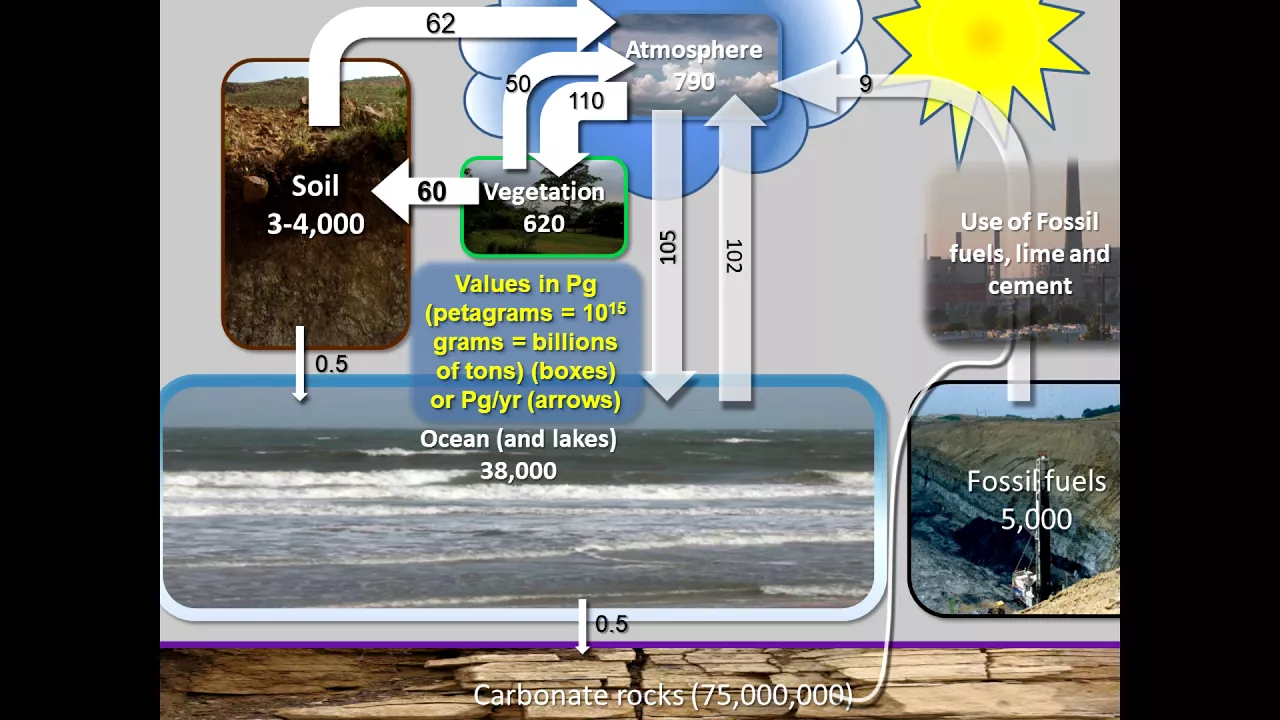
51:02
Soil Biology & Organic Matter Management for Soil Health
@SAREOutreach1
40.7K views•2018-03-01

12:54
Triumph of Orthodoxy Icon: Byzantine Art & History Explained
@BenCallan
2.1K views•2024-08-06

9:49
FastAPI vs Flask vs Django: Choosing the Right Python Web Framework
@TechWithTim
302.5K views•2024-05-26

1:42
Game of Thrones Opening Credits: A Cinematic Analysis
@gameofthrones
46.3M views•2011-04-18
Related Study Plans & Knowledge Roadmaps
Structured learning paths in General & Interdisciplinary Studies
general-studies
Elevator Engineering: History, Physics & Cities
01From Hoists to Safety Brakes: The Dawn of Vertical Lift
02Hydraulic vs. Traction: The Engineering Physics of Elevators
03Modern Speed, Safety, and Algorithms
+ 2 more learning modules
12h5 modules
Explore Roadmap
general-studies
Rubber: Material Science, History & Geopolitics
01Origins of Natural Rubber & Mesoamerican History
02The Chemistry of Natural Rubber & Vulcanization
03The Geopolitics of the Rubber Boom & Colonization
+ 2 more learning modules
12h5 modules
Explore Roadmap
general-studies
Containerization: Evolution, Logistics & Trade
01Ancient Trade & Bulk Cargo: Amphorae to Barrels
02The Industrial Revolution & Cardboard Packaging
03The Containerization Revolution: Malcom McLean
+ 2 more learning modules
12h5 modules
Explore Roadmap
general-studies
Textile Tech: Evolution, Labor & Global Impact
01Pre-Industrial Textiles: Handloom & Cottage Industry
02Mechanization: The Spinning Jenny to the Power Loom
03The Factory System & Global Labor Transformation
+ 2 more learning modules
10h5 modules
Explore Roadmap