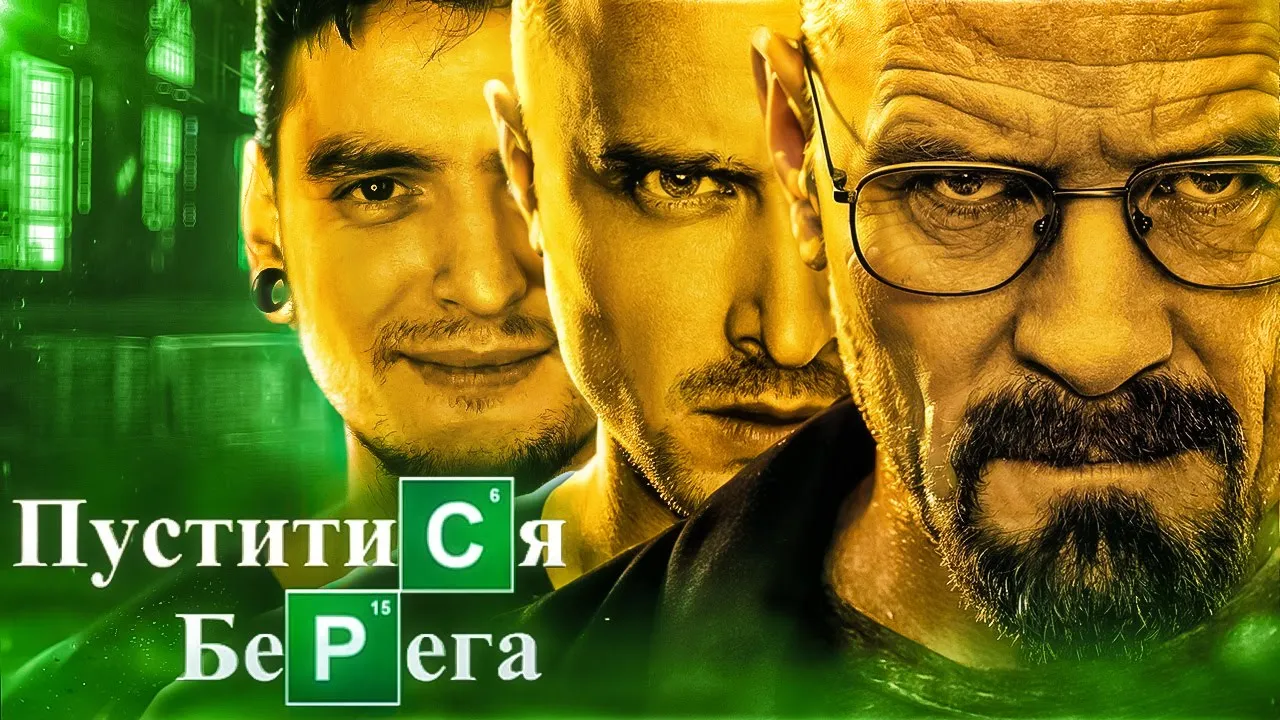

























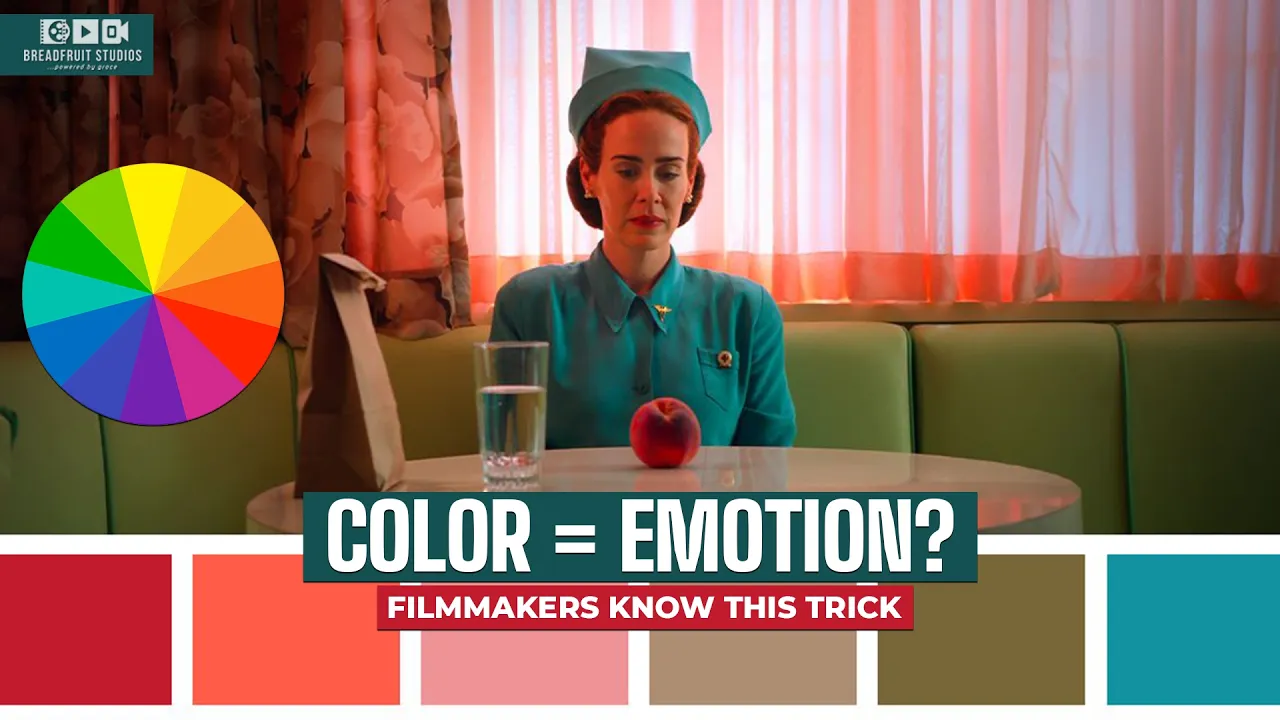

In Breaking Bad, creator Vince Gilligan deliberately assigned specific colors to characters and scenes to symbolically represent their personalities, moral states, and relationships; for example, yellow represents the meth business and corruption (associated with Jesse Pinkman), red symbolizes violence and bloodshed (associated with Gus Fring), blue represents purity and innocence (associated with Skyler White), green represents greed and financial motivation (associated with Walter White), and black represents death and evil (associated with Heisenberg). This color symbolism creates a visual language that helps viewers understand character dynamics and thematic elements without explicit dialogue.
The Color Symbolism of Breaking Bad: A Visual Analysis
Added:Familiarity with the plot, major character arcs, and thematic progression of the television series 'Breaking Bad'.
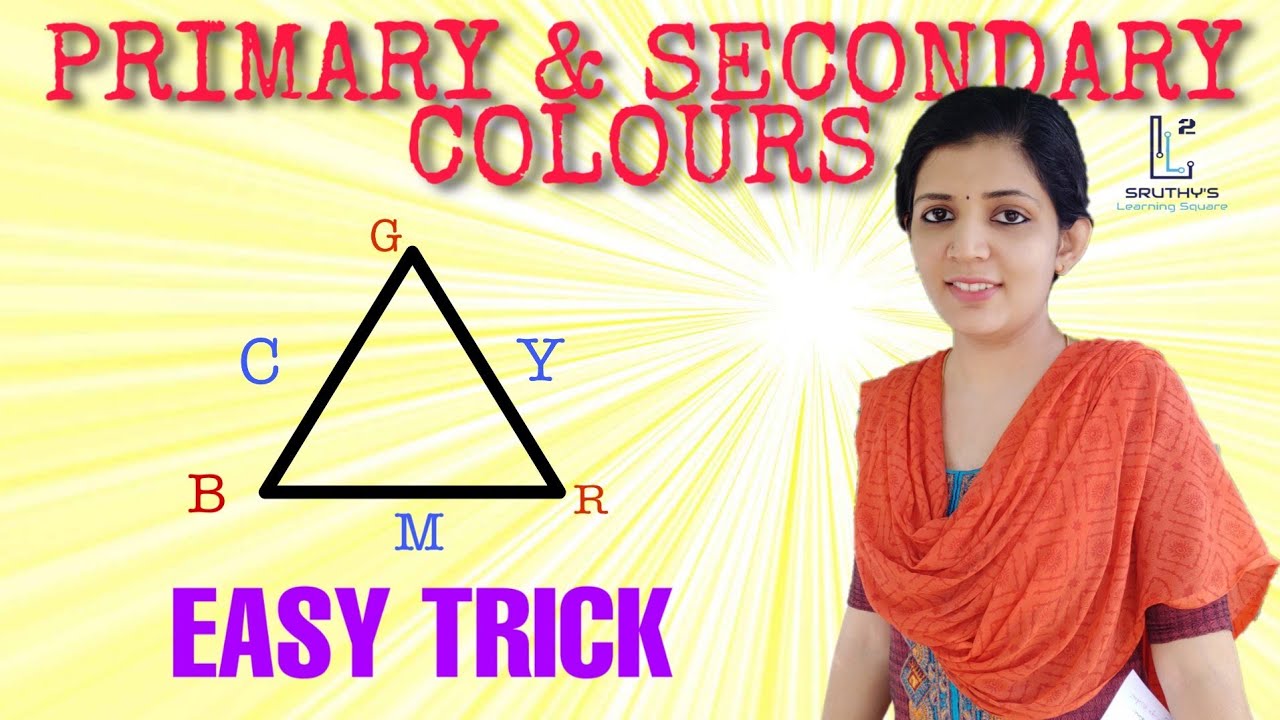
Fundamentals of Color Theory, including the psychological and cultural associations of primary and secondary colors.
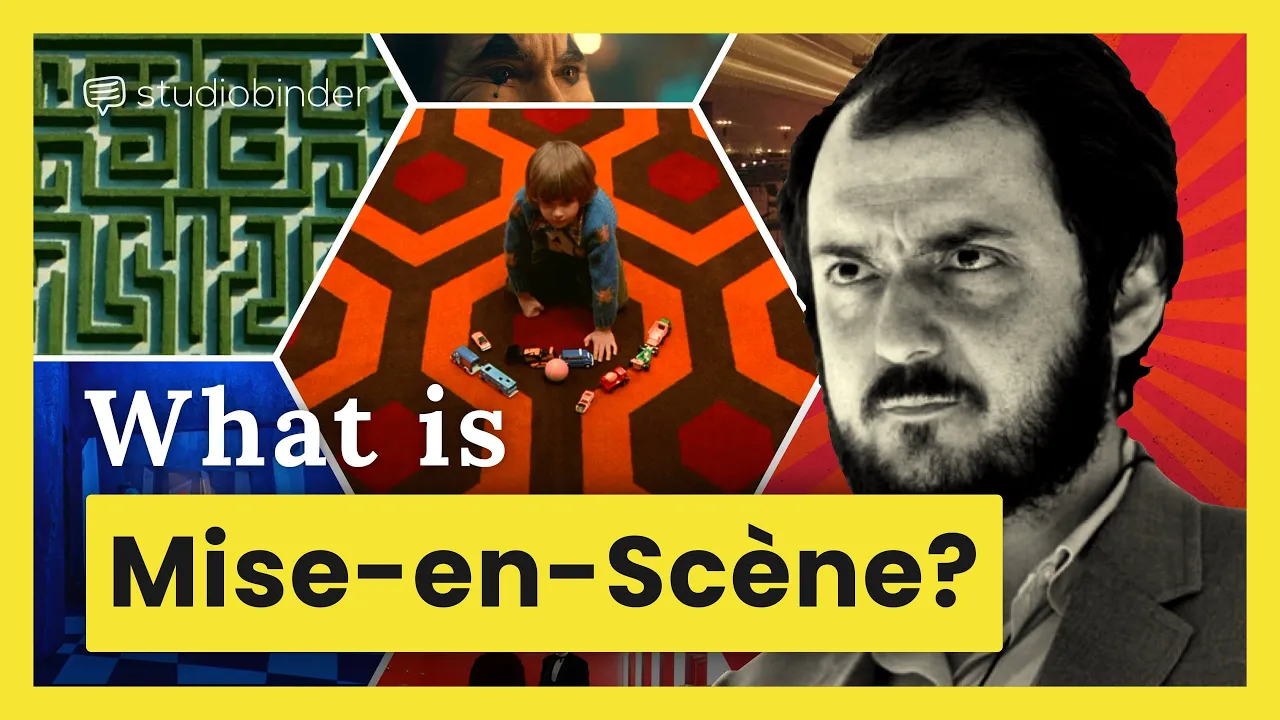
Basic cinematic literacy, specifically the concept of mise-en-scène and how directors use visual elements to convey subtext.
An understanding of fundamental narrative devices such as symbolism, motifs, and foreshadowing.
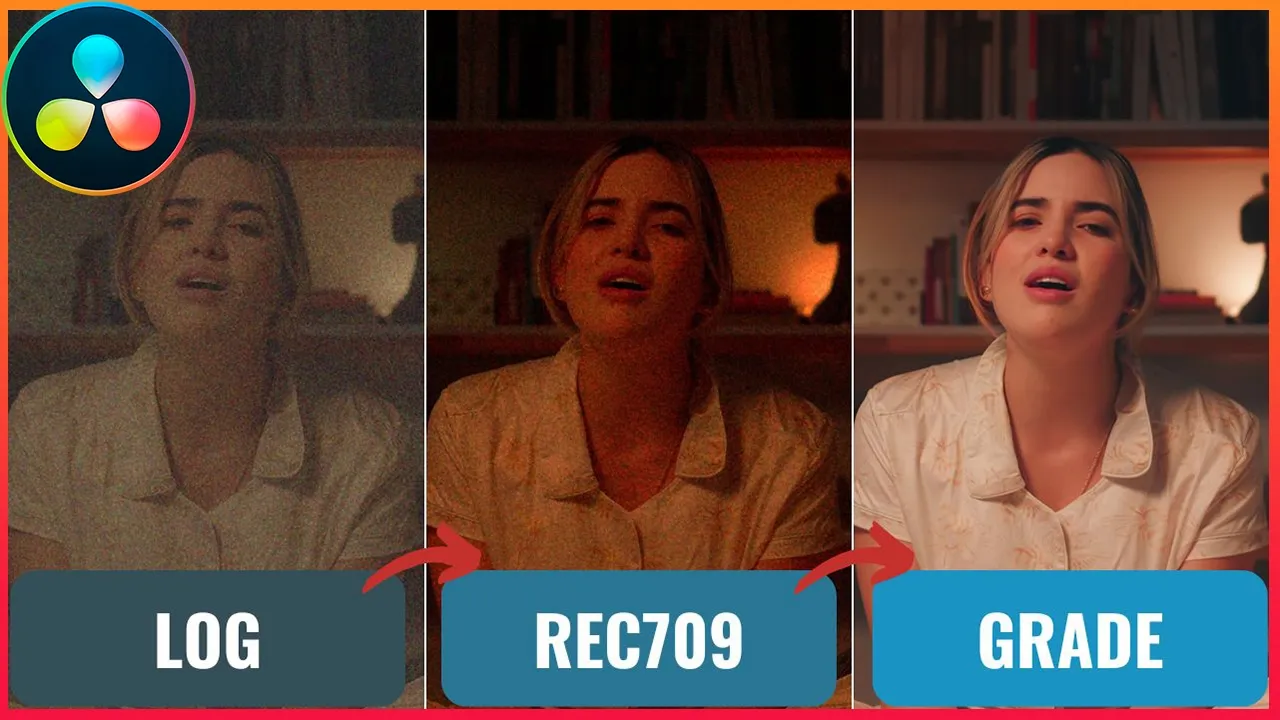
Advanced analysis of color grading and color correction techniques in digital cinematography and post-production.
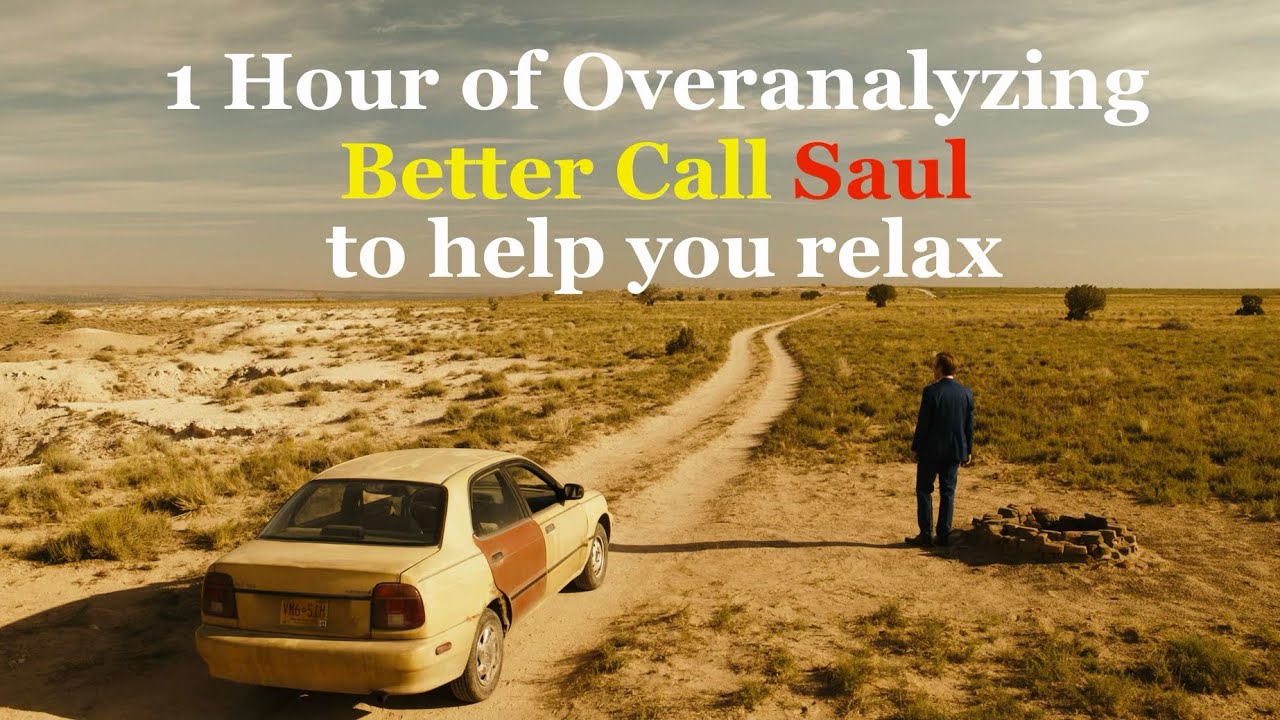
Comparative study of visual motifs and color symbolism in other acclaimed media, such as the spin-off 'Better Call Saul' or the films of Stanley Kubrick.
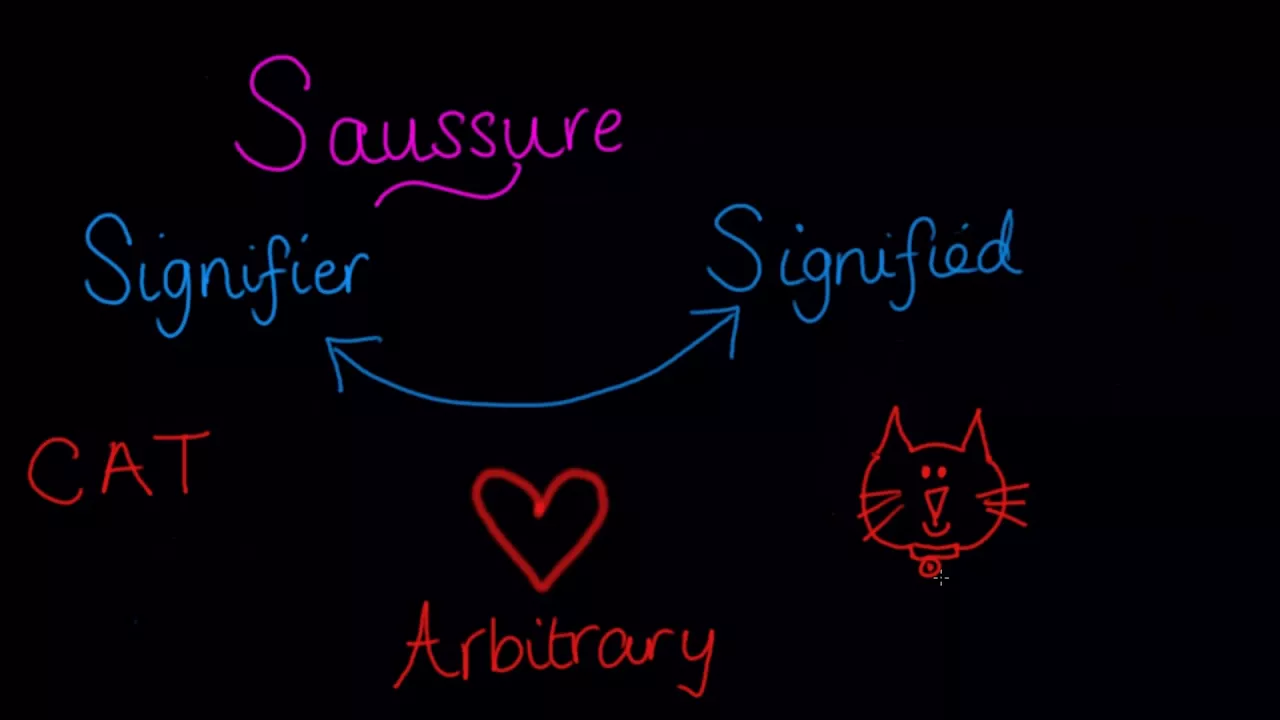
Introduction to Semiotics, the academic study of signs, symbols, and how meaning is constructed and interpreted in visual culture.
Practical application of intentional color palettes in creative writing, filmmaking, or graphic design to guide audience emotion and narrative depth.
2.9M views130.3Klikes15:10Original Release: 2020-07-03
[Music] we love breaking bad for its sharply defined characters the symbolism and the exquisite writing but this is also a story that is told with color nothing you see in breaking bad is an accent every piece of clothing the colors of the backgrounds the props all of them work together to tell a single cohesive story every color in the show has a symbolic meaning every character is associated with a color and their relationships in the show are even defined by their position on this color wheel creator vince gilligan told gq in 2013 at the beginning of every series we would have a meeting in which i would discuss with the production designer and the costume designer about the specific palettes that we would use for any given character throughout the course of the year and by the way we are not the first people to point this out there are numerous articles on the internet and even a very thorough page on the breaking bad wiki we've included some links to reading material in the description please check them out first i want to explain the colors that breaking bad most often uses and go over what they represent so let's take a trip around the color wheel beginning with yellow this color has many traditional meanings including caution and cowardice nobody calls me yellow but in breaking bad it's mainly associated with crystal meth and anything related to the meth business in real life meth is usually white but can sometimes be yellow it's the main color of los pollos hermanos check out their yellow uniforms and gus's yellow shirt the mexico flashbacks are often colorized with a yellow tint and it's also the color of the hazmat suits that they use to cook the meth but the most overt use of yellow might be when walt kills crazy ate in the bags in the river the scene begins when walt reassembles a shattered plate now remember the plate was intended as a sign of charity a way for walt to bring his prisoner some food this is similar to his good intentions for cooking meth to begin with as a way to provide for his family but the plate like his cooking is corrupted and becomes a tool for violence when walt drives his money into the desert the license plate of the van just so happens to match the html code for yellow oh and when wall gets his cancer diagnosis what was it that he focused his attention on a yellow mustard stain the same way he used his cancer as an excuse to focus on a life of crime and once you know these symbols you can watch any scene look at the wardrobe and use it as a key to understand each character's role in that scene jessie is the character mostly associated with yellow as seen on this amazing graphic that charts each character's wardrobe in every season so subconsciously we associate jessie with the meth business and also with fear i told you next up is orange which is often used for action but also warns us that danger is near for instance when ted is injured or just spill on the ground or when walt is reunited with his old neighbor again hello carol well what are you doing you're dropping your oranges and these are also homages to the godfather when oranges are always used as a portent of doom but orange is also a lighthearted color the color of comedy hank is strongly associated with the color orange because he's the character who's always cracking wise when he got his arm crushed clean off anyone will see the photos they're on my website hilarious and has been involved in the most action next up is red which like yellow is a primary color you'll find the primary colors in breaking bad also have a more central significance to the show red symbolizes blood murder in the criminal underworld it's the color of gus's meth lab and the tarp that walt's money sits on lydia also drank from a red cup when walt poisoned her and it's the color of the remote that he used to kill uncle jack's nazis many characters especially jessie will often wear red when engaged in violent criminal behavior and then there's the red cars symbolizing the luxury of the criminal lifestyle like jesse's monte carlo which proudly displays his cap'n cook license plate and walt loves to destroy red sports cars this is a metaphor of how the criminal lifestyle can gain you flash and wealth but will always backfire and become violent next up is pink which represents youth naivete and tragedy jesse's last name is pinkman symbolizing his naive childlike nature baby holly is almost always dressed in pink but innocence is often destroyed by tragedy this is best symbolized by the pink teddy bear from wayfarer flight 515.
we look at this bear and we understand visually that it belonged to a little girl that walt inadvertently killed walt also allowed jane to die and her bed is covered in pink sheets showing that even though outwardly she wore black and projected a dark image in her inner life she was still sweet and innocent just like jane's life was tainted by her drug addiction the teddy bear is tainted by the destruction of the airplane this connection between jane holly and the bear is made explicit in the episode phoenix walt carefully lays holly on her side to prevent her from choking but refuses to do the same for jane because walt leads two lives one pink the other black and his pink veneer is symbolized by his bright pink sweater which he wears when tragedy strikes in his own backyard then there's beige this drab neutral color signals that someone is harmless often wealthy after wall goes straight he and skylar mostly wear beige and maybe they're imitating the wealthy guests at elliott's birthday party and by the way we did a breakdown of that episode and why it's the most crucial scene in all of breaking bad so check that out walt wears a lot of beige when the series begins in the pilot this conceals his yellow shirt symbolizing the criminal desire that lurks inside of him when you look at this chart you can see that his wardrobe gradually trends darker throughout the entire series except in season 3 when he briefly talks about leaving the business until gus pulls him back in a man provides because he's a man over the series he often wore the exact same clothing just in gradually darker shades next is brown the color of the earth of soil this symbolizes stability and humility a normal grounded life hank often wears brown including in his very first scene and jesse's brother the symbol of the stable life that he never had wears brown the white's home has brown walls which in the final season has been defaced with yellow heisenberg spray paint this shows how walt's life of crime has tainted the normal life that he tried to build for his family next up is purple a color associated with royalty luxury and safety purple has long been the color of the ruling class and julius caesar was assassinated in part for wearing a purple toga seriously and by the way gus was wearing purple when he was assassinated but purple is mostly associated with marie she's the only character whose clothing stays 100 consistent in every season now the exception is in the last few episodes after her husband is killed marie sees herself as a kind of royalty she even steals the tiara for baby holly as if she was entitled to it by divine right hank and marie's home is filled with purple because they're financially secure during hank's recovery his get well cards gifts and bed sheets are purple this shows that as he's healing he's in a kind of protective cocoon next is the final primary color of the show blue blue means purity as in the pure blue meth that walt creates it also means sadness as in i'm feeling blue it's the color of the memoriam ribbons for wayfair 515. mr q margulis buries jane in a blue dress after spending a lot of time deliberating over the color it's all black and gray when's the last time you saw her ever wearing a yellow dress but blue also means purity of heart and an intention to wash away your sins and fly when walt's guilt nearly bubbles to the surface he's bathed in a cool blue light i'm sorry about jane blue can also symbolize escape like you're rowing out to sea the vacuum cleaner man creates new ids using a blue backdrop and saul's luggage and shirt in this scene are both blue and blue is also the color of loyalty and dependability todd wears blue as walt's assistant and hule and kubi safely deliver all of walt's money while both wearing blue mexico oh i'm saying and when gayle is murdered he's wearing blue and yellow shirts the blue shows his loyalty while the yellow shows his compliance in the meth business and his fear you don't have to do this lydia also often wears blue a symbol of both her loyalty and her connection to the pure blue meth but notice her wardrobe is often tinged with red red fingernails red soles of her shoes showing that her hands and feet are bloody because of her connection to the bloodshed of the criminal enterprise but skyler is the character most closely associated with blue throughout the series until she becomes corrupted by walt's criminal actions her name calls to mind a blue sky she often wears blue and has bright blue eyes this is because she represents what is pure in walt's life she's loyal to him and eventually she longs for escape now all of these meanings coalesce in the most striking example of blue in the show when skyler fakes a suicide attempt in their pool as walt talks about his chemotherapy she stares in the water longing for purity and escape my head was in skyler's lap and i was just asking nerf this could all be over from the moment she submerged we're in this cocoon with her the scene is only filmed from beneath the water her dress surrounds her like the petals of a flower and without a word spoken the colors convey exactly how she feels and what is that above her holding her down that's a mass of green the color of money greed and jealousy it's no accident that this color is most often worn by walt it's the color of his apron in his early cooks and the golden moth barrels used to make the meth are numbered with the html code for green walt shows his greed by wearing a green shirt when he kills gus i won and it demonstrates his jealousy in granite state when he sees gretchen and elliot on tv the vamanos pest control tents were yellow and green showing that they made their money from selling meth and the stripes on the rv were yellow green and orange standing for meth money and you know merriment buffer the rv and build it into something completely different you know like like a dune buggy but green is also the symbol of growth and change when jesse is in rehab the people in recovery all wear green and the series is all about walter's growth and change another reason he's associated with green holly is named for an evergreen plant and her full name could be interpreted as eternal purity which brings us to one of our final colors white this means innocence obviously the protagonist and his family are named after this color showing their innocence when the series begins however they live on negro arroyo lane spanish for the black stream showing that the whites are moving down a dark path one of the most famous visuals from breaking bad is walt cooking in his tidy whities the creators wanted this to look like a diaper symbolizing that walt is stepping into this world like a pure newborn baby the only character who consistently wore white was combo now he was no angel after all he was a meth dealer but he was non-violent and in his own childish way he was like a big kid and at the ending of el camino jesse is wearing a white knit sweater while surrounded by white snow showing that his inner goodness has finally prevailed and he's living a clean life now contrast this with his wardrobe in season 3 which was often gray gray symbolizes depression so it's the color he wears while mourning for jane in the final episode walt jr is wearing head to toe gray as well the color also implies guilt and revenge but the most telling example of gray in the show is the name of walton elliot's company gray matter schwartz black walter white so together they became gray matter technologies walt's primary motivation in breaking bad is the greed and jealousy he feels about losing out on a billion dollar fortune billions with a b so gray matter fills walt with feelings of depression and guilt over leaving his company and he wants revenge against gretchen and elliot for taking credit for his work and finally there's black which represents death secrecy and all around evilness tomas wears black when he kills combo jane always wears black foreshadowing her death and gus publicly wears a bright yellow shirt but when dealing with the cartel he wears black elliot and gretchen's last name schwarz is german for black this implies that they kept secrets from walt and eventually betrayed him but black is mostly associated with walter's alter ego heisenberg and his iconic pork pie hat heisenberg isn't really a person at first he's an invention for wall to hide behind until eventually he becomes him you can observe this transformation in one of the show's most famous scenes notice skyler is wearing white blue to contrast with his red shirt in this scene she's afraid that walt is in over his head and her whole family is going to be killed well i think you're scared walt is wearing red to show that he is part of the criminal underworld so we have someone pure skylar appealing to the inner goodness of a crook but then he stands and like a snake shedding its skin reveals that he has no inner goodness underneath the criminal exterior he's actually an evil man a man who feels powerful by frightening his wife a guy opens his door and gets shot and you think out of me no i am the one who knocks now since we were kids we've always associated certain characters with different colors if you think about it most iconic characters can be associated with a strong single color this way we subconsciously associate that character with warmth or purity or evil breaking bad uses colors to subtly indicate how a character feels in a given scene but also how each character relates to one another take a look at our color wheel again and remember where each character fell jessie is yellow representing the meth trait he is furthest from purple the color of marie because she has no association with the meth business at all she is also the common link between hank and skylar walt is green and he sits between the meth business of jessie and the pure family life of skyler hank is orange which sits between yellow and red showing that he's associated with violence and the meth business but spiritually he's the opposite of skylar what maybe one wants to die like a man all right i don't want him to die at all whereas she was able to be corrupted by walt hank's world view could never change but hey don't take my word for it re-watch the series and pay attention to the details in every scene look at what the characters are wearing and ask yourself what does their clothing say about them and how they interact with others see a good show is fun to watch but a great show like breaking bad rewards us for watching again and again and again if you have any questions about colors and a breaking bad scene and what they represent please let me know in the comments and if it's your first time here please subscribe for screen crush i'm ryan airy [Music] you
Up Next
63:35
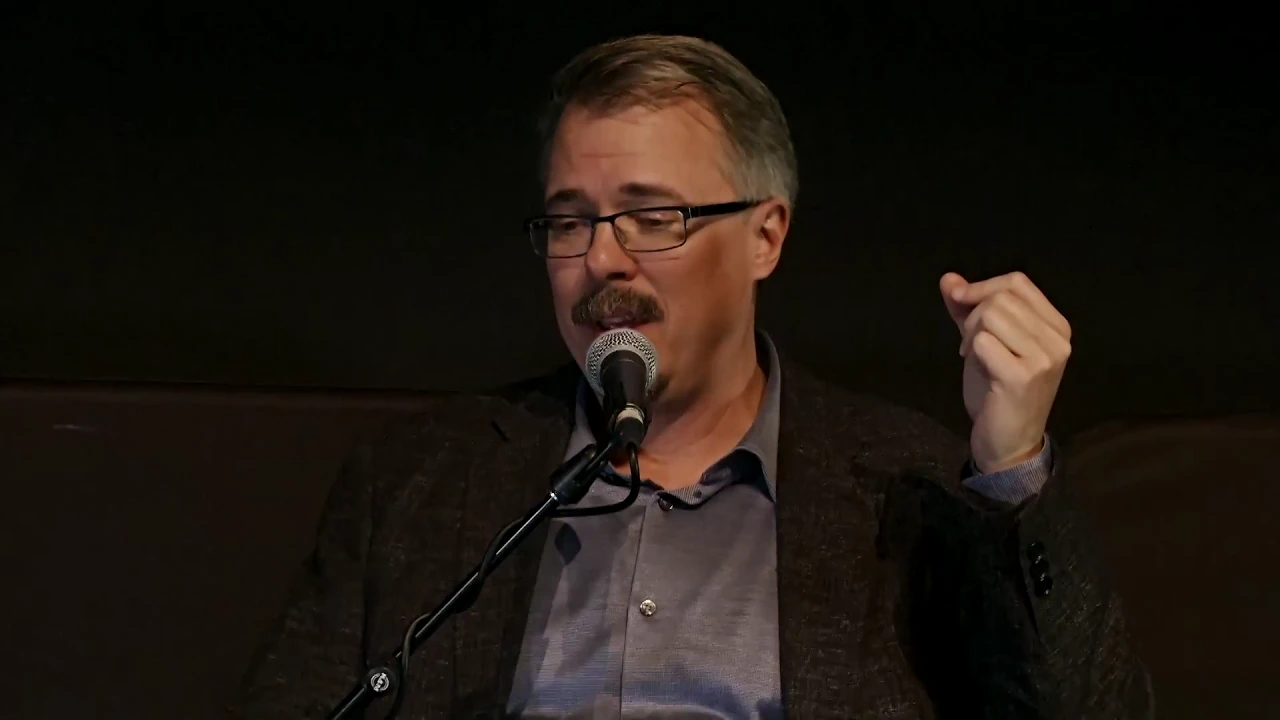
Vince Gilligan on Breaking Bad: Crafting Morally Complex TV Drama
@AcmiNetAu
330.5K views•2017-07-27

26:22
Walking in the City: Urban Rituals and the Flâneur in Contemporary India
@PSBTIndia
1.9K views•2016-08-02

9:49
FastAPI vs Flask vs Django: Choosing the Right Python Web Framework
@TechWithTim
302.5K views•2024-05-26

1:42
Game of Thrones Opening Credits: A Cinematic Analysis
@gameofthrones
46.3M views•2011-04-18
Related Study Plans & Knowledge Roadmaps
Structured learning paths in General & Interdisciplinary Studies
general-studies
Artificial Light: History, Tech & Human Impact
01The Pre-Electric Era: Fire, Oil, and Gas Lighting
02The Incandescent Revolution and Grid Electrification
03Gas Discharge and Fluorescent Illumination
+ 3 more learning modules
14h6 modules
Explore Roadmap
general-studies
Elevator Engineering: History, Physics & Cities
01From Hoists to Safety Brakes: The Dawn of Vertical Lift
02Hydraulic vs. Traction: The Engineering Physics of Elevators
03Modern Speed, Safety, and Algorithms
+ 2 more learning modules
12h5 modules
Explore Roadmap
general-studies
Rubber: Material Science, History & Geopolitics
01Origins of Natural Rubber & Mesoamerican History
02The Chemistry of Natural Rubber & Vulcanization
03The Geopolitics of the Rubber Boom & Colonization
+ 2 more learning modules
12h5 modules
Explore Roadmap
general-studies
Containerization: Evolution, Logistics & Trade
01Ancient Trade & Bulk Cargo: Amphorae to Barrels
02The Industrial Revolution & Cardboard Packaging
03The Containerization Revolution: Malcom McLean
+ 2 more learning modules
12h5 modules
Explore Roadmap