
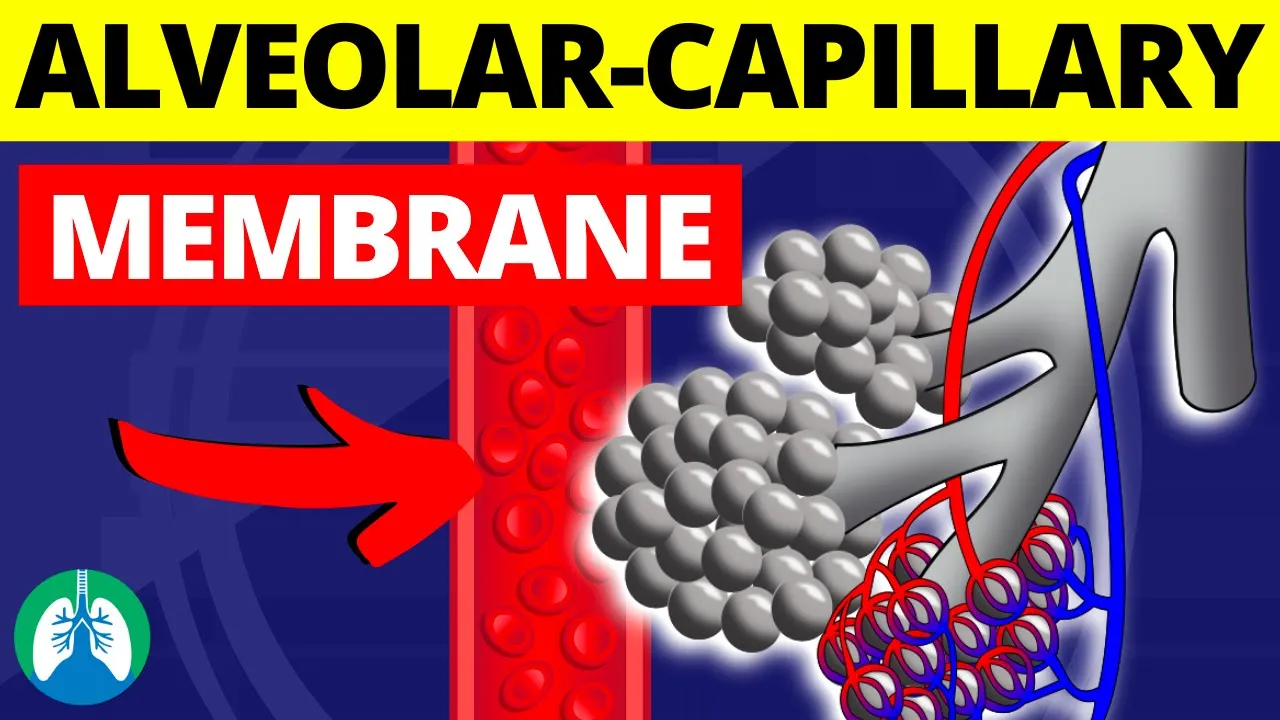




















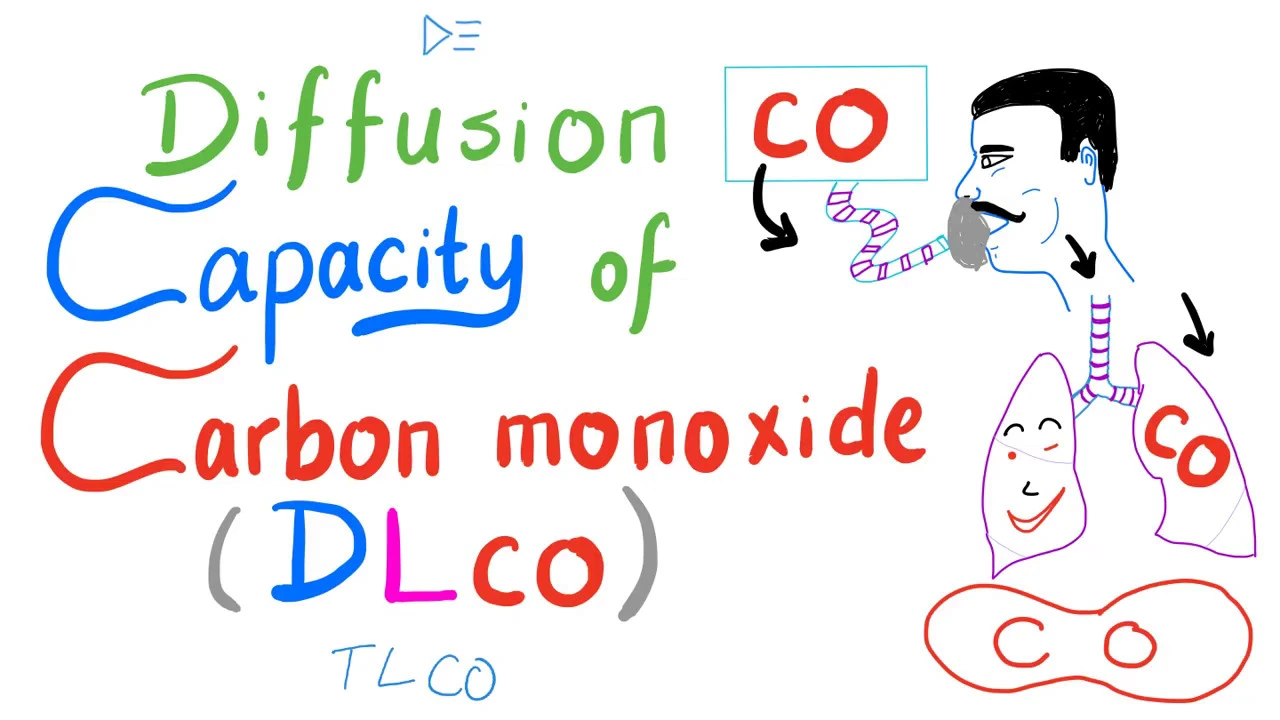





The diffusing capacity of the lung for carbon monoxide (DLCO) measures the lung's ability to transfer gas across the alveolar-capillary membrane and serves as a sensitive indicator of gas exchange impairment; DLCO is influenced by body size, lung volume, age, posture, and exercise, and is clinically significant in diagnosing conditions like COPD (where DLCO decreases, particularly in emphysema), restrictive lung diseases (where DLCO is preserved unless parenchymal damage occurs), vascular disorders, and conditions affecting red blood cell mass such as polycythemia or anemia.
Diffusing Capacity (DLCO): Clinical Significance & Measurement
Added:Basic anatomy of the respiratory system, specifically the structure of the alveoli and the alveolar-capillary membrane.
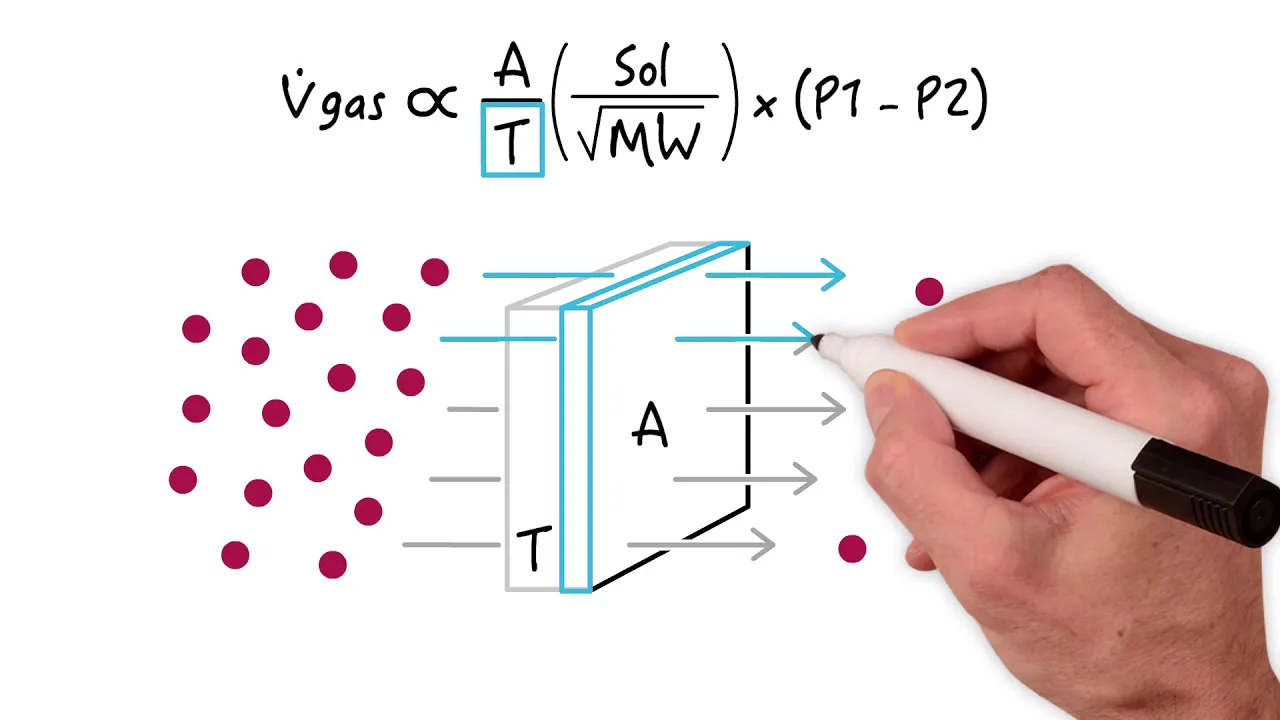
The physical principles of gas exchange and Fick's Law of Diffusion, including how surface area, membrane thickness, and pressure gradients drive gas movement.
The physiological role of hemoglobin in oxygen transport and its extremely high binding affinity for carbon monoxide.
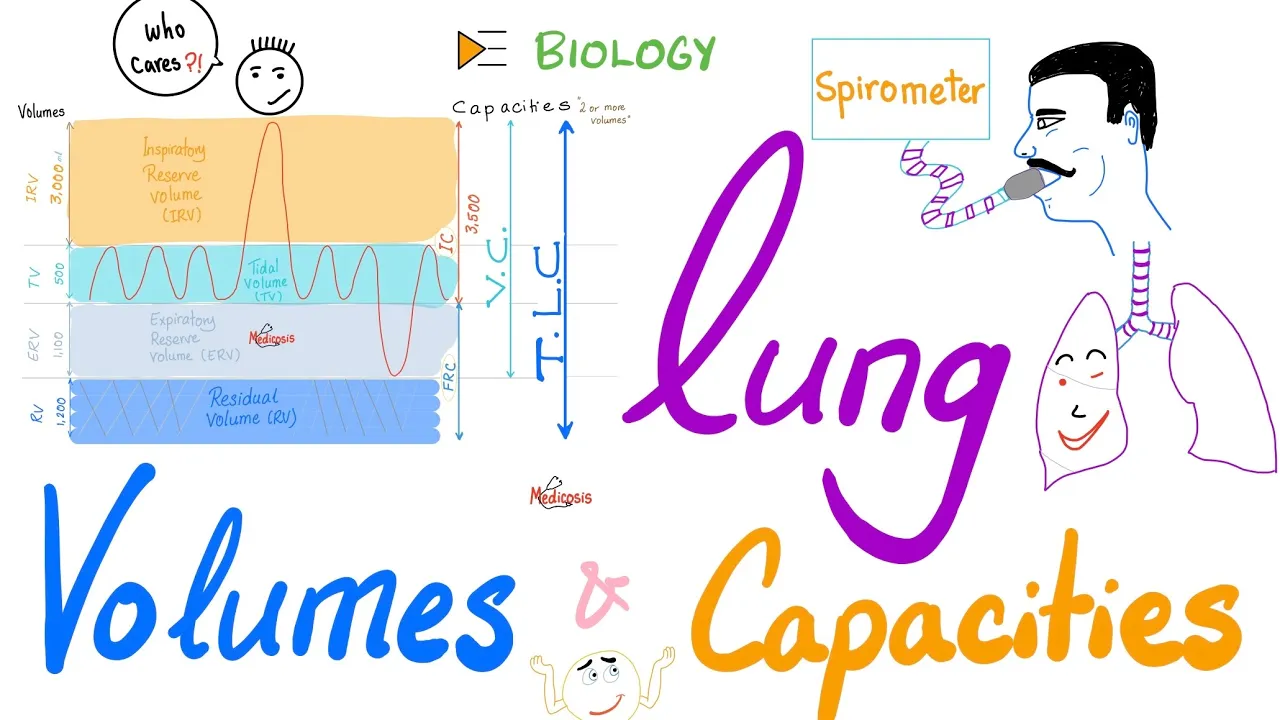
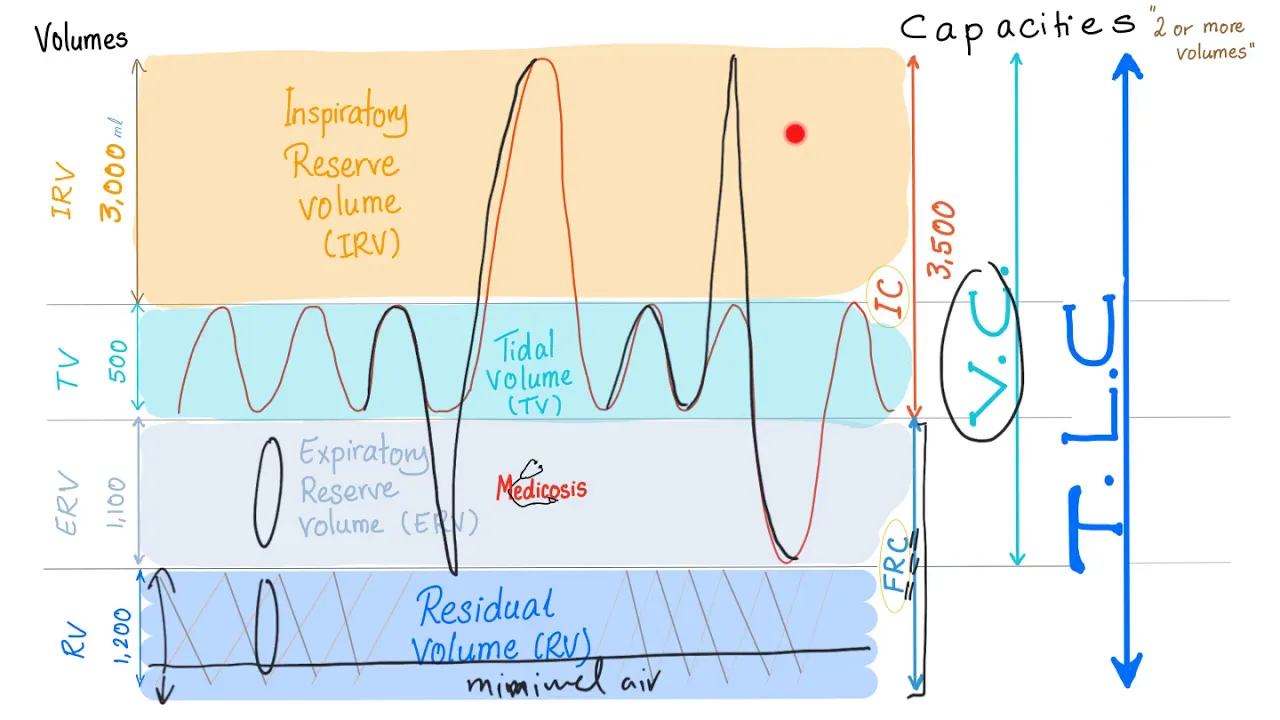
Familiarity with standard Pulmonary Function Tests (PFTs), particularly lung volumes (like Total Lung Capacity and Residual Volume) and spirometry.
Clinical interpretation of DLCO to differentiate between various obstructive lung diseases (such as Emphysema vs. Asthma) and restrictive lung diseases (such as Pulmonary Fibrosis vs. chest wall deformities).
Understanding mathematical adjustments for DLCO measurements, including corrections for hemoglobin levels (anemia), carboxyhemoglobin (smokers), and alveolar volume (DLCO/VA ratio).
Using serial DLCO monitoring to evaluate the progression of interstitial lung diseases (ILD) and to screen for drug-induced pulmonary toxicity.
Correlating impaired diffusing capacity with arterial blood gas (ABG) findings, specifically in calculating and understanding the alveolar-arterial (A-a) oxygen gradient.
44.6K views572likes6:51Original Release: 2020-03-24
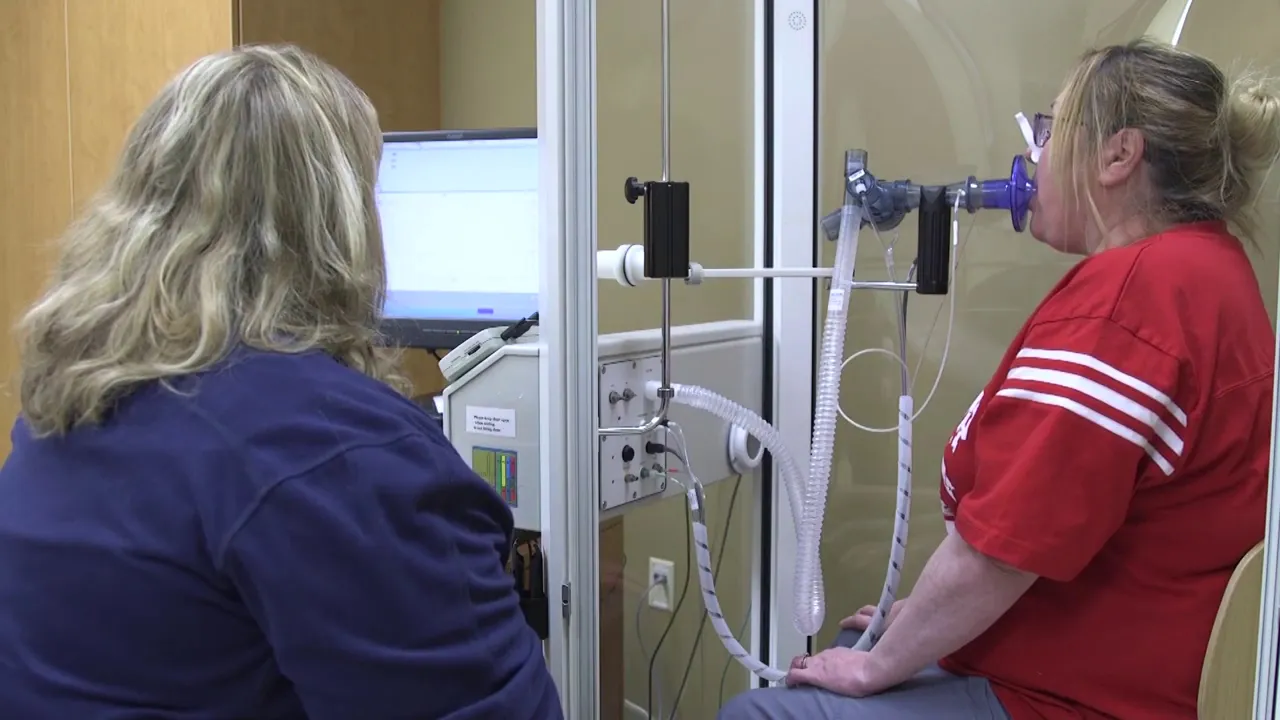
so far we've only spoken about the diffusing capacity at the alveolar capillary membrane but often in the clinic we use the diffusing capacity of the lung as a whole as an indicator of clinical conditions to measure diffusing capacity of the lung in the lab or clinic we use carbon monoxide and measure the ability of the body to absorb carbon monoxide from a single breath this is called the lung carbon monoxide diffusing capacity or dlco and as we have seen the flux of a gas or diffusion of the gas across a membrane is dependent on factors that affect the rate of diffusion in the surface area where diffusion is taking place when dlco is below the predicted reference range it becomes a clue to the presence of a physiologic problem but a variety of physiological factors can affect the value normally measured for dlco increases in dlco occur with increases in body size such as in patients with increased height increased body weight and increased body surface area dlco increases with increasing lung volume likely due to increased blood volume or increased alveolar capillary membrane surface area the ratio of dlco to alveolar volume known as crows constant may be used as an index in patients with emphysema related lung hyperinflation to indicate the primary effect of the disease on gas exchange as a person ages dlco increases to a maximum at about 20 years and then declines about 2% per year thereafter for comparable age and body size women have a lower dlco than men by about 10% dlco increases during exercise in a healthy individual pulmonary vessels dilate during exercise a process known as recruitment increasing the area for diffusion dlco is higher in the supine position than the sitting position dlco is also higher in the sitting position compared with standing the likely explanation is increases in capillary blood volume with sitting versus standing and with lying versus sitting but now that you know what to watch out for you can use the lco as a sign of something wrong let's take a look at some of the most important examples in patients with chronic obstructive pulmonary disease or COPD dlco is reduced the changes are more profound in patients with emphysema than in those with chronic bronchitis likely related to greater loss of alveolar surface area in emphysema and therefore less area for gas diffusion restrictive pulmonary diseases are a broad category that includes not only diseases influencing the chest wall pleural space and respiratory muscles but also pulmonary parenchymal disorders however diffusing capacity is generally preserved in restrictive diseases unless the pulmonary parenchymal widening of the pulmonary interstitial or flooding of the alveoli with fluid impairs gas movement across the alveolar capillary membrane and is reflected in a decreased dlco thrombotic or embolic occlusion of branches of the pulmonary artery reduces dlco as do disorders of the pulmonary capillaries for example vasculitis severe pulmonary hypertension may be associated with obliteration of the pulmonary capillaries and a reduction in dlco acute alveolar hemorrhage is associated with an increase in dlco this is secondary to hemoglobin in the alveoli serving as a sink for carbon monoxide used during measurement when alveolar hemorrhage is chronic or recurrent resulting lung fibrosis reduces dlco through an increase in capillary red blood cells polycythemia results in an increase in dlco anemia with reduced red cell mass reduces dlco after all this attention on o2 what about co2 exchange across the lung in health and disease the solubility of co2 in tissues is about 20 times that of o2 and the rate of diffusion across the alveolar capillary membrane is about 20 times that of o2 therefore mild abnormalities of the pulmonary parenchymal are usually not associated with an increased arterial alveolar gradient for co2 with more advanced thickening of the alveolar capillary membrane and a reduction in dl co2 about 25 percent or less of normal in arterial alveolar gradient for co2 may arise so measurement of dlco provides a sensitive albeit nonspecific measure of the overall gas exchange function of the lung and serves as a useful clinical measure in the search for underlying lung disease overlooking a reduced dlco can delay early diagnosis and treatment of a disease so I hope you like this video absolutely make sure to check out the course this video was taken from and to register for a free trial account which will give you access to selected chapters of the course if you want to learn how mat mastery can help you become a great clinician make sure to watch the about that mastery video so thanks for watching and I hope to see you again soon
Up Next

15:25
PFT Interpretation Part 4: 12 Practice Cases with Answers
@pjsmdpete
28.2K views•2012-01-26

32:45
Memory and Long-Term Potentiation | Physiology | MBBS Exam Prep
@doctutorialsmbbs
307 views•2025-08-27
3:43
Beta Blocker & Calcium Channel Blocker Toxicity Treatment
@MedMastery
8.9K views•2022-07-25
3:05
Stages of Labor and Vaginal Birth | Childbirth Animation
@nucleusmedicalmedia
52.1M views•2017-08-18
Related Study Plans & Knowledge Roadmaps
Structured learning paths in Medicine
medicine
Interpreting PFTs: Spirometry & DLCO
01Respiratory Anatomy and Physiology Foundations
02Spirometry: FVC, FEV1, and Flow-Volume Loops
03Lung Volumes and Plethysmography
+ 2 more learning modules
12h5 modules
Explore Roadmap
medicine
Abnormal LFTs: Diagnostic Workup & Pathology
01Liver Anatomy and Basic Physiology
02Introduction to Liver Function Tests (LFTs)
03Hepatocellular vs. Cholestatic Patterns
+ 3 more learning modules
12h6 modules
Explore Roadmap
medicine
Analyzing Blood Smears: RBC, WBC & Platelets
01Introduction to Blood Components & Smear Preparation
02Normal Morphology of Blood Cells
03Erythrocyte Pathologies & Morphological Variants
+ 2 more learning modules
12h5 modules
Explore Roadmap
medicine
Mechanical Ventilation: Waveforms & Alarms
01Anatomy and Physiology of Breathing
02Introduction to Mechanical Ventilation & Core Modes
03Ventilator Settings and Waveform Interpretation
+ 2 more learning modules
12h5 modules
Explore Roadmap