








![Complete Guide to Reading Music Notation on Guitar [Beginners Start Here!]](https://i.ytimg.com/vi_webp/tU5tqg3fyyg/maxresdefault.webp)













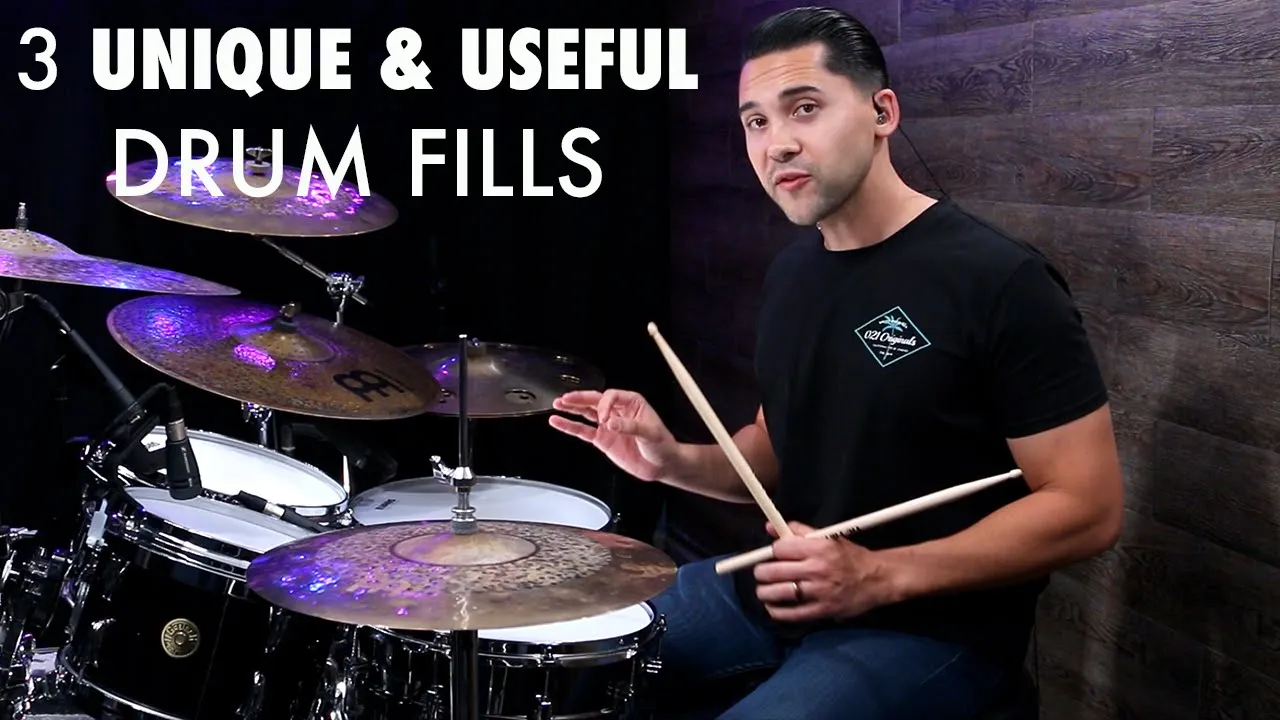
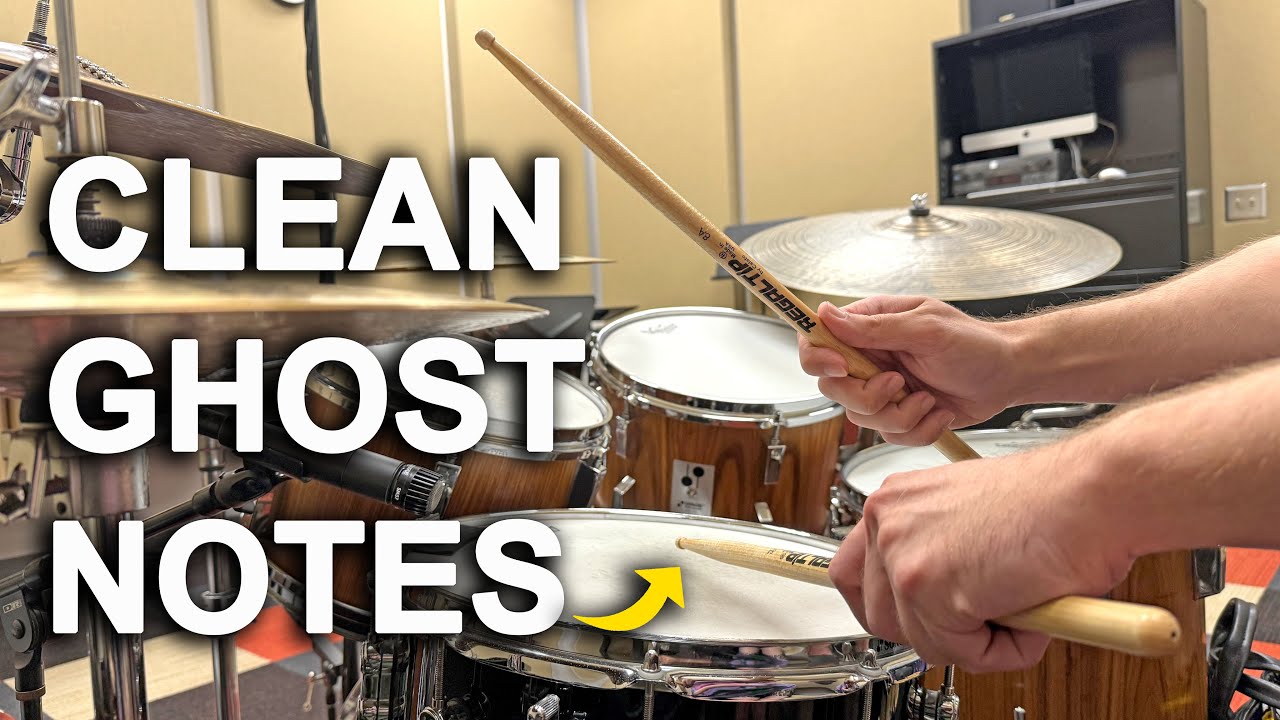

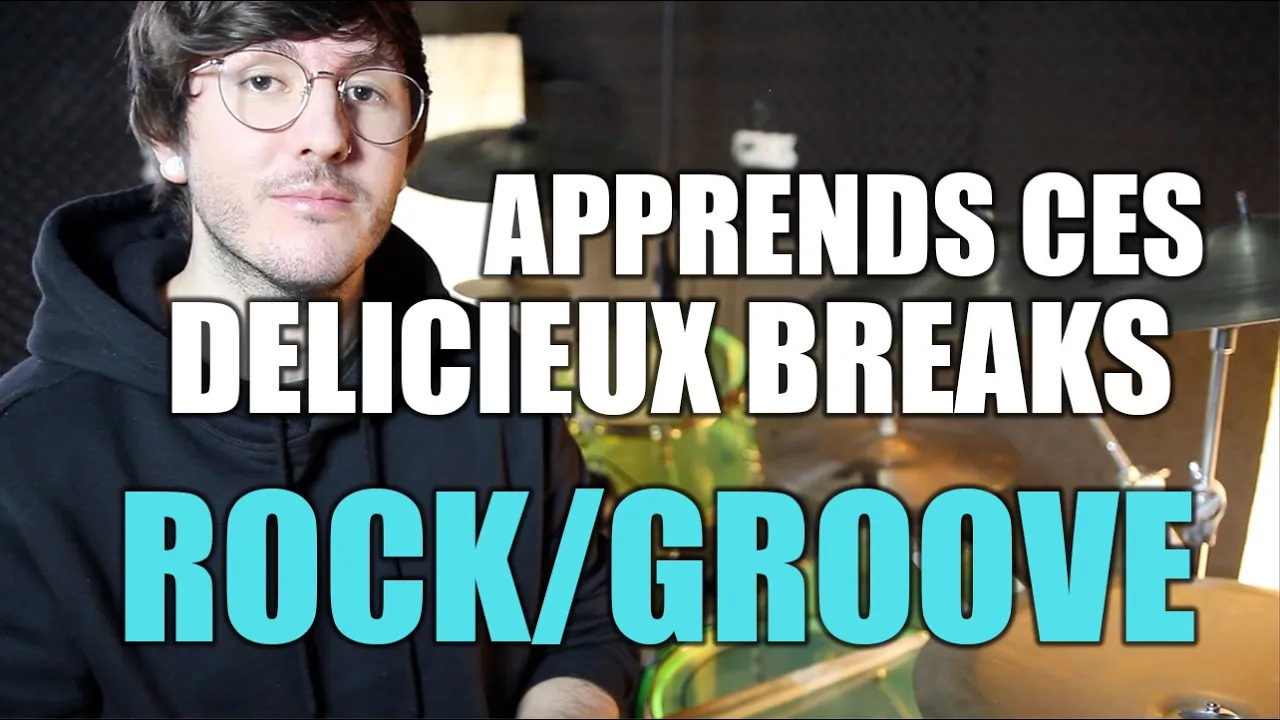
This video teaches the fundamentals of rhythm through four core elements: quarter notes (the foundation where you count 1-2-3-4 with a steady beat), eighth notes, sixteenth notes, and breakdowns (transitional pieces that tie everything together). The instructor demonstrates how to use a metronome set to 60 BPM to develop timing, explains proper hand positioning for striking drums to produce distinct sounds, and shows how to combine quarter notes with breakdown patterns to create complete rhythms. The lesson emphasizes that anyone can learn these basics using any surface that creates sound, whether a drum, tabletop, or even knees.
Rhythm Basics: Learn Drumming Patterns with Anthony McNamee
Added:Understanding the concept of a steady musical pulse, beat, and tempo.
Basic familiarity with the 4/4 time signature and how to count basic four-beat measures.
Fundamental knowledge of drum stick grip and a comfortable physical posture for drumming.
An introductory concept of note values, specifically understanding how a whole note is subdivided.
Mastering eighth notes and eighth-note triplets to smoothly bridge the gap between quarter and 16th notes.
Learning basic drum rudiments, such as single-stroke rolls, double-stroke rolls, and paradiddles, to build dexterity.
Applying rhythm patterns to practice with a metronome to develop precise timing and a steady 'pocket'.
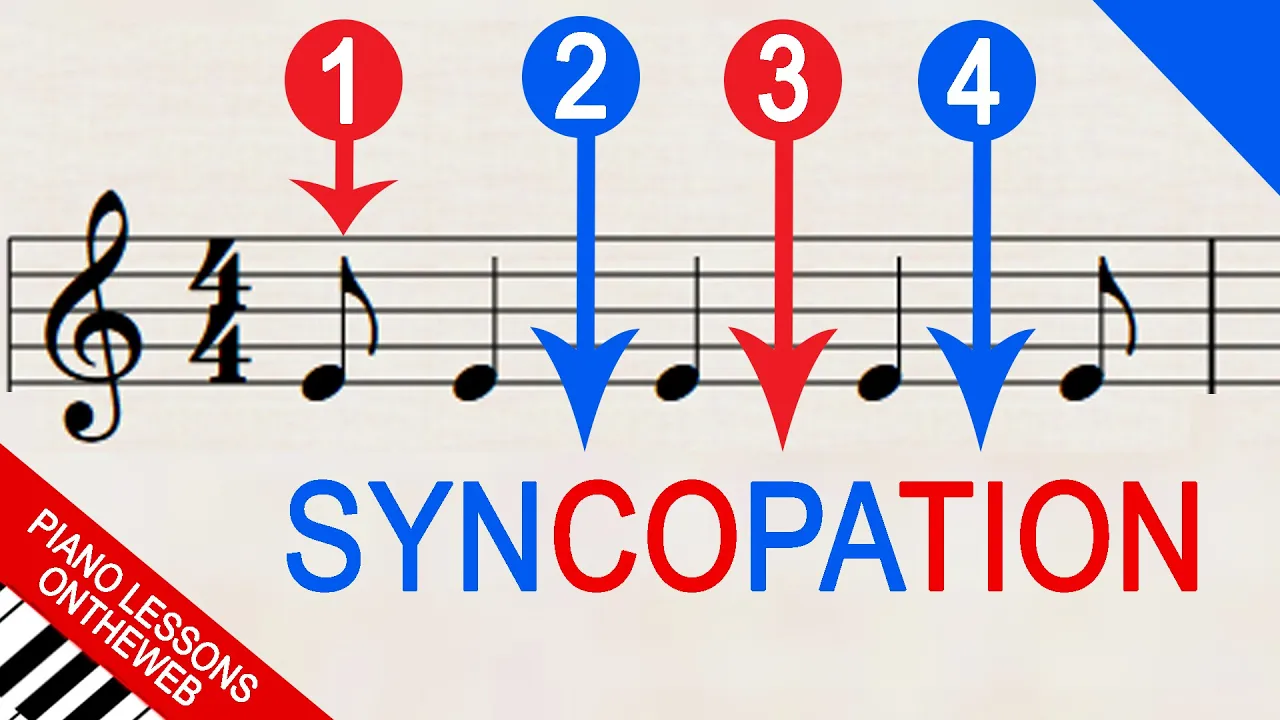
Exploring syncopation, which involves shifting accents to the off-beats (weak beats) to create more complex grooves.
Developing dynamic control, specifically practicing accents and ghost notes within the newly learned 16th-note patterns.
260 views2likes16:09Original Release: 2020-05-20
hi my name is Anthony from world war drums you're very welcome to this short video series on the basics of the rhythm so over the next four weeks I'm going to teach you how to be able to play some basic chemical patterns and what we're going to do as we learn these patterns off is we're going to put them together and create rhythms by the end of our time together you should have a pretty good understanding of these basic rhythms and how they work no this is for everybody whether you're fine or a hundred and five have a goal you learn some new skills and if you take the steps in order and you're picking the way I'm showing you trigger the whole series of lessons you'll be pretty good shape for playing at the end of our time together now to give you some indication of where we're gonna window are close to I'm going to play this short piece of drumming this is going to incorporate all the elements of what we're going to learn over the next few weeks together one two three [Music] [Music] [Music] [Music] [Music] okay so that's the airboats is where we're going to hopefully end up at the end of our four weeks ago so what I played through there has got four elements to it and we'll go to call them in min one which are Porter loads element to which are a notes element three which are 16 notes and element for which is the breakdown which is a piece we're going to use to tie them all together no not everybody is going to have a drummer so that's okay you don't have a drum don't worry about learning basics maybe a drum is even a distraction for you so if you have a tabletop you can play on a tabletop you can use your knees you might have a plastic container if you can hear something oh absolutely have a go you can use that if you don't have any ears you start with your knees and who knows maybe for your birthday maybe Christmas comes around you can get a drum maybe you know somebody you can borrow one of but you can learn the basic patterns simply by you know how to count and by saying that on your knees and for today as I said pretty much just pop it so like I said it's for everybody all of these elements work together and it can be operated separately so if there's a family of you plan together once you've learned the basic pattern one person can play one pattern and you go to pressing up there next and so on and they all lock together with a pretty interesting piece so I hope you've had fun that's what this is about it's really about as all just having to go in there do some new skills now to help us in our quest to learn this new information that we're going to get we're going to use a metronome know you can download the metronome you can use a metronome on your smartphone or wherever got it perhaps you so now you have a metronome that's fine if you do I want you to set the metronome to 6 degrees and then and we're going to turn it on so this is now with the veteran on the set to 60 beats a minute we're first going to listen to it and we're going to count in our head not ever love until we lock in with the click and that could take a minute or two I'll just turn around and do that listen in silence after you figure you've connected with your click count in your head count then when you feel you're connecting with that I want you to count down love and when you're counting out loud I want you to also track like this actually no that's info exercise hazards learning to count what's called the first element to walk on in there and that's called quarter notes and they're simply 1 2 3 well no we're going to try to put it in context to what we're learning so we're going to put four bars and then we're gonna take a break rest for a bar I never want to put four grams together again but I'll try it like this you ready everyone do you play long with me your connectr attorneys they so we have four rest to clean once again four to two and rest to through this time on your legs like this one two three four two two three four three two three four four two three four and rest two three once again and one two three four two two three four three two three four four two three four and rest perhaps you like this and rest too so you have a drum you're lucky [Music] [Music] we have one two three four two two three four three two three four four two three four and rest so we're developing our indigo sensor we're learning to count quarter notes so that's the foundation for everything that we want to do together now if you're looking up to have a German we're going to be using two sounds the draw makes a lot of different sounds but basically we're going to be trying to get the debate sound out of it which would get by striking the drum in the center and we're going to try to get the rim some blood there which we're going to get by striking to draw an eye towards the rim to give us two distinctive signs so the on my hand should be like this and when I strike the drum my hand is gonna come down flat so my hand is parallel with the drum my whole hand strikes the center of the drum and that's going to give me a nice path up and it should be something like this so on and so forth know when I want to get the rim sound out of it if I make my put my hands on the drum like this and make a triangle and I'm touching my thumb's at the back no the knuckles and my fingers arrested on the drum head that's where I want to be in order to be able to get the next song so it's like this one two three four so like I said you may not have it drawn if you have a table if you bring all of your hand in few inches in from the edge of the table and keep your hands in there to where you want a little nicer to get you more places then if you move your hands back so your knuckles are in line with the edge of the table and you can use all your fingers to get yourself and it's probably easier to demonstrate not something like this for the phone sound I put all of my hand and where I go and if I move my hand back so my nose I can hold it like this and now I get if I just practice that over and over again all the time using my click it's really important to keep me in time then I'm going to be able to master the first element which are quarter notes and everything we've just done their contributors what's being able to play the first element and once we can do that I mean that's today we can even build audio to stuff on top of it No the fourth element is a piece that's going to tie all the other elements together so we're also going to talk about that today and we're going to practice that pretty much in the same way and then we're trying to put both together now the fourth element is what's called the break time and we can use the breakdown in a number of different ways so I'm going to invite you to clap along with me and you'll be able to get a sense of how it is just for 10 minutes time it's like this 1 2 3 4 rest too and rest to join your laser like this [Music] you have a table top two three four one two three four no this may take a little while just to master that but if you just repeat that over and over again pretty soon you'll be able to play it and you'll be able to play it in time so then what we're going to do is we're going to put both the doors out in this together but no anytime you're going to that piece of music whatever it is it really helps an old water this nature gonna be playing so we're going to count out first before we start to play this piece by putting our enemy number one which is all four notes and other the number four which is our breakdown together if I put them together they would sound like this in order to trap it first so it's like this so that's how they're going to connect to no put both those on this together and the number one which is a quarter notes and element number four which is what breakdown [Music] [Music] [Music] [Music] [Music] [Music] okay so practice those steps rewind go back go over the whole thing play along with me and in no time you would have been number one and under the number four off and we combined them with what we're going to learn in the next lesson which will be element number two and how to put them all together thank you very much see you next time and make it funky [Music] [Music]
Up Next
14:15
Understanding Odd Time Signatures: 5/4, 7/8, 9/8, 11/8
@LickNRiff
71K views•2017-03-25

12:54
Triumph of Orthodoxy Icon: Byzantine Art & History Explained
@BenCallan
2.1K views•2024-08-06

9:49
FastAPI vs Flask vs Django: Choosing the Right Python Web Framework
@TechWithTim
302.5K views•2024-05-26

1:42
Game of Thrones Opening Credits: A Cinematic Analysis
@gameofthrones
46.3M views•2011-04-18
Related Study Plans & Knowledge Roadmaps
Structured learning paths in General & Interdisciplinary Studies
general-studies
Elevator Engineering: History, Physics & Cities
01From Hoists to Safety Brakes: The Dawn of Vertical Lift
02Hydraulic vs. Traction: The Engineering Physics of Elevators
03Modern Speed, Safety, and Algorithms
+ 2 more learning modules
12h5 modules
Explore Roadmap
general-studies
Rubber: Material Science, History & Geopolitics
01Origins of Natural Rubber & Mesoamerican History
02The Chemistry of Natural Rubber & Vulcanization
03The Geopolitics of the Rubber Boom & Colonization
+ 2 more learning modules
12h5 modules
Explore Roadmap
general-studies
Containerization: Evolution, Logistics & Trade
01Ancient Trade & Bulk Cargo: Amphorae to Barrels
02The Industrial Revolution & Cardboard Packaging
03The Containerization Revolution: Malcom McLean
+ 2 more learning modules
12h5 modules
Explore Roadmap
general-studies
Textile Tech: Evolution, Labor & Global Impact
01Pre-Industrial Textiles: Handloom & Cottage Industry
02Mechanization: The Spinning Jenny to the Power Loom
03The Factory System & Global Labor Transformation
+ 2 more learning modules
10h5 modules
Explore Roadmap