






















Research and panel discussions reveal that childhood experiences significantly influence leadership styles, with 58% of leaders acknowledging limiting beliefs from childhood and over 70% linking empathy and emotional intelligence to early experiences. Childhood conditioning creates patterns such as risk aversion, over-enthusiasm, and self-limiting beliefs that persist into professional leadership roles. However, these patterns can be unlearned through structured reflection, coaching, and new experiences that challenge existing mindsets. Leaders should actively seek opportunities to reflect on their childhood influences and consciously adopt new behaviors to overcome limiting patterns and unlock their true leadership potential.
Childhood’s Role in Leadership Development | Panel
Added:Basic theories of leadership, such as transformational, transactional, and situational leadership models.
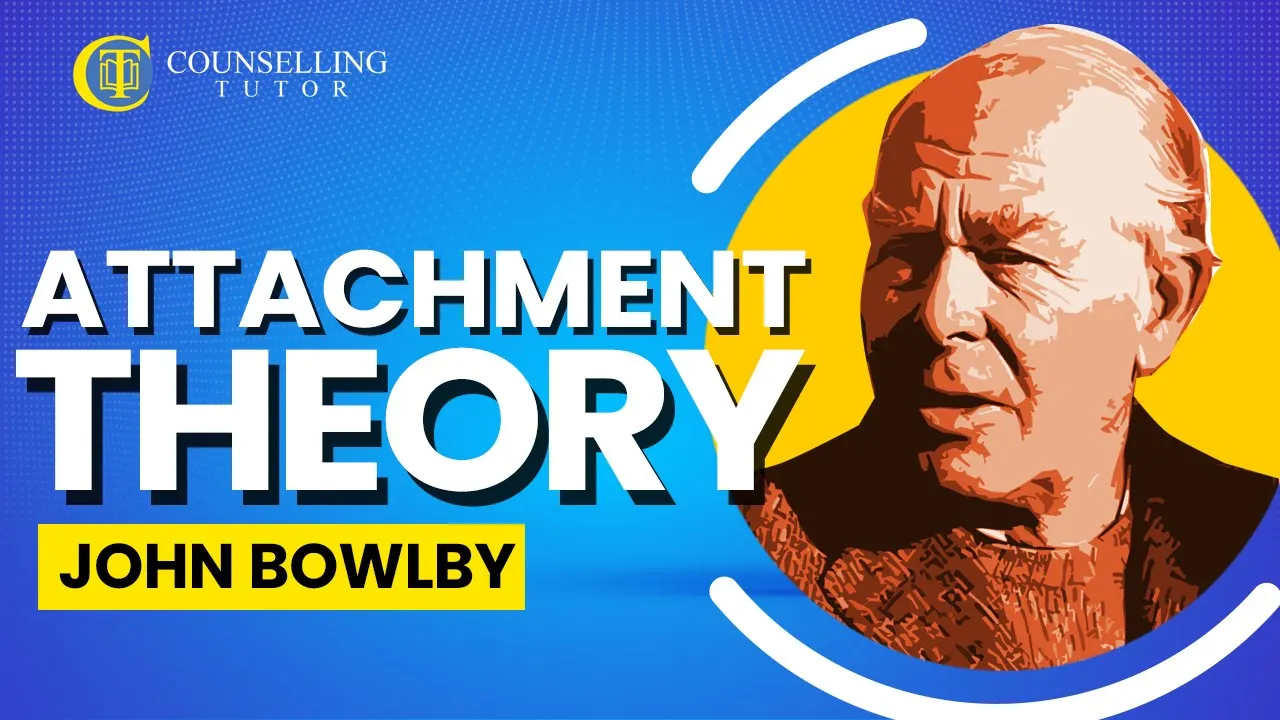
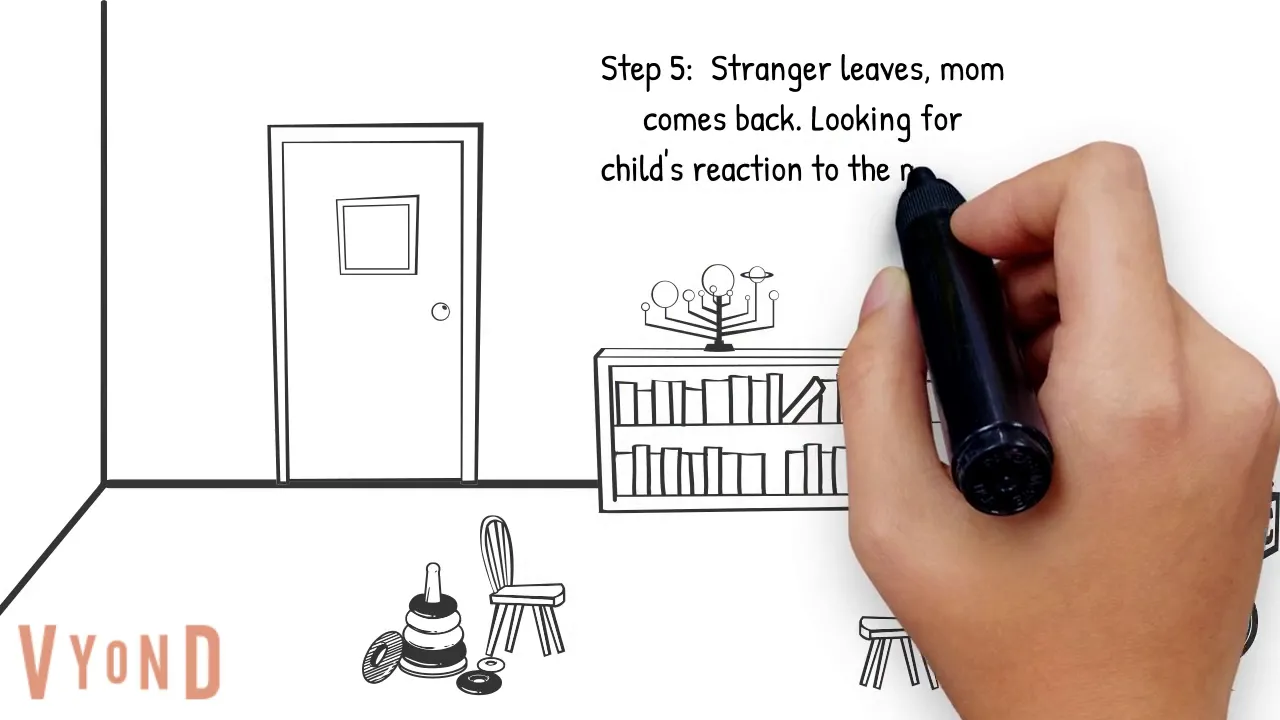
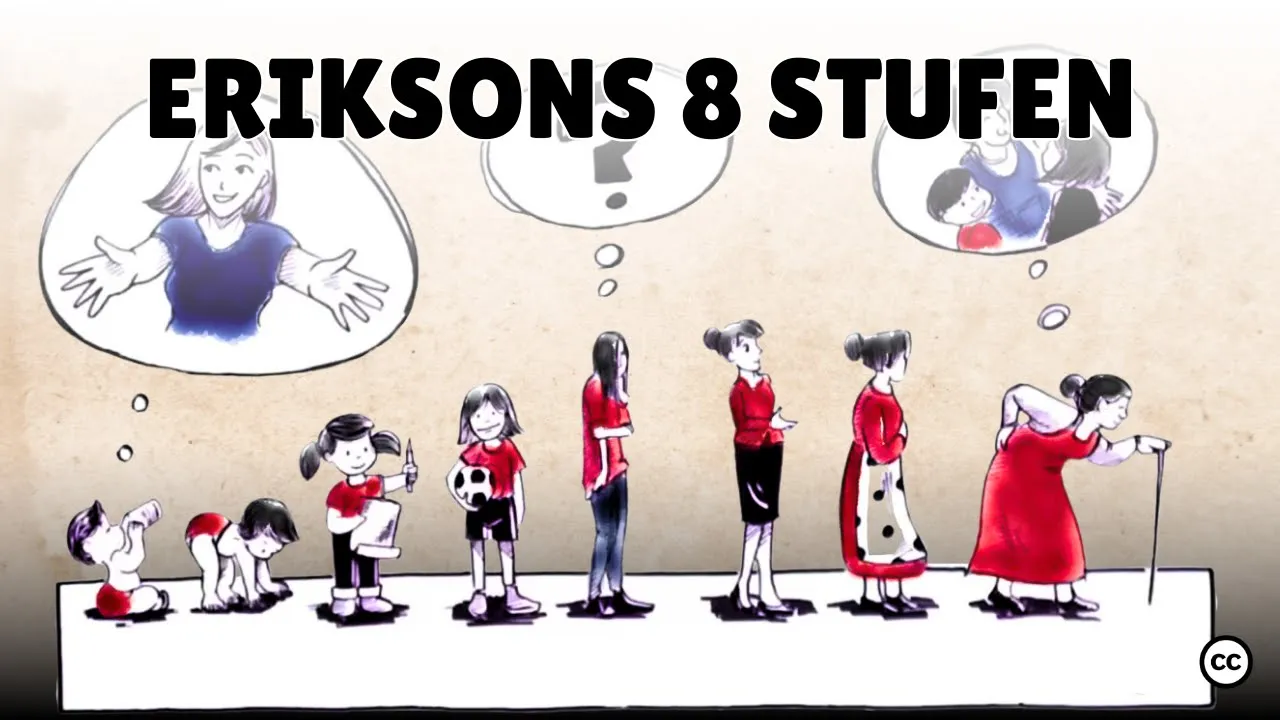
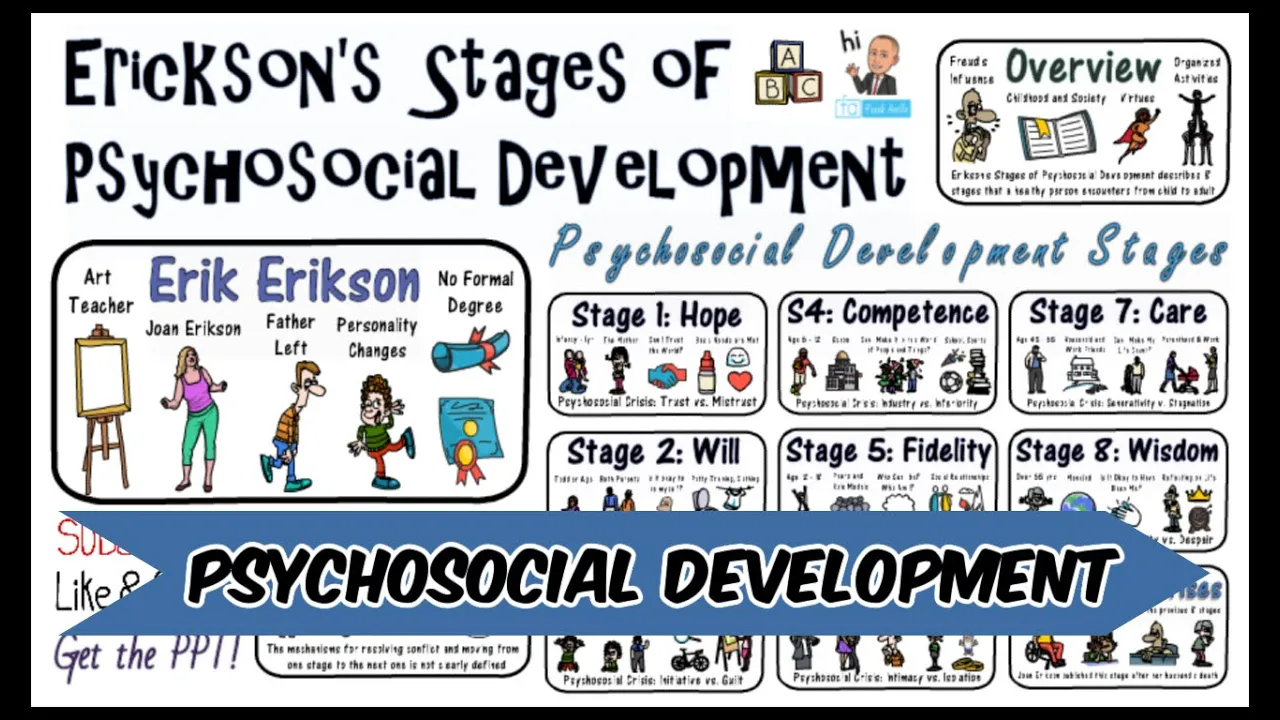
Foundational concepts in developmental psychology, particularly Erik Erikson's stages of psychosocial development and John Bowlby's Attachment Theory.
The 'nature vs. nurture' debate and how environmental factors in early life influence adult personality traits.
The core components of Emotional Intelligence (EQ), including self-awareness, self-regulation, and empathy, and their general relevance to leadership.
The application of Attachment Theory to professional environments, analyzing how secure or insecure childhood attachments manifest in managerial styles.
Trauma-informed leadership principles, specifically how Adverse Childhood Experiences (ACEs) affect professional resilience and workplace stress management.
Cognitive behavioral strategies for executive coaching, focusing on 'unlearning' maladaptive childhood coping mechanisms to improve leadership behaviors.
Designing organizational leadership development curricula that incorporate biographical reflection and deep self-assessment.
437 views1likes1:02:03Original Release: 2026-05-09
Thank you everyone for joining uh this special moment for us uh today both for me and Gai. Uh Gai is my co-author.
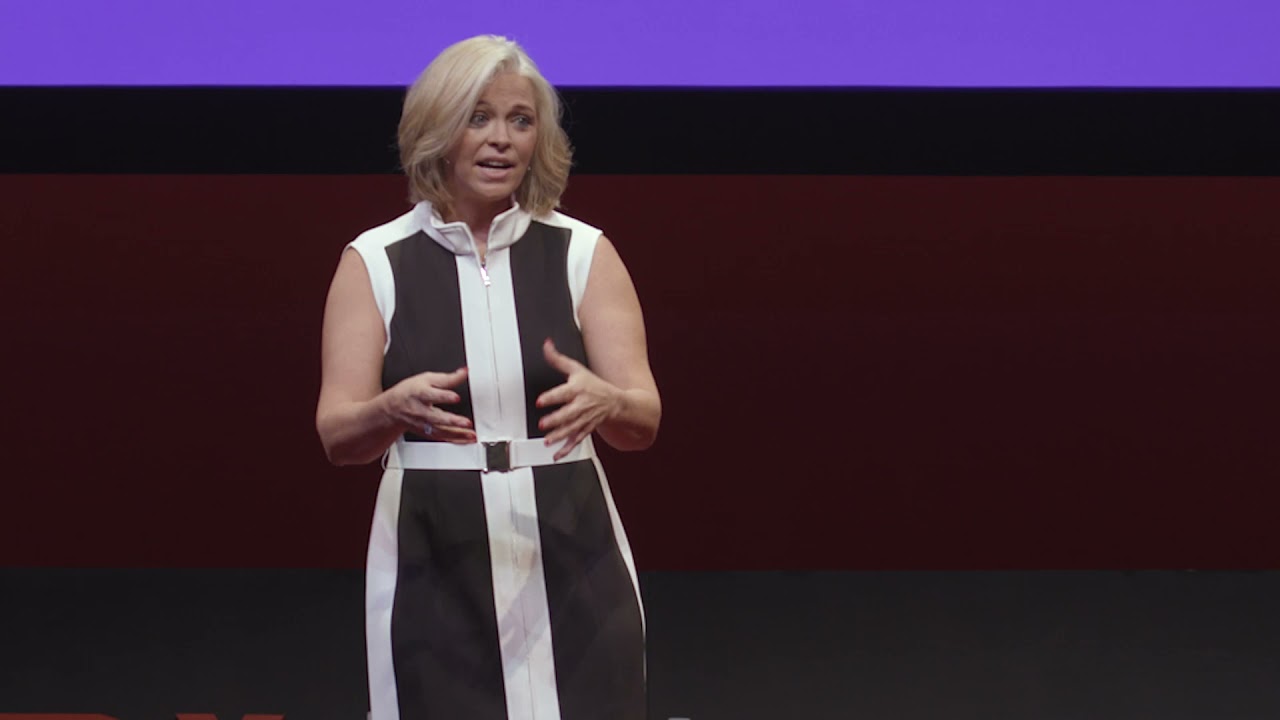
Unfortunately, she couldn't make it to this event due to a medical situation that prevented her from traveling for the next 30 days or so. Uh but nevertheless in in spirit she's there with us here and she's in fact helped put together get all of us into this uh room today for this discussion. Uh so a round of applause for Gai for virtually enabling all this uh and making it possible and uh for for Ha for putting this format and uh uh you know this this gathering here today. Uh so to begin I I think like Ha set the context uh leader was once a child. Uh so this is a topic which kind of uh I started thinking about during my coaching journey itself.
uh so I've been a executive coach now for the last seven years and having coached different people there was one common uh thread which which I I observed uh essentially looking at how the childhood uh is in is impacting their leadership styles and that's where this journey began. Uh so today in the panel we will look at few of these uh questions that we would want to uh delve a bit deeper. uh I think I'll I'll also open it to the audience as well because there are uh seasonal uh HR leaders and uh uh CEOs and uh other leaders also in the panel. So I think it can be more of a dialogue uh that we can we can have together. Uh so to begin with I would request each one of you to introduce about yourself and and the organization.
nice to be amongst people who are talking about such a profound subject. I thought um I deeply believe in the fact that what we become as adults, the way we lead our lives, it has got a huge amount of influence of our childhood, the way we lead our lives. So this topic when Bori reached out to me this kind of resonated very deeply within me and I said it's a great opportunity to go and learn from many other people. Um also use the opportunity to share a bit what I what I know. I run an HR solutions company called CLR. My name is Aditya Vishra. I'm one of the co-founders and managing director of the company.
uh we are a company in India which uh caters to the entire HR value chain uh right from finding talent, developing talent and managing talent. So that's a brief introduction and the context.
Thank you.
>> Thank you Nija. Nija Ganesh some of you do know me and I'm so glad to be part of this panel. I'm sure all of us know each other through various networks and so let me introduce myself by saying that many people call me the networking queen and I think that's something that um I didn't do intentionally it just happened and somebody gave it a name right and I'm so glad Gabi and I have met once before her first the other book launch but then we've been connected only through LinkedIn we've been connected through LinkedIn we've been connected through LinkedIn and now we've been connected first here and then through LinkedIn >> uh Well, in terms of uh introductions, professionally in Bangalore, all of us would have had some technology uh that we've dealt with uh and I've had 25 years of that. Uh my last corporate stint was with Capgeemini. I used to head large delivery initiatives for banking GCC's and then in 2017 I moved out not very intentionally uh but one of the things that I was very intentional about was to help women because in my own growth journey and with mentoring women I realized that there are a lot of mindsets that keep us you know behind and so I did want to do few things around that so I've dabbled with a lot of initiatives a lot of organizations and platforms but I also run my own programs in terms of helping largely women but men are welcome to be part of those initiatives to look at their um in mindsets that inhibit them from actually embracing uh situations and moving forward. So that's the work which I do glad to be here.
>> Thank you.
>> I see you are able to hear us at the back here.
>> Yeah. Otherwise front ventures not that not that front bench ventures always excel but uh you can try. My name is Anuaniari. I had experience for HR at GSK globally. My role is at GSK to help how to make sure that the experience that people have with HR systems and processes gets better. At least my being around helps in some way. Uh and of course to limit negative experiences also. So one part of experience is to elevate positive experiences but other part is to limit or if possible avoid negative experiences.
So that's what I do. But this is more recently. I've been more or less in operational excellence and quality management uh transformation for over 30 years. Um and um I don't know now HR transformation. So that's about it. What >> so actually when I saw your designation like your hairstyle is cool. Your designation was also called GXO. So there was some X factor there. Yeah. So >> hairstyle is while when I have it I can flaunt it. Most people don't have this.
>> They don't have it. Yes.
>> Yes. So, so thank you for that uh introduction. In fact, uh when I started working on this uh this concept, it was important that we bring the HR perspective into it because predominantly my uh career has been in the marketing side of things though the last uh six seven years I've got into the coaching and I think like you rightly mentioned about the gender diversity. I think that that was where uh me and another uh friend of mine we had started a entity called pink ladder which essentially looked at how do we mentor coach women so that they overcome these uh self-limiting beliefs and then we have more women uh on on the top and break the glass ceiling. So that's where the entire journey of coaching began but otherwise it's predominantly been the marketing side of things. So that's where I spoke to GI and I said if I'm going if you're going to be writing a book on HR there needs to be an HR along with it and and and that's where this journey began. So like uh Ha mentioned we also did a lot of uh research uh we we ran online surveys and then spoke to a lot of leaders as well. Uh so as part of that some interesting data points came in. one I think firstly uh while while this topic has been there not many people have brought it to the forefront and spoken about it uh so I think somewhere it's it's there back of the mind but nobody has advocated that so when we went and spoke to a lot of leaders they were able to immediately connect to it and and some of them said we've never thought of it that way this gave us an opportunity to reflect and uh you know figure out some patterns ourselves so that was quite uh interesting when we began the research So one of the data points which showed us and question to Adita uh was that with 58% of leadersh that we surveyed they acknowledged that limiting beliefs actually arranged from their childhood right so how critical is it for organizations to actively help leaders unlearn these patterns >> yeah I think uh it's uh absolutely critical for any organization or a team's success It's important that the person who's directing that team has a has a vision has a picture of where this needs to uh reach in certain time and has got certain amount of clarity in his or her mind about reaching there. So I think I have seen many leaders really hesitate to take to first imagine in their heads that where they want to reach. So that's where the first limitation comes. Many are quite comfortable to just keep uh going through the motions and going the transactions and think incrementally but to take some large risks or take some calculated moves make those strategic choices which can actually alter the fate of the team's uh destination in some time. So those kind of things I think comes partly probably through the childhood experiences.
uh some reflections of seeing others do it as we are we do our lives go through our lives as adults and some I think an organization can facilitate uh those kind of learning experiences uh or the kind of settings where somebody has that liberty to reflect to liberty to share openly without being judged. So it's it's very easy to say and it's probably to a rational mind thinks that yeah this must have been done what's the big deal why can't organizations do it but I think from a as a practitioner or as see as someone who seeing thousands of organizations go through this I can tell you that many people really don't participate very wholeheartedly >> just because the way it is set up, the way always they judged and the way they have grown up in their lives. So I think organizations and their families and the near circle plays a very very important role on people's minds to remove those limitations that you were talking about.
>> Yes. So true. Uh Nija, my next question to you. Uh so despite over 50% of leaders reflecting on their childhood so when we spoke to them some of them said yeah I've been thinking about this uh right um most of them do it in a very informal manner so you do a lot of leadership training as well so putting on that lens how important do you believe is a structured reflection in unlocking their true leadership potential in a better manner?
>> Sure. Um so I think not all of us uh you know have been taught how to reflect. We just go about life right >> unless and until somebody puts you on the seat and said deeply reflect and even then most of us are not able to >> um and coaches kind of hopefully enable that. Many people unless they are at a level of maturity they say why did I pray you so much of time for you to tell me to reflect. I thought you'll give some right.
>> So uh a quick story here. Um recently just I think a couple of days back I was um conducting a program on imposter syndrome and this was for women.
>> Yeah.
>> It was a two-day program and uh the way I conduct any of the programs anything whether it's imposter syndrome negotiation work life integration.
>> My first part of the program is about mindsets because in today's day and age of chat GPT I don't have to teach them tips and tricks. you they can get more than what I can offer >> but despite that why is it that they are not able to implement it. So uh we were going through this um mindset journey and then the next day I introduced a couple of tools. One of them is called as a thought record to say that when an imposter syndrome kicks in what is the first thought that is coming what is the emotion that is coming and is there any evidence of that emotion and that thought M >> and the minute they think through that and there is no evidence then I said now shift too because there is no evidence of that that you're not good enough so then can you move to a positive thought right so we went through this whole thing and still there was this one lady who um said I'm not able to do this and she gave me a situation she said I'm attending your program which I had signed up more than a month ago it's a program that the organization has offered it's an open program anybody can sign up for it.
And I signed up and I'm sure the approval process took it to the skip level manager and it's got approved because it didn't get rejected.
Now there was a change of manager after this happened and she also had to go for a week of unplanned leave. So now she's come back and she's still choosing to attend my program and she feels that she's getting judged.
>> This is a new team that she's moved into the last one month. There's a new manager who's come in and uh she's gone on unpaid leave I mean a little bit of unplanned leave she thinks that I'm being judged why I'm attending this program >> because someone came and asked her a simple question did you choose did you opt to attend this program >> so I said how did you respond to this person she said I didn't respond anything but I have this feeling that I'm being judged that I'm not taking my work seriously I'm choosing to attend this program instead of actually working and then I made her reflect. The first question was are you not meeting your deliverables? She said no I'm meeting my deliverables. I said has has this person who said did you opt say anything about why are you not doing other things? She said no, he didn't say anything about it. A few questions of that which is like uh structured coaching if you may say.
>> And uh then I said well these are your assumptions.
>> Your assumption that he asking you why are you attending or did you opt for this program is an assumption which is coming from something of the past. Yes.
Childhood could be in your college could be in the previous organization, previous team or whatever.
But just this five minute of just asking these questions help her realize that I'm jumping to conclusions and I'm assuming things and maybe if she had not sat through and had this conversation next time she may not even opt to attend a program that right >> so I think that's why the structure reflections and the structured coaching is important >> to help them go back to a point in time to say this happened and hence it's become a habit for me to treat everything else after that So true and I think this is this is also a challenge from an India context when I look at it because we have never been taught right from our school days to kind of reflect and find answers ourselves right then there's a textbook we'll ask for a guide right so even in my coaching engagement like you rightly pointed out when the moment we start we explain set the context saying you will have to find the answers my role here is only to show you the mirror or ask you questions the first thing they say is but I that is not what I want. I want answers on why I'm doing what I'm doing.
I'm not here just to reflect by myself.
Uh so again I think that's that's again a systemic uh challenge but but thanks for sharing that. Uh so Anuman coming to you our study also showed that over 70% of leaders link empathy and emotional intelligence to their early childhood experience. So this uh was also as part of the interviews that we were conducting. So how do you see this playing out in high performance and high pressure environments because now that's kind of becoming a norm right so everywhere and especially with adment of AI which is there you are expected to do things at a much faster pace than what you were doing uh if not they say no I don't need you I'll replace it with an AI uh agent right so how how do you see this playing out >> so I I'm surprised that it is only 71% it should be 99% or so so Maybe if your sample size was bigger, you might have got to 99. See, I firmly believe and of course Na and Nita also said that much of what we are today was wired in our childhood. That doesn't mean that we can't change the wiring. It only means that the wiring was done. Of course the wiring even starts even further if you go into you know more more of course genetic is there then how you the whole 9 months that you are >> growing yes >> what is the environment there then there is this concept of enriched environment and and so you can change wiring but wiring is there >> so to be able to say that you know I am the only issue I have with all of this is that People tend to find it as an excuse and blame their childhood or whatever they didn't have in the childhood for what they are today. You can change what you are today.
>> Of course, what you are today is shaped by what you what your childhood was.
>> Yeah.
>> But that doesn't give us any reason or excuse to not change what we are today.
In fact all of and then if you go deeper into psychology both Khal Jung and Sigman Freud created this impression that you can't change and it needed Alfred Adler to come along and say that you can change and most of modern psychology from Maxwell onwards is focused on you can change which is the whole enriched environment movement that is there. So to answer your question more specifically all characteristics why only empathy >> uh empathy resilience uh in my own case I remember my you know focus or or fascination with being on time or before time comes from childhood you know I saw my father being like that and that became my that's the only way I know so if you call me at 5:15 I'll be there at 5 yeah >> maybe earlier Um and it's not a virtue I am now looking for any appreciation because it is the only way I know >> correct >> there is that 520 doesn't exist for me >> so and that's true for empathy resilience how you deal with people of course you can keep improving >> but definitely it has a very very big part uh the only caution I will repeat is that we shouldn't start believing that it is a limiting factor and you can't now change it. You can change it >> for good and bad >> for both.
>> Yes, >> you can change it but it is a very very dominant factor.
>> In fact, I'm reading this book called behave.
>> Uh so in which he talks about what all factors actually get into how humans behave in a good way or in a bad way. So right from the chemical composition to DNA to you know what experiences that you would have seen happen around you multiple things actually contribute towards that.
>> Absolutely. There is that age-old joke around that are emotions chemistry or is chemistry emotions you know. So is our are our emotions defined by chemistry that we have with all the chemicals playing in or the chemicals are being impacted by the emotions. Right? So >> nicely put nicely. So now we'll go uh you know to to Adita. Uh so we'll we'll probably look at uh a couple of questions from personal reflections uh standpoint as well. Uh so Adita was there any defining moment or phase that you remember from your childhood that shaped your approach towards leadership?
I think there are many uh I will maybe I can write a book someday about this but uh let me just say something very interesting. Uh from my school days I had a you know very interesting teacher uh who I'm very influenced by. He used to tell us many stories from the epics and he used to teach us uh the lesson from there and tell us um many of us used to listen and most of us forgot most of them but one story suddenly comes to our mind. I think he he was talking to us about the story in the Mahabharat >> uh when Draudi the king's court is being disroed.
>> Uh so she raises and uh after a point in time she actually lifts both her hands and says that if there is none of you guys are able to really save me from this embarrassment if there is any anyone who can save me come and save. So uh she raises both her hands and then the an infinite rope comes and wraps her around. So uh then he teaches us the value of surrender.
>> So he says that there are many things in life where you simply cannot control.
So you should surrender to some some higher power. probably there is some energy from somewhere who will come and save you. So that has a very very deep impression on my mind as leader there are many things that uh we simply just can't predict though western management uh principles and okay let me not be uh sort of sounds sexist here or whatever you know biased by western versus system many management principles tell us that you must plan ahead you must have mitigation methods and all of Yet daytoday there are many situations which come which simply can't be controlled or can't be forecast.
So then what you do as a leader many of us the first reaction is to sort of you know react to it. The response is reaction.
>> You call somebody and say that why the hell is this happening? Why couldn't you think about it? Find this. I don't want to see this again or whatever. I mean I'm just describing some sample common responses that leaders give but many times I just ask pause myself and say that okay it was not maybe you were stupid or whatever you didn't plan for it it has happened now you come down surrender first to some event somebody who's directing this event >> it has happened so now you do your best so you calm down and respond. So this is a lesson that I have learned in childhood. I can think of many actually as I was describing many lessons that I have learned from my mother, learned from my friends, learned from my bosses come you know fly past my mind but I'll stop here. Uh the point that I'm trying to make is that if we can pause to make those connections in our mind we can become stronger leaders. That's the point that I've made. Very interesting.
Uh so so Nija you focus a lot from you know the women coaching and women mentoring as well from a leadership standpoint. Uh any early experiences in your life or in your journey both from personal and professional standpoint which made you uh move towards this path and now you're enabling a lot more women to kind of achieve their true potential.
Okay. So um growing up um I was a very meek timid shy girl and not many people believe that especially the ones who met me after that phase of transformation right and the ones who know me from then asked me how did this happen are we the same person >> uh so coming from an extremely conservative south Indian family where uh an only child where you've been taught to listen and agree and not necessarily challenged that's the upbringing and I was okay with it right so I kind of grew up that way um school I didn't have any friends so I did my schooling till the seventh grade in Indor I didn't have any friends uh came back to Bangalore it was a bit smaller classroom in Bangalore although there we used to have 60 70 people so I don't think anybody ever bothered knew the existence of a nerd came here there were smaller groups 23 24 of us again There were always two two clans in classrooms if you remember. One is the the popular ones.
>> I'm sure you're part of that.
>> And then the back ventures. They are the more popular.
>> The popular ones are probably the back ventures.
>> And the other one which uh may not be as popular also not be as you know good scoring in the subject. I mean those days were only academics not necessarily any extracurriculars.
I think I went and sat with that other group which was um you know not the popular gang also because um I was good at math I was good at Hindi and they used to come to me for some guidance.
>> So that was the crowd that I was part of in those days. There was no concept of uh any conversations that are required.
You get a spec, you code, you do your bit of testing, you hand it over, you've done a good job, go home. Right? This was the ninja and uh when you asked me the question did it shape me I think it shaped me from a perspective of when you're so quiet you got to do something when you're not talking what are you doing you're listening you're observing and I think I observed a lot which has helped me build certain mindsets about myself and about others so it's been there that's what has kind of helped me understand people which helps me today.
The second part of it is that that came an opportunity when I was working in AZ where they put me into a team lead role.
>> Those days leadership was not defined.
Whatever we talk about today, it was about you're the most technically qualified take over this role.
>> And that's when I realized that I can't be this meek girl because the team is looking up to me to do certain things. the stakeholders are bombarding us with something which we do not believe in and agree to so I need to kind of challenge need to talk and all that stuff which I did and thankfully the management at that time was open to listening to me >> so if that had not happened I don't know how it had shaped me the management did hear me out and they did take into account some of the suggestions that I was putting forth and it really impacted the team and the organization for the better so that's when the new transformed to speaking and not stopping speaking right so for me when I think about it an opportunity came >> somebody said let's put her in the role and I felt that in the role I got to speak I got to do certain things >> how many people get that opportunity if I had not gotten the opportunity I would have continued as the meetai girl I wouldn't have been here today I presume >> so that's what has made me realize that I need to enable other women especially women because that's the audience that comes to me but there could be others too >> to reflect on what are those mindsets which are keeping them back >> um so and transformations behavioral changes can happen for the good or better I did transform to from being a meek timid shrier to actually challenging and speaking my mind and to becoming an assertive leader >> so that's what has triggered this to say that if I could do I did it only because an opportunity presented. You can't keep waiting for opportunities to present.
>> Let's go create opportunities for ourselves. Can we get rid of this limiting mindset? So that's how it happened.
>> Thank you for sharing that anuman any stories, experiences.
>> Oh like Adita was saying lot of stories and I've heard two brilliant speakers share their stories. So but I'll add one maybe maybe from school time I one of I I don't necessarily identify with this leadership tag I'm more a management guy simple get the work done leader order is of you know white man's burden but if if we succumb to or surrender as said to the concept of leadership as most people know one trait I do have and I've got a lot of credit is that I take chances with people. M >> uh I've done that a lot over the last at least 10 15 years when I've been in slightly senior roles and that actually deep rooted comes from period in class 10 12 around that time when several of my teachers took multiple chances with me you know not just once one I will share I had actually uh left my school in Delhi to join another school I was a you know school level cricket player so I was very keen to join a school where you could get proper cricket coaching and I did well in their entrance exam.
So I got admission. Long story short within one or two days some things happened you know and they said that because you want cricket you should be in commerce not in science and I said nothing doing I applied for science. I did well in the science and exam so I joined. Anyway all that long story short I wanted to come back to my original school. I had already taken transfer certificate TC right.
So and hardly anyone would know me because like Nija said you know I was I was also a fairly introverted quiet kind of a guy but u and this was unheard of you have taken TC from your school how are you going to go back and my 10th score were you know 10% below the score where they were even distributing forms >> so 72 or 75 was the percent for 10 where they were saying that you can apply for science. My 10th score was 62%.
So uh I didn't even qualify as an outsider.
>> Forget insider but I went and the principal called couple of teachers from uh 10th class and they said madam chance I can't forget that moment. So of course now whenever I am in those situations I so sometimes it doesn't work out of course you go wrong but I think nine out of 10 times it works because uh that person at the receiving end is also thinking are we now we have to do it. So I think this is one anecdote which I thought might be very relevant for the book as well because Um while I have changed many things I have tried not to change this aspect.
>> So so we covered from a personal uh anecdotes and personal reflection standpoint. Now if each one of you were to wear your uh roles as organization leads uh right and in your case as a leadership coach itself. Uh so Adita as a as a CEO right now uh when you look at your teams uh can you identify any patterns like probably risk aversion or overenthusiasm or over a drive uh which is there that may actually stem from their earlier life conditioning any any patterns like that that you observe in your team.
>> Yeah. uh as I said um I think it's all uh you know connects with where people have come from what they have been exposed to uh so as a leader my challenge has always been that how do I bring all of them to the same page same platform same beliefs same thoughts for example you started this conversation with challenging the limits >> so let's take that as an example uh people who have come from certain kind of background they are quite okay to uh really for example an industry is growing at 10%.
>> But we want to set a target of 50% growth that we will do. How do we do this?
>> First of all accepting the fact that yeah 50% is possible. So that is to sort of bring together seven eight 10 people to believe that 50% is possible.
So then as a leader you are to bring those stories those examples then somebody saying no no no because that was an exception that was an exception can't be done so you have to bring minds together >> so that is the challenge when we work together and I'm not saying that 100 out of 100 times I succeed probably more times I fail than I will succeed uh but the times that I have seen that I am able to really allow line everybody together the result is fantastic >> and that fantastic result has got such a long impact and a big impact on the organization that it's okay I try 10 things I'm not really scared of not trying I will try 10 things maybe four I will succeed but I want to try and succeed so that also why I behave in this manner probably connects with my past experiences could be childhood could be school college, friends, family, whatever, some influence. So I operate from that.
>> All of us know that it is important to challenge the status quo, right? All of us read this and number of uh influencers tell us that we must if you want to produce extraordinary results, you must do this. Correct? But how many people are able to do this?
>> Uh is number one. Number two, how do you align the people? Because one person is not going to do it. Correct. It's it's a team who is going to do it. Then they're going to cascade it down to their own teams and probably 50 60 100 500 people depending upon the size of the organization have to be behind it. So how do you really mobilize?
So I call this mobilizing. How do you mobilize? I mean not in the political sense of mobilizing crowd but you know how do you mobilize energies? How do you mobilize intent? How do you align people? So I think that's where you know it's a leadership challenge. Correct. Uh so uh it has been very interesting for me to think about it every time that I fail. Very interesting. uh nija from from a coaching standpoint u you know what are some common childhood driven patterns that you've seen uh that typically shows up in leadership uh for from some of the client examples that you may have um again I'll probably take a womencentric example um so for example if I if I were to kind of talk about negotiation >> they would say can you teach my team negotiation skills so that they are able to negot negotiate in the organization for a better pay, better promotion, better roles, whatever. Again, I I say that you can teach those tricks and tips, but I think it should stem from the fact that before you negotiate at the organization level, you should negotiate at home >> because there is a lot that you carry from there to your organization.
>> And when we make the women reflect on do you negotiate at home for certain things, that I want to be here this evening on a Saturday.
>> Some of us are here.
>> What went >> in the back >> at the back at our homes? I don't know if those conversations happen for men.
They don't even ask those questions.
>> But why on a Saturday and I've been out since morning. Somia and I have been out since morning till night. Okay. Today and tomorrow also we have a packed day.
So then there are those conversations, right? Do we negotiate? There are many women who don't show up at these kinds of events or some other places because >> they don't want to do that conversation at home.
>> And what triggers the not wanting to do the conversations are the stereotypes and the guilt. M >> that's that's kind of paramount because growing up you have seen whoever is there in the families uh not doing such things or you being taught that you know you probably don't have to do these things you shouldn't be doing these things simple thing right my own daughter who's 24 now I remember when she was three in some conversation she said but ma women have to be in the despite the fact that I have never been in the kitchen except to eat.
>> But who has she looked at? She's looked at both sets of grandmothers >> who have been in the kitchen and cooked and they raised her. So she believed that women have to be in the kitchen.
>> It has taken a while after that to see that my mother doesn't do it.
>> Once she started going to school, I started dropping her to school and then she started seeing me and today of course she sees me doing all of this and she's on that bandwagon. Um so the guilt and the stereotype that is associated with how the girl was raised >> and what was told to her in terms of her behavior and her action is the reason why she doesn't negotiate at home and most of my attendees said oh I would rather not have that conversation let me deal with it and I'll come to work because I want to work >> but do you not realize when you bring that burden of I call it as you know it's you can't qualify quantify that burden sitting here I'm thinking tomorrow is a wedding that I have to go to did I even buy the gift >> it's an unconscious thing that I'm thinking what my child's child has to go to a birthday party did I organize the gift >> and hence you're not necessarily able to contribute as effectively at work and also automatically you are kind of being thought of as an administrator at home also You probably will take care of everything even if it's not spoken about. Maybe at work also you become an administrator before you being thought about for roles which are more administrative. They say oh for an offsite now will you please choose the menu?
>> Yeah >> will you please choose the location it kind of or will you take the minutes today of course we don't have to that does it. So what I'm saying is these are the things which are influencing um people at home and let me say people men women whoever uh because they saw that they have been told that and it has a large impact in the way they perform in organizations and then maybe they lead their teams.
>> So yeah that's something to really deeply reflect upon. Yeah, but that's that's rightly said and I I think before AI was taking minutes that would be a norm, right? So where you immediately look at any women colleague and you say why don't you take the minutes for that and they also don't say no.
>> Yeah, exactly.
>> Why should I? Why not somebody else work has been mine so let me do it.
>> Yeah. So true. So true.
>> Uh so Anuan when you look at uh success or failure or stress at a workplace, how do you operate in a stressful situation at a workplace?
uh you will need a particular style of operating uh right be you call it leadership or even just operational way of how do you operate in such situations.
Do you trace it back to the kind of environments in which they would have grown up which which kind of mentally prepares them to be better equipped to handle such uh stressful situations or failures in general? Yes. So I often say that as parents our job is to prepare not to protect.
>> Same holds true as managers also. If you're protecting too much either as parent or as a manager you are not preparing people >> then when that opportunity then situation comes they are underprepared or unprepared or illprepared which is even worse >> right they don't know what to do right so I certainly think you have to leave and growing up my father kind of uh uh and my father was always the dominant parent in the family though as I grew up I think my mother realized that she has a role so the influence was more significant once I was a little older >> and I think after I was 20 or so then it's been only her >> so >> but maybe everybody has their own phases of parent so I I'll not go there >> but coming back to your question definitely that has an impact I I definitely see one issue who um and I'm not trying to compete with Nij because her answer was more womencentric my answer is more maleentric not that but there is a um concept called male inexpressiveness >> uh and there was a very popular book in the you know 60s7s which is out of print by the same name where the idea that men are unable to express >> including simple things like saying well done and good job.
>> Uh and this becomes worse of course in corporate environment because they feel that whatever I say do feel might be seen in multiple ways. So better is to keep quiet.
>> Yeah.
>> So and this is all across you know many men are tied down to responsibility of being the primary provider. So that kind of holds them back on everything at work particularly. I I'll keep this conversation to work. So that issue definitely I think for most of us comes from having seen our the men in our family being very inexpressive.
>> Yeah. Yeah.
>> Right. So and I certainly see I have great difficulty taking a compliment.
>> Even today >> somebody says something nice about me, I am absolutely embarrassed. Of course over the last few years I have been more conscious and because I'm more in public now I think over practice I know I have improved a little bit but even now the first reaction is you're somehow kind of you know leave this conversation >> so those and that happens at work as well I can't openly compliment somebody very easily >> I just don't believe in this brown bag lunches and you know off-site meetings and all completely uh total rubbish waste of time, waste of money, everything and all that comes from that inexpressiveness that I carry with me.
Everything you see me as today is a show, >> right?
>> Once this is over, I am quietly sulking in some corner.
So, so but it's tough uh because you are trying to get over your inexpressiveness uh which is a gift from your childhood um gift or curse you decide but uh it is what it is and I see that in a lot of people >> that you can't just walk away from the the the chains that you are in >> it takes a long long time I think I started making shift only I'm 53 now around maybe 5 10 years ago maybe so >> it is still tough >> yes >> very tough >> so one pattern that I've also seen in few of the clients is where uh the parent would never appreciate if you have done something well >> because there >> I'm still waiting for my brother to say good job >> yeah yeah because there the >> different hopefully >> because there the pattern was if if I praise my child then they'll become overconfident and it will get into their mind and they will not perform. Hence privately I will appreciate but I will not directly tell the individual to do that >> right uh so closing common question to uh all of you so if >> audience >> audience after that I'll open it to audience before we do that and audience both from contributing their experiences or perspectives visav any questions also which are there >> uh so if if leadership does have influence uh you know all these experiences that we spoke about from a childhood standpoint, what is that one thing that leaders should start doing today to better understand uh themselves and possibly reframe their leadership story?
So, one one uh thought from each I think uh to be more calm, take a pause, learn to reflect, >> learn to reflect. Okay?
And I'll just continue saying if if we are not able to reflect ourselves please find a coach rightly said >> but um in my own journey right uh some of them may have heard I've been a very meticulous person I have to really plan and plan to the nth uh level of detail and even after that I'm not sure whether I'll go ahead and you know do it that's the kind of a person I've been and that's the kind of a leader I've been who has to be in control who has to know everything about everything >> and then move ahead >> and the realization that that doesn't necessarily help especially in the last few years right because >> then you're only planning and you're waiting >> to really figure out whether this will work or not >> uh I have changed from that to today saying let me announce and move ahead so we're going to do this how we going to do this we'll figure it out later >> because rest of the team is there to support you right you don't have to know every answer and you don't have to be skilled with everything. You've kind of, you know, built a team that's going to help you through this, right? I think in our days, leaders were supposed to know everything and even if you didn't know, you to kind of, you know, keep a straight face. Even if you're going through all the bad days, you're supposed to keep a straight face and, you know, not let the rest of the team and the organization know. I think that's changed >> and um I have changed from that and I that change came because I've worked with a coach to say that unless you try, you don't know. So what I do today um in terms of announcing a program and then hoping that the seats will get filled and it gets spent right because then in some ways surrender in some ways universe in some ways you can have network and brands established to go and do that. So my leadership style has changed over the years >> uh what was hugely impacted because of the way I I grew up >> um to what the rest of the world needs today.
M >> so I think one needs to be perceptive about that and be able to change and enable the others to change and help yourselves through someone else if you're not able to know do this reflections yourselves I think that's important >> okay pretty much similar I would say that you know the awareness that um everybody has a story everybody's going through something uh so just be kind uh be and and See the great joy of working in a slightly corporate environment is that there are people who can take up what is not done by one person.
>> Yeah.
>> So the the sun will still rise. You can still get things done. So I think it's a lot easier in a corporate environment than in an entrepreneurship environment uh in general. Unless your entrepreneurship journey becomes very big and then it becomes a corporate in itself right so that is separate but uh >> for larger organization it's a little easier um and we should take it as a blessing and be kinder to people in general because also a lot of people have been kind to us for us to be here so if nothing it is just you know returning the favor >> correct correct >> so that's how I see it and I hope many other people see that >> thank you uh I'll just open it up to the audience to share some perspective or if you have any questions for the pandas.
>> Um I want to give you a long story but our car was surrounded by a bunch of rowies and they tried to take our heat away stories that the robbies were actually lawyers and so on. Um and my husband did what was needful just he jumped out of the car and was like what was wrong with you all and blah blah. Um and normally I would have stayed in the car which is what you know I've been brought up to do that husband was fighting by but I actually got out of the car and joined this thing and when I came back I realized this is the first time in my life I've actually done that because all this is being roll up your windows don't step out don't do anything and you're right that you know how you're brought up is reflecting subconsciously so many situations.
Um so my question is is there some kind of an audit that you can do to understand what are these hidden biases that you have like I never thought this would be my standard reaction that generally I would avoid conflict because the corporate world is nice and safe I would be very eager to have conflict. So is there some method in which you can figure out all these hidden biases?
Um so I truly believe that our mindsets and the mindset can then triggers the way we behave right and what we how we act the mindsets are an outcome of our past experiences.
So if we have to shift our mindsets we have to have different experiences.
Um and one of the things that I I get my class to do, my group to do when we are talking about mindsets is um think about um a time when you were in college, maybe you in your younger days um when you were told that there's a new opportunity coming your way.
What was your thought? What was your action?
Think about a time when you were just new in your organization the first couple of years and you were told a new uh opportunity is coming. What was your thought? What was your action? And now reflect on the last 6 months hoping that you know this crowd is a little more senior. Last 6 months been the same thing. A new opportunity is coming. How did what did you think and how did you act? I get them to do that and largely there has been a change. Either they were too meek timid shai in college and now they're kind of saying gango I will go all out or they were so excited in college but now they are like I'm going to wait and watch largely that's been the change that has been a change in these three it's not been the same which makes them reflect as to what caused that change when did it change we don't we don't deeply think about it right this exercise makes them think of that particular situation or a set of situations, people, experiences which made them decide to quieten down or to get excited.
And then I say that if you want a different outcome today because you are here because you're wanting a different outcome then you have to try it again.
Whether you meet with the same experience or not only when you try you will realize. So maybe that's something somebody people can do to reflect. When did I change? Why is it that I've never done that? Should I do it? Because I want to have a different experience. I have to kind of try. And once you have a different experience, the mindset totally shifts. Like I said, I was a me, timid, shy girl. I spoke up and the management heard me. Then I realized that it is good for me to speak up. So that good experience has helped me become who I am. If the management had not heard me, I don't know what would have happened. But you know, possibly.
So largely mindsets shift only when you have a different experience. So can we try and enable different experiences for ourselves? really good and all right and I'm just thinking okay I mean the question is what shapes you guys right so I think there are at least seven E is basically your education and experience what you have other than that is your experience exposure environment ecosystem and your energy if you can really harness on this that's when your leadership shakes up the soal all the sevens is what you That's when you have a right coach or mentor for that matter.
If you get right in first place, leadership always sell and as you rightly said in this only three things happen, you don't teach, you don't train, you only make people think and the whole education system should be awareness, reflection, reflection and reflection and action. We can just align these things.
Thank you.
So uh do one thing in that direction the rest will follow. And most of my LinkedIn writing is around the concept of brick by brick. So you put one break then you put another break then you put another break and one day the wall is visible to all.
What happens to us is because in the Instagram age we are looking for you know overnight weight loss, overnight quitting smoking, overnight all of these things.
because that in one minute you see both the before and after. So mind registers that mind doesn't register that that what before and after might have taken six months maybe more right and obviously we live in that era so I can't blame that era I'm just explaining that you know the only way is to take that first step uh over planning overinking uh will not help like nija earlier said in her own example of course some level of thinking and planning is required because otherwise you will take a wrong So thinking is required to know what is right. Planning is required to know how you will take the first step. Then you take the first step. You don't plan for 10th step. So I'll give a small anecdote.
about 6 months back maybe less than that I was in a similar room slightly larger where Vishnu Anand was the cheapest and we were sitting quite close to each other and I had asked him a question and uh the question was in response to the common belief that chess players particularly that level of chess players are thinking 30 moves ahead. He said yes of course we can think five to 10 moves. Of course some good ones in some situations can think a little bit more but 10 is more than enough. If you are at playing at that level 10 then is more than enough. So even the most celebrated chess player of the day today and chess is a game of thinking ahead.
Even they are thinking 10 moves. So why are we thinking 20 moves ahead? So, >> so one question that comes to my mind is uh we talk about unlearning right and in my experience I think that is the most difficult thing to do. So what in your experience have you seen helps in doing that because uh from my experience what I've seen is especially the single and all I mean they know that something needs to be undone but then it is very difficult to let them give it out and then so what what helps in what what and question was your If I can add small point, I think in my opinion unlearning is overrated.
Uh we just have to learn. If it is muscle memory, it is hard to forget muscle memory. But uh if we consciously try to embrace a new way of doing things that previous memory just goes down down down below. Personally I can relate with one thing when I learned driving car uh you know so that time the person told me that you take off your shoes and uh drive you know it is easier because I was struggling with it in my younger days I didn't learn how to ride a motorbike with gears I had ungeeared vehicle but not geared vehicle so I was struggling but uh I found it so difficult ult one day I decided that something I have to do about it. What will happen? I will do do an accident.
So let let me try. So after that day I have been doing it with shoes on. No problem.
Okay. So I think this unlearning is more a management jargon. Sorry the coaches.
In my opinion it is overrated. Just learning is required. Thank you. What has happened is first thing when we do unlearning what is only three things start stop and because stopping things is where we don't really reflect and mostly we don't see as you when you start something on the as you first decide what you want to start don't take too many things one two three and also together actually what you want to stop and that's why managers act as coaches your performance appraiser we don't say about appraisal we say performance coaching and when we say that you tell us what you want to stop because stopping also requires lot of conscious effort and that is really help from my very so my leadership style was always helping people taking care and uh on my own I talking about how powerful exploration from your childhood experience I found cosmic cricket then they were surprised now when I share with people how to think of the cosmic cricket club those I'm talking 1950s and that was a very well known company called and in organization I was always known as people support team builder and I was always important so that I share how my foundation help I used to start my meetings with the prayer which help people to focus on what is important. Thank you.
>> Thank you so much for those powerful insights. So, every leader carries a story that began long before their first leadership role.
Up Next

107:29
Managing Emotions: The 90-Second Technique for Emotional Mastery
@lewishowes
132.7K views•2022-10-31

12:54
Triumph of Orthodoxy Icon: Byzantine Art & History Explained
@BenCallan
2.1K views•2024-08-06

9:49
FastAPI vs Flask vs Django: Choosing the Right Python Web Framework
@TechWithTim
302.5K views•2024-05-26

1:42
Game of Thrones Opening Credits: A Cinematic Analysis
@gameofthrones
46.3M views•2011-04-18
Related Study Plans & Knowledge Roadmaps
Structured learning paths in General & Interdisciplinary Studies
general-studies
Elevator Engineering: History, Physics & Cities
01From Hoists to Safety Brakes: The Dawn of Vertical Lift
02Hydraulic vs. Traction: The Engineering Physics of Elevators
03Modern Speed, Safety, and Algorithms
+ 2 more learning modules
12h5 modules
Explore Roadmap
general-studies
Rubber: Material Science, History & Geopolitics
01Origins of Natural Rubber & Mesoamerican History
02The Chemistry of Natural Rubber & Vulcanization
03The Geopolitics of the Rubber Boom & Colonization
+ 2 more learning modules
12h5 modules
Explore Roadmap
general-studies
Containerization: Evolution, Logistics & Trade
01Ancient Trade & Bulk Cargo: Amphorae to Barrels
02The Industrial Revolution & Cardboard Packaging
03The Containerization Revolution: Malcom McLean
+ 2 more learning modules
12h5 modules
Explore Roadmap
general-studies
Textile Tech: Evolution, Labor & Global Impact
01Pre-Industrial Textiles: Handloom & Cottage Industry
02Mechanization: The Spinning Jenny to the Power Loom
03The Factory System & Global Labor Transformation
+ 2 more learning modules
10h5 modules
Explore Roadmap