













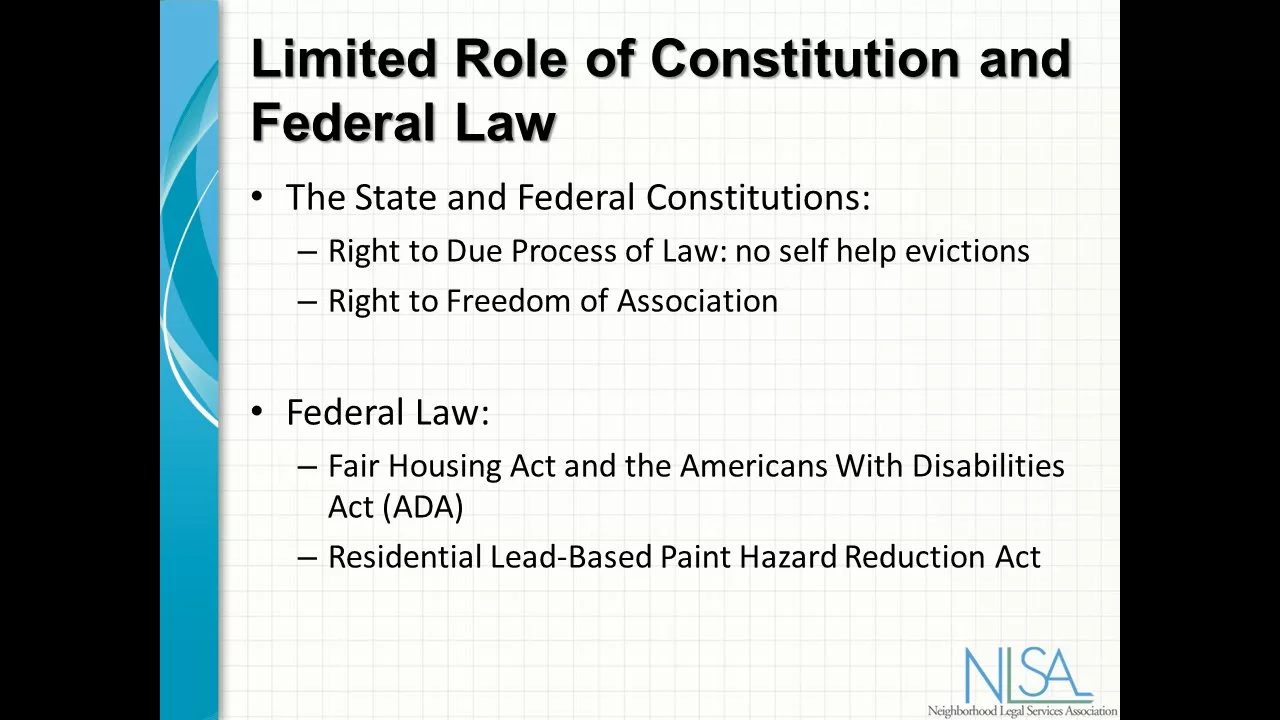


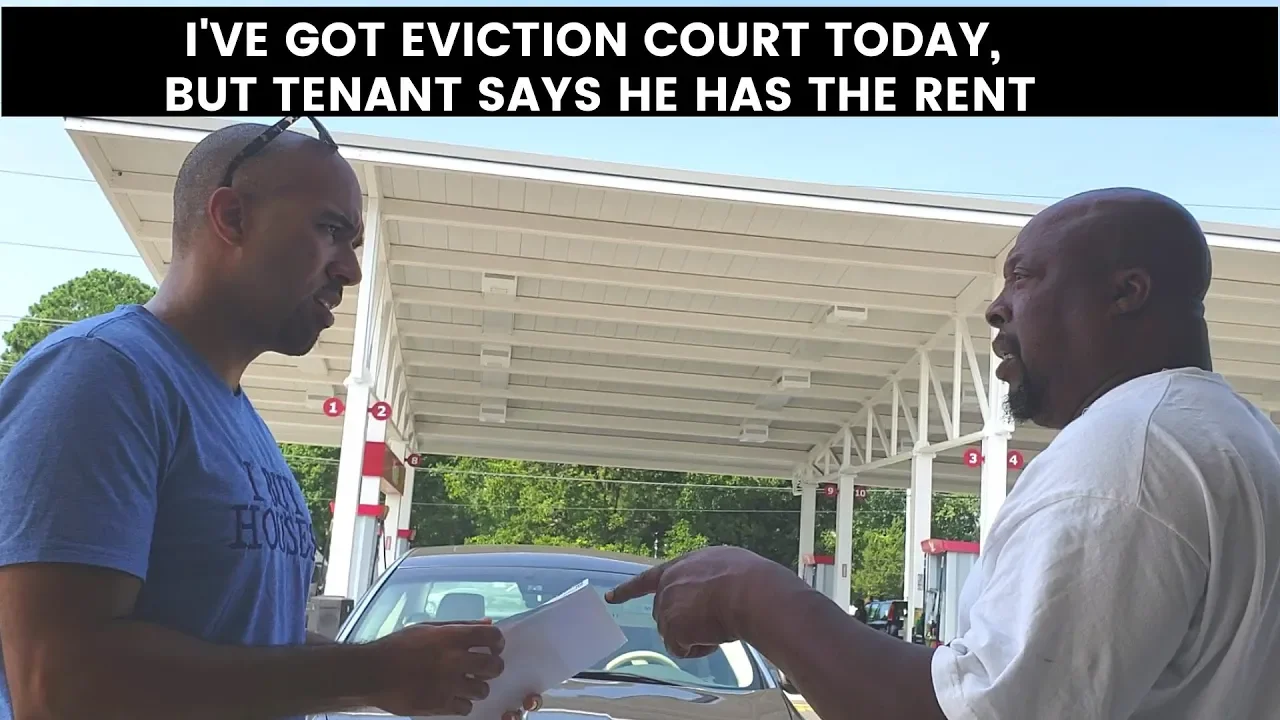














In landlord-tenant disputes, tenants are legally obligated to pay full rent by the due date and vacate the property by the agreed-upon move-out date; failure to do so results in liability for unpaid rent and potential security deposit deductions for damages beyond normal wear and tear, such as debris removal costs.
Landlord-Tenant Dispute Over Unpaid Rent and Property Damage
Added:Basic Contract Law: Understanding the core elements of a legally binding lease agreement, including offer, acceptance, and consideration.
Landlord-Tenant Fundamentals: The basic rights and responsibilities of both parties, such as the tenant's duty to pay timely rent and the landlord's duty to provide a habitable living space.
The Role of Small Claims Court: How minor civil disputes are adjudicated, including the burden of proof and the necessity of presenting physical evidence.
Security Deposit Regulations: The legal purpose of a security deposit and the standard conditions under which a landlord is permitted to withhold it.
Eviction Proceedings and Unlawful Detainer: The formal legal processes landlords must strictly follow to lawfully remove a tenant and recover possession of the property.
Distinguishing 'Normal Wear and Tear' vs. Property Damage: Analyzing legal standards and case law used to differentiate between expected wear and actionable damage.
The Doctrine of Mitigation of Damages: How courts evaluate whether a landlord took reasonable steps to minimize financial losses after a tenant vacated early or breached the lease.
Jurisdictional Variations in Housing Laws: Exploring how local state statutes and municipal ordinances can alter the outcomes of landlord-tenant disputes.
228.5K views2.2Klikes3:46Original Release: 2024-12-17
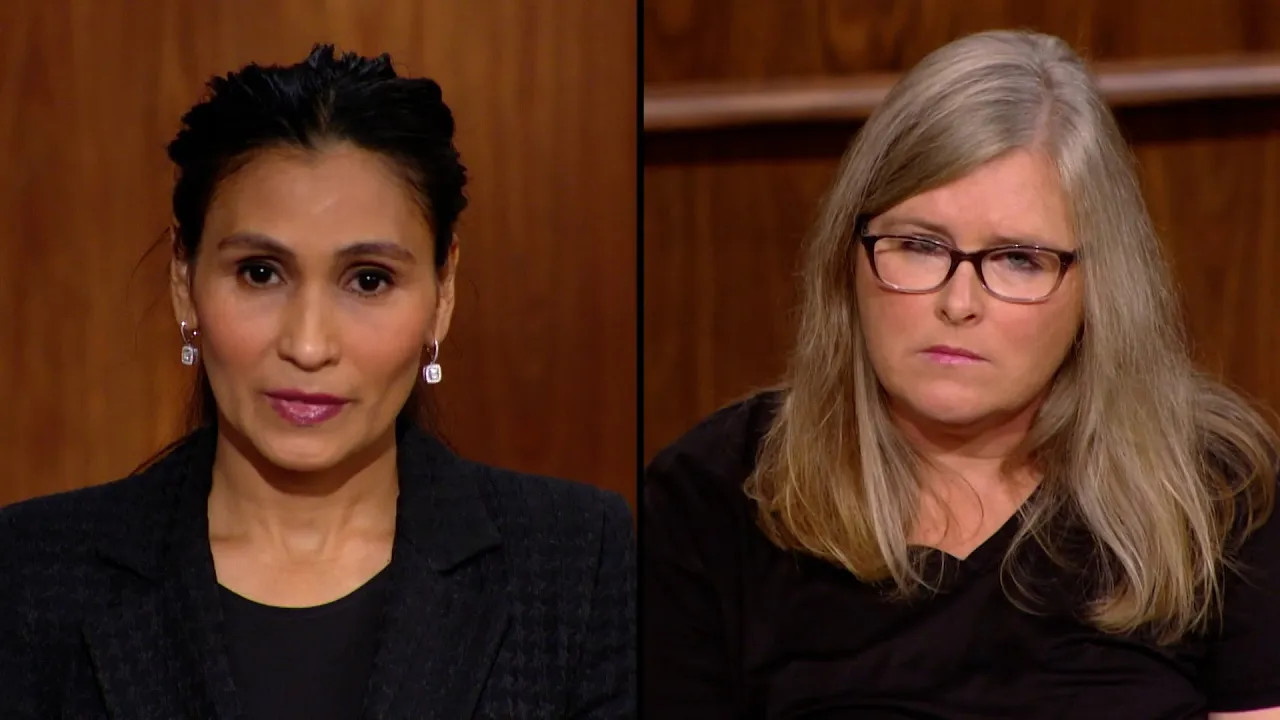
Dale Moore says his former tenants, Jerry and Britany Clark, moved out owing for rent and damages to his home.
>> Judge Judy: Now, so, you stop paying rent.
>> No, we continued paying rent.
In February -- >> Judge Judy: How much are you paying rent now?
>> $400 a month.
>> Judge Judy: So you're paying less rent.
>> Yes, ma'am.
>> Judge Judy: When had Mr. Moore asked you to leave?
>> On March 28th.
He was asking us when the final day we would be out, and -- >> Judge Judy: When did he first ask you to move?
>> March 28th.
>> Judge Judy: Is that correct?
>> No.
>> Judge Judy: When did you first ask the Clarks to move?
>> I never did ask them to move.
>> Judge Judy: When were you notified that they were moving?
>> February 14th, she sent a text message to give her notice.
>> Judge Judy: May I see it?
>> Yes.
>> Judge Judy: Well, this is very, very simple and straightforward.
On February 9th, you wrote to him, "Hey, just wanted to give you --" By the way, on what date was your rent due?
>> On -- It's not past due until the 8th.
So it's due on the 1st.
>> Judge Judy: So it's due on the 1st... >> Yes, ma'am.
>> Judge Judy:...and past due on the 8th.
>> Yes, ma'am.
So, on February 9th, which is one day past the last day you were allowed to pay rent -- "I just wanted to give you notice we will be moved out by the end of March.
Rent will be paid for February and March."
>> Yes, ma'am.
>> Judge Judy: "Is there anything else we need to do to get back our deposit?
I know we need to paint, take down the ramp, clean out our stuff.
Is there anything else we need?"
"Okay," he said, "thanks."
"Just text when you're out for inspection and return key."
So, you weren't out by the end of March.
Clearly, you weren't out by the end of March.
>> Excuse me. All of our -- >> Judge Judy: You weren't out until April 8th.
You didn't pay February's rent because -- >> I did pay February's rent, and we were told -- >> Judge Judy: Just a second.
You didn't pay February's rent by the last day that you were able to pay it, by February 8th, because you wrote him on February 9th and said, "I will be paying February and March's rent, and I know we have to paint."
That's not a deal, to paint instead of rent.
"I know we have to paint, take down the ramp," which I assume was for your grandparents.
>> Yes.
>> Judge Judy: "Is there anything else?"
He said, "No.
Just let me know when you're ready to move out for an inspection and return of the key."
>> Yes, and when we... >> Judge Judy: Okay.
So, you owe him for three months rent.
That's $1,500.
>> Judge Judy: Now, can I see pictures -- may I see pictures, please, of the damage that you're complaining about?
>> Yeah.
>> Your Honor?
>> The damage is -- And the claim for the damage is just a non-refundable of the deposit they have on file.
It's because they left debris and trash all in the yard and I had to pay to get it removed.
>> Judge Judy: Oh, okay. Fine.
>> And -- >> Judge Judy: Sir, listen.
>> I'm sorry.
I was looking for the -- >> Judge Judy: Sir, just one second.
>> Okay.
>> Judge Judy: If that's what it's for, the part of the deposit, did you return their deposit?
>> No.
>> Judge Judy: How much was their deposit?
>> $595.
>> Judge Judy: And how much did you have to pay to have their trash removed?
>> It was over $595, but I think it's fair because I did some improvements to the house afterwards that's beyond wear and tear of normal rent.
>> Judge Judy: Okay.
>> So I'm just gonna accept $595.
It was into thousands 'cause I did some improvements to the house.
But I have pictures of -- >> Judge Judy: Well, I don't have -- I don't have a counterclaim for security deposit, which you kept.
>> I understand. That's correct.
>> Judge Judy: So, they owe you, actually -- It's $595.
They owe you $1,785 for three months rent.
Thank you very much.
Judgment for the plaintiff.
>> Byrd: Parties are excused.
You may step out.
>> Announcer: "Judge Judy"
Up Next

16:21
Water Activity in Food Science: Preservation, Moisture, and Shelf Life
@Foodkida
8.3K views•2023-04-30

26:22
Walking in the City: Urban Rituals and the Flâneur in Contemporary India
@PSBTIndia
1.9K views•2016-08-02

9:49
FastAPI vs Flask vs Django: Choosing the Right Python Web Framework
@TechWithTim
302.5K views•2024-05-26

1:42
Game of Thrones Opening Credits: A Cinematic Analysis
@gameofthrones
46.3M views•2011-04-18
Related Study Plans & Knowledge Roadmaps
Structured learning paths in General & Interdisciplinary Studies
general-studies
Artificial Light: History, Tech & Human Impact
01The Pre-Electric Era: Fire, Oil, and Gas Lighting
02The Incandescent Revolution and Grid Electrification
03Gas Discharge and Fluorescent Illumination
+ 3 more learning modules
14h6 modules
Explore Roadmap
general-studies
Elevator Engineering: History, Physics & Cities
01From Hoists to Safety Brakes: The Dawn of Vertical Lift
02Hydraulic vs. Traction: The Engineering Physics of Elevators
03Modern Speed, Safety, and Algorithms
+ 2 more learning modules
12h5 modules
Explore Roadmap
general-studies
Rubber: Material Science, History & Geopolitics
01Origins of Natural Rubber & Mesoamerican History
02The Chemistry of Natural Rubber & Vulcanization
03The Geopolitics of the Rubber Boom & Colonization
+ 2 more learning modules
12h5 modules
Explore Roadmap
general-studies
Containerization: Evolution, Logistics & Trade
01Ancient Trade & Bulk Cargo: Amphorae to Barrels
02The Industrial Revolution & Cardboard Packaging
03The Containerization Revolution: Malcom McLean
+ 2 more learning modules
12h5 modules
Explore Roadmap