



![[이춘근의 국제정치 367회] 트럼프의 골든 돔(Golden Dome)에 의해 폭망한 중국몽과 북한핵](https://i.ytimg.com/vi/XggXvxBuzcM/maxresdefault.jpg)
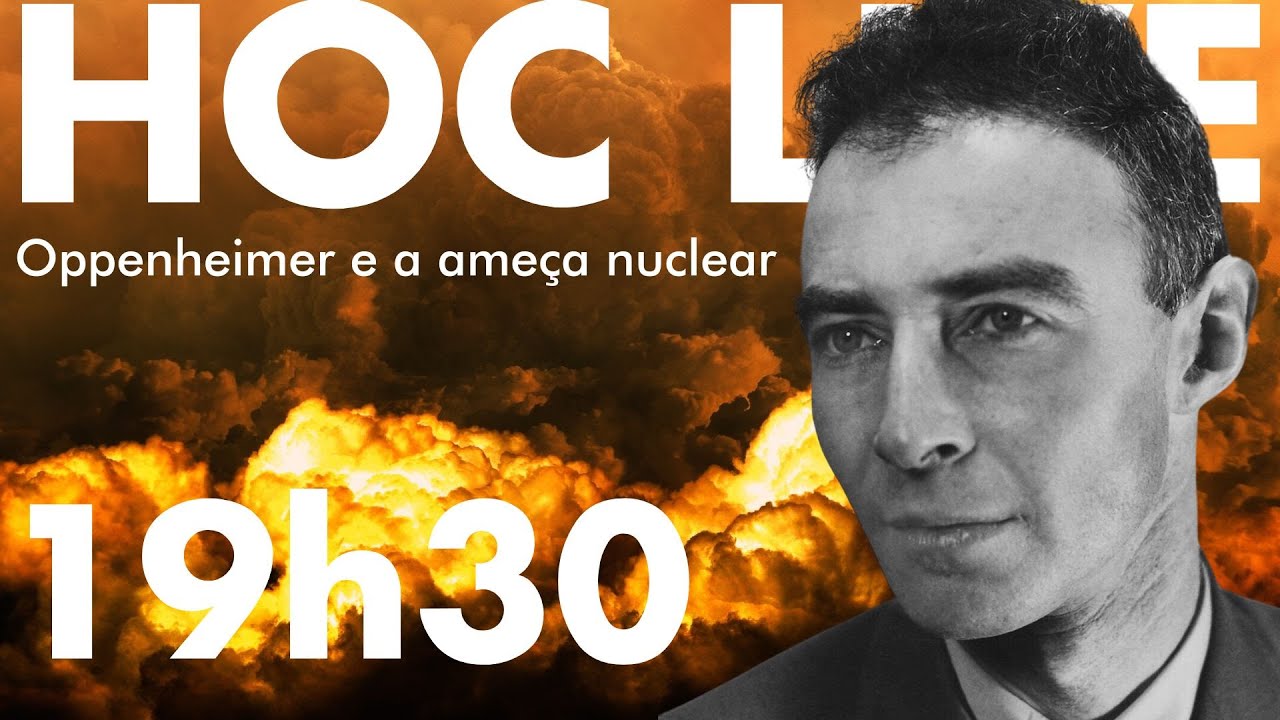




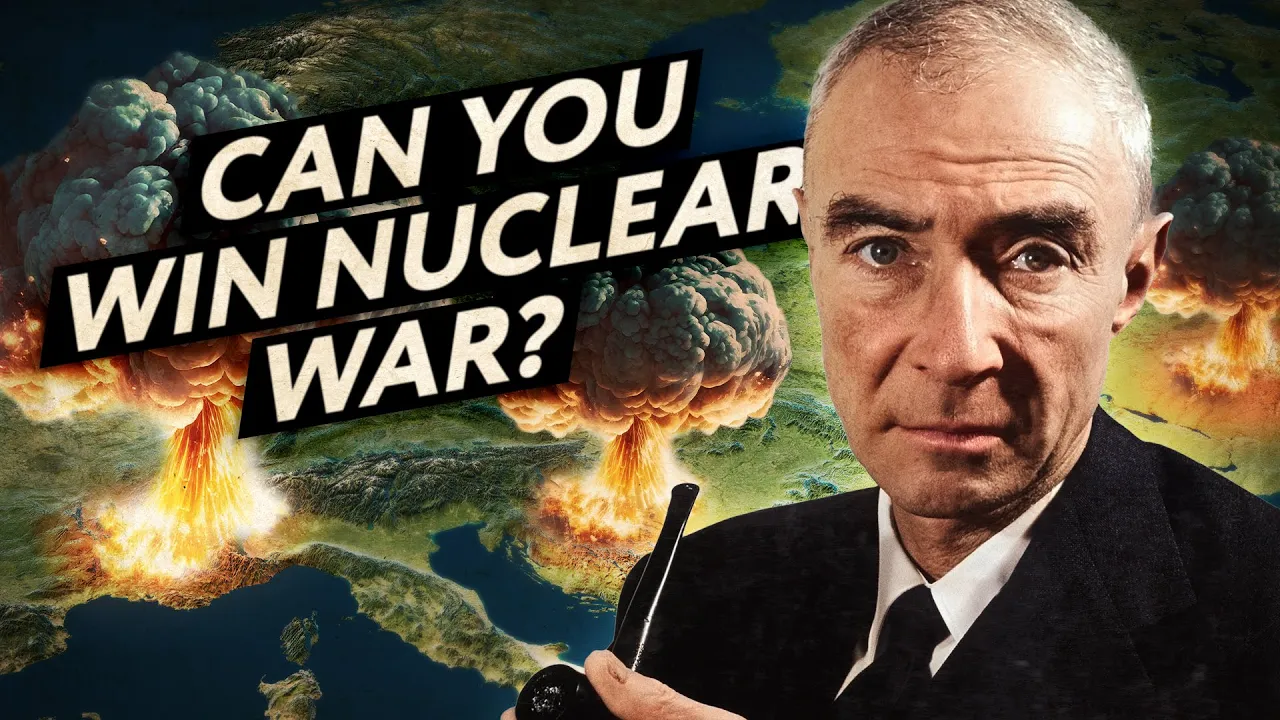






Nuclear warfare strategy fundamentally divides between military approaches emphasizing rapid, decisive strikes to achieve quick victory through overwhelming force, and civilian approaches (as articulated by Nobel laureate Thomas Schelling) emphasizing slow, limited exchanges that use nuclear weapons as bargaining tools rather than weapons of total destruction, focusing on maintaining opponent viability for continued negotiation while avoiding mutual annihilation.
Nuclear Strategy Lecture 11: Nuclear Doctrine Part 1 | Nuclear Theory and Cold War
Added:Fundamental concepts of Game Theory, particularly strategic decision-making, rational actor models, and payoff matrices.
A basic historical understanding of the Cold War, including the geopolitical rivalry and bipolar power structure between the United States and the Soviet Union.
The core theory of Nuclear Deterrence, including the concepts of Mutually Assured Destruction (MAD) and first-strike capability.
The concept of the 'Nuclear Revolution' and how the unprecedented destructive power of nuclear weapons fundamentally altered state statecraft.
Advanced nuclear operational doctrines, such as Flexible Response, Counterforce vs. Countervalue targeting, and the development of Second-Strike capabilities.
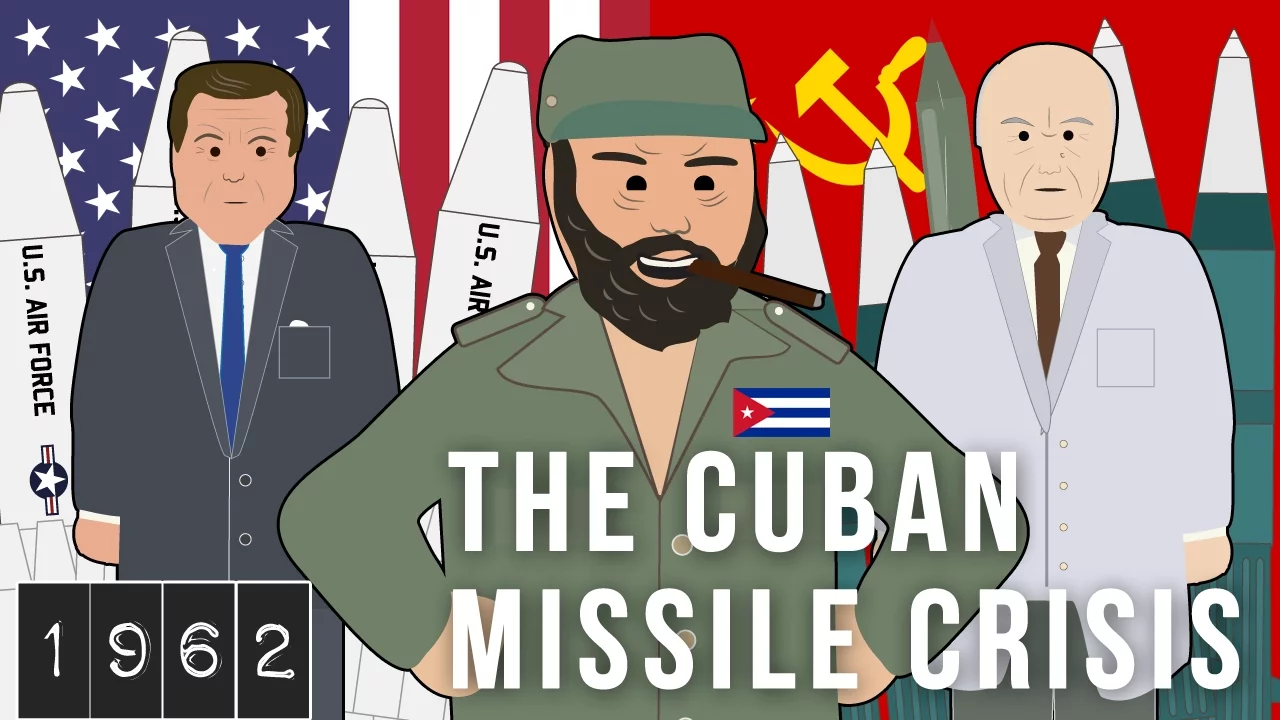
Practical historical case studies of brinkmanship and bargaining theory in action, such as the Cuban Missile Crisis or the 1961 Berlin Crisis.
The evolution of bilateral arms control treaties (e.g., SALT, START, ABM Treaty) as institutional frameworks to manage nuclear risks and stability.
Modern multipolar nuclear dynamics, exploring how Cold War-era strategic theories apply to current powers like China, North Korea, India, and Pakistan.
1.9K views34likes20:25Original Release: 2021-09-19
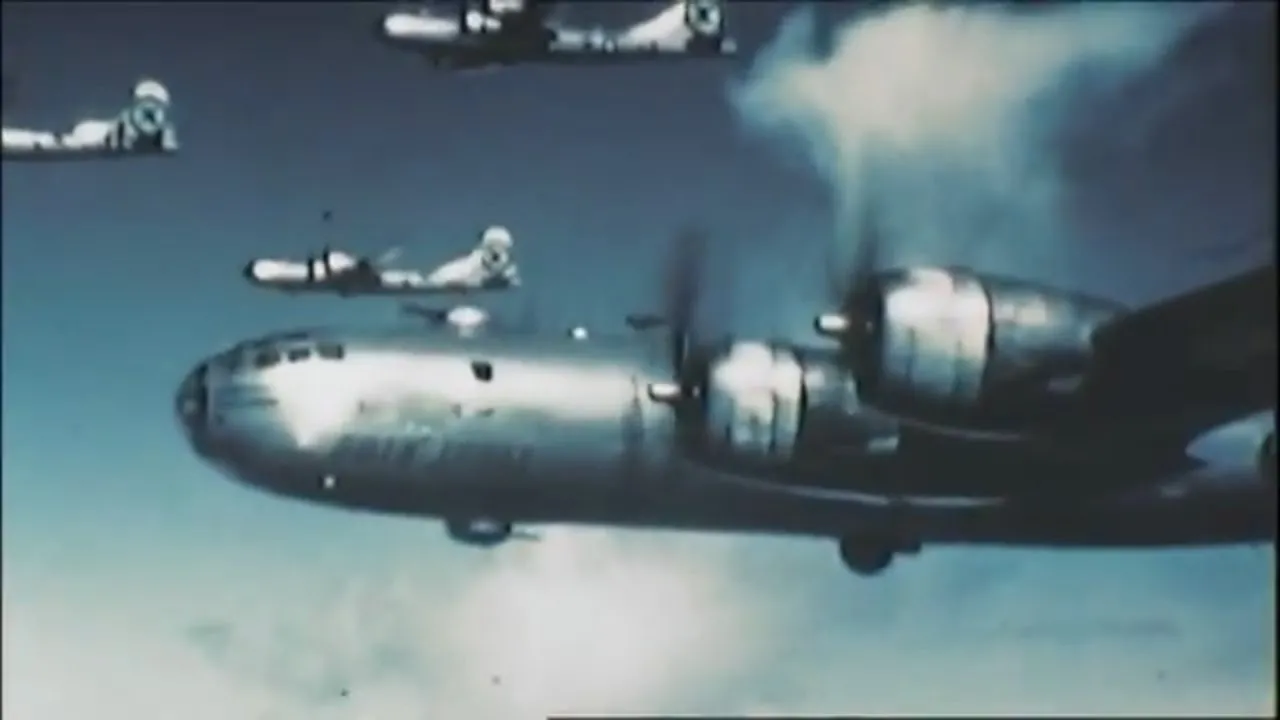
nuclear doctrine part one here you can see a row of british nuclear vulcan bombers the history of u.s nuclear thought began almost immediately after the american dropping of atomic bombs on hiroshima and nagasaki the debate opened up between bernard brody who was a naval historian who wrote the book the absolute weapon in 1946 and william gordon who wrote a book there will be no time also in 1946 who worked within policy circles in washington dc borden argued that nuclear weapons are simply bigger artillery he's remembered by military specialists for his technically accurate predictions on missile developments war is possible as long as leaders may come to believe that surprise is possible and inevitable between two great powers such as the us and the soviet union war will involve simultaneous rapid rocket attacks across great distances but eventually technology would be developed to permit rockets and energy beams to shoot down other rockets surveillance and launch would be mostly automatic here you can see a us air launched cruise missile key targets will be military not cities as precious nuclear resources will be used to destroy countervailing forces or counter force in other words targeting military assets and cities will be left as hostages to the victor the civilians will surrender when they lose the ability to fight why waste high speed weapons against slow moving targets like cities when slow attack systems such as bombers can deal with them later destroying new york city would not bring victory city busting occurs after the battle is won industry does not matter because the speed of nuclear war relies on initial stockpiles and not ongoing production therefore there should be no evacuation or dispersal of people from cities the goal of nuclear war is to provoke the enemy to exhaust their own nuclear weapons on fortifications land armies would only be required in the unlikely outcome that the stalemate occurred but this is unlikely missiles would be placed on dispersed submarines and ships which would reduce the success of a first strike and missiles would eventually replace bombers nuclear war is a tactical artillery exercise and there is therefore no upper limit to the number of nuclear weapons required brody argued that nuclear weapons represented a fundamental change in international relations and war he is strongly supported by academic proponents he rejected the arguments of borden war is irrational because nuclear war will cause greater damage than any possible political gain except as a weapon of last resort against conquest nuclear weapons are strategic weapons and they have transformed warfare because there is no defense against them and therefore the destructions of one's cities are guaranteed the focus therefore becomes one of avoiding the outbreak of war nuclear superiority is therefore non-existent nuclear weapons are difficult to locate and therefore surprise does not matter retaliation also does not have to be guaranteed just likely in order to be deterred sudden surprise attacks without prior indications of tensions also do not exist here you can see a u.s skyvault missile probably being loaded on the b-52 also in the picture the military approach to nuclear weapons the bordenesque and the lanchester equations argue that you achieve a bombardment concentration of force by using surprise and the initiative to defeat the enemy with nuclear weapons problems encountered included coordinating the sequential launch of missiles against an enemy to maximize the amount of enemy forces surprised to maximize the likelihood of hitting a target to maximize the multi-directional aspect of an attack to overcome defenses and to minimize fracture side of your own weapons at the same location at the same time so the pentagon used a computer program called psyop the single integrated operational plan to plan all of the various scenarios and these were reduced to a number of simple options for the executive decision maker the president of the united states the us military has seen nuclear weapons as primarily military weapons and nuclear war was to be fought quickly and decisively against an enemy state soviet nuclear doctrine this military influence was pervasive in the soviet union there too nuclear forces were not seen as decisive city busters but as weapons designed to augment the ability of ground forces to engage in conquest soviet views on nuclear strategy were twofold but both rejected the western academic assumption that nuclear weapons made war irrelevant because of the high cost of the consequences of their use while both camps in the soviet union believed that nuclear weapons were principally war fighting weapons they differed over the necessity of a supporting land force conservatives exemplified by the army and the navy believed that conventional forces were necessary to exploit the opportunities created by nuclear bombardment the radicals typically in the srf the strategic rocket forces and the air defense forces the pvo believe that war could be won by nuclear bombardment alone the losses the us deemed unacceptable and too costly for any political gain was believed to be measurable by the soviet leadership the soviet union had lost some 26 million of its population during the second world war and was therefore both experienced with the effects of high losses and material devastation it had lost 60 percent of its industry russia was also experienced in the process of fighting in the face of such losses consequently the soviets viewed defeat rather than war itself as the principal problem because of the way they faced genocide from nazi germany and have therefore pursued weapons development irrespective of its effect on stability khrushchev the soviet leader sided with the radical school as did leonid brezhnev the soviet leader from 1963 on this strategy remained largely unchanged even into the transition in russia in the 1990s the soviet union viewed nuclear weapons as being used initially and suddenly in conjunction with a multi-theater ground and air attack to capture land particularly in europe and china here you can see a u.s atlas on a launch pad so these are the different fronts that the soviet union saw itself expanding in with ground forces supported by a massive strategic strike followed by tactical nuclear strikes for the soviet union it was about capturing land because people live on land and once you control land you control industry and that is actually a political goal worth achieving even if it involves a nuclear exchange because once you control land and you're strong enough you will never let go so you can see uh the three major fronts for the ussr there's western europe the middle east and asia and secondary fronts in latin america africa vietnam and the mediterranean here's a depiction of a soviet advance from poland and east germany through the nato countries the picture is of a polaris sea launched ballistic missile launch now some neutral areas would be under pressure like india pakistan it was believed that nuclear weapons at sea would be used much more early than weapons on land so it's possible escalation could have started with the oceans so let us take a look at an approach that contradicts the lanchester and the borden approach to nuclear war thomas shelling has produced a number of analyses of how to use nuclear weapons in bargaining he is a nobel prize-winning economist who applied that logic to nuclear strategy so thomas shelling argues that the civilian approach to fighting nuclear war is to fight slowly so he formulates the problem into how do you fight and win a nuclear war and really the first question from this is how are nuclear weapons different the first answer is nuclear weapons can be fired quickly but this is not inevitable and in fact it's not important here in the picture you can see a chinese j-8 aircraft being moved into a bunker next to an airfield the second answer shelling off offers to the question of how are nuclear weapons different is because of technology for the first time in a long time we can get around someone's military to hurt them directly in ancient times this was common to hurt people more recently you needed denial in other words he needed to defeat the enemy's army and then you could access their population to hurt them here you can see a picture of a soviet ss-8 assassin icbm now there's a quote from shelling's book arms and influence page 19 quote against defenseless people there's not much that nuclear weapons can do that cannot also be done with an ice pick close quote so the logic here is that hurt and punishment is an alternative to force and denial nuclear weapons are designed to hurt because they can get around the enemy's military forces victory is no longer a prerequisite for hurting the enemy another quote from arms and influence page 13 quote military victory was but the price of admission close quote but now you didn't need to fight the military so let's look at the problem how do you win shelling redefined this as well how do nuclear wars actually end well there's one alternative alternative a which is fight as quickly as possible and fire off all of the nuclear weapons another alternative alternative b is fight a limited war slowly escalating as you go why would you want nuclear war to be slow well shelling argues because state a and b they have a common interest and that common interest is against annihilation shelling sees a nuclear war in which you have alternating limited nuclear exchanges here you have a polaris c launch ballistic missile in launch so the goal is to keep the war from becoming purely destructive why because if you allow a ward become completely destructive there is no objective wars should not end by exhaustion why because you want to minimize your losses do you want to destroy your enemy shelling says no well why not because the enemy must have something to lose if you destroy them they'll have nothing to lose and they'll be unrestrained in nuclear war you use threats and promises but you do not kill the hostage you do not destroy the enemy's cities also you do not decapitate the enemy's political leadership why because you need an opponent's leadership to bargain with here you can see a british polaris ballistic missile submarine the hms revenge so there are two basic threats one you can kill him but this is ineffectual because he's simply going to kill you number two you can risk continuing or expanding the war so how do you win well you win by convincing your opponent to settle on your political terms how do you do that through tacit bargaining that means bargaining without communication through action by signaling if he hits a city you hit a city back and this shows resolve and not weakness or bellicosity but your actions have to show connectedness you have to link his action with your retaliation here you can see a u.s titan icbm launch so how do you make the link well tacit agreements are based on saliency of an issue if you look here at the map if you're going to meet where would you go probably you'd meet at the bridge that crosses the river near the middle of the map if you're going to divide up the territory along what geographical feature would you divide it up along probably the river so these are common sense solutions so ultimately the outcome is based on a division not of capability because with nuclear weapons you have an infinite capability rather it's divided according to your relative interest therefore credibility is important and you're appealing to an underlying notion of justice so when you divide the pie intuitively if it's two people you would share it equally but it means you also need to learn to deal with shared risk situations especially when you both want to avoid annihilation so you have to learn how to manipulate that risk this may mean you have to risk rocking the boat to see who gives up first sometimes you'll need to show commitment i will not give up and the art of commitment consists of sometimes burning your bridges which were done in ancient times so that you couldn't retreat and you're committed this could mean you'd be forced to play a game of chicken you'd be forced to take the steering wheel and throw it out the window so that you would not have control in a nuclear war you may have to let your nukes go off automatically you could use a trip wire so if the enemy approaches you you're automatically caught in the conflict attack their commitment by using salami tactics or the tactics of erosion undercut their deterrent by hitting below that threat use gorillas for example against your opponent gradually over time this is an aspect of the stability instability paradox the opponent may have nuclear weapons but then you can deploy conventional weapons against them attack his commitment by securing a fa complete take control of territory and then make them make the effort to get it back defend against their salami tactics by a disproportionate response perhaps attack them multiple times of course the problem is it may not be credible give the opponent the last clear chance to avoid a disaster if you're playing a game of chicken fix your steering wheel at the last second or take it and throw it out the window to avoid a collision they're going to be compelled to turn away not you make them provoke your automatic system create a threat that leaves something to chance so make a threat whose outcome you're not entirely in control of give nuclear weapons to forces on the battlefield if the enemy use nukes your soldiers may panic and also use them use the rationality of irrationality threaten to lose control or actually control in order to extract more from your opponent he will give you more than your share of the pie as a cost of avoiding collective annihilation an example is u.s president nixon went on a simulated nuclear alert in october of 1969 to signal the soviets his displeasure with north vietnam ultimately it didn't produce results this was termed a madman strategy and it involved general earl wheeler of the chairman of the joint chiefs of staff sending a memo on october 19th to his commanders to initiate operations between 13th and 25th october designed to be discernible to the soviets about u.s strategic readiness these included grounding aircraft for readiness checks periods of radio silence increased surveillance of soviet ships and increased readiness of ground troops all designed for the soviets to take it as an indication of a preparation for nuclear war by the u.s this was reported in the 2003 bulletin of atomic scientists in effect using deterrence to deter war then using deterrence within war to avert mutual annihilation all of this is the art of brinkmanship which is the deliberate creation of a recognizable risk of war a risk that one does not completely control it is the tactic of deliberately letting the situation get somewhat out of hand just because its being out of hand may be intolerable to the other party and force their accommodation
Up Next

20:44
Mutually Assured Destruction: Nuclear Deterrence Theory Explained
@TheInfographicsShow
633.2K views•2022-06-22

24:30
BRICS Pay and de-dollarization: A New Financial Order Emerges? | 55 chars
@DannyHaiphongYT
164.6K views•2024-10-22
7:33
Government Surveillance Methods: 10 Ways You May Be Watched
@BeAmazed
1.6M views•2017-04-09
10:19
Explaining the Saudi-Iranian Proxy Conflict in the Middle East
@Vox
18.2M views•2017-07-17
Related Study Plans & Knowledge Roadmaps
Structured learning paths in Political Science
political-science
Economic Statecraft: Sanctions & Chokepoints
01Foundations of Geoeconomics and Economic Statecraft
02The Mechanics of Weaponized Interdependence
03International Sanctions: Types, Implementation, and Efficacy
+ 2 more learning modules
12h5 modules
Explore Roadmap
political-science
Central Bank Independence: Politics & Policy
01Foundations of Central Banking and Monetary Policy
02The Time Inconsistency Problem & Inflation Bias
03The Delegation Model and Designing Independence
+ 2 more learning modules
12h5 modules
Explore Roadmap
political-science
Consociationalism: Power-Sharing & Stability
01Democratic Dilemmas in Divided Societies
02Introduction to Consociational Democracy
03The Four Pillars of Consociational Design
+ 2 more learning modules
12h5 modules
Explore Roadmap
political-science
Rebel Governance: Legitimacy, Economy & State
01Foundations of Rebel Governance and Statehood
02Establishing Political Legitimacy and the Rebel Social Contract
03Wartime Economies and Rebel Resource Management
+ 2 more learning modules
14h5 modules
Explore Roadmap