


![[não erre mais] Modo VCV x PCV: quais são as diferenças?](https://i.ytimg.com/vi_webp/hCMd5J2Pki8/maxresdefault.webp)








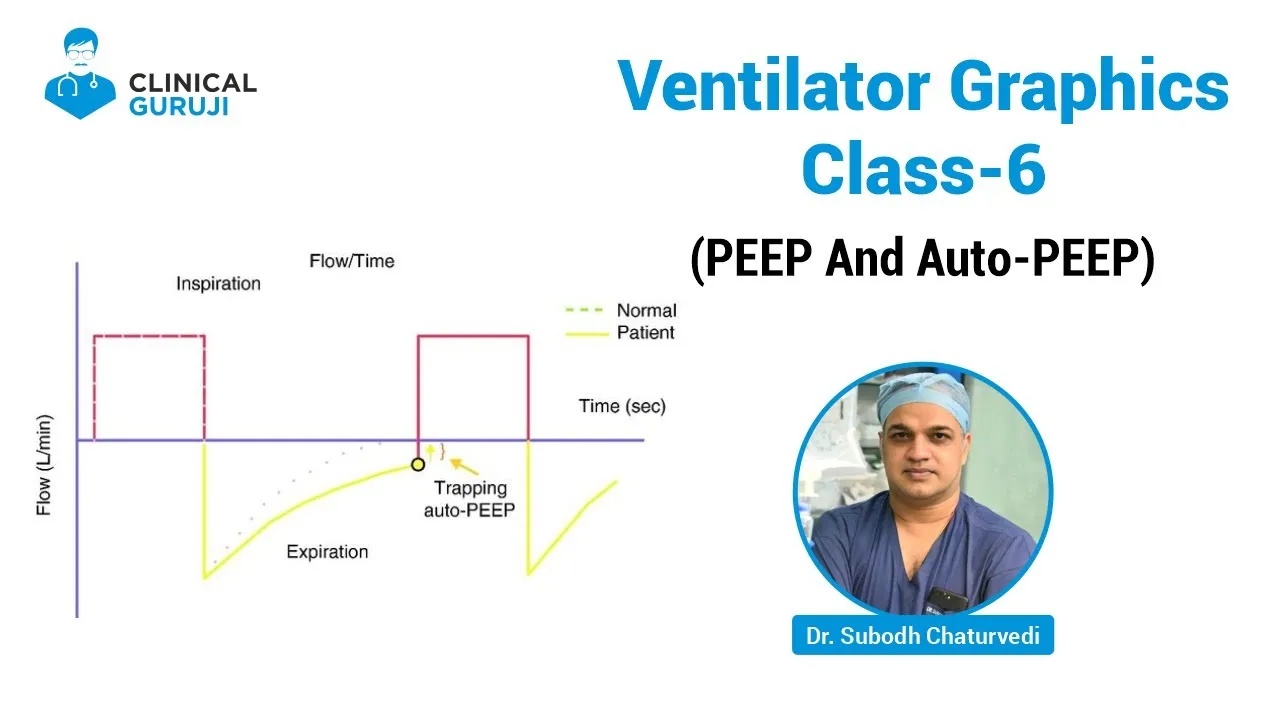





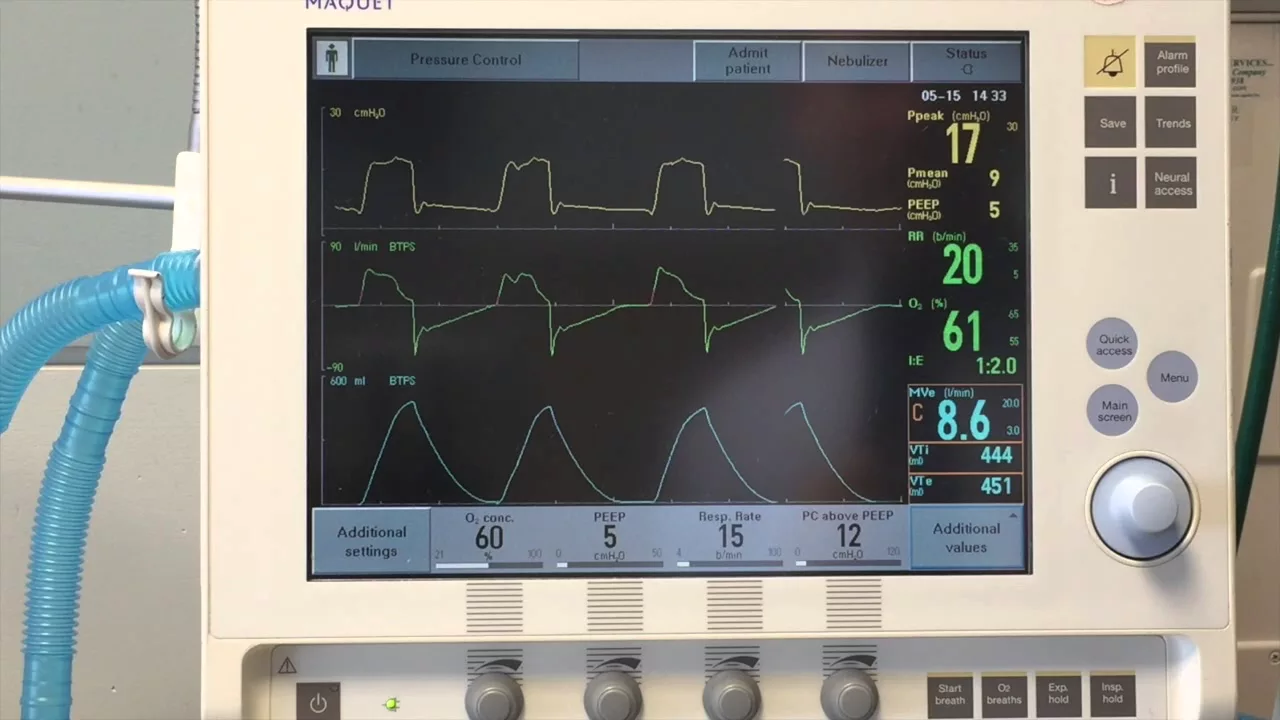
This video teaches how to interpret ventilator graphics to identify inspiration and exhalation phases, measure peak inspiratory pressure (typically 23-44 cm H2O), assess tidal volume (300-475 ml), and recognize pathological patterns such as the 'duck beak' sign indicating airway obstruction, where high pressure is needed to deliver the final tidal volume due to lung overinflation.
Pressure, Time, and Flow Graphics in Ventilation
Added:Basic respiratory physiology, including the mechanics of natural breathing, lung compliance, and airway resistance.
Fundamental mechanical ventilation terminology, such as tidal volume (Vt), positive end-expiratory pressure (PEEP), and peak inspiratory pressure (PIP).
The core operational differences between basic ventilator modes, specifically Volume Control (VC) and Pressure Control (PC).
The mathematical relationship between flow, volume, and time (i.e., that volume is the accumulation of flow over a given time period).
Detecting and diagnosing patient-ventilator asynchrony, such as flow starvation, double-triggering, or delayed cycling, using waveform analysis.
Troubleshooting acute clinical complications, including circuit leaks, airway obstructions, and auto-PEEP, through graphical deviations.
Using pressure-volume loops to clinically titrate optimal PEEP and identify alveolar overdistension or derecruitment.
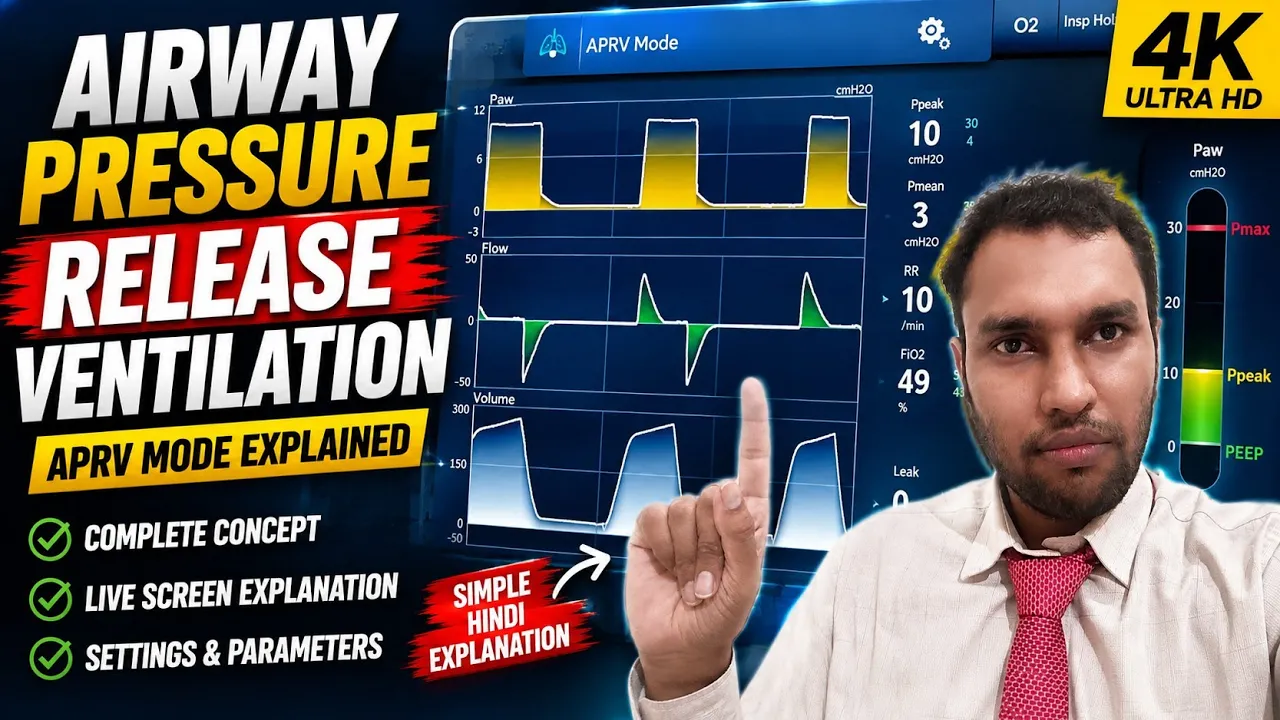
Interpreting graphics in advanced or non-traditional ventilatory modes, such as Airway Pressure Release Ventilation (APRV) or High-Frequency Oscillatory Ventilation (HFOV).
187 views3likes19:43Original Release: 2017-01-19
so I gave you this handout and on the first page it wants you to identify inspiration and exhalation on each of the three graphic alright so the first look at pencil I mean it's friends are drawing video I have to hold it down to secure draw first all right so look at the first graphic what is it measuring pressure sensor and which part is inspiration and which card is exhalation the inspiration for our opening of the Lord will go to a solution alright so going up inspiration and then coming back down exhalation and then this one what are we measuring volume air going into the lungs inspiration and then air coming back out exhalation so there's a little bit of volume loss you can go straight to X baseline all right on the third graph what is it measuring slow and above zero what is this inspiration and then what's down here the valve open and then the air comes back up exhalation so where does exhalation end and inspiration begin on the zeros now what does the want you to know identify the peak airway pressure for each breast all right so look at your pressure time waveform and tell me what the amount of pressure that built up during the first breast and it's going to be an estimate because we don't get exact numbers is around all right 23 centimeters of water tiring what about the second one the coolers with closure bugs okay centimeters of water the third one will do really okay maybe in a 31 centimeters of water and then the last time ok 44 30 for seven years ago good what is the pressure at the end of exhalation all the air came back have the lung is a pressure in the lungs go back to atmospheric pressure will get rid of all right so there's a positive pressure captain alone at the end of exhalation about five centimeters of water and the volume of each breath I like 475 ml second one okay around 400 ml on the third one 300ml and then i'll ask eliminated okay if you can just good all right identify inspiration and exhalation on each of the three graphic unless you have colored pencils or something with you or you just want our baby draw the baseline really sick and then point to the top and label that inspiration and then point to the bottom and label that exhalation it's got that label inspiration and exhalation and then for the next one you've got pressure building up in the lung so peak inspiration would be right here and then the pressure goes down because the volume is exiting along so maybe you want to draw a big dot right here and call that your inspiration or peak inspiration and then maybe put an arrow and call this exhalation what else does he want you to do and then the inspiration and exhalation on the volume you figured out when it's going up it's the volume going in and then when it goes back down that's the volume coming back out I guess you could put a dot somewhere there to the tallest point to be be the most amount of volume that went in and then the volume coming back out if I draw on this kind of recent I wouldn't matter okay can I erase it [Music] [Music] left of Inagua refrigerator or do lining cells die go up okay after the noon service on how to use image made say hit hopefully I don't want to say okay I'm done playing let's keep going the volume and the volume mouth so the steepest part is the maximum volume that went into the lungs and then at that point def exhalation how much volume went into the lungs on his breath 400 milliliters okay alright so this is showing you pressure volume loop where pressure is on the x-axis and volume is on the y-axis and one breath of air so when the rest of air going in this loop almost looks like it's laying down this one looks like it's standing up now the reason for it appearing like that is the one that's laying down a lot of pressure building up when the breath of air is going in so high pressure to get in up just a little bit of volume when you look at the graph on the bottom you don't have much pressure building you've got a lot of volume going and you see how it's tall that means a lot of volume went in but it didn't take much pressure to push to push the volume in those are going to do as well complain yes here again so what type of one component would you expect to go on with the graph at the top no compliance and we're better provider archive I compliation easily ventilated not much pressure builds off of school on the bottom alright so did you explain what Hodges the first loop to appear like it is line now freshener for a lot of pressure with very little volume it's like Nero three little body so it won't reach all just tidal volumes super bowl and then did you write the bottom one yes the low pressure high volume an example of high lonesome fun you're looking at the streets of curve again explain why the loop starts at five and the meters of water when you see the letter dating this pointing hand why is it the breast starting at zero very good so explain why the loop starts at five centimeters of water there's piece set on the ventilator the next thing is supposed to write the peak inspiratory pressure and so you went to the furthest point which is leather seat and then you went down and you see it's about 30 to 35 centimeters of water definite all right next thing you have to do is label the sides for inspiration and then labeled aside for exhalation next thing it says notice the lower inflection point does not exist so I'll explain it to you right now we don't have to write it down because it will through it in detail in a little bit when the lungs are empty sometimes all Danielle dear wife collapse and when the next press of air goes to fill up the lung before the volume can get in a lot of pressure builds up just to try to get those lv like open back up again and when you look at a distance this curve you can see a lot of pressure then all the size of air starts going in so i'm going to show it to you on the slower curve alright so initially you see a lot of pressure going into the lung but not much volume and all of a sudden volume starts going in that we'll see i'll be like I've opened up and now they can still with volume and so you'll see the volume going in so I'll do best you in the notes a little bit later okay so moving on to the next one it says notice two ducks beak can you see anything on this hysteresis curve that looks like a duck speak p.m. yeah at the top you see how this sticks out so the duck speak it means that there's a lot of pressure building up when you're squeezing the last amount of air into the lungs the last amount of air it's a better word than the last amount of here the remaining spiral volume is alone building up when the remaining title i am is going into the look a lot of pressure building up when the remaining tidal volume is going into the low all right you got their window all right so what you see is during inspiration you'll be of I popped open now the volume is going into the lungs and after about me around 500 ml of all you are in the lung to get the last 100 ml into the lung it takes a lot of pressure to force that extra 100 ml been here and the reason for that is the title volume is too large for that patients lung so the lungs are already full and now they're saying nope we're going to put another hundred and elvin there when you try to squeeze more volume into the lungs that they can fold it filled up a lot of pressure and it gives you that duck sleek look so when it asks you what would you do to correct the problem yes you would lower the title it is what you're thinking yeah here again yeah just hating that much harsher because at last 100 ml been there too much holiday yeah oh yeah and a dam is just along for NT much mama notice a first low volume loop notice that loop usually begin and end at the same point this will only occur if the volume that was delivered to the lung is the same volume lowers exhales from the lungs and then it tells you identifies inspiration which part of this Lucas inspiration everything above zero identify exhalation yes everything's below zero and the next thing I want you to do is compare the two flow volume loop what causes the second flow volume loop to have expert or e flows close to the zero line during exhalation can you see the difference in the loop yeah so this one when the air is exiting the lungs it connected pretty fast looks like 50 liters a minute on exhalation but here oh it's saying 50 liters a minute initially but then it really slows down and the flows are very very small until all the air spec ops along yeah these are obstructed airway is the airway obstruction it can try to exhale and the airways clothes and the air to get back out so obstructed airway will cause the following move to look like obstructive airway also along that was essentially for them still they won't blow it all came out because everything comes back to zero but it's just circle I album yeah so I one you have obstructed airway preventing the flow from eating alone you then on the ventilator you can pull up airway graphics and look at your flow over time pressure over time when they're when you're looking at something over time you're looking at a weight form over time another word that's used is scalar FCA l8r so this is a flow time scalar so instead of hearing the word waveform you'll hear the word scalar is it showing you rest over time so breast over time is called scalar FCA lar this is a presser time scammer to showing the pressure building during inspiration and an exhalation then your loop your flow volume loop and your hysteresis cruise if you go to last pages and left
Up Next
18:17
Mechanical Ventilation Basics for ICU House Officers
@rhsavel
842.8K views•2015-05-16

48:47
Graphic Medicine: Comics for Collaborative Healthcare Communication
@nationalpatientadvocate
189 views•2023-12-04

10:28
Neuroanatomy: Central and Peripheral Nervous System Divisions Explained
@AKLECTURES
136.2K views•2014-09-20
3:05
Stages of Labor and Vaginal Birth | Childbirth Animation
@nucleusmedicalmedia
52.1M views•2017-08-18
Related Study Plans & Knowledge Roadmaps
Structured learning paths in Medicine
medicine
Abnormal LFTs: Diagnostic Workup & Pathology
01Liver Anatomy and Basic Physiology
02Introduction to Liver Function Tests (LFTs)
03Hepatocellular vs. Cholestatic Patterns
+ 3 more learning modules
12h6 modules
Explore Roadmap
medicine
Analyzing Blood Smears: RBC, WBC & Platelets
01Introduction to Blood Components & Smear Preparation
02Normal Morphology of Blood Cells
03Erythrocyte Pathologies & Morphological Variants
+ 2 more learning modules
12h5 modules
Explore Roadmap
medicine
Mechanical Ventilation: Waveforms & Alarms
01Anatomy and Physiology of Breathing
02Introduction to Mechanical Ventilation & Core Modes
03Ventilator Settings and Waveform Interpretation
+ 2 more learning modules
12h5 modules
Explore Roadmap
medicine
Neuro Exam: Localization & Stroke Syndromes
01Foundations of Neuroanatomy and Vascular Supply
02The Neurological Examination: Step-by-Step
03Principles of Neurological Localization
+ 3 more learning modules
18h6 modules
Explore Roadmap