











![AP Psychology Unit 2 Review [Everything You NEED to Know]](https://i.ytimg.com/vi_webp/d6ED_JTH3PQ/maxresdefault.webp)




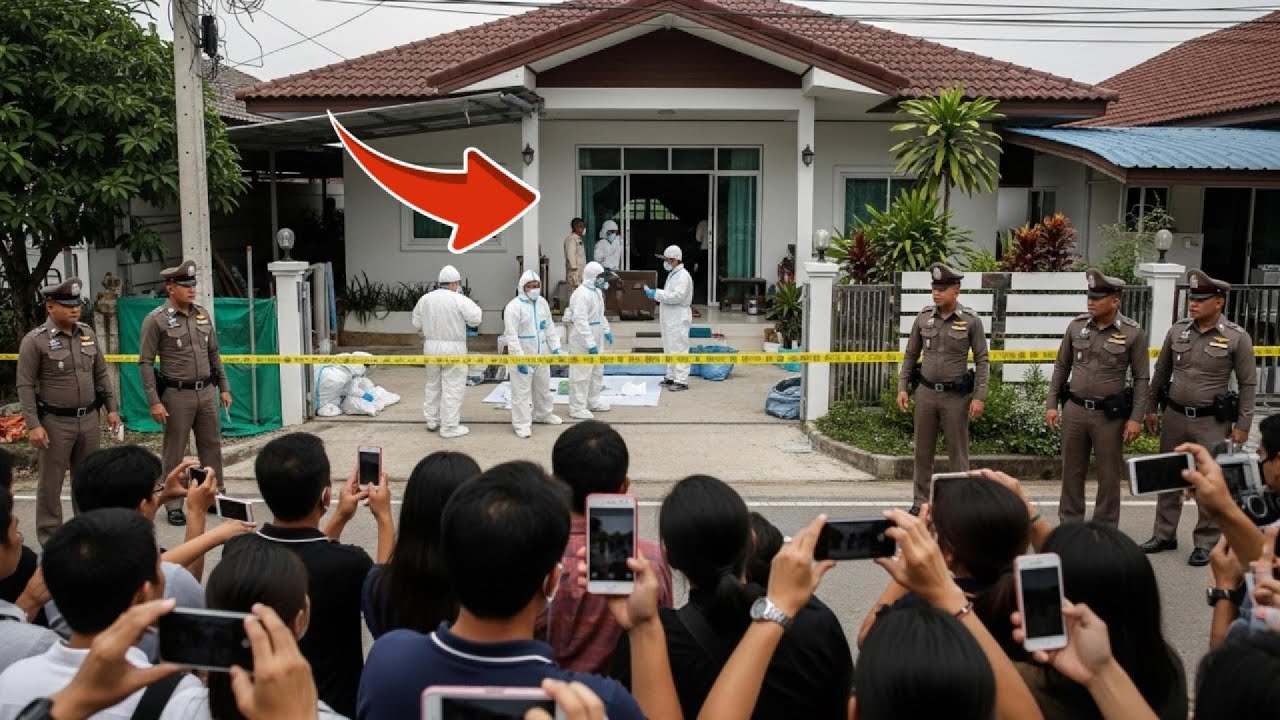









When humans experience traumatic events, the amygdala releases stress hormones (norepinephrine and dopamine) that impair the frontal lobes' ability to encode experiences in sequence and context, resulting in fragmented sensory memories instead of coherent narratives; this has significant implications for how law enforcement and investigators should conduct interviews with trauma survivors, requiring sensory-based questioning rather than chronological recall to obtain accurate information.
Neurobiology of Trauma and Fear | Dr. David Lisak | Forensic Interview Insights
Added:Basic neuroanatomy, specifically the roles of the amygdala, hippocampus, and prefrontal cortex in processing threat and memory.
The standard cognitive psychology models of memory encoding, consolidation, and retrieval under non-stressful conditions.
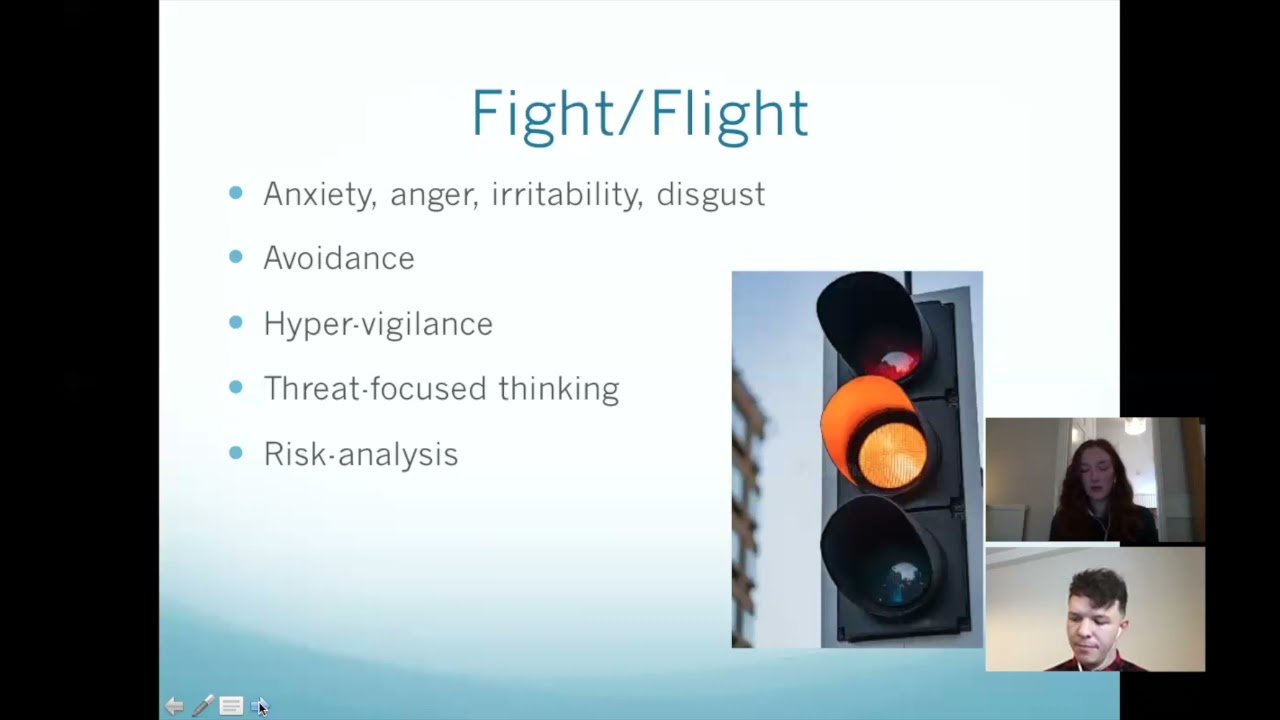
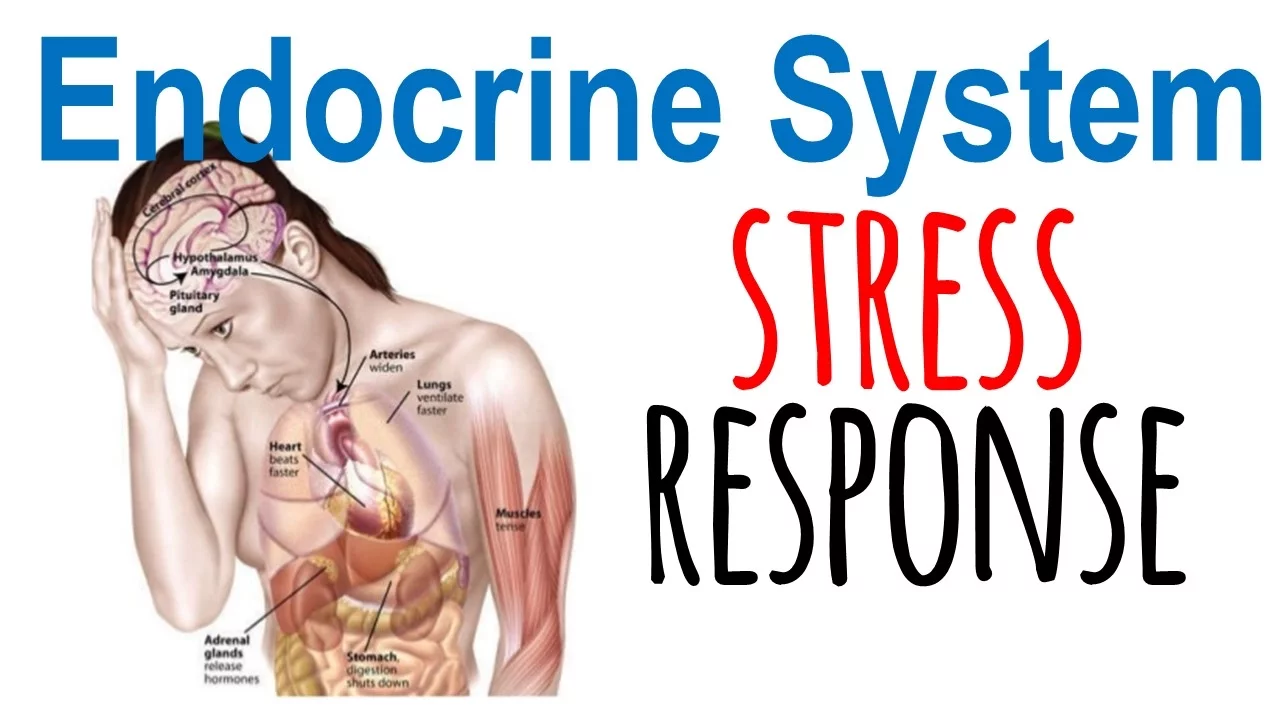
The physiological mechanisms of the human stress response, including the HPA (hypothalamic-pituitary-adrenal) axis and the 'fight-flight-freeze' cascade.
The concept of state-dependent memory and how physical or emotional states influence the retrieval of information.
Trauma-informed interviewing techniques, such as the Forensic Experiential Trauma Interview (FETI) and Cognitive Interviewing.
The impact of trauma-encoded memory on the legal system, including victim credibility assessment, jury bias, and cross-examination challenges.
Clinical diagnoses associated with disrupted memory encoding, such as Post-Traumatic Stress Disorder (PTSD) and dissociative disorders.
Somatic and neurobiologically-oriented therapies designed to process trauma, such as EMDR (Eye Movement Desensitization and Reprocessing) and Somatic Experiencing.
129.6K views948likes34:31Original Release: 2013-02-05
when we talk about trauma what we're really talking but fundamentally is fear because fear is at the core of trauma of dramatic symptoms fears at the core of the diagnosis of post traumatic stress disorder which is how we have sort of formally encapsulated trauma at least in the diagnostic world and so it's really important to understand what fear he is and how the brain processes fear, how does when something terrifying happens, what happens to to a person's brain?
we've actually been studying this or the field of neuroscience what we now call neurosciences, a subject of intense study for years, decades but it's also been a dramatically accelerating field of study because largely because of tremendous advances in technology so just as we're all aware that we walk around with ipods and ipads now and things and that we can do amazing things that we couldn't even imagine in a five or ten years ago or certainly if you're as old as I am, twenty years ago by the same token, you know medical science and the tools of neuroscience have also changed dramatically and evolved dramatically so that we are now able to uh... image the brain for example with uh... technology that is increasingly refined so uh... and this gives us the ability to see what the brain is doing what the different brain regions are doing when a person is experiencing different things for example fear or when we're talking about trauma, or course we are really talking about terror.
So, the foundation of of the neurobiology of trauma is really the neurobiology of fear.
what we know is that when a human being experiences an intensely threatening terrifying event that there are really dramatic changes to the brain and how the brain functions.
so one of most fundamental things is that uh... much of we what we think of as sort of core human capacities you know the bility to think to reason to plan ahead to to control our impulses and contain our emotions so something might make you angry but you don't automatically just yell out you know obscenities or scream at the person you you have the ability to sort of think well that makes me angry but you know and you can you have that brain working in there that helps to control yourself helps you contain things and and also that's the part of your brain that enables you to reason through things and all that is really the frontal lobes the part of your brain right behind your forehead and the frontal lobes are the most the last part of the brain to develop so everybody's whose got an adolescent especially if you're going through it now now uh... one of the reasons that adolescence is is so trying on parents is that is that adolescents do not have full frontal lobe development that's something that only a fully develops in females from around the age of twenty one and males somewhere around the age of twenty five or six and so it's the last part the brain to fully mature and it is a part of the brain that is actually quite sensitive and delicate and so what we now know is that when a human being experiences something terrifying and actually when a human being actually experiences something even just stressful that stress has a fairly significant impact upon the ability of the frontal lobes to do their job certainly the amygdala which is the the part of the brain really from which fear sort of cascades outward so when you experience something that either frightens you or terrifies you the the amygdala starts firing their networks that branch out from the amygdala to various other parts of the brain and one of the areas that the Amygdala branches into is sort of back in the brain stem and there are cells there that secrete norepinephrine and dopamine and those are two neurotransmitters and when they start flooding into the brain they have a dramatic impact on the frontal lobes and what they do is they they really handicap the frontal lobes and and your frontal lobes essentially start they're, I don't want to say they stop functioning, but uh... their ability to do all those things those magical things that i was just talking about uh... degrades very very quickly and we can all experience this you know I'm sure this sounds all very you know kind of complicated but if you just think about what happens if um... you're having a very very very stressful day at work or you we have to go into an exam and on the way into the exam something very stressful happens. Alright so you've been studying for weeks and weeks and somebody says hey, I just found out that they're not even going to test test us on what we studied and and this is the exam that's going to determine whether or not you get into medical school or law school or something like that and you are all the sudden just flooded with anxiety and stress and if in that moment you have to remember complex things you start to you know sort of uh... remember the things you studied you'd find yourself you'd be getting more panicky of course because you find yourself my brain isn't working i'm freezing and what that is is that's the frontal lobes really sort of in the process of shutting down or at least been degraded so that's one aspect of how the brain responds to severe stress fear.
The other fundamental thing that happens is those same, when the Amygdala responsds to a life threatening stimulus and reacts and norepinephrine and dopamine sort of are secreted into the various neural circuits in the brain it fundamentally alters how the brain processes what's going on so, we no longer encode experience in the same way what the frontal lobes enable us to do with experience is to it's not just the frontal lobes, its the hippocampus which is an integral part of memory functions when they're functioning normally they enable us to encode an experience in context in sequence and really this is how most people think of memory if you ask somebody you know do you remember?
and uh... you know it's easy, it's important to remember the day you got married remember the day you graduated from college or do you member of the the day that you know some important event not a new car not a stressful event not a traumatic event, just an important event and they'll be able to remember things details and if you were to follow-up with questions as well something that's important let's let's go back to the beginning of the day alright so what happened first where did you sleep that night where did you wake up what did you do first and people will be able to remember those details and remember them in sequence and remember them in context and that is those are memories that are forged when the brain is functioning essentially normally and again it's because the frontal lobes are fully functioning and the hippocampus is fully functioning when the brain is subjected to those stress hormones, when the Amygdala is firing, when the person's experiencing something traumatizing, rather than remembering or encoding experience in that way experiences encoded as intense fragments and almost always they're sensory fragments so you remember sites you remember sounds you remember smells you remember them so intensely in fact they are encoded so intensely that these are of course the kernels of what we will call flashbacks and nightmares so you'll wake up if you have a you're in a car accident for example a serious car accident you may well wake up that night because all of the sudden you hear the sound of breaking glass or you may find yourself you're sitting and you take a cup of coffee up to the morning to to drink and all the sudden you have the intense smell of gasoline and those are classic of course intrusive post traumatic experiences and what they are those are the kernels of how the trauma has been encoded by the brain as these intense sensory fragments and because the frontal lobes and the hippocampus and the thalamus their functioning has been so degraded by those stress hormones you in the certainly in the immediate aftermath of the trauma uh... will have a great deal of trouble remembering the experience as some kind of sequential fully contextualized event and what you'll have is this whole scramble or jumble of very intense fragments and you may really not be able to remember things in sequence or know what happened and so if somebody were to ask you Let's go back to the car accident, if someone were to ask you Okay so you heard the breaking glass you heard a scream in the car you smelled the gasoline now i need to know what happened first so was it the screeching tires was it the screams was it the breaking glass and you'll think and of course what you'll do what most people do is to reason through screeching tires first, and then breaking glass and then somebody screamed and and do you really remember it that way Well, maybe some people do but it's also quite possible that's simply taking those fragments and putting them into what seems like the most likely order and of course that has a lot of implications for for how we interact with victims of trauma and the kinds of questions we ask of them and what we ask them to do in the wake of trauma whether we are therapists advocates or whether we're law enforcement officers uh... doing interviews with victims these have tremendous implications for how we conduct those kinds of interviews and and and how we talk with victims.
in the context of a law enforcement interview when you are interviewing somebody who is a witness or a participant or oftentimes they're both in in some kind of event and you're trying to get information about what happened if a person was traumatized it's understandable that as a law enforcement officer you're trying to get certain kinds of information that are directly relevant to to your job you know part of what you're trying to figure out what happened here and a big part of that would be what happened first what happened after that you know what came after that and so forth so it's natural to uh... ask kinds of questions of somebody who was there who's a you know a participant or a witness of this event the problem is if you think about the the neuro biology that i've just been talking about with how the brain encodes experience when you ask somebody who's been traumatized whose brain is encoded experiences these fragments sensory fragments like this they have very accurate information they can give you if you ask them questions about those sensory fragments but the moment you start asking them questions that have to do with context and sequence so again you know was it the breaking glass or the screeching tires that happened first or the screen Well, in a particular car accident or investigation those might be really important questions that ultimately need to be determined but this may not be the right person to ask them and if you do ask them you run the risk of getting information from a witness or a victim that that may be inaccurate and in the context of a sexual assault investigation there are additional potential downsides to that So if you ask a sexual assault survivor questions that go beyond those that basic sensory experience that she can report and start asking her or him questions about sequence about you know what time it is or things things that you know peripheral details that they may not have attended to very often they'll try to answer those questions and they'll try to answer them because they they want to be good witnesses they want they know you're trying to do your job and they're trying to help you they're trying to answer your questions and so they'll try their best answer them but if they if they get it wrong or they simply they don't really remember what happened first and second and third but um... so late they tell you what they think at that moment um... well then what happens when a day or two later when they're asked the same sets of questions by another investor or by the same investigator or by the assistant district attorney who's asking questions and now they don't remember quite same way because they never really remembered that sequence and so now the answer in a slightly different way and now course everything's being recorded in some way so now you've got a statement from time one that has some information or detail here in one way and then time two the same information as a slightly different order well when the defense attorney looks at those statements that's what sort of be called an inconsistency, right and I've seen defense attorneys spend you know an hour on one little inconsistency like this and of course generalize from this that well clearly this person's lying they're making this up cause we know it's what happens when somebody's lying they don't quite remember it the same way you know they can't keep track of what they said the first time so the second time you know they say something a little different Bingo! We've caught them.
when actually all we've done is we did an interview that was that was inappropriate for somebody who's brain had just encoded a trauma and all we've done is actually we've we have demonstrated that this is precisely what happens when you ask trauma victims questions like this So, this becomes important it's important for uh... investigators whether they are law enforcement whether they're district attorneys from the district attorney's office to understand the dynamics of trauma and even the biology of trauma, to understand what trauma victims can report accurately and effectively and what they can't and to ask to ask the kinds of questions that allow you to get solid information that you can rely on and that do not create these kinds of artificial problems in an investigation in general somebody who is multiply victimized, so somebody who is sexually abused as a child and who has now been sexually assaulted whether it's adolescent or young adult there's a a strong likelihood that their how their brain has encoded this new experience is going to make it even more difficult for them to provide sort of details about what happened uh... especially again details in response to questions that are are asking them to remember this in a way that their brain did not encode it so that the likelihood is that they will have the the processes that I was talking about earlier that of the brain encoding these very fragmented pieces of sensory information that that's going to be even more eccentuated and the reason for that is because and we see this over and over again, when the interviewer evaluated, when I have evaluated trauma survivors, sexual assault survivors who have been multiply victimized almost invariably at some point oftentimes very early in the assault process on even before there was a an assault when the the predator was even the process of grooming them or beginning that phase of intimidation in other words when this victim started to get scared what happens is it's not just that they're scared is that it starts to trigger all the the memories the prior dramatic experiences so their brain simply goals much more quickly into this mode of this terror mode the frontal lobes started to degrade in their functioning much earlier here the Amygdala is firing like crazy there's the brain is flooded with norepinephrine and dopamine so their experience is actually quite different and in that case it becomes really critical to conduct this interview in a way that fits how their brain encoded and processed the event and I'd like to give an example that they think really sort of demonstrates this. there was a one of the valuations I did a number of years ago it was a very long evaluation that's one of the things that is almost invariable in this kind of a circumstance because it's very very difficult for people to respond to the kinds of questions you need to ask during the course of the evaluation I noticed that this woman was gripping her wrists with her other hand like this you know one after the other and and I noticed this and I also noticed that she was completely unaware that she was doing it so at a certain point I stopped and I and just looked at her wrist and I put my hand on my wrist and I said to her I noticed you've been doing this for quite a while now and i'm just wondering if you could tell me what you feel when you do this and the woman put her hand on her wrist like this and started weeping what happened is for the first time she was aware, she have been umaware of this and then what she said is that for weeks that she'd been feeling like having these sensations that's something or somebody was gripping her wrists and that's why she kept doing this with her own hands because it's a very strange sensation to feel like somebody's gripping your wrist but there's no hand there so she would put her hand there this is actually crucially forensic information what do you think she was experiencing here what we've ultimately were able to figure out was of course was that this was the rapists hands pinning down her arms by gripping her wrist like this she had no memory of the rapist doing that because that's the kind of memory that the frontal lobes hippocampus produce is a memory of an event like this all she had was literally the physical sensation on her wrist but just one fragment so how was she going to have any access to that she had no conscious access to it all she was doing was physically doing this over and over again now, when you point that out and she literally then did it in front of me, put her hands on her wrists then she remembers the sensation but even at that point she remembered the sensation but she couldn't say, Oh so that must have been the rapist who did this to me she had no idea but she could report the sensation so that's what I mean by you gather that raw material as an investigator you add it to all the other raw material that you get from the survivor and you start piecing it together there is some evidence that allowing somebody who's been through tragic experience to to go through a sleep cycle increases their their capacity to to remember certain facets of the experience and that is becoming it's becoming more the norm now for example when the law enforcement officers been involved in some kind of shooting uh... and there's a part of an automatic investigation there's now more and more in more more departments that the policy is to allow them to go through a sleep cycle before they are interviewed intensively about so that there is there's that there's that'd you know sort of but i think more more fundamental more important than the timing of the interview is how the interview is conducted if you understand uh... how the brain is affected by traumatic experience and if you understand that it has encoded the experience in these fragments you conduct the interview that way and so rather than asking for questions like okay, I want you to tell me what happened and I want you to start at the beginning recognizing that that's not how this person will have encoded the experience you ask sensory based questions and so you ask tell me everything that you can remember about what you smelled and don't even think don't even worry about the action you know she may remember something that happened after the rapist left first, fine take that down do you remember anything else that you smell because what might happen from this? well she may remember a particular smell wether it's a cologne, a deodorant and she may remember is so vividly that you could actually identify the brand of deodorant that that guy was wearing that might have to actually end up being crucial forensic evidence and you only get that bite by just methodically asking her question after question about these kinds of sensory fragments and going from what, there are five senses go from one to another to another and so that that and that's why that example I gave earlier of the the victim who was holding our hands that was that was a sense it was a sensory memory it was a touch memory and those kinds of memories of course are crucial in a in a rape investigation have you had any other sensations on your body are any other parts of your body where you feel pain are there any other parts of your body where you feel pressure are there any part you know questions like that that's how the experience wasn't encoded if you ask those kinds of questions you'll start to get their experience their actual memories of the event which will actual start to fill in crucial pieces forensic pieces of this puzzle of what happened to this person.
the issue of false allegations is it's a very very it's a very controversial issue that there's a tremendous amount of sort of heat around this and I think it's important to acknowledged that there's good reason for there to be concern about this because it you know being falsely accused of something is is a terrible experience and to be falsely accused of a sexual crime can be a catastrophic experience So it's understandable that that that people have a great deal concerned about it on the other hand I think that that concern has to be put in scale we actually have a lot of research from around the world on the just how frequently this happens how frequently does a does somebody report a rape that never happened the and I'm very familiar with the research I did a study on this myself fairly recently and the bottom line is that the best research puts that number of somewhere of two or three percent of reports of sexual assault reports if you want to be very conservative or liberal depending on how you put it you know somewhere between two and eight percent at most which means that over ninety percent of of reports of rape are not fabrications they're not false allegations so we keep that in context we need to keep that in perspective given that it happens very infrequently it's actually extremely difficult to do any kind of systematic research that would allow you to say well if somebody's fabricating these they're more likely to say this or you know and so we actually have no good research on this at all to to on which to base that the the that kind of a conclusion unfortunately their is amongst in some law enforcement circles and and in general an idea that if you apply certain standard techniques of interrogation you can figure out if somebody's not telling the truth and some of those were the most common techniques of courses if you ask somebody to recount something that happened rright, and they give you their account and and then you ask them again but you you don't ask them again this time the second time around you might start from someone the middle and say okay from from that point can you tell me again what happened after that and then you might take them back to sort of maybe a third of the way through and ask them to go backwards so now before that what happened and before that would happen and you do a series of questions like this and the purpose of this is that it is true if you're dealing with nontraumatic memory and if somebody has fabricated something this is a pretty good way to test whether or not they have their story straight now if somebody really does a good job of preparing a story they'll get through that kind of interrogation alright and that's not gonna tell you whether they lied or not if so we didn't do a very good job of preparing that's a pretty good way to try to trip them up and to see whether they start making mistakes basically think about this in the context of the biology that i've just been talking about if you're asking that kind of series of questions of a trauma victim who has only intense fragments and who under pressure might try to remember what happened first what happened second what happened third because they're trying to be nice trying to be cooperative and in the meantime you're seeing this as a an interrogation technique to test whether or not they're lying you're going to draw the conclusion that they're lying because they can't answer those kinds of questions in that way if you so you you arrive at a false conclusion and so I think you know if we're concerned about false allegations in my experience in the vast majority of cases if there's a false report it falls apart really quickly the key to any kind of interview evaluation is compassion and empathy because this is something I think I mean I think everybody knows this intuitively there is actually research on this if you want to go to the research but I think we can all readily understand that if you want someone to give you the most and the most accurate information that they have the sort of most complete answers to the questions that you have for them the most effective way of doing that is for them to feel like they can trust you if you don't trust somebody if you're not sure of this if there's this other person is asking you questions is is looking at you with hostility or skepticism with disbelief you're just not the answer the questions as freely and you're not going to essentially give access to that person to the things that are there sort of going on in your head the things that you remember of the little fragments that you would you know that you partially remember so in any interview and any evaluation the key is to is to build a really strong report and the way you do that is you be open you be compassionate you be empathic and people respond to that and the the result is that you get much better information much more complete information I think what happens sometimes is some peoples in law enforcement view their role as sort of a neutral fact gatherer and that's absolutely I totally agree with that a hundred percent that's exactly the role for law enforcement to be a neutral factor gatherer the question is how do you best gather those facts so you can be compassionate warm open and pathic with a rape victim and that doesn't make you one iota less neutral that just makes you a better fact gatherer some of the forensic work I do I interview evaluate men who have raped and murdered children multiple children and I do the same thing I go in there and I am warm compassionate empathic and a result of that is that they give me more information so it's not not that in order to be a neutral fact either you have to be kinda have this demeanor of no kind of no connection sort of no empathy no compassion so forth you know if you have to be skeptical you have to make sure that they understand that you're skeptical you know in the kinds of questions that doesn't serve your purpose and so i think it's the key to to any kind of of forensic interview whether interviewing a victim or interviewing an offender is too forge a bond with them to make the trust you to make them feel like they can talk to you and the way you do that is that you be warm compassionate empathic and you get your information and what you do with that information and is you know you have more information soyou've done your job in the system and if you're running the investigation and you have more information with which to advance the investigation
Up Next
113:49
The Vagus Nerve & Trauma: Dr. Stephen Porges on Polyvagal Theory
@MayimBialik
102.7K views•2024-03-19
21:55
Deciphering Neural Circuits Controlling Anorexia in Mice | Richard Palmiter
@AllenInstitute
2.3K views•2011-10-10

4:10
Vagus Nerve (CN X): Anatomy, Nuclei & Functions Explained
@Alilamedicalmedia
305.2K views•2022-10-31

13:03
How Exercise Benefits Your Brain: Science Explained
@TED
11.4M views•2018-03-21
Related Study Plans & Knowledge Roadmaps
Structured learning paths in Neuroscience
neuroscience
Appetite Regulation: Brain Circuits & Hormones
01Foundations of Endocrinology and Brain Anatomy
02Introduction to Energy Homeostasis
03Peripheral Signals: Leptin, Ghrelin, and Insulin
+ 2 more learning modules
14h5 modules
Explore Roadmap
neuroscience
Neuroeconomics: Value, Risk & Brain Mechanisms
01Foundations of Neuroscience and Brain Anatomy
02Introduction to Neuroeconomics and Subjective Value
03Dopaminergic Prediction Errors & Reinforcement Learning
+ 3 more learning modules
18h6 modules
Explore Roadmap
neuroscience
Spatial Navigation: Cells, Grids & Brain Maps
01Foundations of Brain Anatomy and Memory
02Place Cells and Head-Direction Cells
03Grid Cells: The Brain's Coordinate System
+ 2 more learning modules
12h5 modules
Explore Roadmap
neuroscience
BCIs: Neural Decoding & Prosthetic Control
01Neuroscience Foundations: How the Brain Signals Intent
02Signal Acquisition: Recording the Brain's Activity
03Neural Decoding: Translating Brain Waves into Data
+ 2 more learning modules
25h5 modules
Explore Roadmap