


![[15분 완독] 자꾸 고독 속에 숨기만 하는 당신이 봐야 할 고전 - 가브리엘 가르시아 마르케스의 ‘백년 동안의 고독](https://i.ytimg.com/vi_webp/TJVhwzlY1oM/maxresdefault.webp)
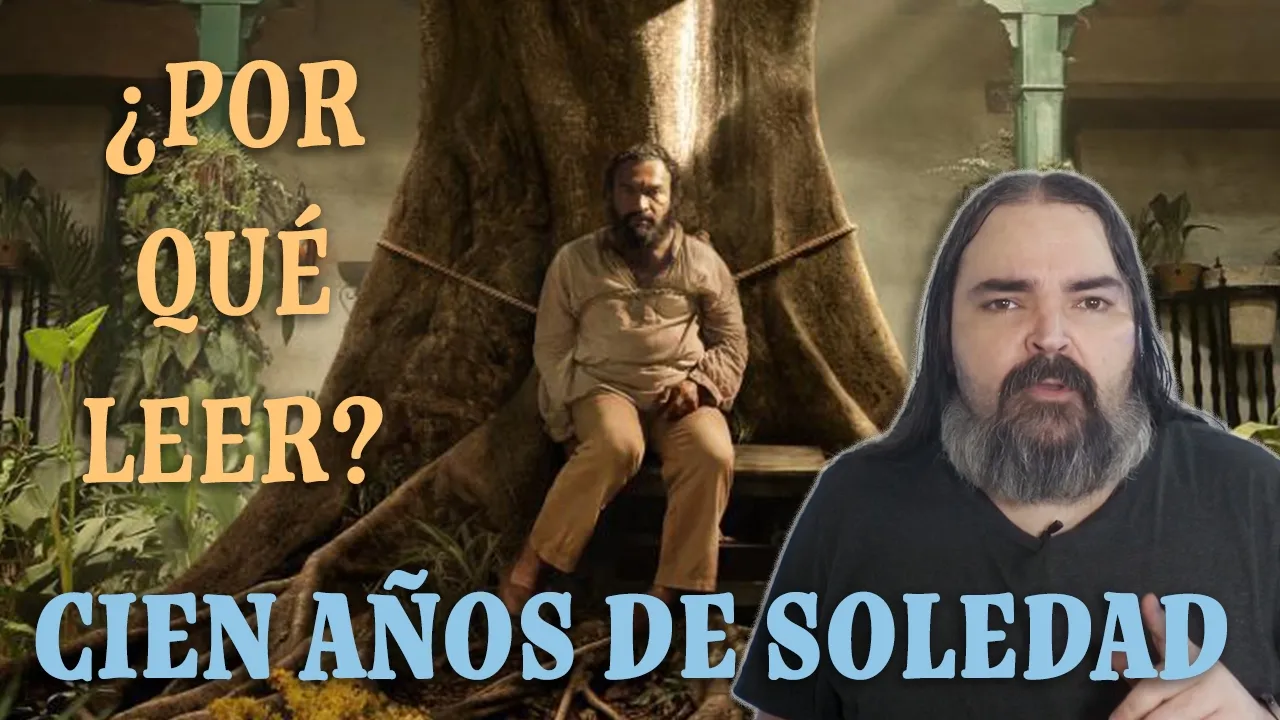












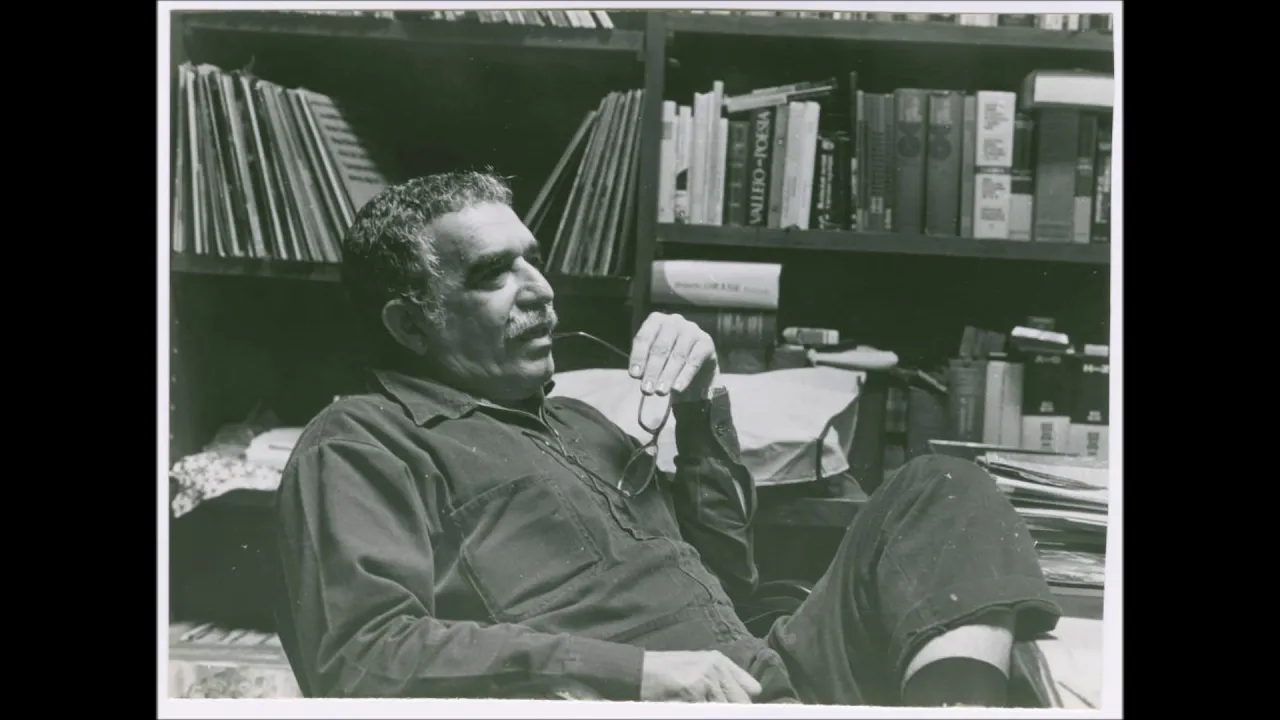
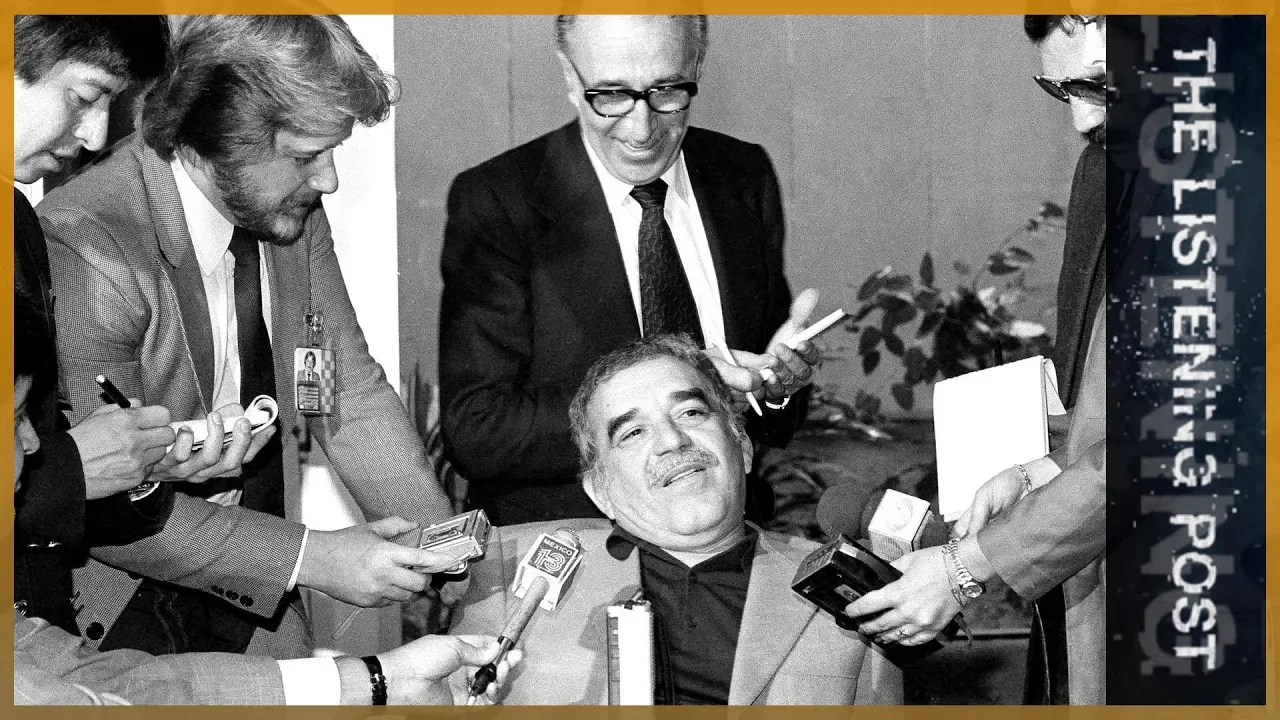











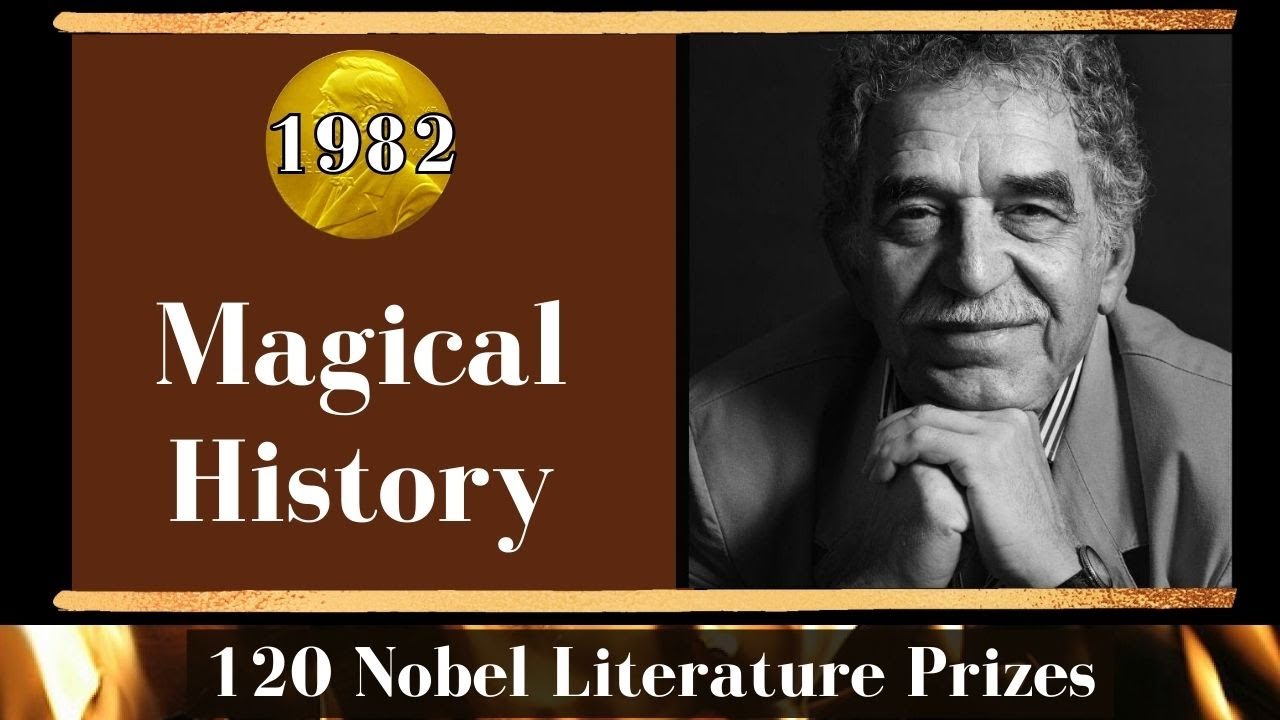


Gabriel García Márquez, the Nobel Prize-winning Colombian author of 'One Hundred Years of Solitude,' believed that Latin American writers needed magical realism because conventional literary forms failed to capture their reality; he wrote the novel continuously for 18 months without stopping, facing extreme financial hardship including pawning belongings and sending manuscript pages in installments due to lack of funds, demonstrating how personal struggle and dedication shaped his literary masterpiece.
Gabriel García Márquez on Writing '100 Years of Solitude'
Added:Familiarity with the basic plot, characters (the Buendía family), and setting (Macondo) of 'One Hundred Years of Solitude'.
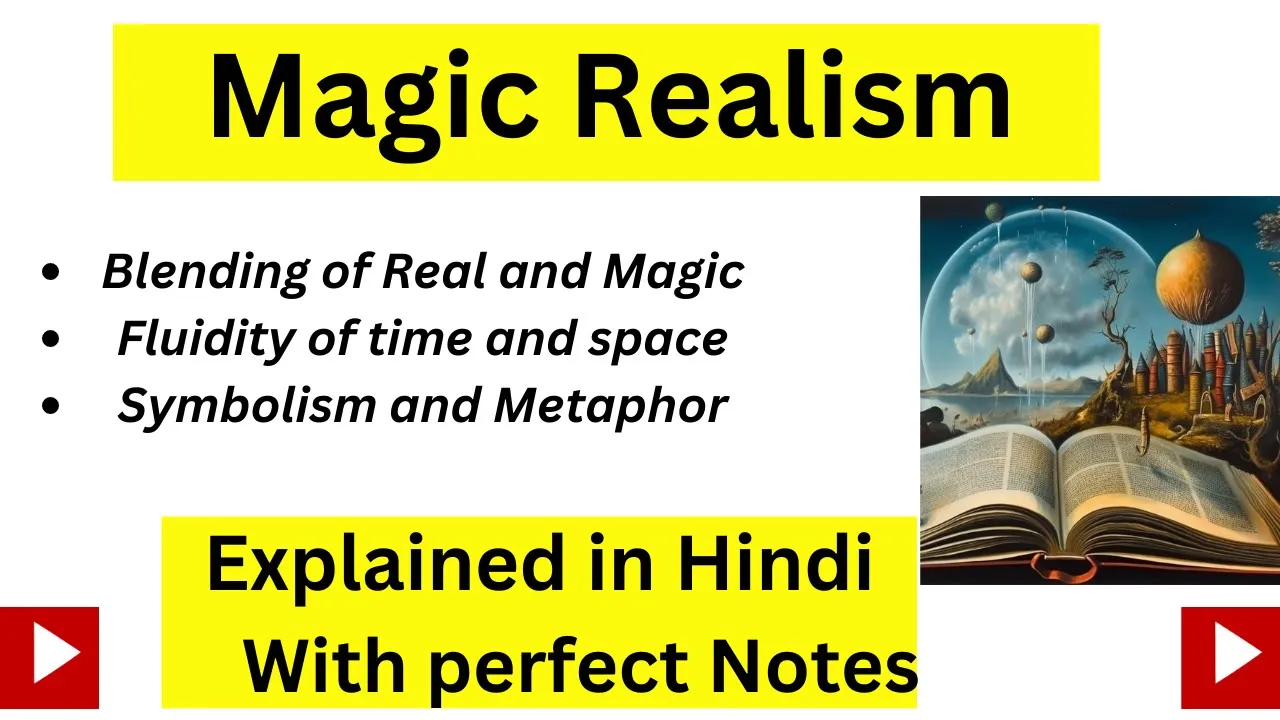
An understanding of the literary genre of Magical Realism, particularly how it seamlessly blends fantastical elements with mundane reality.
An introduction to the 'Latin American Boom', the literary movement of the 1960s and 1970s that popularized Latin American fiction globally.
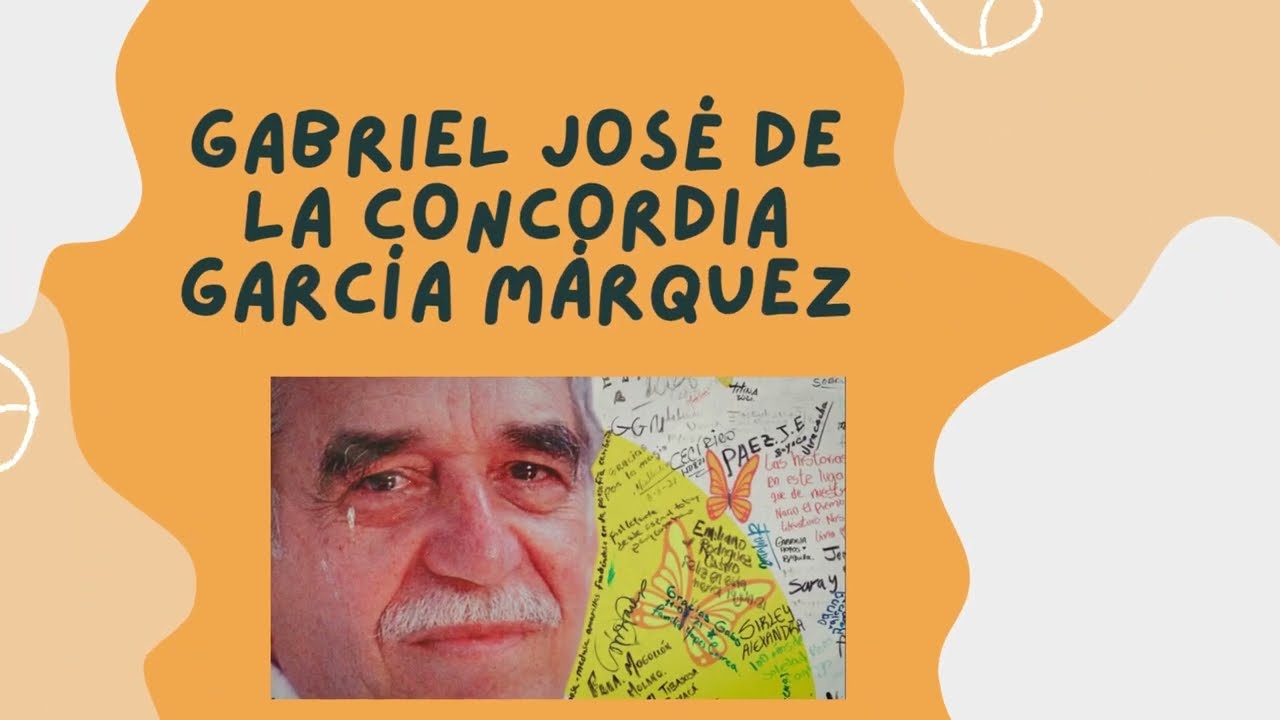
A basic awareness of Gabriel García Márquez's biography, including his early career as a journalist in Colombia.
Analysis of how García Márquez's journalistic background influenced his specific narrative voice and 'matter-of-fact' delivery of the supernatural.
Comparative study of 'One Hundred Years of Solitude' with other major works of the Latin American Boom, such as Carlos Fuentes' 'The Death of Artemio Cruz' or Julio Cortázar's 'Hopscotch'.
Exploration of the creative writing process under duress, analyzing how financial instability and personal isolation affect artistic output.
An examination of the political and post-colonial allegories embedded within the history of Macondo, particularly relating to Colombian history and foreign imperialism.
161.4K views1.6Klikes13:38Original Release: 2014-04-18
This is democracyow democracynow.org the war and peace report. I'm Amy Goodman and I'm Juan Gonzalez. Welcome to all of our listeners and viewers around the country and around the world.
One of the greatest novelists and writers of the 20th century has died.
Colombian author Gabrielle Garcia Marquez whose masterpiece 100 years of solitude won the Nobel Prize for literature passed away Thursday in Mexico at the age of 87. Colombia's President Juan Manuel Santos has declared three days of mourning.
As a government, in an homage to the memory of Gabrielle Garcia Marquez, I've declared a state of national mourning for 3 days and I have ordered all public institutions to fly the national flag at half mask. And we also hope Colombians will do the same in their homes. Today, we'll spend the hour discussing Gabrielle Garcia Marquez's life and work, which have sold tens of millions of copies, and will feature clips of the writer himself. It's been reported that only the Bible has sold more copies in the Spanish language than the works of Garcia Marquez, who was affectionately known as Gabo throughout Latin America.
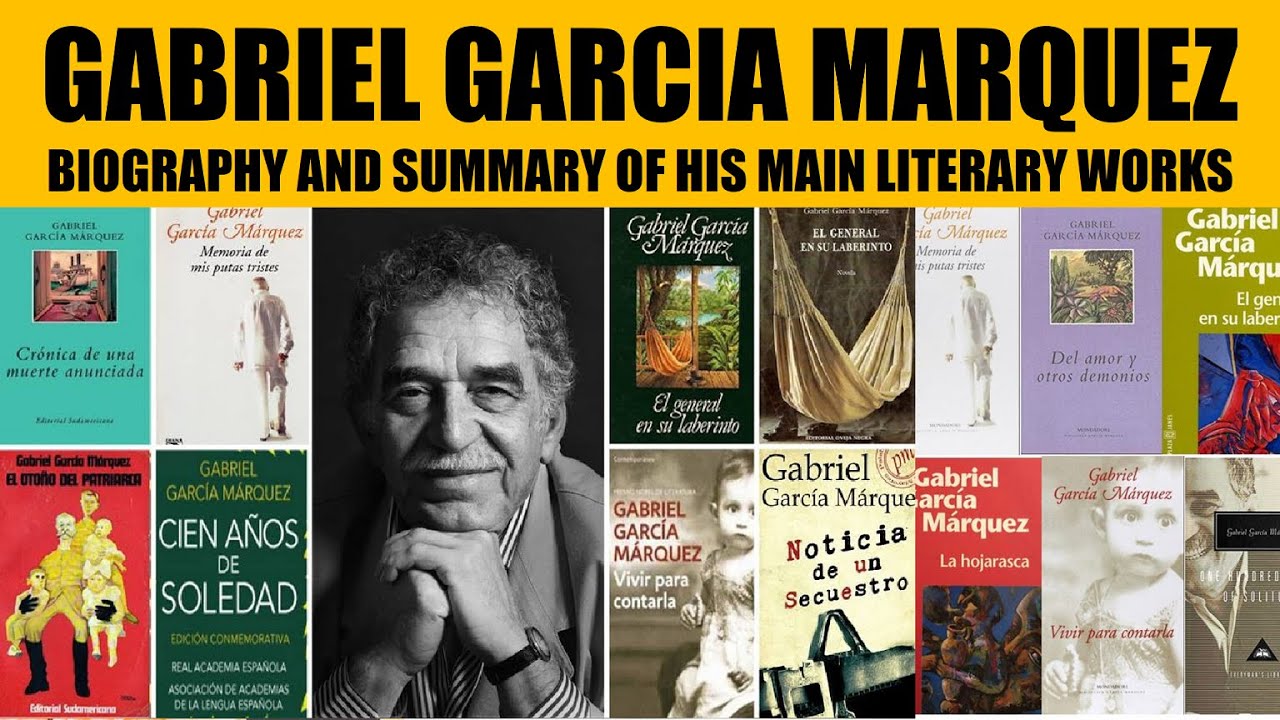
Among his best known books, in addition to 100 years of solitude, a love in the time of the kaler of kalera, chronicle of a death foretold, autumn of the patriarch, the general in his labyrinth.
Gabrielle Garcia Marquez was born in Colombia in 1927. In the 1950s, he began working as a journalist in the capital city of Bogata. He wrote a series of articles about a Colombian sailor that drew the eye of the conservative government. So, he left to report from Europe where he began writing fiction.
He eventually returned to Colombia and in 1967 published what would become his most famous novel 100 years of solitude. It weaves together the misfortunes of a family over seven generations and is based in a town called Makondo which may many take to represent the town where Garcia Marquez was born and raised by his grandparents until he was 9 years old. The book is considered one of the masterful examples of the literary genre known as magical realism and it won him the Nobel Prize for literature in 1982.
The Swedish Academy described it as a book quote in which the fantastic and the realistic are combined in a richly composed world of imagination reflecting a continent's life and conflicts. This is an excerpt from Garcia Marquez accepting the Nobel Award.
The country that could be form of all exiles and forced immigrants of Latin America would have a population larger than that of Norway.
that it is this outsized reality and not just its literary expression that has deserved the attention of the Swedish Academy of Letters. A reality not of paper, but one that lives within us and determines each instant of our countless daily deaths, and that nourishes a source of insatiable creativity, full of sorrow and beauty, of which this roving and nostalgic Colombian is but one cipher more, singled out by fortune.
poets and beggars, musicians and prophets, warriors and scoundrels, all creatures of that unbridled reality. We have had to ask but little of imagination. For our crucial problem has been a lack of conventional means to render our lives believable.
This, my friends, is the crux of our solitude.
That was Gabriel Garcia Marquez speaking in 1982 when he accepted the Nobel Prize for literature. One of his biographers, Gerald Martin, described 100 Years of Solitude as quote, "The first novel in which Latin Americans recognized themselves that defined them, celebrated their passion, their intensity, their spirituality and superstition, their grand propensity for failure."
Garcia Marquez's writing was shaped by his political outlook, which was informed in part by a 1928 military massacre, a banana worker striking against United Fruit Company, which later became Chikita. He was an early ally of Fidel Castro in Cuba, and a critic of the US Baku in Chile. For decades, he was denied a visa to travel to the US until President Bill Clinton lifted the ban in 1995.
In 1998, when he was in his 70s, Garcia Marquez used the money from his Nobel Award to buy a controlling interest in the Colombian news magazine Comio. He told reporters at the time, quote, "My books couldn't have been written if I weren't a journalist because all the material was taken from reality." Soon, we'll be joined by Chilean novelist Isabelle Yende to discuss Garcia Marquez's life. But first, this is part of a speech Garcia Marquez gave after he sold his 1 millionth copy of 100 Years of Solitude.
When I was 38 years old and with four books published since I was 20, I sat down at the typewriter and began. Many years later, facing the firing squad, Colonel Orieliano Dwendia was to remember that distant afternoon when his father took him to discover ice.
I had no idea of the meaning nor the origin of that phrase or where it was leading me. What I know today is that I did not stop writing for a single day for 18 straight months until I finished the book.
It seems incredible, but one of my most pressing problem was finding paper for the typewriter. I had the bad manners of believing that misspelled words, language mistakes, or errors in grammar were actually created. And whenever detected, I would tear up the page and throw it into the trash basket to start again.
With the piece I had gained in a year of practice, I figured it would take me about six months working every morning to complete the book.
Espiranza.
Espiranza Areisia, the unforgettable parah, was a typist for poets and filmmakers who completed the final versions of the great works of Mexican writers, including Where the Ear is Clear by Carlos Fuentes, Pedro Paramo, Juan Rulo, and several original scripts of Luis Bonell.
When I asked her to finish the final version, the novel was a draft of riddled patches, first in black ink and then in red to avoid confusion. But that was not unusual for a woman used to being in a den of wolves.
A few years later, Perah confessed to me that when she was going home with the final version of the manuscript that I had corrected, she got off the bus, slipped and fell under a torrential rain. The pages went floating in the mirror of the streets. With the help of other passengers, she was able to collect and drench the near illeible pages and took them home to dry page by page with a clothes iron.
What could be the topic of a even better book would have been how we survived.
Mercedes and I with our two children during that time when I did not gain a dime anywhere. I don't even know how Mercedes managed during those months to not miss a single day's food in the house.
[applause] We resisted the temptation to take out loans with interest until we got the courage in our hearts and we started our first foray to Mount Mercy Poncha.
After the fleeting relief of having pawned certain small things, we had to pawn jewels that Mercedes had received from family members over time. The expert examined them with the rigor of a surgeon. He checked with his magical eyes the diamonds of the earrings, emeralds of the necklace, rubies of the rings, and in the end he returned them after a long pause. All this is pure glass.
[applause] In the times of greatest difficulty, Mercedes did her astral accountant and told her patient landlord without the slightest tremor in her voice. We can pay you all together in 6 months. Excuse me, ma'am, replied the owner. Do you realize that this will be a huge sum? I do realize this, Mercedes said impressively. But then we'll have it all figured out. Rest assured.
The good man who was a senior official of the state and one of the most elegant and patient men that we ever met did not tremble his voice either and responded, "Very well, ma'am. Your word is all I need." and he calculated his mortal accounts and said, "I await you on September 7th."
Finally, at the beginning of August 1966, Mercedes and I went to the post office of Mexico City to send to Buenes the final version of 100 years of solitude.
A package of 590 typewritten pages double spaced on ordinary paper and addressed to Francisco Pua, literary director of the South American publisher.
The postal employee put the package on the scale, made his mental calculations, and said, "It will cost 82 pesos."
Mercedes counted the bills and loose change she had left in her purse and faced reality. We only have 53.
We opened the package. We divided into two equal parts and sent one part to Buenes without even asking how we were going to get the money to send the rest.
Only later did we realize that we had not sent the first part but the last.
[applause] But before we got the money to send it, Paco Fua, our man in the South American publisher, eager to read the first half of the book, sent us the money we needed to send the first part.
That was how we came to be born in our lives today.
Gabrielle Garcia Marquez. He passed away at the age of 87 yesterday. We're dedicating today's show to remembering the man considered one of the greatest writers of the 20th century. When we come back, we'll discuss his life and his work with Isabelle Aende, the best-selling Chilean writer and one of Latin America's most renowned and revered novelists. This is Democracy Now. We'll be back in a moment.
Up Next

14:08
Ngũgĩ wa Thiong'o: Decolonising African Literature and the Mind
@cccbarcelona
68.1K views•2019-09-10

13:43
Formalism in Literary Criticism: An Academic Lecture Overview
@mattalberhasky9952
39.1K views•2015-08-05

6:08
Point of View in Fiction: First Person vs. Third Person
@magicalthriftyteacher
153.8K views•2014-03-31

15:25
1984: Orwell's Dystopian World and the Mechanisms of Totalitarianism
@AlternateHistoryHub
7M views•2017-03-04
Related Study Plans & Knowledge Roadmaps
Structured learning paths in Literature
literature
Graphic Memoirs: Visual Art, Trauma & History
01Foundations of Sequential Art and Visual Language
02Autographics and Processing Historical Trauma
03Visualizing Personal Trauma, Grief, and Graphic Medicine
+ 2 more learning modules
14h5 modules
Explore Roadmap
literature
Campus Novels: Evolution, Themes & Critique
01Introduction to the Campus Novel Genre
02Mid-Century Satire and the Post-War Academy
03Dark Academia and the Critique of Privilege
+ 2 more learning modules
14h5 modules
Explore Roadmap
literature
Theater of the Absurd: Philosophy & Plays
01Postwar Existentialism & Historical Roots
02Dismantling Narrative: Esslin & Absurdist Conventions
03Samuel Beckett and Tragicomic Existentialism
+ 2 more learning modules
12h5 modules
Explore Roadmap
literature
Revenge Tragedy: Justice, Madness & State
01Foundations of Early Modern English Theatre
02Anatomy of Revenge: Structural Conventions
03Psychological Complexity: Madness and Melancholy
+ 2 more learning modules
15h5 modules
Explore Roadmap