





























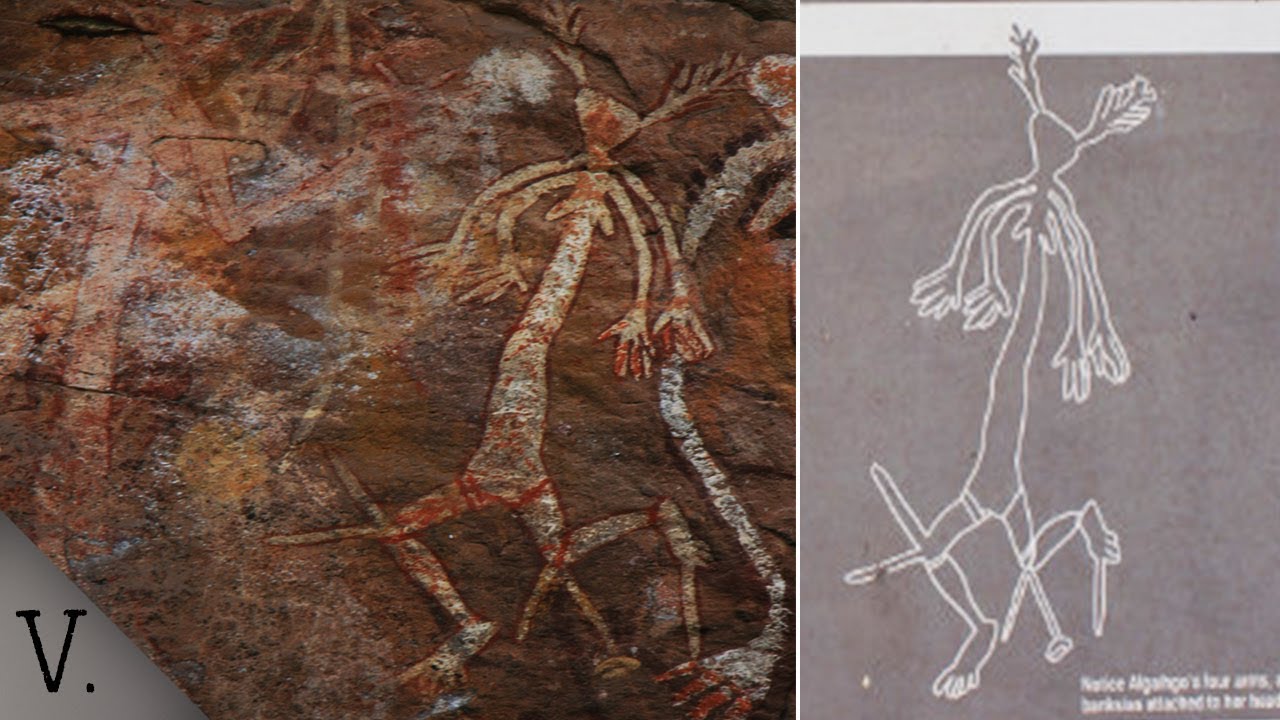
Early theories explaining cave art meaning evolved significantly. Totemism suggested Paleolithic peoples worshipped specific animal totems, but faced criticism for lacking dedicated animal-cave associations and contradicting pierced animal imagery. Sympathetic magic, championed by Breuil, proposed magical practices to influence hunting success, interpreting pierced animals and sexual imagery as ritual elements. Fertility magic extended this to encourage animal reproduction. Colonial biases shaped these interpretations, comparing Aboriginal Australians to Paleolithic Europeans and attributing vague concepts of hunting and fertility magic. Structuralism, developed by Laming-Omer, focused on image organization and topographic relationships rather than ethnographic comparisons, categorizing frequent horse and bison appearances and noting species distribution patterns. Each theory explains some aspects but fails comprehensively.
Paleolithic Cave Art: Techniques, Meanings, and Mysteries
Added:there are a few things are synonymous with the Stone Age as C art since its Discovery in the late 19th century its study has revolutionized how Scholars view early human history its very existence recast the people of the past from Savages incapable of our modern understanding of art into creative minds on a power of the artists of succeeding eras in the century since it was realized just how ancient these images were hundreds of remarkable examples have come to light and some of this Art's more illustrious images are now famous in their own right in fact if you walked up to someone on the street and asked them to name things they associate with the Stone Age or caveman okay they probably mention The Flintstones if you kept talking to them though I'm willing to bet that someone would eventually bring up cave paintings yet despite this recognizability in the popular Consciousness these images are often seen as inherently crude an early lesser attempt at Art by a more primitive form of humanity to test this I asked a few friends what came to mind when thinking about cave art and the most common answers were something along the lines of a stick person throwing a spear at a mammoth the reality of cave art however couldn't be further from this whilst this Cy varies as with any body of artwork many of the images found throughout Europe display a level of sophistication in their composition that can only be described as genius and when you pause to consider the medium and tools that these people would have had to work with the level of technical skill displayed by these paintings becomes almost miraculous many of these items include examples of shading perspective and stylization that would be unprecedented elsewhere in artwork for Millennia and the Very Act of their creation required a person with highly developed skills knowledge of the world around them and at times major technological innovations I feel confident in saying that neither I nor you nor even the best artist you know possesses the knowledge to replicate even a fraction of these images using the methods these people had available at the time but beyond its beauty and Technical accomplishments Kart represents something deeper Within These images we see one of Humanity's first attempts to depict the world around us these paintings present us with a snapshot of a world long since extinct filled with mega fora such as wild horses Oro cave Lions Cave Bears and mammoths all now long vanished what might these creatures have meant to the people who so dutifully portrayed them what part did they play in their belief systems and what messages would they have seen in their motifs and layouts why are these often beautiful images so carefully placed and rendered by their artists restricted to Dark Places beyond the eyes of most people and if these images contain Humanity's earliest documented thoughts about the world around us why in most cases a human so conspicuously absent from them all these questions and more will not be answered by this video I mean yeah come on archaeologists and anthropologists have been working on these questions for over a hundred years now and the answers to most of them still remain far beyond our grasp I'm sure I the person whose crowning academic achievement this year was managing to fix my garage door which I also broke I'm going to be the one who finally gets to the bottom of it all but whilst the answers to many of these questions continue to elud us that doesn't mean that there aren't a tremendous number of things that we do know about cave art and where the answers elud us schols have presented a myriad of theories many of them compelling in their implications early human culture and development so for this video I thought I'd examine exactly how these paintings were made what their wider place is in the history of human art and the theories we currently have as to what these images could have meant as I do so I'll also try and keep in mind what these paintings and their creation says about the people who made them and take a look at a few glimpses of their everyday lives that to be found in the places that they chose to decorate as the title of this video implies I think that cave art is just about one of the coolest things in human history and I hope by the end of it I'll convince you that it's more than just some stick figures throwing Spears at a mammoth then to finish I'm going to completely screw myself over let's get started [Music] before we get going I should probably start by saying exactly what I mean when I say cave artart most people are probably already a little familiar with the images of large Ice Age animals such as Horses Oro bison ibeck rhinos mammoths and deer that have been found in caves stretching throughout Europe as far east as the Russian Ural Mountains the vast majority of these are found throughout southern France and Northern Spain with these countries being home to over 300 of these sites a small number of these sites also include depictions of humans though these usually consist of disembodied body parts such as heads fuses and vulvas rather than complete figures in form these sites are incredibly diverse whilst the majority contain only a small number of animal paintings some larger sites are famous for the bread and scale of the depictions they contain at sanctuaries such as Lasco Neo kosi CH and El Castillo many hundreds of paintings and Engravings have been on Earth with each site containing their own unique layouts and selections of animal subjects alongside this we also see widespread evidence of other forms of decoration dating from this time some of it not limited to caves these include simple handprints dots and geometric patterns of varying complexity that actually outnumber the known animal figures on top of these we also see images that didn't use pigments at all instead they took the form of simple finger tracings or more labor intensive eings which were used to build up similar geometric and animal motifs at some sites this imagery may have been produced in a relatively short amount of time by a limited number of artists whereas at others there is of multiple different phases or periods of decoration separated by centuries or even Millennia to the best of our current understanding this artwork appeared in Europe around 40,000 years ago during a period known as the upper Paleolithic whilst it was once thought that there was a several thousand year gap between the arrival of modern humans and the appearance of the first cave artwork there is increasingly evidence a small amount of wall painting was being conducted from this earliest point and as we'll get into it it may even predated our arrival entirely this type of artwork continued in various forms until roughly 11 to 10,000 years ago when the practice of decorating caves seems to have gradually died out this time span roughly covers four major divisions of the upper pero livic the oration which began around 43,000 years ago the gratian which dates from around 28,000 years ago the solutran dating from around 21,000 years ago and the magdalenian which began around 177,000 years ago whilst the earliest cave art appeared either in or slightly before the beginning of the orig nation a far greater proportion of it would be produced in these later eras with the majority of all cave Arts being produced in the magdalenian before we continue let's stop for a second to consider just how long a period of time that is for these artistic Traditions to have persisted on other videos on this channel we've discussed later human cultures and civilizations which usually cover time spans that range anywhere from a few hundred years to several Millennia at the most even then we often see artistic practices evolve over the course of this time a process best symbolized By changes in how people chose to decorate their dwellings and pottery as an example let's take the manans they're a civilization with a distinct art style some of you might have seen their main period of surviving artistic expression lasted from around 1700 to 1100 BC which gives us a not too shabby 600 years of artwork to draw upon even then though the artistic forms of these people would change throughout the centuries reflecting both local political developments and interactions with other surrounding cultures by comparison most Scholars argue that the central moti of Kart persisted not for a thousand years not for 10,000 years but for 25,000 years to try and help us get our heads around how long that is that's a 100 times longer than the United States has existed more than 10 times longer than the entire lifespan of the Roman Empire and at least 4 more times longer than the time humans have been living in cities the sheer scale of this time has led some archaeologists to be a little KY in how they discussed this artwork arguing that a single category of cave or rock art is simply too broad to summarize all the varied forms and functions that these images take on this period shouldn't be seen as a static one either throughout the broad span of the time that Cav art was produced in Europe vast environmental changes swept the world around the time that it first appeared Europe may have been rocked by a onew punch of a devastating glacial event followed by a massive volcanic eruption which would have hit around 40,000 years ago and may have played a part in the eventual extinction of the neander tals by this time early modern humans had already expanded into parts of southern Europe and by 35,000 years ago the increasingly favorable climate facilitated their expansion northwards then from around 26,000 years ago the climate grew colder and drier again as the most recent Ice Age began forcing new adaptations upon the people who live there sea levels lowered glaciers covered parts of Northern Europe and large areas became dominated by forested step and Tundra both the species and number of animals available for humans to hunt changed and the people who lived during this time developed new technologies to survive throughout all of this cave art continued to appear across Europe and as the temperature fell more and more these images would be painted in the continent's dark secluded recesses as we'll get into there is some controversy as to whether the conventions of this artwork changed during the long Millennia during which it was painted before we discuss this though or indeed how it was painted at all I think it's important for us to note that the practice of painting cave or rock art is not something unique to pale OIC Europe in reality there is Bountiful evidence of paintings and etchings to be found in caves and rock shelters on every continent except Antarctica many of these examples are comparatively ancient themselves and some continue to hold ritual roles and to be iterated on today in fact it now seems likely that the oldest figurative cave art in the world is to be found outside of Europe in 2021 uranium series dating discovered an image of a pig in a cave in soloi Indonesia was nearly 44,000 years old and earlier last year an image of free humans in a pig from another cave on the same Island were found to be more than 51,000 years old I've sadly not had much of a chance to go into these and other examples today because then well this video would be several times longer than it already is and later on I also want to discuss a number of controversies that are largely unique to how European cave art has been interpreted it would be disingenuous of me though not to acknowledge that these exist so before we can go any further here are five cool examples of cave art from around the world in case Le you want to check them out yourself naala gabang Australia qua deas Manos Argentina the condo irangi Rock paintings Tanzania the Chumash painted caves of Southern California and The Rock paintings of the jinsha river in China on top of this I also want to say that despite the popular stereotype the vast majority of Paleolithic Europeans didn't live in caves as discussed by Dr to Paul bar and his book images of the Ice Age caves aren't actually particularly good places to live a lot of them are usually wet dark and are full of the sorts of hazards that could easily get someone killed with that being said there are a small number of caves in southern France and Northern Spain that do show traces of habitation in these cases many caves show evidence of either continuous or intermittent occupation that in some cases stretched over Millennia throughout this time the human occupant of these caves would also potentially had to share these sites with other creatures including Predators such as cave bears cave lions and even cave hyenas these dangers meant that in addition to more creative skills artists from this period also had to possess a degree of Bravery they had to be willing to trapes into Dark Places beneath the Earth which could be home to Natural hazards and predators and to work for hours in often uncomfortable spaces illuminated only by what light they could generate themselves the appearance of European cave paintings around the beginning of the orig nation along with other portable objects represents something of a sea change compared to earlier examples of human artwork to demonstrate this let's examine the history of earlier perol lithic art it's often tempting to view the history of Art in a linear fashion with older Works being inherently cruder and lacking the technical skill of today's artists if you're being really uncharitable you can apply some of this thinking to cave art I mean it's just a bunch of people making handprints and drawing some animals God they hadn't even figured out blue yet whilst I hope to demonstrate that this perception is false I have to admit that a lot of artwork predating the orig nation can seem very simple in its execution the earliest examples of this date back far further than the last ice age and it has even been argued that humans have been making art or at least objects that were atically pleasing since before modern Homo sapiens even emerged the exact point where this artistry became intentional however is less certain as noted by archaeologist Dr John clot what complicates things is that there are quite a few objects from this time that might seem like works of art to us but that may have had all the artistic intent of a well-made bird's nest or a spiders web we might find this hand ax aesthetically pleasing in its Symmetry and angles but in all likelihood its creator would have been more concerned with making an effective tool even then though there are elements about these tools that have given given archaeologist pause a good example of this is another 250,000 year old hand ax that was Unearthed in norol in England this axe was probably crafted by either homo hyal bensis or an irandal and whilst the axe itself is known to be structurally flawed it prominently retains a fossilized Shell at its Center a decision that may indicate some appreciation for its athetic qualities this idea is a controversial one and some archaeologists have argued that its inclusion may have been for other reasons for what it's worth though on a technical level I think the positioning of this shell is a type of artistry after all do you know anyone who could turn a piece of flint into an EV sided functional if flawed tool whilst deliberately retaining the shell in such a prominent position if you know anyone who's really into Flint napping please disregard this question outside of these tools a small amount of intentionally designed artwork made by anatomically modern humans the dates from before the upper Paleolithic has been accept as authentic by archaeologists from what we do have it's clear that art wasn't something that was just suddenly invented in one particular place or time instead over the Millennia we see a small number of crafted objects emerge that display a level of intentionality in their appearance these largely consist of either reshaped natural objects or geometrical lines and carvings and many middle Paleolithic sites in Europe Africa and Asia show plentiful evidence of naturally pierced shell beads that may have have been strung as decorations the most significant sites dating from this period however have been found in modern South Africa which includes cboo cave and the Klein cleus and deep clu of rock shelters the most famous site however is that of blombos cave here large numbers of pierced sea snail shells have been found that were clearly worn as necklaces along with more than 8,000 pieces of ochre some of which bear simple geometric motifs relevantly for us some of these sites also contain early evidence for simple paint production again using blombos as an example two seashells have been found here dating from around 100,000 years ago that contain traces of ground red ochre that may have been mixed with marrow to produce a fine red paste this mixture would then have been used to decorate objects and could also have been used to tan hides or could have been applied to the skin to act as a simple form of sunscreen or insect repellent a number of potentially artistic objects dating from the middle Paleolithic have also been found throughout Europe these items include simple Rock Engravings bone incisions and pierced bone and ivory objects that were most likely created by neander there's also plentiful evidence that neander used ochre both as a decoration and as a burial component large amounts of red ochre crayons and in some cases black manganese oxide pieces have also been found at sites throughout Europe whil painted shells have been Unearthed at fumane Cave in Italy and Avon cave in in Southeastern Spain in recent years it has also been controversially suggested that neander tals may have produced some early cave arts in 2012 a team headed by Dr Dirk Hoffman Dr for Christopher sandish and Professor aler Pike published a study claiming that a number of simple motifs and hand stencils at sites in Northwestern Spain dated from around 37,000 to 41,000 years ago this would put them right at the crossroads where both modern humans and the anales were present Within the region in 2018 the same team would also present results from a follow-up study claiming that a number of similar images found at the sites of laasa malra Vio and ardales dated from between 63,000 to 67,000 years ago meaning that they would long predate modern humans and could only have been produced by neander tals to the best of my understanding these findings are still controversial and their accuracy is a question that's really beyond the scope of this video it is an interesting possibility though that the idea of painting an image on a cave wall isn't something unique to modern humans and that's another species of human may have practiced it first in some limited capacity either way the impression given to us from this early artwork is of a Humanity still assembling the toolkit it needed to express itself and one that is perhaps still developing the creative impulses that would lead to the Myriad forms of artwork seen throughout our later history despite this though the creation of this artwork indicates a major threshold that already been crossed in our development we should also keep in mind that some of our perception of this early art maybe because what we are seeing here are merely the examples that have weathered the long Millennia until now given what we know of examples of paint production dating all the way back to sites like blombos cave it may be that there were many earlier examples of painting either in caves or elsewhere that simply have not survived to the modern day this is also likely the reason that while Engravings dating from the upper Paleolithic have been found in rock shelters throughout Europe no known examples of paintings have been found outside of caves and reconstructions have shown that their pigments are easily degraded by the elements getting back on track though the impression we have is that from the upper perol liic onwards artistic practices would intensify and also diversify alongside the first appearances of animals in cave art during the oration we also start to see portable artwork depicting both animals and humans appearing throughout Europe these include a number of carved Stone bone and ivory objects the most famous of which have been found in the suabian Ura or Alps perhaps the oldest known example has been found at the cave of holenstein stadle dating from roughly 40,000 years ago here a fragmentary mammoth ivory figurine has been discovered shaped into a humanlike form but which also features a lionlike head elsewhere the roughly contemporary Cave of Fogle hert has yielded carved images of big cats horses mammoths bison deer and rhinos as more than 500 examples of what have been somewhat misleadingly termed Venus figurines have been found throughout Europe these usually consist of either figurines or Rock carvings of women with large hips and breasts and whilst the oldest known example of which dates from the early orig Nation they would continue to be produced throughout Europe until the end of the Paleolithic alongside these we also know of many different examples of carved handles spear throwers and pl that were created later in this period along with sexual imagery such as fers and vulvas reshaping these items and the figurines would have required a great deal of skill and it can't be disputed that many are beautiful in their own right my personal favorite piece from this period is the fragmentary head of a woman that was found at Brom pu in Southwestern France there's such a tenderness in the delicate cross-hatching of the hair the way the nose and the eyes and the brow are all individually shaped but for all the craftmanship these portable objects demonstrate many early prehistorians felt that there was something of an additional creative leap between the production of this portable artwork and the creation of cave art when the first example of the latter was discovered to them there seemed to be a big difference between the type of creative ability that would lead someone to reshape an existing object perhaps one that already naturally resembled the intended figure and the type that would lead someone to create an entirely new image from scratch as we all discussed this is itself something of a false perception and Cave artists often seem to have been similar influenced by cave wall features when composing their paintings at the time though this apparent extra jump in creativity was judged by many to be one beyond the abilities of pay lithic humans and this perception led many of the period's most eminent prehistorians to reject them as more modern Creations the result was one of the great injustices in the history of archaeology [Music] somewhere between the late 1860s and the early 1870s a tenant farmer and to maker named Modesto kubilus stumbled across alamira cave near the town of santiana delmare in Northern Spain at the time of his Discovery he was out hunting and by chance his dog wandered into its entrance for the next several years the cave would remain largely unexplored until in 1876 an amateur naturalist named Don Marcelino s soua paid it a visit on his first visit alamira dayaa seems to have thought little of it noticing only a few Engravings and some black painted signs on a wall this all changed 2 years later when he attended the 1878 Universal exhibition in Paris whilst exhibiting some of his Region's produce his attention was drawn against again and again to the prehistoric artifacts that were being displayed by the prehistorian Edward pet to quote the Recollections of his daughter Maria Justina decades later among all the wonders of the great show nothing made a more profound impression upon my father than the prehistoric artifacts discovered by pet in the dordon department of France these tools and instruments as you know furnished abundant proof that man had existed at the same time as animals now extinct in Western Europe that is to say mammoths muscot bison and reindeer however by no means everyone accepted the proof evidence was indeed hotly and fiercely contested nevertheless pet really was able to produce drawings and Engravings dating from these prehistoric times drawings indeed executed by prehistoric man who lived countless ages farther back than was then generally believed possible my father became very excited about the whole business again and again he went back to view the glass cases and to gaze upon the implements and art objects one day Desa twer met pet himself who he quizzed at Len on Caverns artifacts excavation efforts and a thousand one other things to do with archaeological fieldwork back in santiana he set to work Excavating the cave at alamira and others in its vicinity hoping to find relics on a pile of the ones he had seen in Paris going by his own writings and his daughter's account his excavations were admittedly amateurish Beyond those of even the infamous archaeologist and Dynamite fan Hinrich schleman though in day sou tw's defense he didn't blur anything up apparently he simply took some shovels picss and maybe a few men then went out to the cave almost every day and got digging his efforts were soon rewarded though as he found evidence of stone and Bone tools both at alamira and at other sites in the area it was sometime around November 1879 however that he stumbled upon the discovery that would both make his name and un deservedly damage during one day of digging he brought along his daughter Maria Justina then aged just 8 years old whilst he dug into the cave floor she ran around in the cabin playing suddenly the young girl happened to look up at the roof it was there that Maria saw something that her father had failed to notice she pointed upwards and cried out Mira Papa WAYZ there she saw the forms of Bison stunningly rendered across the rock face Maria Justina deaa had just discovered the world's first known example of cave art in a 1923 interview with Herbert [ __ ] she would describe her memory of her father's reaction I pointed the pictures out to my father but he just laughed but soon however he got more interested held his lamp a loft while he made out a picture here and a picture there he dabbed the color of his fingers and recognized that the pigments were were real oil colors that is to say they had been mixed with a fatty medium he was so enthusiastic that he could hardly speak D out twer went on to produce a booklet describing his findings matter of fact we titled brief notes on some prehistoric objects from the province of sant andere whilst staa was not the first person to document potential cave art during this period many earlier prehistorians had dismissed the notion that Paleolithic paintings could exist at all and the small number of preceding reports went on investigated it was Daya twer however that made the leap to suggest that these images may be related to the ancient deposits alongside which they were found though this hypothesis was only cautiously stated in his booklet today sala's great dismay however the paintings were rejected as frauds by the majority of prehistorians whilst pet would accept them as genuine over the next two decades many ofs would try to discredit his claims some of their objections were more understandable than others after all this artwork was unprecedented and came from a self-professed amateur largely unknown to the prehistorians of the day as the European pipic was then best understood from sites in Southwestern France there was also some justifiable skepticism at such a major Discovery being found in a region That Was Then considered of lesser importance in the modern scientific Community these are all points that would hopefully have led to follow-up studies in order to verify the picture's authenticity instead however many prehistorians dismissed the images as Unworthy of Investigation the man who was gone down in history as the loudest of these naysayers was the esteemed prehistorian Emil kak writing of the 1880 Lisbon conference where dayaa and Spain's foremost prehistorian Professor Juan Villanova epier presented these findings writer Pierre mvel claims that kak left the hall in disgust declaring the paintings to be a vulgar fast day rapin whether this actually occurred or not is uncertain as I was unable to find any Source from the time to back it up when presented out of context though this claim does present kak in something of a villainous light working against Daya tw's efforts to publicize his findings a charge that has some justification reading the actual correspondence between the two however reveals that kak had a more nuanced take on Alam miror in a return letter acknowledging the receipt of Desa tw's bucklet kak was actually complimentary about much of his work he agreed that the tools and Bones he had discovered were indeed prehistoric and even asked him to send the bones to him so they could be categorized in a prophetic moment he wrote that quote I do not believe that any other Discovery has ever been made in Spain that is of more importance than yours from the point of view of prehistoric archaeology the paintings however went largely unmentioned and over the next two decades he he and many others would dismiss the significance of almir's images some of this dismissal may have been due to a mistake on kak's behalf when viewing reproductions of alam's Bison he Mis stuck them as an attempt at depicting an orox then dismissed its horns as being the wrong shape when considering the backlash to day sala's Discovery you also have to understand that at the time the true Antiquity of man was still a new and controversial subject within wider Society it was only recent decades the chronology of Bishop James Usher which held that the world began in 404 B.C had been overturned by the work of Bushi deer in the Som Valley and William peny at bricksome Cave in 1859 Charles Darwin's publication of on the Origins of Species popularized the theory of evolution and the implications of its theory of natural selection for the origins of humanity remain contested both amongst the scientific community and vehemently opposed by the Catholic Church as Maria day southw noted in that earlier quote even the true age of the portable artwork presented by pet and others was still controversial at the time as such kak and other schols like his anti-clerical colleague Louie Lauren Gabrielle de mortier were concerned that anti- evolutionary Jesuits was scheming to make prehistorians look like fools by perpetrating a hoax and this unfortunately LED them to suspect day outa but on top of these potentially valid concerns were heaped a bunch of misconceptions wild rumors and outright lies despite not having seen any of the art in person some researchers claim that the drawings were simply too fresh to be as old as hypothesized and it was even claimed that a modern artist had been seen entering the cave in order to perpetrate a hoax this claim turned out to be half true the painter was a Frenchman named Paul ratier except he had actually been hired to create the drawings of the alamir artwork that Villanova and D outa had presented in Lisbon in 1880 daa TWA responded by inviting these prehistorians to come see the images in person only one of them bothered to show up though a railway engineer named Edward aray who was really acting on behalf of both kak and DE mortier after viewing the paintings he argued that the pictures were simply too good to have been painted by Savages also the anatomy of the orox was wrong the paint seemed too fresh to the eyeon touch and he thought that some of it had been applied using a modern paintbrush Al's dismissive report would be published in the anthropology and both kak and de mortier were entirely Satisfied by his conclusions from reading about it all now it seems that many prehistorians of the period were simply unable to shake their perception that ancient men and women were too primitive to craft such wonderful imagery in the end Vindication would not come in day sou W's lifetime he died in 18888 believing that his honor had been insulted it wouldn't be until 1895 that similar art would be discovered at lamut Cave in southern France a site of indisputable peroli age over the next decade more painted sites would be discovered and evidence of their prehistoric origin began to mount 14 years after day outa's death Emil kak finally visited alamira alongside father HRI braer a researcher who was himself so prolific that he was later dubbed the pope of prehistory here kak would quick realize his mistake both he and haray would spend the rest of their careers begrudgingly trying to take the loss in 1902 kak published a famous article apologizing for his mistake titled m cop skeptique which ended with the following quote we must bow to the reality of a fact and for my part I must make amends to Mr DEA twer even the sight of the beautiful plate of which we are providing a faim here is a revelation of the prehistoric style that I was wrong to ignore and as for these strange forms that rightly astonish Mr Al and of which he brought us precise figures they continue to astonish us but what does it matter we are today more accustomed to surprises in the domain of prehistoric archaeology our youth thought they knew everything but the discoveries of Mur delu Rivier Capitan and Brea and especially the admirable excavations and artistic collections of Mr pet show us that our science like the others is writing a history that will never be finished but whose interest is constant ly increasing this apology has been read in different ways some scientists see it as a masterpiece of a scholar admitting an honest mistake in the face of new evidence others have been less charitable instead viewing kak's apology as a late conversion forced by the weight of the evidence and one during which he continued to defend his earlier actions and AR's report as proper at the time ironically it was kak alongside Brer who would go on to publicize alter miror to a wider scientific audience after revisiting the site in 1903 Ali would also admit that he was wrong about at least some of its images though he continued to label the Bison seing a fraud and only later admitted his own report was a stain on his record in the 100 years since the widespread recognition of almir's authenticity we've come a long way in understanding exactly how these pictures were created in addition to understanding many of the tools and techniques that these people employed we've also answered some of the more legitimate scientific questions that arlay and others raised during almir's original dismissal to demonstrate this let's discuss how this art was actually made imagine for me if you will one of these ancient artists stood in front of a European cave wall over 25,000 years ago they found the surface on which they want to realize their un solid Creative Vision and now they can't wait to get painting but before that they still have to make the paints that they'll be using along with any tools they'll need to do the actual paint painting on top of this they'll also have to deal with any complications unique to the cave they're working in what if it's too dark for them to see well or what if the best surface for the work they're planning is located just out of their reach as we'll see these are just some of the considerations that a perol lithic artist would have had to take into account let's start with the first stage how would these artists have made their Paints in almost all cases perol lithic artists would have been limited to making paints with four major colors red Brown yellow and black as noted by Paul bar and his work images of the ice age is commonly assumed that colors such as green and blue would also have been produced using plant extracts but the resulting pigments have not survived in reality though these colors require modern techniques to produce and it's unlikely that many of these artists had access to them the red brown and yellow pigments would have been made using various types of ochre themselves a mixture of clay and a type of oxide known as hematite blacks on the other hand would have been made using either manganese or charcoal produced by burning wood or animal byproducts such as bones and horns while some caves contain these minerals already others lack them and instead these ingredients would either have had to be mined elsewhere or possibly traded for once they were procured these minerals could then have been shaped and used as simple crayons but more often they appear to have been crushed to create a more versatile powder this this was then mixed with extenders substances that improve the quality and flow of the paint and binders to allow it to adhere to the wall more effectively at lasasco for example evidence has been found of simple pels and mortars that still contain small amounts of black red and yellow pigments whilst at alamira people likely mix their Paints in small Limpet shells in a fashion that resembles the methods used at blombos Cave so many Millennia before them only having four colors to work with May on the surface sound like a major limitation on the types of art that these people could have created we should keep in mind though that some of these minerals would naturally been present in differing Shades we have plentiful evidence that these peoples knew of ways of modifying their materials to produce additional Hues they seem to have been well aware that the shade of ochre can be modified with heating and at Lasco as many as 16 different color Shades appear to have been created by mixing substances deriv from animal bone quartz calide charcoal and clay from chemical analysis of the resulting images we can also tell that the substances used to create these paints varied both between cave art sites and at times between the individual paintings within them some of these differences were likely due to Natural variations in the mineral sources that these peoples employed and the varying proportions of minerals found in paints from kyak and the gagas caves match those found in local sources conversely other sites it has been argued that people may have crafted their own distinct recipes at the sanctuary of noo the results of chemical analyses conducted by Dr John kotz Dr Michelle Manu and Professor Felipe Walter have been used to argue that a number of individual recipes were used to make its paints with field Spar talcum and even biotype being variably added to act as extenders this claim has provoked a great deal of discussion and has led to speculation as to whether individual artists would have concocted their own specialist recipes and if they may have placed any special significance on the substances that they mixed into these images paints other sits have also shown Trace Amounts of bone and an though whether they were intentionally added or are simply contaminants from the tools used to produce them is uncertain similarly the type of binding agents used between these sites also varied modern reconstructive efforts particularly those performed by Claude kho at Lasco cave in the 1970s have shown that the most effective binding agent available was likely just some good old-fashioned water particularly the calcium carbonate Rich water that would have been readily available in most caves indeed this seems to have been the primary binding agent used at many sites though we also know of others that employed a wide range of different animal and plant deriv fats perhaps the strangest selection of binding material though may have come from alamor where it was argued in the 1970s by researcher Cabrero gido that powdered fossil Amber could have been added to the paints so now that we have a general understanding of how our hypothetical paralic artist would have made their paints let's move on and look at how they would have applied them to the cave walls when I began researching this episode I assumed that many of these images would have been made by people simply dipping their fingers or hands in the paint and then just applying it to the wall this was true in some cases and many dots were likely made using this method alongside this some more complex images were likely made by someone making a series of joined up dots to form lines in other cases raw ochre crayons or charcoal sticks may have been used to create an outline though modern reconstructions have shown that these would have worn down relatively quickly what I did not realize until I researched this episode is that on top of these simple methods paralic artists also seem to have used a wide array of different more efficient techniques to realize their Creative Vision one of the most common images you'll see throughout cave art are these cool negative handprints where a person's hand is outlined with pigment to leave behind an impression rather than producing these prints by manually painting around their hands these artists instead took a different approach they spat them out using a technique known as spit painting these men and women would simply have placed dry or liquid pigment in their mouth then I spat it out directly to cover the hand they wish to outline or through a tube-shaped object one interesting feature of the the resulting handprints is that they provide us with some of the earlier signs of people being either right or left-handed with each artist usually leaving behind an outline of their less dominant Hand by carefully controlling this stream of paint it would also have been possible to use this method to produce large dots or to add shade to another Image modern day reconstructions performed by Dr Michelle L Blane have demonstrated that when combined with outlining using a simple crayon this method could be used to quickly reproduce many Paleolithic images in times ranging from as small as a few minutes to a couple of days alongside this method we also have evidence that perol lithic artists would have used a wide range of other tools to complete these images these include spatulas and animal hair pads along with a technique known as stump drawing where paint is applied to a wall and then spread using either a hand or a piece of hide it might also surprise you to learn that some images were likely painted using simple brushes made from either animal hair or vegetable fibers in a fashion that resembles modern painting outside of painted images we also have many examples of engraved imagery that have been found in these caves that would have been created using a variety of methods the simplest of these consisted of tracings produced by running a finger across soft surfaces such as moonmilk a creamy white substance that builds up on certain types of rock for harder surfaces a tool would have been required which would have included simple Flint blades Flakes and more chisel-like burins when they were first cut the resulting Engravings would have appeared much clearer than they often do today consisting of sharp lines standing out against the darker rock at the sights of aljer Trio FR and most famously at chave Cave walls were selectively scraped of any debris before painting resulting in a white Limestone background against which these images would have stood out in Vivid detail there's even examples of images that combine both end engraving and painting as part of their composition at Alam miror for example the paintings on its famous bison ceiling were first given detailed outlines through careful engraving and painting in Black after which most were then filled with red paint so we now know what sorts of paints and tools our hypothetical artists would have had available to craft their Masterpiece but before they could do that there's yet another hurdle that they would have had to overcome the light levels of individual caves naturally vary depending on their layouts and in a few cases natural light sources may have been enough to paint by the vast majority of caves however are simply too dark for this to be possible and some form of artificial lighting would have been necessary in some cases this may have been generated by a few small fires set on the cave floor but more often it seems that portable forms of lighting were employed at sites such as Chau and kosy this lighting was provided by simple tortures most often made from Pine that could have been easily lit by striking a flint against a piece of pyite evidence for this can also be seen in the occasional presence of charcoal on Cave floors along with sub marks and torch wipes where a dying torch was brushed against the cave wall in order to revive it it was the absence of these types of markings at alamira Cave that provoked one of the more understandable objections raised by Skeptics of its authenticity and allowed them to argue that in the absence of tortures these IM must have been produced using modern lighting it's now clear though that the creators of almir's imagery Ed simple oil lamps instead of tortes which gave off little to no such surviving examples of these lamps have been found at a number of other caves including Lasco gabio and lamut as well as at a number of open air sites and rock shelters these usually consisted of a simple piece of Rock with a natural Hollow which was then filled with animal fat and grease to act as fuel to complete these lamps a wick would then have been added which perhaps consisted of a piece of wood some plant fibers or even some Moss the majority of these lamps were fairly utilitarian in their appearance but a small number appeared to have been more deliberately shaped at Lasco and lamut caves a pair of carefully smooth red Sandstone lamps have been found the former of which includes an engraved handle and the latter of which carries the carving of an IEX on its Underside the amount of light generated by these lamps would have been small estimated by Dr John clot at around a fifth of that produced by a modern candle this may still have been enough to work with though especially if the lamp was held close to the wall that was being worked on if you've ever had to light a room by candle light you'll also know that whilst the human eye struggles in darkness your vision rapidly improves in low lights these lamps may also have been improved by adding a greater number of wigs or by using multiple lamps simultaneously when all these tools were combined they would have been more than enough for our hypothetical peroli artists to produce the majority of known cave art imagery but even with all of these tools at their disposal we still know of many surviving images that were painted in places that are now far too high or awkward for them to have reached in some cases the inaccessibility of these images may be due to changes in the level of the cave floor in the Millennia since they were painted an artist may have been able to reach higher up sections of wall using Rock perches that no longer exist at some sites though it's clear that a form of artificial support would have been required to produce these paintings the response of these people was an ingenious one they Flatout invented some of the world's earliest examples of engineering these appear to have included simple ladders that could have been produced by selectively trimming a tree so that its Branch stumps produced rungs that could then be climbed in some cases though it's clear that more substantial scaffolds were used to allow easier access to these walls the best known example of this has been found at Lasco caves axial Gallery which contains many paintings that are situated well above head height here a set of about 20 sockets have been found dug 2 m up into the wall upon their Discovery these sockets were found to be filled with Clay this in turn contained holes that has been suggested were once filled by branches strong enough to hold an artist weight supporting evidence for this is also provided by the substantial quantity of charcoal that has been found throughout the area's archaeological layers analysis of which has found fragments of large branches of Oak and Pinewood that had been brought into the cave standing here in 2025 with all the conveniences of the modern world at my disposal it's really striking to me just how much work people from this era would have had to put in before they even put that first dab of paint on the wall nowadays if you're an artist you can get almost any tool or type of paint Tailor Made For You providing that you have the money I'm not an artist myself but as a seasoned yet somehow still mediocre Warhammer painter I'm used to just being able to buy a new shade of paint pre-made or being able to quickly make one by mixing two colors together but these artists likely had to make every element of these paintings themselves this is why I said in the video intro that neither you nor the best artist you know could produce these images the way these people did after all do you know how to make a paintbrush do you know where you'd find the minerals you need to make these paints or how to crush them into a fine enough powder to work with using tools that you made yourself are you capable of making an oil lamp or a torch from scratch or of cutting down a tree and building a scaffold from its wood that could bear your weight and keep in mind that you'd also need to know how to hunt for or gather all the animal and plant products that we mentioned understanding the sheer amount of work that went into these images before they were ever painted well it really makes you appreciate the importance that they must have held for these people to go to Such Great Lengths to create them so after all that effort our imaginary Paleolithic artist has all the tools they need to make just about any image in just about any place but the moment they started trying to paint they would have encountered other problems with which most modern artists would be unfamiliar while some walls may have been ideal to paint on or engrave others may have been too humid for these pigments to adere effectively or their Rock could have been too soft and unstable for Engraving to be practical another major factor is that cave walls are rarely flat and these artists would have been working with a 3D surface full of Contours and bumps that could easily disrupt their intended image the result was they would have needed a great deal of understanding of these surfaces to plan and execute paintings without introducing flaws or warping their perspective these types of features may also have determined which walls would have been selected for decoration you might remember earlier when I mentioned how early prehistorians thought that an additional leap in creativity was required to create a painting compared to Simply reshaping an object that may already have resembled an animal or human figure from what we now know though it seems that in some cases peric artists appear to have deliberately selected walls with features that they could incorporate into their painting and that may already have been suggestive of an animal's shape this also extends to the Shadows that would have been cast across these surfaces and in a few cases we know of examples where artists added features to gaps and holes in the Rock in order to suggest an animal shape how these artists chose to do this often led to some really cool results during the painting of the famous bison ceiling at Alam miror its artists deliberately Incorporated a number of protrusions in the rock into the animals layout in one case someone deliberately drew a bison in a curled position in order to match the Contours of the rock boss and the resulting image made pick the animal sleeping or simply resting even if our hypothetical artist was able to take these factors into account it's clear that as with modern painters the level of skill of the people who created these images vary dramatically in the case of some more complex sets of images which are sometimes known as panels it's possible to see a wide range of abilities on display to return to chau's Lion panel again there are images here that really make you realize the genius of some of the artists in involved some of its lions and bison have a level of naturalistic detail that really makes you appreciate the labor that went into their creation to the point where if you squint slightly some of them can seem akin to a real animal looking at these images you realize artistic genius isn't something that came with the emergence of more modern technology instead it's something that's always been with us even if we hadn't finished developing the tools we needed to give form to the ideas that many of these people doubtless had then if you look a few feet to your left you get this it's kind of rubbish and honestly I love it as silly as this painting of a lion might look now it's important to remember that it represents the efforts of a human being who is still consciously learning and evolving as an artist a process that anyone who's picked up a pencil or a paintbrush can relate to there's also something profoundly aarian about how these images are arranged with little regard for how much the final image resembled its subject or even if a new painting disrupted the lines of an older work a part of me also wonders if some of these clumsier seeming Works were actually a deliberate attempt to adopt a distinct Style by their creators or if some of these artists Drew images this way because of that most basic human motivation because they thought it was funny sometimes though the strange look of these images has nothing to do with the original artist's skill this this is because the three-dimensionality of these images can complicate our ability to catalog them using photography I fell victim to this myself a couple of months back when I made a joke on Blue Sky about this lion image being just a silly looking little guy only for someone to immediately jump in and expose me as the hack I am by pointing out that the image looks very different if it's viewed from its intended angle I mean I still think it looks a little silly but that's fine it's allowed to be a little silly so were now familiar with the wide range of techniques these ancient artists would have employed to create these paintings but something that we haven't really covered is the different Artistic Styles that we use when composing these images I mentioned earlier there has been some controversy as to how much the motifs and styles of peric cave art changed over the Millennia or even if they changed at all up until the mid 1990s it was widely thought by Scholars that the answer was yes and that prior to the widespread availability of more direct methods such as radiocarbon dating the artwork in individual caves could be dated based on their stylistic features and comparisons to surrounding archaeological deposits whilst it proved impossible to fit every example of cave art into a single developmental scheme by the mid 1990s it was thought that a loose chronology of how this cave art evolved over time could be put together this method was greatly shaped by the work of Professor Andre ly Goran in the 1960s who categorized Cav into a series of flexible Styles separated by periods of transition and sudden pulses in development this stylistic dating system would be greatly refined in subsequent decades to deal with its oversimplifications and occasional inaccuracies and whilst it still had detractors its overarching features would remain widely subscribed to for decades according to this framework the first style of cave paintings appeared during the oration these consisted of simple Engravings red and black dots finger markings and hand stencils most of which which would continue to be used throughout the upper Paleolithic from the gravettian through to the first part of the solutran we also begin to see depictions of animals from a sideon perspective whilst these paintings are often executed with great technical skill they're usually restricted to silhouettes of animals with elongated heads whose extremities are either absent or crudely depicted throughout the late soluton and the succeeding early magdalenian more complex images of half twisted or three quarter viiew figures began to emerge now marked by increasingly developed limbs elongated bodies multiple colors complex internal shading and which often include more detailed anatomical features finally in the late magdalenian we see the emergence of often beautiful images that display more realistic body proportions but we formed Limbs and a greater understanding of their movements similar to our discussion of the earliest human artwork these apparent changes in style over time led to further debate about the development of human creativity during the upper Paleolithic was it simply the case that certain Styles happen to be popular throughout different periods or was the increasing realism and complexity of images seen in the solutran and the magdalenian the product of a technical understanding of perspective and Anatomy that prior artists were simply incapable of then in the early 1990s the first direct radiocarbon dating began to be performed on cave art through the use of accelerator Mass spectrometry a range of dates were produced for paintings that o kosi Altamira El Castillo and gagas Each of which broadly matched their expected dating within the stylistic framework despite this there were a few unexpected discoveries one of these was that a number of sites gave radiocarbon dates suggesting that their paintings have been made in two or more phases rather than as a single homogeneous composition in sanctuaries such as noo these phases were separated by only a few hundred years whil as others such as kosy several Millennia had passed between them outside of these new discoveries however by the mid 1990s it seemed that the stylistic theory that cave art evolved over time was on the cusp of being validated then with one Sensational fine everything changed in December of 1994 three experienced speleologists broke through a wall high up in a large cave Gallery the three were Elliot Des shamp Christian Ilie and Johan Marie Chau and in the preceding years they had already found multiple examples of decorated caves throughout the surrounding ardesh region after digging their way through a small cavity not far from the famous natural River arch of the pond dark they stumbled upon chave cave becoming the first people to Glimpse its hallways for thousands of years after retrieving a ladder the free descended to the cave floor around them the silence was absolute into the darkness they walked treading in each other's Footprints so as not to damage the cave floor in the light of their headlamps they glimpsed its many beautiful geological features along with bare bones nests and teeth scattered beneath their feet reaching the end of the chamber they took a narrow gallery to their right then as the beam of Elliot's light swept across the wall she stopped and cried out there illuminated on the Rock were two long lines of red ochre then they spotted a small red drawing of a mammoth followed by a large red bear in the middle of a wall back in the main Gallery they found more paintings this time of rhinos mammoths Bears Lions hand stencils and dots by the team's own recollection so emotional did these discoveries render them that they were left speechless capable of only the occasional shout or exclamation quote alone in that vastness lit by the feeble beam of our lamps we were seized by a strange feeling everything was so beautiful so freshed almost too much so time was abolished as if the tens of thousands of years that separated us from the producers of these paintings no longer existed it seemed as if they had just created these masterpieces suddenly we felt like Intruders deeply impressed we were weighed down by the feeling that we were not alone the artist souls and Spirits surrounded us we thought we could feel their presence we were disturbing them at the time none of them could have known that the discovery of the masterpieces of shov cave would upend the stylistic theory of how peric cave art evolved unparalleled by any other sight in the region its panels of vividly executed Lions hes and bison remain impressive even by 21st century expectations these paintings display a broad range of sophisticated techniques which were then thought only to existing cave art that had been reliably dated to the saluton and the magdalenian many of ch's panels include naturalistic figures portrayed in free quarters perspective along of extremely rare examples of animals drawn from a face on perspective its artists also employed sophisticated shading previously only seen in autrian and magdalenian sights depicting many anatomical features such as eyes mouths nostrils and ears some of this animals are even drawn in a fashion that its excavators have theorized may represent an attempt to depict movement a good example of this is an image of a bison that was drawn with two sets of additional limbs that it has been argued represents a creature in motion this effect may have been particularly pronounced when the image was viewed using a charcoal torch as the flickering light could have caused the creature's limbs to dance in and out of sight in the documentary Cave of Forgotten Dreams filmmaker and known Barbie enjoyer Vera Herzog would go so far as to equate it to an early attempt at Cinema we should note that the artist painted this bison with eight legs suggesting movement almost a form of Proto Cinema all these factors meant that when it was first discovered the majority of its images were estimated by investigators to have been produced during the saluton and the magdalenian in the first major publication on the site released before any radiocarbon dating was performed a specialist team headed by Dr John clot estimated that the majority of its art was between 177,000 to 21,000 years old this was based on its stylistic similarity to art found in the solutran caves of the ardesh along with Cy cave and some details of Las go some of its red paintings also stylistically resemble those found at a number of Spanish cave sites such as El Castillo lagama and yonin and as such they were fought to date either from the gratian or the early solutrean the cave also notably contains multiple depictions of reindeer which are unknown elsewhere prior to the magdalenian when they appear to have been extensively hunted by perol lithic humans a year later however the first radiocarbon dating performed at the site dropped a bombshell into the world of cave art this artwork didn't date from I the magdalenian or the solutran instead it dated from between 30 to 32,000 years ago putting it all the way back in the orig nation these findings catapulted the art of chave cave from being one of the most beautiful examples of late perioli cave art to at the time being the oldest known paintings in the world these were also uncalibrated Ages which for complicated reasons that I'm desperately avoiding explaining here mean they could be even older and these were just the charcoal images whilst the red paintings in the cave are undatable using the same technique a number of the black paintings are known to Overlay them and as such it was argued that these in turn must be even even older the revelation of the true age of these images would cause many archaeologists to dramatically rewrite the timeline of human artistic development chov cave wasn't just another major example of Paleolithic cave art instead it was proved that earlier humans were every bit as capable of using the same technique techniques and stylistic Innovations as people who lived Millennia later now instead of an uneven but fairly discernable development of techniques and motives archaeologists were able to speak of the styles of perol lithic art as having flowered and then declined at different points throughout the upper Paleolithic in the 30 years since a few other examples of figurative artwork have also been found dating from this period though none of it as spectacular as chave as with the artwork dating from the lower and middle Paleolithic that we discussed before part of this may be due to their great age it's possible that there were once many other examples of artwork like this but that they simply haven't survived the tens of thousands of years that have passed since their creation and if that's the case then it's tragic to think of all the great artwork they simply being lost to time who knows though maybe one day simly spectacular examples of cave art datting from this period will come to light and continue to rewrite how we understand the development of human creativity okay put a pin in that we've talked a lot so far in this video about the Ws the where and the house of C art but something that we've kind of conspicuously avoided discussing so far is why any of this artwork was made in the first place the answer is D know mate thank you very much for watching um hope you all enjoyed the video don't forget to hit the like button on your way out maybe subscribe to the channel and if you really want to leave a comment below okay bye okay okay so maybe it's a little bit more complicated than that thanks to the work of many cave art Scholars and anthropologists we're dealing with a much more interesting and welld discussed denate than with many other unanswered archaeological questions since pretty much the moment of its Discovery a number of different theories have been put forward to try and explain the meaning of cave Art's imagery indeed the very recognition of the true age of this artwork forced a sea change in how archaeologists understood the art of early man as we discussed before the first pic artwork to be discovered was portable artwork such as decorated tools sculptures and weapons that were uncovered in occupied caves and rock shelters if you ask the generation of peroli Scholars that uncovered them what the artwork on the utensils meant the answer was simple nothing absolutely nothing according to men like Gabrielle Lam mortier Edward latte and Edward pet prehistoric peoples engaged in art simply for the joy of making it with no deeper underlying meanings this was very much in line with the historical image of the noble savage a distorted view of prehistoric peoples as having lived lives of ease and plenty full a free time in which to entertain themselves by creating art this idea was also heavily influenced by mortier anti-clericalism which led him to reject the idea that perioli people had any concept of religion the discovery of cave art quickly overturned this Theory the question arose that if this artwork was created simply to be admired by these communities why was it placed away from settlements and occupied caves in such dark isolated spots to try and explain this new theories would emerge Each of which attempted to explain the purpose of cave art on a global level the first two of these were both proposed by the influential religious historian Salomon Rach and Drew upon the works of early ethnologists the first of these was known as totemism and it held that groups of pic people would have Associated themselves with a particular animal totem under this Theory each creature would have been the subject of dedicated worship by their followers who venerated it in their artwork and perhaps abstained from hunting it however this argument found of favor due to three major criticisms firstly if this Theory were correct it might be expected that archaeologists would have found caves dedicated to specific animal species when the examples we know about are almost always mixed secondly we know of images of animals that appear to have been pierced by arrows and other projectiles which goes against the idea that these creatures were venerated thirdly the collections or bestories of these creatures found at each site show little VAR variability and often represent only a fraction of the creatures that peric Europeans would have encountered around the same time RAC second theory gained much wider acceptance the schull of thought argued that these images represented a form of sympathetic magic according to Dr Paul bar this was heavily influenced by cultural observations recorded by early ethnologists amongst modern Hunter gab societies particularly the Aranda peoples of central Australia like many early attempts at technology these observations were built on some really dodgy assumptions but we'll get into that in a moment from these it was argued that the Aranda peoples performed ceremonies to encourage changes in the animals around them and in Aid of this they featured them prominently within their own rock Arts to these early 20th century Scholars it seemed natural that similar ideas could be assigned to peroli peoples this Theory would come to be championed by Abbe hre Brer and compt enry bigwin Royer in particular was convinced that prehistoric peoples would have been chiefly preoccupied with hunting and the availability of suitable prey in his writings he stressed that perol lithic peoples would have sought to control or influence these animals prey was depicted as plentiful and wellfed whilst dangerous predators were depicted in order to lend their creators their skill and strength on the hunt meanwhile bigwin would assert his belief that prehistoric art has a magical inspiration and meaning he AR argued that some images had been ritually killed to improve their chances of success on the hunt something indicated either by the presence of missiles piercing their flesh or through the facing of the painting itself any markings on the animals bodies were interpreted in a similar light whilst marks around the creatures nostrils or mouth were always interpreted as blood these assumptions also called interpretation of other abstract symbols associated with cave art these include clavi forms roughly p-shaped symbols that were interpreted as clubs or throwing sticks and tea forms images consisting largely of four conjoined lines these were commonly interpreted as pits or gravity traps especially when found imposed upon an existing image of an animal this Theory also provided an easy answer for why so many images in Paleolithic artwork are directly superimposed over one another after the ceremony a given piece of art was crafted for was over it ceased to have any value and could therefore be easily painted over or discarded in the case of portable Arts from this magical interpretation also grew another related school of thought fertility magic again based on European observations of Aranda ceremonies it was argued that the large numbers of prey animals seen in these images were painted in order to encourage them to reproduce and provide an ample food supply for the humans who drew them in line with this Advocates of this Theory argued that European cave art was replete with sexual imagery now it is true that some paralic artwork has clear sexual connotations we have many examples of carve vulvas most of which are represented as a triangular shape of the small number of indisputably human figures depicted in paintings and carvings a number are recognizably male or female and the former are sometimes depicted with obvious erections on top of this though some dubious claims were also made that many of these images represented scenes of population that the animals depicted were in fact pregnant comparisons were all also drawn to the Venus figures we discussed before which are often presumed to symbolize female fertility the simple fact though is that these figures are a diverse group and the idea that they held any sexual significance is arguable as Dr Paul bar notes few of these figures contain detailed vulvas and often accentuate the breasts and hips instead it's even been controversially argued that these accentuated features may not be a stylistic feature and instead was an attempt by a female artist to create a self-portrait with the resulting distortions mimicking her image of her body as she looked downwards both of these theories would remain influential amongst cave art Scholars for decades and continues to find currency amongst modern anthropologists indeed much of the modern view of cave art that's primarily concerned with hunting is likely a product of this school of thinking what has not endured though is the idea that all of the many varied forms of cave art can be explained by these theories or even the majority of it as noted by these theories detractors much of the evidence cited for this unified model appears to rely on cherry-picking and speculative interpretations particularly of what constituted a scene of culation it has since been pointed out that if hunting or fertility magic was the purpose behind many of these images one might expect the animals most often depicted would be the ones consumed by their painters despite this excavations at caves with surrounding occupation layers have not always confirmed this at NE for example the most commonly depicted species is the Bison yet the people who painted its image appear to have subsisted predominantly on Ibex and in the case of hunting magic the reality is that only a small proportion of perol lithic imagery features animals pierced by projectiles as noted by Dr John clot in his work what is peric art this Theory also fails to provide much of an explanation for the other symbols seen amongst cave art such as hand stencils or the presence of a small number of composite figures that can combine animal and human features another big reason these ideas fell out of fashion was that a lot of the observations underpin them were kind of sort of very racist I mean come on this Theory had its Heyday during the Golden Age of weird European race science it's not like archaeologists we're going to miss out on it for a start it was simply assumed that the habits of Aboriginal Australians must have been the same as the people who painted European cave arts in the process they they largely ignored the intricacies of actual Aboriginal totemic practices in favor of attributing to them vague concepts of hunting and fertility magic that they then equated directly to the people of the upper Paleolithic this is regrettable but sadly unsurprising given European attitudes towards Aboriginal peoples at the time as professors Ian McNiven and Lynette Russell lay out in their excellent work appropriated pasts indigenous peoples and the colonial culture of archaeology Aboriginal peoples were literally seen as living fossils by many archaeologists of the early 20th century and were directly compared to what were then seen as earlier less intelligent types of human to quote from WJ solers Ancient Hunters and their modern Representatives the tasmanians May therefore be regarded with great probability as representing an ancient maian race which cut off from free communication from the surrounding world had preserved almost unchanged the habits and Industrial Arts which existed in Europe during the very middle of the Paleolithic Epoch the best of ation McNiven and Russell gave of this was taken from a 1915 work titled prehistoric man and his story by Elliot JF Scott in it there's a nonsense table listing all the various Races by their claimed average brain size which is accidentally a really informative look at the prejudices of the time top of the pecking order is of course white Englishman free guesses which country the Offa came from followed by what he considered to be the Lesser Racers of Portuguese Irish Scots and Italian people and guess where he put Aboriginal people below neander tiles perilously close to gorillas bloody hell the author wasn't even brave enough to stand by his own argument that this order correlated with intelligence lamely noting only that it is not very easy to prove that increase of brain always accompanies increasing intelligence but the table which follows shows that on the whole this seems to be the case obviously this is compl nonsense scientists have long since shown that race is largely a social construct and human brain size has very little to do with intelligence instead head size is more dictated by factors such as the latitude that a population has historically lived at and how cold their environment is as a result it turns out that Northern Europeans don't have large brains on average because we're smart we have them because we're too dumb to live somewhere warm the overturning of these assumptions that Aboriginal people were primitive that preserve the habits of perol lithic humans led to the discrediting of much of this early ethnography the resulting backlash would also discredit aspects of the sympathetic magic Theory amongst many cave art researchers and influen the theory that would largely replace it structuralism whilst there had been earlier attempts by figures such as KAC to consider the wider context and layout of these caves when analyzing their artwork this Theory would be more fully developed in the late 50s and early 60s by the French archaeologist Dr Anette laming omere in her 1962 doctoral thesis the meaning of Paleolithic rock art she argued that the preceding Decades of ethnographic comparisons were fundamentally flawed instead she focused on the relationships these images had with others in their vicinity and whether an organizational structure could be identified to explain their distributions laming omere was aured during this the's development by her close collaboration with Professor Andre Leroy Goran who had independently begun to draw similar conclusions while she was eventually abandon much of her theory in favor of her own idiosyncratic brand of totemism looy Goran would remain a highly influential Champion for the theory within the wider academic community and published numerous works elaborating on it these included his Monumental 1967 work Treasures of prehistoric art which I'm bringing up purely because well I bought a copy whilst researching this video and it is absolutely massive when I bought it the seller originally wouldn't send it to me until I paid them more because underestimated its weight for the shipping price now that I have it this thing barely even fits on the widest shelf in my house it's the biggest book I've ever owned or at least it was until I went and bought this monster too you know that occasional Trope you see in films where someone survives a bullet wound cuz they had like a really thick book or a document in their jacket or like in real life that one time when Teddy Roosevelt got shot well depending on the C with the bullet I think you might have a decent chance of surviving a gunshot you had this thing strapped your chest getting back on topic structuralism differed from previous ideas of fertility and hunting Magics where each painting was considered an independent image Instead This approach sought to categorize these images depending on the type of animal or geometric symbol and to relate its distribution to the locations of other images and even cave features in topography this categorization found that Cav Art's most frequently represented image is that of the horse followed by the bison and the orox Al the least often depicted are creatures like rhinos mammoths and predators such as bears and big cats under its systems it has also become clear that the images at many cave art sites were not ACR randomly some species such as the horse and bison Shar the same panels too often for it to be coincidental animal species also vary depending on whether the surface they were painted on was either concave or conexs with the majority of horses Stags and ibck being found on the former along with all known hand stencils whilst most bison and Oro are known to have been painted on the latter in some caves figures are seen to be carefully arranged around large fishes or entrances in the Rock and studies of the acoustic properties of several caves have found that areas of decoration often have the best resonance for men's voices more controversially looy Guan also championed a theory that these images held a type of sexual Duality with both animal and geometric images having either male or female properties whilst l Gan admitted that this system did not cover all known work he held the images of Bison cattle and Mammoth were inherently female whilst horses and IEX were inherently male it didn't matter for example that many paintings of Bison were clearly male it was their species he argued that governed this dualism this system would be heavily criticized by a number of archaeologists who held that these types of categorizations were just a subjective as the ethnological interpretations that had preceded them similarly another feature of ly gan's work that has now largely been rejected is his theory of there being an ideal cave painting Sanctuary under this hypothesis he argued that peric artists would deliberately select caves to decorate based on a series of criteria for their layout it is now known though that these caves are simply too varied for a single idealized structure to explain the majority of their layouts yes there do appear to have been certain conventions in how these paintings were composed and ordered in relation to one another but their exact place ing appears to been dictated by the unique features of the caves that these people selected structuralism has also come in for criticism from researchers more sympathetic to drawing ethnographic comparisons for example in his 2010 book cave art Dr John clot would argue that structuralism aversion to making any ethnographic comparisons at all renders it unequipped to consider the why of cart's creation contenting itself simply with answering how and where Leroy g would accept criticisms of his hypotheses and in his defense some of his conclusions might have been shaped by the more limited body of known cave artwork they had to work with at the time despite these criticisms variance of this structuralist approach became the dominant strain of thought amongst cave art academics throughout the second half of the 20th century and many of its Frameworks for categorizing Paleolithic imagery remain in use today but then somehow ethnography returned in 1996 the Dr John clot and Professor David Lewis Williams published the book The shamans of prehistory in it they argued that the creation of these images were the result of shamanistic rituals conducted by religious practitioners specializing in communing with the spirit world to support this Theory they drew upon more recent shamanistic practices conducted by a wide variety of cultures including the S people of southern Africa the tungusic people of central Siberia and the Inuit peoples of North America from these various practic is they claim that the defining Mark of shamanism is the belief that his practitioners could leave their bodies and travel to a world of spirits and Supernatural forces acting as mediators between them and the physical world as healers and often taking the forms of animals in the process this Theory further argued that peric peoples saw the walls floors and ceilings of caves as thin membranes between them and an underworld populated by Spirit beings and animals thus many of these animal paintings and Engravings could be explained as attempts to contact the gods or Spirits in order to gain their power or intervention it was simply argued that painted handprints were the result of an attempt to establish an intimate relationship between the participants and this Unseen World of spirits to support this Theory clot and Lewis Williams pointed to presumably ritual behaviors seen at a number of caves along with images they claim May depict these shamans something that we haven't really explored so far is that alongside Kart's animal and geometric images we also know of a small number of figures that seem to combine animal and human motifs the most famed of these include the Sorcerer of lat try fra a composite figure placed in a prominent position some 3.5 M off the ground the combines humanoid and stag likee features sadly some of his features are now only known from an earlier sketch by HRI Brer a reconstruction that may in itself be somewhat imaginative several other composite figures have been found within the same Sanctuary including a figure playing an instrument that combines human and bison Anatomy at chave Cave a painting has also been found spanning a rock protrusion that combines the upper body of a bison with what it has been argued are humanlike legs whilst at Lasco a bird-headed man is depicted next to a stick topped by another bird and what may be a wounded bison as for the more geometric motifs well these could be explained by another claim shamanistic practice a key component of this theory is the idea that practitioners from this time would have entered trans-like States in order to commune with the spirit world and that the resulting hallucinations would have influenced the type of imagery with which these caves were decorated these transes they argued would have been induced through a number of methods alongside the potential use of hallucinogenic substances they also proposed that these could have been triggered by more mundane means such as the extreme sensory deprivation and social isolation triggered by people remaining in the darkness of these caves for a prolonged time the geometric motifs seen in these caves and rock shelters could thus be explained as the products of imagery seen during the course of these hallucinations by the time this theory was proposed comparisons to more recent shamanistic practices were nothing new to cave art in the late 1960s Andre Glory would attempt to link these images with Siberian Shamanism though his approach was heavily criticized by Leroy Gan himself an experienced Iber in ethnographer Advocates of the sympathetic hunting and fertility magic theories had also regularly referred to these composite figures as Sorcerers though in this case they were usually envisioned more as shamans wearing masks or skins rather than people undergoing a ritual transformation as with structuralism this Theory also did not claim that one single shamanistic system could explain the purpose behind all kinds of cave art but instead that multiple different forms of shamanism may have interacted Ed within some sort of loose framework in the near 30 years since it was proposed clot and Lewis Williams have continued to develop and argue for this theory in his 2010 work cave art clot would go so far as to confidently declare that this form of shamanism was the hypothesis that best accounts for the facts as we currently understand them despite his declaration this theory has proved to be incredibly controversial and has been critiqued and even rejected out of hand by a wide range of C art researchers often those objecting to this Theory have argued that elements of this artwork in their surroundings likely had some form of ritual function but have argued that such sweeping theories are highly premature all based on misunderstandings of modern cultural practices as argued in an extensive critique by Dr Paul Barn in images of the Ice Age In To None of the ethnographic accounts that this Theory draws upon is rock art creation the sole domain of shamans and he claims that the idea that the San people separate the universe into a mundane and spirit world is largely a construction of Western scholarship he also argues that the specific type of trans that CLA and Lewis Williams describe to support their work is based more on those derived from Modern synthetic or semisynthetic hallucinogens such as LSD rather than the type of transes that would have been possible to induce in perioli times and another major problem that has been highlighted by critics is that as with other Grand overarching theories we simply have no way of confirming if any of this is true or false limiting this Theory to the realm of interesting speculation in recent decades other aspects of older theories have also continued to be argued for alongside the renewed push for Shamanism some Scholars continue to entertain aspects of the sympathetic magic Theory whilst the idea of hunting and fertility Magics are no longer seen as the major motivation behind perol lithic art cave paintings are still sometimes argued to be depictions of hun art or even narrative art depicting a hunt in progress even the original art for art sake Theory saw an attempted Revival in the 1980s by John Halverson though this was handily rejected by basically the vast majority of Kart Scholars about the only thing that seems clear from all these different attempts at interpretation is that no one Theory comes close to fully explaining all of cave Art's varying features personally I feel that the search for a single unified theory that explains all of the iconography behind Paleolithic cave art is basically a Fool's errand I'm not an expert in this field by any means so take my thoughts on this with a huge pinch of Sal but I feel that each of these theories has points that may help explain some of the meanings Behind These images I know this sounds like a complete copout answer but fundamentally cave paintings are a human art and all of these differing theories are based on some aspect of human behavior whilst Grand overarching theories of hunting and fertility magic may fail to explain many of the nuances seen throughout the whole Corpus of perol lithic cave paintings I don't think it's too much of a reach to say that the continuing abundance of these creatures would have been of prime concern for the survival of the people who so Faithfully Drew their images and whilst I have difficulty accepting most elements of the modern shamanistic Theory there are signs of activities around these images that could be described as ritual in the furest reaches of tuku bear cave in a chamber at the end of a long narrow passageway a unique pair of beautifully sculpted clay bison have been found immediately adjacent to this chamber a lower open area is marked by a series of footprints made by adolescents walking only on the heels of their feet and who also carefully left impressions of their fingertips in its clay alongside them are a number of enzed lines dots and Impressions some of which appear to have been combined to create the outline of an unknown animal is this the sign of an ancient initiation ceremony practiced by the younger members of a particular group of people in the connected Oren cave around 60 bone objects some of them engraved were also found thrust into the floor of its end chamber whilst many of us were placed within the cracks of its walls are these another attempt to pierce the veil between the world of the living and the world of the spirits or were they simply placed within the walls to act as pegs on which to hang things or are are they just bits of debris left over from domestic occupation many of the natural geological formations found in these cave sanctuaries are also beautiful in their own right and some of them have particularly notable SES or features that could have made them of particular ritual Focus to perol liic artists at kunac the main decorated chamber is filled with what Dr Bruno David calls ornate forests of spelio particularly the many hundreds of rock straws that hang from its ceiling these concretions give off an echoing ringing sound when tapped and the presence of broken and scarred Shaws and statites has been used to argue that the creation and viewing of these images may have been accompanied by the production of sound in another example the famous panel of the horses at chave Cave was positioned above an opening in the Rock through which water is known to gush after Heavy Rain an act that causes a loud gurgling sound was this opening a factor in how the panel was placed and if so what significant did the painters Place upon it the huge time span during which these images were painted also gives me reason to doubt that they can be explained by a single all-encompassing Theory to me the idea that this artwork represented a single unified cosmology that persisted throughout this entire period also doesn't seem to match with what we know of how human belief structures evolve and change in more historically documented periods to give an example you only have to take a brief look at how the mythology of all the different civilizations of the ancient Middle East evolved and changed within the span of only a few hundred years to realize that these Concepts can be surprisingly fluid one idea that fascinates me about these paintings is whether the people who painted the later images at sites with multiple phases of decoration had the same ideas about what they symbolized as the people who created the earlier paintings it might well be the case that these later peoples had much the same experience as people who discover these places in modern times it's easy to visualize someone in the late Paleolithic stumbling into a long disused cave whilst exploring or in search of shelter and to their a discovering etchings already hundreds or thousands of years old perhaps these paralic discoverers had heard of rumors of a special place that almost been forgotten in the Wilds or disregarded warnings to stay away from an old cave that was now considered off limits sometimes these visitors even chose to retouch the existing paintings and it's interesting to think about what this process of renewal would have meant to them outside of all these different theories there's another major question that hangs over these images which is were they ever intended to be seen at all on the one hand you might think that their placement deep within dark often treacherous caves may have been designed to limit the number of people able to view them looking at where many of these images were painted within their cave systems however gives us contradictory impressions in some cases paintings do appear to have been placed in highly visible locations that would have Amplified their effect on anyone who saw them the most spectacular example of this is the Hall of the blls at Lasco where images of orox deer horses and even an odd creature dubbed the Unicorn dominate its walls in highly visible fashion similar prominent compositions include the panel of the horses at Chau and the spotted horse panel PESA in some cases people even remodeled parts of these caves to make their images more visible at the main chamber of candamo cave in Northern Spain its artists appeared to have broken a number of rock concretions in order to allow a clear line of sight to a black drawing of a horse itself situated some 12 m above the ground many other images though are placed almost deliberately obscure their visibility for example the scene of the bird-headed man and bison at Lasco we discussed before was placed in a side chamber on a wall at the bottom of a 16 ft deep shaft elsewhere there are many other examples of caves where artwork was placed in narrow cliffs in the Rock in the furthest possible reaches of their systems or in cramped galleries they're extremely hard to access in some cases the inaccessibility of these places may have been less of a factor in perol lithic times whilst others always seem to have been borderline inaccessible for example the cave of Troy fra could only have been entered through the connected onland cave through a tight crawlway whilst at lapasa in Northern Spain a number of Engravings in a small chamber can be accessed only by traversing a very narrow 10 m long passage a special mention has to go to an engraving of a Horsehead hidden inside a Fisher at perus Cave which Not only would have been invisible to any Observer but also to the Artist as they carved it just imagine the amount of skill that must have taken while the true answer as to how public any of this art was ever intended to be will likely remain forever unknown the difference in how some of it was presented suggests that some of its images were intended to be more widely seen than others the unfortunate reality is that there are many other questions surrounding cave art that we will likely never know the answer to for example we know of handprints that feature missing or deformed fingers are these the earliest records we have of people with disabilities were they a cultic practice where people chose to remove a specific part of their finger for an unknown purpose or are they people just creatively making a different looking image by holding some of their fingers down so that they won't be visible we'll probably never know there's also cases where people appear to have defaced cave art in ancient times at kosy Cave in Southeastern France 15 red and black hand stencils have been found that appear to have been deliberately scratched out whilst at chave a number of representations of reindeer were either partially erased or defaced with Engravings did these images represent ritual practices that the culprit objected to or was this destruction itself steeped in symbolism alternatively was this defacement performed by the painting's original Creator and was the artwork destruction considered an additional part of whatever functional role it played then there's the question of the age and gender of the people who made these paintings a number of Studies have attempted to infer this by measuring handprints found at these sites but from what I can tell the only conclusive finding is that both men and women were likely involved in their creation unfortunately the paint deposited in these prints can quite easily spread beyond the dimensions of the hand that made them and it's just not that easy to tell the difference between the handprint of a man and the handprint of a woman we do however have evidence that children were involved in the creation of some of the markings preserved in these caves in addition to the footprints of both adolescents and children that have been found at Tuk dudo and chave cave a recent survey found that a high proportion of handprints were likely made by children or even infants a curious example has also been found at kosy Cave where a number of Children's handprints have been found preserved on the moon milk of the Limestone wall surprisingly these prints have been found in high up places within the cave indicating that they may have been deliberately held up or were sat on the shoulders of adults whilst they made these marks similar tracings and prints have been found at sites such as ruyak and pesh M again get in places that children would have been unable to reach without adult assistance it puts me in a mind of a modern parent lifting their child onto their shoulders to watch a parade and it may show that the people of this time were willing to make a special effort to include their son or daughter in a communal activity these little glimpses of more sentimental practices bring me to my favorite thing about cave art in popular culture we often see prehistoric times represented as a brutish period when men and women spent most of their time throwing Spears at Mammoth and hitting each other over the head with clubs whilst violence was definitely a part of paralytic communities and survival itself would have been more dangerous than in modern societies there's currently little evidence that humans were especially violent towards one another during these times this violence is also largely absent from cave artart a number of images noo kosi and other sites do feature symbols that may be Spears or arrows piercing the fight of animals but the vast majority of animals in these paintings appear to be alive and unscathed if Humanity had died out instead of our neander brothers the record we would have left them would have been a relatively peaceful one of a people who cataloged the animals we saw in the world around us and who left behind impressions of ourselves in the form of handprints and carvings regardless of whatever meanings these images would have held to their original creators to everyone who came after them they also hold another simpler meaning one that says I was here I existed to finish today I'd like to talk about some of the dangers many of these images now face and the archaeologists go to great efforts to protect them against some of these dangers are a natural consequence of where they were painted I mentioned towards the beginning of this video that caves are often very wet places and many paintings have suffered from water damage in the Millennia since their creation at some caves we can still see faded tra pieces of artwork that sadly been all but obliterated more recognizable images haven't gone unscathed either the strangely translucent red filling of the Bison alter mirror isn't an effect that was intended by its original artists it's the result of Millennia of gradual water damage sometimes the rock of these caves also proves to be unstable and if part of a rock wall collapses it can take paintings and carvings with it what a lot of people also don't often realize is that the humans who once created these images are now often the greatest threat to their survival there's an unfortunate fact that hangs over almost all surviving examples of cave art that have been discovered to date due to how they were made most these paintings are extremely fragile not just to human touch but also to changes in light intensity humidity and air composition along with the introduction of foreign agents such as mold in some cases early archaeologists were able to see the risk of allowing unfettered access to these Del at environments one of these was marcelinho s SAA who again proved himself a Pioneer at alamira after large numbers of sightseers flocked to see its famous bison images on their initial Discovery he erected a large wooden door at the entrance to prevent vandalism later replacing it with an iron gate even then though a small number of visitors were still permitted to touch the paintings as late as at least the 1920s and it would not be until the second half of the 20th century that access to the cave would be largely closed in another unfortunate example when Lasco cave was discovered in 1940 it was initially left open to the public by the mid1 1950s The increased carbon dioxide levels generated by the visitors led to both increased water erosion and mold growth that caused lasting damage to its images to try and stop this the cave was eventually closed in 1963 but mold growth and continued environmental disruptions remain a concern at the size other more direct human acts have also led to the loss of entire images the artwork at RC secure initially went undetected by archaeologists and its cave network was left open to the public by the 1970s its walls had become covered in Sut and graffiti so in 1976 its administrator had the walls cleaned using High Press hoses chlorine and hydrochloric acid 14 years later it was discovered that the layers of calite that had built up on its walls and ceilings actually covered nearly 200 figures and that many more had likely been destroyed by the earlier cleaning the result of all these threats is that in many cases archaeologists have been forced to close the caves containing this artwork to all but a few dedicated specialists in a strange twist the preservation of these images now often relies on them remaining as exclusive and inaccessible as their original creators may have intended as a replacement some of the more famous Caverns have been reproduced in fact simil form which aimed to at least capture the feeling of viewing the original artwork and just as a side note many of the photos of this artwork that I've been showing today actually come from these fact simil versions it turns out that images of them are just far more widely available on top of these destructions archaeologists have also had to contend with attempted frauds which have harmed efforts to identify actual cave arts in 1991 paintings found at the cave of Zu Al were initially passed off to the press as genuine ice AG artworks dating from the magdalia fortunately their sheer freshness of appearance and clumsiness of execution meant that they quickly came under suspicion from Specialists later it was discovered that the paints used for them contained modern synthetic fibers and that the culprit had stupidly returned to add new images to the walls after their initial reporting this fraud in turn damaged attempts by archaeologists to publicize the genuine cave art found at C cave which was published shortly after and also came under suspicion due to its remote location it's a real shame that this person felt motivated to perpetrate this fraud personally I would appreciate the production of new Ice Age style cave paintings as both the Revival of an artistic style and as a type of performance art in itself provided that none of it is passed off as genuine kosy itself also faces an existential threat in the form of climate change at the time time its images were created between 27 to 19,000 years ago this cave was located far in land and its tunnel network was freely accessible on foot in the Millennia since the end of the last ice age though sea levels have risen and now its entrance and many of its lower tunnels are underwater and dangerous to access the result has been the destruction of many of its images leaving behind only a fraction of its original paintings every year the sea level rises a few more millimeters gradually eating away up more and more of its ancient artwork it now seems inevitable that most of it will be destroyed and the best archaeologist can do is to catalog its images and try to reproduce it whilst time Remains the result of all this is that when new sits are discovered today archaeologists are extremely careful about how they're initially explored and cataloged some of the most painstaking and admirable efforts have been conducted at Chau cave upon its original Discovery the site was immediately closed to the public and has remained so ever since to avoid the type of damage seen at Lasco and alamira again in Vera herzog's documentary Cave of Forgotten Dreams you can see just how seriously the cave safety is taken with the filmmakers only being allowed in it for a limited amount of time and initially being restricted to a rubbish old hand camera for filming before more extensive equipment was allowed on the site unlike many caves that were discovered earlier chau's original cave Flor was was also preserved with movement around the site now being restricted to a number of raised walkways to prevent damage to its surface it's reassuring to watch just how seriously the chaet team take their responsibility to protect the site from human activity I mean chau's importance to our understanding of the history of cave art can't really be underplayed it was this site alone that rewrote the timeline of how cave art developed whose great age overturned the vaunted stylistic model and demonstrated that humans have been capable of the most Vivid forms of artistic expression since their initial arrival in Europe after all we have the radiocarbon dates to prove it but here's the thing about that you remember that pin I mentioned let's talk about it during what I thought were the final stages of researching this video I received this book in the mail I'd ordered it a while back but it kept getting delayed so I decided to just keep going with my writing in the meantime and then have a flick through it before I put out the video just to make sure that I hadn't missed anything major Honestly by the time it showed up I didn't really want to go through it I thought I was pretty much done and I was happy with the idea of having a shorter video by my standard to record and edit in the end though I did make myself read it and it's a good job that I did firstly it showed me just how woefully bad a job I'd done of researching the first draft of this video which is good for you because well hopefully now it's way better but it was bad for me because I ended up having to write and edit something four times the original length more significantly though is that whilst I was reading this book I came across a section titled the Chet puzzle this was the moment that the short self-contained video I was planning to make died and was painted on a wall somewhere in memorandum listen we have to talk about Chau cave over the last three decades the science excavators have widely expounded upon their view of the site's age and significance in a series of books articles and documentaries designed to publicize the site to a wide audience in these books the site's dating is presented as an Undisputed fact a claim that has been accepted without much questioned by both the public and the majority of Scholars regardless of what I'm about to say I do want take a moment to applaud the chovet team for just how effective a job they've done establishing the science reputation as the oldest major example of figurative artwork in Europe indeed my impression up until I read this book is that his age was an Undisputed fact amongst archaeologists a perception that the chave team has done their best to promote now let's talk about the people who have disputed this fact from pretty much the moment that the site's radiocarbon dates were announced there have been Scholars who disagreed with its findings from their perspective something was deeply wrong with these claimed ages and the idea that the preceding stylistic approach to dating should be abandoned entirely on the basis of results from just a single site was premature the sentiment is perhaps best summed up in a 2009 book chapter by Paul PTI Paul barah and Christian zugner quote why does the art if it is oration contradicts so starkly our existing understanding of the development of upper perioli art in Europe how does one explain how the entire evolutionary cycle of cave art observed elsewhere over the best part of 20,000 years might be found earliest and within the space of a few Millennia in one cave only to be forgotten until played out again over a dramatically long time scale these Scholars have persisted in their complaints since the initial publication of these readings 30 years on from chau's Revelation some continue to argue in books and academic papers that the dating performed at chave cave is inadequate to support the great age claimed by its excavators when I started reading into this I assumed that they were simply modern-day CCS unable to accept that the long-standing stylistic model could be proven so dramatically wrong some proponents of the older age for chave cave have outright accused them of this type of thinking to quote Dr Carol Fritz and Dr Giles tosell in the scientific World these dates were received with enthusiasm by some and with incredulity skepticism by others the consequences of this discovery were and remain considerable to say the least it has shaken the foundations of the linear model for the evolution of Art and symbolic thought amongst Homo sapiens that has been developed and reigned over the last Century 20 years later we are far from having explored all the many new lines of research presented by this Paradigm Shift certain authors often the same individuals Remain the last obstinate Defenders of a simplistic and obsolete view of peroli Art after all this is radiocarbon dating we're working with here a tool which in practice has often proven to be far more accurate than older dating methods such as typology and strateg graphy and I assumed that it would be far more accurate than these simple stylistic comparisons but the more I read into these auor arguments the more I started to get an appreciation for how difficult radio carbon dating is to perform accurately on wall paintings and how high the potential is for cross contamination I also agreed that the spectacular nature of chave Cave's artwork does make its age seem incredible especially considering that whilst other examples of figurative artwork dating from the orig nation have been found in the decades since they've all been rather simple in their composition reading through John kot's 2010 Book cart I felt a real sense of Disconnect going from the stunning masterpieces of chaet to a few outlines of mammoths and Oro from boom latron K candamo and the clo caves it's not just the age of the cave art these scientists dispute either it turns out there are a great deal of things about chov cave that they argue don't line up with the theories expounded upon by its excavators like when the Cave's entrance was originally sealed if there's been more than one entrance to the site over the Millennia if it was always one cave and even how much the charcoal and the fires found on its floor and the charcoal in the paintings are related to one another I also didn't realize that despite the large volume of popular works the chovet team have produced discussing the site comparatively few scientific Publications discussing their radiocarbon dating approach have emerged until the last few years so few of these Publications been that when you read over the various papers the chovet timeline doubters have put out it at times feels like they're kind of Shadow Boxing against an opponent who is unwilling to acknowledge that they even exist the one thing which I would like to mention because it's dear to my heart is the my belief that the very early dates for chov caves art are completely erroneous there are quite a number of us who are trying to uh get this established in the literature but it's very very hard because the chave research team simply refused to debate and discuss this and officially now all of the art in Chet is 36,000 years old and I think that's utter nonsense uh it just doesn't fit with all the rest of I AG art everything that we know about I AG art the Styles the techniques and so on and uh to the extent that if those dates are correct and we know they're not but if they were correct you would have to rewrite all the books on is jart and turn it into two phases and the first phase would be CH cave and the second phase would be all the rest of ice AG art and there is no connection between the two in 2016 however the chovet team published another largescale radio carbon study that broadly supports their interpretation the results of this study separated the caves paintings into two groups a younger phase dating from between 31,000 to 28,000 years ago and an even older set dating from between 37,000 to 33,500 years ago reading through this seemingly exhaustive analysis I at first thought that much as with the '90s radio carbon dating this publication had settled the issue but in the years since the proponents of of a younger age for chave have fired back again with a list of issues regarding this new data some of which again do appear to be legitimate as of the early 2020s neither side seems to be close to backing down simply put the debate has turned into a mess and it's a mess that to my surprise doesn't seem to have leaked much out beyond the realm of academic journals and the occasional textbook reading about all this I thought boy what this controversy really needs is some idiot with a YouTube channel to come along and make a video about it and given that this idiot happens to have a PhD in analytical chemistry it might as well be me I'm so sorry so maybe go get yourself a drink of water uh do some stretches then check back in a few months time when we're going to ask the question of how old are chave C's paintings really
Up Next

Botticelli's Birth of Venus: Renaissance Art Analysis
@GreatArtExplained
1.2M views•2022-02-18

Christian Iconography: History, Theology, and Meaning | Fr. Panayiotis Papageorgiou
@Trisagionfilms
58.8K views•2020-02-21

Ukiyo-e Art: History, Woodblock Printing & Influence
@japanathand
6.3K views•2023-06-08

Earliest Depictions of Jesus in Art: 10 Ancient Images Explained
@UsefulCharts
5.9M views•2022-06-03
Related Study Plans & Knowledge Roadmaps
Structured learning paths in Art History