





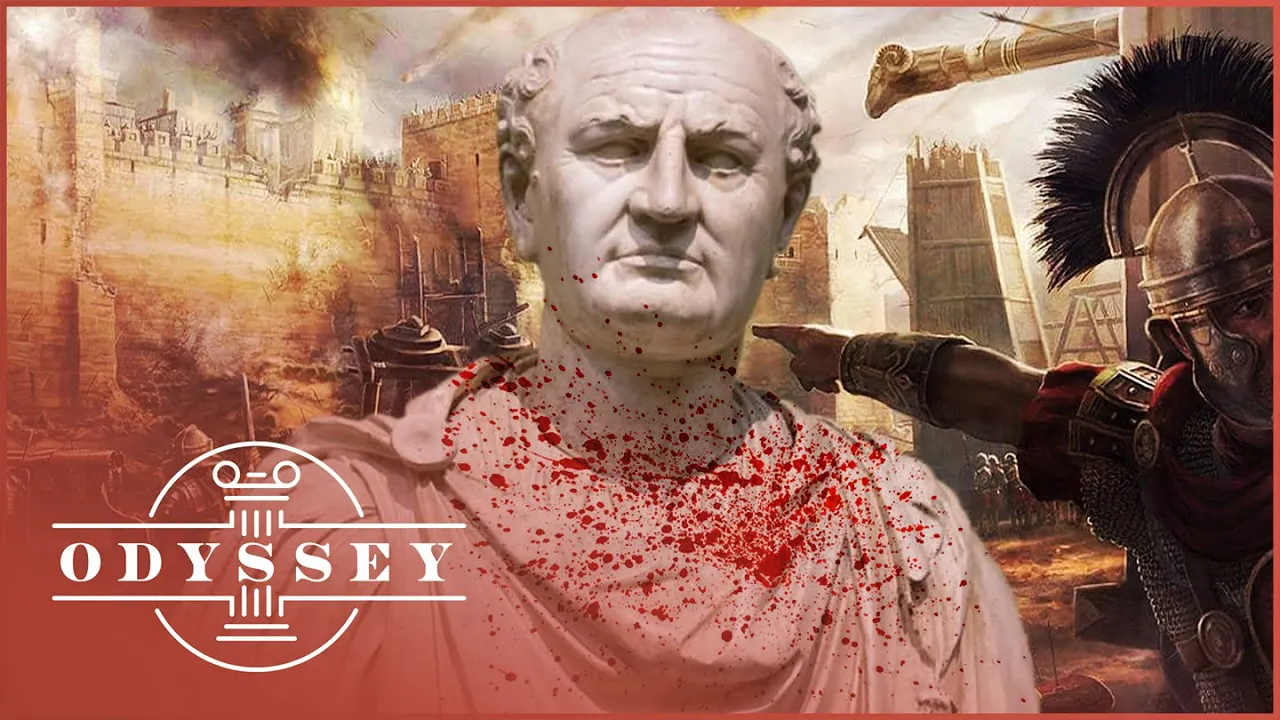













The Roman emperors invested unprecedented resources in monumental construction, with Domitian's Temple of Jupiter (costing nearly 300 million sestertii for gilded roof alone), Trajan's Forum (financed by Dacian conquest spoils), and Nero's Golden House (covering 300 acres across three hills) representing the most expensive and ambitious building projects in Roman history, showcasing the empire's vast resources, engineering capabilities, and political power.
Rome's Most Ambitious Imperial Construction Projects: A Historical Analysis
Added:The transition of Rome from a Republic to an Empire, particularly how autocratic power was centralized under emperors.
Basic Roman architectural innovations, such as the widespread use of Roman concrete (opus caementicium), the arch, and the vault.
The economic mechanisms of the Roman Empire, including taxation, spoils of war, and state-funded public works (monumentalism).
The social and political function of public spaces in ancient Rome, such as the Forum, as centers of civic life and imperial propaganda.
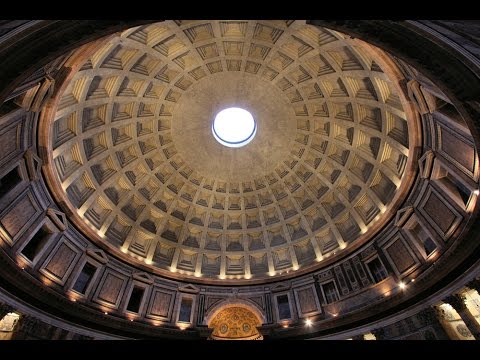
In-depth structural analysis of specific imperial monuments, such as the engineering marvels of the Pantheon's dome or the Colosseum's crowd-control design.
The long-term economic impact and sustainability of massive state-funded construction projects on the stability of the Roman Empire.
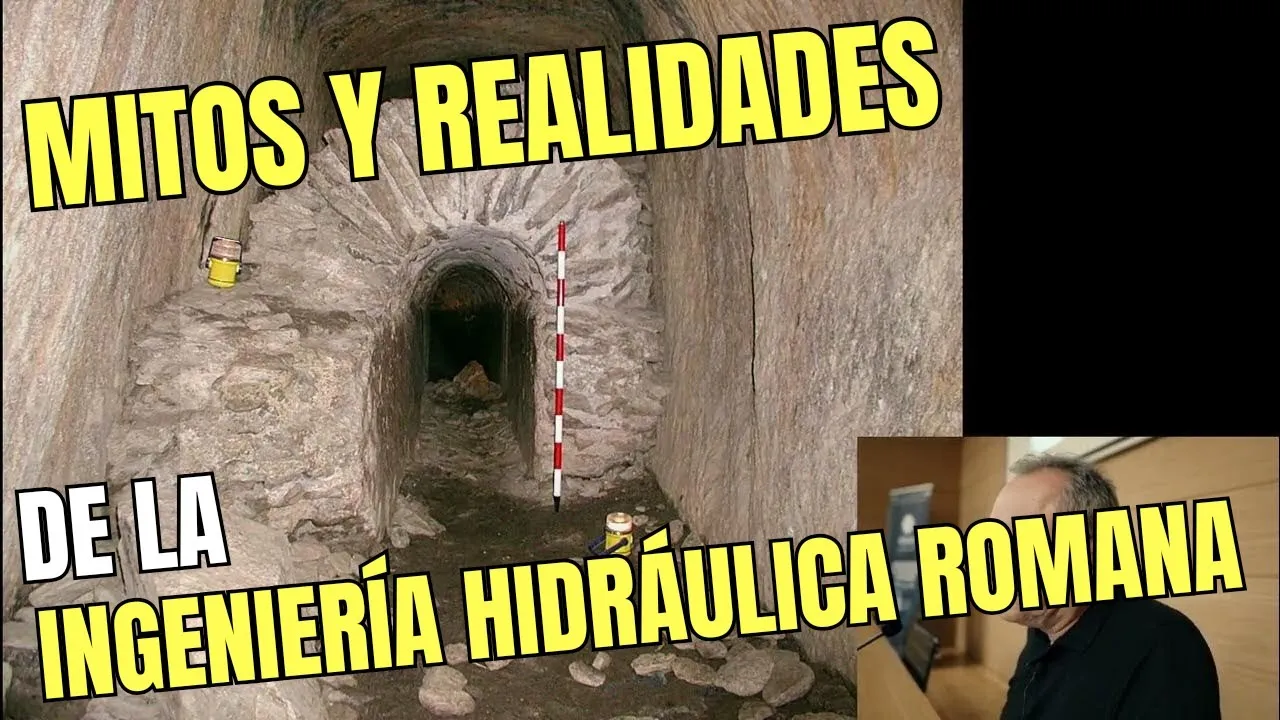
Comparative studies of Roman civil engineering with other ancient civilizations, such as the hydraulic engineering of the Han Dynasty.
The reception and adaptation of Roman classical architecture in Renaissance Europe and modern monumental civic design.
217.5K views7.4Klikes10:04Original Release: 2024-01-26
Rome was the largest and wealthiest city in the ancient world.
Not until the nineteenth century, with the rise of industrial London, would any metropolis exert such an outsized influence on the global economy.
And it may not have been until Peter the Great’s creation of St. Petersburg, or even Napoleon the third’s renovation of Paris, that any European ruler invested as massively in monumental building as the Roman emperors.
For two and a half centuries, the emperors spent the majority of their reigns in and around Rome, pouring vast sums into feeding, entertaining, and building amenities for the city’s inhabitants.
As usual, Augustus set the tone.
In the autobiography inscribed on his tomb, the first emperor dedicated a long section to his building projects in Rome, which included no fewer than 82 temples.
Suetonius’ famous tag about Augustus finding Rome a city of brick and leaving it a city of marble was hardly an exaggeration.
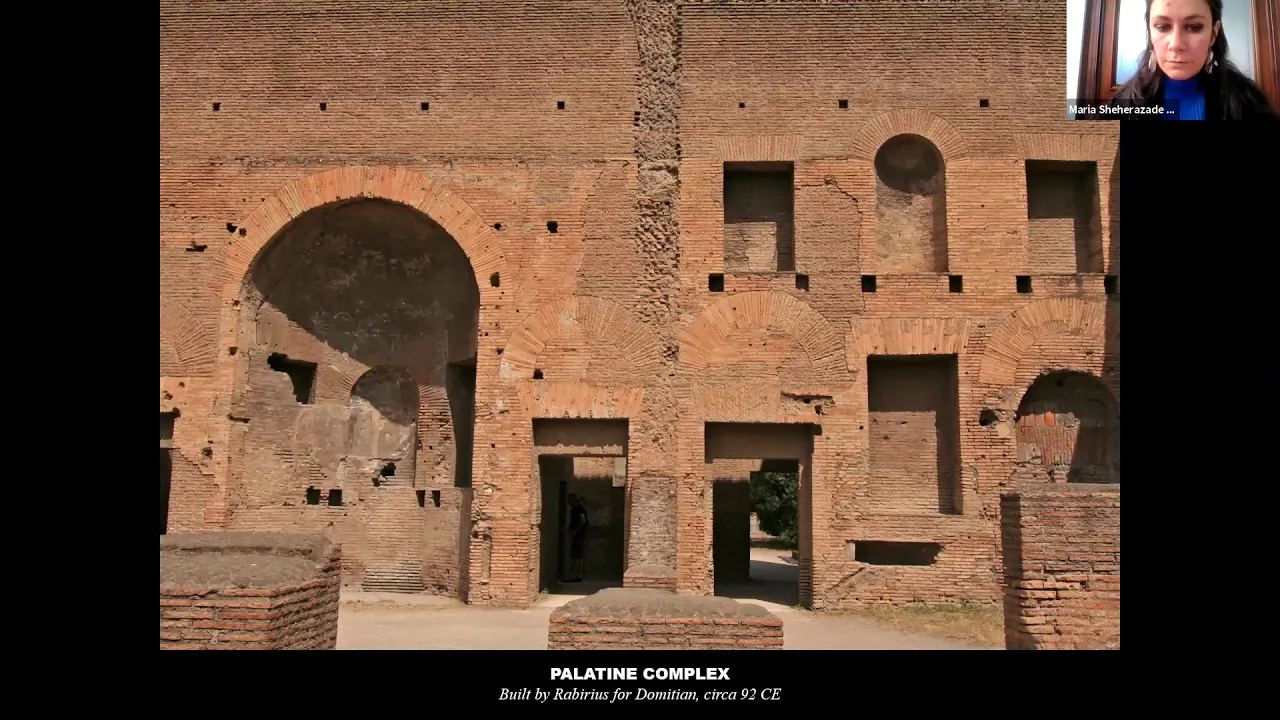
Although none of Augustus’ successors had, or could have, such a transformative impact, virtually all commissioned substantial building projects in and around the capital.
By ancient standards, the resources at their disposal were almost incalculably vast.
Besides spectacular reserves of gold and silver, the emperors had access to all the building materials of the Mediterranean world.
Marble and granite quarries were state-owned, and government officials oversaw the cutting and shipment of blocks from places as far afield as the Anatolian plateau and Egypt’s Eastern Desert.
Imperial estates in mountains and woodlands produced construction-grade timber; a recent analysis of some oak planks found in Rome proved that they were cut in what is now northeastern France, more than a thousand miles away.
Closer to Rome, the emperors drew vast quantities of travertine (by one estimate, 5.5 million cubic meters) from the quarries at Tivoli.
They also came to control a network of brickyards around the capital, along with pits that supplied the volcanic sand used to make concrete.
All of these raw materials combined with imperial funding to support a building industry of unprecedented scale.
For major projects, contractors like the Haterii, whose monumental tomb was discovered in the nineteenth century, organized vast teams of laborers and draft animals.
By one estimate, the central block of the Baths of Caracalla involved up to 13,000 laborers and nearly 2,000 teams of oxen.
The remainder of this video will investigate the three imperial building projects that were, in my opinion, the most expensive and ambitious ever undertaken in the city of Rome.
So – without any further ado – number three: Domitian’s Temple of Jupiter According to tradition, the Temple of Jupiter Optimus Maximus (Jupiter the Best and Greatest) on the Capitoline Hill was founded when Rome was still a monarchy.
Over the following centuries, it served as the ritual center of the Roman state.
Votive offerings and statues of famous Romans surrounded it.
The texts of treaties were inscribed in bronze on its walls.
Victorious generals offered sacrifice on its great altar after their triumphs.
The Temple of Jupiter was designed in the Etruscan style – that is, it was almost square, and characterized by a deep front portico and gently-sloping roof adorned with statues.
At 53 x 62 meters, it was by far the largest building in early Rome.
The original temple burned in 83 BC, and another fire claimed its replacement in 69 AD.
After it burned a third time eleven years later, it received a final, lavish rebuilding under the emperor Domitian.
Domitian maintained the basic plan of Jupiter’s temple, but remade every part in the most expensive materials available.
The columns, an incredible 21 meters high, were of the finest Greek marble.
The cult statue of Jupiter was fashioned from ivory and gold to rival Phidias’ famous Zeus.
The vast doors were gilded.
So, remarkably, was every bronze shingle on the roof.
Gilding the roof alone cost nearly 300,000,000 sestertii – perhaps three times as much as the entire Colosseum We’ll explore two building projects that may have been even more expensive than Domitian’s temple after a brief word about this video’s sponsor, Aura.
Have you ever Googled yourself?
It’s amazing – and unsettling – how much of your personal information is online, ready to be exploited by spammers and scammers.
That’s why I like Aura.
Aura allows me to see who is selling my information… And automatically sends these data brokers requests to opt out.
Besides protecting me from hackers trying to exploit my private information, this reduces the amount of spam I have to deal with.
Aura has many other features, including a handy credit score check.
And since all of this – from antivirus to VPN – is included in a single app, you get everything for one affordable price.
If you’d like to try Aura, click the link in the description or go to aura.com/toldinstone, and start your two-week free trial today!
Returning to our topic – number two: the Forum of Trajan.
Thanks to his excellent relations with the Senate and extensive conquests in Dacia and Parthia, Trajan is remembered as “optimus princeps,” the best emperor.
This reputation was cemented by his spectacular forum, financed with spoils from the conquest of Dacia.
It was laid out as a quadrilateral roughly 240 meters long and 175 meters deep.
According to the inscription on the pedestal of Trajan’s column, levelling the site required cutting away a hill as tall as the column itself – 100 Roman feet.
The forum was bounded by a wall of peperino tufa, meant to deflect the fires that routinely ravaged Rome.
Its portico was fashioned from the finest colored marble, and crowned with colossal sculptures of captive barbarians.
The central square, paved with 3,000 enormous slabs of white marble, was dominated by an equestrian statue of Trajan.
On one side of the portico rose the Basilica Ulpia, centered on a cathedral-like nave that soared to a roof 100 Roman feet high.
Behind it, flanked by two large halls formerly identified as libraries, was the Column of Trajan, whose famous spiraling relief – 200 meters long and crowded with some 2,600 figures – proclaimed the emperor’s victories against the Dacians.
Number one.
Nero’s Golden House Perhaps the only building project in Roman history more expensive than the Forum of Trajan was the infamous Domus Aurea, Nero’s Golden House.
Built in the wake of a fire that destroyed much of central Rome, the Golden House extended over three of Rome’s seven hills and may have covered as much as 300 acres – three times the area of Vatican City.
A statue of Nero 120 feet tall loomed over the vestibule.
Much of the space within, framed by a triple colonnade one mile long, was landscaped as a forested park.
Tame animals roamed among the groves.
At the center of the Golden House was an artificial lake dotted with pleasure barges.
Around the lake sprawled a series of pavilions that were lavish even by Neronian standards.
Sulfur water swirled in the baths.
Gemstones and gold glittered on the walls of the reception rooms.
Ivory panels in the ceilings opened to shower guests with flower petals and perfume.
The floor of the chief banquet hall rotated like the heavens.
Of all this, only part of a single pavilion survives, preserved in the substructures of the Baths of Trajan.
This fragment, about 220 meters long, has 142 known rooms.
Though stripped of their marble and statues in antiquity, the rooms are remarkable for their high ceilings, polygonal shapes, and fragmentary frescoes.
Many appear to have been banquet halls, sited to offer diners sweeping views of the woods and lake.
Understandably, the Roman people resented such extravagance, and the palace was rapidly disassembled after Nero’s death.
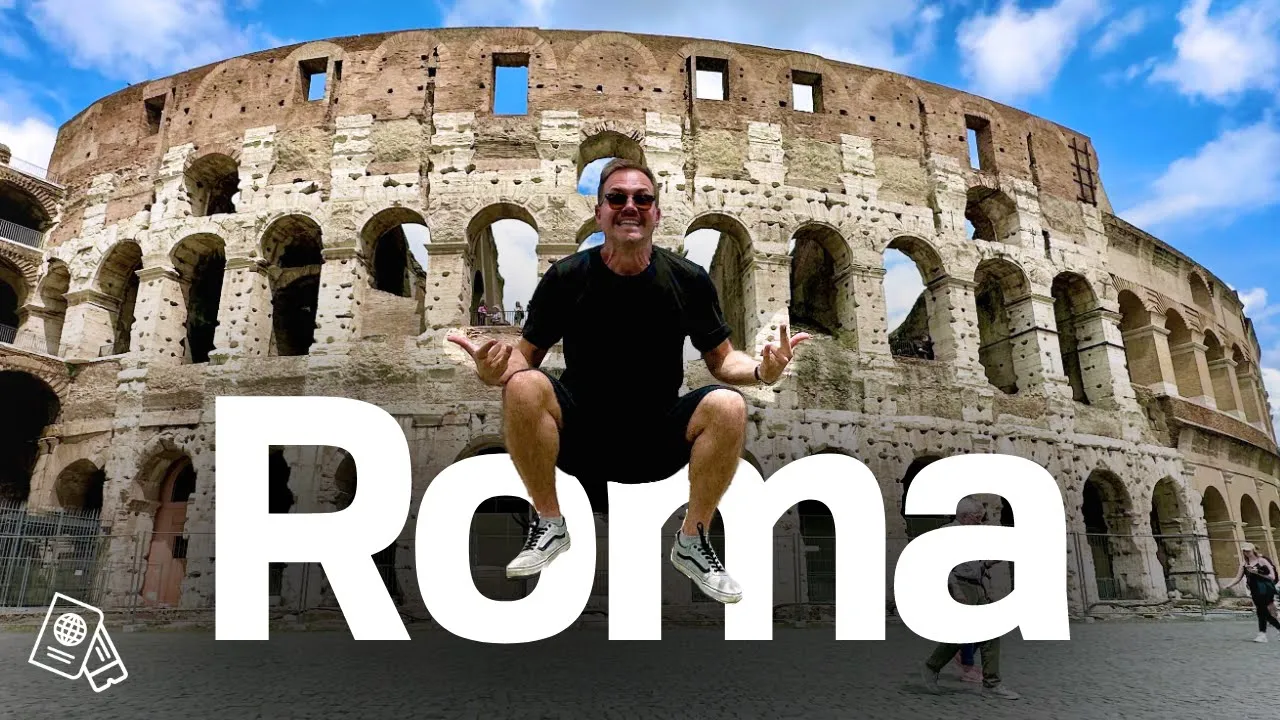
The Colosseum was built over the artificial lake.
The gargantuan statue of Nero was adapted into a likeness of the sun god.
And within a generation, a bustling new quarter of offices, baths, and shops had completely covered the remains of the most expensive building in Roman history.
My new book – Insane Emperors, Sunken Cities, and Earthquake Machines – is now available as a paperback, e-book, and audiobook.
You can buy your copy through Amazon, Barnes & Noble, or your local bookstore.
For more toldinstone content, check out my channels Toldinstone Footnotes and Scenic Routes to the Past, which are linked in the description.
Please consider joining other viewers in supporting toldinstone on Patreon.
Thanks for watching.
Up Next

135:51
Roman Empire History: Medicine, Gladiators & the Fall of Rome | Toldinstone
@JulianDorey
251K views•2024-11-20

33:02
The Great Schism of 1054: Causes and Consequences
@SacredCathedrals
113.5K views•2026-02-19
38:03
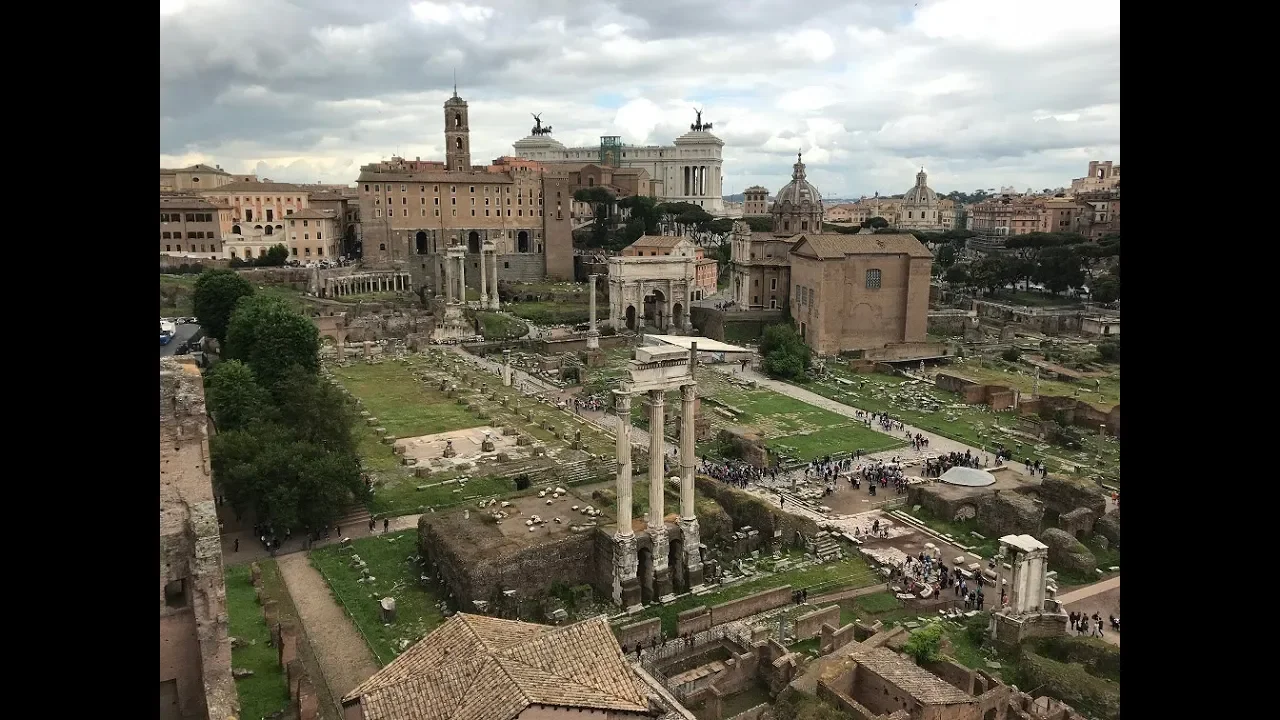
Roman Forum Walking Tour: Age of Augustus History
@toldinstone
211.1K views•2018-10-18
17:05
Understanding the Cold War: Superpower Conflicts and the Road to Détente
@OverSimplified
46.1M views•2019-01-24
Related Study Plans & Knowledge Roadmaps
Structured learning paths in History
history
Byzantine Iconoclasm: Theology, Art & Politics
01Foundations of Byzantium and Early Christian Images
02The First Iconoclasm: Leo III and the Crisis of Images
03Empress Irene, Nicaea II, and the Second Iconoclasm
+ 2 more learning modules
9h5 modules
Explore Roadmap
history
Iranian Revolution (Causes, Events & Legacy)
01The Pahlavi Dynasty and the Roots of Discontent
02The Spark of Rebellion and the Rise of Khomeini
031979: The Fall of the Shah and the Climax of the Revolution
+ 2 more learning modules
8h5 modules
Explore Roadmap
history
Mali Empire: Mansa Musa, Trade & Timbuktu
01Foundations of the Mali Empire
02The Trans-Saharan Gold and Salt Trade
03The Reign and Pilgrimage of Mansa Musa
+ 1 more learning modules
6h4 modules
Explore Roadmap
history
1947 Partition: Politics, Borders & Legacies
01Foundations of British India and the Divide
02The Political Negotiations and the Mountbatten Plan
03Drawing the Boundary: The Radcliffe Line
+ 2 more learning modules
8h5 modules
Explore Roadmap