
















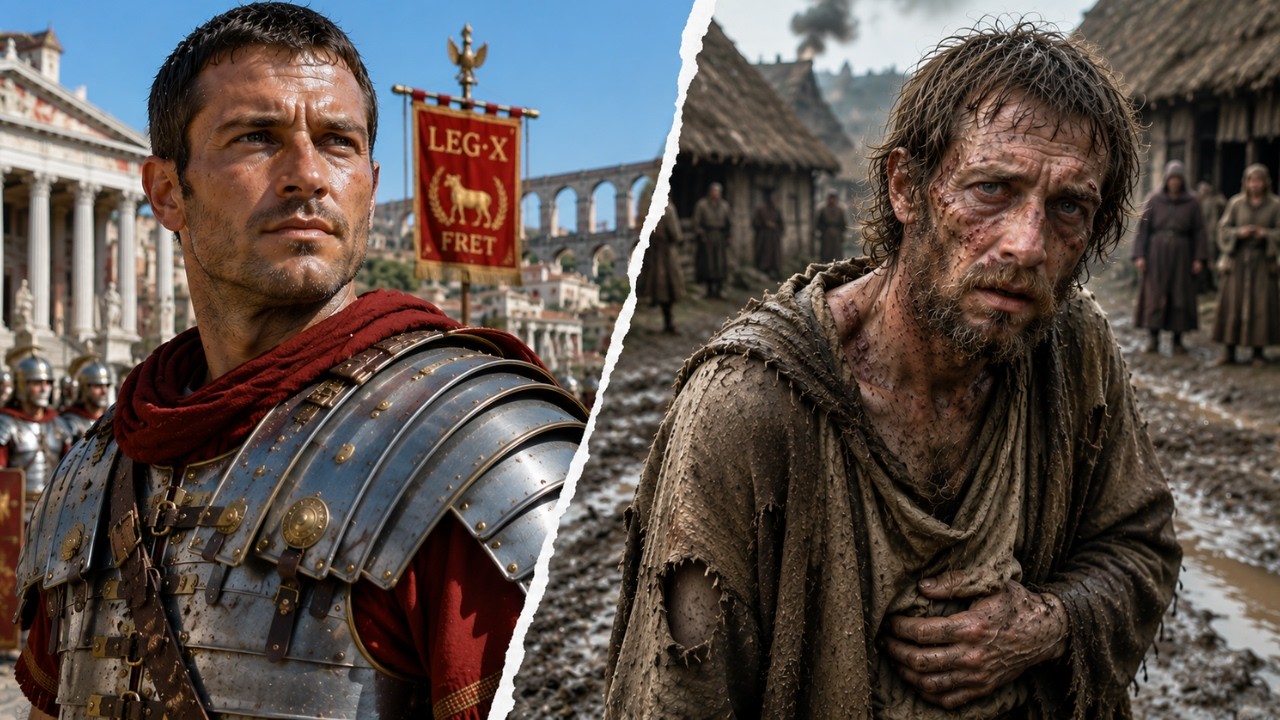


The Roman Empire's fall was a complex process spanning over a thousand years, marked by the rise of Christianity from persecution to state religion, revolutionary architectural innovations like concrete enabling structures such as the Colosseum and Pantheon, and the evolution of mass entertainment through gladiatorial games and chariot races that served both as social control mechanisms and imperial propaganda tools.
Roman Empire History: Medicine, Gladiators & the Fall of Rome | Toldinstone
Added:An understanding of the political transition from the Roman Republic to the Roman Empire, including the centralization of power under an emperor.
Basic knowledge of Roman social hierarchy, particularly the roles of citizens, non-citizens, and the enslaved populations from which gladiators were often drawn.
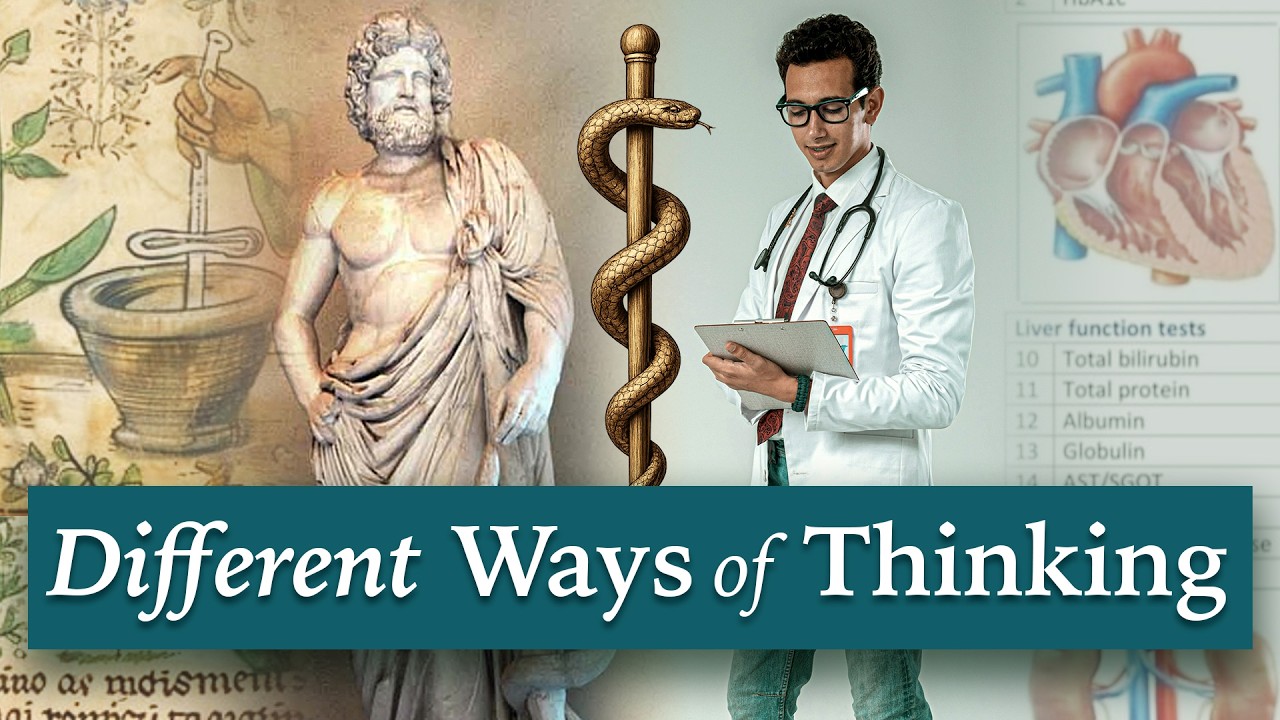
Familiarity with the foundational concepts of ancient Greek medicine, specifically the humoral theory, which heavily influenced Roman physicians like Galen.
An introductory grasp of traditional Roman polytheism and how state-sponsored religious festivals integrated civic life and public entertainment.
An exploration of the historiographical debates surrounding the 'Fall of Rome,' comparing theories of sudden collapse due to barbarian invasions with theories of gradual transition into Late Antiquity.
The history of the Byzantine Empire (the Eastern Roman Empire) and how Roman administration, culture, and law persisted and evolved after the fall of the West.
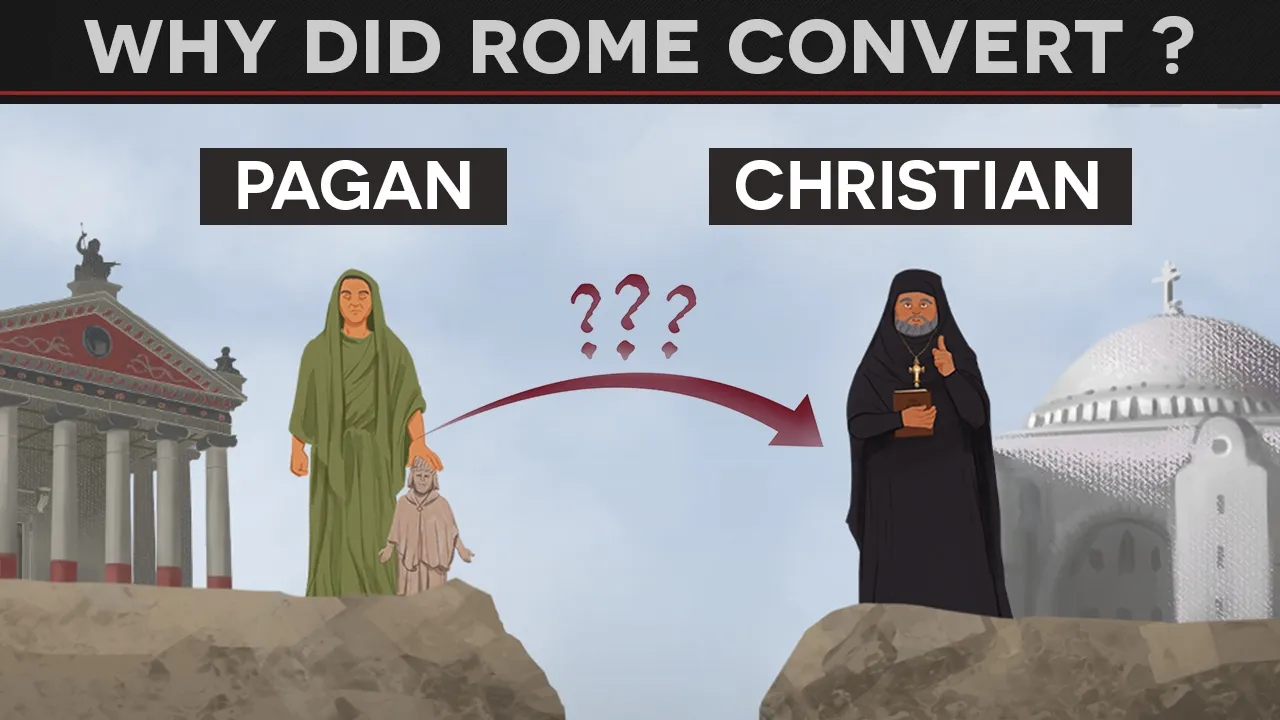
The institutionalization of the Christian Church, studying its transition from a persecuted sect to the official state religion of the Roman Empire under Constantine and his successors.
A comparative study of Roman public health, engineering (aqueducts and baths), and medical practices, analyzing their impact on medieval European and Islamic medicine.
251K views5Klikes2:15:51Original Release: 2024-11-20
actually about a tenth of all classical literature we have written in Greek before the year 300 is by Galen he's that prolific and he writes about everything medical and some things that are not quite so medical like philosophy and things pertaining to Medicine whether there was recreational use in the ancient world is very controversial because we just don't know we don't have any evidence for it they used pretty widely in medicinal contexts and it stands to reason that there must have been some recreational use too uh of you and um even if hemp grown widely um for rope mostly another major claim that Aman makes from reading the texts of Galen and the Diaries of Galen and and the stuff that he would leave behind is Galen put Marcus aurelus on various including theak that involved opium so especially later in Marcus's life and that I think alond takes it and says that like meditations for example and stoicism was written with him what's up guys if you haven't already please smash that subscribe button and hit that like button on the video and if you don't have time to watch this episode right now I'd really appreciate it if you saved it to your watch later playlist on YouTube finally if you'd like to follow me on Instagram or X those links are in my description below you were here to get your visa for Alger for Algeria yeah it was and all this rig roll it was a huge process they didn't get my my uh tick here sorry my uh passport processed in time you have to send you have to send your passport to them and so my flight was I had to reschedule my flight I had to come here um beg for a Visa um from the employees there and fly out that night to Paris and from Paris to alers wait why do you have to come to New York to get a visa for it's where the consulate is and it covers the whole country besides like DC pretty much and it's like the hardest place to get a visa for it's really difficult I know why I mean who wants to go to Algeria but uh they they it really really difficult um so it's one of these yeah yeah yeah so if you ever want to go it wasn't on my list I it shouldn't be I mean it actually is there's a lot of great Roman stuff there and there is no Mass tourism so you are alone at these places um is it the kind of place you got to carry a gun though late at night I mean not really it's not there are places where you wouldn't necessarily feel safe but the ruins are all well kept up reasonably and they're not dangerous it's just there's not any infrastructure so you know no one speaks any English you know there's every toilet a hole in the ground so it's a it's not Disneyland um or or Rome don't take your grandpa there don't take your grandpa there unless he enjoys sh a home the ground although I I loved the I I might have been talking about this on the last episode sorry if it's a repeat but I love the ruins in agento in southern magnic amazing you know the the Greek architecture in the middle of Sicily that's like a part of these Mass Empires that happened back then so cool my favorite I you ever been there it's um let me see it's in the western part of the island and it's called salinus it's the a ruins of a series of temples that were destroyed by earthquakes and they built one of them was another one of these Greek cities and the biggest of these temples was a Colossus uh you know one of the largest ever built and the columns are 7 feet through and after medieval earthquake destroyed the whole thing it's this giant Lincoln Log style pile of these 7ot thick columns you can climb it so you climb on the top of this Heap and you just see this assemble temple temple at your feet wow um it's a lot of fun you know what I just realized alessie what are you are are you thinking what I'm thinking about how toen Stone here talks what about it he's Joby war with a Chicago accent you can't unhear that now right Joy wor with Chico yeah it's like it's like the same like the same CAD that's a compliment by the way he won he won two pulitzers so you're in good company yeah oh hell yeah but yeah it's I can't get that out of my head now anyway sorry cool cool we left off after a fire first episode by the way this has been awesome learning about all this today you are a Fountain of Knowledge but we left off with our friend the late great JC who came in to the Empire at around zero ad and obviously people out there know the story of Jesus Christ and we'll get into some of that and as it relates specifically to the Roman Empire but the reason I bring this up is because we had been talking about maybe like 2 hours and 20 minutes into the last episode about the religion of the Roman Empire and you were explaining how just to refresh people about how they were able to spread it in parallels in many ways they some of their Pagan religion across the Empire there was kind of an exception with the Jewish Community specifically like in in the holy land and everything but then you have this young prophet of God come along Jesus Christ in the Holy Land lives for 33 years and he is put to death by the Roman representative Pontius Pilate and after his death his followers carry on immediately begin to carry on his legacy and create what would become Christianity so in the context of the history of Christianity within the Roman Empire when was the first time that say you know Central Rome I guess like maybe tiberious or someone like that was aware that there was this new religious movement happening called Christianity and what it was supposedly about so traditionally we believe that it was in the rign of Nero that Christians first came to the Roman authorities attention and that's because of a passage in tacitus this Roman historian who describes the great fire of Rome in the year 64 so after the fire uh Nero famously scapegoats the Christians who are this weird new cult that no one knows much about um you know they because of a misunderstanding of the the the last supper and in the Eucharist think that the Christians are cannibals that's one of these rumors about them they eat the Flesh of Christ you know um and uh they're also like they like a weird Jewish Splinter sect no one knows much about them Jewish Splinter so yeah and so for that reason uh you know they Pinn the blame supposedly on on the Christians of Rome we don't know much about this persecution we only have this one source for it historians kind of debate how extensive it was but supposedly um Nero rounds up a number of Christians and puts them to death pretty brutally in the arena and they're torn out by dogs they're made into torches and burned at his parties and this is in 64 ad in 64 and just after so 31 years after yeah supposedly um you know there's debate about that he's probably born in 4 BC you know so he's puts his death anyway so sometime around there and supposedly also uh the apostles both Peter and Paul are martyred in Rome about the same time by Nero so supposedly the Apostle again this is all later stories we don't know if it happened or not but the the story is that the Apostle Peter is crucified upside down in the circus of Nero beneath where the Vatican is later built um oh that's why it happens there because then they bury him right outside the circus of Nero where he was crucified or assassin or you know killed in some way and uh it's it's around his tomb that the St Peter's Basilica is constructed there is a in the second century the Christians of Rome built a little Shrine right over what's believed to be his tomb and that becomes the center of Constantine's Basilica the first St Peter's Basilica which is then torn down and replaced by the current one during the Renaissance oh wow it was that late later when they started to build that yeah yeah not until Pope julus II in the early 16th century did they start when did the Vatican become a thing not necessar not necessarily an independent country but as like this is the Vatican area so it existed in the Roman period but it was a bunch of like mosquito ritten Vineyards and Clay pits it was a suburb of Rome no one wanted to live in made ter made terrible wine apparently from The Vineyards there uh it only became important because of this Cemetery there was a road that went through it uh next to this circus of Nero and between that road and the circus is where this uh Cemetery grew up among which was this Memorial to the Apostle Peter um and that you after Constantine becomes the first Christian Emperor it already been a pilgrimage site decides to make this the centerpiece of his signature church and you know undertakes a massive building project that levels half the cemetery buries the rest so you can still see it but if you blow the Vatican you can tour the old Roman Cemetery wow um and then builds this big basilic on top of it which remains Christianity's most western Christianity's most important church for 11 centuries until it's torn down by the Renaissance popes and replaced by the current one fasc fasinating okay back to the beginning though with Nero's fire and yes so that's the first time we think that Christians have come to the notice of the Roman authorities what happened with the fire was that like it spread all across the city of Rome and burned like what was the damage there enormous um supposedly about three4 of Rome is destroyed by this fire um and hundreds of deaths massive tracks of the city are reduced to smoldering rubble and you know it was a rumored that Nero himself had started it to make more clear more land for his famous Golden House this enormous Palace he built in the heart of Rome but that's probably rumors too and Nero however was aware of the rumors um and he responded to them by actually doing some pretty good disaster relief he like set up uh temporary you know like tents for the people who are dispossessed he alled them to use the palis gardens um gave him food and water but to to uh curtail these rumors he apparently tried to pin blame on the Christians yeah never let a good crisis go to waste exactly right you know goats use them alesta we have the 64 fire pulled up I just want to literally pull up the Wikipedia page on that just to get some there are some great old paintings that show you know Flames behind pring monuments and the Nero looking sirly and 75% though that's just a guesstimate so I think it's like 11 of Rome's 14 regions are badly damaged this will probably tell you this oh 10 sorry 10 of the 14 districts so the great fire of Rome began on the 18th of July 64 ad the fire began in the merchant shops around Rome's Chariot Stadium circus Maximus we're going to come back to Circus Maximus after 6 days the fire was brought under six days oh my God the fire was brought under control but before the damage could be assessed the fire reignited and burned for another three days in the aftermath of the fire 71 there you go 71% of Rome have been destroyed 10 I think we just lost a there it is had been destroyed 10 out of 14 districts according to tacitus and later Christian tradition emperor Nero blamed the devastation on the Christian Community in the city initiating the Empire's first persecution against the Christians other contemporary historians blame Nero's incompetence but it is commonly agreed by historians now that Rome was so tightly packed a fire was inevitable so let let's go down to the Christian section where he where he blames it on the Christians I'm going to guess that's in the aftermath right no oh yeah yeah yeah go back up so Christians blamed by Nero for the fire were identified arrested and killed some for the entertainment of Spectators were torn to Pieces by hunting dogs others were crucified in ways calculated to make them look ridiculous according to St Jerome shout out St Jerome the to never heard of him the total number of Christians martyred by Nero was 979 that was going to be my question like how many so if this is like roughly 30 40 years after Christ's death I'm trying to think like how big that Community could even be probably very small so it spread initially Christianity um through Jewish communities you know they were all there were Jews in all of the Empire's great cities at this point um often they were settled as Merchants initially but there were um at least a dozen synagogues in Rome um by the first century there were Jewish catacombs actually you know just for you know Jews in Rome um every Alexandria was probably about a third Jewish um a third yeah a huge number um shout out to the Jews spreading out baby the diaspora what you before before it was a thing um but so it was through these like like the Apostle Paul for example he preached to these communities primarily um and it was through them that Christianity first took root but uh so in Rome we're probably talking Community that's in the hundreds there's no way that 979 were killed that would have been the entire church and probably more than the entire church in Rome U that's a later estimate you know we don't know um but even through the second century there's probably you're talking a few hundred thousand Christians in the whole world the whole empire that's it it's only with the conversion of Constantine that the numbers really begin to grow so at the moment that Constantine converts to Christianity in the early 4th century probably 10 or 15% of the Empire is Christian that's it it's a pretty small minority but that hold on a minute 10 so we you're talking about the Council of NAA I believe 313 is that right or 333 well that's the E of Milan is 313 EG of Na is 325 okay so all that same period that's right that's right so 10 to 15% though of I mean we saw the map it's a big Empire that's a big so they so they're represented by a nice number at that point so over those 300 years that the word of JC had spread it had um and you know in different regions at different different Paces um there are many more Christians in the eastern part of the Empire um in the Greek Greek speaking part than there are in the west so even in Rome the language of the church is Greek not Latin for the first few centuries yeah yeah yeah I think Ammon was talking about that something for sure but uh but yeah so it's um you know again there are all kinds of reasons why Christianity has so much as an appeal and why it grows the way it does but uh it it appeals initially for the most part to the lower classes um and to also though to the EMP the emperor's freed men it seems there are early Christians among um the slaves of the Emperors like demission for example or supposedly um and so uh later on the concubine of the Emperor Commodus is Christian so there are Christians who are of pretty high status pretty early on but most of them seem to have been um you know we' say lower middle class sort of there in between those years though between 64 and the Edict of Milan in 313 So Fire to the edict obviously that's you know 20060 Years big chunk of time long time you know you have some leaders who are also really respected in the context of world history like a Marcus aurelus where during their reign being Christian was still illegal and if it was caught like people like that were executed right well persecutions were very very localized and pretty small scale until the mid-3rd century so there were persecutions under Marcus celus like in Leon for example there's a famous account of Martyrs there but uh they weren't ordered by the emperor himself it was zealous local Governors or local Elites who would bring Christians to Justice um it was not until uh the reign of the emperor Deus this is the middle of the third Century that there's an Empire wide persecution and it was kind of an accident he' ordered every person in the Empire to sacrifice to the gods as sort of a celebration of traditional Roman virtue you know to kind of the Empire's Health Christians wouldn't do it and so it became obvious how many there were and that they were in a sense disobeying the emperor wow and so it was really about um Imperial power the persecutions so there was an element they were worried about that Christians were denying the traditional gods and those Gods would be pissed because you know they're being ignored their rights are being trampled on but it was also that the Christians were ignoring the Emperors often the test of a Christian was where they would sacrifice to the emperor himself at the at all Al not traditional god um and so there it was bound up this idea of tradition and loyalty to the state um from the very beginning and that's really why the Christians were persecuted by the Romans that they seem to be running counter to both of those Authority structures yeah now what what precipitated the Edict of Milan and Constantine doing this because again they were well represented at that point 10 to 15% it's a growing minority but like 10 to 15% is not 60% no you know know it's not like Constantine was in danger of losing complete power because the Christians were becoming the majority maybe it would a few hundred years Beyond its way there possibly but like what what made him go let's do this well it's disputed he had a vision and so that there's the famous battle of the milvian bridge the year before eat of Milan when Constantine is about to confront his rival maxentius there's a battle just north of Rome um at the Milan bridge to the Sak of rubas where the Tyber as a Bend of the Tyber and just on the eve of this famous battle um Constantine sees something uh there's different accounts of his vision but supposedly he sees a cross in the sky with the Latin phrase in haak segno win case in this sign you will conquer and um he then puts um a Christian symbol you might the cross whatever on his soldiers Shields um or just orders them to fight in the Name of Christ and he wins he just defeats meenus his rival drowns in the Tyber and he's acclaimed as he comes into Rome you know we don't know to what extent this personal experience shaped his policy but it seems to been that he was a believing Christian from about that point onward for the rest of his life he was not baptized until his deathbed but that was pretty common at that point in Christianity you know the idea was that you were cleansed of all sins by baptism so you wanted to hold off as long as possible to get the best shot at Heaven um so it appears to have been some personal experience um in the eve of this critical battle and then his success at that battle he believed that this the Christian God was fighting for him now he's still Emperor though mhm he is about power yes people's belief in what happens in the afterlife I.E like the meaning of life itself is perhaps the ultimate source of power when utilized for those purposes so to speak so there meaning there's some if he has a belief in this okay but there's also some sort of like I can harness this for my own needs to kind of have have an iron Ironclad Emperor type feel over how the afterlife is controlled here on Earth I'm saying that in a very vague way but I I think you know what I almost like the the Pharaohs of Egypt you ruled in the afterlife exactly um I don't think he was that cynical actually not that he was above that but I think he genuinely believed himself um you know if he wanted to choose a monotheistic cult just for those purposes you know to be absolute monarch he could have worshiped the sun god Soul Invictus for example that there's some evidence for aurelan previous Emperor trying to make that God sort of supreme deity over all others now that said he uses Christianity to unify the Empire almost as a reflex he's an emperor it's what he does so he tries to create a standardized version of Christianity he mentioned the Council of NAA um that's where he tries to end several long-standing controversies over what Christian doctrine should be above all the Aryan heresy um so the nature of the Trinity basically yeah um and so you said you were in Nia right I have yeah in turkey and it's a actually very nice place to visit there's the great ruin walls the ruins of the church itself the Church of the councils can still be seen um and you said some of that's like you can still see the was it the seats yeah you see the seats there was a later Council held there and that that one's pretty well preserved you see all the seats from that Council um so it's pretty cool wow recommended is niik is the modern name but um anyway so Constantine though I don't think he became a Christian for cynical reasons I think he was a genuine believer um he did use Christianity to try to unify the Empire you know to rule almost reflexively where he as Emperor has a special position um in the church by virtue of being Emperor so his melum in Constantinople the new city he founds um supposedly has his sarcophagus in a chapel ringed by the sarcophagy of the 12 apostles so he's the 13th Apostle um which is arguing for pretty high position in the churches theology he actually got all 12 of them he never got all the relics but he he tried um later this is all we don't know if he actually did this or he just planned this uh later on there were many other sarcophagi of Emperors around him but um so he clearly had the idea that you know he was you like like the cff in Islam he was like was God's vicer on earth once the pope is supposed to be later you know God's shadow on the on Earth that's right right um and so he didn't quite make that claim but at NAA he clearly believed that as Emperor he could arbitrate theology even though he was not himself a bishop or anything um or at least he could make the Bishops you know kind of come into line by virtue of his power so he understood that Christianity could be a force for Unity um without I think setting out to you know convert people for that reason and so this how long was his rule like he so he became emperor in 306 he was at first just emperor in the far Northwest over Britain and Gaul um later wait what so this is the the time of the tetrarchy when there were four Emperors ruling simultaneously um so Dian um who Emperor um for from uh 284 to 305 um was try to end the chaos of the thirr century by creating a college of Emperors um there' be two senior Emperors and two Junior Emperors who would rule in concert over all the troubled districts all the troubled frontiers of the Roman world uh this didn't work very well because everyone wants their son to succeed them everyone wants more power it just create multiplied civil wars in the end but uh dian's father constantius was one of the tetrarchs one of the four Emperors and he was proclaimed Emperor by his father's troops when his father died suddenly at York in Northern Britain and so at first he was Emperor only over the Western quarter or North Northwestern quarter of the Empire after various Civil Wars he became an emperor of the the whole kitten Kaboodle um and he finally died in 337 so after a reign of more than 30 years okay so for a while and and again his main Legacy is that he established it now it becomes the Holy Roman Empire is that is that one we start calling it that no that's a separate thing um so the Holy Roman Empire I've had that wrong my whole life F me in I mean they would have called it the Holy Roman Empire he wanted it to be but the uh Holy Roman Empire is a later State that's founded at least in theory by Charlemagne in the 9th century in the year 8800 um and it's centered later centered in Germany and it's sort of a a notional medieval Reincarnation of the Roman Empire that happens to be centered in Germany and it's supposed to include Rome usually doesn't and it's more of an idea than a state for most of its existence to be honest that's why you're here you got toct you know I do what I can but uh but anyway but the Empire does become Christian there's only one Pagan Emperor Julian um after Constantine oh so there was another one yeah Julian the apostate who swore off Christianity yeah he's your dude um Jillian's fascinating you know he he was raised a Christian but um he when he was a young man had sort of a crisis where he he converted back to the old gods or to a very idiosyncratic idea of the old gods and when he became emperor tried to create a pagan church that rivaled Christianity tried to give paganism the sort of hierarchy that Christianity had um you know paganism is always so diffuse and you know mult polycentric he tried to create a pagan Pope that was him basically so if anyone used religion ically in the late Antiquity and many many people did um he's one of them he kind of does try to create a pagan Church um in a way that Constantine I guess you could say did in a sense with Christianity but he was a blip on the radar because the next emper only two years and then he died in Persia and that was the end of Julian after that it was all Christians now did he try to persecute Christians again or or did he have that idea I mean he died pretty quick but he uh not in the sense the Pagan Emperor is sad but he did exclude Christians from teaching for example is you couldn't teach the Pagan text it wouldn't be right and he tried to give all the important jobs in the court to polytheists so if he lasted longer it's hard to say he had a lot of disputes with people because there were a lot more Christians by now than there had been even two generations earlier under Constantine right and um he fought with the people of Antioch for example so it's probably it's doubtful it could have turn turned the clock back unless he had a very long and very successful Reign I think um what is the I'm I'm just trying to think here though cuz he's the only one he's the blip on the radar as you say but over that 140 years from 313 to 453 when the W when the Eastern Roman Empire Falls right uh 476 the West Falls West Falls yes yes okay so 476 so in in that 160 years give or take Christianity I assume grows dramatically dramatically over that 10 to 15 original percent is this when when did the papacy begin I'm getting all well supposedly you know Peter is is the first pope in effect but but the actual government of it if you will I mean it evolves gradually so the Bishops have more and how it tends to work is that every city in the Empire has a bishop and the more important the city is the more important the bishop is Rome of course is the most important city so therefore its Bishop just de facto is going to be the most important and also there's this there's a tradition that Peter chief of the Apostles came to Rome therefore any church he established is going to be the primary Church of the whole world um so it dubbed nicely into the idea that Rome is the capital of the world already you know the papacy evolves over the course of the early Christian centuries um from what was probably a very low-key Affair into a pretty large and well organized one you know by even by the mid-3rd century the Popes are feeding hundreds of Orphans and widows you know the uh from the 4th Century onward um the Emperors are in Rome less and less often and so there's a kind of a a void of authority to be filled in Rome and the popes don't fill that right away it takes them a while to get there but in the Dark Ages after the Empire collapses they absolutely do fill that void um so really the the Papal States you know the popes ruling their own little fom um that's a an early medieval thing um really comes out of the the you know what we used to call the Dark Ages but the Popes are there the whole time um and from the time of Constantine onward they have quite a bit of power okay all right I want to I want to put a pin in like the fall the two Falls so 476 and then 1453 with the with the west and and then the East and I want to get to some of the cultural items of of the Roman Empire that we know and and one of the things that we did not talk about in the last episode a ton other than at the very beginning when we were comparing like New York City a little bit to to Rome is the architecture and how Rome built up its City and then the cities around it so when I see something today like the pantheon or like the Coliseum and I think about when those were built and you know it has a similar effect on you not quite the same like holy [ __ ] but like one holy [ __ ] below that as like looking at the pyramids and considering when those were built it's like I can't believe mankind was able to make something that beautiful at that time and it feels like to me the Roman Empire obviously there was some great things the Greeks built and then we have like the pyramids from the Egyptians but when it comes to mass architecture and Mass Ideas there there's really no greater influence than than what the Roman Empire left on civilization no I the Romans inherited the architectural Lang language of the Greeks you know the language pioneered by the greek temple which is you know the orders ionic Doric Corinthian all that kind of stuff but they added to it a new material which is concrete um and a new sense of how to use Interiors so like the pantheon that huge rotunda when you first walk in that's a very Roman space the Roman bats with their gargantuan vaults are also typically Roman Interiors you know sweeping massive Interiors our Roman invention and Western architecture and they're made possible by this material Roman concrete it's kind of a a geological fluke Roman concrete you know they they begin by just making mortar from the local volcanic sand it's called pelana and uh this stuff for various chemical reasons happens to make very very strong mortar um much stronger than the traditional lime mortar and they kind of just stumble this way on concrete they don't pour it the way that modern concrete is you know it's kind of laid in layers as I mentioned in the last episode um over layer over bits of rubble but you can you can vary that Rubble whether it's heavy or light you know the the what you put in the concrete to create a hugely flexible and Incredibly durable material um it's not reinforced there's no rebar in ancient concrete um but its compressive strength what the loads that can carry is as strong as good modern concrete and Marine concrete the stuff that's mixed with seawater for again chemical reasons is almost indestructible um it's incredible it forms these crazy bonds um that uh make it as harder than many natural rocks uh and so the Romans are lucky they have this material that just their the geology of their region makes easy to make but they use it in a very innovative ways um you know by making things like the pantheon this enormous void this rotunda crowned by a dome the largest reinfor unreinforced dome ever built never been excelled um you know the baths that again have these soaring vaults yeah and of course they build in on a scale the Greeks never dreamed of uh the aqueducts you know Rome's aqueducts stretch for hundreds of miles and that was to bring in water from the mountains down into the city um it really is incredible the bridges I'm doing episode on bridges on my YouTube channel soon um and um you know I my question was could a Roman Bridge hold a freight train and the answer is not quite but it's close which is incredible and they're just building in stone yeah and a lot of them are still there a lot of them are still there I I I was in Turkey once I drove my car over a little Roman Bridge um in the middle of nowhere and it was built in the first century first century ad never repaired but the stones fit in so neatly and it was all still fully intact and it carried my Carli was nothing yeah I can't remember God it's been a while since I lived there but like some of those little Bridges from trist yeah yeah in Rome there's still a couple ancient bridges yeah I I think a couple of them are ancient and then a lot of them been refortified like the one from Castel s Angelo yes that goes over to Patza naona that's that's not from that's not from zero it actually it actually is oh yeah it's been repaired a number but but the the peers are all from the second century that's impressive at least yeah yeah but yeah I mean that some of that could last so I got to see that video let me put that out oh yeah yeah stay tuned that's G to be cool which again Link in description you got to check out toen Stone's YouTube it's [ __ ] awesome if you're interested in any of this like trust me you got a lot there and your podcast is excellent I was listening on Spotify do you put that on YouTube at all I do on the Tolen Stone footnotes Channel sort of the sub Channel because my normal subscribers don't usually care for the long form stuff so I kind of Hive it off well that's idiotic start watching the long form stuff it's great yeah and the guest list on there is nuts I've been very lucky there's some great Scholars whove appeared yeah it pay it pays to be in that space for sure but yeah I mean you know in the middle of all this where they're making this this beautiful stuff well two things here actually like if you look at New York where I have the skyline here on the wall there's there's so much beautiful architecture that's happened over the years and there's certain parts of it that are inspired as we already said in the last episode by Rome I I remember walking by like the Federal Reserve for the first time and then living in Rome and walking down the street towards where I lived which I forget the goddamn name of that but it's a main stretch that goes from like Piaza Del poo up past the Vatican and the same fortifications on the sides of the buildings are what you see for the federal Reser so it's a real thing but like it kind of saddens me with some of modern architecture I'm not one of these like get off my lawn people where it's all bad but some of modern architecture focuses too much on like being plain that it feels like we don't make a lot of [ __ ] that's like objectively beautiful and creatively beautiful anymore like when you look at buildings in Rome that are from Antiquity and and back then like they have these amazing sculptures in them they have literal works of art and there's buildings in New York that certainly have that and now we're doing less of that do do you think that that's like Society kind of losing its personality a little bit it's just a whole different way of thinking about architecture you know until 100 years ago there only W there was only one way to build a Monumental impressive building in America or Western Europe and that was to quote in some sense either medieval architecture Gothic primarily or the ancient world um in you know some more or less direct way but then of course after World War II we adopted the international style which is you know no ornament just big glass boxes and I'm from Chicago which is kind of the home of that or one the homes yeah right Chicago yeah Chicago you know these guys but anyway um however uh even those buildings which seem so stripped and so la devoid of Personality um you know they borrow their their massing their street presence you know kind of the way their symmet ultimately deres from classical architecture they're in denial um but they're still deriving from this classical sense of proportion and Symmetry and ratio wow um and obviously a modern hyper tall skyscraper has a different sort of function you know it's a different kind of thing they're they're appe to a clientele that wants the newest the hippest the most modern looking building and they pitch it accordingly they want they want to look like it's facing into the future that's why they kind of disregard these classical details and flourishes but look hard enough it's almost always there um you know not always obviously you know the we have new technologies the Romans couldn't dream of you know being to build things, 1500 feet up you know and hang a skeleton of Glass and Metal on it but uh I think that almost every you look in architecture it's such an ingrained way of thinking about how buildings are supposed to look yeah that it's there in the background yeah what was the thing in the in in the pantheon again I haven't stood in there in a long time but there's like the hole at the top of the Dome and when it rains it falls in a weird spot what's that again that's the Oculus the eye in the center of the Dome and it's there for structural reasons so pull up the pantheon so it does you know light the whole area it's the only window in the whole place besides the door itself but uh it also it's the most dangerous part of the Dome the part that would be hanging almost flat in the middle so by leaving it out they got rid of what would have been the most the hardest part to pour of the concrete um and also allows them to build a kind of a compression ring around the edge of that Oculus so there it is of course so it's so beautiful man I was there in a rainstorm once that was really cool it's like the column of water falling down yeah yeah yeah I remember it falls in a weird I just yeah kind there's like air currents inside kind like kind of almost spirals it's like a lighter rain there's a spot I I was telling you a bit offline but for people listening because obviously they weren't listening to us offline but this is not that far from Piaza naona which is you know a very famous Piaza within Rome but when I live there a really good friend of mine owns a bar called laella which is about if you're coming from Castell St Angelo and you're walking into the Piaza the first alley on the right side if you go down that maybe like 40 yards on the left is this bar maybe you can pull this up let's let's shout out giovan alessie type in LaBella b o t t i c e l l a laella Rome but I was joking it it's called Steelers bar as a joke because Giovani from Age 4 to 15 moved to Toronto so he talks with a Canadian accent but he's from his old family's from Italy so he opened up this bar in Rome and it's like it's almost like that has the feel of that bar in The Godfather that that vitelli owns and everything like beautiful hole in the wall and you know like kind of feels like it's from you know Antiquity in some ways but Giovani who's my homie I send people through there all the time because if you're going to Rome and this amazing historic IAL Place someone like you you know where a lot of [ __ ] is obviously like you're you're literally a historian but you know he's lived there for most of his life and he'll he'll send people to all the off-beaten path places that have like insane history like nuggets that he just knows as someone who's from there so if you're going through Rome and need like a free tour guide or something stop by Touchdown Jesus on the bar with the Steelers helmet talk to giovan and tell him Julian supr sent you and you'll be taken care of had to make sure I got that plugin for him but you know I remember like he would teach me about some of these different places not just like the pantheon which is like extremely famous but some of the other architecture in that area and like the little things they would do like from a scientific engineering perspective and it's just like I can't believe they even could solve some of these problems you know 2,000 years ago it's insane well one of my favorite factoids that he may have shared with you is that the Trevy Fountain is fed by Roman aqueduct that's been flowing continuously since the reign of Augustus yeah yeah that the aqua Virgo it's been been going since 10 BC um so all that water gushing out and the treppy fountain is coming through a Roman aqueduct tunnel even now whoa um yeah so it all these continuities in R he talked about how it's just layers on layers that's a great example yeah now when they were building things like the Coliseum and circus Maximus we said we were putting a pin in it so let's go there these were the first levels of like social entertainment on a mass scale may be ever created right they're creating these forums for people it's like modern day sports you know we we go and we fill Lincoln Financial Field once a week if we're Eagles fans to watch shout out to the Eagles but you know to watch you know our favorite players play or we film Madison Square Garden to watch basketball players play and that's that's derived from the Romans except people [ __ ] were killing each other not always but usually but usually yes um so there was like you know Greek Theater of course before and there's other stuff in other cultures but the Romans really perfect Mass entertainment yes um and you know there there's the Coliseum of course where they have both Beast hunts and gladiatorial matches and then there's the chariot races at the circus Maximus guys if you're still watching this video and you haven't yet hit that subscribe button please take two seconds and go hit it right now thank you and and the circus Maximus is actually much more popular than the Coliseum it's much bigger um it has I think four times the capacity of the Coliseum can we pull up circus Maximus and now it's very unimpressive it's all buried still so just a big you know you know it's just a big void it's a big Green Valley with you know shopping bag scattered over it but beneath that has the remains of Rome's biggest building um which had which had seats for quarter million people um and there were very frequent chariot races at the circus Maximus you the coliseums clorial fights were pretty rare only a few times a year you know let's say 10 times a year on average when was when was circus Maximus built and whose ideal was it so it actually dates back almost to the beginning of Roman history it's a natural valley um and so there was uh always um a racetrack there even the time of the Kings it's thought um but it was only monumentalized gradually um it achieved its definitive form like you to see it in that picture under the Emperors like in that picture that's now enlarged there's the that big structure just above it that's the Imperial Palace which was connected to the circus Maximus the emperor had a special little loia that went out over the uh the circus seatings they could kind of uh look out over their subjects and watch the races whoa and even more fun they recreated this again and again so in Constantinople they built the Hippodrome was the same thing a chariot racetrack built the palace right next to it in a replica of the one in Rome um and so everywhere they went when they built a palace in lat Roman history they tried to recreate the racetrack Palace it brings the people to the emperor allows him to make gestures to talk to the people it's great PR to your point the Greeks had some initial sure yeah you know beautiful Creations where a lot of people could go and we see Remnant all over what used to be the ancient Greek Empire or places that were inspired of it of these forums I've sat in some of them and some places I go it's pretty amazing but the entertainment factor of something like a circus Maximus which is like the modern day Belmont or something like that right or Kentucky Kentucky Derby you know and then on top of that something like the Coliseum which I I want to get into that in a minute and all the insane things they could do with that and and the engineering but like these were these were like stadiums that where people lost their goddamn minds and burned [ __ ] for their favorite players oh I mean there is a it is a different level of fandom for sure um and there are all kinds of fun stories so to start with the circus um so there are factions as you may know almost like a modern race car is part of a team there are are four teams on circus Maximus six at one point but usually four um you know so there there's the the Reds the whites the blues and the greens and um every driver is linked with the faction um and becomes famous as a driver for the blues or the greens and you cheer for that faction you have it's your home team pretty much you know you're a fan of the Blues we find graffiti all over the place World saying you know up with the blues you know go greens you know or cursing the other guys wow um and it's all over the place so you you cheer you know for your guy and there's you know people buy curses from Street magicians um you know to try and you know bring the other guys out of their chariots they bury Voodoo dos of the Rival charioteers under the racetrack um they try to spike the food of the Rival charioteers horses it's a whole big thing um so horses are like getting shits out there or something exactly like you know erasing you know that they'll like throw like you know uh you know iron balls onto the stage and uh so it's a big thing and um actually to bring pigeons in once again because pigeons again are a unifying theme [ __ ] you mark uh there was one guy who supposedly had pigeon scent he lived outside Rome but he was a big fan of the blues or the greens whatever it was he'd have a pigeon scent after every race let let him know who won you know was it green the pigeon would come and tell him um so you know again people were Fanatics it's on some tombstones it's like you know gas Marius fan of the Blues so they were there were um you know little uniforms you know merchandise everything that you imagine from like a modern sports team but by what time was this you said it it really came into play by the Emperors but like what years was this like popping off where it's like circus Maximus I mean probably from oh I don't know like 100 BC to the end of the Empire it's a big thing it's very longlasting and um oh my God you know and it really it must been very exciting though incredibly dangerous because usually that the guys worked in teams you know there would be let's say there's 12 uh people you know 12 chariots on the track at once so three for each of the factions um and it's kind of like um oh I don't know like a demolition derby today where you know they want one guy who has to make the seven laps first and the other guys are blockers for the other chariots they're trying to like you know hold back the other guys and it all depends on timing whether you win or not and so they hug the corners as closely as possible around that Central spena the barrier in the middle of the track but hug it too close and your wheel will catch and your chariot will smash into into matchwood they're very light because they have to be fast as possible and if you break down in the middle of the track you're a dead man because every all these drivers tie themselves their chariots they wind the rains around their arms cuz you know they it's very precarious this little bouncing box of matchwood that they're in and uh they're being dragged then on the course if their Chariot Falls to pieces and the only thing they can do is take the knife they have in their belt and cut the traces as fast as possible El they be dragged to death um and or trampled by the other chariots whoa um so it's it's hardcore and there are a lot of accidents now these different teams and the players who are on them are these in Circus I'm more familiar with the Coliseum but in Circus Maximus are they generally like slaves like Gladiators if you will or is this also like normal Roman citizens um many begin as slaves but some are free people you know not even freed men they were born free and compete free um it's a mix of slave and free um but the the the most important drivers the most successful drivers become incredibly wealthy wealthy beyond the dreams of a gladiator we have the uh Tombstone of one guy was named diocles a charioteer in the third Century who won hundreds of races and was the equivalent of a modern billionaire um he won so much money oh cuz there were purses on them yes yeah so there was like a I think only the like the first second and third drive or something got something but first place it got the most and um this guy had won so many purses over the course of his career which pretty long like a three four decade long career that he was awesomely wealthy was there a price of admission tickets to get in or was this the Empire providing the for the entertainment of the people I'm going to come to another question on that but I want to clear this up first so for the Coliseum we think there was no adion charge U there it was a gift of the Emperors um here if the emperor was throwing the race it'd be the same deal uh we think um I don't know though I don't know if we know if there was a charge for races that were not sponsored by the emperor directly that might have been a nominal admission fee it would would have been pretty small would have been cheap so essentially a lot of the purse is coming from the government for the purpose of entertainment for the people yeah the the Govern the Emperors do uh sponsor various events there um the organizations that run the Stables that run uh these teams have big budgets because they have a lot of wealthy wealthy men um who are involved there's a lot of betting on the races yeah yeah yeah um but yeah the emperor is probably the primary source and I think we we'll come to the movie Gladiator later with some historical comparisons and fix some things that might have been wrong but I if I believe one of the things is that's a top Five movie of all time for me I love that movie it's a great movie but one of the things that didn't make it into the film that pissed off some of the Roman historians who were working on the film was the fact that some of these guys and this applies to both circus Maximus and the Coliseum which we'll come to like literally some of the Gladiators who were slaves in that case were sponsored by Brands and stuff like that which they didn't put it in the film cuz they thought that would be too unbelievable and people would be like oh this is Hollywood like saying like [ __ ] Walmart sponsoring Russell Crow here but that I guess that's true no well not in the sense that like you have like a wonderbrad car you know in the you know on the Tega Super Speedway it's more of a there was merch you know so Gladiators appear on all sorts of stuff you know there are Gladiator lamps there are Gladiator figurines there are you know Gladiator bread molds all kinds of weird stuff I need some Gladiators to sell my goddamn merch right right you I mean it would help they were modeling you know buy or die uh but so there are famous Gladiators who like appear on like on Fresco and stuff we actually have like in AA a few famous a ones are commemorated in Fresco there but they weren't um it's kind of difficult to explain so during the games um what what's happening is the guy was running the games um you know the master of the games who might be the emperor himself or might be one of his officials is renting Gladiators from these schools where they are trained um from the The lanista Who uh runs the school the Gladiators live in troops um there there's a few dozen of them in any given place and they're trained in schools in skoli U and they're they're slaves almost exclusively and they're hired out by their trainers the lanista the guy who runs the school to people who run the games and uh the idea is that you hire them for a certain rate and if you break it you buy it so if a gladiator dies during the games you have to pay more that's why there's probably lower deaths you might expect but anyway the long sort of that is that's like what proximo was in the movie he was a Lista and um but anyway so you you wouldn't have Brands per se sponsoring people but you might have uh a guy who's giving the games um who works with certain merchants and you know they promote the game so it's not so direct maybe as modern merchandising is but it's the same principle yeah so my my other question with with this entertainment as ECT actually ties to today's times cuz like I love sports I think it's actually a beautiful SP part of society it's a my childhood memories I continue to love sports and I look at it positively but sometimes people look at sports and entertainment of all kinds and look at it in the context of human history and draw a negative comparison to Roman culture and what I mean by that is some of the idea was that the power structures right the emperor and then the senators of these wealthy families and stuff would put on these games and have the plebs who you mentioned the lower classes of society be able to come out give them free bread throw it into the audience some free wine and they could yell and scream and and root for blue red or green or whatever their team was and be happy right it's like it they they looked at it and this is slightly Sinister but they looked at it as like this enormous distraction to throw to the lower classes so that we take care of them and they're happy with this Gore and these games that they can take joy in this Blood Sport while we take care of society and do all the things such that this distraction keeps them away from worrying about what the big boys are going to do and sometimes people say that with like modern entertainment as I said and and sports today and I I don't think that's I don't think that's really fair I think it's a great Outlet I mean you know we had our people who are the [ __ ] presidents and politicians are fans of the sports too as the Emperors seem to be as well it seems to me the the reason I'm bringing this up is because it seems to me like even if that was part of it because they wanted to keep their society fat dumb and happy or whatever you know the actual upper classes seem to take part in it and enjoy it as well is that fair to say well it is so yeah the bread and circuses right you know this is the famous quote from from juvenile who's a Roman poet the Romans themselves made the rapper yeah no juvenile yeah yeah close close but somewhat different um before your time Mass um but anyway um so this is correct in the sense that the Romans the Emperors really are sponsoring these things to keep them fat dumb and happy you know that that's part of it for sure um you know they know that you know by giving the games that the people will see that as a mark of their generosity and their munificence um but at the same time it's not entirely cynical the Emperors kind of need these games as much as the peoples do in a sense because as I mentioned before with the Chariot games um it's a point of contact between Emperor and common man that doesn't exist otherwise that the emperor by watching these games along with the people is a participant you know he's part of the ritual you know they can see the emperor there he likes what I like you know and maybe they get get his attention this actually happens later on where people will shout to the emperor and they'll actually have a dialogue with the Emperor or someone else who's on in the emperor's box it's a way to actually get things done in later Roman history it's not [ __ ] you well well that happens too and it never ends well for the guy because there there's one famous episode where the emperor de Mission um was who who cheered for this this certain class of gladiator um his guy won and someone is like the emperor's cheating and gan's like get that guy so they find the guy who shouted at him and they have him fed to wild dogs in the arena immediately afterward um because you don't Heckle the emperor it's just uh it's a bad idea yeah that's not good um so that happens um but for the most part it's kind of more benign where there's a sense that the emperor is here I can reach the emperor so these games are a gift you know the games are free at the Coliseum um these animals they bring in from all over the world it's a sign of The Emperor's power and how far the Empire reaches um and so it's a show for the Roman people of Imperial generosity but it's also a way for the emperor to engage with the Roman people yeah and like someone like the Emperor Commodus who actually goes out into the arena itself we talk about this we talk about Gladiator in a moment is sort of doing the same thing but he's Mis stepping he's kind of losing a sense of the parameters and the rules and going to the arena himself which is a bad idea but the point of all this is that yes it's cynical uh bread and circuses it's also part of how power just has to work in the ancient world and it is potentially something more or less than just autocracy you know and cowing subjects it can be kind of dialogue okay so let let's go to the Coliseum then and some of the history there so when when was that built so the Coliseum is built um in the Reigns of the flavian Emperors um Vespasian Titus and demission it's built between probably around 73 or 74 and uh about 81 ad okay so this is this is a decent bit after circus Maximus has already been around yeah that's been around for a long time and how how what the architectural Masterpiece of the Coliseum like you went through the Roman cement structure and all that a little bit ago and got into some of the details but like for people who haven't been there before which go before you die it's incredible to see you know how tall is the Coliseum and what what what are some of the major architectural Master pieces of that that are hard to Fathom now the Coliseum is if I remember rightly 160 ft tall um at the outer rim which is enormous it had seats for about 50,000 people give or take um had 80 entrances uh 76 public and was so welld designed that could be emptied uh or totally filled we think in about 15 minutes so absolutely incredible um they need to get that today yeah right I mean so it's one of these things where the the building itself is pretty striking you know we see about half of it now because the costum was built bu um over a subsoil that was kind of spongy on one side and earthquakes have caused a lot more damage at the South half and the north half that's why that half is all gone and collapsed yeah let's pull that up just so we have but the north side still stands its original height and you can see it's all made of the stone called travertine from tiv which is not too far from Rome um and it's it was reinforced originally with iron clamps between the blocks but they were all dug out during the Middle Ages to reuse the metal um but despite that this structure is so solid that and despite all this earthquakes it's Still Standing on the North half to its original height which is pretty damn impressive yeah it's amazing we have that we'll throw that picture up real quick there it is in a lot of ways the most impressive part of the Coliseum is what you don't see and that's the part underground uh the hypogeum um and that the substructures there um are what allowed them to bring animals stage equipment Gladiators in out of the Arena as if by Magic and in the movie Gladiator we saw this you know where Maximus the Tigers pop out and stuff you know and that happened there were dozens of trap doors that were built into the arena which is wooden and over there were the beneath there were these two layers of maze like cages and corridors and and lifts that brought this Stu up to the surface lifts elevators yeah oh my God that's amazing all worked by slaves of course it's hauling on you know yeah I mean you need some slaves you got to crack a couple eggs to to make an hour right and there were probably a lot of slaves in the Coliseum that's what they're there for because otherwise you know he just couldn't get anyone to lift the lift the Tigers right but um there were also the guys the awnings you know the the awnings that shaded the upper seats were all manned by Sailors um Marines from the Roman Navy over at myenum they were send attachments of these guys who were used to working way up high um to kind of roll out this canvas on the Mast and shade people during the winter or during the summer sun the ca wait the canvas yeah so if you would like look up it's called the valarium uh v l a r i m um anyway this is the the awning of the Coliseum and there's various reconstruction of what it might have looked like you have guys like um or just like Coliseum awning might might come up and they would just furl and unfurl like sails almost over the top of the Coliseum U on a network of ropes and that would Shadow the upper parts of the seating whoa I don't remember yeah so here's it is yeah here's various reconstructions of it but um so they would have the Navy work that yes that that'd be um Marines from the Roman Navy who would you know get up there and furl and unfurl things whoa so it really is a build a Marvel of efficient engineering how deep below you mentioned like the trap doors and the elevators and stuff so it's um it's two layers and it's a total of about 20 ft deep uh beneath the the arena but the foundations go much deeper than that they go down as much as 50 ft below the building oh the actual Foundation right right there's a huge concrete ring that it sits on supports the whole structure and then kind of in on top of that built all the substructures okay perfect thanks Lessie that's great so there's also stories about how they would be able to fill maybe some I I some of this is mixed in my head because I haven't thought about this in a long time and I can't remember what was like urban legend versus what they really did so just correct me where I'm wrong here but they would fill the bottom part of the arena with water and have Naval battles there as well like how did so you're not in your head how would they pull this off well so they call these the namaki naval Naval fights and it seems that at the very beginning of the costume when they first built it they had a couple of these um in the arena and this is apparently before they built all that network of tunnels and cages beneath because it been impossible to drain that afterward been really difficult anyway to get all the water clear um if there was an amaki in the Coliseum as it seems that there was it probably wasn't all that impressive because you couldn't FL it all that deep you know maybe maybe 5 to 10 ft at the very most and um it seems that like like almost like little barge style boats that would have been you know clashing in there the real Malaki were held outside the city or kind of the edges of the city there was a purpose-built lake next to the Tyber that Augustus built and here could have full-scale Naval Wars with thousands of men um usually these are ships manned by condemned prisoners of War course and they would fight to the death on a lake on a lake in the was there like in the middle of the city yeah did people just stand on the edges or they probably like temporary you know wooden stands some bleachers right right um but but but there was no permanent structure uh there to watch it wow and so they would you know like when Ridley Scott was making the first movie mhm actually saw on the trailer the second it sounds like he got his way but he wanted to he really wanted to represent some of the crazy exotic [ __ ] they would do including animals so he was able to do that with the Tigers in the first one but there was a story board he drew up in Gladiator that involved rhinos coming out and the budget of the movie was so big they're like yo [ __ ] your rhinos it's not happening but it looks like I don't know if now with CGI they're able to do it a lot more convincing in 2023 when they were making it now for the second one but it looks like in the second one they're doing the rhinos thing so there would be animals up to and including like rhinos and elephants running through the Coliseum and I'm just thinking I I haven't stood in there in a while but like some of this feels like it it' be a little big and dangerous ly close to some of the people who are sitting right there no oh yeah so there were rhinos first of all absolutely um and they're they're quite rare cuz you had to get them from the subsaharan Africa they got come 3,000 miles to get to Rome and to do that you have to get them you know capture them somewhere and like you know what now you know Tanzania or maybe southern Somalia um put them on a ship bring them up the Red Sea to Egypt offload them get them to the Nile um bring them out of the Mediterranean from Alexandria all the way to Rome keep them alive the whole time this massive beast on a wooden SHO um they have uh giraffes too that's another one that doesn't appear very often um Caesar had a giraffe he got a hold of a giraffe somehow from the far south of Africa and he showed off whenever he could everyone loved the giraffe you know it's this crazy animal with a long neck they never seen do anything like exciting in a ring it just kind of [ __ ] just like a grass I think wasn't really interesting I don't think anyone wrote it so there's no like blood and gore with giraffe not for the giraffe it was too rare you know they but they they did have the rhino attack um a b um you one time so that there was a couple episodes that Rhino came in but this rhino um they you know had to attack a bull and it tossed the bull over its shoulder um which everyone of course lost their mind over um and you know gour some stuff so the Rhino was a big hit actually Rhino appeared on a coin believe it or not the Romans put the Rhino on a coin it was commemorative you you ever seen a rhino in the bush like a black rhino and I'm okay with not having seen one in person cuz that's Terri this isn't in person that's why we have can we pull up YouTube black rhino charging in the bush black rhino now white rhinos apparently are are are very friendly one one of my really good friends is this guy Ryan Tate who runs an amazing organization in Africa called vetpaw Veterans empowered to protect African Wildlife it's a bunch of exmilitary veterans used to be all us now they feature also some other countries around the world who work with the African governments Patrol a lot of land to protect against like the poaching crisis which is lant rhinos Lions penglin whatever but is this yeah this is this is a rhino attacking a car I guess this is a black rhino massumi yeah imagine this [ __ ] thing come I don't care if you're a bull like forget being a human like even if you're a bull imagine this thing lining up its horn and coming at you dead on I don't know if I've seen this video right here yeah here we go boom boom there goes the car oh she it's over over over like now imagine being in the Coliseum and that thing oh yeah now people loved the Rhino of course it was a huge hit oh my God but um but uh yeah and I'm sorry your question I've kind of I got caught up in the Rhino yeah I got caught up in it too but we were talk we were talking about like exotic animals in there and stuff and how they'd be right on top of people oh oh that's right how they're protected um so the between the arena and the first tier of seats there was a stone wall about 10 ft High um there was a smooth stone wall and above that there was a net um made of mile of a metal mesh um supported on metal poles a metal net mhm probably bronze um and so for the big cats that could leap really high they'd you know encounter this mesh and it was topped supposedly with elephant tusks you know kind of all bent inward so it was smooth they couldn't get purchase um so there was this whole elaborate net that you know guard the first rows of the best seats in the house that's where the Senators sit um and so the if a big cat tried to LEAP up it would crash into this net which is very elaborate it's got you know with gold a bronze net an elephant tusks on top but and even like Ivory rollers like you know discs of ivory that were built into it so they couldn't you know get any kind of uh grip on the wires wow so it was it was guarded that way now we we were we started talking about the Gladiators 15 20 minutes ago but just for full context there so you said Coliseum gets built during a few different numbers like 24 to or 74 to 81 is area Okay so games start I guess shortly after that at the very beginning was it like slave Gladiators right away or oh yeah so at this point Gladiators are very well established in Roman society um you know they originate apparently um in the funeral Games held by the atrans who are people who lived north of Rome um you know before the Empire began to expand and they become part of mass entertainment in Rome in the late Republic so by 100 BC Gladiators are a part of Roman Life Caesar had his own Gladiators um you he had a troop of Gladiators he would train and bring to games he also show uh sponsored some very successful games in the foran Forum itself because before the Coliseum was around they had to Stage these games wherever they could so he actually cleared the Forum Square put up bleachers around it and covered it with you know like Silk awnings wow and they fight right in the center of things but um so by the time the coliseums built GL ERS are very well known um you know and they people watching them for generations and what's what maybe in like Caesar's time talking about the form right there was it standard just like okay you have armor you have armor you have a sword you have a sword go fight to the death or was it as elaborate as it later became in the Coliseum it evolved over time different styles became popular in different periods but there was always a sense that it had to be a good fight CU people wanted to see a good fight and it was actually usually not a fight to the death so there was always a sense when it came to Glad eaters that you wanted fighters of two different styles to come to grips CU guys who are both light Fighters are both heavily armored Fighters are going to be kind of boring you're going to fight in the same way either be a very quick fight or a very long fight but um if you have one guy who's heavily armored and slow and one guy who's live and agile and lightly armored that's a good show the one guy's darting around the other guy is you know waiting to let at land is right below so the classic matchup is the retiarius and the secutor and U the one guy um the rarus the net man has his weighted net and the Trident you probably seen this you know a lot of Le real movies the other guy is in full armor you know heavy armor um and is kind of just waiting his time you know so the raris gets too close then his opponent will spear him or try to um and so there's um a sense that there has to be some asymmetry and how there armored and armored and they make great efforts to match up fighters of similar skill levels too there are are rankings um lators are arranged onto five tiers um from top to bottom and it's based on how many fights you've won so if you are a veteran Gladiator who's won let's say five or 10 fights you might be a tier one Gladiator you'll only fight a tier one opponent um and so there's a lot of effort to not always to the death not always the death the idea is you want to be have your opponent on the ground in submission and he'll uh hold up a finger as the gesture of submission typically and uh at that point it's uh left the guy is giving the game to decide whether he lives or dies so right the famous yeah you know thumbs up thumbs down um actually don't know whether thumbs down or thumbs up meant to kill him oh um because it might have been you know whether you put the sword up through his throat or you know put the sword down through him really so we don't know or one other theor is that putting the the thumbs down was to sheath your sword put the sword away and spare him so we don't actually know which one it was I like thumbs down as kill yeah what I think most likely is that to kill him was thumb towards the throat you know a thumb like this and then you know they'd spear him there you we don't actually know um we the the Latin phrase is Pik Verso turned thumb would know which way was turned you know whatever it might have been um but anyway so Gladiators are very expensive to train um and I mentioned before this uh if you break it you buy it policy so for the guy who's running these schools of GL eaters he's gonna lose money if too many of his guys die he spent a lot and the guys run the games also is going to lose out because he's had to pay huge amounts to this guys running the school for his dead Gladiators um training new guys takes a lot of time so it's only if the guys running the games is especially bloodthirsty or very rich or trying to make a statement that I can afford to kill lots of guys that a lot of people die typically The Spectators will respect a good fighter you know they want to see a display of skill not just Butchery so so if someone fought bravely and fought well they won't usually have him killed um at least when we can tell from our sources they usually say you know spare him spare him of sources we have all kinds of um references in Roman poems to this uh other Roman literary sources we have Fresco of Gladiators mosaics of Gladiators yeah um none of this amounts to you know a full Panorama of what was happening but it does give us a sense of what it usually look like what was going down yeah so we have some good I mean you mentioned like poems and stuff like that but do we have some good written history from like verified historians of the time documenting oh yeah yeah so like um I mentioned these poems so we have there's a poet named Marshall who wrote a whole sequence of poems um on just the games thrown by Titus when they're opening the Coliseum um and so we have descriptions um of all kinds of stuff going down from you know Lions you know to acrobats to Gladiators who and um we have also descriptions and people like senica the philosopher who writes in his letters about various games he saw and so it seems that you know from all these different you know very disperate pieces of information we can piece together some sense of what GL what the matches were like and that seems to have been a game of skill almost like boxing you know it's brutal it's a blood sport and of course people die much more often than they do in boxing but the point of the game is not to kill somebody the point of the game is to show how good you are um and to show off your skill and your courage and be applauded for that by The Spectators so there there are these guys though who are effectively slave slave owners who own these schools and are specifically like training Gladiators right and maybe throughout this I I I think like the truth and fiction of the movie Gladiator as it comes up on relevant topics we can kind of do that but like they show in the film that like proximo is picking out people that include hardcore yolked fighters that he thinks maybe have a background in that in some way he's picking out people who are schmees who are like you know ready to ready to die how realistic is that or did they pretty much always try to choose slaves who maybe were a part of opposing armies or something like that that were conquered you probably as a Lista wanted to have fighters who could be developed into viable long-term Fighters there were uh people who were just there to die but they were condemned criminals um that was the state's responsibility so if you were condemned to death which would happen for any number of crimes um if you were a slave who prot his master for example um you were sent to die of the Arena um those guys would be held separately they wouldn't be trained because their point is to die a lot of early Christians are martyred this way they're brought into the arena and they're FedEd Lions you know it's that the famous Dynamic Christians and lions um and that is a punishment it's not a game um but the Gladiators who are trained to fight um there you just want someone who's a viable fighter you know you wouldn't want you don't have to train somebody who's just going to die you they stay in prison until they come out as lion bait um but if you want someone who's a chance to win the crowd's a claim and make it as a fighter you want someone who's a pretty strong you know ideally some history of fighting yeah so they also show in the film that some of these other cities around the Empire the one that Maxim Maximus was fighting in before Rome I guess was look like Northern Africa or maybe Spain something like that but it shows like a mini Coliseum were were there like mini coliseums built around the empire in homage to the actual Coliseum itself like that yeah there are many Arenas dozens of Arenas um and some are older than the Coliseum uh like a Pompei for example that Amphitheater is uh 150 years older I've sat there in the Coliseum yeah and it's much simpler you may have noticed just a big round mound of Earth with a wall on the outside and steps on the inside there's no elaborate substructure that's what I'm saying but the complexity of like a Coliseum where there ones built with a similar complexity there are some that are almost as big and elaborate um there's one at capua um where again where rarus was long before that's about three4 of size of the Coliseum and almost as elaborate but that one was torn apart for its Stone in the Middle Ages so almost nothing's left of it uh there's another one at um at puoli on the Bay of Naples um which is in somewhat better shape and all there all the corridors are still preserved you can kind of walk beneath which is kind of fun they're still covered but um I've seen there's one I went to one Arena excuse me years ago which is near Kumai also by the Bay of Naples which was Tiny it was the size of uh oh I don't know maybe half a football field was all enclosed and now there was a farmer the chicken Coupe in the center she just watched a couple chickens string around where the arena had once been and just the ruined seating U Arena the ruined um seiling section around it the cavia um so they came in all sizes the Arenas um but usually they were larger cities because if you were a very small City you would just do it in the hillside right um many Army Camps legionary camps had their own little Arena um where probably soldiers fought but maybe occasional traveling troop of Gladiators would show up and put an exhibition and there were times during the Empire where they turned this on and off right where certain Emperors said there's not going to be games we don't do this and then other Emperors were like ah blood sport let's go nobody ever banned them because they were too popular um some Emperors gave it more attention personal attention um and sponsored more games but nobody said you can't have games um it's more how generous they were in Rome itself um with putting on these shows got it so the parts where like you see the truth when in in the film when comus and later I think we'll correct the record with Marcus orelus and comus and some of the things because they changed that for the story obviously but like when he declares all these new games CU he's the new emperor you see all the different troops of Gladiators come in and they have they like live on the outskirts of the coliseum in prisons if you will is that how it was or there were training schools these Ludy all around the Coliseum uh and the biggest one the ludus Maximus um is right next to the Coliseum and can still be seen it's probably excavated it had a miniature Arena where you could train you know right in a model of the Coliseum and then the barracks where the Gladiators live right behind it um so they actually live pretty close at least in room itself to the Coliseum and there were other you know scattered uh Barracks all around but uh but there in Rome there were training schools um you know one that was dedicated just to Beast Fighters for example and then that that L Maximus fist I think the mainstream Gladiators right do we have any idea like how often they would have games like this like was this like hey Sunday football I mean it happened that for like really big celebrations like when traan conquered DEA modern Romania he ordered 123 days of games that wasn't continuous we don't think but that was a lot of games a lot of blood yeah in a more common year just a guesstimate maybe a dozen times a year um that's still a good may be multi-day probably but by no means every day or even every week did kids watch this uh I mean they were permitted to certainly um women were not interestingly um so no women in the stadium well or rather they were much more limited so in the Coliseum how seating worked you had on the first tier the best seats the Senators um and their wives they were the exception Senators wives could come um The bestle Virgins the priestesses and the emperor himself were in the very first tier above them the equestrians the other Elite class and then in the main seaing section different guilds uh Tradesmen members of middle classes and then finally in the nose bleeds these very very narrow wooden bleachers uh there you'd have slaves and other women who decided to come but women slaves would be slaves could come only the very top though only the worst seats um so if you're a woman you either sit in the very front or in the very back at the Coliseum wow but uh kids as far as we know there's no exclusion in fact they encourage Senators to bring their families out to kind of you know cnv scene hm never knew that yeah learn something new every day with you well you know keep it interesting what were what were some of the main things in I mean we've talked about some of them already but within the context of that full film Gladiator what were some of the main things they got absolutely right and what were some of the main things they got absolutely wrong so Gladiator is a totally ahistorical movie you know that uses a couple historical characters and I still love it I mean I it's one of my favorite movies it always will be um because I think what it did right above all is capture a sense of Rome's grandure for both good and evil um there's just a sense of a whole empire behind the set every time you watch that movie um it's a compell story you know it's it works as a plot uh well acted and they put a lot of time into the sets and it shows yes it does that they had I think Kathleen Coleman was their consultant she's a very eminent Roman historian who knows about the games very well and they ignored much what she said obviously because they built the sets already but they did listen And So It shows and how they fight um how they act I like that these details that went into it uh of course the story never happened was no Maximus um but there was of course both a Marcus aurelus and a Commodus Maximus was based off of a couple different people though like as far as like the idea of him oh yeah there were generalists like him for sure um but you know he himself is a composite character you know kind of he's kind of the ideal type of like the Roman farmer General um you know a guy who you know came from as maybe became from the peasantry maybe he's just a you know a backwoods Aristocrat but he's made go through the Army when he wants to go back to his land he's kind of the Roman ideal of what someone like him was supposed to be yeah um and so he's a great character for that reason very well played by Russell Crow but um you know communist did not kill his father you know Mar died of natural causes um at Vienna actually um but they were fighting in the north against the Germans so they got that part right yep communist did go back to Rome immediately had no patience to fight out the war against these tribes Northern woods made peace I think right he did a very ignominious peace um but in the movie he only ruled rules for a short time um in reality he ruled for more than a dozen years he ruled from 180 to 190 the end of 192 and he wasn't the horrible guy that they made him out to be in the movie no well he was pretty horrible but in kind of but he was like um you know lowkey horrible or rather he was a it was a slow burn horrible right so not like [ __ ] my sister horrible yes yeah that he he did he did kill his sister but she was apparently plotting against him that's a little better yeah that's that we could forgive that little you understand that a little bit murder you know family casual murder yeah um and uh but having a pureblood son with my sister that that's some uh that's a lot 1800s Alabama [ __ ] right there it is yeah or or Egypt give them credit you know yeah but anyway so uh he he was though um obsessed with the arena they got they got that part right he was a spectacular shot um with a bow and arrow and apparently in very good shape he he was a skilled Gladiator I mentioned before how Emperors had this interesting relationship with the arena where they kind of see and be seen you want to be in the arena as Emperor because it brings you closer to the people in comm's case though he ignores the limitations on this kind of role where you know Gladiators are simultaneously applauded um as kind of emblems of masculinity you know that their guys who are going out there into the arena they're giving their all they're being brave they're performing virtue at the same time they're lowest of the low they're slave aves they're condemned men they're debased and so Commodus by going into the arena as a gladiator makes himself part of this class of men who are rejects cast out by society and that doesn't work you can't do that as emper you're both at the top and at the bottom you can't strle that divide and uh Rome's Aristocrats can't really handle that he's also a tyrant apparently comist he tries to rename Rome after himself the name Taste of the weak you know so he's he's you know got a C got to brush up on my communist history yeah got a couple screws loose for sure um I always thought they totally changed that one I guess I guess it was just a little bit I mean they did he's but in the sense that he was a bad Emperor who came from a a great father uh there's a famous passage in uh this Roman historian diaches who says that when Marcus Rus died at the age of gold ended and the age of iron began and uh that's kind of a sense we have that Marcus Rus with with him passed an era the era of the adoptive Emperors the five good Emperors and then this you know deranged Maniac Commodus comes in yeah and so yes he does not he lasts a long time you know but he is Arena obsessed and I think in a sense that glater despite getting the history all over the place captures the essence of Commodus sort of wow um who's someone who played only by his own rules who ignored what you're supposed to do as Emperor um what you're supposed to do as an aristocrat as a good Roman and just um you know worshiped at the altar of Commodus yeah no If he if he fought down there though was it a situation where like obviously it happens in the movie where he's eligible to be killed or are there they would fight with side rails with a blunted swords typically um but he never killed anybody interestingly commus always showed Mercy in the arena oh that's nice of him it is nice right so he's not all bad yeah um he also said he apparently he would have parties where just shoot people like in the Groves behind the palace so you know again little column a little column B you take that what you will yeah and and like they I you know what made the movie work so well from a plot perspective I I think the the the three guys who were involved with the screenplay I know they were nominated for an Oscar I think they might have won it but like they changed so much of that script as they were making the film they brought I forget his name but they brought in a third guy and the movie was really about a man who wanted to kill another man like vengeance and he made it more about a man who had love yes he wanted to kill another man but he had love cuz he had hope for this afterlife where he was where he was going to see his family and so they made Maximus this guy where like you said he's so he's the Roman ideal he's so humble he likes to tend his land he loves his family that's where he wants to be but he's a brilliant Warrior and swordsman at the same time like they do little things where you know the battle at the beginning right you know he sees the bird and loves the bird before going into all the Bloodshed and the ideas like he wants to be anywhere else but here right you know but then when he gets thrown in like yeah he's pretty effective he's pretty goddamn effective and and it's and it's great that a lot of the broad history even if they change characters and storylines a lot of the broad history is so well done I think so and to hear that from a guy like you it's great you my only real quibble with the history of the movie is that they're trying to restore the Republic you they keep saying that you know that we're going to bring back the Republic it was way too late to bring back the Republic you were two centuries too late um you know people didn't talk about that it happened sometimes like in the first century when you know um when an emperor is assassinated oh we're going to do it this time guys we're bring it back we got it but no one had any idea how to do a republic anymore by this point the Empire is just set up for an emperor um and that was never a realistic possibility by the late 2 Century yeah before we get to aurelus though what do you think of them making a second movie with this I have mixed feelings to be honest I I really hope it's going to be awesome and they're going to capture a very confused and Rich period with all of the detail and fascinating you know intricacy that it deserves you know could it be an absolute crap show yes um but I really hope it's not that's my feeling on the whole thing I'm nervous I hope because Gladiator is one of my favorite movies I hope it's great but there's really no middle ground it's either going to be great or like the worst thing ever and I worry about it cuzz like when they made Godfather part two which is a perfect movie they did it like they just WAP Godfather one they were R in the wave they had everyone in their Prime right there Boom the story writes itself they get it into history whatever this is they're filming this they filmed it like 23 24 years after they filmed Gladiator there's no Russell Crow for a long time they were fighting to try to figure out how to make Max miss a part of it but he you know spoiler alert [ __ ] died at the end so it's kind of hard to do that and like I love Denzel Washington he's like one of my favorite actors of all time he's incredible but you know we were talking about this offline before it's like Denzel doesn't the one thing he doesn't do he doesn't really do accents there's a Denzel accent in every movie right and it that's what you get and so now you're going to put like that Denzel like you want to play games with me [ __ ] into like you know 100 ad yeah I hope that translates so I know he's like going to be good in other ways but I hope that [ __ ] translate it'll be interesting whatever else yeah I mean I'm GNA watch it I'm definely going to watch it you see a scene in there y'all going to be a Pelican Bay when I get finish with you it's like H all right we're in Antiquity Rome here and so let's hope that works but I think what what's the concept it's like Lucius was sold into slavery or something and now he's a gladiator I don't actually no I I watched the preview and I I kind of tried to guess briefly what they were doing I mean I guess if they're setting it what 20 years afterwards yeah it's like 20 25 years something like that um so it would be the the rise of Septimus seus and the problem is that they've kind of messed up their own chronology by killing commed thiss 12 years early you know I don't know what they're doing you know with the chronology of the actual Empire so they can do whatever they want let Hollywood Hollywood I will you know I will OB not ideas right right Rome go um so so yes I loved the first movie like you did and so like you I hope it's going to be awesome Denzel was great so fingers crossed Denzel's amazing so I hope I hope he pulls it off and Pedro Pascal's in it also great some good people in it They're bringing back that chick who played Lucilla she's in it now Connie neels yeah that's it Connie neelson she's in it they don't have the jaman hansu in oh he was great which is so he was awesome in the first one he survived they couldn't get him I know what else is he doing right now he closes it like burying it like not yet not yet I need this movie to open up with yet yet yeah he's uncovering it or something's like yeah like that like you guys blew that one you got like [ __ ] $400 million going to this you couldn't buy come on yeah he can't be busy right maybe yeah I know but back back to aurelus who's a great character was that Peter OU who played him I think am I mixing that up with someone else can we type in Gladiator Marcus aurelus just who the actor was it was the first Dumbledore and then he died a couple years later yeah that's a real I'm trying trying to remember Richard Harris Richard Harris oh yes okay yeah yeah not Peter otou sorry and then Oliver Reed was Proxima right but he died while they were filming oh that's right yeah so they had to like CGI him a couple times to get him right that guy was great though but yeah so Marcus aurelus Richard Harris did an amazing job capturing him as a sage which yes we know from history he was but what you know I think people have heard of his meditations and things like that I want to get into some of the stuff Aman Hilman says about the medicine we we'll get there and see what that is but what about Marcus aurelus made him such a seminal figure of the pox Romana period I think what makes Marcus so special is that from the time he's a boy he knows he's going to be Emperor um and unlike most of us who know we're have absolute power um this fact kind of terrifies him he honestly wants to be a good person um and to rule as conscientiously and as well as possible um and to that for that he turns to stoicism many Romans had before him but no emper ever took it so seriously as Marcus did even even as a young man he is constantly thinking about how whether what he's doing as Emperor or as a person conforms with stoic principles um and so reading his meditations which are actually called something like his thoughts you know thoughts to himself or jottings to himself um we see somebody who has absolute power who is genuinely concerned about misusing that power you know I I think most people have that kind of power either abuse it gleefully um or just don't think about it you here's someone who's being deeply thoughtful about what power really means and how it should be used um and that's gives him so much so much appeal I think you know most of us can't imagine being Roman Emperor or not in any real sense but we can't identify with somebody who's trying to make sense of their lot in life to make the most of the cards they're dealt he's dealt some pretty good cards honestly he's the emperor of Rome but he's still anxious about this he's still is worried about doing the right thing um and so you know he's kind of come into Vogue recently you know stotis has come into Vogue recently in a way that I wouldn't have thought possible even 10 years ago but um I think beyond the hype there there's real substance you know he's worth learning about how was he in the hereditary line was it directly his father was the emperor no he's adopted um so you know there there's the five the five good Emperors who are all adopted so he's adopted um by antoninus pus um and but he's really adopted in the reign of hadrien you know his successor before him um you know he kind of makes it clear he wants Marcus to be the emperor after anus pias so he knows from Boyhood he's going to be Emperor um and um you there are all these Clans from Spain who were kind of tied together so they're not like totally unrelated but he's not the natural son of antis pus okay so as but as a he he knows early he knows very early on he's destined for power he's being groomed and then approximately how long did he rule for he died at 58 I believe he ruled for 18 years just about okay and he was a general during this time like you know the arm he was I mean he he had generals who did most of the fighting for him you know he fought this long series of Wars against the the maramani and quadi these coalitions of German tribes and what's now kind of the Czech Republic and a little bit east of there which they show in the movie like you which they do yeah they they a good job with that but um you know he had the bad luck to become emperor at a time when both plague comes into the Empire uh the anim plague um which may have in some kind of small pox we aren't totally sure um which kills a huge number of people and then these invasion come in from the north and they make it all the way to Italy which is terrifying it hadn't happened in centuries and at a time when the Empire is hemorrhaging men he has to push them back and so you know it's a colossal effort and uh he manages it but not easily and it takes year after year of grueling campaigning up in the Northern woods how big was his army I mean he had a a large probably a third of the Roman army which then had oh close to 400,000 men um 400,000 a third of that let's say so probably over 100,000 men are involved in the operations um but you know they're kind of in smaller units moving across a very complicated Battlefield and there are large setpiece battles but a lot of skirmishes in the woods and mountains it's very complicated messy fighting did these Germanic tribes because they were from areas outside of Rome they kind of had their own little Empire of Germany is that fair to say uh not in the same way the Romans did I mean they had their own areas they dominated but it was much more fluid um you know tribes would migrate would move and so there wasn't a sense of like you know this land belongs to the vandals or the Saxons or whatever they're kind of in this General region and individual Chieftains you know within their tribal structure have more or less power from generation to generation so it's just much more fluid okay lesie can you pull up the Almond Helman episode with with Danny and cut to it's going to be like the 28 minute time stamp somewhere in there oh there it is where where they talk about Galen so I'm and hman this episode my buddy Danny Jones back in May made a lot of noise he's a he's a controversial guy but he studies a lot of antiquity languages there's some were like there's not really many people who speak it at all but one of his interesting places of research and I was showing you a little bit of this before we got on camera is on Marcus Aurelius and his doctor Galen who is a real key to what medicine during the Roman Empire may have looked like so what I want to do is play some of this and then have you respond to it so this is probably about five minutes in here we may start and stop it as we're going but see go ahead I for people also to give some more context to people who are listening who is Galen can you explain who Galen was yeah gayen is a second century physician of uh he works for Marcus aelius the emperor and he's probably one of the greatest intellects of Western Civilization definitely he was a he wrote thousands and thousands and thousands of pages and probably 10% of it has been translated if that if 10 nobody goes near the pharmaceutical stuff now in 2013 I saw for the first time um a dissertation was written in which the person translated galen's theak um to piso the what's a thec a thec is a multi-drug component um um that's used to balance a poison or deathbringer they call them to balance a poison or deathbringer so like an antidote yeah an ant exactly an antidote but they they they called it a galenic reaction unrelated to the reason of galin oh okay a galenic reaction that's reaction that's to bring the balance of the one that can kill you with the one that can keep you alive bring those together that's thec baby wow interesting what's the point of that um to die and to be born again to die and to be born again wow okay yeah do you want how much galin have you read uh considerable yeah considerable how many give me an idea like how many pages oh god um thousands thousands yeah he's written how much oh 22 volumes at a th000 each so somewhere around 22,000 pages on medicine and and where does all this literature exist like where is it being held it's held currently in a book that's sitting out in my you have all of it yeah I have I got it from John's Hopkins wow yeah cuz Professor Scarboro was in with all the book Traders right and they were like oh [ __ ] gayen has become has become available okay can I run out and get G real quick can you check the next time stamp too I want to skip ahead gal book real fast here it comes with the original the one right after original 1840 this is from 1840 so the 33 drugs yeah yeah yeah grab that drugs in ancient Rome you're studying G right and you're you're working on your dissertation and and what happens next oh so so for my dissertation I did it on Roman Pharmacy okay right Roman Pharmacy Roman Pharmacy nobody's written a work on Roman Pharmacy and I had already done a translation and commentary for a master's thesis that's usually what they give to doctoral students I had done one for a master's thesis and I was like I'm not doing that again so I'm going to write a text it's just kind of a general um Roman Pharmacy text so that people can learn about drugs in the ancient world and the committee tell me take out the chapter uh on recreational drugs or we're not going to give you um the degree and um do you had so you you only had one chapter that was about recreational drugs yeah yeah the rest were all medicinal oh wow yeah but didn't you say that they didn't distinguish between recreational and medicinal is that right no that's exactly right we were distinguishing we do it now but they didn't things so everything he's saying about Gaylin is abely right you know Galen is a doctor in the second century ad who enormously prolific she about a tenth of all classical literature we have written in Greek before the year 300 is by Galen he's that prolific um and he writes about everything medical and some things that are not quite so medical like philosophy and things pertaining to Medicine um but gayen wrs about antidotes um including this thec that he's talking about which is this the Supreme antidote to anything it is that any poison we counter counteracted by a theak um and theak means uh like wild beast it had Viper flesh it's one of its components kind of interesting Viper flesh Viper flesh rotten Viper flesh yeah must have tasted great um along it's like rare spices and stuff which supposed to deal with any kind of drugs you can ingest but um whether there was recreational drug use in the ancient world is very controversial because we just don't know we don't have any evidence for it they used opium pretty widely in medicinal context and it stands to reason that there must have been some recreational use too of opium and um even if marijuana CU hemp is grown widely um for rope mostly oh really um yeah yeah but uh no Source mentions this and as far as we can tell their drug of choice is always just wine you know maybe wine laced with certain stuff but always just wine and so classist get really leery about any kind of assertion that's not supported by at least one textual reference you know something and uh I imagine that his committee was really concerned about that that there was no hard evidence for these same compounds that they can be used recreationally absolutely but were they we just don't know we just don't have that kind of evidence and so once you get beyond the evidence and begin speculating then you know you're kind of Blazing your own path in directions that can end up in really weird places well the other claim I I forget where it is in here so I don't want to go looking for it while we're on air but I I think I can explain it enough for you to be able to give some sort of runway on it but another major claim that Aman makes from reading the text of Galen and the Diaries of gayen and and the stuff that he would leave behind is is and I think Alan probably exaggerates it just because I think he tends to kind of do that but like he does say I think correctly that Galen put Marcus aurelus on various drugs including thec that involved opium so especially later in Marcus's life and that I think almond takes it and says that like meditations for example and stoicism was written with him high on drugs like this is there evidence to to back that up well we do know that he did he did take theak from Galen Marcus aurelus um you know he had insomnia and uh galin would give him these compounds to help him sleep uh and they did contain opium uh not a ton of opium if his you know if he kept his own ratios but some opium enough that he would feel it uh we don't have any evidence though of the emperor being impaired in any way no one talks about him you know being drowsy or being drugged or in a stuper or anything and the an you know the what we have in the meditations is not all that organized because it's just jottings of it's a diary pretty much a philosophical diary but it's definitely not a drug trance either so I would be skeptical I would say not that I can disprove that you know I can't but there's no internal evidence in the meditations I would say that suggests here somebody who's in an altered state that's sort of my my general sense of the whole thing got it and he's considered like a legend of the Roman Empire Marcus yeah both those men ban and Marcus aurelus are absolutely pivotal in their fields you know in politics and Medicine um at the same time and it's really interesting seeing their kind of their collaboration in this sense outside of some of these things we're talking about as it relates directly to gay like what were some major if you know any this some major like medicinal breakthroughs that the Roman Empire was responsible for that we later built upon MH so Galen is actually the guy who was the most long-term influence on medicine um I think later in this interview they talk about how he was still being taught in the 19th century to doctors which is incredible yeah um Galen Pioneers a theory of the four humors um this is based on earlier Greek thought in some ways but he systematizes it and this is where we get pretty much all of medieval medicine from that it's all about the balance of humors or their disbalance or unbalance that determines health or illness that if you're for humors um you know your your various biles and bloods um are in the levels they're supposed to be then you're healthy but if they're in some way out of whack um if you have too much blood um you know or too much bile then you'll become ill and that sickness and health um can be be reduced to the balance or unbalance of your humors and this idea is incredibly influential in medicine um right until really early modern period That's people are bled for that reason they have too much blood and so they they take the blood out to get their humors back into balance oh that's cool I never knew that yeah yeah there's so much that can tie back lesie there's a map actually can you type in Roman Empire veins map I don't know if it come up this is one of those things I saw on Twitter I should have I should have [ __ ] screenshotted it was so cool but the concept is like literally and figuratively everything ties back to Rome yeah of course it's not going to come up type in blood veins map like it yeah put blood in the middle of that and then type in all roads lead back to Rome on the end it's definitely if I get it I I'll give it to you and you can stick it in the corner of the screen oh there it is yeah yeah yeah very first one right here yeah it's like all the we talk about the human body and how the and how the arteries bleed off into the veins and everything and it's like all these estuaries off the river up to the center and when you talk about the influence of Rome you can see the main artery All Leads back to Rome itself on this map and like the influence of culture in the west and even out into the East somehow comes back to that and I think I think guys like when you look at the life of like am Marcus aurelus between his own teachings and then how it even ties into the medicine he was given and the guy attached to that like you can kind of you can play those layers all the time to bring it back in history I mean if I were you like studying it at the level you do like be like a kid in toys RS every day studying this I still am to be honest you know there's just so much and the joy that you can have a knowing you never will know it all um it's satisfying in a sense you know you can never be completist when it comes to Rome hell yeah well you I I was talking about your podcast earlier and some of the great guests you have on there one of the ones I listened to is a guy I've been talking to a little bit over the last eight weeks who now just showed up on Lex fredman Gregory alred who's awesome but the episode you did with him was really cool because you guys discussed at length Cicero and then also the second topic there I want to get into is like Roman oratory and how this relates to today like in courts with with lawyers and stuff but first just for people out there like people have heard the name Cicero was used in in Gladiator but for real like when we say Cicero in history who are we referring to and and who was he Marcus tus Cicero is the most important Roman oror um he's also perhaps the most important figure um in Roman Pros literature because the way he writes becomes the standard pretty much um for writing Latin for the rest of antiquity um he came from a small town outside Rome but was such a brilliant oror he was educated in Rome and quickly became one of the leading lawyers in the city he turned his eloquence into uh prominence in politics and worked his way up the political ladder and became to become Consul um in the 60s BC just before Caesar and uh while Consul he defeated a conspiracy uh by this guy named Cataline who was a a senator who was trying to overthrow the Republic and uh his speeches against Cataline became Classics instant Classics um and ciso himself became a very wellknown figure because of his leading the opposition to this plot uh he was less important after this because Caesar and friends took over politics and Cicero was increasingly sidelined eventually he'd be executed by Mark Anthony um before writing a series of speeches in which she criticized Anthony um can't do that no always a bad idea it's like the emperor you just don't do it but in the meantime while he was kind of out of politics he wrote a long series of treatises on everything from rhetoric to philosophy to religion and so we have a huge number of Works written by Cicero um in his very fine Latin Style and uh for all those reasons he's been incredibly influential on anybody who learns Latin because if you learn Latin you read Cicero's Latin he kind of defined the vocabulary and the form of the language it takes in Pros but he also he had such a feel for the way to use the human body to communicate with your words and like I was trying to picture some of this when you and and and Gregory were talking on your episode where it's like they would he would Gather in these very public areas not necessarily like a Coliseum or something but like out in the in the Square if you will and he was very in tune with how he moved with his words like you were talking earlier about the guy in the show Rome who was like the c or whatever but yeah so it's a very similar idea and it it sounds like he was like a real innovator with this he was because he became the standard everyone wanted to be like Cicero for hundreds of years after he died because his Works were you know the works everybody read a later oror named quintilian um wrote a manual um of covered a whole bunch of things about oratory but among them um was the gestures that you can use to appeal to a crowd and most of these are pretty understated they're kind of like you know posturing the hands you know peel you know it but it is very mannered in a sense you kind of you know have a set of emotions that are meant to convey uh to people who can't hear you very well probably in the back of the room for example um the kind of thing you're saying and I don't have it memorized the way Greg does you know he really can do the whole U the language of gestures um but the idea is that your whole body is a vocal instrument um in the era before amplification you know there's no stereo systems the ancient world and you're at the front of a long courtroom the guy in the back has to know what you're doing and if you can hear only a few words and watch your body he'll know um and so it's practical as well as being you know just good courtroom efficacy um you know Cicero inherited a long tradition of Greek oratory you know this is very welld developed in the Greek world but he really made it his own and uh made Latin oratory um an incredibly effective instrument yeah and and it's crazy because this can be used for great effective communication and it Al it can also be manipulated yes throughout history for negative communication a guy who unfortunately was excellent at physical I mean you know who I'm going to say at at physical motion with with speech was was Hitler right you know and so he had all this hateful rhetoric and and said all these terrible things and believed in this crazy world domination and Eugenics and and all that stuff but he could put an audience in the palm of his hands because yeah they could hear his voice but they couldn't you know they did have microphones at that point but maybe you didn't always know exactly what he just said but you could feel the fervor of what he just said and it drew that Charisma Drew people to him unfortunately in in the worst ways but like I would imagine if if if he were just doing a breakdown someone like Cicero would just watch tape of what you know Hitler was doing and be like yeah he got it well Hitler himself did famously he tape himself during speeches and go back through it you know and try to rehearse all the gestures um so yeah this is the classical language of oratory that you know the idea is that you every part of your body is communicating something like in a statue an ancient statue you know everything that statue is is meant to convey something about person you know what he's wearing how he's standing his face his expression all of that is you know in some ways symbolic and uh so a truly gift to order the voice and the text are just at the beginning um you're kind of you know really working the room with everything that you are yeah it's fascinating stuff what were the like within within the Empire they had lawyers and stuff right what were the earliest like what were the prsh courts of law like and the lawyers well we have uh the 12 tables the origins of Roman law that go back to about the year 450 BC the very beginning of the Republic whoa the Romans have uh they're greatest Legacy to you know the modern world um might well be law actually because that they really develop the idea of a systematic law um you know a civil law uh that's covers a huge range of possibilities uh so yeah that they are Advocates often uh like Cicero uh they're people who are you know of the upper class they're trained rhetoricians um and they're trying to make a name fors you know so and being a lawyer is kind of um almost an appendix of being a politician I it's something you do on your way to becoming famous but some guys are just lawyers just lawyers and Auditors and that's what they do um and you know become famous for you know being good at defense being good at offense whatever it might be uh you know typically later in the career um you when you're young up andc coming lawyer you want to be uh on the offense you want to be prosecuting making a name for yourself being an attacker you know a bulldog but when you're older and more established you you don't make any enemies then you're more of a defense attorney you know warding off attacks from your friends and clients um that's one way to put it yeah you're Associates um not so different from today either but uh anyway yes there were people who were effectively professional lawyers um but you could not by Roman law pay a lawyer technically people got around that in all kinds of ways to give gifts to their lawyer that amounted to a fee um but so it like a stock tip for a senat exactly right right um but it wasn't quite as lucrative as you know uh a lawyer over there in Manhattan might be now right right so but would it be like like we were talking earlier about different people who you know were condemned to death or something like were there were there courts where someone was like accused of a serious crime or something and they was tried out not in front of a jury necessarily but it was tried out in front of some sort of Judge and lawyers were involved in that case like am I picturing that correctly or is that a little bit of a stretch uh yeah so if you were wronged let's say somebody stole your your dog or something um you were responsible for bringing the other party you stole your dog to a court you there wasn't like uh you couldn't have him arrested um you had to go bring him in yourself or get a posy of your friends to do it there's a lot of vigilante justice frankly in the Roman world where like you and your buddies you know take law into your own hands but in theory yes anybody if they can bring the person who wronged them before a judge can then appeal to have it heard um you know I don't remember honestly all the laws for when they impanel a jury and how big the jury has to be it varies depending on the kind of case but um but yeah so it's it's not all that well developed on the level of process you know like what they do and when um but law itself the statues governing um you know what they how they decide how they try these cases become very intricate um famously there's the code of Justinian at the end of antiquity who systematizes a thousand years of Roman law into this you know colossal series of of Cotes um which still have of course and that's the basis of of law in Continental Europe today the code the Napoleonic Code which still is part of you know the core French law it's just Roman law simplified wow um and so is German law actually and the law of Louisiana for some reason because it's based on the French one but but but uh but nowhere El old school yeah yeah they are old school but the rest of America is English civil law but uh but anyway or common law but uh anyway the government like you said in the last episode the government has a a decent amount of basis in like Rome and Greece it absolutely does um and in law is definitely a case of that um though it's really a specialized study you know I it's I need to learn more about to be honest uh stay tuned on toen stone for there's coming more videos on that what about though once religion we talked about this a bunch earlier but like once religion like Christianity becomes a core part of the Empire after the Edict of Milan and and the council and Nia like do we see as the popes start to come in and the power of the church do we start to see religious justice as well where they kind of have their own control over that well there are ecclesiastical courts um but they're really for trying clergy um you know they're not for trying people who are not members of the clergy so you know Roman law does kind of fall out for a while but it's it's rediscovered in Northern Italy in like the the 12th century and it spread so you know it kind of for you know half Millennium Roman law has kind of fallen into a bance outside the Byzantine empire in the East um but after it's rediscovered um in the 12th century it really spreads pretty widely again and so even long after the Roman Empire is gone Roman law is being used by States from the Holy Roman Empire um to you know again later parts of you know France eventually and Germany and uh you know again even today in many parts of the world as the basis of legal codes well we talked about it earlier you said like Constantine was responsible for like the first constantinian Chapel going up where we now have St Peter's basil did I remember that correct that's right yeah and then St Peter's Basilica was formed after yeah the Ottomans came in like in the Renaissance period or something yeah it's begun in I think it's 1506 by pise II so so way later but you you did a video I think you were telling me on like the secrets St Peter's pilica so that's later like that's after the Empire but does that I assume some of that ties back because I didn't see this video some of that ties back to history from the actual you know it does Holy Roman Empire so so Pope Julius II you know he's the guy who has Michelangelo pain the 16 Chapel ceiling you know he's one of the great Renaissance popes um he picks his name supposedly in homage to Julius Caesar that's how much he's interested in Antiquity um he has a Triumph at one point you know he really sees himself as a classical General and his idea is to rebuild St Peters um as a kind of grand style classical building in the end it does it kind of combines the Pantheon's Dome um with the Vault of Roman B the bats of kacala oh wow um and it's more centralized than that but um and it uses huge amounts of Roman Stone for both practical and symbolic reasons so I mentioned we were talking earlier that like the baptismal font is the lid of Hadrian sarcophagus um which is kind of fun they just kind of flipped it over and you know rest it up a little bit the high altar is a big chunk of marble from the Temple of manura um and all over the everywhere you look almost every column that's you know not gigantic in that church came from Roman Temple and that was deliberate it was both you know it was a very fine Stone it was well carved they wanted to use it and it's the victory of Christianity um you know over it's its pagan Rivals so it's um yeah that video is all about you know kind of how this stone is reused and what it all means but it's a nice way of showing again the layered nature of Rome and of Roman history yeah why did you why did you name your channel toen Stone by the way you know it's hard to remember now I had I had a list of like five names and that all had like some kind of rock or stone in them like I was doing a lot of stuff about uh ancient monuments then like okay it has to have something like stone or you know block or whatever in there and I think toen Stone was the least stupid name I had on that list I like it it sounds like very it's like toaden St Stone yeah sounds very elegant it sounds a lot cooler than it actually is but I'm into that so no no no worries yeah that's what it is so we've been teasing all day though some of the the fall of Rome because people are so fascinated by that when you compare any Empire falling over time but the fall as as I think we said in the last episode we recorded was was complicated because it was two-phased over a thousand years you had you basically had I'm oversimplifying here like you're going to yell at me for this but like if I wanted to as a just fan of this from the outside armchair quarterback simplify this I could say you have three phases of the Empire you have the Republic you have the Empire pre the west empire falling and then you have the East Empire for like a, years so focusing on the first one which we've kind of been coming up against all day which was the fall in 476 ad one of the things you mentioned earlier on was that inflation was was a key part of the late part of the Empire which immediately people right now look at us and go oh [ __ ] what's going on so how did you know it it seems like almost a little bit odd to me like when we have a system that's just basic coins that an emperor controls like what what what happened there and and how did that you know they had other things besides money to trade so it almost seems like inflation wouldn't be like a like a core driver but why did it become that the trouble is that the Army is paid in coins um and if you don't have enough silver or gold to pay that Army there's only one way to do it and that's to stretch the metal farther to debase the currency and once you debase the currency put less silver or gold into the coins Merchants will look at that coin and say this is only you know 5% silver I'll give you 5% % but that coin is worth face value and so inflation goes uh so it's one of these things that the Emperors are backed into a corner they have to pay their soldiers more and more at a time of crisis in the 3 Century um at a time when they're earning less and less from taxes because the Empire is an absolute disarray and so they have to give these guys lots of coins but the coins they can give them the only only coins they can give them are bad coins and this floods the economy in a lot of ways along with the general decay of you know kind of the Roman provincial structure at this time but inflation wait what do you mean Decay provincial structure so the empire in the third Century in the middle part of the third Century between um the severan Emperors and Dian um almost collapses we call this the crisis of the third century and there's a series of very short lefted Emperors there's invasions from every side um and the Empire really falls apart at the seems It's only saved by a series of very competent military Emperors who culminate in Dian uh who then establish a much more bureaucratic State on the ruins of the classical Roman Empire and so uh we see this sort of a a moment of transition between the Empire of Augustus and the Empire that Constantine will inherit you know pretty soon afterward uh an Empire that's more centralized that's more autocratic um and has a lot more space in some ways for real ideology like Christianity uh but anyway so in inflation I out inflation does not bring down the Empire uh it weakens the Empire at a time when it does not need to be weakened but the Roman Empire falls in the fifth century um for really the reasons that you usually hear quoted It's a combination of Barbarian Invasion um from the outside of civil wars that weaken the empire chronically from the inside and some long-term structural changes um which for all kinds of complicated reasons make Elite families in the western part of the Empire less inclined to throw their lot in with the emperors and more disposed to make deals with Barbarian kings few and fewer people have a stake in the system basically uh and there's less and less money in the pot at a time when there's more and more crises and all this eventually culminates in bringing down the Western Empire so in a way they calling the Empire a country it's not but calling it a country just for the sake of this argument it's like they start caring about anything else outside their country as opposed to their country itself you could say that I mean it's there's a lot of scapegoating for sure um but there's also just a lot of internal chaos at the level of Hy politics um you know there's just constant civil wars that weaken and weaken and weaken and they destroy the classic Roman army what's left of it anyway so the Emperors are forced to hire mercenaries from outside um who are Carthage like Carthage um because mercenaries are much cheaper than than you know retraining a new Army and of course that's dangerous you don't stop paying those guys they're not going to be loyal to you they have no reason be uh and so there's all kinds of reasons why it all comes crashing down but when people ask me you know what strikes me most about this period I say it's as interesting that the Eastern Empire survived for so long yeah why is than the West did why I mean there's a couple reasons um the East was less exposed to German um Invasion for one thing Invasion from the north and Northwest uh it had the bosporus cutting it in half which kind of Saved parts of it from Invasion it was richer always much richer it had more cities it had an aristocracy that in a lot of ways was more manageable than the west Western it was kind of a smaller uh smaller aristocracy based in the cities that could be managed better um and dumb luck played part of it too um so did Constantinople itself actually this massive fortified City on the bosporus which is almost impossible to take um having a capital that couldn't fall to barbarians was part of why the East survived so long and M and so it survives for like a thousand years and during this time obviously Christianity becomes continues to become like the core Center of of the actual Empire and then in 1453 it fell to the Ottomans that's right right mhm so what happened there well by then the empire was a ghost of it what it had been you know it was terribly weakened probably fatally weakened in 1204 by The Fourth Crusade um when they they took Constantinople and sacked it um and tore the Empire to Pieces um so for about a half century Crusaders ruled in Constantinople and the Byzantine emperors were often Exile in Isa actually um and other pirats there were it was splintered in different different fragments Crusaders ruled Crusaders yeah westerners uh French people pretty much French Templars there were some Templars there but it was mostly French and Italian Nobles and the venetians who were ruling in Constantinople in that time and uh they terribly just miss they mismanaged the empire very badly and so when the Emperors bantine Emperors finally came back recaptured Constantinople um the state never really recovered it it had been terribly weakened by the ordeal and uh the Ottomans who were one of many of these kind of small um you know Muslim potentates Who Rose on the fringes of the Byzantine world in the 13th century um just kind of found the state ready for the taking it was only the fact that Constantinople was so impregnable was so strong that it lasted as long as it did it could have fallen a century before War um it was by the time it fell the Byzantine Empire the Roman Empire was just a kind of a few Acres around Constantinople and some islands in the aan it was a sad fragment of what it had been and at what point did the did the Vatican become its own thing and like separate off and become its own country well I mean most recently not until like you know like under muselin and they finally established the vaan as it is now but before that um you know the Papal States are kind of the origin of the Vatican and that really comes in I guess you could say I don't know like the 9th or 10th Century um so after to cut a long story short um so after Rome falls in the west you know there are various Germanic Kings who rule all the Western Empire um one of these Kings the greatest of them probably is is theodric um the ostrogoth um who kind of establishes close relationships with the Byzantine Empire but after his Reign um the East comes back Justinian comes back to conquer Italy and make it part of the Eastern Empire and it works incredibly he has a general called belisarius who's very effective comes in reconquer everything um but Italy won't stay conquered there are new wayes of Barbarians new OST Goths new Lombards Italy becomes a Battleground and so for most of the Early Middle Ages Italy is a few enclaves including Rome controlled from the east from Constantinople and other mostly Lombard Germanic principalities dukedom scattered across the peninsula it's a mess um and this continues for a few centuries until the time of Charlamagne um charlamagne's father uh Pepin the short wasn't that short apparently but anyway um he uh gives the pope his protection um as to Charlamagne who was then crowned the First Holy Roman Emperor in the year 800 and um it's under the protection of Shaman's successors the popes really get a lot of temporal power you know power over the area around Rome but even before that they kind of filled the power vacuum left by the decline of Byzantine power in Italy it's so a long story short Early Middle Ages is when all that kind of comes together and you know popes get more and more power later on right and so when you look at the Crusades like you mentioned a lot that's really coming from the church which is kind of its own entity and it just happens to be like people who may be involved with what we know as the Roman Empire at that time but it's not it's not like a pure Roman Empire play it's it's more holy yeah yeah Empire is it's not nothing really to do there's a famous joke by voler the philosopher yeah that uh it was neither holy nor Roman they're an Empire and it's it's pretty much true you know it's that's a good one it's kind of more more a name and a concept than a state for a lot of its existence so like when the Germanic tribes conquered the West that would be we're calling that pretty much anything west of Italy at that point so like France France Spain Britain Italy North Africa and then at some point France and Britain and Spain in the years after that like become their own entities and are no longer ruled by Germanic tribes well the Germanic tribes become part of the elite of those countries you know like in England famously you know the England suffers the worst of the of the whole empire during the collapse um only in England initially anyway is Latin forgotten it's why we speak a Germanic language right um you know these German tribes Engles and the Saxons come in Wipe Out the Romano uh the Romano British aristocracy um and establish Throne rule there which eventually becomes the kingdom of England um but elsewhere it's less traumatic so like in in Gaul you know in France and in Spain um it's more of a a gradual power transition um where the old Elites the old Roman Elites kind of interm mar with the Germanic people would been coming in and create a new ruling class that still speaks some version of Latin you know what would become Spanish and eventually French um but you know within this kind of new context and then many of them adapt Christianity obviously as their religion which then ties back to Rome itself with the church being set up there yeah and many of The Barbarians were actually Christians already when they came in most of them were yeah yeah some of them wen't the ones of the farther north and east um but like the go the Goths were all Christian already when they came in um but they but they were Heretics they were arens and so what do you mean so the it's kind of a splitting hairs thing but there was a lot of these disputes over the nature of the Trinity you know the father Son and the Holy Spirit and Christianity you these early years and uh especially over whether Jesus himself was was divine was holy God um and to us it seems like just total semantics but it became a really heated thing and the Aryans kind of Divi um in some ways denied the Divinity of they had equival with the Divinity of Christ where it was both man and God um where the Orthodox position the one that's held by both like Catholics and the Orthodox church today is that Jesus is both fully God and fully man somehow so it's more about you know that balance of nature is in him I didn't know that yeah yeah so anyway but they still considered themselves Christian even they did they thought they were the right Christians too everyone else is heretic as you know Heretics tent how goes with religion exactly right um so there was a lot of friction between the Orthodox Christians we would call Catholics today um and these Aryan barbarians coming in h what do you think are are the biggest lessons related to today that we should take heed of from the Roman Empire you know being in the middle of you know this great experiment and Empire that like America has become you know people ask me is American Rome and you know my reflex is no no of course not it's all so different um and that's true on kind of a basic level that you know a modern nation state like America is so profoundly different than ancient than a premodern Empire like Rome um it's as said before Modern Nation both gives and takes much more than an ancient empire did you know we have a different kind of tie to our country than the Romans ever did to their empire um we live in a different world we have technology Romans couldn't dream of etc etc um and the fall of Roman Empire in the fifth century is so profoundly different from anything we're experiencing in the 21st century it can't be held up as a comparison what you can learn something from I think is the collapse of ROM's Republic you know in the days of Caesar and Augustus um where individual ambition undermined the whole system in which they lived um you know that the greed of politicians and the blindness of politicians destroyed their world and so if you want to look for lessons in the past and you should with caution um I look for them there great answer man this has been we've been talking for like five and a half hours today you're you're a Fountain of Knowledge it's extremely entertaining and also so much to learn from and in and light it like that last question right there so many different patterns to point to as well and you're right you got to do it with caution and not overdraw things for sure but your Channel's amazing your podcast is great we're going to have the links in the description this was an awesome conversation it was two episodes we're definitely going to have to have you back for sure but I really appreciate you coming out here and doing this I I had a great time I know allessie was was pretty pumped with everything we were getting as well well Julian thanks so much absolutely brother all right we'll do it again awesome thank you everybody else you know what it is give it a thought get back to me peace thank you guys for watching the episode before you leave please be sure to hit that subscribe button and smash that like button on the video it's a huge help and also if you're over on Instagram be sure to follow the show at Julian Dory podcast or also on my personal page at Julian D Dory both links are in the description below finally if you'd like to catch up on our latest episodes use the Julian Dory podcast playlist Link in the description below thank you
Up Next

58:24
The Ancient Origins of the Roman Empire | Rome History Documentary
@odyssey
673K views•2022-11-16

33:02
The Great Schism of 1054: Causes and Consequences
@SacredCathedrals
113.5K views•2026-02-19

91:57
The Geopolitics of the Ukraine War and the Rise of Global Autocracy
@JordanHarbingerShow
468K views•2025-04-19
17:05
Understanding the Cold War: Superpower Conflicts and the Road to Détente
@OverSimplified
46.1M views•2019-01-24
Related Study Plans & Knowledge Roadmaps
Structured learning paths in History
history
Byzantine Iconoclasm: Theology, Art & Politics
01Foundations of Byzantium and Early Christian Images
02The First Iconoclasm: Leo III and the Crisis of Images
03Empress Irene, Nicaea II, and the Second Iconoclasm
+ 2 more learning modules
9h5 modules
Explore Roadmap
history
Iranian Revolution (Causes, Events & Legacy)
01The Pahlavi Dynasty and the Roots of Discontent
02The Spark of Rebellion and the Rise of Khomeini
031979: The Fall of the Shah and the Climax of the Revolution
+ 2 more learning modules
8h5 modules
Explore Roadmap
history
Mali Empire: Mansa Musa, Trade & Timbuktu
01Foundations of the Mali Empire
02The Trans-Saharan Gold and Salt Trade
03The Reign and Pilgrimage of Mansa Musa
+ 1 more learning modules
6h4 modules
Explore Roadmap
history
1947 Partition: Politics, Borders & Legacies
01Foundations of British India and the Divide
02The Political Negotiations and the Mountbatten Plan
03Drawing the Boundary: The Radcliffe Line
+ 2 more learning modules
8h5 modules
Explore Roadmap