

















Iconoclasm—the destruction of images—is not inherently tragic but rather a complex practice that reflects power struggles, religious debates, and political conflicts throughout history; its ethical evaluation depends on whether objects are preserved, whether destruction serves the icon's meaning or the icon's sake, whether it occurs within or between cultures, and whether objects are recontextualized in educational settings.
Iconoclasm in Art History: Ethics & Destruction
Added:An understanding of how art functions as a medium for religious, political, and cultural power across different historical eras.
Familiarity with major historical shifts where religious and political imagery was contested, such as the Byzantine Iconoclastic Crisis or the Protestant Reformation.
Basic knowledge of cultural heritage preservation concepts and the role of museums in safeguarding historical artifacts.
An introduction to basic ethical frameworks (e.g., utilitarianism, deontology) to help evaluate the justification of destroying or altering physical objects of value.
Analysis of contemporary debates surrounding public monuments, statue removal, and the re-evaluation of historical figures in public spaces.
Exploration of the international laws and treaties governing cultural heritage protection during wartime, such as the 1954 Hague Convention.
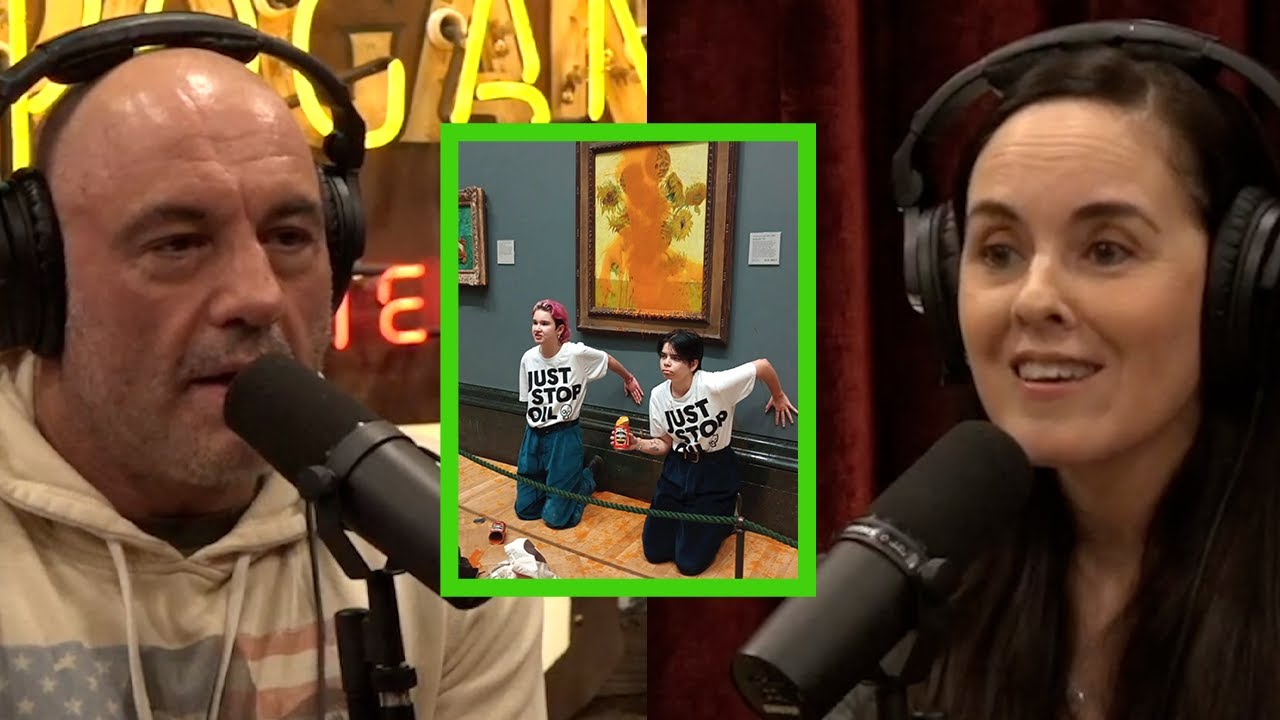
Study of modern art activism and museum protests (e.g., climate activists targeting famous paintings) to analyze the boundaries between protest, vandalism, and iconoclasm.
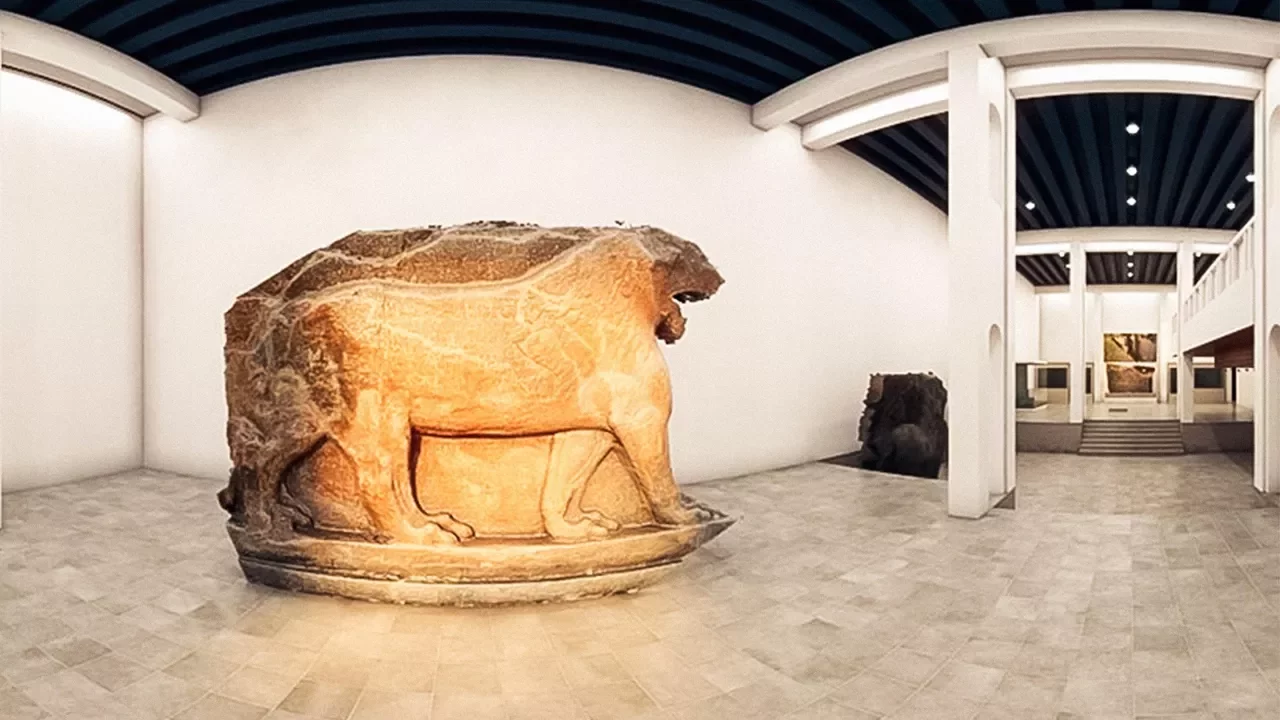
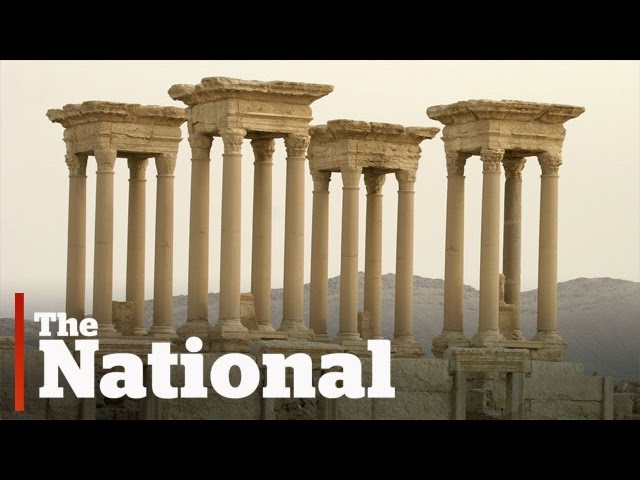
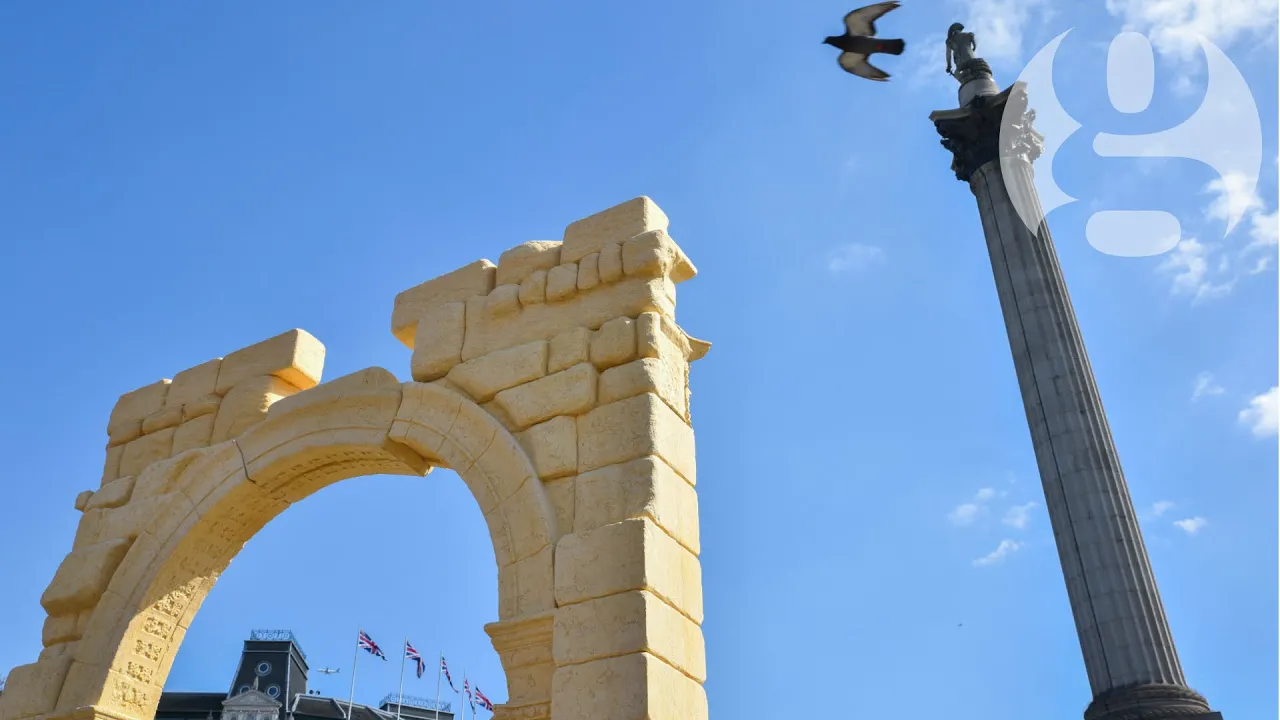
Investigation into digital reconstruction and 3D modeling technologies used to preserve and recreate heritage sites destroyed by conflict, such as Palmyra or the Bamiyan Buddhas.
334 views4likes1:07:06Original Release: 2024-06-04
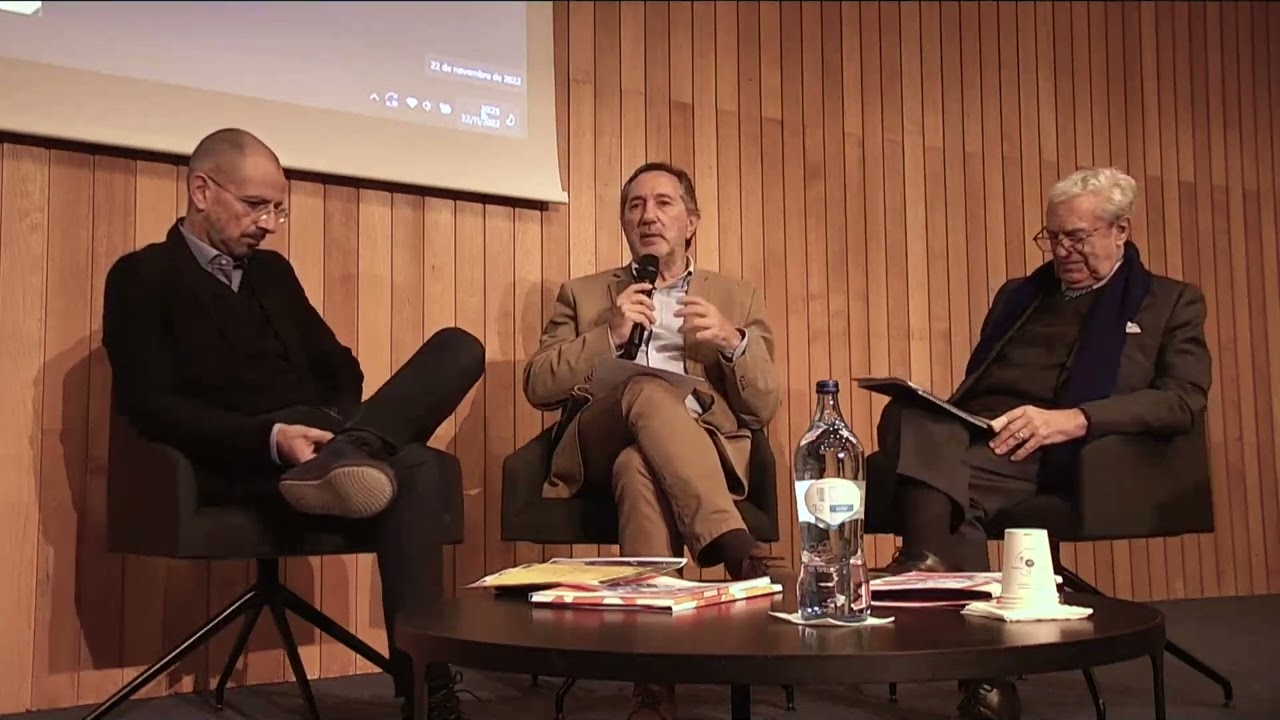
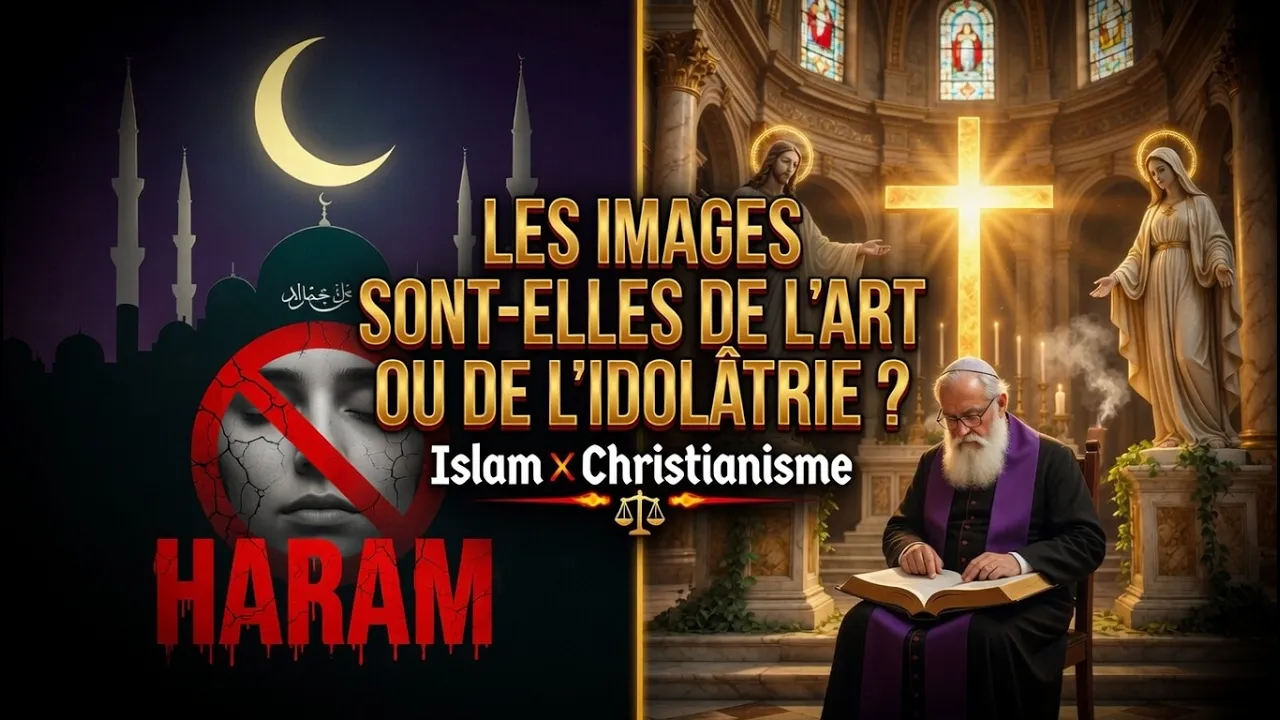
I'll get started with a brief intro we are really excited and appreciative that all of you have joined us today and especially to Dr Clawson and Monica and Dro I will introduce our speakers and just welcome you um thanks for joining the University of Arizona Museum of Art for this talk and uh we always start out by recognizing as well that the University of Arizona is on the lands of um land originally stewarded uh by by indigenous peoples uh and the ancestral homelands of the tana atum and y or PAs Yaki people and that Arizona is home to 22 ferally recognized tribes um of course when we think about iconoclasm cultural theft destruction of cultural objects uh it's very relevant to think about um that in relation to what has happened to indigenous peoples around the world um so I'm very much looking forward to this talk today uh we are always excited when Dr Albert Classen approaches us uh to suggest a topic uh that is that might be of interest to our audience and we are equally excited when we get to Spotlight um student student scholarship and student work so today we are joined I mentioned by um Dr Albert Clon who's a university distinguished professor in German studies Focus his research his many of his interests relate to um writing and teaching around the history of German and European literature and culture mainly 800 to 1800 uh time periods uh but of course keeping in he's very in touch with contemporary issues as well and always um looking at those topics in relation to what is going on in the world today um he's been awarded for his teaching and his scholarship and according to your profile as of December 2023 you had published 127 books and 781 scholar articles spanning poetry translations into English from German and of course original research um so we are happy to welcome you back um and thank you for introducing us to Monica andrino who is uh our main speaker today who is graduating this semester congratulations in just a couple days um getting her degree in art history with a minor in German studies so Monica and Dr Clon have been working on an independent study related to the topic of iconic plazm this semester and so we are looking forward to hearing about um what they have been researching and writing about this semester um just a quick reminder I think we're all pretty good at Zoom now but remember you can click view on the top right of your screen if you don't need your video on you can leave it off and it might create a smoother experience for everyone else feel free to um put your questions in the chat if you would like and we will uh have some time to have a little question and answer discussion at the end um of this presentation so I will turn the stage over to Dr Clon to get us started all right thank you very much I think you can see this right please confirm whether you can see my PowerPoint not yet good um a second oh wait uh I need to [Music] share so oh you have to turn off your um that's it all right so there we go okay okay are we good thank you so hello everyone I'm really delighted that so many of you really so many of you although it's a fairly small group but considering the time of the year so many of you have joined us it is an absolute Delight to give a presentation although um the Limelight really will be uh Monica not me um but it's really an incredibly rewarding experience to have a grad almost a graduate student a graduating student um doing research and in an independent study um Monica took a course with me on eroticism and love in the Middle Ages I think about two years or three years ago not two years I think and then eventually she approached me um I think also did the course on history of religion with me didn't you yes and then she approached me and she wanted to do something that appeals to me very much as a medievalist uh she is an art historian I'm more in literary studies and the topic was iconoclasm and so we both had a wonderful uh for semester uh she bringing in all this individual research and me basically learning from her and so I'm really DEC excited that now this comes all to fruition and I just want to give a couple of comments and make a couple of comments and address the larger issue so that I can set the stage for Monica she is the expert now and I'm just sort of on the sideline a sidekick in a way um but at the same time what I would like to do is as a medievalist set the stage a little bit and reflect upon the larger issues um as they pertain both art history as well as history economics and religion and as I just simply like to say art history is never just Aesthetics it always tells us more about the background uh reasons conditions concerns and so forth and so when we talk about iconoclasm Monica will explain that more but it's sort of an attempt to destroy images now I want to talk about that a little bit uh to the background of images so my concern here is to reflect upon really the meaning of images because we live particularly today maybe even more than ever before in a world of images and images are basically the Battleground for a lot of different political religious and economic forces so I um have a quote here from Exodus uh in the Old Testament where already at that time the whole idea was reflected upon quote you shall not make for yourself a carved image or any likeness of anything that is in heaven above or that is in the earth beneath or that is in the water under the Earth You shall not bow down to them or serve them for I the Lord your God am a jealous God visiting the inequity of the fathers on the children to the third and fourth generation of those who hate me but showing steadfast love to thousands of those who love me and keep my commandments so already in the earliest times at least in the Old Testament the battle over images um rageed very much and so I have a list here of Four Points uh pictures are the result of power struggles uh in other words those who produce or commission pictures or images or icons are in charge of power structures um pictures um thereby serve as a representation of those in charge in terms of money and power but beyond that of course pictures uh represent for imagination they represent also a lot of culture in general mentality and so forth and they also very much represent who was in the dominant position in other words in throughout history pictures were produced for the dominant class um right so um so I have reflected quickly upon who is really in charge of pictures who is entitled to produce these images who commissions them so that's a whole world of commissions Commissioners the patrons the art patrons so what what do pictures serve they serve for propaganda they represent religion play play a huge role in politics but then also Aesthetics but very much identity I think um Monica will address all those points in one way or the other but I think here we have collected the major components that set the stage for the larger image or larger question why were certain images created why were they destroyed or why did they become the bone of contention and as think art history can never avoid uh being part of propaganda religious debates political struggles and so forth as much as they represent Aesthetics but because they provide a form or medium of identity they are the center of much attention of politics um as we say in English of course it pictures worth thousand words or a thousand words um but at the same time I would like us to warn us all that pictures are always easily subject to um propaganda manipulation deception uh they might reveal or uh hide um images so a very good critical reflection of any artwork whether it's good or bad allows us to understand much more behind this purely let's say the the canvas or the sculpture there's always another message there is political messages and um whether artwork exists or not depends on the political structure the economic power structure so both in Christianity as well as in Islam there have always been struggles over pictures uh and I think those struggles have reflected um the question who is in charge and Monica explored all kinds of different stages where images were introduced baned and so forth so I don't need to go much into Christianity but Islam for example is most famous for uh the avoidance virtually the ban on images hence here a beautiful tile work in the kopa of the Moss of e fahan in Persia and you find it all over the world including here in Tucson when you go to any of the MOs we have you would not see images but you see either text or geometric forms so very clearly an indication what power or potential there is behind uh images um this is the one image Monica I wanted to show you and I never could find it but I for this presentation I finally could Discover it again in my file I took it when we were with my students in UD uh in modern day Netherlands and it is still in the cathedral or the major Church there and a perfect example of what iconoclasm mean they have left it in this way because it is now identified as an historical object artwork and reflects the history of iconoclasm so pictures have always been uh victims of protest you might have heard uh that just yesterday there was a massive attack against um painting um in I'm not quite sure was it in the mid or was it in the Lou um but somebody used color to destroy a major painting um Monica will address this a little bit further that is a sculpture of the so-call uden Z a very derogatory sculpture in the wall of the Church of vitten back where Martin Luther Tau and depicts here in a very mean and and aggressive fashion the the way Jews who are sucking the teeths of a soul or licking the anus so um I mean pork is forbidden for juice so this is the most demeaning image you can have and Monica will give us more of the background but there have been a lot of of legal discussions today uh even last year and various courts have debated and discussed and then decided on whether that sculpture should stay there or not and until it stays it is identified as an historical object there is of course a plaque explaining the strongly anti-semitic sentiment expressed thereby but despite all kinds of attempts by lay people to sue uh the the church so that this could be removed the courts have said no this is an historical object so kind of iconic clasm has not affected this but there are lots of attempts to remove this so and the next one is the question who controls images um so Mon and I discussed and debated for a long time is it acceptable to destroy images and if they do not conform with our political religious or social views um and Monica and I went through many different historical as well as contemporary issues um so I skip over this and I want to give you a German example this is not an image but the name of a street um and in the uh in the wake of the killing of George Floyd in Berlin for example there had been have been a lot of protests Against Racism and so there is a subway station and a street called Mor so Street the mo Street um which really ultimately pertains to the Saint Morris who was the first black saint actually the very first martyr in the history of Christianity and there have been so many battles against this name the city finally decided to replace the name Mor with the Anon W Amo AMU was a black slave from Ghana in the 17th century and he was given Freedom by the regional Duke and could then study at the University of Y and and vitberg and became a professor of Phil Phil philosophy and enjoys high respect today as a major black uh professor so this is sort of parallel to the iconoclasm other examples very world famous the Sphinx for example lots of ancient sculptures have lost their noses and this is the latest I just learned uh yesterday uh this here is in KF and um I learned that um many Ukrainian artists are suddenly worried that in the wake of the war Russia against Ukraine that there is um the strong effort in Ukraine according to a law from 2015 to remove all Russian or Soviet art this is one of the examples that is a so-called UFO from 1977 so it's an odd situation uh the Ukrainian artist um who did those things probably for the Soviets argue that they should be preserved for historical purposes so you can see aot clasm is a highly political issue um and it divides the public both directions um I just provide you very quickly a literary example because that's my major area but sort of losing the nose iconoclastic attempt finds already examples in medieval literature such as in Mar def France her famous lay of um clav from about 1190 I'm missing an O I probably committed iconoclasm myself so um icono clasm then is a result of fight over Authority in religious political and social terms because as I said in the beginning art is the product of commissions is being paid for and it reflects New or Old power structures so in this regard artart has always been the victim of these public uh conflicts and hence iconoclasm and um that is my range of uh things I wanted to reflect on and um I'm very proud of you Monica and I thank you very much for being with us and um giving us your portion in this talk thank you very much all right thank you and I will take it from here yep let me share my screen yep and I will pick up where you left off so this is my you know title screen this is Iconic CLM throughout the centuries um I did collaborate with Professor Classen and this is based off of a research portfolio that we constructed last fall and I'm going to explore the ethics involved with determining you know because there is both ethical and unethical iconic clastic events it is often assume that because it is Iconic classic it is inherently tragic which it definitely can be but there's many nuances involved in determining that so just to since this is a lot of information I'm going to break this up into six different parts I'm going to explain what iconic clasm is its relevance and the algorithm that I chose to explore these nuances involved then I'll use two historical examples the byzantines and the Protestants to modern examples the United States the Southern United States and Kev Ukraine and then the ongoing case of the uden in witberg Germany so first I want to go over what exactly is Iconic clasm so it is a noun the breaking or destroying of images especially the destruction of images of pictures set up as objects of veneration so it is often in a religious context but that is not exclusive to iconic clasm and some vocabulary that I'll be using is an iconic clast which is a breaker of icons a supporter of iconic clasm so they are the perpetuators of it and then an icon aile which is a supporter of icons typically religious and or monastic and as Professor Classon said before it can manifest itself in Social political economic or religious facets it is not exclusive to only one category it branches off into many different walks of life and you know different parts of the cultural experience and it is a manifestation of identity the way we communicate ourselves our beliefs our values are often through icons and pictures now even exclusively are is an aesthetic but you know propaganda or political imagery is a way that we commonly see that and this is not a strictly academic concept this is something that is permeated through everyday life as we have seen before um you could pass by it every day unknowingly it is very omnipresent in our life if whether it's very subtle or very Grand see here nope so why is it relevant so you're exposed to it much more than you would often think so an example that I found is the destruction of art for infrastructure sake um recently a chartis mural was destroyed by Newport Council in the south of Wales it was a hundred million development and they destroyed this beloved mural that had been in this city for a very long time and at first glance you wouldn't imagine that this is a grand iconic plastic event for the sake of a movement but it is still one of the subtle ways that it can be in our lives today and another form of would be modern art as an AC of intellectual or intentional iconic clasm Banky destroying his own Works baret num or Picasso deconstructing familiar icons because they are icons in a way to convey a specific artistic message and this is not necessarily a good or bad form of iconic clasm but it is something that is permeated and something that you can see anytime you walk into a museum and it's important to understand how iconic clasm works and how to recognize it because it's necessary to conserve and preserve history and if we look back at the historic examples and the history that has been lost due to iconic clasm it's difficult to study and research and look back on the past whenever so many artifacts have been lost so in recognizing how we can manifest today we can take the steps to work to preserve and conserve today's objects for example like in Kev Ukraine keeping those Soviet buildings for the sake of further research and for history's sake and recontextualization as a solution it doesn't have to be these things don't have to be destroyed they don't have to be you know completely exiled from the public eye if they are reframed in an educational setting it serves a different purpose it's no longer an honorific of say a painful past but it works to educate the public into what not to repeat or signs to look out for in the future so I approach all of these topics with four key questions because otherwise it you get lost in the sea of nuance and all the different ways that it can be explored so my first question that I use as a baseline is was the object preserved this typically is a good guide to see whether it is ethical or unethical iconic plasm because often there is an opportunity for preservation but sometimes that is you know dismissed but that is not always the you know the the foundational Baseline there are exceptions to that but that is usually where I start from and from there I as was the destruction for the icon's meaning or for the icon's sake is it what the icon represents as an idea or is it because it is a represent because it is a representation entirely often for Icon sake that is in a religious context leading back to the quote that um from Exodus that Professor Classen provided that icons in general could be seen as a negative then I ask is the object within the iconic class culture is it one culture dominating another culture or is it the culture the perpetuators of the culture destroying their own artifacts and that's where things become more nuanced a bit more blurry as to who is to say what you can and cannot do with your own artifacts and then lastly which connects to the first question was the object recontextualized because you can preserve an object but not necessarily Rec contextualize it in an educational setting and that will be explored in one of our mod modern examples so these are the four questions that I use to tether myself when deep diving into the many layers of these iconic clastic events and it's important to look back on the historical before the modern and practice historical mindfulness because we have to have we have to understand the foundation of how these iconic Classic Events developed and how they kind of snowballed into an extreme event and if we can recognize those processes we can see how they can begin today and like with KF Ukraine or other modern examples if we can catch it early we can see how it'll progress in the future and iconic plasma has begun since the beginning of time if you look at old Sumerian artifacts or Mesopotamian artifacts dominance over other cultures is often through the destruction of venerated images whether that is Pagan Idols or just images of daily life that they created we find you know shards of broken Idols as evidence of past iconic plasm so because it's been around as long as we have it's important to recognize and understand that it is omnipresent in our lives so I want to begin with the byzantines because that is often the event that is most associated with the term iconic clasm and they provide a good amount of nuance in understanding how this whole process sort of works so on the right is an iconic clastic cross that was implemented by Constantine V during his iconic clastic rain which was around the 8th Century so what exactly was this event so there were two iconoclastic periods during um Byzantium but the first is the most important and the most egregious in evidence it began with Leo I 3 and ended with Constantine ith his son and that lasted from 717 to 775 in Byzantium which is modern day Istanbul Turkey so it was under the guise of religious piety but beneath that it was a fight for empirical control this um a precursor to this event is theorized to be the Edict of yid which is a edict proposed by the surrounding Islamic countries during a military Skirmish between Byzantium and these neighboring countries where this was kind of the beginning of the Banning of depictions in Islamic culture particularly the prophet Muhammad depictions and because of the military loss that Byzantium f B in the wake of these Muslim countries Leo III kind of looked towards spiritual evidence as to why they suffered this loss and he looked to the Edict of yed and looked to their success and felt that he needed to implement that himself in Byzantium for a spiritual success in a way and that leads to the Edict of 7:30 which him and a um Council of Bishops determined that no images that are not venerated by the church should be constructed should be promoted and the church decided that um no images of Christ or of God truly depict the nature of Christ it's either too much of his human nature too much of his divine nature it's never all-encompassing so the only allowed images would be the cross the Eucharist and images of the emperor which plays into his own need for empirical control and looking back towards all the way to the beginning of Constantinople with Constantine I uus was a a close adviser to Constantine and at the funeral of Constantine he set a dictum that Emperors are not above criticism specifically in reference to their duty to lead constan Noble in a righteous path and although this dictum was set much in the past Leo II looked at this dictum and saw it as an opportunity for his imperical control to begin to slip whenever he is open to questioning and because constan Noel was a theocracy the most effect Ive way to establish this authoritativeness and this control was through religious Doctrine thus the Edict of 730 so it was under this facade of religious piety and for the sake of religious you know I don't know how else to say it but underneath that it was kind of an ego and control method of you know ruling over Constantinople his son however was less concerned with empirical control and had his own aggression and own disdain for the monastic order specifically so whenever he took over from his father and began snowballing his own iconoclastic event it was mainly focused on attacking monks and monastic orders two examples of this would be St Steven the younger and euthymius of sardes both of which were Bound by their ankles dragged through the streets of Constantinople for being outspoken iconophiles so it was a very aggressive very violent half of the iconic classic event of 717 to 775 much more so than his father Leo iiii so circling back to those questions from before were any of the objects preserved no therefore there was no room for recontextualization either did it take place within its own culture technically yes and that kind of where is where things become more nuance and a bit more muddy because they were the ones that created these images and created these icons who are they to determine what is the fate of these icons is it not their duty to determine the fate of these icons and rule over them and decide whether they should be kept or destroyed and they were destroyed for icons sake not for what they represented but the fact that they were icons in general so if they use scripture as evidence and as a justification for their destruction who is to say that they are not within their right however whenever I was researching this event I had determined that it was highly unethical due to the culture clash of the monastic order and specifically Constantine V and because of the violence and the it was almost serving as a proy for his aggression this this blanket of religious piety was not the inherent goal in reality it was simply a mask to cover their own aggravations towards specific things whether that's maintaining control or the monastic order because of that I determine that this is a highly unethical event so this carries on to the Protestant Reformation there's a lot of parallels between the byzantines and the Protestant Reformation with this guise of religious piety and underlying aggressions towards other orders I specifically want to talk about the beelden storm of an anver Belgium in the 16th century and in this image here you can see an example of what happened during this time so what was the event itself it begins with the Protestant Reformation in 1517 in Germany I believe most of us are familiar with Martin Luther and the 95 thesis but be andrum specifically began in the low countries from 1566 to 1572 10 days prior to this event in um Belgium specifically was Sten fur Flanders it was Sebastian Matt who was a calvinist preacher who preached a sermon to a crowd which inspired them to destroy and desecrate a monastery of St Lawrence with it was a mob pitchforks torches and they had carried artifacts throughout the streets as a way of desecration the Calvinists specifically were the culprits of the beom at the onsave that's a long word for me to pronounce on August 20th 1566 in anver Belgium the Calvinists were very concerned with the technical interpretation of the Bible and they were not as keen on images as seen to the right with the why they were visually anti-catholic and they interpreted icons at best to be irrelevant and distracting and icons at worst to be the sin of idolatry so the event was recorded by Sir Richard clo which was a well Merchant who happened to be there at the time and how he recorded and described the event was they destroyed nearly all books primarily books of hymns and other books that were honorifics to the Saints but not the Bibles they defaced image of our lady and her Chapel the hands and faces of statues of saints were destroyed however Bible imagery was spared so if a statue was holding a Bible or there's any sort of depiction of a Bible because they held it so highly those were always spared any evidence of traditionally Catholic imagery such as the Saints or of the Virgin were desecrated so circling back to this questions yet again were any of the objects preserved no they went out of their way to be as demonstratively aggressive and demeaning of these objects therefore there was no recontextualization either in this situation and was it within the culture at first glance one would say yes it is under the blanket of Christianity they believe in the Trinity the resurrection of Christ so you would assume that we would be within one culture however in reality although they are both Christian Catholic and Protestant belief systems are so vastly different and because it was inherently so anti-catholic and anti-catholic culture it is to entirely separate branches that are one is attempting to dominate the other so in that sense it is completely outside of the culture and it is a culture opposing event and because of this it is when if the conclusion I came to with my research that this is a highly unethical event due to yet again the aggression in which it occurred but also it was an act of attempting to dominate another culture which is inherently a uneven power Dynamic although the Catholics were the authority at the time in Europe and Protestants were not even allowed to worship at this point it was a very violent approach and many people were killed or injured during this process so it was an inherently unethical event so looking back at these historical examples and the aftermath of these it helps us determine iconic classtic motives and the understanding of the process the thinking process of how this works often it is religious justifications at least in this these specific examples and often times we cannot judge based on the context or we cannot judge based on the given justifications we often times look at the outer context and the historical context to lead us to the conclusion of why this actually happened for example with the byzantines Leo III and Constantine V and the Protestants all claimed religious piety as the justification for these iconoclastic events that they are doing this in the name of God however Leo III in reality he just was striving to maintain his authority and empirical control Constantine V was using this as an outlet for his anti- monasticism and the Protestants were using this as an outlet to dominate the Catholic culture and completely eradicate evidence and any reverence of the Catholics so this was not under the guise of true religious piety and the desire to really follow in the footsteps of the Bible or in the footsteps of God those were irrelevant to the greater context and these were really very human desires and angers that they were using iconic CLM as an outlet to continue so we have now gone over the historical examples to help you know lay a foundation and construct a proper analysis but we do need to look to modern examples to see how it kind of manifests itself today and we now have tools as seen with many many historical examples those are only a few and each example comes with its own nuance and new added layers that provide us more information on how to recognize these um future events so once we understand how they develop and how they escalate we can see how we can prevent it in the future and I provided both a local and a foreign example because both are very necessary um because iconic clasm presents itself completely completely determined by the cultural environment what are the social norms at the time what are the cultural norms the religious Norms what is the dominant religion of the location all these play very vital Parts in how the iconoclastic event develops and kind of snowballs into something more extreme so I want begin with the Southern United States specifically the Confederate obelisk in Birmingham Alabama this is a local example which I imagine not specifically this Obelisk but the conflict of Confederate um honorifics is a very you know pertinent example that I'm sure many of us have heard before so this I believe is a good starting point for a modern example so specifically the removal of the Confederate obelisk in Birmingham Alabama the Obelisk itself was built in 1905 its official name is the Confederate Soldiers and Sailors Monument it's 52t tall made of sandstone engraved with the words from Jefferson Davis who was the president of the Confederates the manner of their death was the crown and Glory of their lives this oblas was has since been removed in the summer of 2020 amid the protests the black Liv matters protests The Death of George Floyd there was a lot of chaos and tension specifically in the South which led to the removal of this statue but of course this was not meant without much resistance and there were two main arguments provided the first of which is it's meant to honor the soldiers and honor the deaths of those who fought for their country however this objectively is incorrect so the city did not exist until a decade after the war ended and the oblisk itself was constructed during the height of the Jim Crow era and the height of the cuplex clan and when presenting and unveiling this Obelisk the keynote speaker George P Harrison who was the United Confederate Veterans commander-in-chief um he specifically states he wants to thank the Fallen Soldiers for their protection from and I quote the Hideous Spectre of threatened race equality it is pretty undeniable that the origins of this Obelisk is inherently racist and inherently hateful that is undeniable and another argument is that the majority wanted to keep it this was a beloved Monument by Birmingham and it would be unfair to remove this because the people this is part of their culture however 70% of Birmingham is African-American and did vote for the approval of its removal however most of the resistance legally was from State politicians who were 77% white and they claimed that the majority did not want its removal which again is incorrect so going back to these questions yet again was the object preserved it was the mayor explicitly protected the statue from destruction and it was adopted by the daughters of the confederation so this was sort of recontextualized it is now in an educational setting but it is still celebrated and is still held as an honorific but is no longer in the public eye as a honorific um and it does take place within the culture it is an American Obelisk fought for by Americans resisted and agreed upon by Americans This is in a bubble of the kind of Southern mentality and it was was removed for the icon's meaning not for icon's sake it is a painful memory of slavery the confeder Confederacy and Jim Crow um many of like the 70% of African-American voters that voted for its removal did claim that walking by it every day to work or to school always was a pressing reminder of a very painful past and that was why they fought so hard for its removal so was this an unethical iconoclasm in my research I concluded that no it is not unethical the Baseline for that is that the object was preserved it would be unethical if it was completely eviscerated and destroyed and I don't believe that it's right in any context to destroy historical artifacts whether they are positive or negative but because this was adopted by the daughters of the Confederation and it will be preserved for perbly a long time and it will continue to be studied and researched and looked back on conf Confederate history it is a sort of win-win scenario the general public is now more comfortable in their homes not having this looming reminder of the past but at the same time history is still preserved and that brings me to a foreign example which is the icons in Kiev Ukraine specifically the removal of Soviet imagery from their National Monument which you can see in this photo here so a foreign example is you know helps us get a more well-rounded View and it offers more interesting Nuance that may not be here at home for us that the local example would have specifically right now the geopolitical context and the Russian Ukrainian tensions that have a longstanding history which play a very large part in the removal of these icons so what is the event itself is the remover of the hammer and sickle off the shield of mother Ukraine which was formerly known as the mother of the Fatherland during the Communist era the symbol itself it was built May 9th in 1981 which was shortly before the dissolving of the union it is the hammer cycle obviously the very recognizable symbol of Communism and then it was promptly removed August 6 2023 so this was very very recent of an event and as um Professor Clon showed us earlier there are still ongoing works for decommunization here so the laws were introduced in April 2015 which is you know in legal writing the act of removing Soviet imagery however the process of decommunization began in 1991 one so once the union dissolved they were very quick to move all of those reminders out of public site the Eastern black countries also began this process around the same time Ukraine was under Russian rule for over a hundred years Ukraine was Communist alongside them until the dissolving of the Union so there is a very long-standing deep woven connection between the two countries and whenever the Russian invasion occurred in February 2022 that added even more underlying added more aggression to the underlying tension that was already present Ukraine is not acknowledged as a Sovereign Nation by Vladimir Putin he has explicitly said this and that further drives this desire to decommunization and because decommunization is in turn removing any Russian imagery although Russia is no longer communist it still is kind of a side by side parallel interpretation for Ukraine Ians so of course this was met with resistance similarly to the Obelisk but it's not the same sense of resistance where it's more of an emotional resistance this is as we have brought it before an economic Factor so the process started during the war and it was not cheap it was very expensive it was 28 million hienas which is the equivalent to $758,000 which to us may not sound like a lot but in the middle of War time that money could definitely be spent elsewhere which is exactly what President zalinsky says in this quote museums cultural centers symbols TV series all this is important but now we have other priorities find non-budgetary funds the state must Focus its maximum attention on defense needs the cultural Minister Alexander tchenko did claim that all of the funds were from sponsors however due to this project he was forced to resign by President zalinski so this kind of introduc is a very interesting Nuance where the emotional and social sense is in favor of the removal as is the 85% of the population being in favor however it was the economic factor that brought up this resistance and this desire to keep it not because they want it but because is not a priority at this point there was a bit of emotional P push back by um the older generation specifically on the outskirts of the country closer to the Russian border because Russia and Ukraine have such an overlap and it starts to blur for so many decades a lot of the older gener older generation grew up speaking Russian learning Russian culture being kind of divided or horned between Russian and Ukrainian identity it is much harder for them to let go of that part of History this could be similar to the older generation of Southerners that do still feel that connection to the Confederacy although it is a much different dynamic between cultures that older generation still kind of holds on to the Past in that way as a sense of comfort and familiarity so returning to those questions was the object preserved yes it is moved to the national museum of history of Ukraine in the second world war so it's now in a educational setting and it is completely recontextualized from an honorific reminding of you know Russian rule to now a still painful reminder of the Communist past but you know the honor of fix have been stripped and it has since been replaced by the Ukrainian code of arms the triu which is the Trident which we've all I'm sure have seen and it is from outside of the culture the Soviet culture is what they are currently trying to shed because that is not something that they identify with anymore and because it is a painful reminder that they are trying to remove from everyday vision from you know walking the streets there's this giant enormous statue that Dawn this you know hateful symbol this unhappy symbol so this is from an outer culture but not in a sense of dominating another culture but simply trying to shed a past version of themselves and it was removed for the icon's meaning not for icon's sake it is a linear reminder of Communism of course the hammer and ccle is the most blatant reminder and it has been of course as mentioned before recontextualize so as a whole I would consider this a ethical iconic CLM yet again because of the the preservation and the essence of trying to move forward from a negative past and with the current dynamic between Russia and Ukraine with the ongoing War it's completely fair to assume that it's fair to anticipate that they would want to shed that painful past and they wouldn't want to hold on to that whenever they were actively being invaded and you know oppressed by that same country that same Force so going back to these questions yet again and why they are so important when addressing these four examples so far they are you know the method for guidance because there's so much between the economic we can look at the racial dynamics of the South we can look at the current geopolitical situation of Kiev but then you can get lost in this sea of nuance and different ways of interpreting this whole event and the different perspectives and rabbit holes you can go down so these questions serve as a tether and because they te you to a foundation it does allow you for room for further investigation in specific points because you will always have a solid rock to go back to and it helps you better understand the implications of all these events if you ask these specific questions and you dissect the justifications and the the meaning and the reasoning behind it and why they did what they did it helps you understand iconic classtic events moving forward and this brings us to the example brought up by Professor Classen which I want to dive into which is current day Germany the legal battle against the uden sou and just again looking over this there's the female pig the rabbi the Jews and the inscription on the back so I want to show you an example today showing how we handle iconoclastic events as like as in you know in this very moment because this is an ongoing legal battle and we can see how past examples and more recent examples kind of blend together into how we deal with that today so the symbol itself is as explained before the rabbi licking the anus and suckling the tea of a female pig this symbol first appeared in the 13th and 14th centuries um the church was built in 1489 to 1509 but we don't know if the carving was at the Inception of the church if it was an addition later um and it is on a very high point of the church but it is on the so it is very visible and it was intended to be seen by visitors and as said before pigs are viewed as an unclean animal in the Jewish faith so this makes this incredibly hostile and Incredibly demeaning intentionally um so as for the lawsuits a protests against the UDA began in 2017 which marked the 500th anniversary of Martin Luther's 95 thesis and it began with Michael dulman who sued the church in 2018 so only a year after which was very short his quote is this is a church a holy place you can't mix it with such a shameful assault on the Jews he's an active member of the Jewish community in Berlin and he proposed this lawsuit to The District Court of daau who then denied the claim a year later in 2019 but he appealed and is currently at a standstill at the higher Regional Court of nberg and of course we ask why is he suing the church for the statue and the reason is obvious it is incredibly anti-semitic um so this is the church where 9 where Luther put his 95 thesis and although it might not be common knowledge Martin Luther was incredibly anti-semitic he released A Treatise in 1543 of the inable name of the generations of Christ which the cover has a uden motif on it so he is very aware of this Motif and he actually in this treatise goes into detail as to why it is fitting for Jewish people and I quote his Rabbi colleagues were looking for the name of God in the most profane of places so this is not an isolated image but this directly ties to the teachings within the church why the church is important inherently due to 95 thesis by Martin Luther it all ties together which makes it incredibly difficult to separate the two when it comes to removing the icon overall and of course this was meant with resistance and promotion on either side the vitberg town Pastor argues that it should stay it's part of the church and one of the judges in this trial judge fulker bulock argu argues that it was recontextualized as mentioned before by Professor Classen there is a show of Memorial placed right underneath the carving which judge fulker claims neutralizes the meaning so it essentially cancels each other out there's one very anti-semitic image one very you know very honorific of the showa and of Jewish faith underneath it so it should cancel each other out in my own personal opinion I don't think it works that way but regardless German Jewish historian Michael wolfon argues that hiding the motif is hiding the truth hiding the statue is hiding shame we must face it and address it and it could be perceived as whitewashing Luther and trying to sweep his dark history under the rug for the sake of Saving Face but some of the arguments against the resistance would be from region Bishop Fredrick Kramer who agrees with dolman that it should be removed the federal anti-Semitism commissioner Felix Klein claims it belongs in a museum there is a Luther House museum in vitberg for specifically artifacts regarding Luther there is no reason for it to remain on the church when it could be rehoused and recontextualized in a museum setting and of of course the local Jewish Community is backing dlman in this lawsuit because obvious reasons and the Berlin Jewish community's commissioner on anti-Semitism Sigmar kingburg States what you see of anti-Semitism today is the old anti-judaism but wrapped in modern form and this leads to the current risk of keeping this Motif although it's not a direct at least at face value not a direct insinuation of these things and of violence it does play a part in the grander context of anti-Semitism in contemporary Germany there was a rise of anti-Semitic hate crimes in Germany during this time there's the increased popularity of the afd which is a very conservative right-wing branch of German politics which some claim has been directly tied to anti-Semitism there was the attack on the hola synagogue on October 2019 during yam Kapur which is only a year which is the year that the um lawsuit was denied in court and between 2017 and 2018 there has been a 20% increase in hate speech and hate crimes towards Jewish faith in Germany so with this you know this looming sense of violence and aggression towards Jewish people this Motif at the very front of such a important and famous Church of course is met with the desire to perform an iconoclasm against it in the sense where it they want to remove this icon and recontextualize it into a different setting so it's not viewed as it's not necessarily an honorific but it is such a direct tie to the church itself and it is making for many people worship and feeling safe in this church impossible when such a hateful image is so pertinent on the face of it and this returns us to the questions one last time would the object be preserved it would it would be relocated to the Luther House Museum therefore recontextualized in an educational setting is the object within the culture it is part of German history German Jewish history specifically and German Jews are the ones that are fighting so hard against it so it is not a dominance of another culture or the shedding of a past culture inherently they recognize that this is part of themselves which leads to the arguments of why they want to keep it and why they want to remove it because they all recognize it as part of themselves and is it for the icon's meaning or for Icon sake it is of course for the anti-semitic meaning because it does start to parallel modern anti-Semitism and it is viewed as dangerous it is intellectually dangerous to have a promotion of a hateful stereotype a hateful perception of the Jewish faith on such a widely celebrated Monument so to conclude all of this iconic clasm as a practice is woven throughout history into contemporary societies the iconic the iconic clastic is unavoidable while omnipresent it is not inherently tragic event as seen previously it can Mark positive change and New Beginnings specifically with the uden out I want to say that it although very nuanced and very complicated it does Mark a very significant change with current political happenings right now current geopolitical happenings addressing anti-Semitism specifically in motif such as this is very important in marking positive change understanding the complexities and functions of this practice is vital to the cultural growth and the protection of expression religiously socially and politically so in understanding iconic clasm through an art historical lens through an ethical lens there's a lot of factors to be considered but through my kind of algorithm of approaching this with these four questions and dissecting the justifications the consequences is the reasonings behind all of this it's very important for the sake of freedom of expression to not allow people to dominate over what you can and cannot depict what you can and cannot say but at the same time protecting social comfortability feeling safe in your own environment and not maintaining negative and hateful symbols for the sake of preserving symbols overall and that concludes udes my presentation very good morning thank you and if there's any questions I am more than happy to answer thanks so much to both of you and thank you Monica that was such an instructive and well organized talk um that was really easy to grasp those four questions for such a helpful lens on all these really nuanced and sometimes very difficult to kind of understand um or complex at least uh situations um yes a lot of thank yous and compliments in the chat and um if you came in late we were recording and we hope to have this up on YouTube soon but drop a question in the chat if you have it um I was just kind of curious what inspired you both to um to look at this topic as part of your study um I don't I'm trying to remember specifically the conversation me and Professor Classen had which led to iconic CLM I believe it was during his history of religion class that we had reached a topic of the destruction of images in regards to Faith and religion and I think for me personally that it was such a complicated question and such a complicated concept with so much room for exploration that that's what drew me to the topic myself I would like to add that I simply consider this whole issue highly difficult problematic relevant uh I don't think that either Monica or I have taken a very specific position um you can really see it this way or that way I think what really matters for us is to become more sensitive in other words to understand that images sculptures whatever have political messages for example or religious or whatever so I'm not taking any position with the let's say the sculptures of sou Southern States generals or so Virginia for example um it's that's you know it's it's a political decision it is the question I think how a community wants to approach its own past and that is what I think that is a political decision uh we as art historians if I may call myself that mon is much more than me um but yes art historians have a responsibility to consider these things reflect upon them and provide then the readers those who listen to us um colleagues and the people the audience with at least the examples so that each person can make his or her own decision uh and as mon has outlined so beautifully ionic Classon has been with us Whenever there is a picture then there is a potential for conflict and I think the academic approach to iconic clasm suggests strongly that we can learn for that and become more informed what the ultimate outcome will be is very hard to say um I think in in Germany they take a different approach uh to the own past compared to the United States um you know Germany went through a horrible history of anti-Semitism Holocaust and so forth but you have I think more me memorials and sculptures or Flags uh and other objects that are reminding us of that past than in any other country of the in the world so this is very interesting I mean I would never expect in our country to see as many documents dedicated let's say to the crimes the white colonialists have done to the indigenous population there are some few attempts but we are far apart from the approach Germans using so that's a political issue and I think is extremely important issue and it suddenly shows us the relevance of just art historical approaches that it's not simply aesthetically pleasing but rather it's a critical scholarly approach and that's what Monica and I sort of Hope to bring out in this discussion yeah yeah thank you for sharing your work with us uh someone asks are you planning to publish this material or share it otherwise and encourages you to do so I would love to publish this I my grand research portfolio I am still currently working on it's very extensive I've hit about 40 pages at this point and I'm still missing a chapter or two but um whenever I do now that I am graduated and I can dedicate more time to working on this and I definitely plan to continue my research specifically in the art historical sphere I would love to explore um publishing this work absolutely yeah good luck and it will help you yeah I I'll just I appreciate from like an art in the context of an art history talk I felt like it was very clearly presented and made me feel like you were ready to go into teaching Monica um or as a curator you know or something that you would like to do in the world of art history yes yeah Monica any plans after graduation um still trying to figure it out but I would love to remain in Academia if I could or in just the general research or the Arts or history in any sort of those different branches that would be ideal because I do feel very passionately about of these things and iconic clasm specifically because I've dedicated so much time to research and to writing and to talking about I've had so many conversations about it with my peers and getting them interested in the topic and I've now because I've become so knowledgeable I see it and I recognize it in places I wouldn't otherwise so I would love to continue to explore this in a career path um if the opportunity does present itself well yeah I agree with Dr class iner ready for grad school if that's a path you're going down ideally yes well uh thank you both again we will I think wrap up for today um but again thanks to everyone for being here um and wishing everyone a wonderful week and a a happy celebration of all your accomplishments this week Monica and happy end of the semester uh we will see see you all again at the Museum or online sometime soon I hope yeah and well thank you very very much for giving us that opportunity uh you know as I said I'm very proud of Monica and I'm really happy that she could shine and profile who works so well thanks to you and um it's really wonderful to have this exchange and to give back and forth so I mean your museum is a pearl it's a treasure of extraordinary quality and so if we can contribute just a little bit this is a great honor for us as well thank you so much right thank you so much for the opportunity as well I very much appreciate it thank you very much our pleasure as well all right again thank you very much take care care everyone thank you
Up Next

6:28
Paleolithic Cave Art: Techniques, Meanings, and Mysteries
@TheHistocrat
377.2K views•2025-03-12

114:18
Christian Iconography: History, Theology, and Meaning | Fr. Panayiotis Papageorgiou
@Trisagionfilms
58.8K views•2020-02-21
7:48
Ukiyo-e Art: History, Woodblock Printing & Influence
@japanathand
6.3K views•2023-06-08

16:34
Earliest Depictions of Jesus in Art: 10 Ancient Images Explained
@UsefulCharts
5.9M views•2022-06-03
Related Study Plans & Knowledge Roadmaps
Structured learning paths in Art History
art-history
Gothic Cathedrals: Engineering, Light & Society
01The Birth of the Gothic: Romanesque to Suger's Vision
02The Structural Triad: Pointed Arches, Ribbed Vaults, and Flying Buttresses
03Theology of Light: Lux Nova and Sacred Geometry
+ 2 more learning modules
14h5 modules
Explore Roadmap
art-history
Pre-Raphaelites: Realism, Symbolism & Critique
01The Victorian Art Establishment and Academic Formula
02The Founding of the PRB and Radical Realism
03Medieval Revivalism and Literary Symbolism
+ 1 more learning modules
8h4 modules
Explore Roadmap
art-history
Street Art: From Subways to Art Market
01Subcultural Origins in Philadelphia and New York (1970s)
02The Subway Era and Style Wars (Late 1970s - 1980s)
03The East Village Scene and Early Gallery Crossover
+ 2 more learning modules
10h5 modules
Explore Roadmap
art-history
Classic Maya Art: Iconography, Glyphs & Ritual
01Foundations of Classic Maya Visual Culture
02Deciphering Maya Hieroglyphs & Text-Image Integration
03Sacred Geography and Cosmological Architecture
+ 2 more learning modules
14h5 modules
Explore Roadmap