


![The Federal BUREAUCRACY [AP Gov Review Unit 2 Topic 12 (2.12)]](https://i.ytimg.com/vi_webp/FdCM8VRhzA8/maxresdefault.webp)
![AP Government UNIT 2 REVIEW [Everything You Need to Know!]](https://i.ytimg.com/vi/FepoztzFG4E/maxresdefault.jpg)


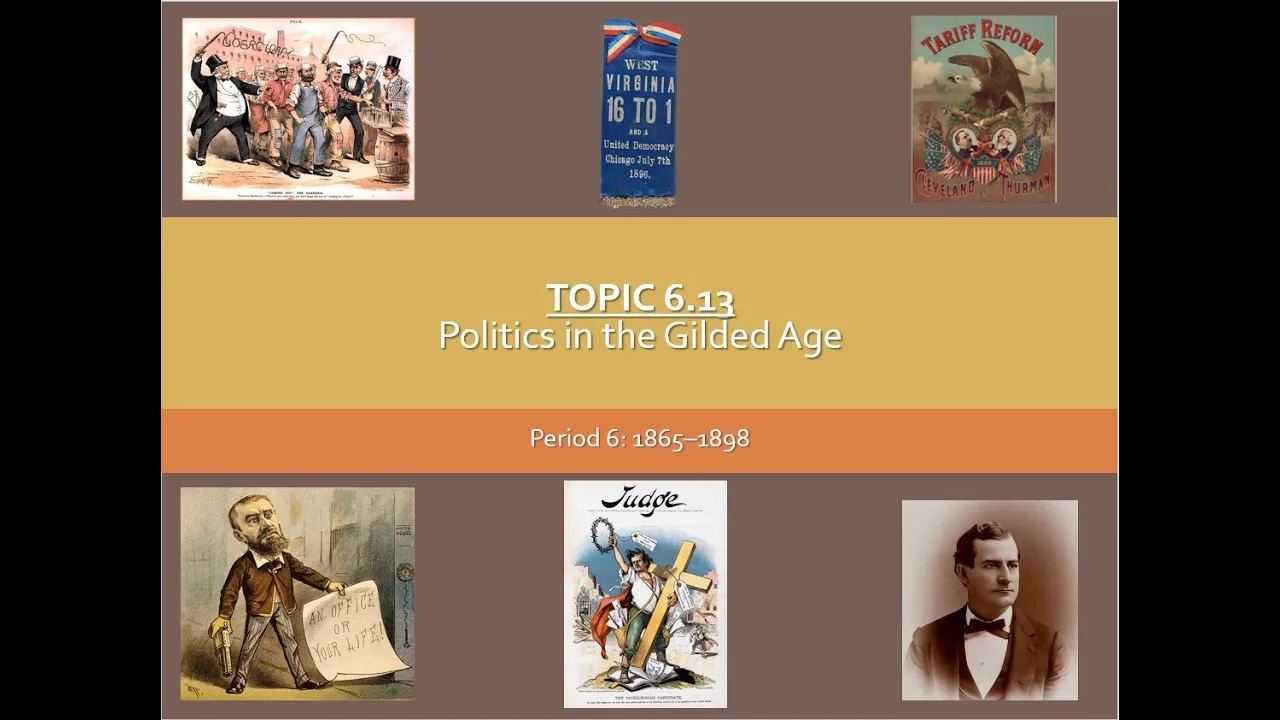
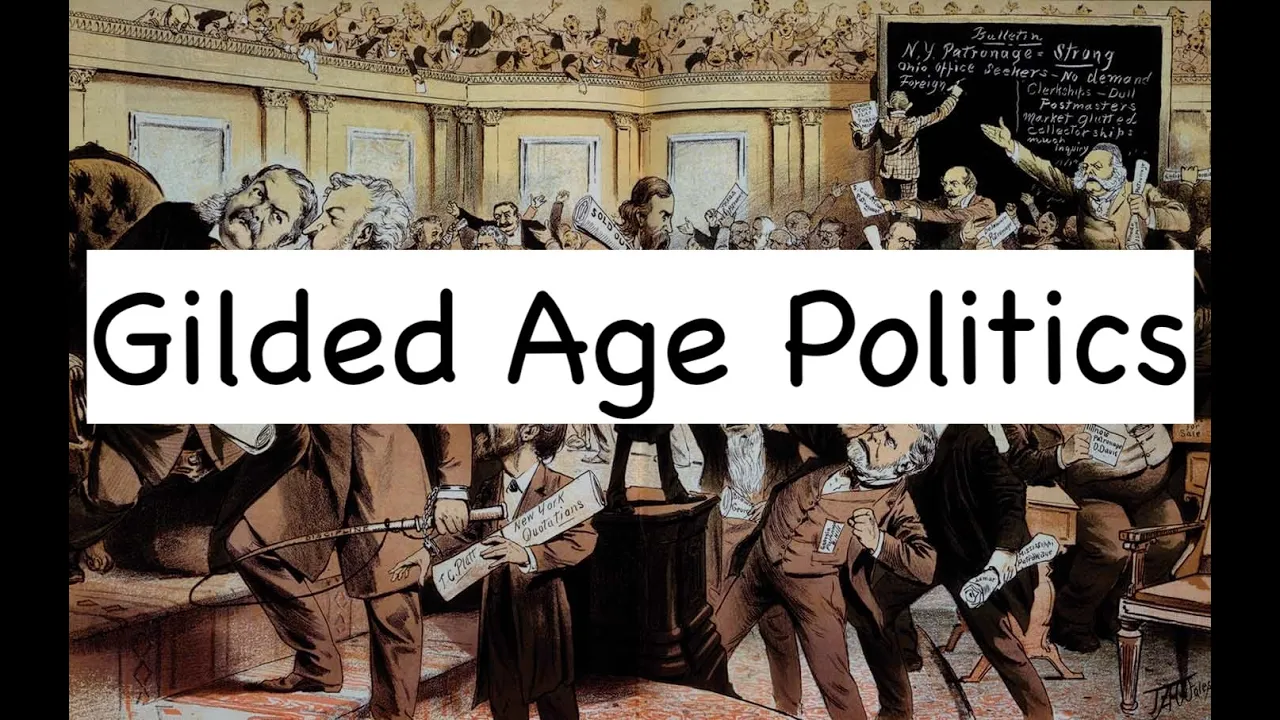

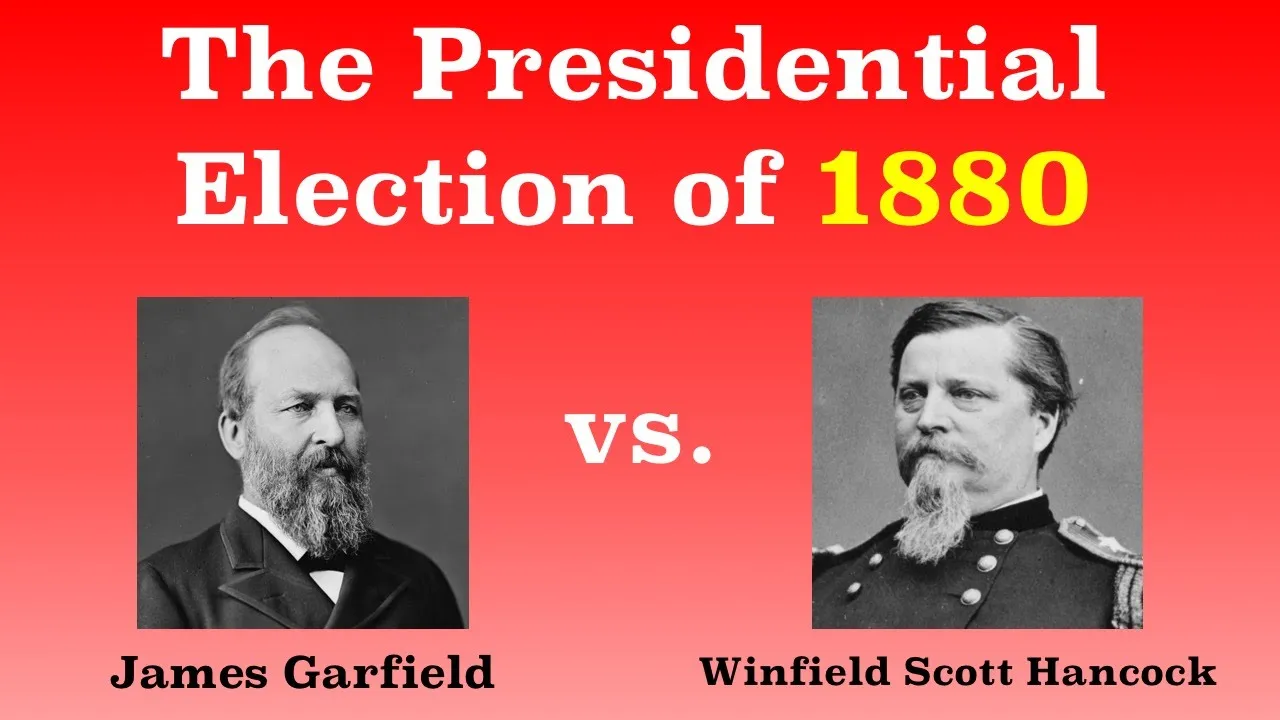



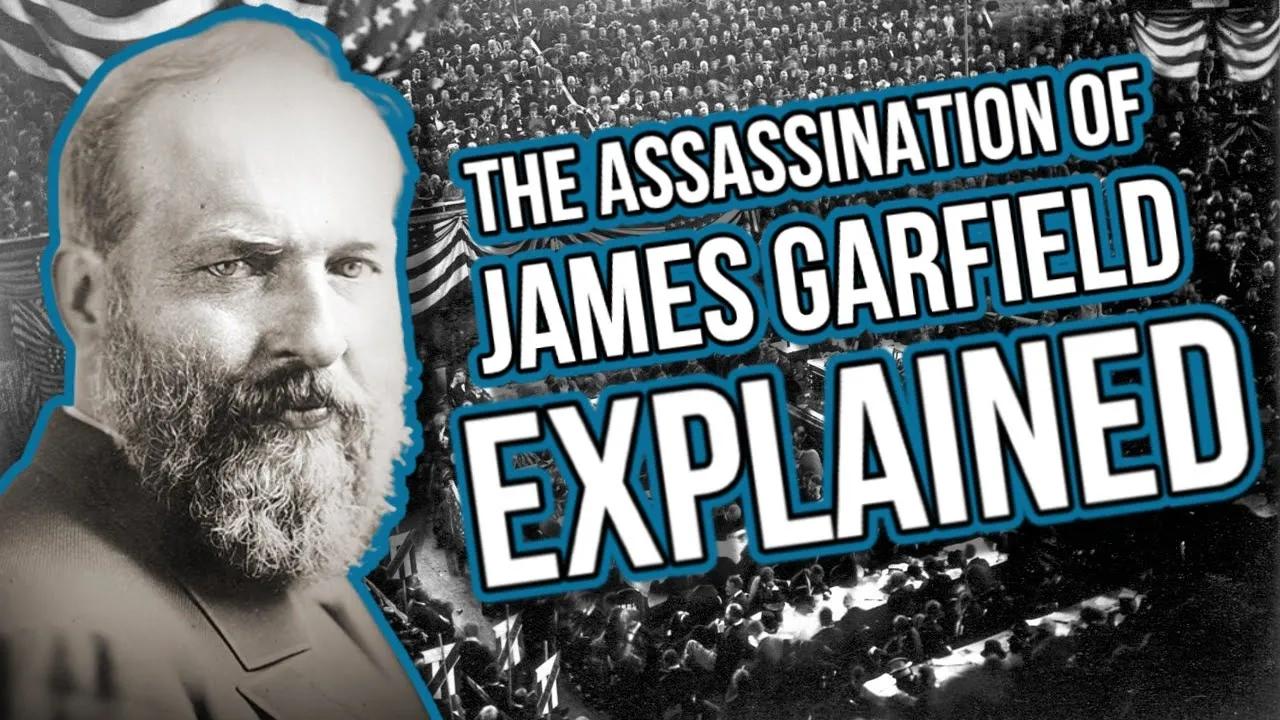

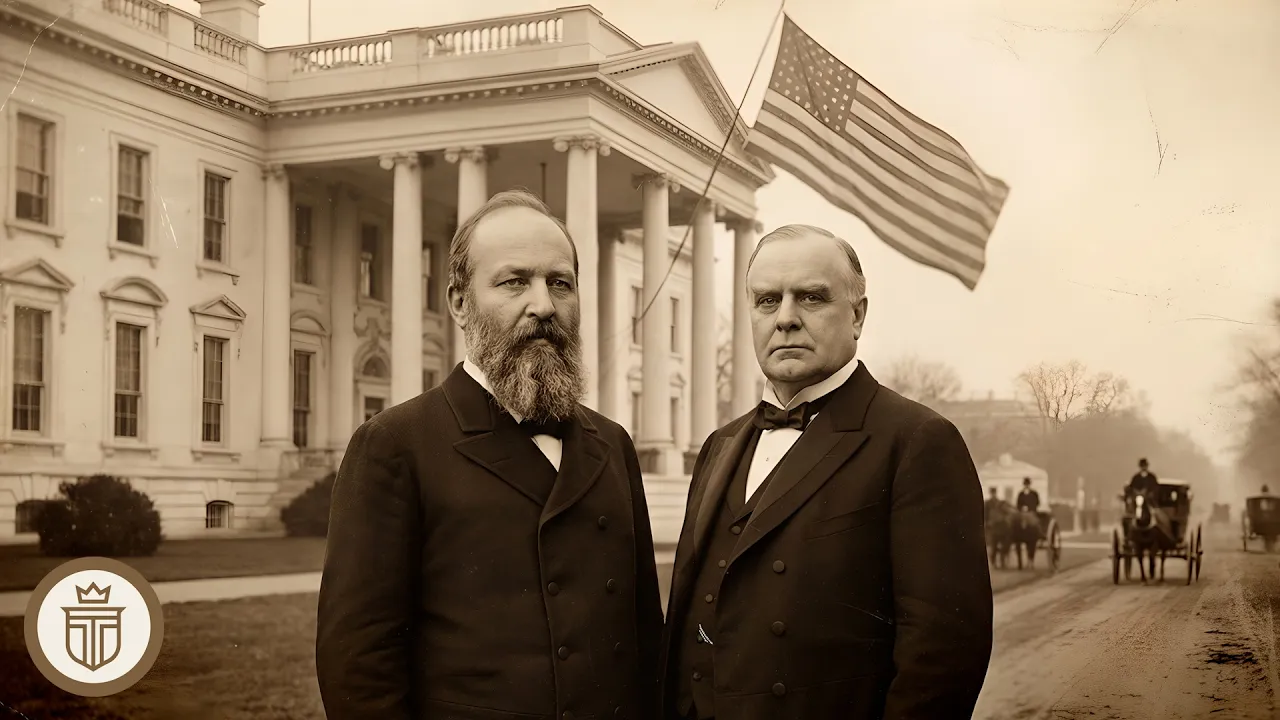
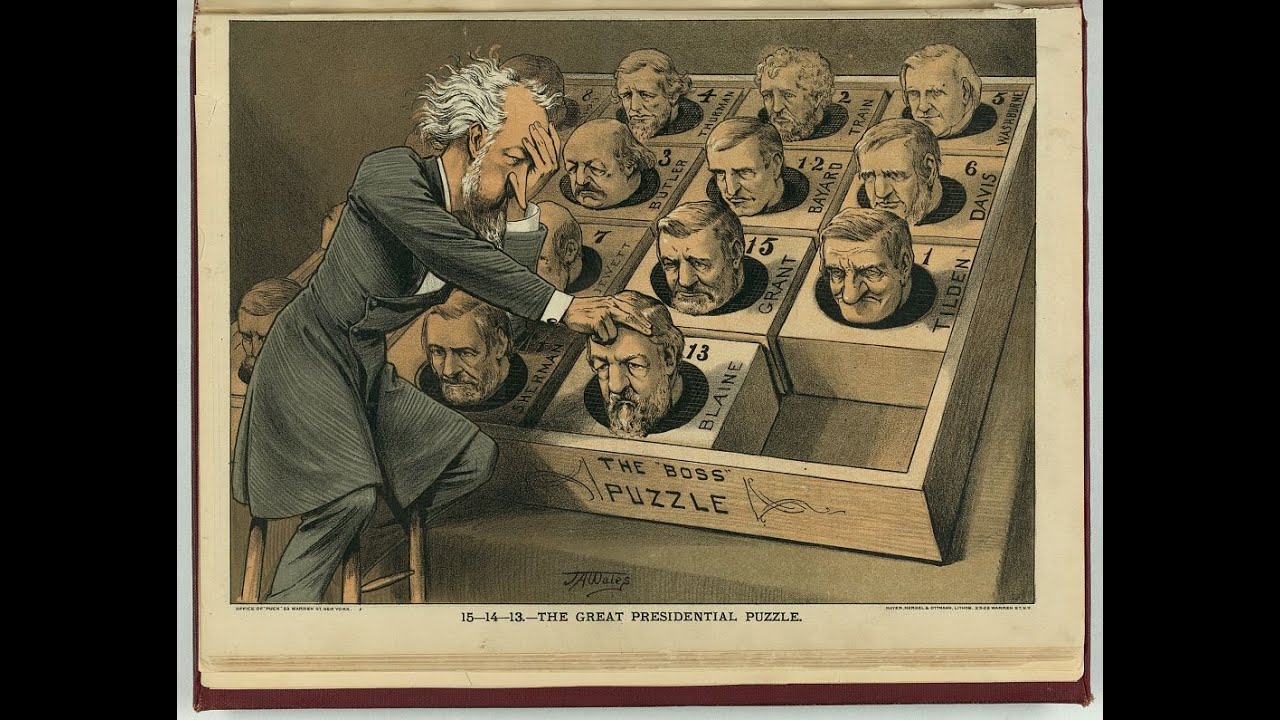

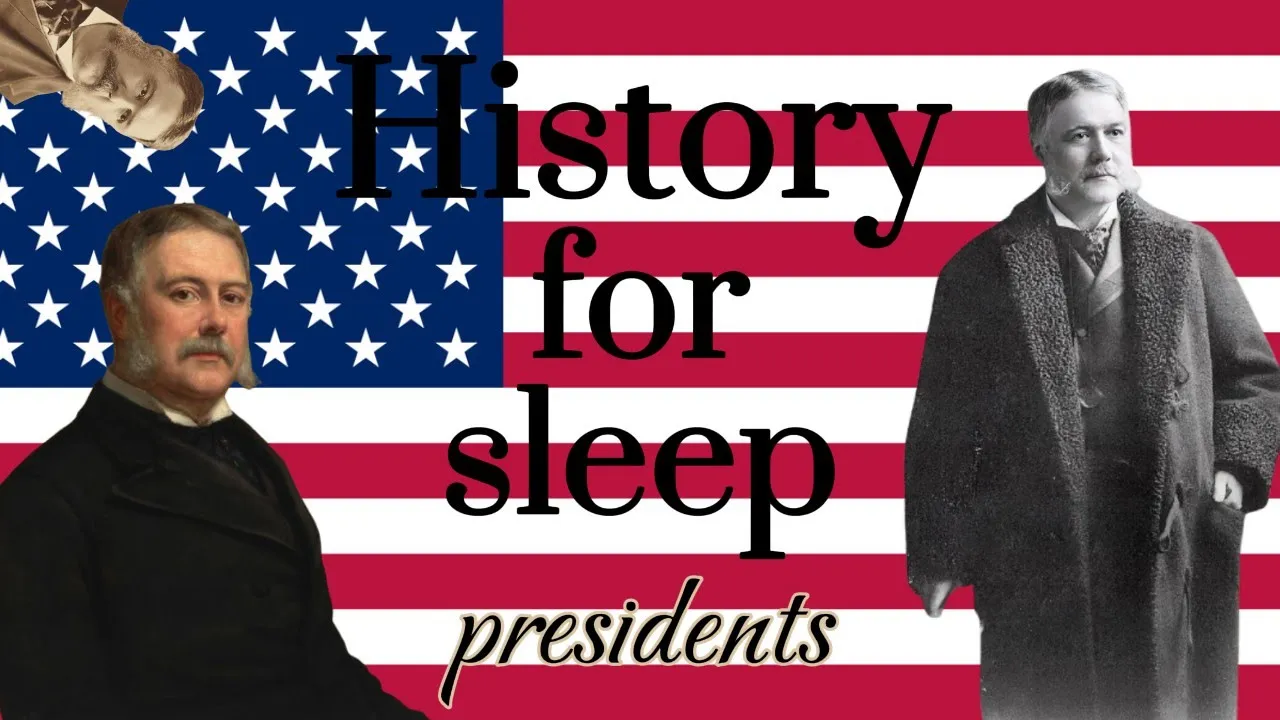








The spoils system, which dominated federal employment in the 1800s by requiring loyalty to the elected president rather than professional qualifications, was fundamentally transformed after President James Garfield's assassination in 1881 by disgruntled office-seeker Charles Guiteau. His successor, Chester A. Arthur, unexpectedly championed reform despite benefiting from the spoils system, leading to the passage of the Pendleton Civil Service Reform Act of 1883. This landmark legislation established merit-based hiring through competitive examinations, replacing political patronage with professional expertise and creating a more accountable federal bureaucracy that persists today.
History of US Civil Service Reform: Spoils System Legacy
Added:The concept of political patronage and the 'spoils system' established during Andrew Jackson's presidency.
The basic structure and function of the US federal bureaucracy and executive branch departments.
The political climate of the Gilded Age, including the dominance of political machines and systemic corruption.
An overview of the 1880 US presidential election and the factional divisions within the Republican Party (Stalwarts vs. Half-Breeds).
The provisions and immediate impact of the Pendleton Civil Service Reform Act of 1883.
How the decline of patronage forced political parties to shift their fundraising strategies from government employee assessments to corporate donations.
Subsequent expansions of civil service reform, such as the Hatch Act of 1939 and the Civil Service Reform Act of 1978.
Modern debates surrounding the federal bureaucracy, including the tension between executive control (such as Schedule F proposals) and a non-partisan civil service.
107.2K views1.8Klikes6:38Original Release: 2025-01-26
with President Trump's return to the White House the role and rights of federal workers is under scrutiny perhaps like never before but you may be surprised to learn the debate over who should get government jobs is an old one our history lesson is from Mo Rocca To the victor belong the spoils for decades in the 1800s that phrase was more than a slogan it was the official hiring policy of the US government you win the election you're entitled to put all your own people in there so the White House changed parties everyone cleared out basically that's right journalist and historian Scott greenberger says that under that spoils system the main job requirement for most federal employees was loyalty it was a system inaugurated by Democratic President Andrew Jackson when he came in he was uh and this will sound familiar he was afraid that the sort of entrenched uh bureaucrats would resist his um his policies and so he cleaned everybody out were people aghast at this I don't think they were aghast when it began but by the time um we get to the 1870s and and the 1880s it was one of the top issues on the national agenda this was a period of abundant facial hair and abundant wealth and corruption in American politics it's a fascinating period with um so many parallels to our own time but says greenberger a fight was underway to replace the spoils system with the hiring of qualified government workers regardless of their political views whose job security didn't depend on whoever was President civil service reform as it was known may not sound sexy but it was one of the hottest political issues of the Gilded Age even attracting the attention of America's foremost author they started just down there in 1876 the same year he published Tom Sawyer Mark Twain participated in his first political rally right here in Hartford Connecticut says a local historian Jason Scappaticci and this was a very big deal for Twain to be here yes yeah he had voted but he had never campaigned for anybody after marching through downtown in support of Republican Presidential nominee Rutherford B Hayes the legendary humorist called for an end to the spoils system we will not hire a blacksmith who never lifted a sledge he said we will not hire a school teacher who does not know the alphabet but when you come to our civil service we serenely fill great numbers of our minor public offices with ignoramuses during this period Twain's Fame is really starting to take off and this speech he delivers in Hartford is on the front page of the New York Times that just goes to show how vital he is how big his name is as you can see it's beautiful Mallory Howard is the assistant curator at the Mark Twain House and Museum in Hartford what a 'stache he was a handsome younger man she's not surprised that Twain would have been mortified by the spoils system I think he felt it was embarrassing putting people in office who are not not prepared I think it doesn't make sense to him it's anti- meritocratic exactly Hayes made it to the White House but little progress was made on civil service reform during his single term Hayes was succeeded by President James Garfield who ran on reform but only months after being sworn in the spoils system exacted its most horrifying toll Garfield was assassinated by a disgruntled and delusional office Seeker named Charles Guiteau had campaigned for Garfield and believed the president owed him worse still for reformers Garfield's vice president Chester Allen Arthur suddenly elevated to the top job had climbed the ranks of dirty machine politics enjoying the fruits of the spoils system along the way I mean this was a a nightmare scenario for the reformers and then all of a sudden here he is he's president the United States and he expresses support for civil service reform which shocked everybody yes in a surprising about face in 1883 president Chester A Arthur contrite by some accounts over the murder of Garfield signed the Pendleton Civil Service Reform Act the first of its kind in US history the law was strengthened over time civil service reform will help taxpayers get what they have been paying for but it lay the groundwork for a professional bureaucracy for responsible for everything from food safety to financial regulation it really paved the way for a more active federal government of course the federal government of the late 1800s with about 50,000 employees looked a lot different than today's Workforce of more than 2 million with you at my side we will demolish the Deep State and critics including president Donald Trump believed the numbers and the protections afforded those Civil Service workers have gone too far hence president Trump's executive order this past week aiming to make it easier to fire some federal workers we're getting rid of all of the cancer Scott Greenberger says maybe the time has come for another debate about the role of the Civil Service yes you should be able to fire people who aren't doing their jobs and the protection shouldn't be such that someone who's incompetent is allowed to stay in a job at the same time if you eliminate those protection entirely then you go back to the sort of system that we had in the 19th century where only political loyalists are serving these positions a system undone by an unlikely hero who most people don't even remember was president and Chester Arthur uh regularly wins the most obscure president wow one that Mark Twain himself put on a pedestal it's funny that we hardly remember the guy today but when he when he uh died people including Mark Twain said wow that guy was the greatest president we'd ever had
Up Next
4:44
Tyrian Purple: The Royal Dye from Sea Snails in Ancient History
@littlearttalks
81.8K views•2015-09-24

33:02
The Great Schism of 1054: Causes and Consequences
@SacredCathedrals
113.5K views•2026-02-19
91:57
The Geopolitics of the Ukraine War and the Rise of Global Autocracy
@JordanHarbingerShow
468K views•2025-04-19
17:05
Understanding the Cold War: Superpower Conflicts and the Road to Détente
@OverSimplified
46.1M views•2019-01-24
Related Study Plans & Knowledge Roadmaps
Structured learning paths in History
history
Byzantine Iconoclasm: Theology, Art & Politics
01Foundations of Byzantium and Early Christian Images
02The First Iconoclasm: Leo III and the Crisis of Images
03Empress Irene, Nicaea II, and the Second Iconoclasm
+ 2 more learning modules
9h5 modules
Explore Roadmap
history
Iranian Revolution (Causes, Events & Legacy)
01The Pahlavi Dynasty and the Roots of Discontent
02The Spark of Rebellion and the Rise of Khomeini
031979: The Fall of the Shah and the Climax of the Revolution
+ 2 more learning modules
8h5 modules
Explore Roadmap
history
Mali Empire: Mansa Musa, Trade & Timbuktu
01Foundations of the Mali Empire
02The Trans-Saharan Gold and Salt Trade
03The Reign and Pilgrimage of Mansa Musa
+ 1 more learning modules
6h4 modules
Explore Roadmap
history
1947 Partition: Politics, Borders & Legacies
01Foundations of British India and the Divide
02The Political Negotiations and the Mountbatten Plan
03Drawing the Boundary: The Radcliffe Line
+ 2 more learning modules
8h5 modules
Explore Roadmap