




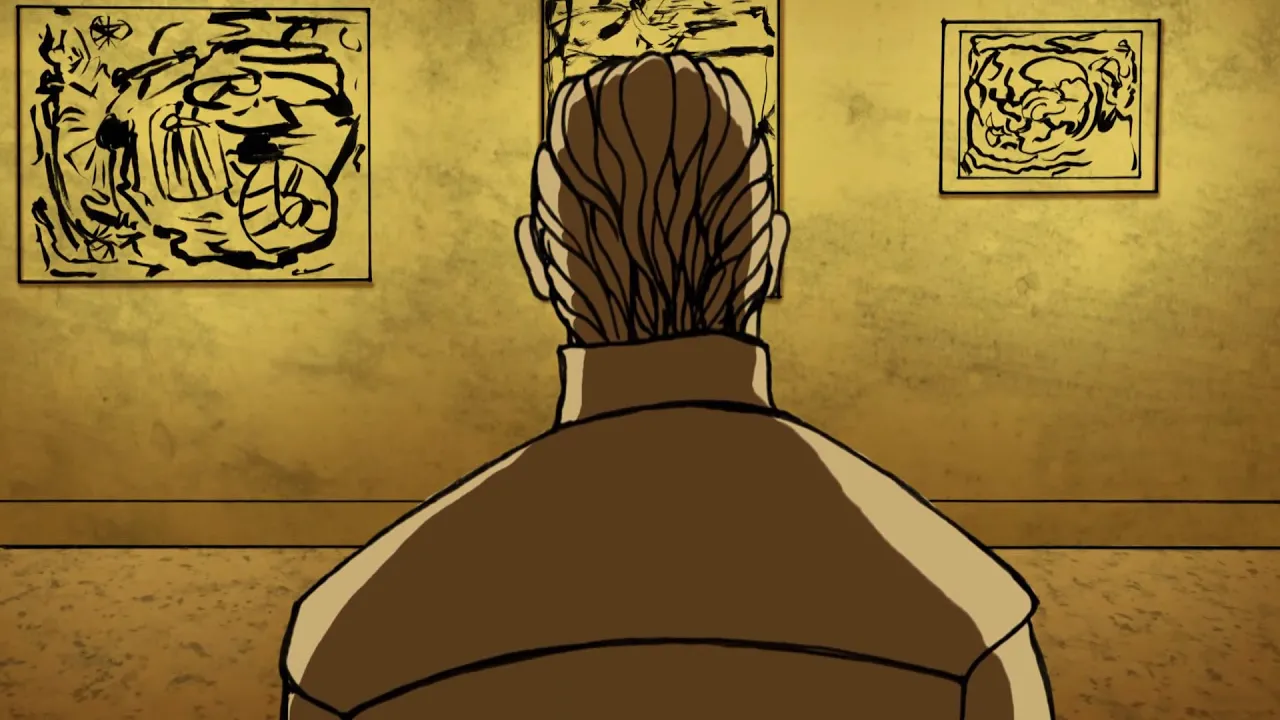


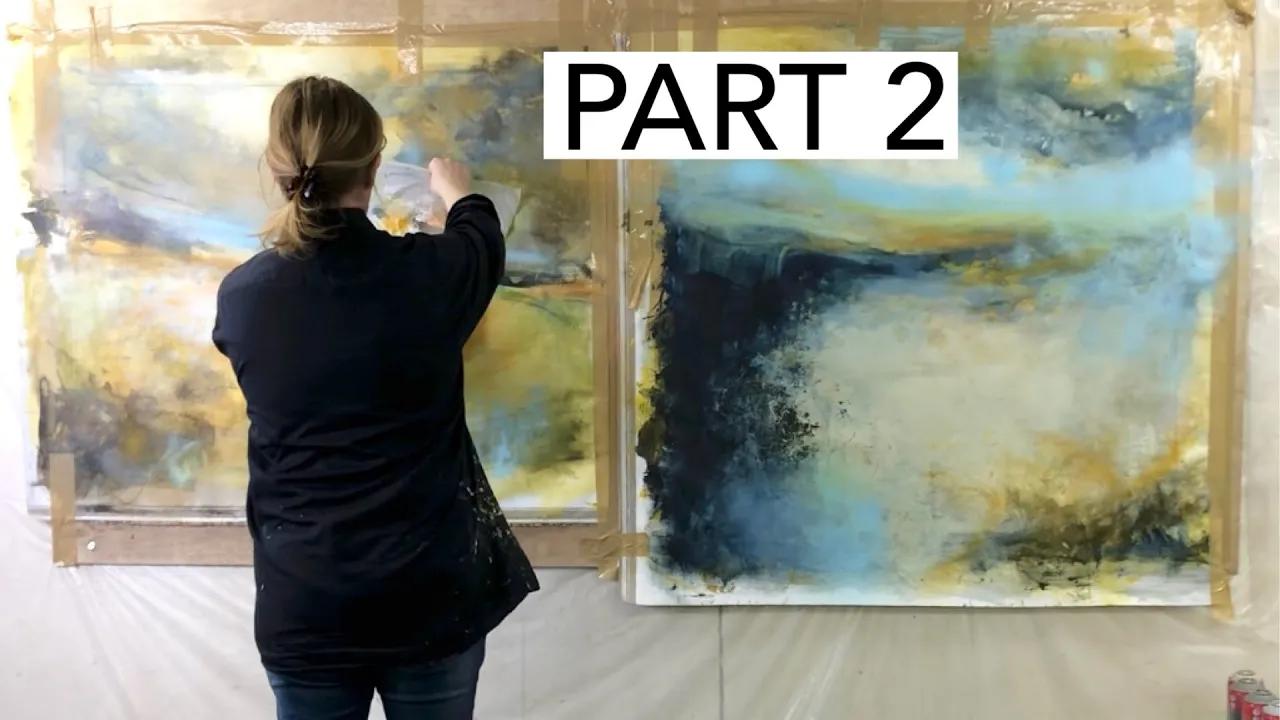

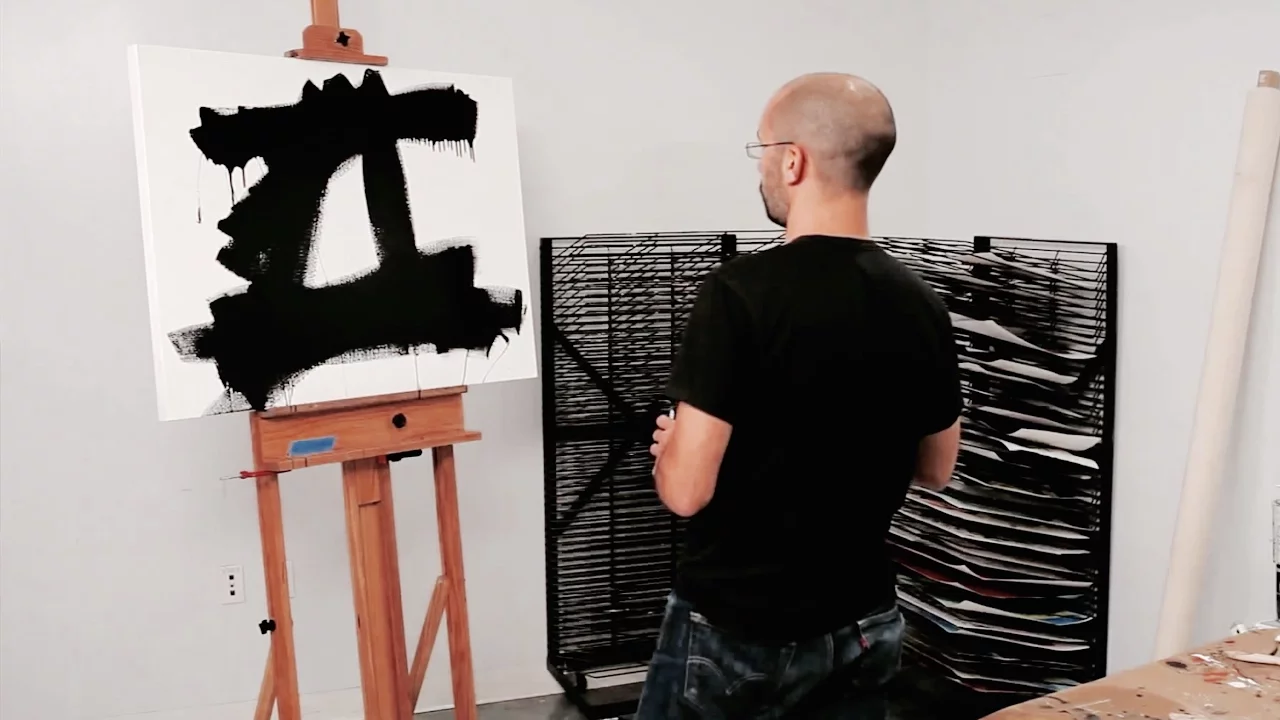


Willem de Kooning's action painting technique involves using large quantities of fluid oil paints with diluted viscosity (mixed with linseed oil, dammar varnish, and mineral spirits) to enable powerful, gestural brushstrokes; his process alternates between explosive painting moments and patient critical viewing periods, incorporating subtraction techniques like scraping and scrubbing alongside addition, using long brushes to maintain global perspective over the canvas, and building up heavily encrusted surfaces that can reach two inches thick through repeated layers of alla prima and wet-over-dry applications.
Learn Willem de Kooning's Action Painting Techniques | MoMA Studio
Added:The historical context of the Abstract Expressionist movement (the New York School) and its departure from traditional figurative representation.
Fundamental properties of oil paint, including drying times, viscosity, and how solvents or mediums are used to alter fluid dynamics.
Harold Rosenberg's art theory of 'Action Painting,' which frames the canvas as an arena of physical action rather than a space for passive illustration.
Basic paint application techniques, including wet-on-wet (alla prima) painting and color mixing on the palette.
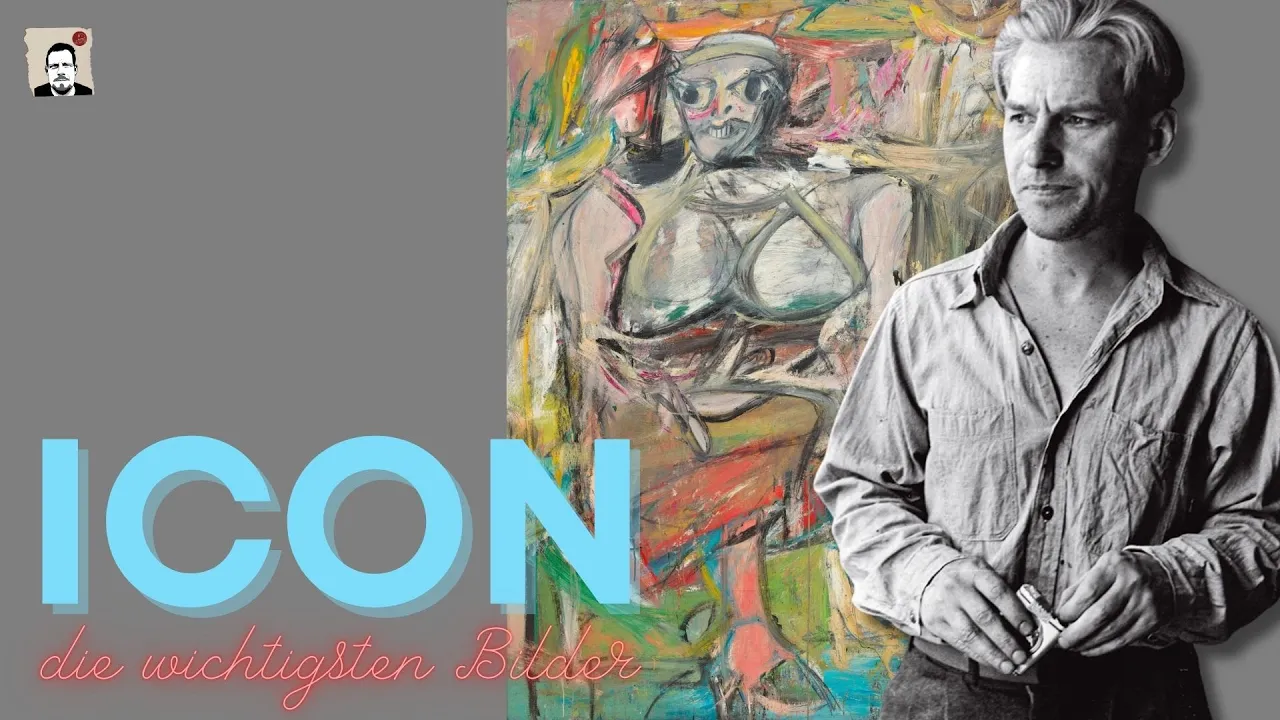
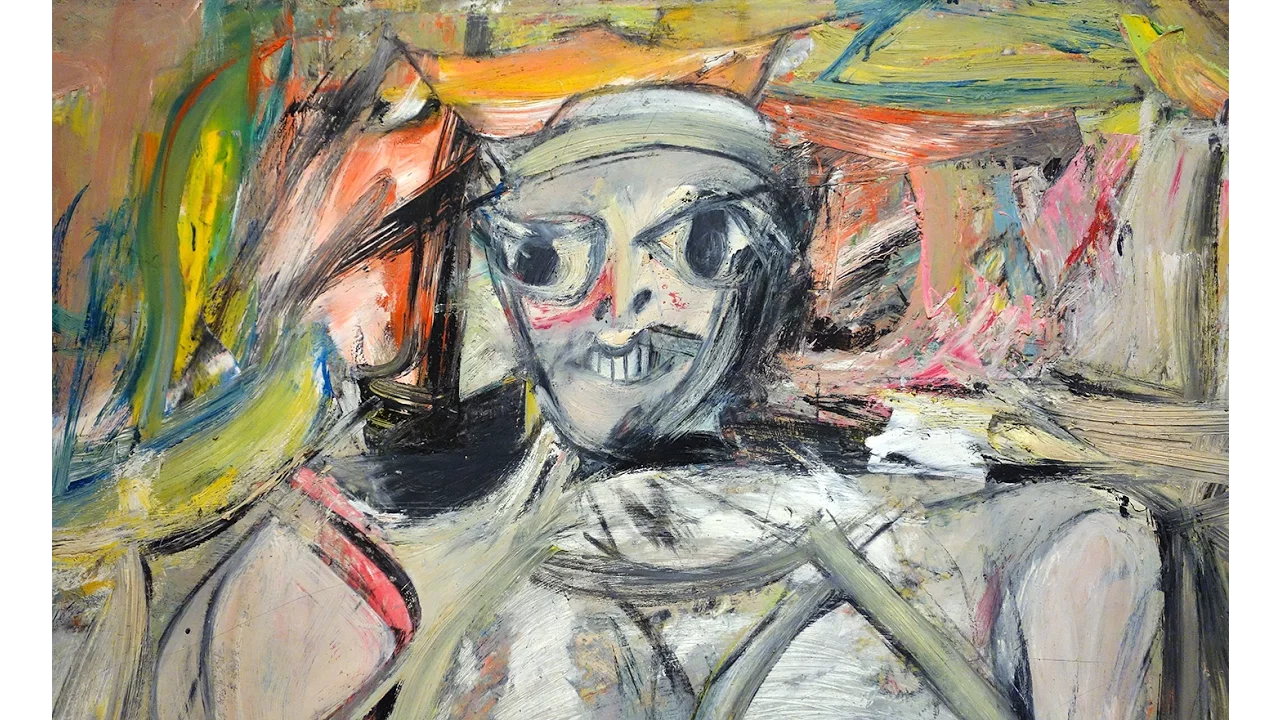
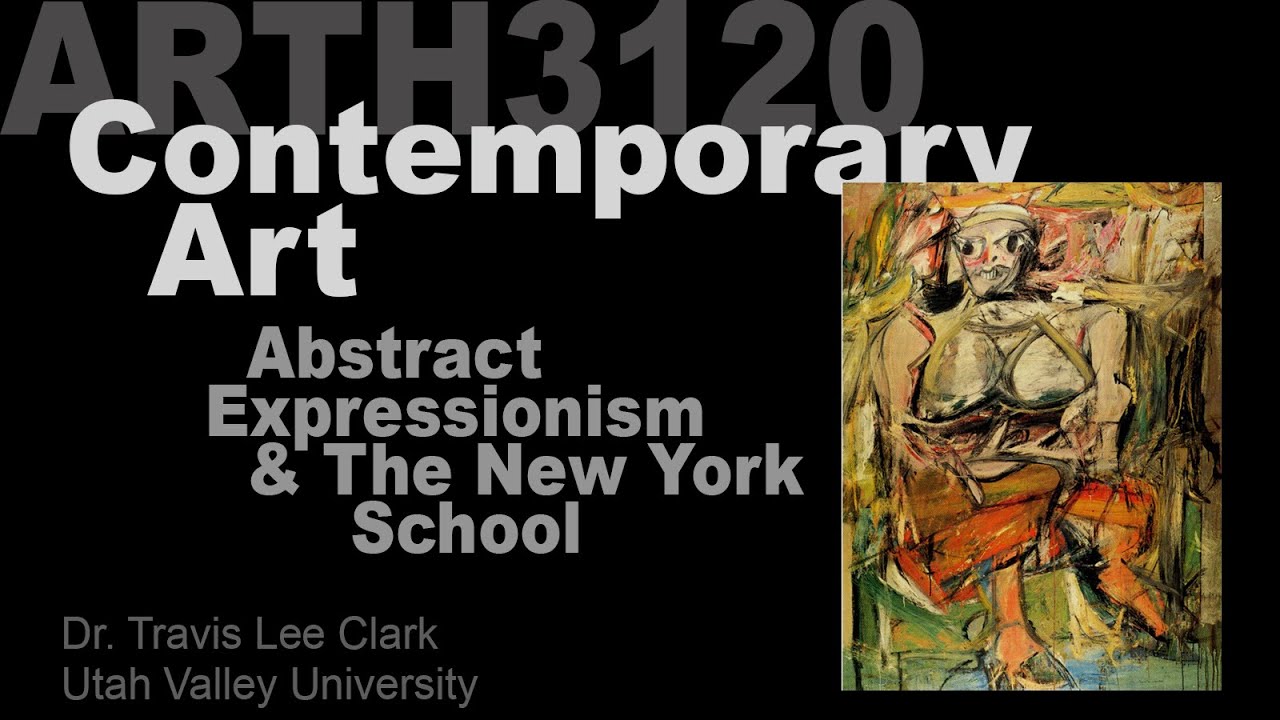
Advanced exploration of de Kooning's synthesis of abstraction and figuration, particularly analyzed through his 'Woman' series.
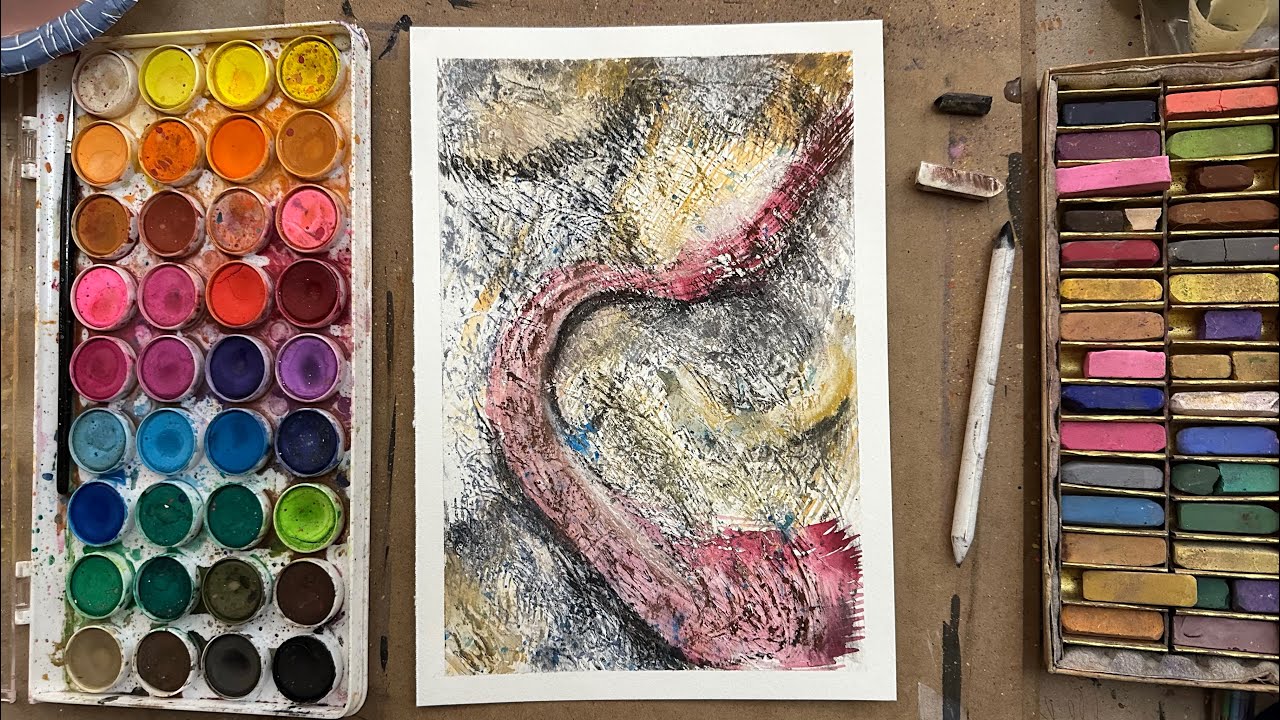
Practical experimentation with scraping, masking, and incorporating dry media like charcoal into wet paint layers to create depth and texture.
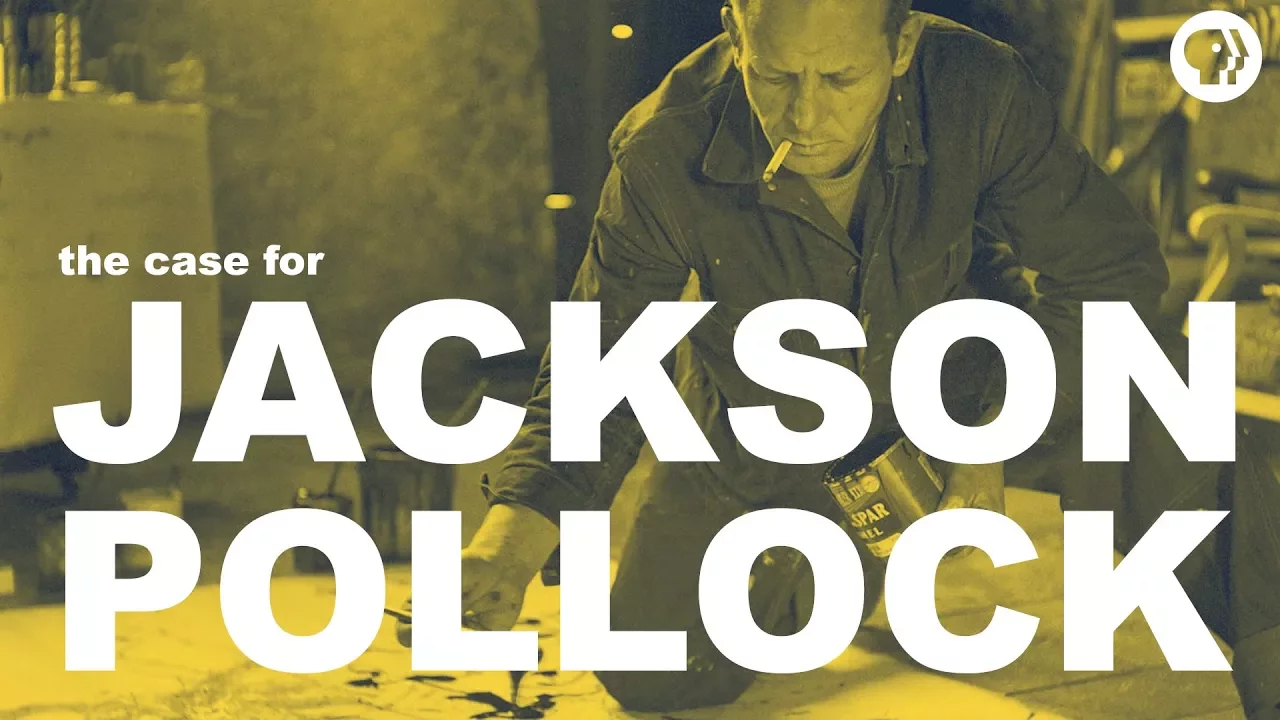
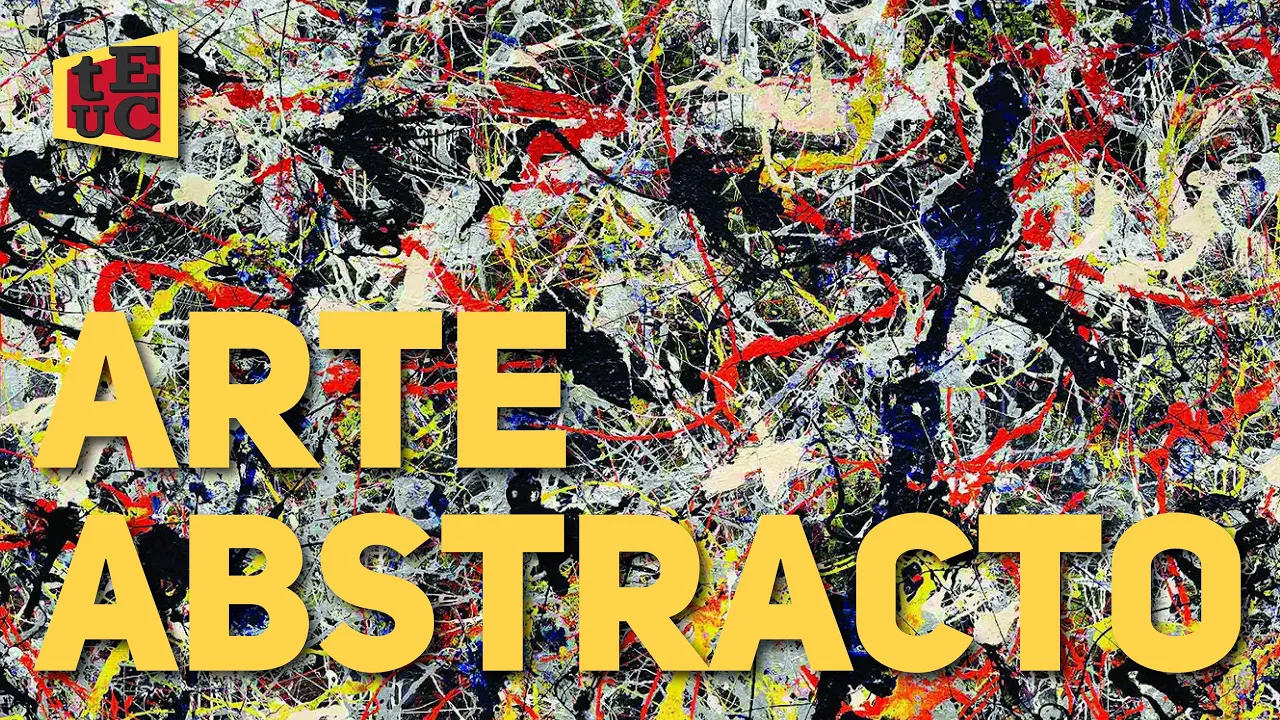
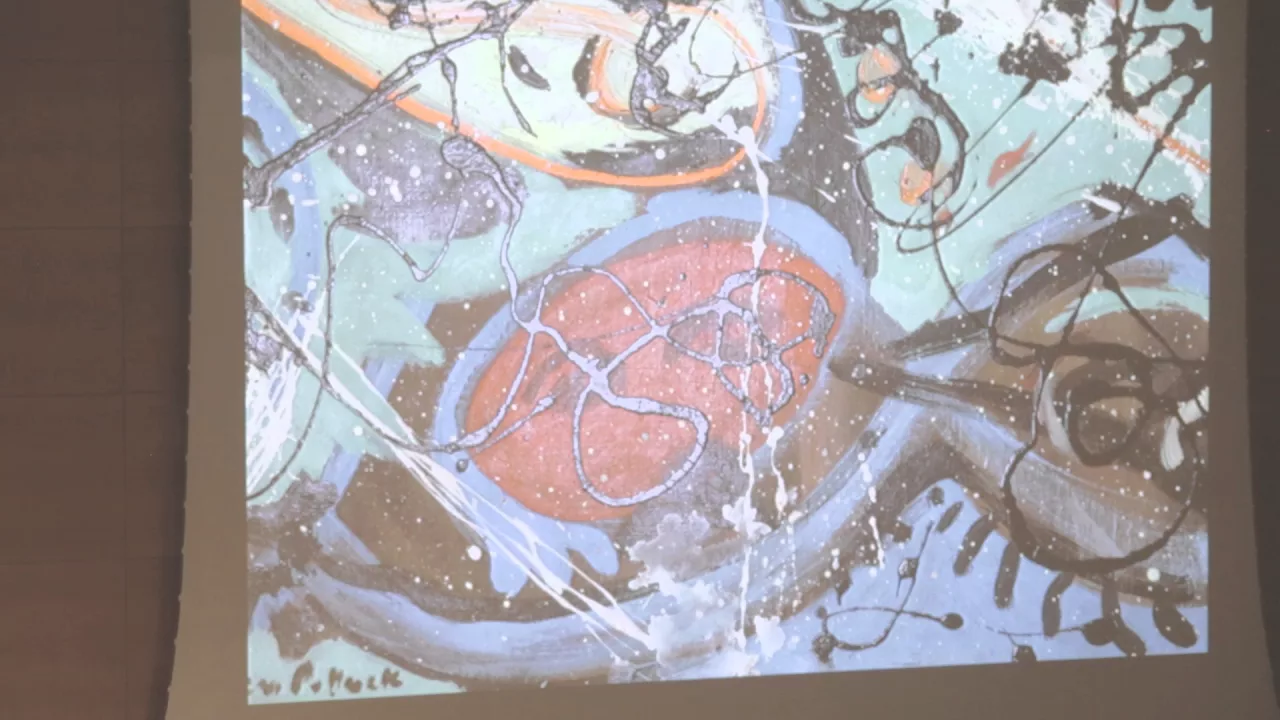
Comparative study of other Abstract Expressionist methodologies, such as Jackson Pollock's drip technique or Franz Kline's calligraphic brushwork.
The preservation and conservation challenges associated with Abstract Expressionist paintings that utilize mixed media and household paints.
1.9M views25.1Klikes19:49Original Release: 2017-04-05
You should really have a lot of fun this week because we'll be exploring some really wonderful viscus and fluid paints here.
The whole range of painter's materials.
We're exploring the work of Willem de Kooning this week, certainly, one of the masters of the New York avant garde.
And you can see in front of me a lot of paint.
A lot of oil paints straight out of the tube.
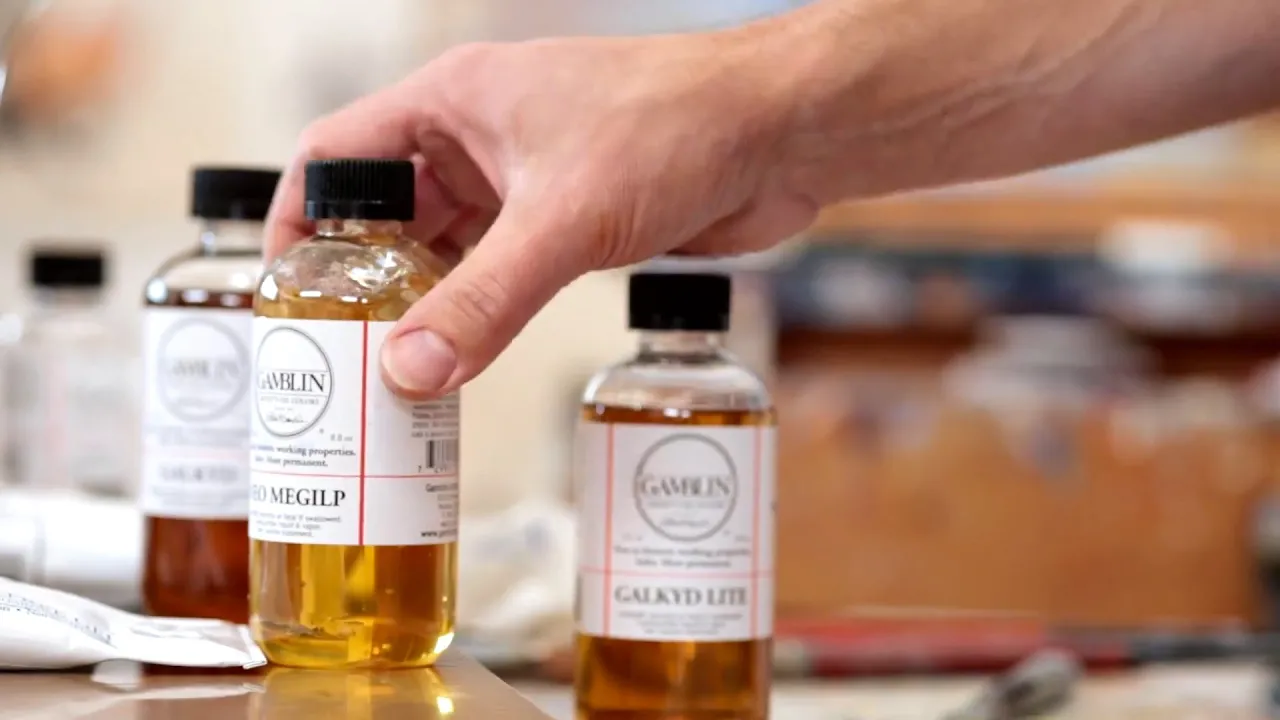
We have a lot of linseed oil here, we have some damar varnish here.
And I do have one typical baker's pan here, which I'll be using as a pallet for one color, but really we're in the realm of kitchens now.
And if you have some old bowls or old cans, or what have you, this is really the quantities of paint that we're going to be working with, if you're going to be working with a large format painting.
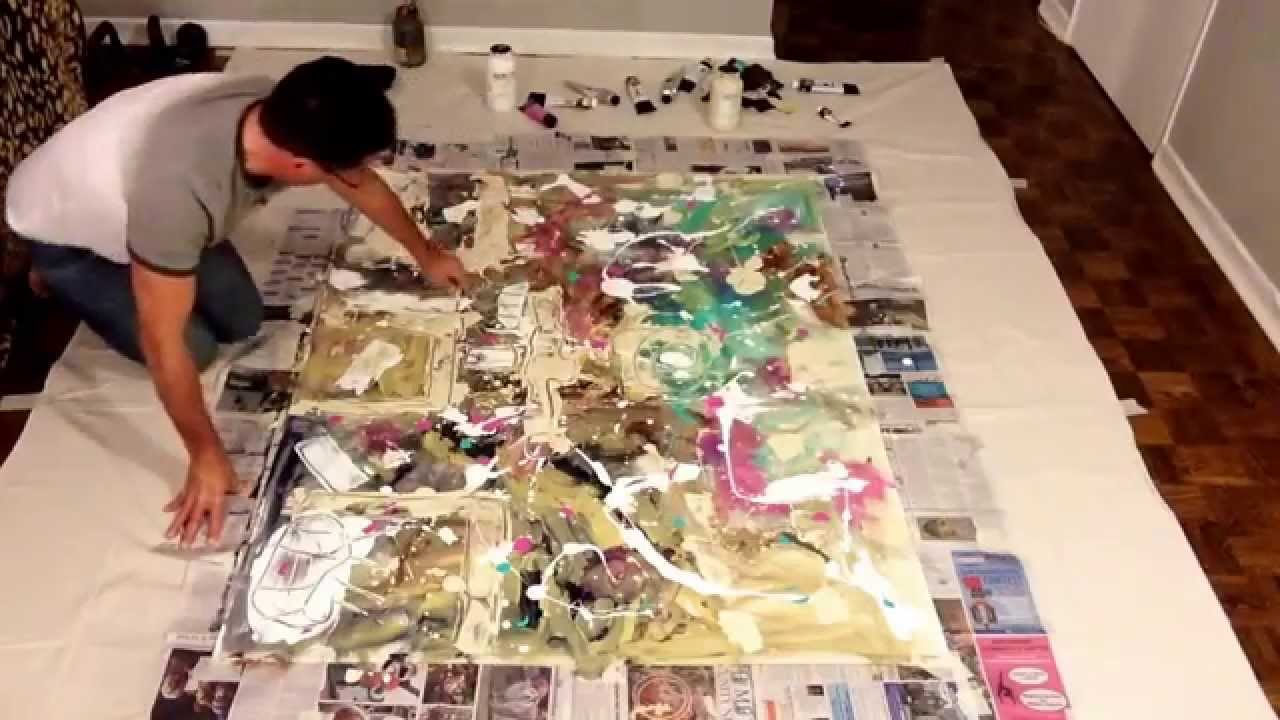
de Kooning painted with his whole body, he was a gestural painter, he was an action painter.
And really using really large quantities of liquid paints here, allows the body to trace these huge marks, powerful strokes across the canvas.
So let's get started.
What I'm going to do, essentially, is to build my entire palette first, before even approaching the easel, that way I know what I'm working with.
Let's start off with a cobalt blue.
A vast majority of the paints I'm working with are going to be really low viscosity, allowing them to be quite fluid, and really translate the power of my gestures on the canvas.
In other words, I'm not going to paint with this really thick, toothpaste thick quality of artist's oil grade paint right out of the tube, I'm going to douse it with some nice oil there.
And I'm really going to cut that viscosity, make it a lot more flowable on the surface of the painting.
There is something really gorgeous, really wonderful about this gooey quality of oil paints, which you just can't get in the rather plastic realm of acrylics.
So, here, kind of a medium speed paint, if you will.
It's not super thick, but it's not super fluid, it's not running off of my brush.
And I'm going to vary my consistency of different paints here, some of them medium like this, some of them, as you'll see, will be a lot more fluid than this.
So I'm just going to save that for later.
Now, let's work on another one, and let's work with some kind of flesh tone.
Now, for a kind of basic Caucasian flesh tone, it's nice to use some buff titanium.
This is actually the same thing as titanium white, it's just not bleached.
So both of these, buff titanium and titanium white, this one gets bleached, titanium white, buff titanium has more of a neutral tone to it.
And then to get a decent kind of Caucasian flesh tone, believe it or not, you add a little bit of red for warmth.
You add a little bit of yellow for warmth.
And then you add a little bit of green for depth.
And again, once I add a little bit of varnish into there, make it nice and glossy, this is Dammar varnish, it's a natural resin, comes from trees.
Dammar is D-A-M-M-A-R.
Let's add a little bit of linseed oil in there as well.
And then let's add a little bit of mineral spirits, or turpentine.
And let's choose a nice brush for flesh.
How about this one?
We'll start getting some of these colors mixing here.
Now, that mixture of solvents and media that I added here, remember that's dammar varnish, linseed oil, the typical vehicle or binder of oil painting medium.
And some solvent, some mineral spirits, that's to do a couple of things.
First of all, it's to make it a lot thinner on the brush, a lot faster, and here I am getting sloppy, this is just the beginning, you'll see.
To make the viscosity lower, to cut that viscosity.
Another role of that combination is to make it glossy, and shiny and these wonderful fluid paints that de Kooning worked with are often extremely glossy in character.
Okay, so here's the second color of my palette here.
Kind of a murky, mean looking skin tone here.
I like this.
This is going to look really nice when contrasting with some really hot colors, some nice warm red colors.
So let's make one of them.
going to be working with cadmium red hue here.
Any time you see that word hue that means well, you cheaped out a little bit.
Cadmium is a heavy metal, it's expensive.
Cadmium red hue is an organic, read cheap, substitute for it.
Now, it's okay because the hue of that color is going to be exactly the same as cadmium.
In other words, gorgeous, stop sign red, or Coca Cola red.
We're going to add a little of linseed oil, and then we're going to add some water.
You're thinking whoa, whoa wait a minute water and linseed oil, what is this guy doing?
Well, de Kooning liked to violate these rules because he liked to have really interesting paint textures, sometimes frothing up on the surface.
Now, because I've mixed water and oil, you can see this texture is an unhappy texture.
It's really not a solution as much as it is a suspension.
In other words, it's just a physical mixture of these things that don't like each other, they don't play nicely together.
But this weird alligator skin kind of texture here is going to be really active and really interesting on our surface.
Let's make some nice hot light yellow color.
And since we already have a little bit of white going, let's add to it.
And now to this one I'm going to add just mineral spirits.
No additional vehicle or binder this time.
Just some solvent, a fair amount of it in fact.
Then the reason I'm doing this, is that I want this paint to quite thin, thinner than the paints we've made so far.
Now when you add binder to a paint, in this case, that's linseed oil, you make it more transparent and you cut the viscosity.
When you add solvent to the paint, mineral spirits here, you make it more into a stain.
It doesn't have any additional gloss like linseed oil will provide, but it really makes it incredibly low viscosity, so it'll absorb into the ground or even sometimes the under paint layer that is beneath it, so what you have left with is a super thin application of really fast, really runny, consistency of paint.
What I'm going to do to speed up this process a little bit is just to transfer this into a mixing bowl.
Just out of convenience.
This is going to help me blend this paint a little faster, a little better, a little stronger, so it's not splashing all over the studio floor.
And if you can hear that sound, that's what a de Kooning painting sounds like, liquid, fluid, runny, kind of, wonderful viscous kind of materials.
Okay, so we have a nice pallet going here.
Let's move to the easel.
Okay, so large format canvass, a little small here, but roughly human scale here.
Interesting to note, that recent research at Guggenheim Museum on a painting by de Kooning from the 1970s, 1975, if I'm not mistaken, called Who's Name Was Writ on Water.
We looked at that painting, an abstract painting, in infrared light and actually found an under drawing.
Now, usually an under drawing is made and then a painter exactly paints over that drawing but, of course, for an improvised, gestural abstract painting, why would you use an under drawing?
It's actually akin to a dancer warming up before performing.
It's a way to get loose.
It's a way to stretch, to get limber.
And to kind of rehearse some of the same physical gestures that you're about to perform, not with a drawing tool, but with a loaded brush.
Now, before I start to warm up with that under drawing, I'm going to sand the support.
And this time I'm using some very rough sandpaper, 40 grade.
This is the stuff that if you rubbed on your own hand would hurt.
And what I want to do is, basically make this canvas very absorbent, rub off any sheen so that my paint is going to be nice and roughly attached to it.
[SOUND] And now I'm going to get lose a little bit, warm up on the canvas here, and start thinking about some of the gestural marks that I will be performing with oil paint.
But now just kind of, I get use to that idea, get use to those range of motions.
But now, with charcoal.
[SOUND] [SOUND] [SOUND] All right, a good time to step back from the painting and take a look.
And this is actually really important and underestimated aspect of de Kooning's approach to painting.
We all think about these explosive moments, these active moments of painting and you just witnessed some.
But really, de Kooning alternated those with some very long, very patient, very critical periods of careful looking at his paintings and trying to understand what the painting wanted to do next.
Because this is really not the kind of painting that you can push around.
It's one that you really need to listen to.
So what I'm looking at, when I'm seeing this painting, are a couple things that are working and a lot of things that aren't.
What's really sticking in my eye first of all, is this very artificial line coming straight down here.
Now, when I was painting, that didn't even occur to me, I was so close to the canvas.
But stepping back, there is a very linear element of all these different gestural marks aligning in a vertical way, this is artificial and it looks bad.
It catches the eye in an aggressive way.
Similarly, there's a little bit too much parallel stuff that's going on here.
Although there are some nice moments of paints mixing, wet in wet into each other.
Some of these really nice color combinations working here.
This, kind of, beautiful mark here, wet in wet, blue into it's complement yellow, some gorgeous mark making.
Also, there are very flat planes of color that need to be worked in.
But, essentially, what you saw me do in that first step here, is to knock out all the white.
To start bringing this painting forward, in space, together, to really understand what is going to happen next.
Now, it's also really important to understand that in de Kooning's painting technique, there's as much subtraction of the painted material, as there is addition.
In other words, a lot of the marks that are made in the finished product are a function of labor, of putting paint on, scrapping it or smearing it back off.
So let's get into some of those activities now.
[SOUND] And already, what you see me do there, is edit out some of the areas that I didn't like, that I thought were weaker.
Wow, they just got a lot stronger for a couple of reasons.
First of all, colors are mixing in a really interesting way.
Look at this chaos here, gorgeous.
Also, bringing back the drawing into the equation.
Skinning, flaying some of the white of the canvas here and giving us some transitions between thickly painted, thinly painted, opaque, translucent, luscious, fat paint, glossy, and dry, scratched kind of texture here.
All of these variables here that we're exploiting are really going to allow this painting to come together as a whole.
Another technique that de Kooning would use is to take some turpentine, or in our case, some mineral spirits, on a rag and just scrub back into the surface.
And this is really going to remove paint and also make the paint bleed together, very aggressively.
[SOUND] And already the painting is way more active, way more alive, way more variety going on.
Now, there are areas now that are bothering me that didn't bother me a minute ago.
The reason is, I just attacked the problems, but guess what, now there are new problems.
These problems weren't as strong as the original set, but now they're the strongest ones left, so time to attack them, too.
[NOISE] Wow, and now we have a nice start to a painting.
What before looks red or spare and artificial, almost hackneyed or almost sarcastic.
Now we're starting to really embrace with the physicality of the medium and things are starting to happen.
de Kooning was a huge fan of really, really long brushes.
This is a pretty long brush, it's a 35 brush size, here.
But de Kooning had brushes that literally were as tall as I am, six feet tall, something like that.
The reason was, he liked to be painting on a canvas from a distance.
Why?
Because he wanted to have this global perspective over the work while he was working.
I'm going to do my best approximation here and start painting from arm's length anyway.
Remember, that de Kooning is taking advantage of this distance, but from even further back to really understand how the entire painting is evolving as he's adding or subtracting gestural marks to it.
Some of this accepted chaos, as this drip is just cascading down the surface here, is how some of the most beautiful marks evolve in de Kooning's work.
Now one thing that will tend to happen when working with so much alla prima technique, or wet in wet technique, as I'm working with here, is that your oil paints will gradually get muddy.
And, in fact, if you've gotten this far into your de Kooning, you may have already lost it in some very dark colors.
Now, there are two ways to rectify that.
One, scrape it off.
This is the wonderful thing about oil painting, you don't like it, well, get rid of it.
Number two, you can wait for that paint to dry.
Now, this is oil paint, it's going to take awhile.
We're using a really high quantity of oil that makes the drying time even longer.
But when that paint does dry, well then you can work in any color you want over top.
Because since this paint is already dark, if I add, well this kind of magenta color to it, it's going to stay that dark and I'm going to lose this lovely magenta hue.
If this dries first, that will not happen since they won't blend together.
It's often said of de Kooning, that he never finished a painting, just sometimes his paintings escaped from the studio.
He was relentless in his editing going back and forth and back and forth.
And speaking of back and forth, he also alternated between activities of not only painting and looking, but between painting and drawing, and then back to painting again and then back to drawing again.
So let's do some more gestural mark making with a hard tool, in fact, soft charcoal here.
Now, when drawing into wet paint, you lose your mark quickly but you begin to gouge into the surface and some interesting things can happen.
[SOUND] So these little bits of charcoal that are left there, you'll often find in de Kooning's paintings.
When the paint is completely dry, that charcoal remains embedded into the surface.
Now, how to think about what kind of marks to make?
I'm thinking as much about the mark I'm making as I am my own body, and how I'm moving in space.
For example, I see there's some kind of residue of this kind of a mark, a down and then back up, so I'm going to reenact this mark now, but with a hard tool rather than that wide fluid brush.
And you can see that the edge here is far sharper than anything I did before, as that's the point where the elbow is driving back up off the canvas.
What I'm trying to do, is to enmesh all of these marks so they don't look like individual planes of color, but they start to wrap together.
So what you can see is that I pulled this color, not only combining with this maroon purplish color, but I brought it back into the canvas, commingling with some other colors here.
But also starting to highlight that beige tone, which is found scattered throughout this entire painting now, which ties things together visually and allows these to exist in the same space, rather than all these interdependent, or I should say independent kind of tectonic plates of color sliding over each other.
Now they're becoming enmeshed in each other, since you see that color throughout the work.
Following that same logic, I have a lot of the yellow on the left hand side of the painting, especially at the bottom.
None on the right, none at the top.
Well, let's take care of that.
And I think this is a good time to call it quits.
Now, let's talk about how this painting can grow, since, in all honesty, no exaggeration, paintings stayed in de Kooning's studio for sometimes two years as he actively worked on them.
So, of course, when looking at this painting, it looks thin, it looks simple compared to a de Kooning, for a couple reasons.
This is all done alla prima, it's all done wet in wet.
And really de Kooning alternated periods of working wet in wet within working wet over dry and having some harsh, scraped kind of marks here, but, because it’s wet, it starts to all mix together.
de Kooning would build up these heavily encrusted surfaces so that by the end of them, they're two inches thick full of paint.
They're very heavy paintings, physically, to carry around.
But as you can see here, really, as much paint comes off of this painting as goes back on.
Really get involved in this process, not only the physical process of painting, but this back and forth looking, analyzing, and then diving back into the action painting phase of the work.
So here we have a very promising, but a very brief start, to a painting that, in de Kooning style, should really be allowed to grow in the studio for a month, if not really a year.
Up Next
3:32
Mark Rothko Painting Techniques | Color Field Art Explained
@themuseumofmodernart
1M views•2010-10-24

12:54
Triumph of Orthodoxy Icon: Byzantine Art & History Explained
@BenCallan
2.1K views•2024-08-06

3:49
Barnett Newman's Painting Technique: Vir Heroicus Sublimis Analysis
@themuseumofmodernart
258.4K views•2010-10-24

1:42
Game of Thrones Opening Credits: A Cinematic Analysis
@gameofthrones
46.3M views•2011-04-18
Related Study Plans & Knowledge Roadmaps
Structured learning paths in General & Interdisciplinary Studies
general-studies
Elevator Engineering: History, Physics & Cities
01From Hoists to Safety Brakes: The Dawn of Vertical Lift
02Hydraulic vs. Traction: The Engineering Physics of Elevators
03Modern Speed, Safety, and Algorithms
+ 2 more learning modules
12h5 modules
Explore Roadmap
general-studies
Rubber: Material Science, History & Geopolitics
01Origins of Natural Rubber & Mesoamerican History
02The Chemistry of Natural Rubber & Vulcanization
03The Geopolitics of the Rubber Boom & Colonization
+ 2 more learning modules
12h5 modules
Explore Roadmap
general-studies
Containerization: Evolution, Logistics & Trade
01Ancient Trade & Bulk Cargo: Amphorae to Barrels
02The Industrial Revolution & Cardboard Packaging
03The Containerization Revolution: Malcom McLean
+ 2 more learning modules
12h5 modules
Explore Roadmap
general-studies
Textile Tech: Evolution, Labor & Global Impact
01Pre-Industrial Textiles: Handloom & Cottage Industry
02Mechanization: The Spinning Jenny to the Power Loom
03The Factory System & Global Labor Transformation
+ 2 more learning modules
10h5 modules
Explore Roadmap